
Biohuts Århus havn, East Jutland Travel Guide
A small but compelling fish nursery project where Aarhus’ working harbour quietly experiments with boosting marine life beneath its busy quays.
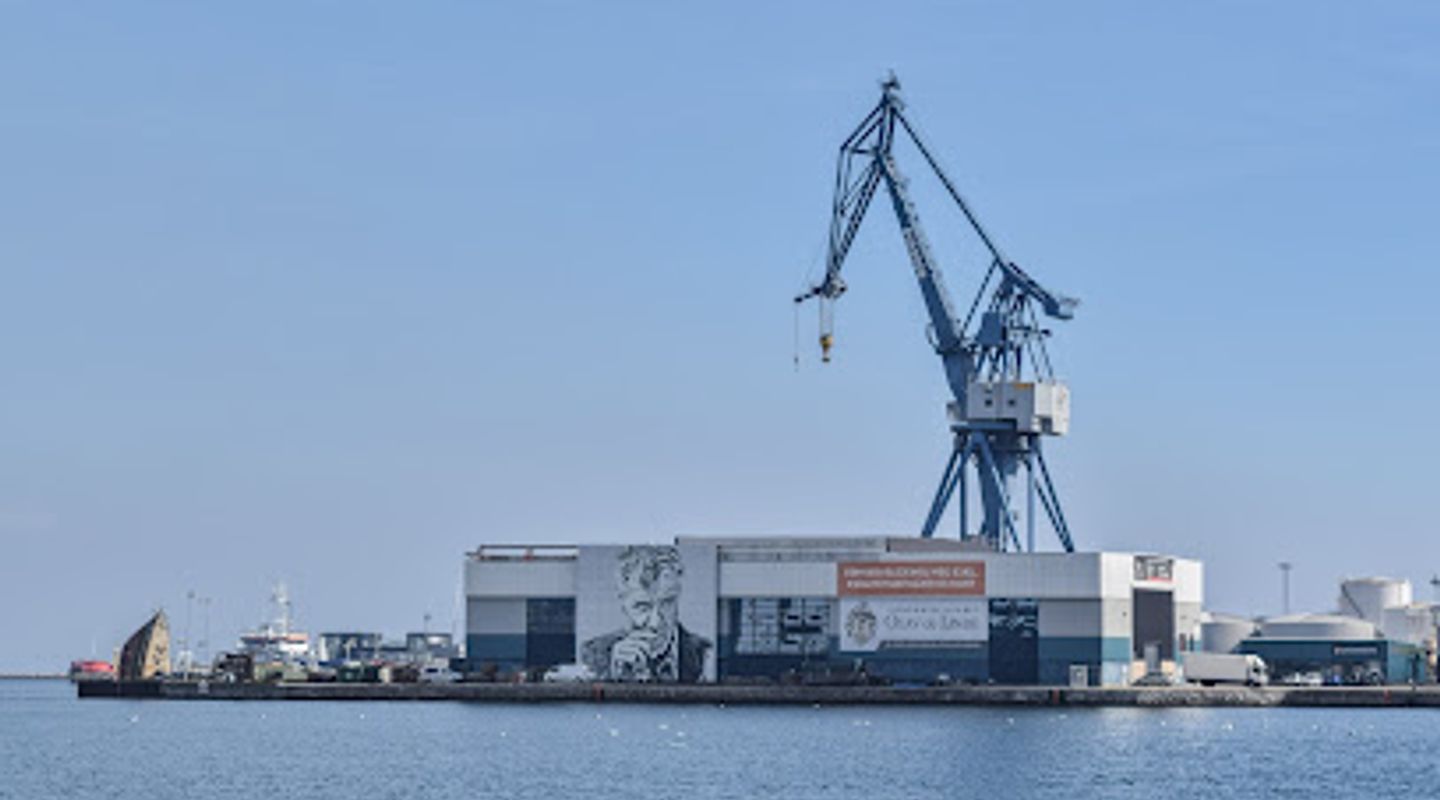
Tucked along the quay at Balticagade, the Biohuts at Aarhus Harbour are a small but fascinating glimpse into how a busy commercial port can double as a nursery for marine life. Suspended beneath the surface, these cage-like “fish kindergartens” shelter juvenile fish and invertebrates, boosting biodiversity in an otherwise hard-edged, man‑made waterfront. From the promenade you can peer down into the clear water, read about the project, and see how science, sustainability and everyday harbour life intersect in Denmark’s second‑largest city.
A brief summary to Biohuts Århus havn
- Balticagade 24, Aarhus C, Aarhus C, 8000, DK
- Duration: 0.5 to 1 hours
- Free
-
 Outdoor
- Mobile reception: 5 out of 5

Know before you go
Hi, I'm Eve. Here are a few practical things to know before exploring Biohuts Århus havn.
- Combine a stop at the Biohuts with a broader stroll along Aarhus Harbour to appreciate how the fish nurseries sit within the working port landscape.
- Visit in daylight and, if the water is clear, look over the edge of the quay to spot small fish and seaweed using the structures as shelter.
- Bring a windproof layer; the exposed harbourfront can feel significantly cooler and breezier than the city streets just behind it.
- If you are interested in marine ecology, read up on artificial reefs and urban waterfront restoration before visiting to better understand the Biohut concept.
Do you manage this location?
Take control to get all the benefits, like improved information, better appearance, and stronger visibility across AI-powered discovery. Learn more about listing your business on Evendo
Activate your presenceOther nearby places you may find interesting
The closest places of the same kind, if this one is not quite what you had in mind.
Explore Biohuts Århus havn on the Map
A handpicked selection of must-see spots near Biohuts Århus havn, mapped for you.
Getting There
-
City bus from central Aarhus
From the central area around Rådhuspladsen, use an eastbound city bus heading toward the harbour and Aarhus Ø. Typical journey times to stops near Balticagade are around 10–20 minutes depending on traffic. A standard single ticket within the city zone usually costs about 20–30 DKK when bought via app or ticket machine. Buses run frequently during the day, but evening and weekend services are less frequent, so check timings in advance.
-
Bicycle from Aarhus city centre
Cycling from the compact city centre to Balticagade typically takes 10–15 minutes at a relaxed pace. The route follows mainly flat streets with established cycle lanes leading toward the waterfront. Standard city bikes can be rented from various shops or bike‑share schemes in the centre, with typical prices starting around 80–120 DKK for a day. Wind can be strong along the harbour, so allow extra time in poor weather and use lights during darker months.
-
Walking from the inner city
On foot, the harbourfront around Balticagade can usually be reached from central Aarhus in about 20–30 minutes. The walk is mostly flat and follows urban pavements and waterfront promenades, but sections can be exposed to wind and rain. The area is easy to navigate and suitable for most visitors with basic mobility, though those using wheelchairs or strollers may prefer to follow the broad harbour promenades rather than older cobbled side streets.
For the on-the-go comforts that matter to you
-
 Restrooms
-
 Drink Options
-
 Drinking Water
-
 Food Options
-
 Seating Areas
-
 Sheltered Areas
-
 Trash Bins
-
 Information Boards
Discover more about Biohuts Århus havn
Harbour industry meets underwater nursery
Aarhus Harbour is best known for its containers, ferries and cranes, but along the quay at Balticagade a quieter story is unfolding beneath the surface. Here, a series of submerged steel cages known as Biohuts act as tiny sanctuaries for young fish and invertebrates, tucked into the shadows of the harbour wall. They are part of a wider effort to show that an intensely used urban port can also contribute to the health of the surrounding bay.From the edge of the quay you see only the tops of mounting frames and the slight movement of buoys, yet just below, the harbour’s concrete edge is transformed into something closer to a rocky reef. The presence of the Biohuts softens this engineered shoreline and hints at a more life‑friendly future for coastal infrastructure.How Biohuts support life below the surface
Each Biohut is essentially a three‑dimensional mesh structure, packed with shells and other hard material that mimic the nooks and crannies of a natural seabed. Small fish slip easily through the grid to feed on the tiny creatures that colonise the interior, while larger predators are kept at bay by the cage. Over time, algae, barnacles and filter feeders encrust the frames, turning bare metal into a living mini‑ecosystem.Placed in a row along the quay, the Biohuts function like a chain of underwater stepping stones. Juvenile fish use them as resting and feeding stations as they move through the harbour, helping more species survive in an area dominated by ships and vertical walls. The structures also trap organic material drifting through the port, recycling it back into the food web instead of letting it simply wash away.A living laboratory in the middle of the city
The Biohut installation forms part of a broader collaboration between the harbour authorities and local marine scientists who monitor how biodiversity responds to even modest habitat improvements. Sensors and sampling gear are periodically deployed around the cages to measure water quality, count species and follow seasonal changes in the community that has taken up residence inside the meshes.For students and researchers, this stretch of quay doubles as an accessible field site: a place where data can be gathered without boats, long travel times or pristine reefs. For casual passers‑by, it is a reminder that serious environmental work often happens in small increments, bolted quietly onto existing structures rather than built as grand, standalone projects.Experiencing the project from the quayside
As a visitor you encounter the Biohuts from the promenade level, with views across the inner harbour and the constant backdrop of port activity. Interpretation panels and simple diagrams often explain what lies beneath, helping you imagine the hidden grid of cages below your feet. On clear days you may glimpse shoals of small fish flickering around the harbour edge or see seaweed streaming from the sides of the quay.There is no formal exhibition building or ticketed entrance here; the attraction is woven into the everyday life of the waterfront. Benches, open quays and nearby cafés make it easy to linger and watch the interplay between cargo traffic, leisure boats, seabirds and the quieter underwater world being nurtured by the Biohuts.Urban sustainability in practice
The Biohuts are part of a wider push to make Aarhus Harbour more climate‑conscious and nature‑positive, alongside efforts to cut emissions, improve water quality and integrate green thinking into port development. By reclaiming a sliver of space for marine life in a busy industrial setting, the project offers a tangible example of how cities can rebuild some of what has been lost along hardened coasts.In this sense, the installation is as much an educational tool as a habitat. It invites you to rethink what a harbour can be: not only a node in global trade, but also a partner in restoring local ecosystems, one small fish nursery at a time.












Your all‑in‑one travel companion app
Explore expert travel guides, compare and book tours, experiences, hotels, and more—all from the palm of your hand. Download now for seamless trip planning wherever your wanderlust takes you.


Explore More of East Jutland
Looking beyond Biohuts Århus havn? Discover East Jutland for broader travel guides, local hot-spots, and regional highlights.
Explore East Jutland
A poised bronze boy with bow and arrow brings quiet drama and historic artistry to the intimate city square of Klostertorvet in central Aarhus.

Hidden beneath the quay at Balticagade, Aarhus’ Biohuts turn a working harbour wall into a quiet experiment in marine restoration and urban biodiversity.
