
Marielyst, Falster Travel Guide
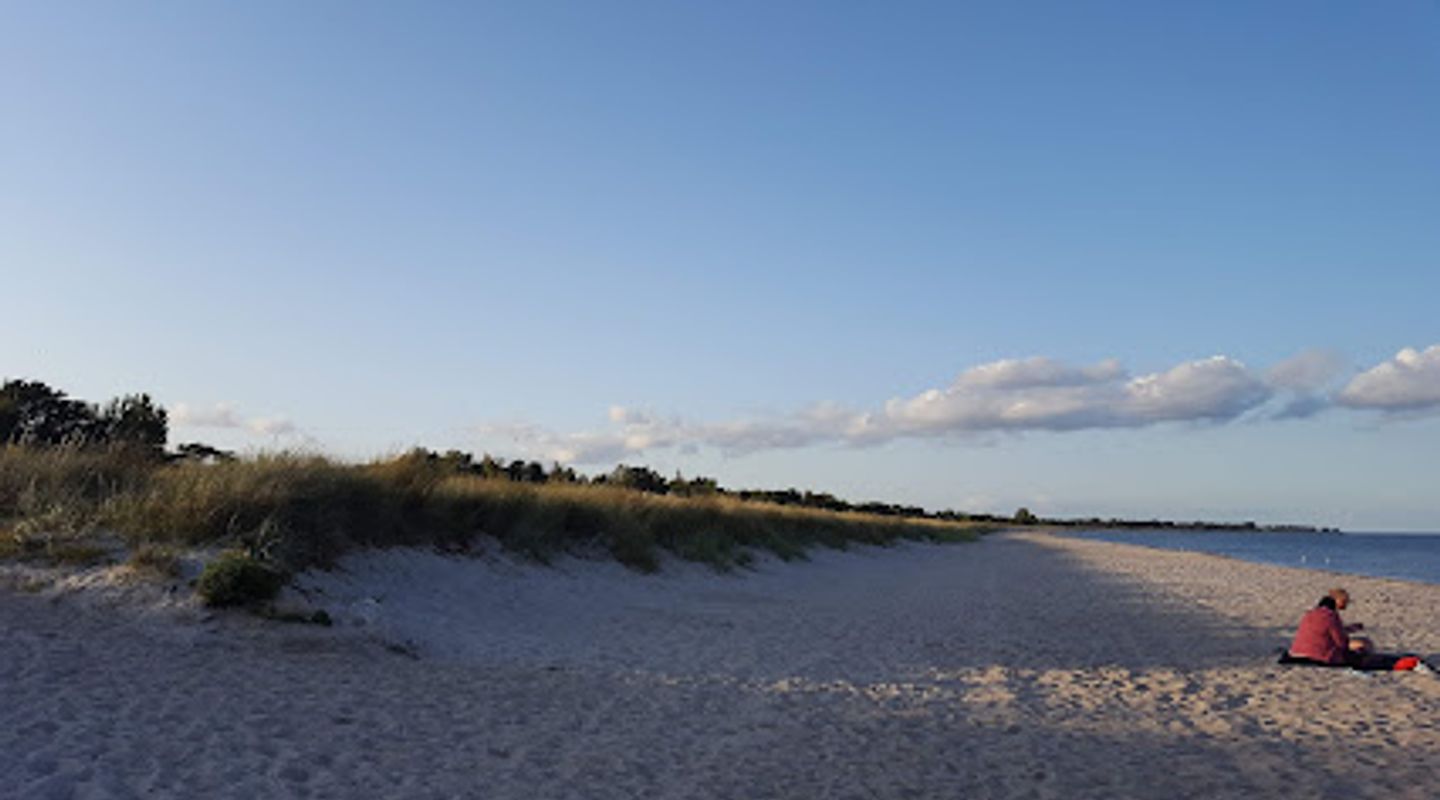
Long white sands, shallow Baltic waters and a compact, lively holiday village make Marielyst Falster’s classic seaside escape for families and easygoing beach days.
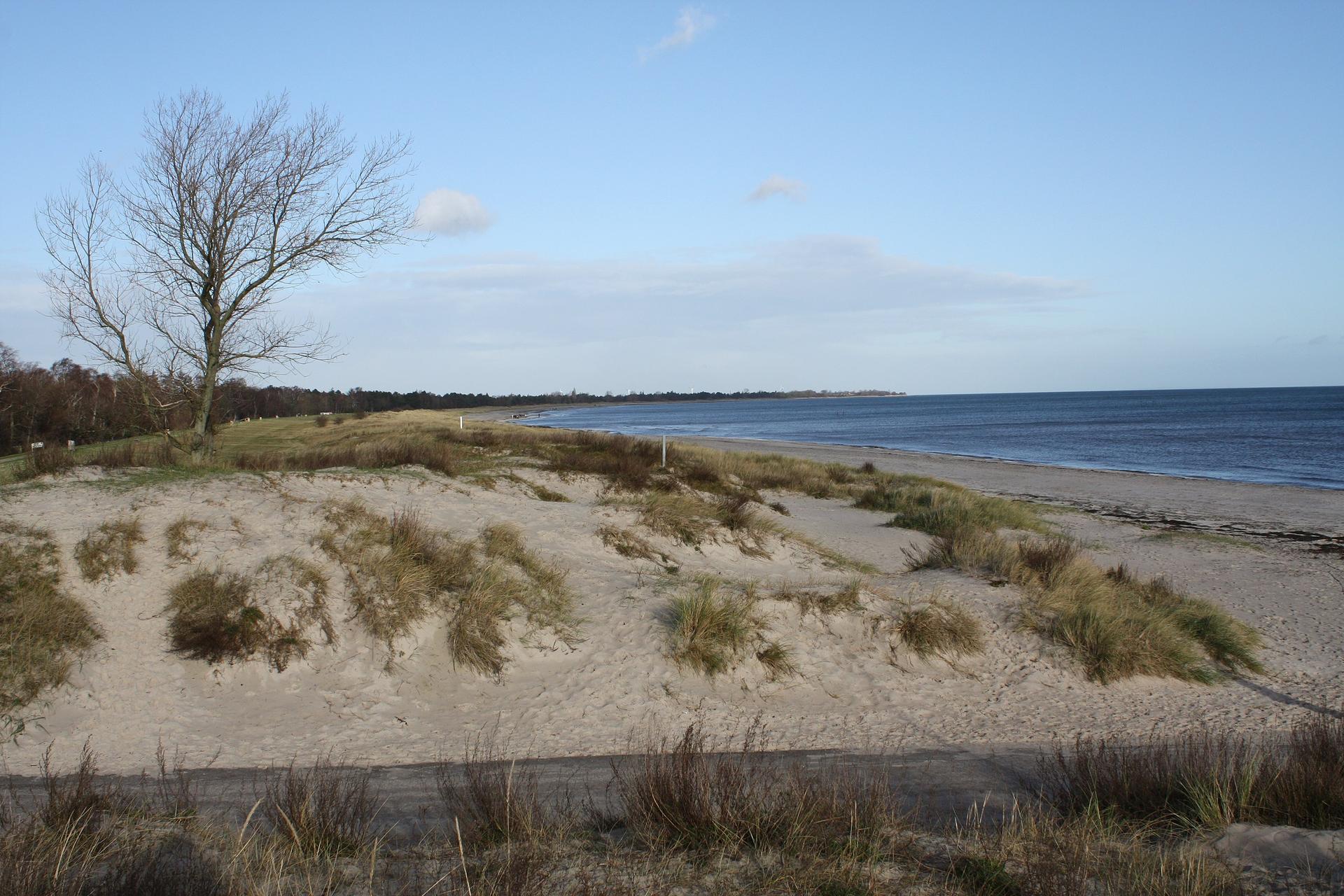
Marielyst is a classic Danish seaside resort on the south coast of Falster, known for its exceptionally long, soft white-sand beach and easygoing holiday atmosphere. Backed by dunes and a protective dyke, the shoreline runs for some 20 km, with shallow, calm water that suits children and relaxed swimmers. Just behind the dunes, a compact holiday town offers ice-cream kiosks, cafés, mini-golf, family attractions and thousands of summer houses, blending coastal nature with a lively yet laid-back village feel.
A brief summary to Marielyst
- Digevej, Væggerløse, Marielyst, 4873, DK
- Duration: 2 to 8 hours
- Free
-
 Outdoor
- Mobile reception: 4 out of 5

Know before you go
Hi, I'm Eve. Here are a few practical things to know before exploring Marielyst.
- Pack windproof layers even in summer; the Baltic breeze can feel cool on the open beach, especially for long walks along the dyke.
- For quieter stretches, walk south towards Bøtø or north towards Sildestrup, where the sand is just as soft but the crowds thin out.
- Families with small children will appreciate the shallow water and gentle slope; bring beach toys and plan extra time for paddling and sandcastle building.
- Combine a beach day with an evening around Marielyst Torv, where you can find ice cream, casual dining and mini-golf within a short stroll of the dunes.
- Outside peak summer, check seasonal opening hours for activity parks and watersport centers, as many operate on reduced schedules.
Do you manage this location?
Take control to get all the benefits, like improved information, better appearance, and stronger visibility across AI-powered discovery. Learn more about listing your business on Evendo
Activate your presenceOther nearby places you may find interesting
The closest places of the same kind, if this one is not quite what you had in mind.
Explore Marielyst on the Map
A handpicked selection of must-see spots near Marielyst, mapped for you.
Getting There
-
Regional train and bus from Nykøbing Falster
From Nykøbing Falster, take a regional bus toward Marielyst; the ride typically takes 25–35 minutes depending on stops. Buses usually run at least hourly in the daytime, with reduced frequency in the evening and outside summer. A one-way ticket generally costs around 30–50 DKK per adult. Most buses can accommodate strollers, but seats fill up quickly on sunny weekends and during school holidays.
-
Car from Nykøbing Falster area
Driving from the Nykøbing Falster area to Marielyst usually takes 20–30 minutes, depending on traffic and season. The route follows well-maintained local roads suitable for all standard vehicles. Parking is available near the beach and around Marielyst Torv, but spaces close to the dunes can fill up by late morning on hot summer days, so allow extra time to find a spot during peak season.
-
Cycling from nearby villages on Falster
From nearby villages such as Væggerløse, you can cycle to Marielyst in roughly 20–30 minutes, using a mix of minor roads and local cycle routes that are generally flat and suitable for most bikes. This option is free and gives a pleasant approach through fields and holiday-house areas. Be prepared for strong coastal wind and bring lights if returning after sunset, as some stretches have limited street lighting.
-
Long-distance arrival via Nykøbing Falster
If you are arriving from Copenhagen or other major Danish cities, take an intercity or regional train to Nykøbing Falster, typically 1.5–2.5 hours depending on route and service. Standard second-class fares commonly range from about 120–260 DKK one way, varying with time and ticket type. From Nykøbing Falster, continue by local bus or taxi to Marielyst; taxis cost more but are faster and convenient if you are carrying beach gear or traveling late at night.
For the on-the-go comforts that matter to you
-
 Restrooms
-
 Drink Options
-
 Drinking Water
-
 Food Options
-
 Seating Areas
-
 Sheltered Areas
-
 Trash Bins
-
 Information Boards
-
 Visitor Center
Discover more about Marielyst
White Sands and Gentle Baltic Waves
Marielyst unfolds along one of Denmark’s most celebrated beaches, a broad ribbon of soft, pale sand edging the Baltic Sea on the island of Falster. The shoreline stretches for around 20 km, so you can walk for what feels like hours with dunes on one side and low, rolling waves on the other. The sand is fine underfoot and the seabed slopes so gradually that paddling stays shallow far from the shore, making it especially reassuring for families with young children.Even on breezier days, the beach keeps its appeal. The wind drives patterns across the sand, the sea takes on a steely-blue sheen, and kites lift into the sky over the dunes. In summer, a bathing pier is typically installed, giving easier access for swimmers and a classic Baltic beach silhouette for photos. Year-round, the air is rich with salt and seaweed, and the horizon remains the star attraction.Dunes, Dyke and Coastal Landscape
Behind the beach a low belt of dunes hides a man-made dyke, built in the late 19th century to protect the reclaimed farmland inland. This barrier now doubles as one of Marielyst’s great pleasures: a car-free path offering long, level walks and runs with constant views of the sea. Benches are spaced along the route, inviting you to pause and watch the light shift over the water or scan for eiders and other coastal birds.The landscape here is the legacy of the last Ice Age, when retreating glaciers left an 18 km mound of sand, gravel and clay that later silted into the Falster coastline. Today that geology translates into a surprisingly varied fringe of dunes, low heath, and wetlands just south of town around Bøtø Nor, where former pumping stations and bird habitats hint at the ongoing interplay between land and sea.From Farmhouse to Holiday Town
Marielyst’s roots as a resort are relatively recent. After severe coastal flooding in 1872, local landowner Hans Jørgensen successfully drained the low-lying ground for agriculture and named his new farmhouse Marielyst, after his wife Marie. In 1906 the property was transformed into a seaside hotel, Marielyst Østersøbad, with elegant Art Nouveau-inspired villas added soon after. That early ambition set the tone for a place designed around leisure and sea air.Over the 20th century, the resort grew into a dense summer house area, now counted in the thousands. The original idea of a Baltic retreat, however, still shows in the town’s scale: there are no high-rises, just low buildings, cottages, and clusters of pines. The nearby beach church, opened in 1957, anchors the spiritual side of this holiday landscape, with summer services often held for both Danish- and German-speaking visitors.Life Between Square and Shore
Step away from the sand and you reach Marielyst Torv, the central square where the resort’s social life gathers. In summer, this compact hub hums with ice-cream parlours, cafés, casual restaurants and shops selling beach gear and everyday essentials. Mini-golf courses, go-kart tracks, paintball fields and a family-friendly adventure park nearby give the area a distinctly playful streak, especially appealing to children and teenagers.Despite the entertainment, the overall rhythm remains relaxed rather than frenetic. Most people split their time between simple pleasures: a slow morning by the sea, a round of mini-golf or a cycling loop along the dyke, then a leisurely dinner or evening stroll as the light softens over the water. Nightlife exists but never overwhelms the village scale.Seasons of a Baltic Resort
In high summer, Marielyst is at its busiest, with beach towels dotted along the sand, bathing piers in place, and the full range of activities open. Warm days can still come with a brisk sea breeze, so light layers and a windproof top are useful. Outside July and August, the town quiets noticeably, shifting towards a calmer, almost contemplative seaside escape. Autumn and early spring walks along the dyke, perhaps followed by a café stop in the center, reveal a more tranquil personality.Winter brings stark beauty: empty sands, low sun, and the possibility of hardy winter bathing. Many services run on reduced hours, but the beach and paths remain open, and the wide, open sky becomes part of the appeal. Whatever the season, Marielyst’s core promise is simple: generous space, gentle sea, and a classic Danish blend of coastal nature and informal holiday charm.












Your all‑in‑one travel companion app
Explore expert travel guides, compare and book tours, experiences, hotels, and more—all from the palm of your hand. Download now for seamless trip planning wherever your wanderlust takes you.


Explore More of Falster
Looking beyond Marielyst? Discover Falster for broader travel guides, local hot-spots, and regional highlights.
Explore Falster
Small but central, Strandvejstorvet is Marielyst’s relaxed village square, where beach life, everyday errands and seaside treats meet just behind the dunes.
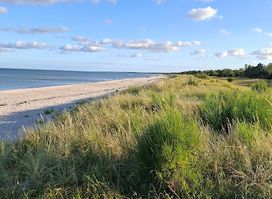
A classic Danish seaside resort on Falster, where a 20 km ribbon of white sand, shallow Baltic waters and a lively little holiday town create an easygoing coastal escape.
