
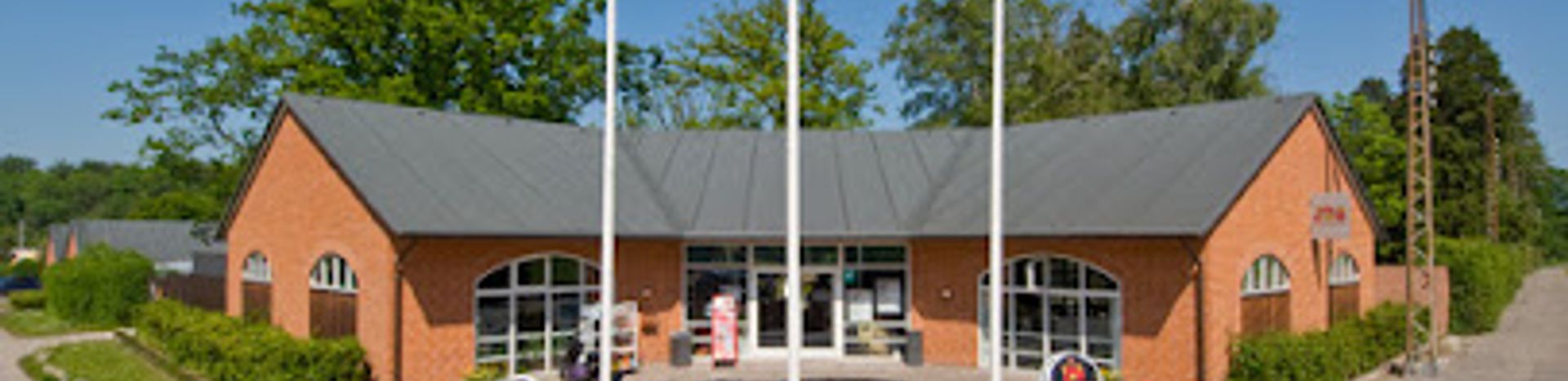
Guldborgsund Zoo & Botanical Garden
Former neighbourhood zoo and garden where animals, playgrounds and leafy parkland once created a relaxed, family-friendly green escape in Nykøbing Falster.
Guldborgsund Zoo & Botanical Garden in Nykøbing Falster blends intimate animal enclosures with leafy parkland and a small botanical collection. Once a classic family day out, it offered close-up encounters with species like big cats, lemurs, farm animals and birds, alongside playgrounds, picnic lawns and quiet corners by the trees. Though now reported as permanently closed, it remains a notable green landmark in the town’s recent cultural landscape.
A brief summary to Guldborgsund Zoo & Botanisk Have
- Østre Alle 97, Nykøbing Falster, 4800, DK
- +4554732700
- Visit website
- Duration: 1.5 to 3 hours
- Budget
-
 Outdoor
- Mobile reception: 4 out of 5
- Monday 9 am-5 pm
- Tuesday 9 am-5 pm
- Wednesday 9 am-5 pm
- Thursday 9 am-5 pm
- Friday 9 am-5 pm
- Saturday 9 am-5 pm
- Sunday 9 am-5 pm
Local tips
- Check the most up-to-date local information before planning a visit, as the zoo has been reported permanently closed and access arrangements may change.
- If the grounds are accessible for events or special openings, bring snacks or a packed lunch to take advantage of the lawns and picnic-style seating.
- Combine time here with other nearby Nykøbing Falster attractions to build a full day of urban green spaces, history and coastal scenery.

For the on-the-go comforts that matter to you
- Restrooms
- Seating Areas
- Picnic Areas
- Trash Bins
- Information Boards
- Visitor Center
Getting There
-
Regional train and walking
From larger Zealand or Copenhagen hubs, take a regional train to Nykøbing Falster Station, a journey of roughly 1.5–2.5 hours depending on departure and connections. Standard adult fares typically range around 150–260 DKK one way in standard class. From the station, expect a moderate town walk of about 15–25 minutes on mostly level pavements. Services run throughout the day but can be less frequent in evenings and on some weekends, so checking current timetables before travel is important.
-
Car from within Lolland-Falster
Arriving by car from elsewhere on Lolland-Falster usually takes 15–40 minutes, depending on your starting town and local traffic. The route uses standard paved roads and is straightforward in normal weather conditions. Fuel costs for a return trip within the region typically fall around 60–150 DKK, varying with distance and vehicle efficiency. Around the former zoo area, on-street or nearby public parking may be time-limited or regulated, so always check local signage and avoid leaving valuables in the vehicle.
-
Local bus within Nykøbing Falster
Within Nykøbing Falster and nearby suburbs, local buses connect residential districts with the central area in about 10–25 minutes of travel time. Single tickets within the local zones generally cost in the region of 20–35 DKK per adult. Services are usually more frequent on weekdays and daytime hours, with reduced frequency in evenings, Sundays and holidays. Stops are within walking distance of the former zoo site, but you should verify current routes and operating hours, especially outside the main commuting periods.
Guldborgsund Zoo & Botanisk Have location weather suitability
-
 Clear Skies
-
 Mild Temperatures
-
 Hot Weather
-
 Cold Weather
Discover more about Guldborgsund Zoo & Botanisk Have
A green oasis in the heart of Nykøbing Falster
Guldborgsund Zoo & Botanical Garden occupied a gently sloping site on Østre Allé, where lawns, flowerbeds and mature trees framed the paths between animal enclosures. The setting felt more like a town park than a vast safari park, with compact distances and plenty of benches, making it an easy place to wander slowly, pause in the shade and listen to birdsong drifting above the calls from the animal pens. Within this intimate footprint, the botanical garden element added texture and colour. Beds planted with perennials, shrubs and seasonal flowers softened the fences and pathways, while small collections of labelled trees and ornamental plants hinted at a living outdoor classroom. In spring and summer, the greenery formed a leafy backdrop that made the zoo feel almost hidden inside its own pocket of nature.Animals from farmyard favourites to exotic species
Across the grounds, Guldborgsund Zoo brought together a mixture of familiar Nordic farm animals and more exotic residents. Goats, sheep and small ponies introduced younger visitors to the sounds and smells of the countryside, while aviaries and ponds were home to geese and other waterfowl. In some seasons, walk-through areas allowed guests to move close to certain birds and smaller animals, adding to the sense of immersion. Alongside these gentler encounters, the zoo also housed larger species such as big cats, hoofed animals and primates in traditional enclosures. The scale was modest compared with metropolitan zoos, but it created the feeling of a neighbourhood wildlife park where you could loop past most inhabitants within a few hours, returning to favourites without long walks in between.Playgrounds, picnics and family time
One of the defining features of Guldborgsund Zoo & Botanical Garden was its emphasis on unhurried family time. Several playgrounds, with climbing frames and sand areas, were dotted around the park so children could burn off energy between visits to the animals. Soft lawns and scattered picnic tables encouraged visitors to bring their own food, turning a zoo visit into a leisurely outdoor day. These recreational spaces blurred the line between attraction and local park. Families could settle in for the afternoon, moving between play areas, enclosures and quieter garden corners. For many locals, the zoo functioned as a green backyard where birthdays, outings and school trips unfolded among the trees and animal calls.Botanical corners and seasonal atmosphere
Beyond the enclosures and play equipment, the botanical garden component gave the grounds a subtle educational layer. Selected trees, shrubs and beds were planted to show variety in form, colour and seasonality. In early spring, budding branches and the first flowers signalled the start of the visiting season, while high summer brought dense foliage and bright borders along the paths. As autumn approached, leaves turned and the mood shifted from bright greens to warmer tones, with quieter pathways and softer light over the enclosures. Even outside peak months, hardy plantings and evergreens maintained structure, so the site retained its park-like character in cooler weather, when only part of the attraction might be fully active.A local landmark in transition
In recent years the site has been reported as permanently closed, marking the end of its chapter as an operating zoo and botanical garden. For Nykøbing Falster, it remains part of the town’s recent memory: a place where generations learned their first animal names, picnicked under tall trees and explored a curated slice of nature without leaving the urban area. Although gates may now be shut to everyday visitors, the story of Guldborgsund Zoo & Botanical Garden is woven into the broader narrative of how smaller Danish towns have brought animals, plants and recreation together in compact, walkable settings. Its legacy lives on in the landscape, in photographs of playground adventures and in the sense that a corner of the city once doubled as both zoo and neighbourhood park.Iconic landmarks you can’t miss

Diocese of Lolland–Falster
0.9 km
Experience the serene beauty and rich history of the Diocese of Lolland–Falster in Nykøbing Falster, a captivating church and cultural landmark.
Mindbjergs
1.3 km
Explore a fusion of Danish and Asian flavors at Mindbjergs, a culinary gem in Nykøbing Falster offering unique dishes in a warm atmosphere.
Falster Provsti
1.4 km
Explore the tranquil beauty and historical significance of Falster Provsti, a stunning church in Nykøbing Falster, Denmark.
Vandtårnet I Nykøbing F
1.4 km
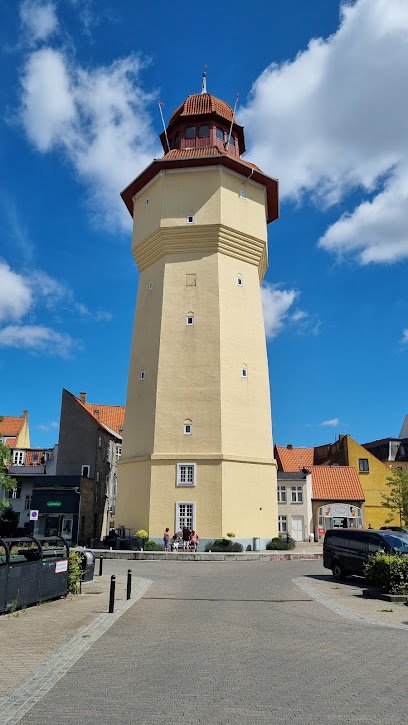
Historic concrete water tower turned art space and viewpoint, offering 147 steps to sweeping panoramas over Nykøbing Falster, Guldborgsund and the flat fields of Falster.
Hotel Falster
1.5 km
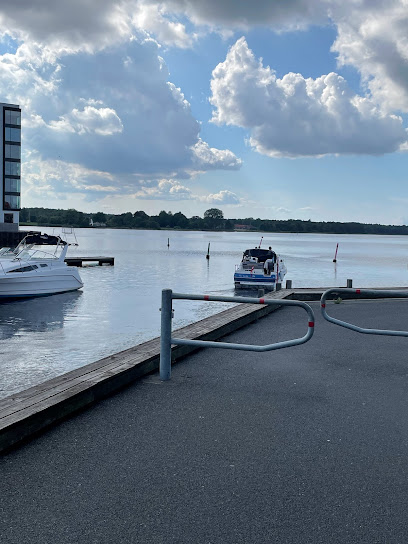
Experience Danish hospitality at Hotel Falster in Nykøbing Falster, offering comfortable accommodations, on-site dining, and easy access to local attractions and the South Sea Islands.
Bjørnebrønden
1.5 km
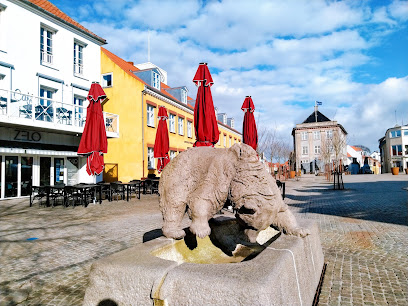
Granite bear, flowing water and royal history converge in this compact fountain that anchors Nykøbing Falster’s main square and its stories.
Touristinformation
1.6 km
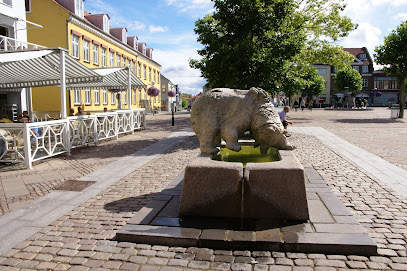
Explore the charm and rich culture of Nykøbing Falster, a delightful coastal town perfect for your next Danish adventure.
Bellinge House- Bed & Breakfast. Wellness.
7.5 km
Discover tranquility and wellness at Bellinge House, a charming bed & breakfast in Nykøbing Falster, Denmark, offering holistic treatments and serene accommodations.
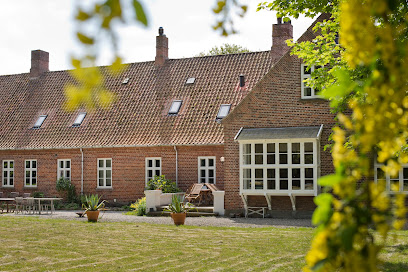
Fuglsang Herregaard - Hotel + Events + Conference
7.7 km
Experience Danish history and culture at Fuglsang Herregaard, a beautifully restored manor offering tranquil stays, gourmet dining, and access to art and nature in Lolland-Falster.
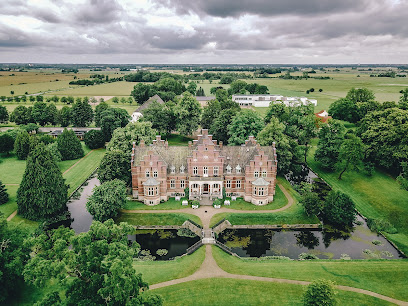
Café Delias
9.6 km
Experience authentic Italian cuisine in the heart of Marielyst at Café Delias, where traditional stone-oven pizzas and a vibrant atmosphere create a memorable dining experience.
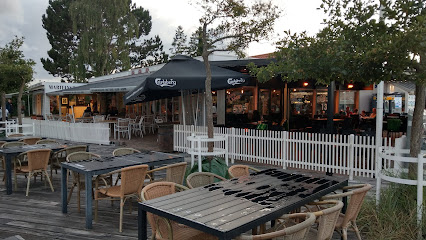
Larsens Plads
9.6 km
Experience the enchanting flavors of Væggerløse at Larsens Plads, where fresh ingredients meet breathtaking coastal views.
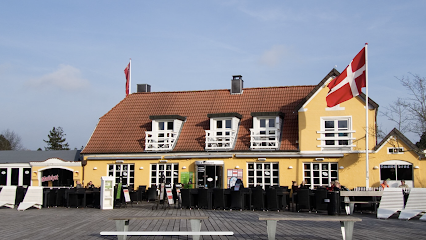
Pomle Nakke Traktørsted
15.9 km
Experience Danish coastal charm at Pomle Nakke Traktørsted, where stunning Baltic Sea views meet locally sourced cuisine for an unforgettable dining experience on Falster.
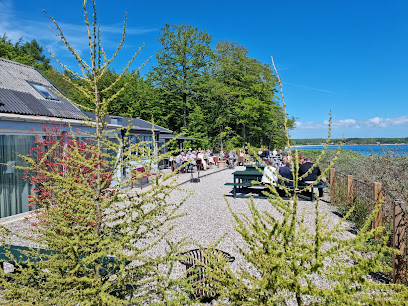
Holiday Lolland - Old farm
16.7 km
Experience the charm of rural Denmark at Holiday Lolland - Old Farm, a serene bed and breakfast near Nysted offering cozy accommodations, local cuisine, and a gateway to Lolland's beauty.
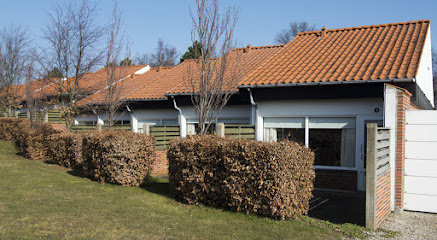
Gedser Vandtårn
20.9 km
Denmark's southernmost water tower offers sweeping Baltic views and a window into Gedser's maritime heritage.
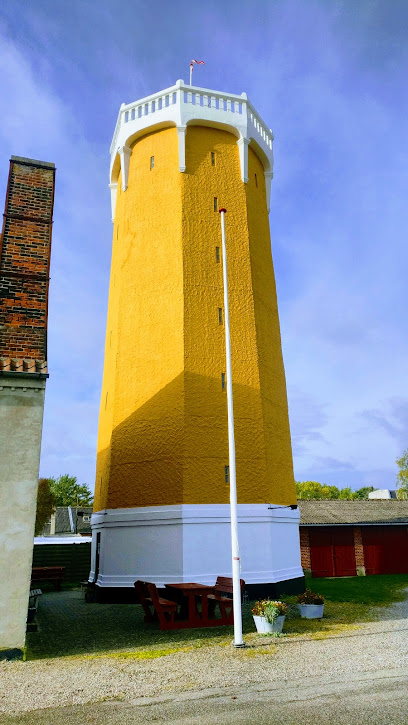
Sydpynten vingård
21.0 km
Explore Sydpynten Vineyard, a tranquil oasis in Denmark offering exquisite wines and stunning countryside views for an unforgettable experience.

Unmissable attractions to see

Falster City Camping
0.5 km
Leafy, old-school camping on the edge of Nykøbing Falster, with cabins, family facilities and easy access to town, coast, forest and nearby tropical water fun.
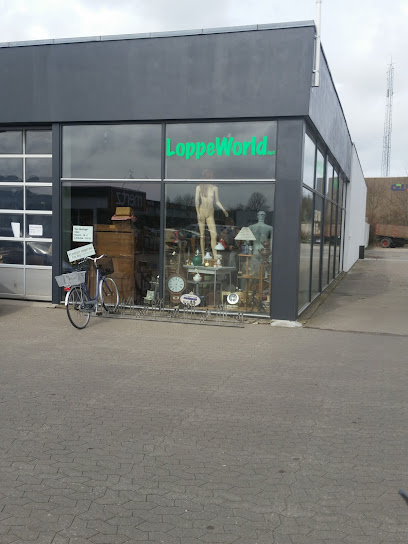
Loppeworld
1.1 km
Atmospheric Bronze Age barrow offering sweeping countryside views and a direct link to Denmark’s prehistoric past in the rural heart of Lolland-Falster.
Nykøbing F. Firemuseum
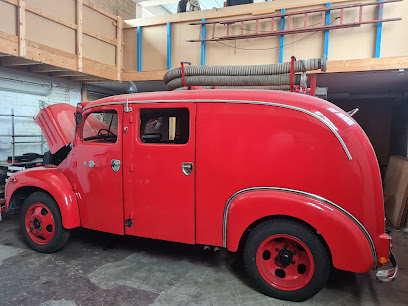
1.3 km
A compact former fire station packed with classic red engines, rescue gear and three quirky sister museums, offering a vivid glimpse of everyday history in Nykøbing Falster.
Museum Obscurum
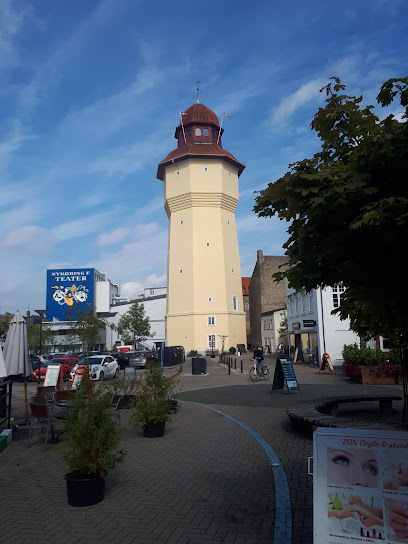
1.6 km
A shadowy cabinet of curiosities in an old Falster townhouse, where Cornelius Rödder’s cryptozoological collection blurs the line between folklore, superstition and science.
Trebuchet
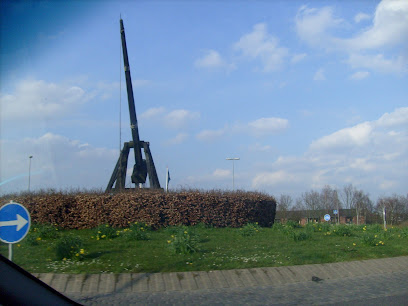
1.6 km
Iconic red-brick lighthouse at Denmark’s southernmost tip, renowned for sweeping Baltic views, rich birdlife, and a unique natural and scientific heritage.
Falsters Minder
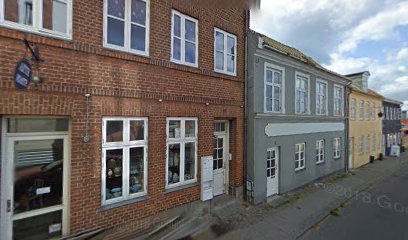
1.6 km
A creaking 17th‑century house where Falster’s local history, a nostalgic grocer’s shop and the fantastical Museum Obscurum blur the line between memory, myth and curiosity.
Lergravens Sailing and Fishing Club
1.7 km
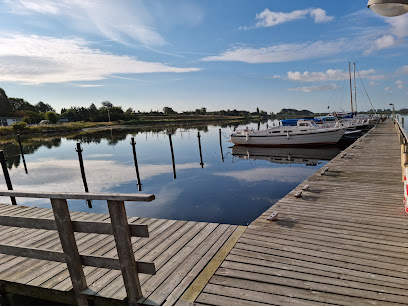
Small, authentic harbour on Guldborgsund where local sailing life, relaxed angling and easy access to Nykøbing Falster’s town centre meet in one quiet quay.
Nykøbing Castle
1.7 km
Bandholm Strand on Lolland’s north coast offers inviting sandy beaches, tranquil parkland, and a harbour steeped in Danish maritime history, perfect for relaxed coastal escapes.
Ejegod Windmill
2.2 km
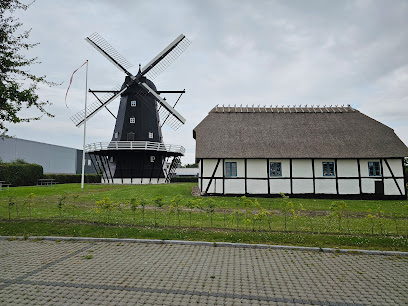
A beautifully preserved 1816 smock mill on a low hill in Nykøbing Falster, where sails, barn and miller’s house keep Denmark’s rural milling heritage alive.
Fuglsang Musikforening
2.8 km
Intimate classical concerts in a modern hall beside historic Fuglsang Herregård, where carefully curated programs meet open landscapes on the Lolland–Falster coast.
Zipline Systofte
3.0 km
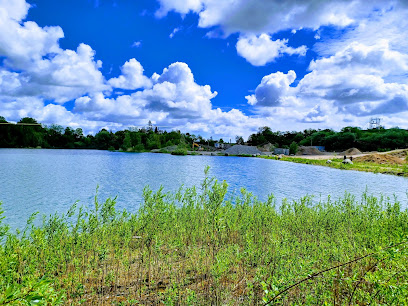
Seasonal lakeside adventure park near Nykøbing Falster with a 400 m twin zipline, floating aquapark and high-jump airbag for families and thrill-seekers.
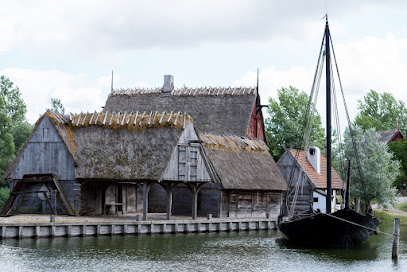
The Medieval Center
3.3 km
Experience 15th-century Denmark through living history, trebuchets, tournaments, and authentic medieval crafts.
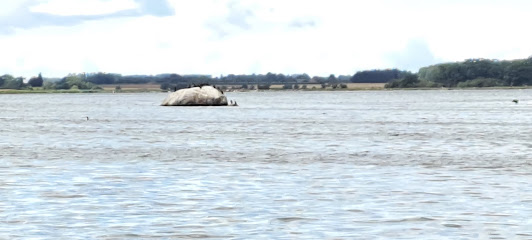
Hvide Mær
5.3 km
A pale glacial boulder in the shallow waters of Guldborgsund, Den Hvide Mær quietly links ice-age geology, seamark history and tranquil coastal scenery.
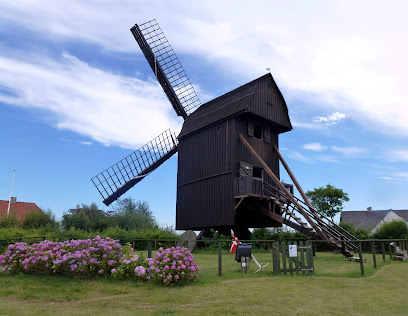
Stouby Mølle
6.3 km
A windswept 18th-century post mill on southern Falster, Stouby Mølle pairs traditional Danish rural craft with wide-sky views over quiet fields.
Skejten
7.0 km
Wind, water and centuries‑old oaks shape this quiet, untouched coastal meadow where Lolland’s cultural heart meets raw Danish nature.
Essential places to dine

Brovejens Grill
1.0 km
Budget-friendly Danish grill serving hearty burgers, grilled chicken, and pizzas in central Nykøbing Falster.
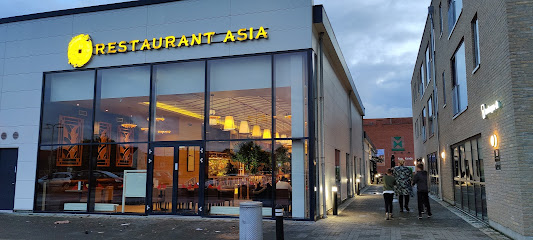
Restaurant Asia
1.2 km
Large, family-oriented Asian buffet in central Nykøbing Falster, serving sushi, wok and classic Chinese dishes with a playful dessert bar and casual atmosphere.
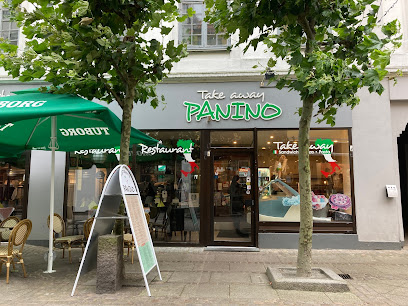
Panino
1.2 km
Authentic Italian pizzas and fresh-baked bread in a warm, welcoming Nykøbing Falster setting.
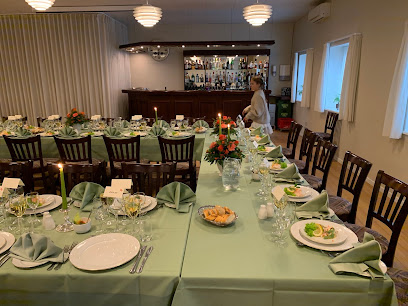
Restaurant Kikko I/S
1.3 km
Casual Chinese and Asian-inspired comfort food with generous portions and a friendly local feel on Nykøbing Falster’s Vendsysselvej.
Hua Xin
1.3 km
Big-hearted Chinese buffet with sushi and Mongolian barbecue on Nykøbing Falster’s main street, ideal for relaxed group dinners, families and easygoing takeaway.
Dhaba Nykøbing
1.5 km
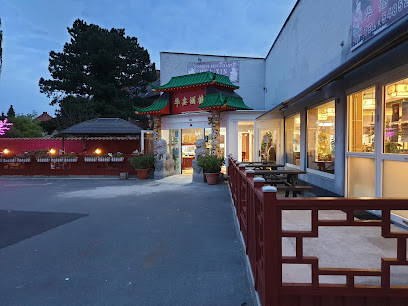
Colourful Indian street food, warm spices and shared plates bring a lively slice of modern India to the heart of Nykøbing Falster’s main square.
Ritz Cafe & Cocktail Bar
1.5 km
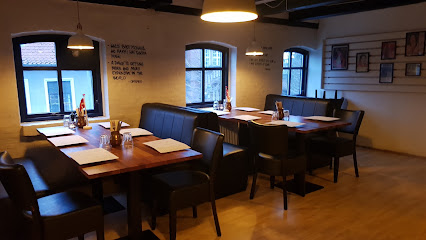
Nykøbing Falster's vibrant social hub serving Danish brasserie fare and craft cocktails on the main square.
Restaurant Hotel Falster
1.5 km
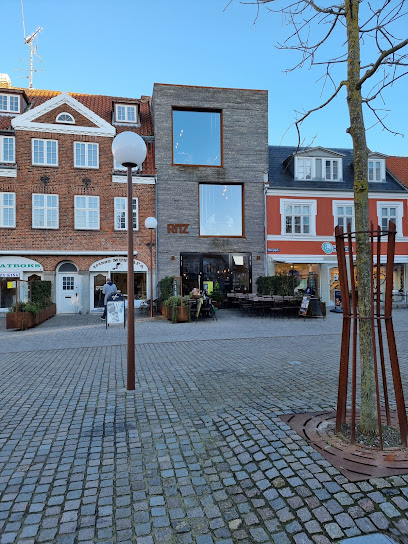
Relaxed hotel restaurant on Falster blending classic Danish comfort food, seasonal buffets and a generous Nordic breakfast in bright, welcoming surroundings.
Konya Pizza & Cafe
1.5 km
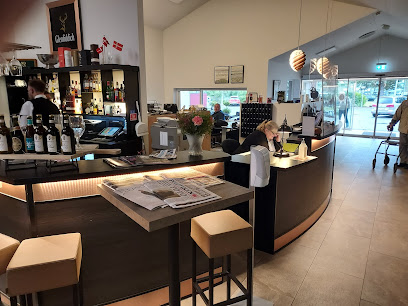
Hearty pizzas and Turkish‑inspired grill plates in a laid‑back, central Nykøbing Falster café that doubles as both local hangout and reliable takeaway stop.
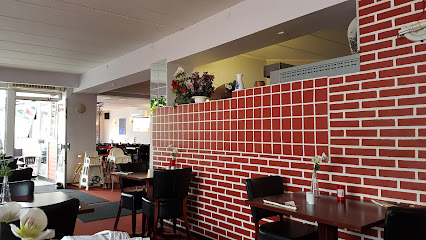
Cafe Zelo
1.5 km
Laid-back café dining on Nykøbing Falster’s main square, serving generous brunches, burgers and salads with local ingredients, indoor cosiness and outdoor square-side seating.
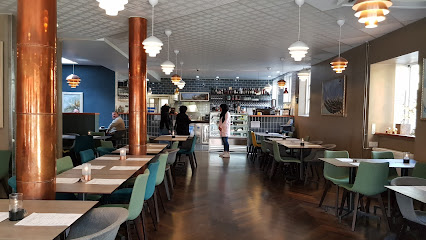
Duomo Ristorante
1.5 km
Lively Italian-inspired restaurant and pizzeria in central Nykøbing Falster, serving generous pizzas, pasta, burgers and grill dishes in an easygoing, family-friendly setting.
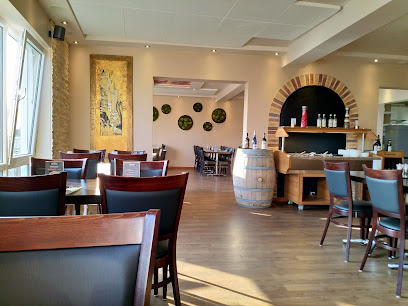
The Burger
1.6 km
Central Nykøbing Falster burger joint serving hefty grill‑seared stacks, wedges and sauces in a relaxed, family‑friendly setting with veggie and gluten‑free options.
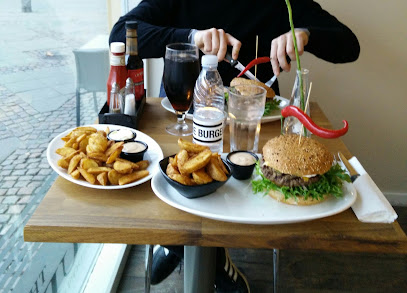
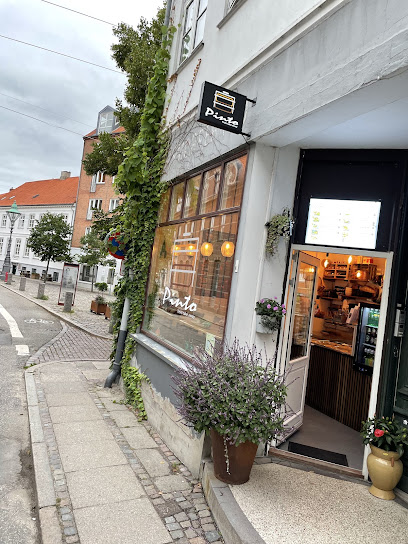
Pinto thai take away
1.6 km
Compact Thai kitchen in central Nykøbing Falster serving fragrant curries, noodles and stir-fries for easy, flavourful takeaway evenings.
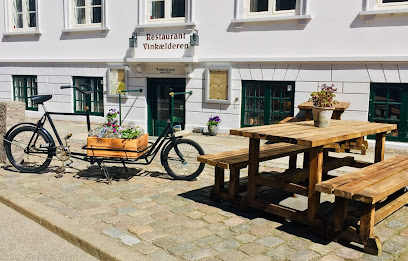
Restaurant Vinkælderen
1.6 km
Seasonal Danish-French fusion in an intimate wine cellar, temporarily closed but returning spring 2025.
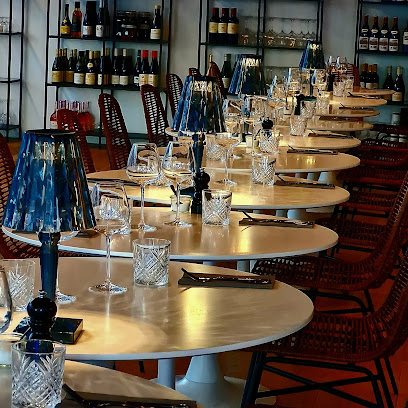
Restaurant Gonzalez Feilberg MARE
1.8 km
Contemporary Nordic seafood and an impressive wine bar meet marina views at this intimate, evening-only restaurant on Nykøbing Falster’s Slotsbryggen waterfront.
Markets, malls and hidden boutiques

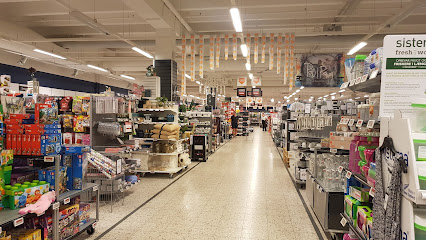
Kvickly Nykøbing F
1.1 km
Central Nykøbing Falster’s all-in-one Kvickly supermarket, bakery and home goods store, ideal for stocking up on Danish staples, snacks and practical everyday essentials.
Mertz Jagt & Fritid
1.1 km
Specialist hunting and outdoor outfitter in Nykøbing Falster, combining a large gear shop with an authorised gunsmith workshop for serious time outdoors.
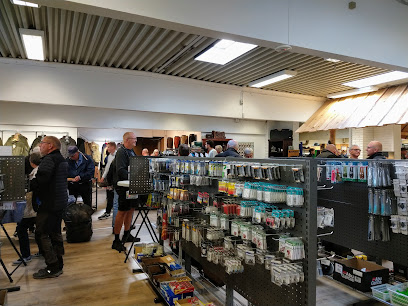
MillaMe
1.2 km
Welcoming plus-size fashion boutique in central Nykøbing Falster, offering handpicked womenswear in extended sizes with personal, relaxed styling help.
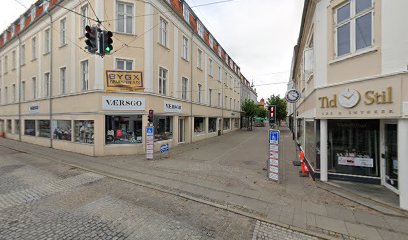
H&M
1.2 km
Central Nykøbing Falster fashion stop offering affordable clothing and accessories for all ages in a bright, modern high-street store on Jernbanegade.
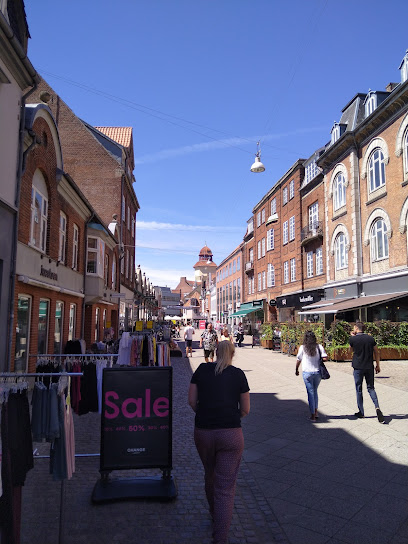
Kb-Smørrebrød
1.3 km
Authentic Danish smørrebrød crafted fresh daily in the heart of Nykøbing Falster's shopping district.
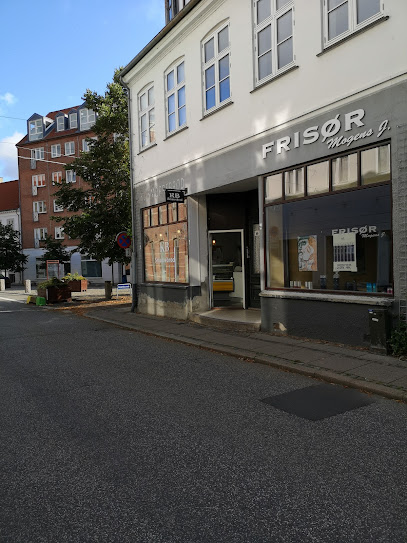
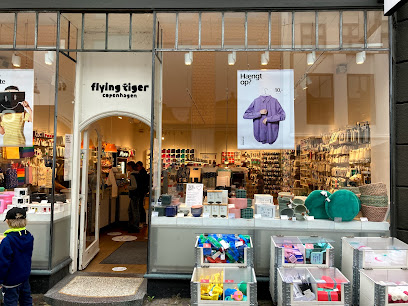
Flying Tiger Copenhagen
1.3 km
Colorful Scandinavian variety store in Nykøbing Falster’s main pedestrian street, filled with playful gifts, creative essentials and affordable everyday surprises.
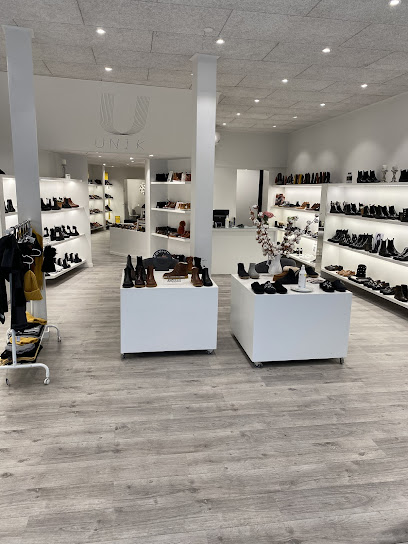
Unik
1.4 km
Curated footwear boutique in the heart of Nykøbing Falster's vibrant shopping district
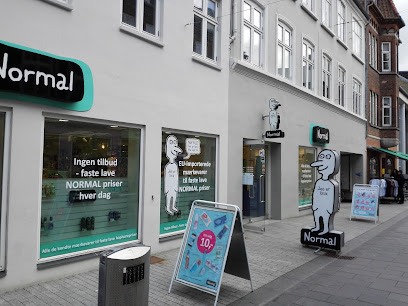
Normal
1.4 km
Compact, budget-friendly variety store on Nykøbing Falster’s main pedestrian street, ideal for everyday essentials, beauty bargains and spontaneous small finds.
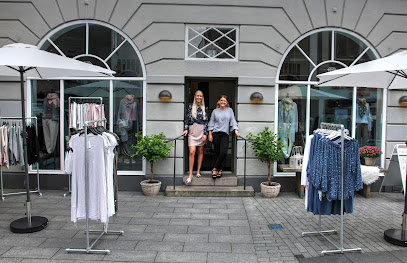
Blog and Shop
1.4 km
A cozy women’s fashion boutique on Østergågade in Nykøbing Falster, offering curated everyday style, warm atmosphere and down‑to‑earth Danish prices.
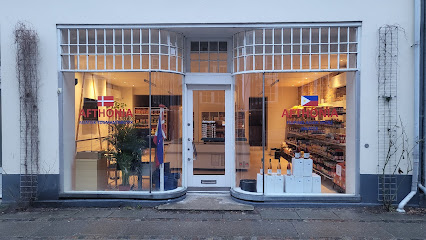
Afthonia Store
1.6 km
Compact Asian grocery on Nykøbing Falster’s Slotsgade, stocking noodles, rice, sauces, snacks and frozen specialties for curious home cooks and everyday shopping.
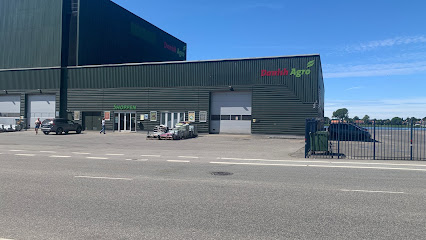
Danish Agro Shop - Nykøbing
1.7 km
A harborside country store where pet lovers, gardeners and smallholders stock up side by side, offering a grounded glimpse of everyday rural life in Nykøbing Falster.
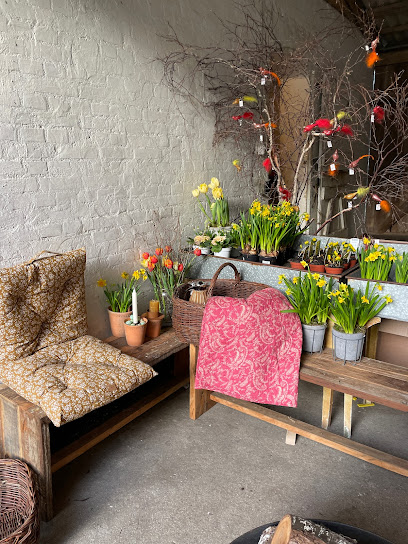
Frisenlund Living
2.1 km
Contemporary Danish farm shop where local produce, Scandinavian design, and rural charm converge in a welcoming modern barn.
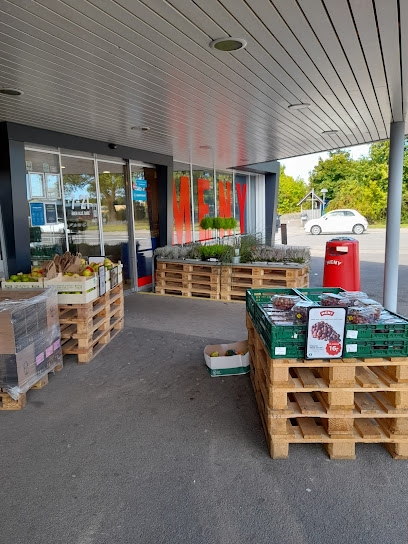
Meny
2.4 km
Full-service Danish supermarket in Nykøbing Falster with fresh produce, in-house butcher and deli, strong wine selection and long daily opening hours.
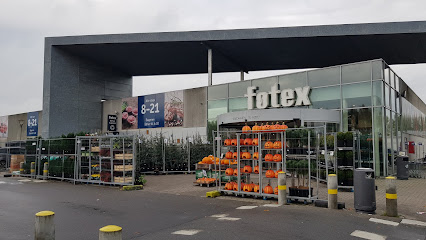
føtex
2.5 km
A busy hypermarket anchor in Guldborgsundcentret, blending fresh Danish groceries, everyday essentials and practical services in the heart of Nykøbing Falster.
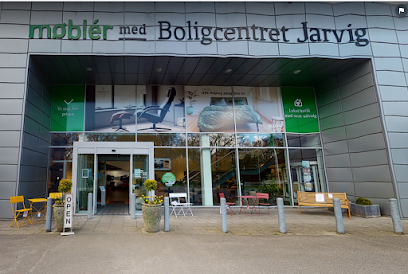
Furnish
2.6 km
Spacious Scandinavian furniture and bed showroom in Nykøbing Falster, blending modern Danish design, styled room inspiration and relaxed, practical home shopping.
Essential bars & hidden hideouts

jazz på tværs
0.9 km
Volunteer‑run jazz room bringing serious live music to a small Danish town, with intimate concerts, close‑up sound and a focus on listening over nightlife.
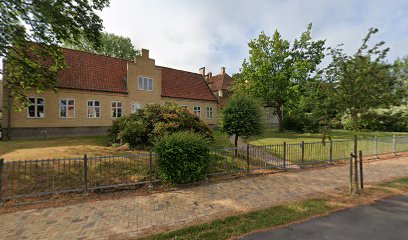
Jernbanecafeen Nykoebing Falster - Denmark
1.0 km
Unpretentious railway-side bar-café in Nykøbing Falster, where locals gather for relaxed evening drinks, conversations and classic, no-fuss Danish hospitality.
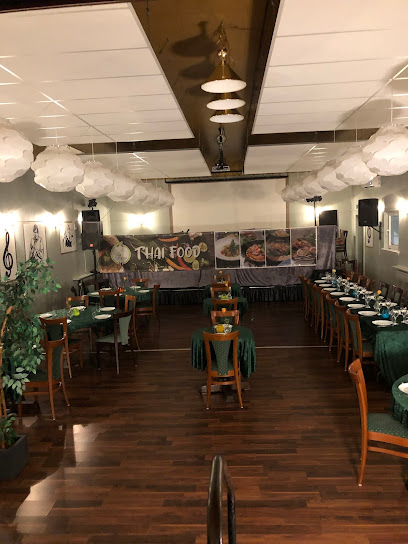
Riverside Jazz Club
1.0 km
Intimate riverside jazz nights in Nykøbing Falster, where volunteer spirit, close-up performances and a cosy bar atmosphere bring live Danish jazz to life.
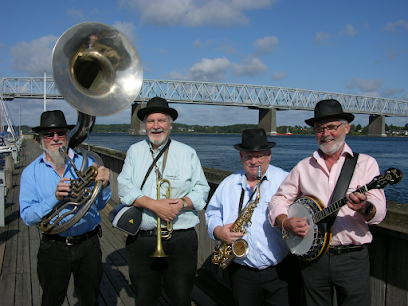
falster falster
1.2 km
Small, social neighborhood bar on Skolegade in Nykøbing Falster, serving cold beers and simple drinks in an unpretentious, intimate Danish pub atmosphere.
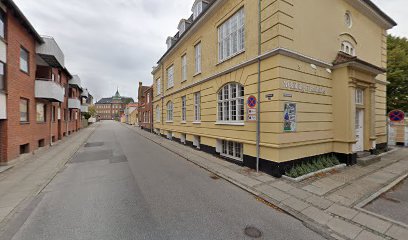
Den Sorte Engel
1.2 km
Moody brick walls, close-up live music and unpretentious Danish pub vibes make Den Sorte Engel the beating heart of Nykøbing Falster’s nightlife.
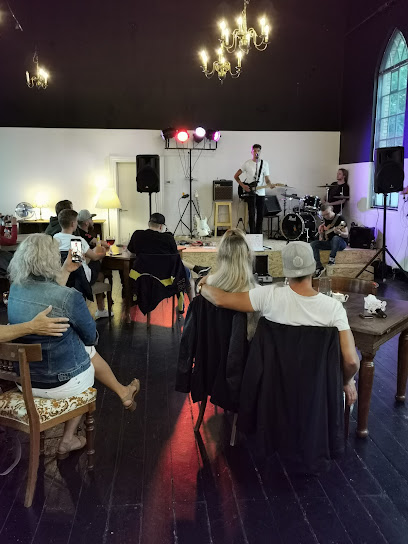
Billie Jean Bar
1.4 km
Authentic Danish smørrebrød and cocktails in the heart of Nykøbing Falster
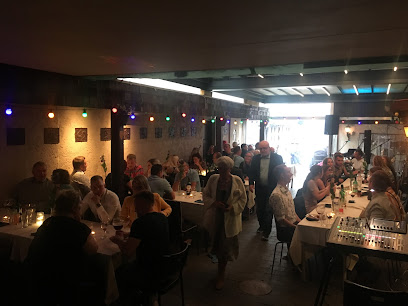
Marinestuen
1.5 km
Characterful sailor-style bar in central Nykøbing Falster, serving inexpensive drinks in a cozy, maritime setting filled with ships, memorabilia and local charm.
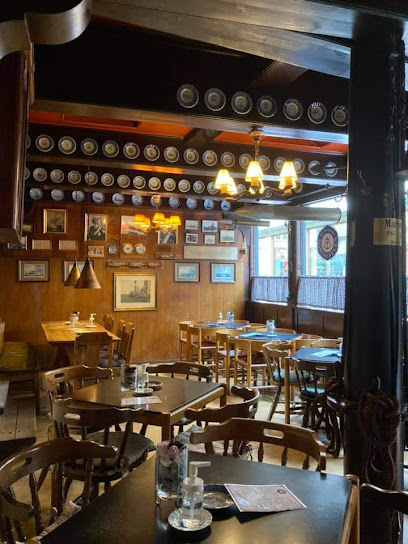
Kontoret V/sonja Madsen
1.5 km
Intimate wine bar in central Nykøbing Falster, blending cozy Danish hygge with relaxed drinks and conversation-friendly ambience on charming Langgade.
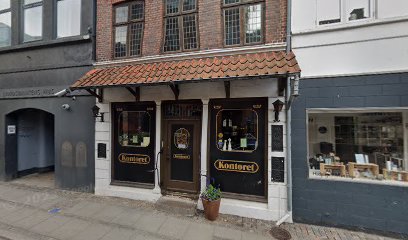
Cafe Slotsgården V/Brian Fog Ipsen
1.6 km
Experience Danish hospitality at Cafe Slotsgården, Nykøbing Falster's cozy beer hall with a rustic charm and diverse beer selection.
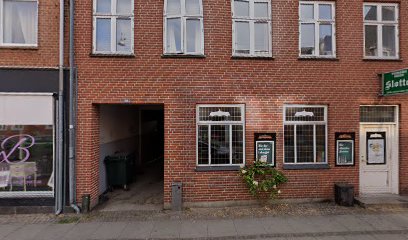
Slottet Værtshus
1.6 km
Unpretentious Danish bodega on Slotsgade where locals, regulars and curious visitors share cold beers, billiards games and late‑night jukebox tunes.
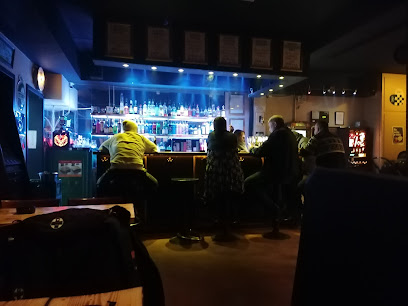
Fortuna
1.7 km
Cosy, no-frills Danish bodega in central Nykøbing Falster, where cold beer, warm conversation and unhurried evenings capture the spirit of local nightlife.
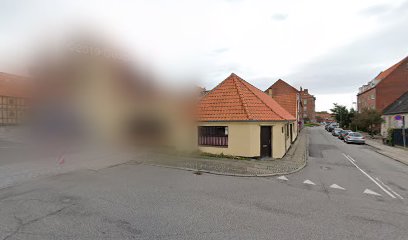
Cafe Nutiden V/ Brian Ipsen
1.7 km
A classic Danish bodega-style bar in central Nykøbing Falster, serving simple drinks and plenty of local atmosphere from midday through the late evening.
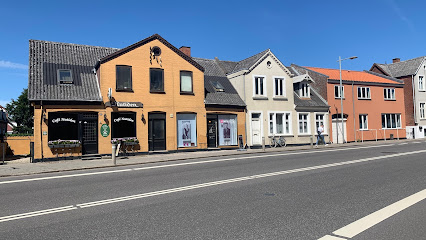
Slap A'
1.8 km
Unpretentious local bar in Nykøbing Falster with pool tables, inexpensive drinks and a relaxed neighborhood vibe from daytime quiet to late-night chatter.
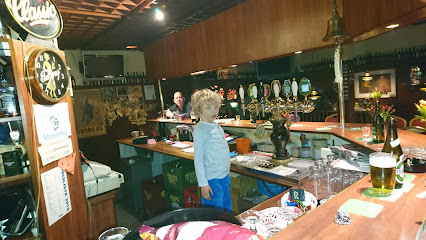
FUND BAR
1.8 km
Waterfront cocktails, Nordic design and a smoke-free, sociable atmosphere on Nykøbing Falster’s marina-facing Slotsbryggen promenade.
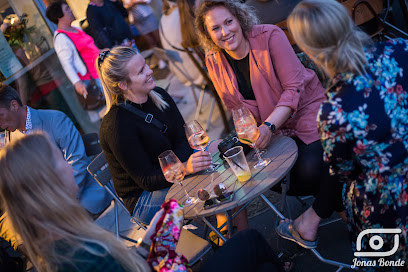
Vinoteque Marittima
1.9 km
Floating wine and coffee bar on Nykøbing Falster’s harbor, blending intimate maritime charm with carefully chosen drinks, small plates and sunset-ready deck seating.
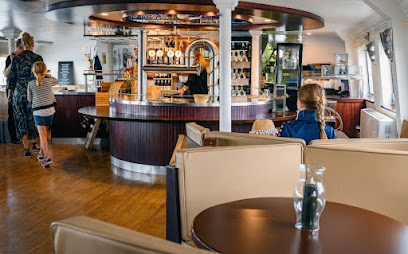
Nightclubs & after hour spots

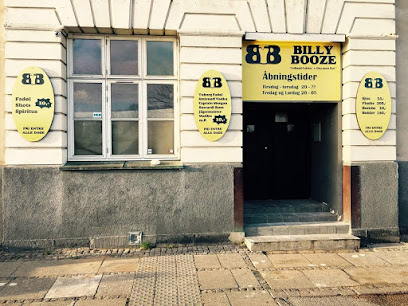
Billy Booze
1.0 km
Compact late-night disco in Nykøbing Falster with inexpensive drinks, loud hits and a casual dance floor vibe from Thursday to Saturday.
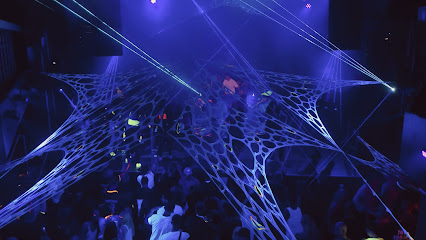
N.Y.K. Event
1.0 km
Compact late-night bar and nightclub in central Nykøbing Falster, mixing strong drinks, loud beats and a sociable dance floor that runs into the early morning.
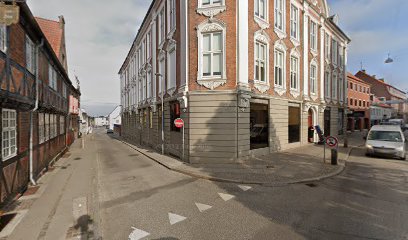
Første sted
1.6 km
Compact, music-driven nightclub on central Slotsgade, offering an intimate, local slice of Nykøbing Falster’s late-night dancing and drinks scene.
Loke MC - Helheim
15.6 km
Rural Danish biker clubhouse with Norse-mythology flair, offering intimate late-night gatherings, loud rock playlists and a no-frills bar far from mainstream nightlife.
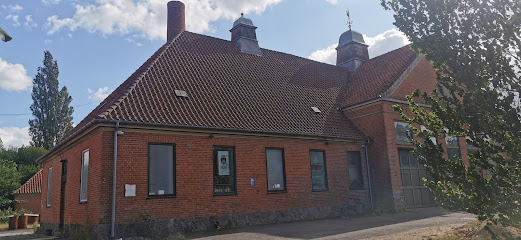
Pier To Heaven
42.3 km
Experience maritime charm and exquisite drinks at Pier To Heaven in Klintholm Havn.
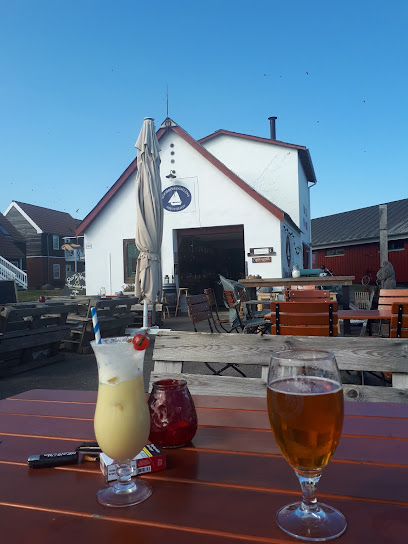
CLUB ZANZI
49.3 km
High‑energy waterfront nightclub bringing big‑city beats, flashing lights and late‑night dancing to the heart of coastal Nakskov.
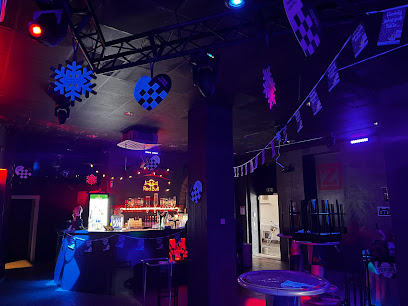
Step Inn I / S
52.3 km
Step Inn I / S is a centrally located Næstved bar offering a relaxed setting for drinks, socializing, and local nightlife with a distinctly Danish twist.
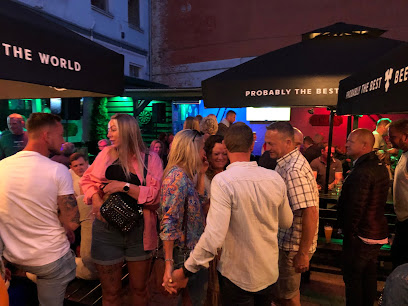
Bar z
52.3 km
Næstved's welcoming nightclub for Thursday-to-Saturday evening gatherings and social entertainment.
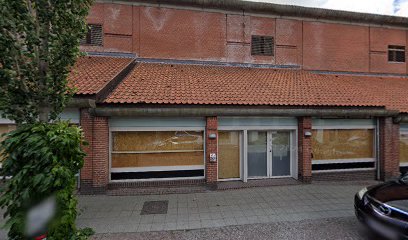
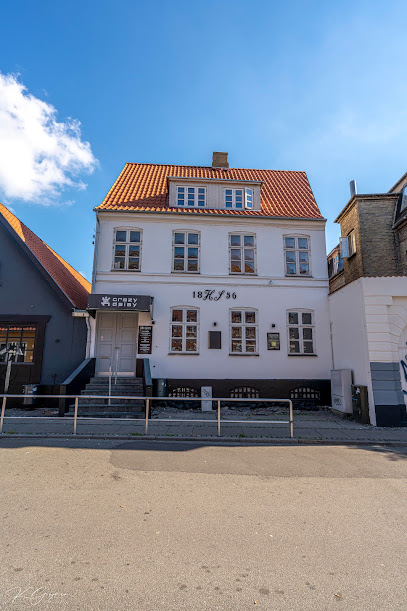
Crazy Daisy Næstved
52.3 km
High‑energy weekend nightclub in central Næstved, packing loud beats, flashing lights and a late‑night local crowd into a compact, classic Danish town‑club setting.
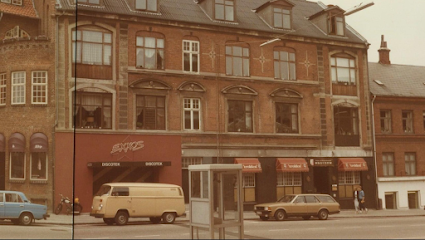
Avenue Næstved
52.3 km
Lively nightspot and flexible event hall in central Næstved, mixing dancefloor energy, festive dinners, stand-up comedy and themed parties under one roof.
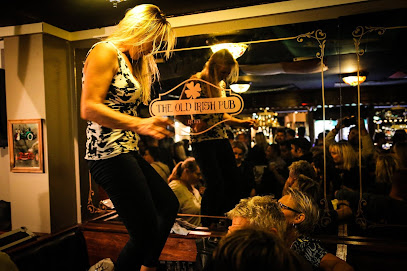
The Old Irish Pub
52.4 km
A vibrant Irish-themed pub in the heart of Næstved, offering live music, sports, draught beer, and a lively atmosphere for both locals and visitors.
The Beach
52.4 km
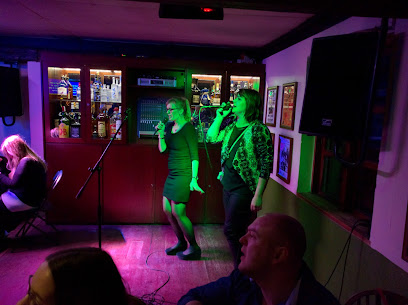
The Beach is Næstved’s top karaoke bar, renowned for its vibrant ambiance, creative drinks, and a lineup of crowd-pleasing singalong nights in the city center.
Sct. Jørgens Jazzklub
52.4 km
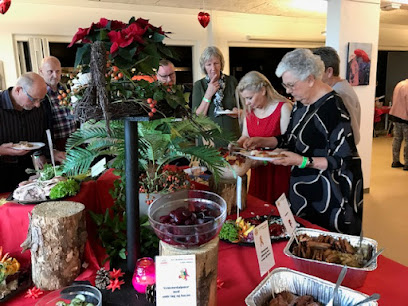
Experience live jazz in the heart of Næstved at Sct. Jørgens Jazzklub, where music and history harmonize.
Disco Da Capo
66.4 km
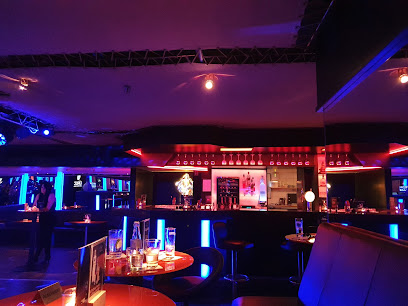
Discover the electrifying nightlife at Disco Da Capo in Rostock - a vibrant disco club with unforgettable music and lively atmosphere.
Nachtclub Bienenstock
66.7 km
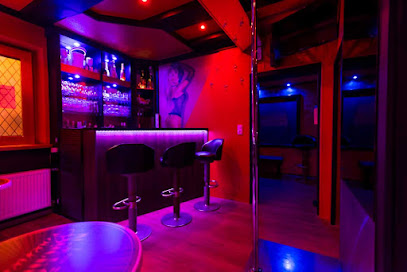
Experience the vibrant nightlife of Rostock at Nachtclub Bienenstock, a lively girl bar and night club offering unforgettable entertainment.
For the vibe & atmosphere seeker
- Relaxing
- Tranquil
- Scenic
- Fun-filled
- Unique
- Casual
For the design and aesthetic lover
- Rustic Designs
For the architecture buff
- Parks & Gardens
For the social media creator & influencer
- Photo Spots
For the eco-conscious traveler
- Low Impact
- Public-Transport Accessible
- Locally Managed
For the kind of experience you’re after
- Cultural Heritage
- Photowalk
- Nature Escape
- Day Trip
- Roadtrip Stop
For how adventurous you want the journey to be
- Easy Access
Location Audience
- Family Friendly
- Senior Friendly
- Child Friendly
- Teen Friendly
- Solo Friendly
- Couple Friendly
- Solo Female Friendly
- Vegetarian Friendly
- Vegan Friendly


