

Museum Obscurum Travel Guide
Free Guide: A dimly lit cabinet of curiosities where cryptids, witchcraft and eccentric science blur the line between historical museum and gothic storytelling.


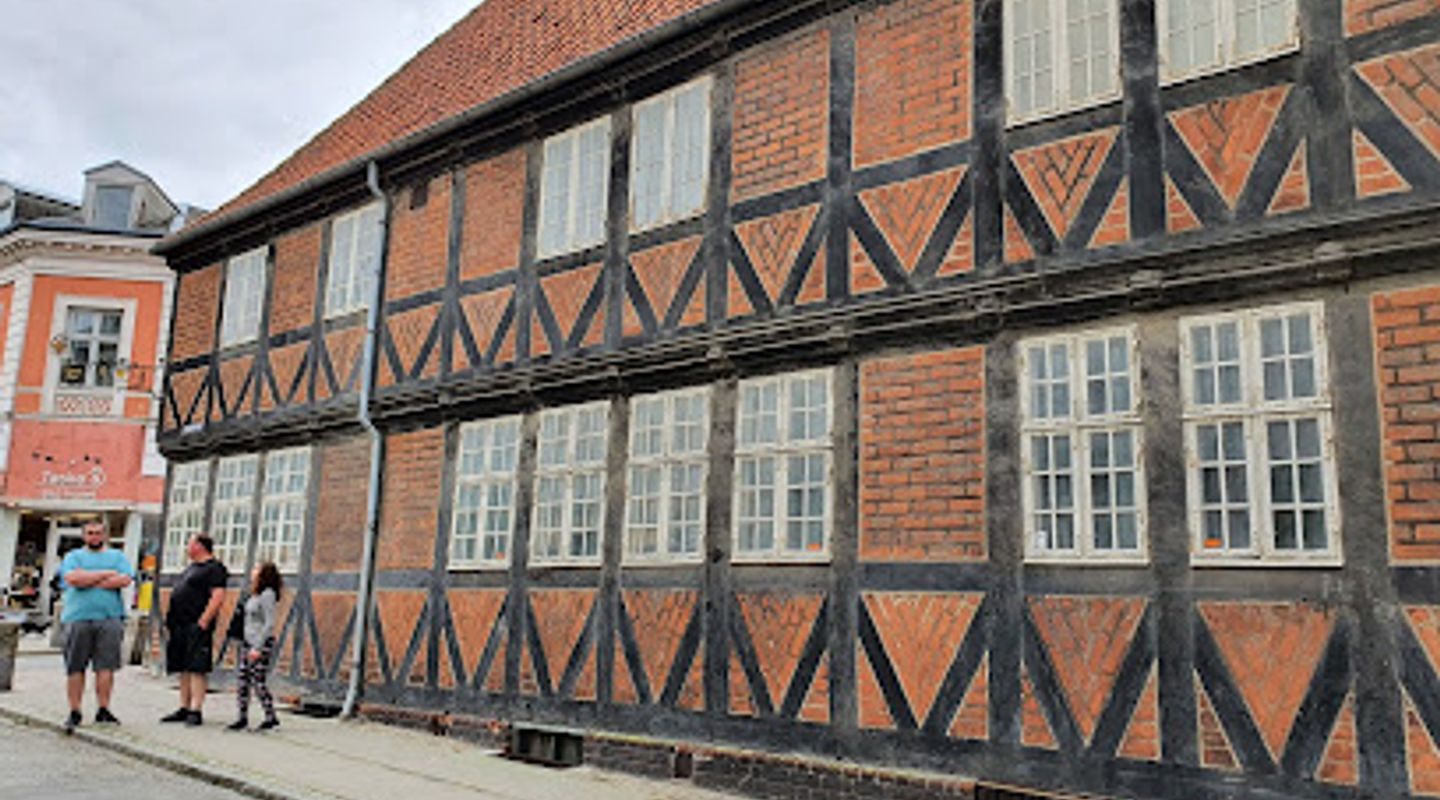
A brief summary of Museum Obscurum
A dimly lit cabinet of curiosities where cryptids, witchcraft and eccentric science blur the line between historical museum and gothic storytelling.
Museum Obscurum in Nykøbing Falster is a theatrical cabinet of curiosities built around the fictional 19th‑century collector Cornelius S.C. Rödder. Set in creaking old townhouses, its dimly lit rooms are packed with cryptozoological specimens, occult objects and oddities that blur the border between fact and fiction. Stuffed platypuses and pufferfish share space with werewolves, tiny dragons and “forest children”, inviting you to question what you believe as you wander this eerie, story‑driven museum.
On-site amenities
 Restrooms
 Drink options
 Drinking water
 Food options
 Seating areas
 Sheltered areas
 Trash bins
 Information boards
 Visitor centre
Opening hours
- Mon10 am–4 pm
- Tue10 am–4 pm
- Wed10 am–4 pm
- Thu10 am–4 pm
- Fri10 am–4 pm
- Sat10 am–3 pm
- SunClosed
Opening hours as listed on the venue’s Google Business Profile. Hours can change for services and special events, so check with the venue before you go.
- Address
- Færgestræde 1a, 4800 Nykøbing Falster
- Phone
- Website
Getting there
Train and walking
Car from Copenhagen or Zealand
Regional bus within Lolland‑Falster
Discover more about Museum Obscurum
A secret collection behind a forgotten door
In the historic heart of Nykøbing Falster, Museum Obscurum occupies an old building where, the story goes, a hidden door was discovered during renovation in 2017. Behind it lay a sealed room full of dusty crates, notes and strange specimens – the lost legacy of Cornelius S.C. Rödder, an eccentric 19th‑century gentleman with a taste for the uncanny. The exhibition takes this discovery as its starting point, inviting you into his reconstructed home to explore the most shadowy corner of his cabinet of curiosities.From the moment you enter, the museum plays with the tension between archive and invention. Shipping labels, handwritten catalogues and travel sketches are presented as traces of Cornelius’ journeys, hinting at expeditions to distant shores and encounters with things that should not exist.
Cornelius Rödder’s world on the edge of reality
Room by room, you step deeper into Cornelius’ universe. A study lined with shelves and specimen jars suggests the habits of a meticulous naturalist, yet the subjects quickly grow unsettling: skulls with unfamiliar proportions, anatomical diagrams of creatures that belong in folklore rather than field guides. The narrative threads through diaries and letters, painting Cornelius as both scientist and storyteller, a collector who gradually shifted from conventional zoology towards the cryptozoological and occult.The design keeps you slightly off balance. Everyday domestic details – a teacup, a coat on a peg – sit beside impossible artefacts, so that the extraordinary feels almost plausible. You are never explicitly told where the boundary lies; deciding that is part of the visit.
Creatures, curiosities and constructed monsters
The collection mixes genuine natural history pieces with carefully crafted fabrications. Taxidermy pufferfish, a platypus and other authentic specimens share cabinets with a teenage werewolf, delicate dragons and tiny fae‑like bodies preserved in jars. There are bones of a so‑called Forest Child, jars labelled in fading ink, and instruments that look designed for séances as much as for science.Lighting is deliberately low in some rooms, so that details emerge slowly as your eyes adjust. Speakers add faint whispers, creaks and distant scratches, heightening the sense that the exhibits might stir when backs are turned. Yet information panels are clear and gently provocative, nudging you to ask whether you are looking at rigorous evidence, playful forgery or something in between.
Superstition, witchcraft and the question of belief
Beyond the curios, Museum Obscurum is about how people construct truth. Themes of superstition, witch hunts and magic are woven through the displays, particularly in rooms devoted to early modern fears of witches and the mechanisms used to “prove” guilt. Here, objects like charms, ritual tools and printed pamphlets sit alongside explanations of trials and executions in Denmark, including cases from nearby Falster.By presenting these subjects within Cornelius’ world, the museum links past moral panics with contemporary concerns about misinformation and critical thinking. The recurring refrain is simple: what do you believe, and why? Each label, each staged discovery, is designed to make you examine your own thresholds for evidence and doubt.
A labyrinthine, atmospheric visitor experience
Physically, the museum is a warren of small rooms and staircases. Uneven floors, low doorways and sudden changes of level add to the feeling of stepping into another era. The layout encourages slow exploration rather than a fixed route; you may double back, discover a side chamber or notice a specimen you missed the first time. Because spaces are intimate, even a few people can make the building feel bustling, while quiet periods lend it a hushed, almost cinematic mood.Practical information is woven into the ground floor, where the old grocery shop and local tourist information share the building. Upper levels, where most of the exhibition is housed, are accessed only by stairs and are not suited to wheelchairs or severe mobility issues. For many visitors, one to two hours is enough to wander through the entire apartment‑museum, read selected texts and linger over the strangest artefacts.
Events, themes and return visits
Museum Obscurum is part of the wider Museum Lolland‑Falster network, and its rooms are used as a stage for thematic events. Evening tours sometimes deepen specific threads, such as witches and witch hunts, or the techniques used to create convincing cryptids. Seasonal programmes can introduce new arrangements or highlight particular stories from Cornelius’ alleged travels, rewarding repeat visits.Between the immersive scenography, the playful blurring of authenticity and fabrication, and the building’s own creaks and shadows, the museum offers an experience that is as much theatrical narrative as exhibition. Whether you are drawn by folklore, taxidermy, the history of belief or simply a taste for the uncanny, Museum Obscurum invites you to step over the threshold and decide for yourself where reality ends.
Evendo Review Centre
 Google
Guest reviews
Best time to go
Quietest: Jan, Feb & Nov · before 8am or from 7pm
Busy times are Evendo estimates for a typical year, to help you plan. Actual crowds vary with events, school holidays and the weather.
Explore Museum Obscurum on the map
A handpicked selection of must-see spots near Museum Obscurum, mapped for you.
Get your free copy of our complete guide to Museum Obscurum, delivered straight to you.
Everything on this page, from opening hours and how to get there to Eve’s tips and the best time to go, in one PDF you can read offline, print or share.
Already have an account? Sign in
Your Museum Obscurum guide is ready.
We'll send it to · Not you? Sign out

Getting your guide ready…
We are putting together a fresh copy of the Museum Obscurum guide. This can take up to a minute.
This can take a few moments. If your browser asks, choose Allow so the download can start. You'll find the guide in your Downloads folder.
Nothing happened? Download it again
Sorry, the guide is taking longer than usual. Please try again in a minute, or get it by email instead.
Other nearby places you may find interesting
The closest places of the same kind, if this one is not quite what you had in mind.
-
The Medieval Center Experience 15th-century Denmark through living history, trebuchets, tournaments, and authentic medieval crafts.
-
Guldborgsund Zoo & Botanisk Have Intimate town-edge zoo and botanical garden where animal encounters, leafy paths and playgrounds have long shaped family days out in Nykøbing Falster.
-
Horreby Lyng Falster’s only raised bog, where quiet boardwalks, restored peatland and traces of ancient life create a subtle, atmospheric escape into Danish nature.
-
Zipline Systofte Seasonal lakeside adventure park near Nykøbing Falster with a 400 m twin zipline, floating aquapark and high-jump airbag for families and thrill-seekers.
-
Crocodile Zoo, Falster Tropisk, fugtig varme, kæmpekrokodiller og bevaringsprojekter samles i et kompakt, intenst reptilunivers midt på Falster.
Swipe for more places
More to explore near Museum Obscurum

 Best experiences near Museum Obscurum
 Best hotels near Museum Obscurum
 Best landmarks near Museum Obscurum
 Best attractions near Museum Obscurum
 Best shops near Museum Obscurum
 Best restaurants near Museum Obscurum
 Best bars near Museum Obscurum
Do you manage this location?
Take control to get all the benefits, like improved information, better appearance, and stronger visibility across AI-powered discovery.
Explore more

Explore more of Falster
Discover Falster: A blend of serene beaches, rich history, and lush landscapes in Denmark's southern island treasure.
Explore Falster
Explore more of Denmark
Discover Denmark: A perfect blend of history, modern design, and the cozy concept of hygge. Explore vibrant cities, serene landscapes, and world-class cuisine.
Explore Denmark
