
Skejten, Gedser Odde Travel Guide
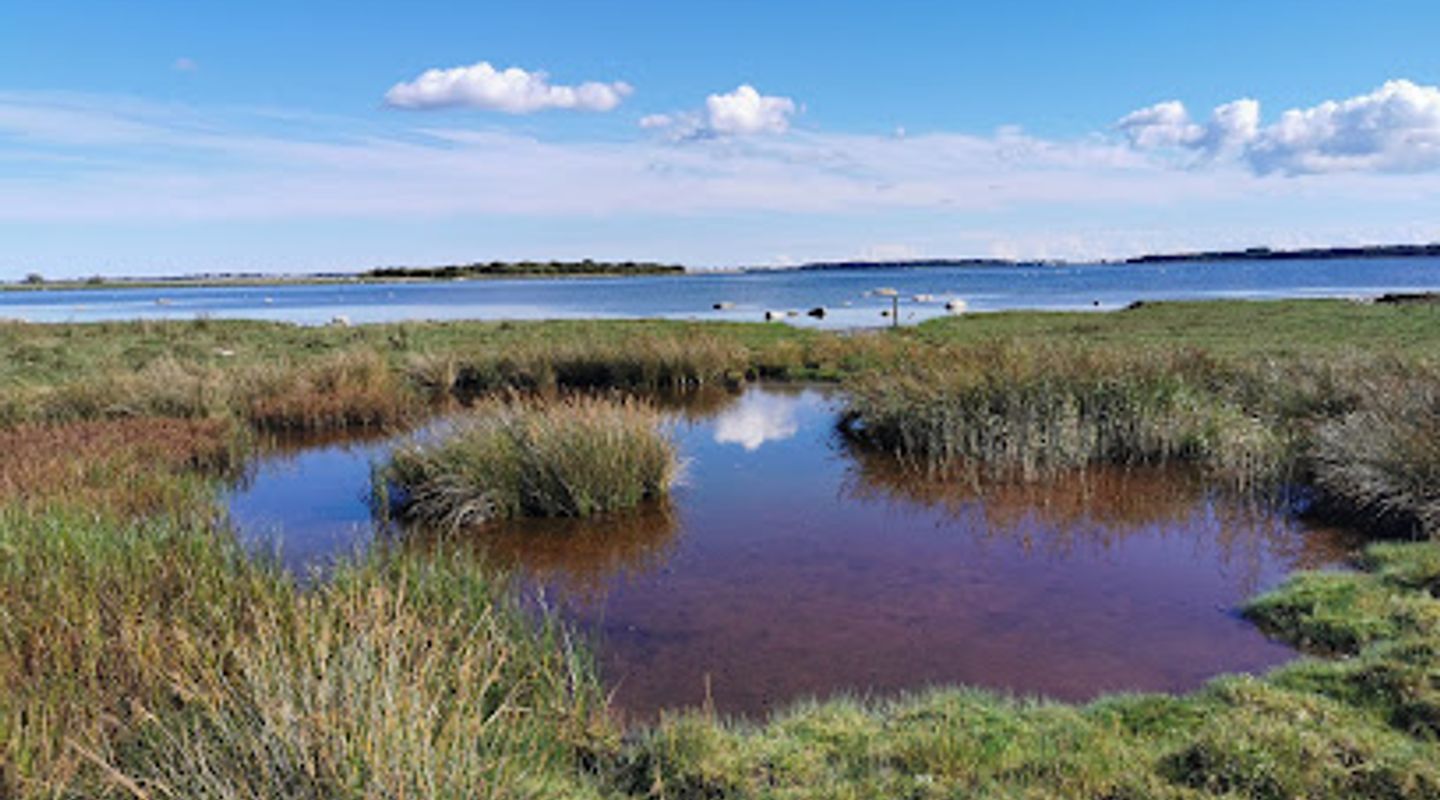
Wind, water and centuries‑old oaks shape this quiet, untouched coastal meadow where Lolland’s cultural heart meets raw Danish nature.
Skejten is a protected wetland meadow on the coast of Guldborgsund, just south of Fuglsang Manor on the Danish island of Lolland. Never cultivated, this wild, flat landscape is dotted with gnarled 300‑year‑old oaks, grazing cattle and rare plants, forming a distinctive mosaic of marsh, meadow and coastal habitats. Soft ground and often‑muddy paths give visits a pleasantly remote, elemental feel – bring sturdy shoes or rubber boots and expect big skies, birdsong and a strong sense of old Denmark.
A brief summary to Skejten
- Nystedvej 73, Guldborgsund Municipality, Toreby L, 4891, DK
- Duration: 1 to 3 hours
- Free
-
 Outdoor
- Mobile reception: 3 out of 5

Know before you go
Hi, I'm Eve. Here are a few practical things to know before exploring Skejten.
- Wear waterproof boots or sturdy shoes; the ground is often muddy and waterlogged, especially after rain.
- Visit in the shoulder seasons or on clear evenings for the most atmospheric light over the oaks and Guldborgsund.
- Respect grazing cattle and keep dogs on a short leash, particularly in summer when animals are in the meadows.
- Combine Skejten with nearby Fuglsang Manor and Fuglsang Art Museum to balance nature, history and culture in one outing.
- There are few facilities in the meadow itself; use restrooms and stock up on food and water before leaving the nearby manor area.
Do you manage this location?
Take control to get all the benefits, like improved information, better appearance, and stronger visibility across AI-powered discovery. Learn more about listing your business on Evendo
Activate your presenceOther nearby places you may find interesting
The closest places of the same kind, if this one is not quite what you had in mind.
Explore Skejten on the Map
A handpicked selection of must-see spots near Skejten, mapped for you.
Getting There
-
Car from Nykøbing Falster
From central Nykøbing Falster, driving to Skejten via the main road towards Toreby and Fuglsang typically takes around 15–20 minutes. The route follows paved regional roads with clear signage for Fuglsang and nearby attractions. Parking is usually possible near Fuglsang Manor or designated lay-bys, from where you continue on foot into the meadow. There is no entrance fee for Skejten, but check local information for any seasonal parking restrictions.
-
Bicycle from Nykøbing Falster area
Cyclists can reach Skejten from Nykøbing Falster in roughly 30–45 minutes, using local country roads that pass through Toreby and the surrounding farmland. The terrain is flat but can be exposed to wind coming off Guldborgsund, so allow extra time in breezy conditions. There is no charge to enter the reserve, and you can leave your bicycle near Fuglsang’s park or at the edge of the meadow before continuing on foot over the softer ground.
-
Regional bus to Fuglsang area and walk
Regional buses serving the Toreby and Fuglsang area provide a practical option from Nykøbing Falster or Sakskøbing, with typical journey times of 20–35 minutes depending on the route and stops. A single adult ticket generally costs in the range of DKK 25–45, depending on zones and operator. Services do not always run late in the evening or very frequently on weekends, so consult current timetables. From the nearest stop you should expect an additional 15–25 minutes of walking on level, sometimes muddy tracks to reach the heart of Skejten.
For the on-the-go comforts that matter to you
-
 Seating Areas
-
 Information Boards
-
 Trash Bins
Discover more about Skejten
Ancient meadow on the edge of Guldborgsund
Skejten is a low, windswept stretch of meadow and marshland lying between Fuglsang Park and the shallow waters of Guldborgsund. Flat and open to the sky, it feels like the landscape has hardly changed in centuries, with the coastline, reed beds and rough grasslands blending into one long horizon. Because the area has never been ploughed or drained for agriculture, its natural character has been preserved in a way that is rare on such fertile islands.Walking out into the reserve, you step onto soft, springy ground where water often lies just beneath the turf. In wet periods the track can become muddy and puddled, so every step reminds you that this is first and foremost a living wetland, not a manicured park.Gnarled oak trees and a wild wetland ecosystem
The most striking feature of Skejten is its scattered oak trees, many of them up to 300 years old. Their twisted trunks and low, spreading crowns rise straight from the marshy soil, creating a scattered grove that looks almost sculptural against the open meadows. These veteran trees provide homes for insects, fungi and birds, and fallen branches are left in place to decay naturally.Beneath and between the oaks, a mix of salt‑tolerant grasses, wildflowers and wetland plants thrives in the changing water levels. Grazing cattle help keep the vegetation open, maintaining the mosaic of short meadow and rougher tussocks that supports a varied fauna. Birds use the area as feeding and resting ground, and the combination of old trees, damp hollows and open views gives the reserve a quietly dramatic feel.From Viking gatherings to protected landscape
The name “Skejten” is thought to come from Old Norse, referring to a place where people met for horse fights and gambling in Viking times. It is easy to imagine gatherings on this open ground, with lines of horses, shouts carried on the wind and the sea just beyond. Over the centuries, while surrounding farmland was improved and drained, Skejten remained marginal and wet, gradually becoming a sanctuary for wildlife rather than a stage for contests.In modern times the area has been formally protected to conserve its distinctive coastal meadow ecosystem and its impressive stand of old oaks. Environmental researchers and nature guides use it as an outdoor classroom, studying how traditional grazing and untouched soils shape plant and animal communities along this part of the Danish coast.Walking the muddy track between manor and sound
For visitors, Skejten offers a short but atmospheric walk rather than a long-distance hike. A simple track leads out across the fields towards Guldborgsund, with only basic wayfinding and no hard surfacing. In dry weather it is an easy stroll across open terrain; after rain it can be sticky and waterlogged, rewarding those who come prepared with waterproof footwear.There are no formal picnic lawns or playgrounds here, only rough grass, grazing animals and the ever‑present sound of wind and birds. The lack of development is part of its charm: you experience the place much as locals might have done generations ago when walking from the manor lands down to the shore.Light, weather and quiet coastal views
Because the landscape is so low and unobstructed, the quality of light is a major part of any visit. On clear days, sunlight glances off the wet hollows and the water of Guldborgsund, while the silhouettes of oaks stand dark against bright skies. In overcast or windy weather the area can feel raw and elemental, with clouds racing overhead and the grass rippling like water.Despite being close to cultural sites such as Fuglsang Manor and its art museum, Skejten itself is quiet and understated. You come here to listen to the rustle of reeds, to watch distant ships move along the sound, and to sense how land, history and sea meet in a single, gently untamed expanse of meadow.












Your all‑in‑one travel companion app
Explore expert travel guides, compare and book tours, experiences, hotels, and more—all from the palm of your hand. Download now for seamless trip planning wherever your wanderlust takes you.


Explore More of Gedser Odde
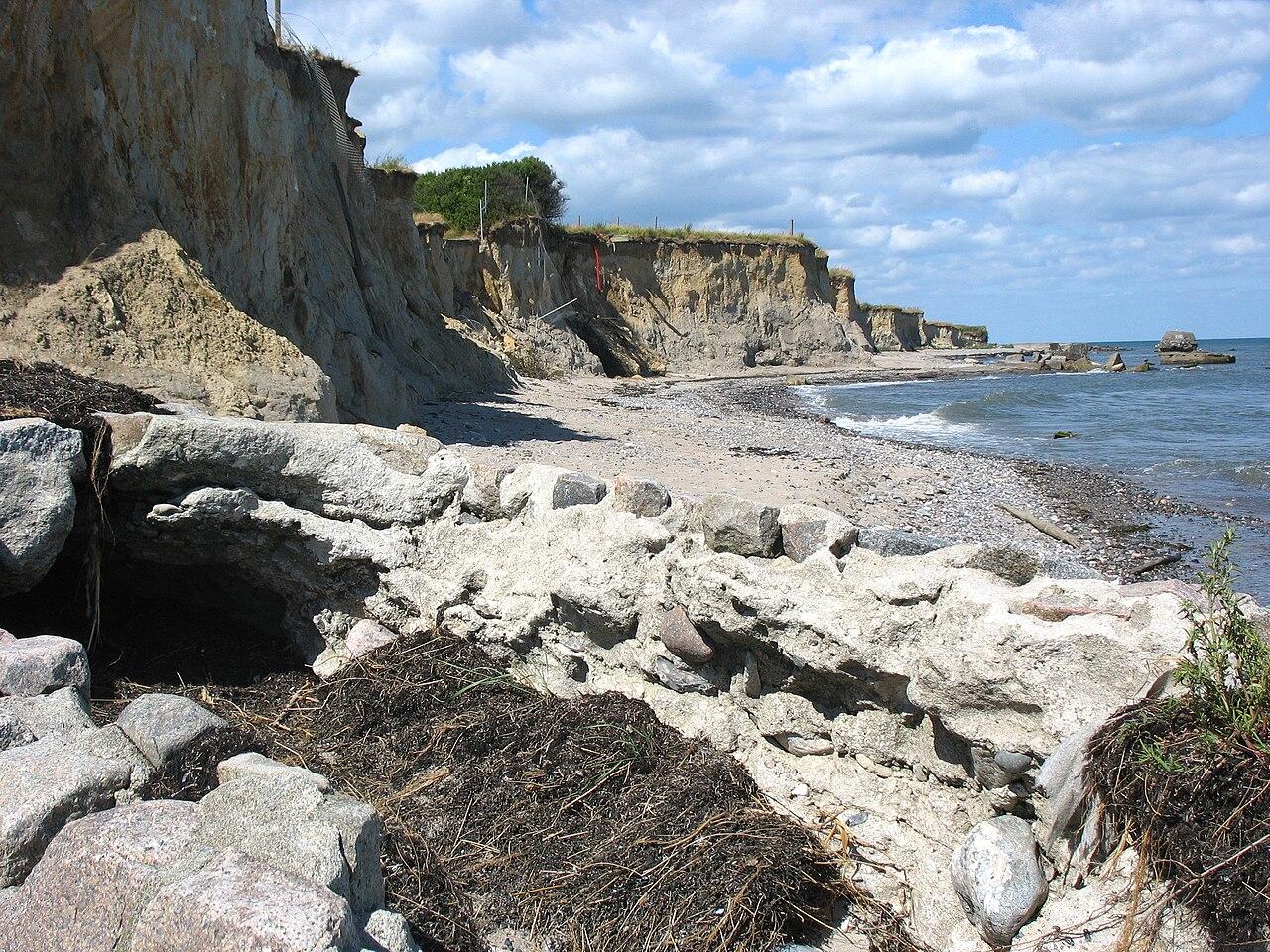
Looking beyond Skejten? Discover Gedser Odde for broader travel guides, local hot-spots, and regional highlights.
Explore Gedser Odde