Fanø Skibsfarts- & Dragtsamling Travel Guide
Free Guide: Maritime museum preserving Fanø's golden age of sailing ships and island traditions.


A brief summary of Fanø Skibsfarts- & Dragtsamling
Maritime museum preserving Fanø's golden age of sailing ships and island traditions.
A compact maritime and cultural history museum in Nordby, Fanø, showcasing the island's golden age of sailing ships and traditional regional dress. The museum features ship paintings, detailed scale models of historic vessels, miniature dioramas of 19th-century towns, and an impressive collection of Fanø costumes. Housed in a renovated 19th-century shipping company building with a café and harbor views, it tells the story of brave seafarers and the independent women who managed island life during long voyages at sea.
On-site amenities
 Restrooms
 Drink options
 Food options
 Seating areas
 Information boards
 Visitor centre
Opening hours
- Mon10:30 am–4 pm
- Tue10:30 am–4 pm
- Wed10:30 am–4 pm
- Thu10:30 am–4 pm
- Fri10:30 am–4 pm
- Sat10 am–2 pm
- SunClosed
Opening hours as listed on the venue’s Google Business Profile. Hours can change for services and special events, so check with the venue before you go.
- Address
- Hovedgaden 28, 6720 Fanø
- Phone
- Website
Getting there
Ferry from Esbjerg
Bicycle from Fanø ferry terminal
Car via ferry
Taxi or local transport from ferry terminal
Discover more about Fanø Skibsfarts- & Dragtsamling
Maritime Heritage and the Age of Sail
Fanø Skibsfarts- & Dragtsamling preserves the remarkable maritime history of this small Wadden Sea island. Following Fanø's purchase of freedom from the Danish Crown in 1741, the island developed one of the province's largest sailing ship fleets, which flourished for approximately 150 years. The museum chronicles this golden era through an exceptional collection of ship paintings and intricately detailed scale models of vessels that once called Fanø home. These artifacts document not only the commercial success of the island's maritime trade but also the perilous nature of seafaring life, including the human cost of extended voyages and the loss of life at sea.
Life at Home: The Strength of Fanø Women
While men spent years at sea commanding merchant vessels, Fanø women managed households, estates, and businesses with remarkable independence and resilience. The museum's narrative emphasizes these strong-willed women who maintained the island's social and economic fabric during prolonged absences of their husbands and sons. This perspective offers visitors a nuanced understanding of island life beyond the romantic notion of seafaring, revealing the practical courage and determination required to sustain a maritime community.
Architectural Setting and Museum Experience
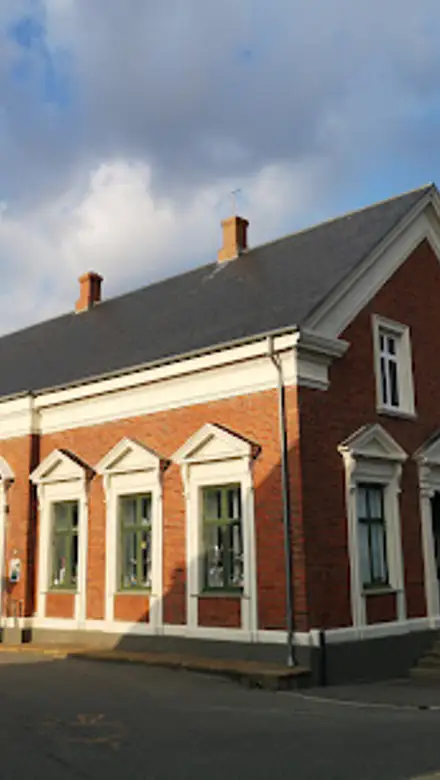
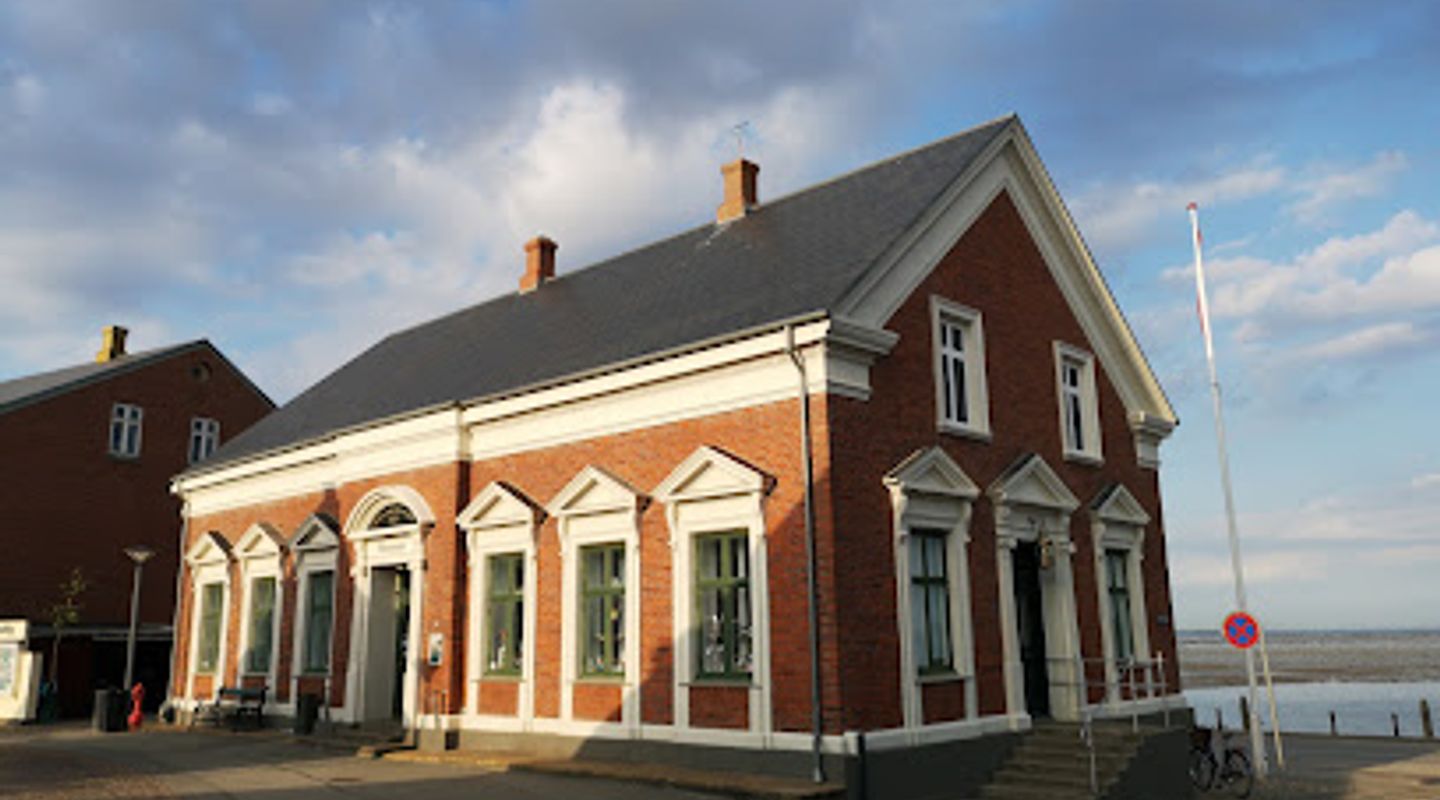
The museum occupies a carefully renovated building that once served as the headquarters of Fanø's shipping association, positioned centrally in Nordby with Hovedgaden on one side and the harbor on the other. The 2014 renovation introduced modern amenities including a museum shop and a small café, while preserving the building's historical character. From the café's veranda, visitors enjoy one of the island's finest views across the harbor toward the Wadden Sea and the busy Esbjerg shipping channel. The thoughtful integration of contemporary facilities within a heritage structure creates an inviting atmosphere for extended visits.
Miniature Models and Historical Transparency
Among the museum's most distinctive features are two exquisitely crafted miniature models depicting the towns of Nordby and Sønderho as they appeared in 1890. These detailed dioramas provide both a comprehensive overview and unique historical insight into the island's urban layout and architectural heritage. The models offer visitors a tangible sense of place and scale, complemented by views from the museum itself—looking north to south along Nordby's harbor and in the opposite direction—allowing visitors to connect the historical representations with the contemporary landscape. The models also reference significant historical sites, including the location of Abraham's shipyard, which once occupied a central position in Nordby just south of the museum.
Fanø Costumes: Tradition and Identity
The first floor houses an impressive collection of traditional Fanø costumes, or dragtsamling, which represent a distinctive regional dress tradition. These garments reflect the island's cultural identity and social history, displayed with careful attention to their historical and aesthetic significance. The costume exhibition complements the maritime narrative, illustrating how material culture and dress traditions developed within the context of a prosperous seafaring community.
Evendo Review Centre
 Google
Guest reviews
Best time to go
Quietest: Jan, Feb & Nov · before 9am or from 5pm
Busy times are Evendo estimates for a typical year, to help you plan. Actual crowds vary with events, school holidays and the weather.
Explore Fanø Skibsfarts- & Dragtsamling on the map
A handpicked selection of must-see spots near Fanø Skibsfarts- & Dragtsamling, mapped for you.
Get your free copy of our complete guide to Fanø Skibsfarts- & Dragtsamling, delivered straight to you.
Everything on this page, from opening hours and how to get there to Eve’s tips and the best time to go, in one PDF you can read offline, print or share.
Already have an account? Sign in
Your Fanø Skibsfarts- & Dragtsamling guide is ready.
We'll send it to · Not you? Sign out

Getting your guide ready…
We are putting together a fresh copy of the Fanø Skibsfarts- & Dragtsamling guide. This can take up to a minute.
This can take a few moments. If your browser asks, choose Allow so the download can start. You'll find the guide in your Downloads folder.
Nothing happened? Download it again
Sorry, the guide is taking longer than usual. Please try again in a minute, or get it by email instead.
Other nearby places you may find interesting
The closest places of the same kind, if this one is not quite what you had in mind.
-
-

-
-
-


Swipe for more places
More to explore near Fanø Skibsfarts- & Dragtsamling
-
 Best experiences near Fanø Skibsfarts- & Dragtsamling
-
 Best hotels near Fanø Skibsfarts- & Dragtsamling
-
 Best landmarks near Fanø Skibsfarts- & Dragtsamling
-
 Best attractions near Fanø Skibsfarts- & Dragtsamling
-
 Best shops near Fanø Skibsfarts- & Dragtsamling
-
 Best restaurants near Fanø Skibsfarts- & Dragtsamling
-
 Best bars near Fanø Skibsfarts- & Dragtsamling


Do you manage this location?
Take control to get all the benefits, like improved information, better appearance, and stronger visibility across AI-powered discovery.
Explore more

Explore more of Fanø
Discover Fanø, Denmark's hidden coastal gem, offering stunning beaches, charming villages, and rich wildlife, perfect for a tranquil getaway and nature adventures.
Explore Fanø
Explore more of Denmark
Discover Denmark: A perfect blend of history, modern design, and the cozy concept of hygge. Explore vibrant cities, serene landscapes, and world-class cuisine.
Explore Denmark