Fanø’s Legendary North Sea Beach
Vast, iconic North Sea beach spanning Fanø’s coastline, famed for its wild dunes, kite festivals, wide sands, and unique Danish maritime character.
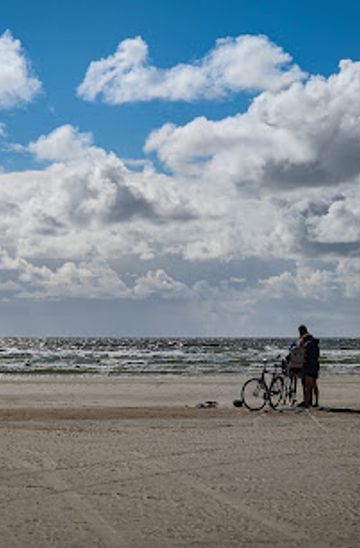
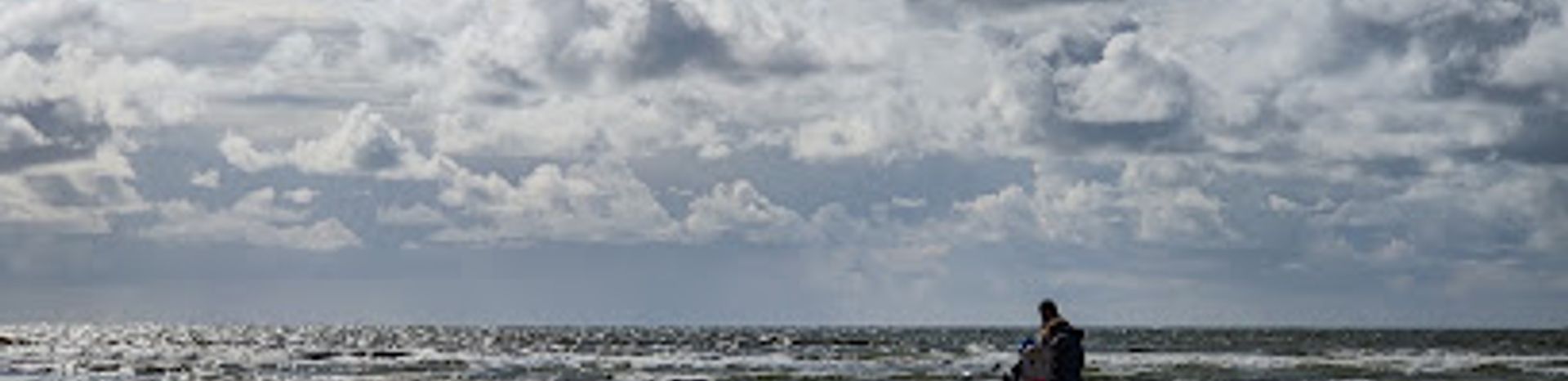
Stretching for miles along Fanø’s west coast, the island’s famous beach offers vast sandy expanses, dynamic dunes, and a maritime history dating back centuries. This windswept shore attracts nature lovers, kite flyers, bathers, and fossil hunters alike, making it one of Denmark’s most celebrated island experiences.
A brief summary to The Beach on Fanø
- Fanø, DK
Local tips
- Try visiting in June for the International Kite Fliers’ Meeting—hundreds of kites fill the skies in a dazzling spectacle.
- Spot seals at the northern end; bring binoculars for the best chance on clear, calm days.
- Bicycles are permitted on the beach’s hard-packed sand and can be a fun way to explore long stretches.
- During summer, protected dune areas may limit access in some sections to protect wildlife—look for posted signs.
- Amber occasionally washes up after big storms; early morning visits increase your chances of finding pieces.

Do you manage this location?
Take control to get all the benefits, like improved information, better appearance, and stronger visibility across AI-powered discovery. Learn more
Activate your presence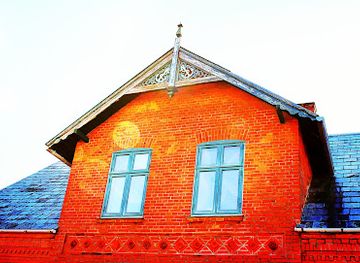
Getting There
-
Walking
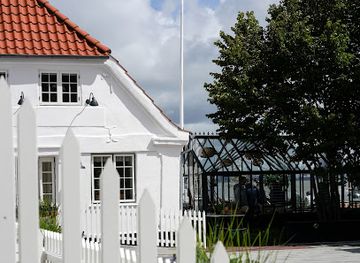
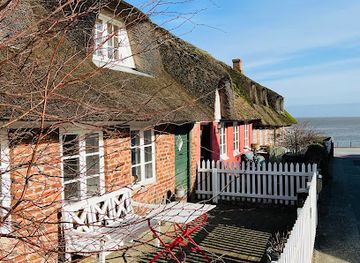
From the center of Nordby, stroll westward towards the breezy edge of the island. As you leave behind the cluster of traditional Fanø houses and pass the marina area, the open expanse of dunes becomes visible. After crossing the last green fields, you’ll find yourself stepping directly onto the sandy beach. The walk typically takes between 20 and 30 minutes, and the changing dune landscape offers rewarding views throughout the approach.
-
Bicycle
Cycling from Nordby center to the beach is both scenic and practical. Follow pathways skirting the northern woodlands and continue toward open dune terrain; the route is mostly flat and the last segment follows broad sandy tracks beside protected dune areas. Expect a ride of around 10–15 minutes. There is no charge for using cycle paths, and bike racks are located at the most popular access points.
-
Taxi
Taxis are available from Nordby and offer a comfortable ride to the main beach access. The trip usually takes less than 10 minutes, with fares in the range of DKK 60–90 depending on the exact drop-off point and time of day. Note that the closest access roads are not always open year-round—occasionally, you may finish with a short walk among the dunes.
-
Car
Driving from Nordby to the beach is straightforward, especially outside of peak summer weeks. A car park is located at the main access behind the dunes; municipal parking fees apply (DKK 10–20 per hour in high season). In some sections—where permitted—you can drive onto the hard sand, a rare experience in Denmark. Be mindful of changing tide conditions and seasonal rules.
Discover more about The Beach on Fanø
Explore the best of what The Beach on Fanø has to offer















More about Fano
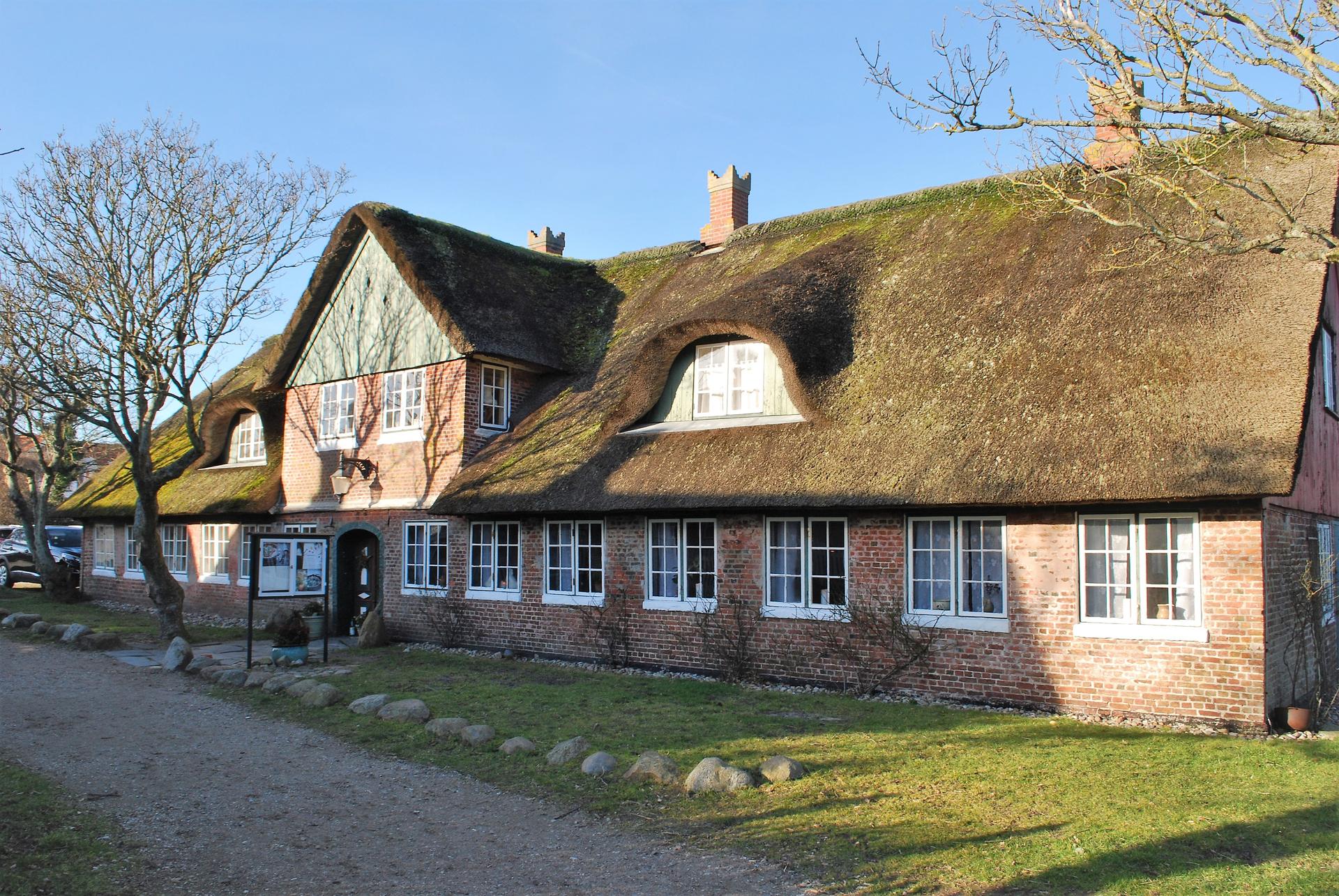
Discover Fanø, Denmark's hidden coastal gem, offering stunning beaches, charming villages, and rich wildlife, perfect for a tranquil getaway and nature adventures.
Tell me more about Fano