

Rindby Strand Travel Guide
Free Guide: Wide, drive-on sands, kite-filled skies and classic Danish dune scenery make Rindby Strand Fanø’s easygoing North Sea playground for long, windblown beach days.


A brief summary of Rindby Strand
Wide, drive-on sands, kite-filled skies and classic Danish dune scenery make Rindby Strand Fanø’s easygoing North Sea playground for long, windblown beach days.
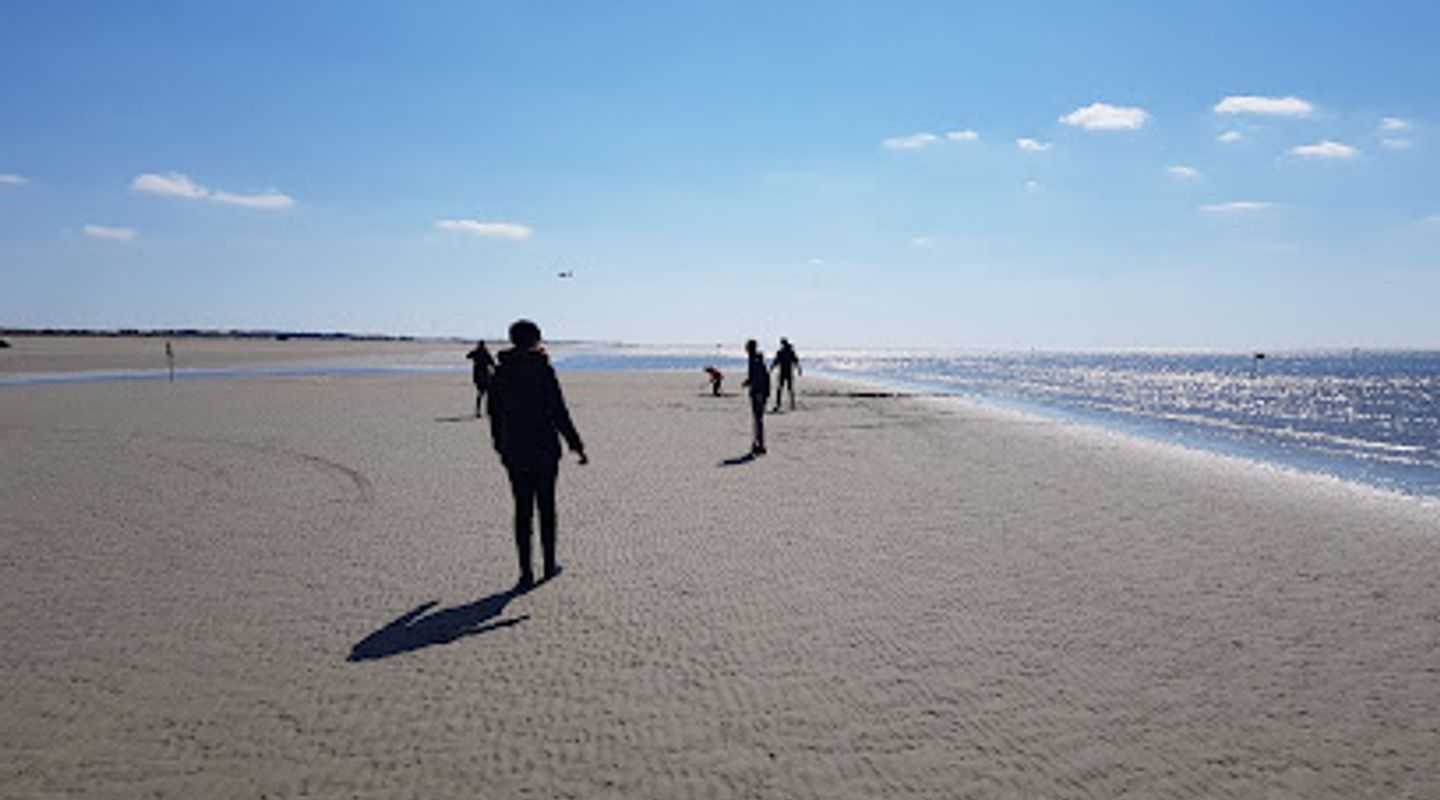
Rindby Strand is a wide, windswept North Sea beach on the west coast of Fanø, part of Denmark’s Wadden Sea landscape. Famous for its drive-on sands, kite-filled skies and spacious swimming area between Fanø Bad and Rindby, it offers classic dune scenery, shallow child‑friendly shallows in season and huge tidal flats. Backed by holiday homes, campsites and casual beach facilities, it’s an easy, low‑key place to spend long days by the sea in almost any weather.
On-site amenities
 Restrooms
 Drink options
 Food options
 Seating areas
 Trash bins
 Information boards
- Address
- 6720 Fanø
Getting there
Car and ferry from Esbjerg
Public transport and local bus
Cycling on Fanø
Discover more about Rindby Strand
North Sea shoreline on the edge of the Wadden Sea
Rindby Strand stretches along the west coast of Fanø, facing directly onto the North Sea and forming part of the wider Wadden Sea coastal landscape. Here the beach is a broad, pale ribbon of sand, backed by low dunes, beach grass and a gently undulating holiday‑home area. Tides and currents continually reshape the shoreline, pushing new sand onto the island and gradually widening the beach over time.At low tide, the sea retreats to reveal vast tidal flats, rippled like corduroy and dotted with shallow pools that mirror the sky. On clear days the horizon feels endless, with container ships far offshore and flocks of seabirds riding the wind. Even when the weather turns blustery, the open space and roaring surf give the area a raw, elemental character that is typical of Denmark’s west coast.
Classic Danish beach holiday atmosphere
Despite its wild setting, Rindby Strand has the relaxed feel of a traditional Danish seaside resort. The main access area is enlivened by nearby campsites, ice‑cream counters and casual eateries, while holiday homes are tucked behind the dunes. In summer, families set up windbreaks and beach tents, children dig in the sand, and swimmers head for the gently shelving water between Fanø Bad and Rindby, which is known as one of the island’s most suitable stretches for bathing.The sand here is fine and largely free of stones, making it comfortable under bare feet and ideal for beach games. There is typically plenty of room for everyone to spread out, even on warmer days, so you can choose between the convivial main access zone or quieter stretches just a short stroll away. The combination of simple facilities nearby and open natural space creates an easygoing, unpretentious holiday setting.
Beach sports, kites and wind-powered fun
Rindby Strand is also one of Fanø’s hubs for wind‑driven activities. Strong but generally manageable breezes coming in from the North Sea make this coastline a magnet for kite flyers, with everything from small children’s kites to elaborate sport and show kites tracing patterns above the sand. South of Rindby, sections of the shore are used by kite buggies, blokarts and other land‑sailing craft that skim across the firm sand at low tide, adding to the sense of motion.Out on the water, the beach serves as an access point for surfing and kitesurfing in conditions that are often a little calmer than more exposed North Sea spots thanks to the sheltering effect of offshore sandbanks. Even if you never leave the comfort of your beach towel, watching colourful kites, sails and surfers against the wide horizon becomes part of the experience.
Drive-on sands and changing tides
One of the most distinctive features of Rindby Strand is the tradition of driving on the beach. Large expanses of hard‑packed sand form a natural roadway, and designated sections of shore are open to cars at controlled speeds. This makes it unusually simple to bring picnic gear, windbreaks and children’s toys directly to the water’s edge and contributes to the beach’s sense of accessible freedom.The same tidal rhythm that creates this firm surface also defines the day. At high tide the waves push close to the driving zone; at low tide the sea pulls back and leaves an immense expanse where shallow channels snake across the sand. Visitors quickly learn to read the subtle changes in waterline, wind and light that make each visit feel different, even if the view is always sand, sky and sea.
Nature, safety and seasonal lifeguards
Although Rindby Strand is broad and family‑friendly, it still belongs to the wild North Sea. Waves and currents can be powerful, and rip currents may form, so local bathing flags and signage deserve close attention. In the main summer season a lifeguard station is usually present at Rindby, providing an added sense of security around the busiest bathing zone.Beyond the surf line, the beach environment supports birdlife typical of the Wadden Sea region, with gulls, waders and sometimes migratory flocks feeding on the exposed flats. Dune vegetation stabilises the sandy ridges behind the beach; staying on established paths helps protect these fragile plants. With its combination of accessible recreation and subtly protected nature, Rindby Strand offers a balanced coastal experience that can fill anything from a short stroll to a full day by the sea.
Evendo Review Centre
 Google
Guest reviews
Best time to go
Quietest: Jan, Feb & Mar · before 7am or from 10pm
Busy times are Evendo estimates for a typical year, to help you plan. Actual crowds vary with events, school holidays and the weather.
Explore Rindby Strand on the map
A handpicked selection of must-see spots near Rindby Strand, mapped for you.
Get your free copy of our complete guide to Rindby Strand, delivered straight to you.
Everything on this page, from opening hours and how to get there to Eve’s tips and the best time to go, in one PDF you can read offline, print or share.
Already have an account? Sign in
Your Rindby Strand guide is ready.
We'll send it to · Not you? Sign out

Getting your guide ready…
We are putting together a fresh copy of the Rindby Strand guide. This can take up to a minute.
This can take a few moments. If your browser asks, choose Allow so the download can start. You'll find the guide in your Downloads folder.
Nothing happened? Download it again
Sorry, the guide is taking longer than usual. Please try again in a minute, or get it by email instead.
Other nearby places you may find interesting
The closest places of the same kind, if this one is not quite what you had in mind.
-
-
-

-
-


Swipe for more places
More to explore near Rindby Strand

 Best experiences near Rindby Strand
 Best hotels near Rindby Strand
 Best landmarks near Rindby Strand
 Best attractions near Rindby Strand
 Best shops near Rindby Strand
 Best restaurants near Rindby Strand
 Best bars near Rindby Strand
Do you manage this location?
Take control to get all the benefits, like improved information, better appearance, and stronger visibility across AI-powered discovery.
Explore more

Explore more of Fanø
Discover Fanø, Denmark's hidden coastal gem, offering stunning beaches, charming villages, and rich wildlife, perfect for a tranquil getaway and nature adventures.
Explore Fanø
Explore more of Denmark
Discover Denmark: A perfect blend of history, modern design, and the cozy concept of hygge. Explore vibrant cities, serene landscapes, and world-class cuisine.
Explore Denmark
