Herning Station, Herning Travel Guide
Free Guide: Central Jutland’s compact rail and bus hub, Herning Station quietly connects a busy events town and its countryside to the rest of Denmark.


A brief summary of Herning Station
Central Jutland’s compact rail and bus hub, Herning Station quietly connects a busy events town and its countryside to the rest of Denmark.
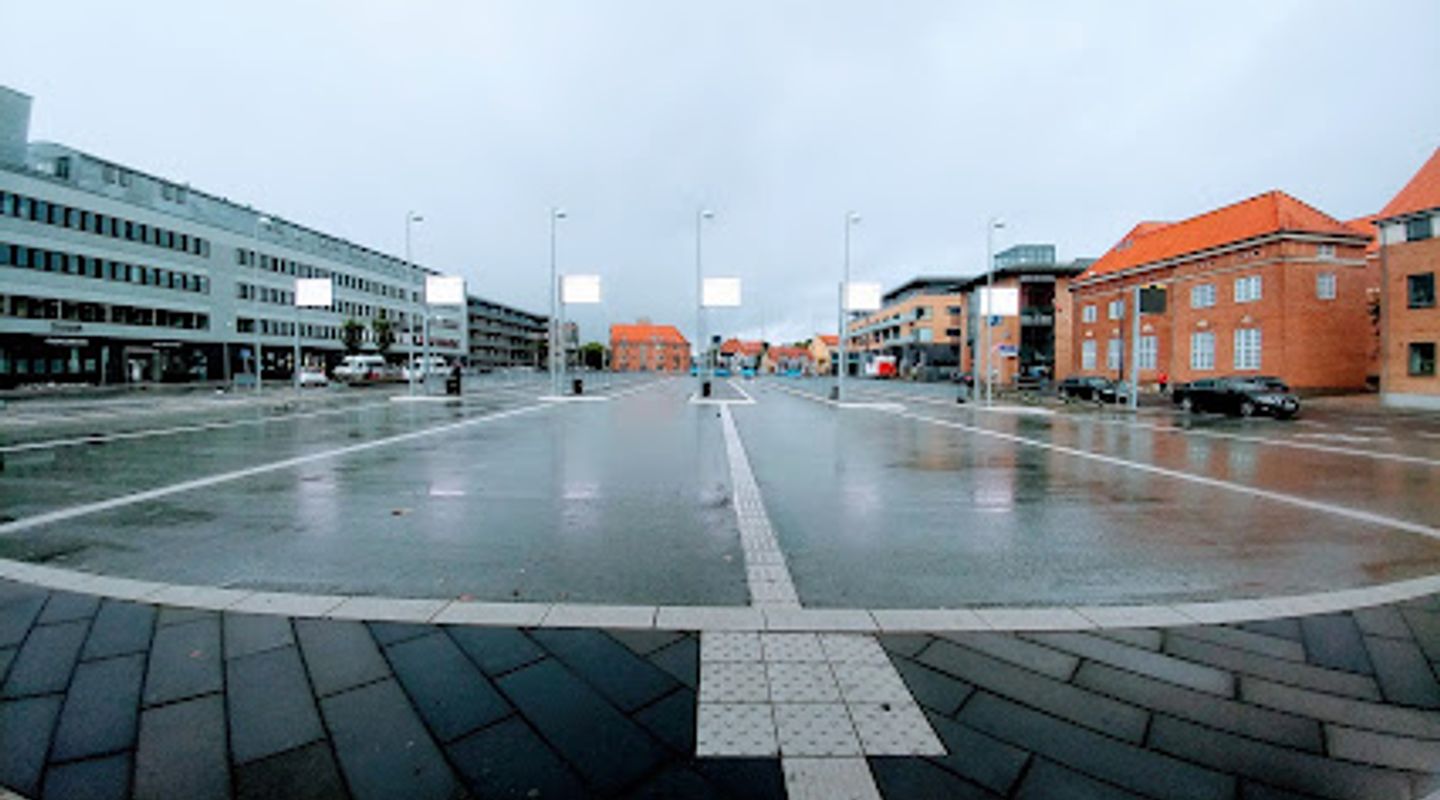
Herning Station is the compact rail and bus hub at the heart of central Jutland, anchoring the town of Herning with the rest of Denmark. Opened in the late 19th century and repeatedly modernised, it now serves as a key junction where major railway lines intersect, with InterCity connections to Copenhagen and regional links across Jutland. With simple platforms, a functional station building and nearby bus stops, it is more a practical springboard than a destination, but its central position makes it an easy starting point for exploring Herning’s shopping streets, parks and major sports and events venues.
On-site amenities
 Restrooms
 Drink options
 Food options
 Lockers
 Seating areas
 Trash bins
 Information boards
- Address
- 7400 Herning
Getting there
Train from major Danish cities
Regional train or bus from nearby Jutland towns
Bus link from Midtjyllands Airport (Karup)
Car travel within the Central Jutland road network
Discover more about Herning Station
Gateway to Central Jutland
Herning Station is the main transport gateway to the town of Herning, sitting just south of the compact town centre in the middle of the Jutland peninsula. The station anchors a busy rail junction where lines from Vejle, Holstebro, Skanderborg and Skjern intersect, making it a natural crossroads for both commuters and travellers crossing Denmark. InterCity and regional trains fan out from here to Copenhagen, Aarhus, Esbjerg and beyond, so this modest station punches well above its weight in terms of connectivity.Although officially a railway station, the surrounding forecourt also acts as a local bus hub, with stops for regional buses and coaches, including long-distance services. In practice, this makes the area around the station the nerve centre of public transport in Herning, where train timetables and bus departures mesh to keep central Jutland moving.
From 19th-Century Rail Stop to Modern Junction
The railway arrived in Herning in the 1870s, when the Silkeborg–Herning section of the Skanderborg–Skjern line was completed. What began as a small rural stop quickly became more important as trade, textiles and later major fairs and sports events transformed the town. Over time the rail layout was expanded, new buildings were added, and the station evolved in step with Herning’s growth from market settlement to regional hub.Today the station complex reflects layers of this history. The main building presents a straightforward, modernised face, designed more for efficiency than showy ornament. Around it, sidings and platforms reveal the station’s role as a junction rather than a terminus: tracks split away toward the North Sea coast, east to Aarhus, and south toward Vejle, echoing the town’s position at the meeting point of several national roads as well.
A Functional Heart Rather Than a Grand Hall
Herning Station is a working, everyday place rather than a grand cathedral of transport. The platforms are open and practical, with basic shelters and clear signage. Inside the station building you find the essentials a traveller needs: ticket facilities or machines, waiting spaces and access to nearby kiosks and cafés just outside. The design is Danish in its restraint, with clean lines and simple materials, prioritising easy circulation over architectural drama.For many visitors, the real appeal lies in what lies within a short walk of the station. Step outside and you are quickly on town streets leading to Bredgade’s pedestrian shopping stretch, local cafés and the congress centre. A little further afield, buses and occasional trains link to the sprawling MCH fair and arena complex, where international concerts, trade fairs and sporting championships regularly take place.
Everyday Rhythm and Local Life
At peak times the station thrums with a gentle, organised energy. Early mornings bring commuters from smaller Jutland towns changing trains here; mid-afternoons see school pupils and workers returning home; late evenings can be surprisingly quiet, especially outside major event days. The soundscape is dominated by the soft hum of diesel or electric units, the chime of departure announcements and the occasional rush of an InterCity service passing through.Because Herning is not a huge city, the station feels approachable and manageable even during busy periods. Platforms are close together, transfer times are short, and it is hard to get seriously lost. That sense of scale is part of the charm: the station is big enough to connect you to most of Denmark, yet small enough to understand in minutes.
Starting Point for Exploring Herning
As a practical base, the station works well for short visits and day trips. Lockers in or near the station allow you to drop luggage and explore unburdened, whether you are heading for a trade fair, a handball match or a stroll around local parks such as Søndre Anlæg. Clear onward transport options make it easy to connect to Karup Airport via regional buses, or to continue by train to other Jutland towns.For travellers crossing Denmark, Herning Station often appears simply as a name on a departure board. Spending a little time here reveals how this modest junction underpins a wide catchment of rural communities, sports arenas and exhibition halls. It may not be a destination in itself, but it is the quiet, efficient hinge that helps central Jutland open to the rest of the country.
Evendo Review Centre
 Google
Guest reviews
Best time to go
Quietest: Jan, Feb & Mar · before 5am or at 10pm
Busy times are Evendo estimates for a typical year, to help you plan. Actual crowds vary with events, school holidays and the weather.
Explore Herning Station on the map
A handpicked selection of must-see spots near Herning Station, mapped for you.
Get your free copy of our complete guide to Herning Station, delivered straight to you.
Everything on this page, from opening hours and how to get there to Eve’s tips and the best time to go, in one PDF you can read offline, print or share.
Already have an account? Sign in
Your Herning Station guide is ready.
We'll send it to · Not you? Sign out

Getting your guide ready…
We are putting together a fresh copy of the Herning Station guide. This can take up to a minute.
This can take a few moments. If your browser asks, choose Allow so the download can start. You'll find the guide in your Downloads folder.
Nothing happened? Download it again
Sorry, the guide is taking longer than usual. Please try again in a minute, or get it by email instead.
Other nearby places you may find interesting
The closest places of the same kind, if this one is not quite what you had in mind.
-
-
-
-
-


Swipe for more places
More to explore near Herning Station

 Best experiences near Herning Station
 Best hotels near Herning Station
 Best landmarks near Herning Station
 Best attractions near Herning Station
 Best shops near Herning Station
 Best restaurants near Herning Station
 Best bars near Herning Station
Do you manage this location?
Take control to get all the benefits, like improved information, better appearance, and stronger visibility across AI-powered discovery.
Explore more
Explore more of Herning
Discover Herning, Denmark's cultural epicenter, known for its art, architecture, and natural beauty, offering a unique blend of tradition and modernity.
Explore Herning
Explore more of Denmark
Discover Denmark: A perfect blend of history, modern design, and the cozy concept of hygge. Explore vibrant cities, serene landscapes, and world-class cuisine.
Explore Denmark