Tekstilmuseet, Herning Travel Guide
Free Guide: Industrial looms, children’s factory fun and 2,000 years of cloth history in Herning’s former textile mill, where Central Jutland’s fabric story comes vividly alive.


A brief summary of Tekstilmuseet
Industrial looms, children’s factory fun and 2,000 years of cloth history in Herning’s former textile mill, where Central Jutland’s fabric story comes vividly alive.
Housed in the former Herning Cloth Factory, Tekstilmuseet in Central Jutland tells the story of how textiles shaped this region and dressed the world. In evocative factory halls filled with original looms, spinning machines and vivid exhibits like “Made in Midtjylland,” you follow the boom of the 1950s when small workshops became an industrial powerhouse. Hands‑on activities, a playful children’s factory, the ancient Hammerum Girl’s dress, plus a cozy café and shop make this an engaging stop for all ages.
On-site amenities
 Restrooms
 Drink options
 Drinking water
 Food options
 Seating areas
 Sheltered areas
 Trash bins
 Information boards
 Visitor centre
Opening hours
- MonClosed
- Tue11 am–4 pm
- Wed11 am–4 pm
- Thu11 am–4 pm
- Fri11 am–4 pm
- Sat11 am–4 pm
- Sun11 am–4 pm
Opening hours as listed on the venue’s Google Business Profile. Hours can change for services and special events, so check with the venue before you go.
- Address
- Vestergade 20, 7400 Herning
- Phone
- Website
Getting there
Local bus within Herning
On foot from central Herning
Train plus short transfer
Taxi within Herning
Discover more about Tekstilmuseet
Where Threads Once Roared
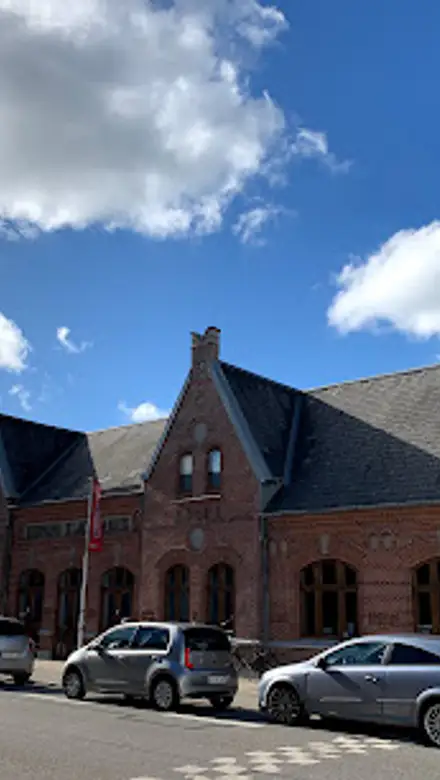
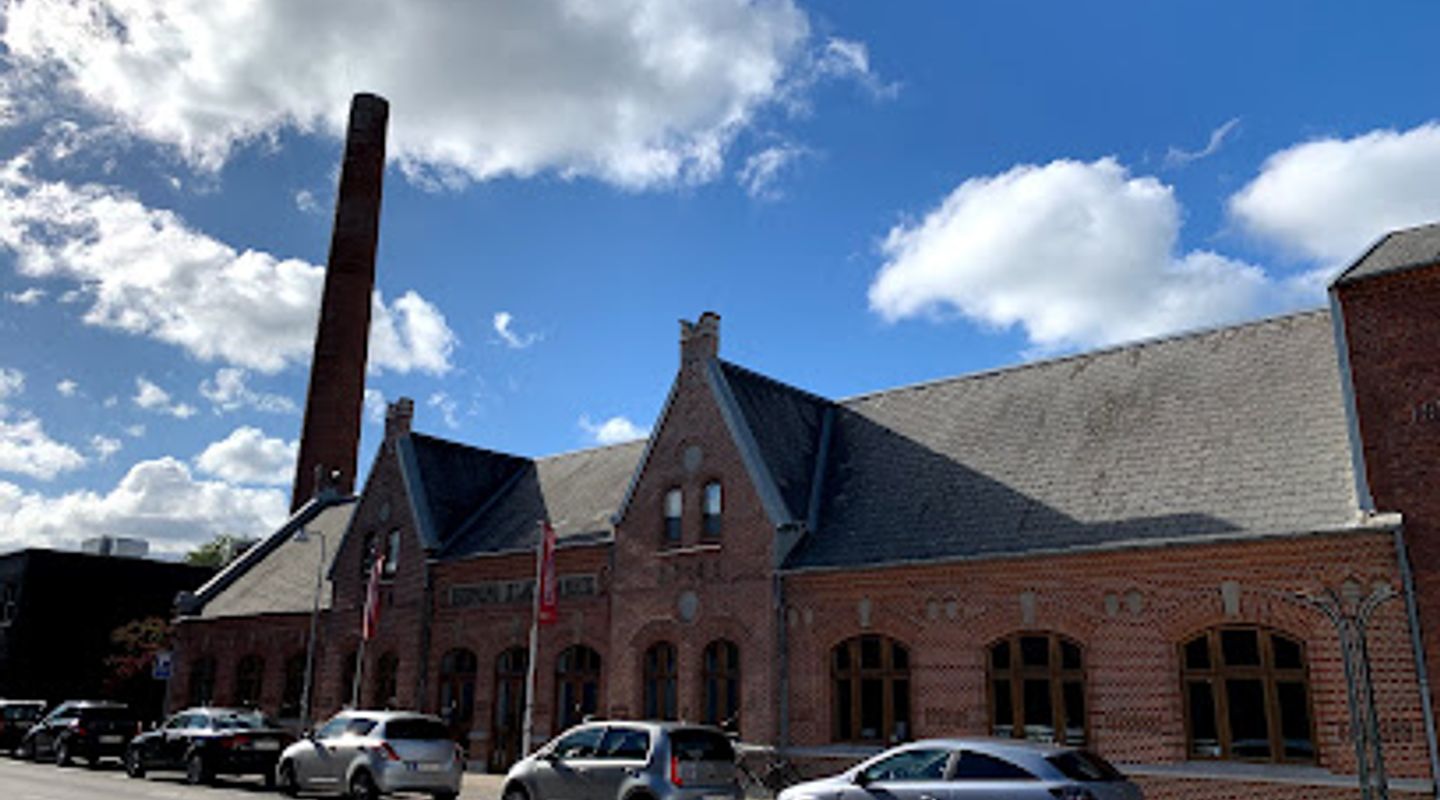
In the heart of Herning, Tekstilmuseet occupies the red‑brick buildings of the old Herning Cloth Factory, a place where textile machines once thundered from morning to night. As you step into the high factory halls, the polished concrete, steel beams and lines of heavy looms still feel ready for another long shift. This is not a museum built to imitate an industrial space – it is the real thing, carefully preserved so you can sense the energy that fueled Central Jutland’s textile adventure.The layout follows the original flow of production, from raw fibers to finished cloth. You pass spindles, carding machines and weaving looms, all arranged much as the workers would have known them. Interpretation panels and thoughtfully placed objects help you imagine the rhythm of work, from the first clatter of the morning start‑up to the last thread trimmed at the end of the day.
Made in Midtjylland: A Region Reinvented
The core exhibition, “Made in Midtjylland,” traces how a modest rural area transformed into a textile hub with global reach. In the 1950s, small backyard workshops and basement knitwear operations multiplied, then fused into larger factories that provided livelihoods across Central Jutland. Tekstilmuseet charts that leap, showing how sewing machines on kitchen tables evolved into a full‑scale industry exporting clothes far beyond Denmark.Through photographs, film clips and personal stories from former workers and entrepreneurs, the museum reveals the social side of this growth: the long hours, the camaraderie on the factory floor, the pride of shipping garments abroad, and eventually the challenge when production moved overseas. It is a story of innovation and resilience, told at human scale through the lives behind the machines.
Living Machinery and the Senses of the Factory
One of the museum’s most distinctive features is its working machinery. On selected days, volunteers who once knew these looms and spinners as everyday tools bring them to life again. The hall fills with the clack of shuttles, the whir of belts and the faint tang of oil, offering a rare multisensory glimpse into mid‑20th‑century factory conditions.Even when the machines are still, the museum uses sound, light and clever staging to evoke the atmosphere of a busy mill. Safety rails and clear walkways keep you close to the action without ever feeling overwhelmed. For many visitors, this is where the technical fascination of engineering meets the emotional pull of everyday working lives.
From Hammerum Girl to Children’s Factory
Tekstilmuseet does not only focus on the high industrial decades. One highlight is the story of the Hammerum Girl and her nearly 2,000‑year‑old textile fragments, which reveal just how long people in this region have spun, woven and worn cloth. Carefully displayed garments and reconstructions show ancient techniques that echo surprising similarities to later industrial methods.Younger visitors are drawn to the playful “children’s factory,” where museum learning turns into a game of production. Here, kids can role‑play as workers, handling soft materials, moving mock goods and discovering how teamwork and timing matter when you are part of a larger process. It is a gentle introduction to labor history wrapped in fun, helping families explore complex themes together.
Café, Shop and Contemporary Connections
After exploring the exhibition halls, the museum café offers a quieter corner with warm drinks, light bites and views back toward the factory buildings. It is an inviting place to pause, reflect on the stories you have just encountered and watch the pace of modern Herning outside the old industrial shell.In the museum shop, textiles return to their roots. Scarves, towels and other woven goods – many produced on the museum’s own looms – share space with books, toys and design items. This small retail space acts as a bridge between past and present, reminding you that Central Jutland’s textile know‑how is still very much alive.
Part of a Larger Story of Central Jutland
Tekstilmuseet belongs to Museum Midtjylland, a network of cultural history museums that together tell the wider tale of this part of Denmark. Here, the focus is firmly on how textiles shaped Herning’s identity, from early craft traditions to industrial export success and today’s design‑driven economy.Visiting the museum offers both a compact introduction to the region and a deep dive into one defining industry. Whether you are fascinated by machinery, social history, fashion or simply the ingenuity behind everyday objects, Tekstilmuseet weaves those threads into a single, coherent narrative that lingers long after you leave.
Evendo Review Centre
 Google
Guest reviews
Best time to go
Quietest: Jan, Feb & Mar · before 9am or at 6pm
Busy times are Evendo estimates for a typical year, to help you plan. Actual crowds vary with events, school holidays and the weather.
Explore Tekstilmuseet on the map
A handpicked selection of must-see spots near Tekstilmuseet, mapped for you.
Get your free copy of our complete guide to Tekstilmuseet, delivered straight to you.
Everything on this page, from opening hours and how to get there to Eve’s tips and the best time to go, in one PDF you can read offline, print or share.
Already have an account? Sign in
Your Tekstilmuseet guide is ready.
We'll send it to · Not you? Sign out

Getting your guide ready…
We are putting together a fresh copy of the Tekstilmuseet guide. This can take up to a minute.
This can take a few moments. If your browser asks, choose Allow so the download can start. You'll find the guide in your Downloads folder.
Nothing happened? Download it again
Sorry, the guide is taking longer than usual. Please try again in a minute, or get it by email instead.
Other nearby places you may find interesting
The closest places of the same kind, if this one is not quite what you had in mind.
-
-
-
-
-


Swipe for more places
More to explore near Tekstilmuseet

 Best experiences near Tekstilmuseet
 Best hotels near Tekstilmuseet
 Best landmarks near Tekstilmuseet
 Best attractions near Tekstilmuseet
 Best shops near Tekstilmuseet
 Best restaurants near Tekstilmuseet
 Best bars near Tekstilmuseet
Do you manage this location?
Take control to get all the benefits, like improved information, better appearance, and stronger visibility across AI-powered discovery.
Explore more
Explore more of Herning
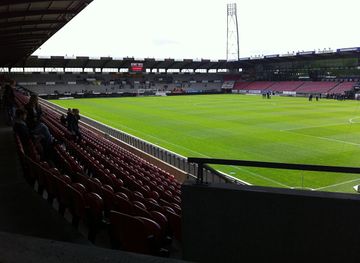
Discover Herning, Denmark's cultural epicenter, known for its art, architecture, and natural beauty, offering a unique blend of tradition and modernity.
Explore Herning
Explore more of Denmark
Discover Denmark: A perfect blend of history, modern design, and the cozy concept of hygge. Explore vibrant cities, serene landscapes, and world-class cuisine.
Explore Denmark