

Frilandsmuseet Herning, Herning Travel Guide
Free Guide: Step from central Herning straight into a thatched 1800s village, where open‑air farmsteads, soundscapes and intimate exhibits bring Jutland’s heathland past to life.


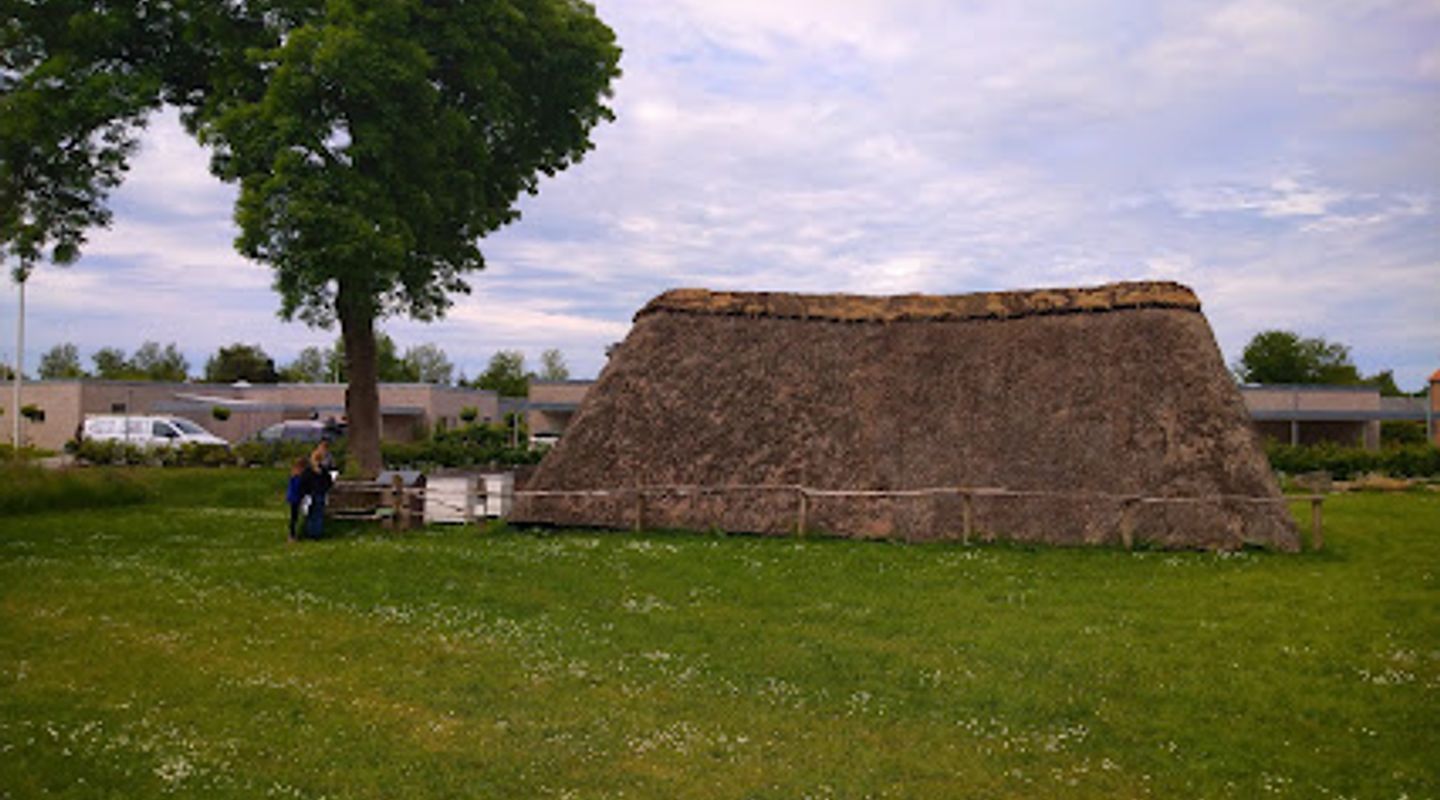
A brief summary of Frilandsmuseet Herning
Step from central Herning straight into a thatched 1800s village, where open‑air farmsteads, soundscapes and intimate exhibits bring Jutland’s heathland past to life.
Frilandsmuseet Herning is an intimate open‑air museum just a short stroll from Herning’s main street, where historic farm buildings, cobbled yards and crooked fruit trees recreate 19th‑century heathland life. Step into thatched farmhouses, a traditional smithy and themed interiors, from an occupation‑era apartment to Jens Nielsen’s imaginative farm world with more than a hundred viewing scenes. With free entrance, a welcoming museum garden and hands‑on glimpses of old crafts, it is an easy, atmospheric culture stop in the heart of Central Jutland.
On-site amenities
 Restrooms
 Seating areas
 Sheltered areas
 Picnic areas
 Trash bins
 Information boards
Opening hours
- MonClosed
- TueClosed
- WedClosed
- Thu9 am–3 pm
- FriClosed
- SatClosed
- SunClosed
Opening hours as listed on the venue’s Google Business Profile. Hours can change for services and special events, so check with the venue before you go.
- Address
- Museumsgade 32, 7400 Herning
- Phone
- Website
Getting there
Walking from central Herning
Local city bus within Herning
Car or rental car within Herning and surroundings
Regional train to Herning plus onward connection
Discover more about Frilandsmuseet Herning
Heathland farm life in the heart of Herning
Frilandsmuseet Herning brings the countryside of 1800s Central Jutland right into town. A cluster of relocated farm buildings, barns and outbuildings is arranged around a traditional yard, complete with kitchen gardens and old apple trees. Walking in from modern Herning, you suddenly find yourself among timber beams, low doorways and the gentle smell of wood and earth.The museum focuses on the heaths of Central and West Jutland, once a sparse landscape of smallholdings, wind and hard work. Inside the thatched houses you can read the story of families who lived with peat fires, shared beds and simple tools, relying on sheep, small fields and craftsmanship to get by. Everyday objects are laid out as if the occupants had just stepped outside, giving a sense of lives lived close to the land.
Old crafts and quiet village atmosphere
On Thursdays, the museum becomes especially vivid when volunteers demonstrate traditional skills. In the small smithy, iron is heated and hammered on the anvil, while the rhythmic sounds drift into the yard. Elsewhere, you may see people tending the garden or working with bees, keeping heritage techniques alive.Even when no demonstrations are taking place, the site has a gentle village atmosphere. Gravel paths connect the buildings, hens sometimes scratch in the grass, and the museum garden frames everything with hedges, flowers and slightly wild corners. It is a place that invites slow wandering, looking at construction details, and imagining how the heath farms once formed small clusters in an otherwise open landscape.
Stories from occupation years and folklore
Indoors, one exhibition recreates a Danish apartment during the German occupation of the 1940s. Furniture, radio, textiles and small details show how ordinary people adapted to shortages, control and everyday uncertainty. It is a compact, thought‑provoking glimpse of recent history that contrasts with the rural rooms outside.Another space is dedicated to folklorist Evald Tang Kristensen, who collected songs, tales and everyday stories across Jutland. Through objects, texts and images you get a sense of the people he met and the intangible heritage they shared. The museum’s broader narrative ties these threads together, suggesting how landscape, belief and storytelling shaped the region’s identity.
Jens Nielsen’s imaginative farm and soundscapes
A highlight for many visitors is Jens Nielsen’s Farm, a detailed model world where more than a hundred viewing scenes depict farm life around the early 1900s. Peering into the boxes, you can follow the rhythm of the agricultural year: ploughing, haymaking, winter evenings indoors and village gatherings. The miniature figures, animals and interiors create a playful way to understand how tasks and seasons structured rural existence.In one of the old farmhouses, a sound installation adds another layer. You hear the creak of floorboards, the clatter of kitchen work, children’s voices and outdoor noises, forming an immersive soundscape of a heath farming family’s day. Combined with the physical rooms, it becomes easy to picture the building as a living home rather than a static monument.
Garden refuge and open‑air escape
The museum garden surrounds the historic buildings with lawns, benches and sheltered corners, making it a pleasant place to pause with a snack or a book. With its fruit trees and half‑covered seating, it works both as part of the historical setting and as a small green refuge in central Herning.Because entrance is free, it is simple to drop in for a short cultural break or to return with friends on another Thursday. Whether you are curious about Jutland’s heath culture, looking for a gentle family outing, or simply after an atmospheric place to slow down, Frilandsmuseet Herning offers a compact but rich window into Denmark’s rural past.
Evendo Review Centre
 Google
Guest reviews
Best time to go
Quietest: Jan, Feb & Mar · before 8am or at 5pm
Busy times are Evendo estimates for a typical year, to help you plan. Actual crowds vary with events, school holidays and the weather.
Explore Frilandsmuseet Herning on the map
A handpicked selection of must-see spots near Frilandsmuseet Herning, mapped for you.
Get your free copy of our complete guide to Frilandsmuseet Herning, delivered straight to you.
Everything on this page, from opening hours and how to get there to Eve’s tips and the best time to go, in one PDF you can read offline, print or share.
Already have an account? Sign in
Your Frilandsmuseet Herning guide is ready.
We'll send it to · Not you? Sign out

Getting your guide ready…
We are putting together a fresh copy of the Frilandsmuseet Herning guide. This can take up to a minute.
This can take a few moments. If your browser asks, choose Allow so the download can start. You'll find the guide in your Downloads folder.
Nothing happened? Download it again
Sorry, the guide is taking longer than usual. Please try again in a minute, or get it by email instead.
Other nearby places you may find interesting
The closest places of the same kind, if this one is not quite what you had in mind.
-
-
-
-
-


Swipe for more places
More to explore near Frilandsmuseet Herning

 Best experiences near Frilandsmuseet Herning
 Best hotels near Frilandsmuseet Herning
 Best landmarks near Frilandsmuseet Herning
 Best attractions near Frilandsmuseet Herning
 Best shops near Frilandsmuseet Herning
 Best restaurants near Frilandsmuseet Herning
 Best bars near Frilandsmuseet Herning
Do you manage this location?
Take control to get all the benefits, like improved information, better appearance, and stronger visibility across AI-powered discovery.
Explore more
Explore more of Herning
Discover Herning, Denmark's cultural epicenter, known for its art, architecture, and natural beauty, offering a unique blend of tradition and modernity.
Explore Herning
Explore more of Denmark
Discover Denmark: A perfect blend of history, modern design, and the cozy concept of hygge. Explore vibrant cities, serene landscapes, and world-class cuisine.
Explore Denmark
