Æbelholt Abby ruins, Hillerød Travel Guide
Free Guide: Evocative monastery ruins, a vivid small museum and a flourishing herb garden reveal centuries of healing, faith and everyday life in rural North Zealand.


A brief summary of Æbelholt Abby ruins
Evocative monastery ruins, a vivid small museum and a flourishing herb garden reveal centuries of healing, faith and everyday life in rural North Zealand.
Set in gentle North Zealand countryside just west of Hillerød, the ruins of Æbelholt Abbey mark the site of the largest Augustinian monastery in Scandinavia. Here, stone foundations, low church walls and an evocative graveyard trace the outline of a once-bustling medieval complex known for healing, hospitality and learning. A small on-site museum, digital reconstructions and a richly planted medicinal herb garden bring centuries of monastic life, miracles and medical care vividly into focus.
On-site amenities
 Restrooms
 Drink options
 Seating areas
 Picnic areas
 Trash bins
 Information boards
- Address
- Æbelholt 4, 3400 Hillerød
- Phone
- Website
Getting there
Regional train and local bus from Copenhagen
Train and bicycle from Hillerød
Car from Hillerød and North Zealand
Discover more about Æbelholt Abby ruins
Medieval monastery in the North Zealand landscape
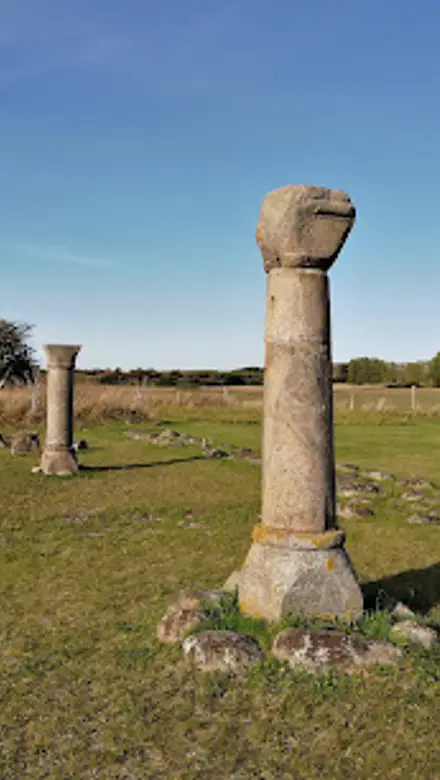
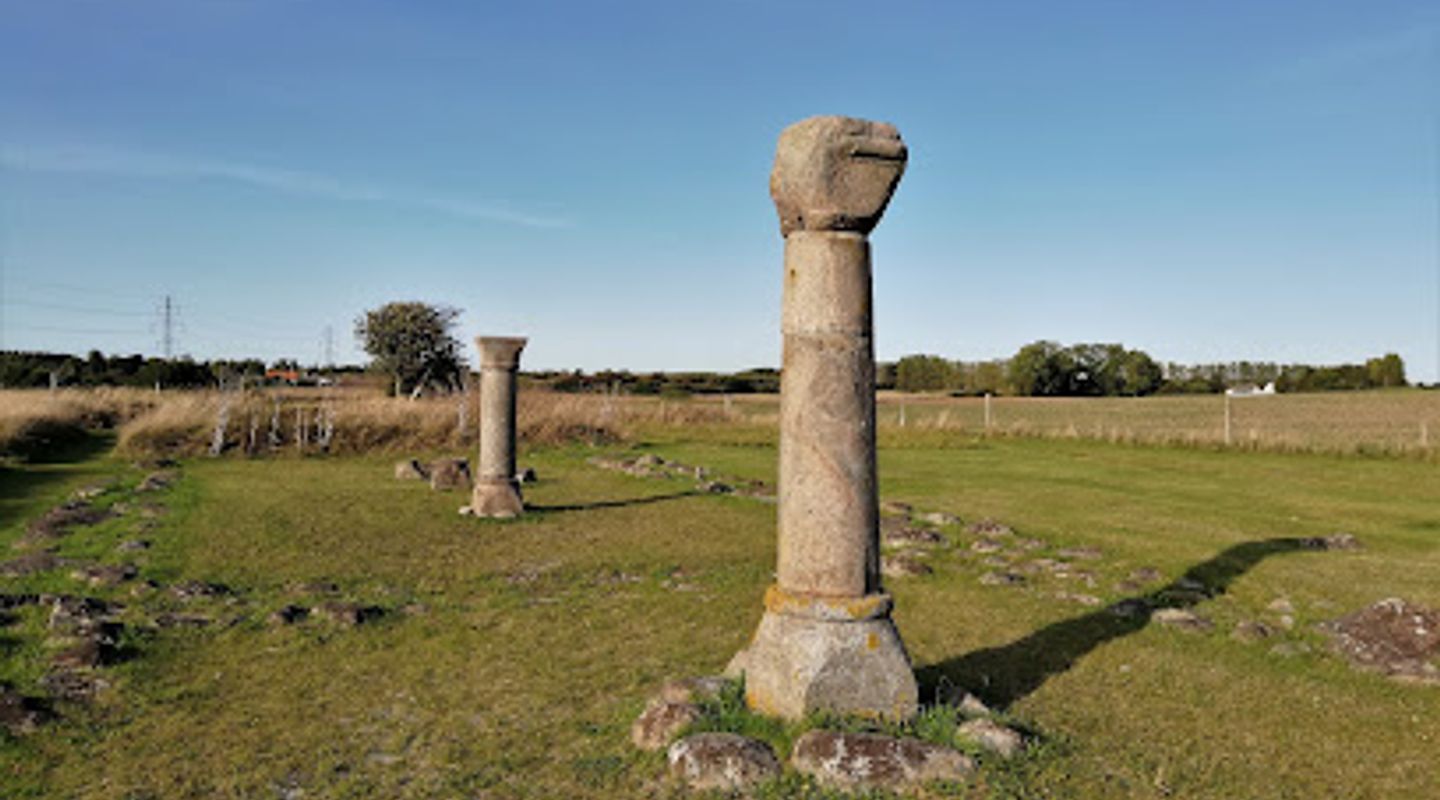
Æbelholt Abbey lies in rolling fields and woodland outside Hillerød, where scattered stone walls and grass-grown foundations sketch the footprint of a once vast religious community. Founded around 1175 by Augustinian canons, it grew into the largest monastery of its kind in the Nordic region, almost a self-contained village with church, cloister, mill, workshops and farmland. Walking the open site today, you trace those lines in the turf while birdsong and wind in the trees replace the long-vanished chant of the choir.The abbey stood at a natural crossing point for travellers in North Zealand. In the Middle Ages, its church tower would have been a landmark above the surrounding marshy valleys. Now, the monument feels low and intimate: the outlines of nave and choir, the faint suggestion of vaulted corridors, and the remains of refectory pillars hint at a grand, carefully ordered world that has largely returned to earth.
Saint William and a centre of healing
The story of Æbelholt is inseparable from its first abbot, William of Æbelholt, later canonised as Saint Vilhelm, whose reputation for miracles drew pilgrims from across Denmark and southern Scandinavia. Sick and poor travellers came seeking cures, food and shelter, turning the monastery into an early regional hospital and hospice as much as a religious house.As you wander among the ruins, it is easy to imagine throngs of medieval visitors camping outside the walls or queuing at a small chapel built over the saint’s grave. The abbey’s role as a place of healing lives on in the site's interpretation: the focus is not only on theology and power, but on bodies, illness and the everyday struggles of people who arrived here desperate for relief.
Ruins revealed by archaeology
The abbey was dissolved after the Reformation and systematically demolished in the 16th century, its bricks and carved stone repurposed for Frederiksborg Castle. For centuries little more than uneven mounds marked the spot. Archaeological excavations in the 20th century brought the complex back to light, uncovering late-medieval walls, hundreds of graves and a wealth of small finds.Today, you can walk through the exposed ground plan of the church and conventual buildings. Low walls and stone courses mark chapels, cloister walks and domestic rooms; information boards explain what once stood where. The simple presentation encourages you to use your imagination, a process helped by the quiet surroundings and the knowledge that almost everything you see was painstakingly recovered from under the soil.
Museum stories of medicine and mortality
Beside the ruins, a modest museum building holds the most striking evidence from the excavations. Here, skeletons and partial remains tell stories of medieval disease, surgery and daily accidents. Exhibits highlight bone deformities, healed fractures and signs of chronic illness, revealing both the harshness of life and the care patients received.Alongside the human remains, you find medical instruments, devotional objects and models that reconstruct the monastery at its height. Digital tablets or screens let you overlay virtual buildings onto the present-day ruins, helping you picture soaring roofs above the low walls outside. Texts and displays explain how the canons balanced prayer, scholarship, hospitality and healthcare in a carefully regimented routine.
Herbal garden and peaceful walks
One of the most atmospheric corners of Æbelholt is the monastery garden, laid out with around a hundred medicinal herbs and useful plants. Labels introduce traditional remedies and their purposes, from soothing wounds to calming the stomach. Bees drift between blossoms and butterflies flicker over beds of sage, yarrow and mint, echoing centuries of monastic plant cultivation.The wider area invites gentle strolling along paths that thread through fields and small woods. Benches and simple picnic spots make it an easy place to linger on a fine day. In this setting, the layered character of Æbelholt emerges clearly: part ruin, part open-air museum, part living herbarium, and always a quiet corner of countryside where the past feels unexpectedly close.
Traces of faith, power and change
Æbelholt also reflects broader shifts in Danish history. Its rise was tied to influential churchmen and royal patrons; its suppression followed the triumph of Lutheran reform and the crown’s need for resources. The deliberate demolition of the abbey to supply stone for a royal castle symbolises that change in priorities.Yet the site did not disappear entirely. Parish churches nearby survived, and the memory of Saint Vilhelm endured in local tradition. The present ruins, museum and garden continue that thread, focusing not on grand politics but on the quieter stories of monks, patients, workers and pilgrims who once filled this remote corner of North Zealand with their hopes, fears and everyday routines.
Evendo Review Centre
 Google
Guest reviews
Best time to go
Quietest: Jan, Feb & Nov · before 8am or at 8pm
Busy times are Evendo estimates for a typical year, to help you plan. Actual crowds vary with events, school holidays and the weather.
Explore Æbelholt Abby ruins on the map
A handpicked selection of must-see spots near Æbelholt Abby ruins, mapped for you.
Get your free copy of our complete guide to Æbelholt Abby ruins, delivered straight to you.
Everything on this page, from opening hours and how to get there to Eve’s tips and the best time to go, in one PDF you can read offline, print or share.
Already have an account? Sign in
Your Æbelholt Abby ruins guide is ready.
We'll send it to · Not you? Sign out

Getting your guide ready…
We are putting together a fresh copy of the Æbelholt Abby ruins guide. This can take up to a minute.
This can take a few moments. If your browser asks, choose Allow so the download can start. You'll find the guide in your Downloads folder.
Nothing happened? Download it again
Sorry, the guide is taking longer than usual. Please try again in a minute, or get it by email instead.
Other nearby places you may find interesting
The closest places of the same kind, if this one is not quite what you had in mind.
-
-
-
-
-


Swipe for more places
More to explore near Æbelholt Abby ruins

 Best experiences near Æbelholt Abby ruins
 Best hotels near Æbelholt Abby ruins
 Best landmarks near Æbelholt Abby ruins
 Best attractions near Æbelholt Abby ruins
 Best shops near Æbelholt Abby ruins
 Best restaurants near Æbelholt Abby ruins
 Best bars near Æbelholt Abby ruins
Do you manage this location?
Take control to get all the benefits, like improved information, better appearance, and stronger visibility across AI-powered discovery.
Explore more
Explore more of Hillerød
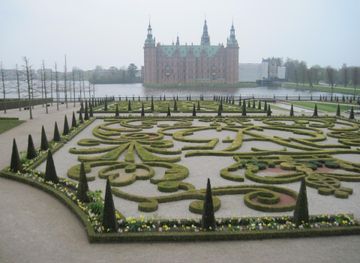
Explore Hillerød: Discover Frederiksborg Castle, vibrant town life, and scenic nature trails in Denmark's charming North Zealand region.
Explore Hillerød
Explore more of Denmark
Discover Denmark: A perfect blend of history, modern design, and the cozy concept of hygge. Explore vibrant cities, serene landscapes, and world-class cuisine.
Explore Denmark