

Esthers Have, Hillerød Travel Guide
Free Guide: Provence‑inspired lavender slopes, woodland paths and a rustic hilltop barn create a tranquil countryside garden escape just outside Hillerød.


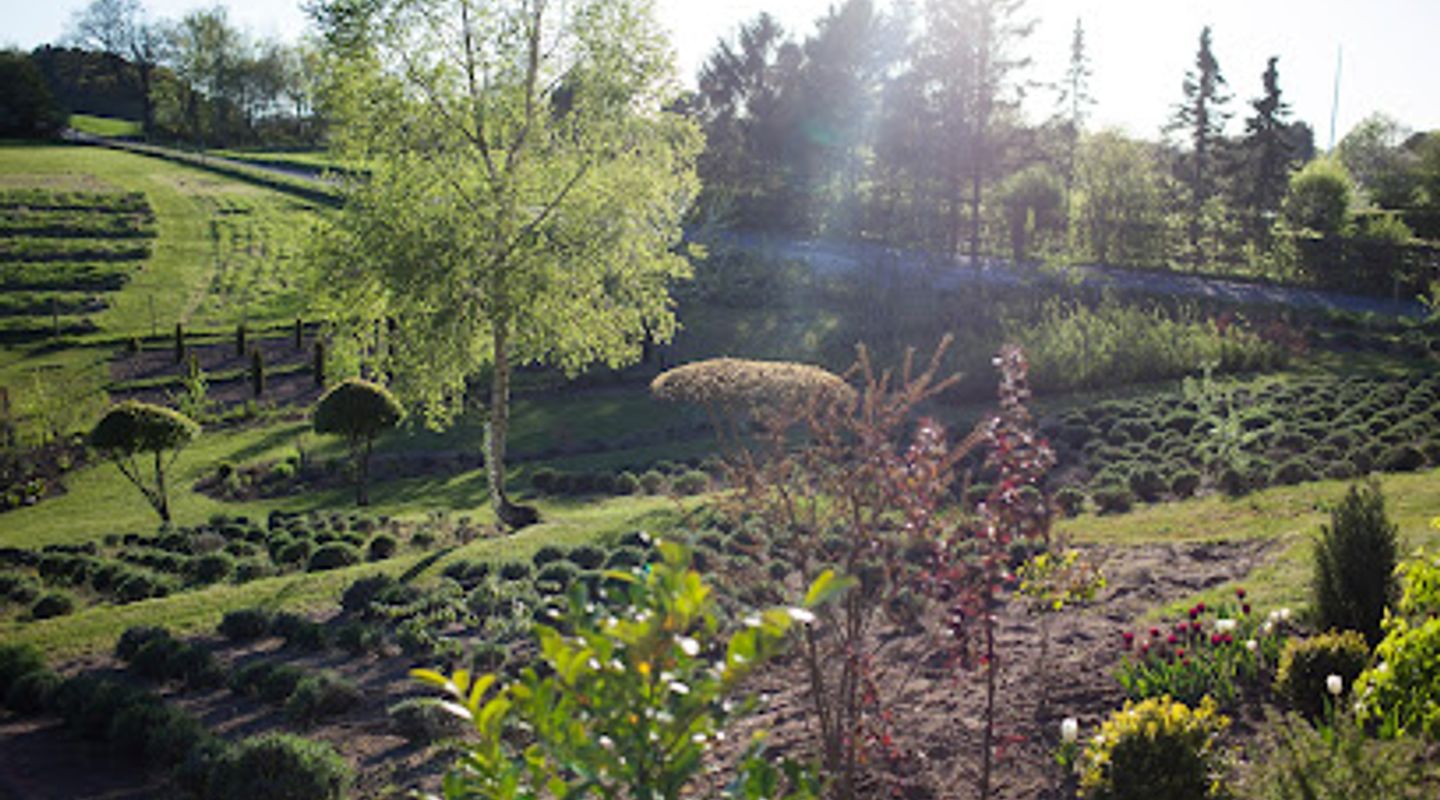
A brief summary of Esthers Have
Provence‑inspired lavender slopes, woodland paths and a rustic hilltop barn create a tranquil countryside garden escape just outside Hillerød.
Tucked into the rolling countryside just outside Hillerød, Esthers Have is one of Denmark’s largest Provence‑inspired private gardens, blending lavender fields, Mediterranean plantings and small woodland paths across 37,000 square meters. Wander a 2.5 km trail that climbs gently through themed beds, open views and mixed forest before reaching a rustic barn at the top, where groups can pause over simple refreshments and enjoy the tranquil rural setting used for events, courses and cultural gatherings.
On-site amenities
 Restrooms
 Drink options
 Food options
 Seating areas
 Sheltered areas
 Picnic areas
 Trash bins
 Information boards
 Visitor centre
- Address
- Ravnsbjergvej 7, 3400 Hillerød
- Phone
- Website
Getting there
Car from central Hillerød
Bicycle from Hillerød area
Regional bus plus short walk
Discover more about Esthers Have
A slice of Provence in North Zealand
Esthers Have unfolds across a generous slope outside Hillerød, where fields and forest meet in classic North Zealand countryside. Conceived as a Provence‑inspired garden translated into a Danish climate, it mixes sun‑drenched lavender alleys, silvery foliage and warm tones with hardy perennials and shrubs that thrive this far north. The result is a colourful, slightly wild composition rather than a rigid show garden, with informal beds spilling onto gravel paths and lawns.At peak season the lavender sections form low purple waves, buzzing with bees and releasing a distinct, resinous fragrance as you brush past. Between them you will notice Mediterranean‑leaning details—herbs, roses and grasses—set against simple wooden structures and stone elements. The garden is large enough that you quickly lose the sense of being near a town; birdsong and wind in the trees dominate the soundscape.
A long garden walk through changing terrain
From the entrance, a signposted route of roughly 2.5 km leads you gradually upward through the entire 37,000‑square‑metre area. The path weaves between cultivated sections and more naturalistic corners, including patches of surrounding forest that have been gently incorporated into the design. An altitude difference of about 20 metres from the lowest to the highest point gives the walk a subtle sense of progression without making it strenuous for most visitors.Along the way, clearings open suddenly to reveal views over the garden and out towards the agricultural landscape beyond. Benches and simple sitting spots are placed at intervals, inviting you to slow down rather than rush from one highlight to another. The loop can comfortably be walked in 60–90 minutes at a relaxed pace, though plant enthusiasts may linger longer to study combinations and seasonal details.
The barn at the summit
At the top of the garden sits a converted barn, the social heart of the site. This well‑equipped indoor space can host up to around 50 people, making it suitable for group visits, workshops and small private events. Inside, you will typically find tables and chairs arranged for talks, tastings or simple communal meals, with large doors opening towards the garden so the connection to the landscape is never lost.The barn also provides shelter on days when North Zealand weather turns cool, wet or windy. It allows the garden to function not only as a place for solitary walks, but as a flexible venue for courses, cultural activities and themed garden days. When prearranged, food and beverages can be served here, turning a garden visit into a half‑day outing.
Courses, culture and seasonal opening
Esthers Have operates as a visit garden rather than a continuously open public park. It opens on selected days and in connection with special activities, which may include gardening courses, creative workshops, small concerts or themed cultural events. This intermittent rhythm suits the character of the place: it remains first and foremost a personal project, occasionally shared with the wider public.The programming often reflects the garden’s strengths—lavender and herb cultivation, creative planting, seasonal preservation or craft—while making use of both the barn and the outdoor rooms. For visitors, this means that no two openings feel quite the same; the atmosphere shifts with the calendar, the light and the flowering season.
Practical layout and visitor comfort
Despite its rural feel, Esthers Have is designed with logistics in mind. A large parking area at the entrance can accommodate private cars as well as a full‑size tourist coach, easing access for groups. Paths are mostly natural or gravel surfaces; they are comfortable for walking shoes but can be uneven in places, reflecting the gentle hillside terrain. Information about the garden’s structure and plantings is generally shared on site during open days or events rather than through dense signage, allowing the landscape to remain visually calm.The overall mood is unhurried and quietly scenic. You are encouraged to explore at your own pace, pause where the views speak to you most, and treat the garden as both a visual experience and a place to breathe. For travellers in North Zealand, Esthers Have offers a contrasting counterpoint to the grand formality of nearby castles: an intimate, evolving landscape shaped by a single vision, where Provence meets Danish countryside.
Evendo Review Centre
 Google
Guest reviews
Best time to go
Quietest: Jan, Feb & Nov · before 8am or at 8pm
Busy times are Evendo estimates for a typical year, to help you plan. Actual crowds vary with events, school holidays and the weather.
Explore Esthers Have on the map
A handpicked selection of must-see spots near Esthers Have, mapped for you.
Get your free copy of our complete guide to Esthers Have, delivered straight to you.
Everything on this page, from opening hours and how to get there to Eve’s tips and the best time to go, in one PDF you can read offline, print or share.
Already have an account? Sign in
Your Esthers Have guide is ready.
We'll send it to · Not you? Sign out

Getting your guide ready…
We are putting together a fresh copy of the Esthers Have guide. This can take up to a minute.
This can take a few moments. If your browser asks, choose Allow so the download can start. You'll find the guide in your Downloads folder.
Nothing happened? Download it again
Sorry, the guide is taking longer than usual. Please try again in a minute, or get it by email instead.
Other nearby places you may find interesting
The closest places of the same kind, if this one is not quite what you had in mind.
-
-
-
-
-


Swipe for more places
More to explore near Esthers Have

 Best experiences near Esthers Have
 Best hotels near Esthers Have
 Best landmarks near Esthers Have
 Best attractions near Esthers Have
 Best shops near Esthers Have
 Best restaurants near Esthers Have
 Best bars near Esthers Have
Do you manage this location?
Take control to get all the benefits, like improved information, better appearance, and stronger visibility across AI-powered discovery.
Explore more
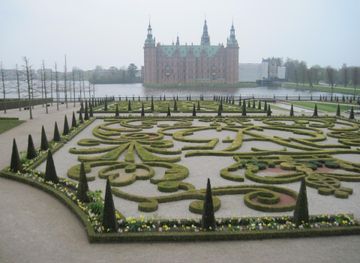
Explore more of Hillerød
Explore Hillerød: Discover Frederiksborg Castle, vibrant town life, and scenic nature trails in Denmark's charming North Zealand region.
Explore Hillerød
Explore more of Denmark
Discover Denmark: A perfect blend of history, modern design, and the cozy concept of hygge. Explore vibrant cities, serene landscapes, and world-class cuisine.
Explore Denmark
