Holmegaard Værk, Køge Travel Guide
Free Guide: A historic Danish glassworks reborn as a luminous museum, where 40,000 pieces, glowing furnaces and ceramics trace two centuries of design and craft.


A brief summary of Holmegaard Værk
A historic Danish glassworks reborn as a luminous museum, where 40,000 pieces, glowing furnaces and ceramics trace two centuries of design and craft.
Holmegaard Værk is a striking museum of glass, ceramics and design housed in the historic Holmegaard Glassworks in South Zealand. Here, nearly 200 years of Danish glassmaking unfold through more than 40,000 pieces displayed in soaring shelves, alongside live glassblowing in the former hotshop, immersive light installations, and large-scale works in Hebsgaard Hall. It is both an industrial heritage site and a living workshop, where past and present glass artisans share the same glowing furnaces.
On-site amenities
 Restrooms
 Drink options
 Drinking water
 Food options
 Seating areas
 Sheltered areas
 Trash bins
 Information boards
 Visitor centre
- Address
- Glasværksvej 55, 4684 Holmegaard
- Phone
- Website
Getting there
Regional train and bus from Copenhagen
Car from Næstved and South Zealand
Cycling from nearby towns
Discover more about Holmegaard Værk
From Moorland Glassworks to Design Icon
Holmegaard Værk occupies the original Holmegaard Glassworks, founded in 1825 on the edge of Holmegaard Bog, where peat once fired the furnaces day and night. For almost two centuries, this remote industrial enclave shaped everyday life in Denmark, producing everything from humble milk bottles and jars to elegant stemware that found its way onto dinner tables across the country. Entire families worked here over generations, and the factory buildings still carry the imprint of that intense, round‑the‑clock craft.As Danish design matured in the 20th century, Holmegaard moved from pure utility into the realm of modern aesthetics. Collaborations with pioneering designers turned simple glass into sculptural objects, and the brand became synonymous with clean lines and functional beauty. When large‑scale production ceased in 2008, the question was how to preserve both the physical site and the intangible culture of glassmaking. Holmegaard Værk is the ambitious answer: a museum that treats the old factory as its most important exhibit.
Walls of Glass and Stories in Every Shape
One of the museum’s most arresting spaces is the vast glass hall, where more than 40,000 unique pieces are displayed on shelving that soars seven metres high and stretches for dozens of metres. Each object represents a specific design produced at Holmegaard over the decades, forming a glittering timeline of changing tastes, technologies and techniques. Color, clarity and form shift subtly from shelf to shelf, inviting slow, detailed looking.Rather than isolating objects behind barriers, the displays emphasize rhythm and repetition. You see series of tumblers evolving, vases gaining new curves, and candleholders echoing broader trends in Nordic interiors. Lighting plays a crucial role, with carefully angled beams making the glass glow as if still warm from the furnace. Audio storytelling threads through the space, sharing first‑hand memories from former glassworkers and placing these polished designs back into the noise, heat and effort of the factory floor.
Where Furnaces Still Glow
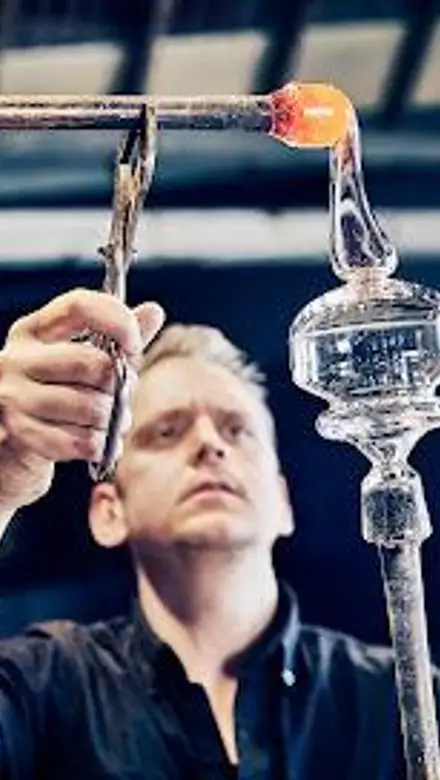
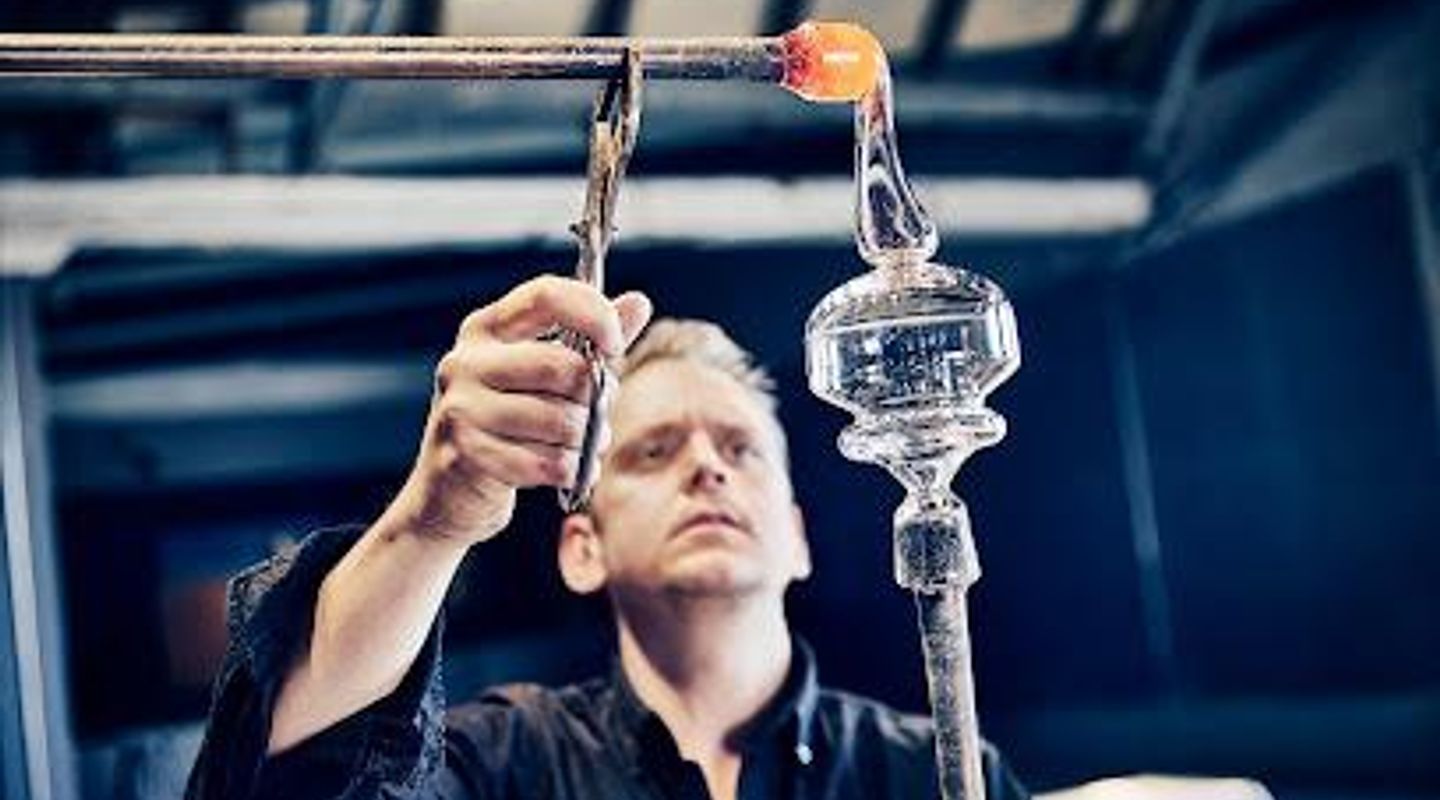
Holmegaard Værk is not only about finished pieces: it is just as much about the demanding physical process behind them. In the revived hotshop, you can watch contemporary glassblowers gather molten glass on long pipes, roll it on the marver, and coax it into vessels and artworks with practiced movements. The rhythmic whoosh of the furnace doors and the orange glare from the glory holes bring the former industrial hall vividly to life.Nearby, preserved historic furnaces reveal the evolution of production. A particular highlight is the enormous tank furnace, whose forty‑five‑ton glass mass gradually solidified after the final shutdown. Today, the frozen interior can be viewed as a kind of accidental sculpture: a cross‑section of arrested motion that hints at the sheer volume once produced here. Together, these spaces underline how much strength, coordination and teamwork lie behind a single apparently effortless glass bowl.
Ceramics, Light and Contemporary Collaborations
Holmegaard Værk is also home to one of Scandinavia’s largest ceramic collections, anchored by thousands of works from Kähler. These pieces trace the journey of Danish pottery from rustic earthenware to refined studio ceramics, revealing how everyday objects like vases and tableware became carriers of artistic expression. Glazed surfaces, stamped marks and changing silhouettes offer another lens on domestic culture over nearly two centuries.Large halls host installations that merge glass, light and contemporary art, including works by influential glaziers who collaborate with painters and sculptors. Carefully designed exhibition lighting turns transparent panels and cast pieces into luminous fields of color and shadow. The interplay between industrial brick walls, steel structures and delicate glass emphasizes the contrast between heavy infrastructure and fragile material.
Exploring the Factory Site Today
Walking through the complex, you move between former production buildings, storage spaces and workshops now repurposed for exhibitions, studios and activity areas. Traces of conveyor systems, chimneys and loading bays remain visible, giving a strong sense of place. Outside, the low profile of the factory sits in quiet dialogue with the surrounding bog landscape that once supplied its fuel, tying the story of design back to natural resources.Holmegaard Værk balances interpretation with hands‑on engagement: you may encounter areas dedicated to drawing, experimenting with simple glass forms under guidance, or exploring material samples. The overall atmosphere is contemplative rather than rushed, encouraging you to slow down and notice small variations in thickness, bubbles, color and reflection. By the time you leave, everyday drinking glasses and vases feel transformed, charged with a new appreciation for the craft and history embedded in their clear surfaces.
Evendo Review Centre
 Google
Guest reviews
Best time to go
Quietest: Jan, Feb & Nov · before 7am or from 7pm
Busy times are Evendo estimates for a typical year, to help you plan. Actual crowds vary with events, school holidays and the weather.
Explore Holmegaard Værk on the map
A handpicked selection of must-see spots near Holmegaard Værk, mapped for you.
Get your free copy of our complete guide to Holmegaard Værk, delivered straight to you.
Everything on this page, from opening hours and how to get there to Eve’s tips and the best time to go, in one PDF you can read offline, print or share.
Already have an account? Sign in
Your Holmegaard Værk guide is ready.
We'll send it to · Not you? Sign out

Getting your guide ready…
We are putting together a fresh copy of the Holmegaard Værk guide. This can take up to a minute.
This can take a few moments. If your browser asks, choose Allow so the download can start. You'll find the guide in your Downloads folder.
Nothing happened? Download it again
Sorry, the guide is taking longer than usual. Please try again in a minute, or get it by email instead.
Unlock the best of Holmegaard Værk
Skip-the-line tickets, guided tours with entry, and walking tours of the area, booked in a few clicks.

Other nearby places you may find interesting
The closest places of the same kind, if this one is not quite what you had in mind.
-
-
-
-
-


Swipe for more places
More to explore near Holmegaard Værk

 Best experiences near Holmegaard Værk
 Best hotels near Holmegaard Værk
 Best landmarks near Holmegaard Værk
 Best attractions near Holmegaard Værk
 Best shops near Holmegaard Værk
 Best restaurants near Holmegaard Værk
 Best bars near Holmegaard Værk
Do you manage this location?
Take control to get all the benefits, like improved information, better appearance, and stronger visibility across AI-powered discovery.
Explore more
Explore more of Køge
Explore Køge, Denmark's coastal gem, with its medieval charm, beautiful marina, and close proximity to the stunning Stevns Klint UNESCO World Heritage site.
Explore Køge
Explore more of Denmark
Discover Denmark: A perfect blend of history, modern design, and the cozy concept of hygge. Explore vibrant cities, serene landscapes, and world-class cuisine.
Explore Denmark