Kolding Fjord, Kolding Travel Guide
A gentle Danish fjord where wooded hillsides, quiet beaches and a working waterway meet, offering soft light, calm waters and unhurried coastal exploration.
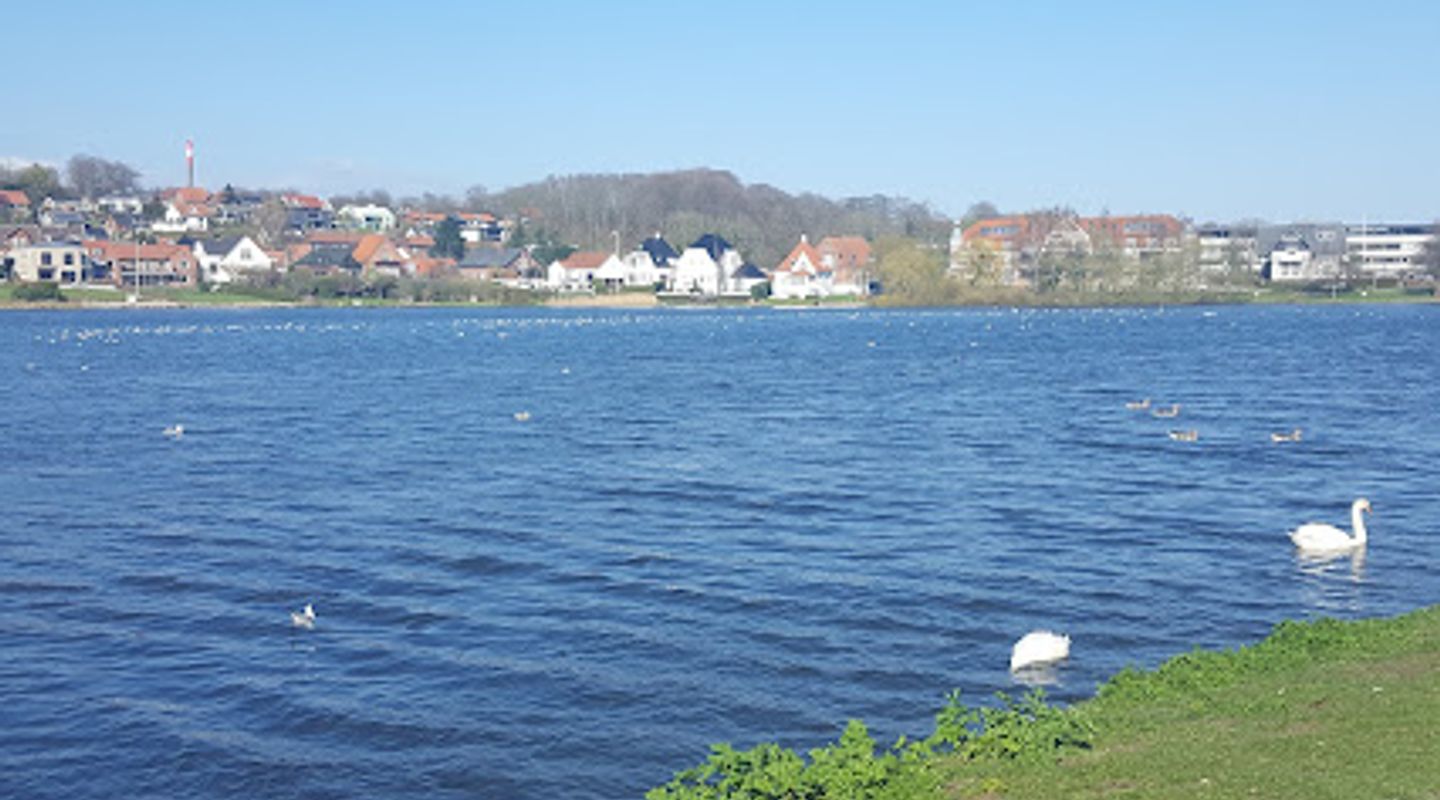
Kolding Fjord is a gently winding, 10 km–long inlet on Denmark’s east Jutland coast, stretching between the seaport city of Kolding and the Little Belt strait. Sheltered waters, forested slopes and small beaches give the fjord a quietly scenic character, while sailing boats and kayaks add a sense of life to the landscape. Once a working waterway with a ship channel leading to Kolding’s port, today it is equally valued for coastal walks, cycling routes, viewpoints and relaxed waterside picnics amid typically soft Danish light.
A brief summary to Kolding Fjord
- DK
- Duration: 1 to 4 hours
- Free
-
 Outdoor
- Mobile reception: 4 out of 5

Know before you go
Hi, I'm Eve. Here are a few practical things to know before exploring Kolding Fjord.
- Bring layers: breezes over the fjord can feel cool even on sunny days, especially in spring and autumn.
- If you plan to paddle or swim, check local water conditions and designated bathing spots before entering the fjord.
- For the best light and fewest people, aim for an early-morning or late-evening visit along the quieter stretches of shoreline.
- Pack binoculars or a zoom lens to watch birdlife, passing boats and the architectural details on villas and the former sanatorium.
- In winter, paths near the water can be icy; wear shoes with good grip and keep a respectful distance from the edge.
Do you manage this location?
Take control to get all the benefits, like improved information, better appearance, and stronger visibility across AI-powered discovery. Learn more about listing your business on Evendo
Activate your presenceOther nearby places you may find interesting
The closest places of the same kind, if this one is not quite what you had in mind.

Explore Kolding Fjord on the Map
A handpicked selection of must-see spots near Kolding Fjord, mapped for you.
Getting There
-
Train and local bus from Kolding city centre
From Kolding railway station, you can reach the fjord area by local bus routes that serve the northern and eastern suburbs along the shoreline. Typical journey times range from 15 to 30 minutes depending on the stop, with services running several times an hour on weekdays and less frequently in the evenings and on weekends. A single adult ticket on local buses usually costs around 20–30 DKK within the city zones. Check accessibility if you use a wheelchair or stroller, as not all older stops have raised platforms.
-
Taxi from central Kolding
Taxis from the city centre to fjordside spots such as the area near Hotel Koldingfjord or other shoreline access points generally take 10–20 minutes, depending on traffic and exact destination along the fjord. Fares are typically in the range of 120–220 DKK for a standard car during daytime, with surcharges in the evening and at night. Taxis are a good choice if you are carrying picnic gear, photographic equipment or travelling with children.
-
Bicycle from Kolding city
Kolding is compact and bicycle-friendly, and reaching the fjord by bike from the central districts usually takes 20–40 minutes. Dedicated cycle paths or quiet residential roads lead towards the water, though there are some gentle hills as you approach the wooded slopes above the fjord. This option is inexpensive if you have your own bike or have rented one in the city; allow extra time in wet or windy weather, and use lights and reflective gear outside daylight hours.
-
Car from the wider Triangle Region
If you are staying elsewhere in the Triangle Region, driving from towns like Fredericia or Vejle to the fjord near Kolding typically takes 30–45 minutes. Parking is available at selected access points, hotel grounds and small public lots, but spaces can be limited on warm summer days and during local events. There is no additional entrance fee for the fjord itself, but be aware of any posted parking restrictions or time limits, especially in residential areas.
For the on-the-go comforts that matter to you
-
 Restrooms
-
 Drink Options
-
 Drinking Water
-
 Food Options
-
 Seating Areas
-
 Sheltered Areas
-
 Trash Bins
-
 Information Boards
-
 Visitor Center
Discover more about Kolding Fjord
Where the City Meets the Water
Kolding Fjord curves inland from the Little Belt to reach the city of Kolding, creating a long, sheltered arm of sea framed by gentle hills and woodland. Although it feels surprisingly tranquil, this is very much a lived-in fjord: you may notice small marinas, jetties and boats that hint at the working seaport just up the waterway. The contrast between the calm surface and the quiet hum of maritime life is part of its character.Because the fjord narrows as it approaches Kolding, the views change subtly as you move along the shore. Wide openings towards the Little Belt give way to more intimate stretches where the opposite bank feels close enough to touch. On clear days, the low Danish sky seems to reflect twice over – once in the water and again in the windows of houses and hotels perched above the shoreline.Landscapes of Forest, Beach and Gentle Slopes
The banks of Kolding Fjord are patchworked with mixed forest, open meadows and pockets of sandy or pebbly beach. Paths weave through the trees and down to the water, offering a sequence of natural viewing platforms where you can pause to watch sailing boats slip past. In summer, the air carries a mix of resin from pines, salt from the sea and, in some spots, the smoke of a distant grill.Several stretches of shoreline are accessible for swimming or wading, with typically shallow, relatively calm water that fits Denmark’s reputation for family-friendly bathing spots. Higher up the slopes, you may glimpse villas and historic buildings set in manicured grounds, their lawns rolling down towards the fjord in a way that feels more like a lake district than a busy shipping approach.Traces of History Beneath the Surface
Although today it feels peaceful, Kolding Fjord has a long practical history as a maritime link. A dredged ship channel runs along its length, providing access to Kolding’s port and tying the town into wider Baltic shipping routes. This working role has quietly shaped the fjord’s story, bringing merchants, sailors and goods through these waters for centuries.Beneath the surface lie more tangible reminders of the past, including shipwrecks such as the medieval "Kolding cog" uncovered in the 20th century. While you will not see these directly, knowing they rest below your feet adds an extra layer of depth to the scene: the same still water reflecting today’s yachts once carried trading vessels and naval traffic integral to the region’s development.Architecture on the Hillsides
One of the most striking man-made presences along the fjord is the former children’s sanatorium built in the early 1900s on the north shore and now known as Hotel Koldingfjord. Its pale, palace-like façade, towers and long wings sit high among the trees, looking out over the water from a carefully chosen vantage point. The building combines a sense of gracious architecture with the clean lines of early 20th-century institutional design.Elsewhere along the slopes you will find smaller, more discreet structures: boathouses tucked among reeds, timber jetties reaching into the water, and modest summer houses that retreat into the greenery. Taken together, they create a rhythm of human touchpoints without overwhelming the natural setting.Experiencing the Fjord Up Close
Visitors tend to experience Kolding Fjord at a slow pace, whether by strolling along the shore, cycling the quiet roads that trace its outline, or getting onto the water in a kayak or on a small boat tour. The fjord’s relatively protected conditions often make for smooth paddling, with enough distance to feel like a journey but without the exposure of open sea.On land, grassy clearings invite unhurried picnics and quiet reading sessions, while benches and low rocks become natural lookout points. Birdlife is a gentle but constant presence: gulls gliding along the waterline, ducks dabbling near reeds, and, at times, cormorants drying their wings on posts and boulders.Light, Seasons and Changing Moods
Much of Kolding Fjord’s appeal lies in its changing light. Early mornings can bring soft mist that slowly lifts to reveal the opposite bank, while evenings often paint the surface in muted golds and pinks as the sun drops behind the low hills. Even on overcast days, subtle shifts in wind and cloud create patterns on the water that reward a patient gaze.Seasonality is pronounced here. In spring, new leaves brighten the slopes in delicate greens, and the first pleasure boats reappear. Summer feels leisurely, with longer days, warmer air and families venturing into the shallows. Autumn cloaks the surrounding woods in copper and amber, mirroring back onto the water. In winter, bare branches and grey-blue tones give the fjord a spare, almost minimalist beauty, sometimes edged with frost or a dusting of snow along the banks.












Your all‑in‑one travel companion app
Explore expert travel guides, compare and book tours, experiences, hotels, and more—all from the palm of your hand. Download now for seamless trip planning wherever your wanderlust takes you.


Explore More of Kolding
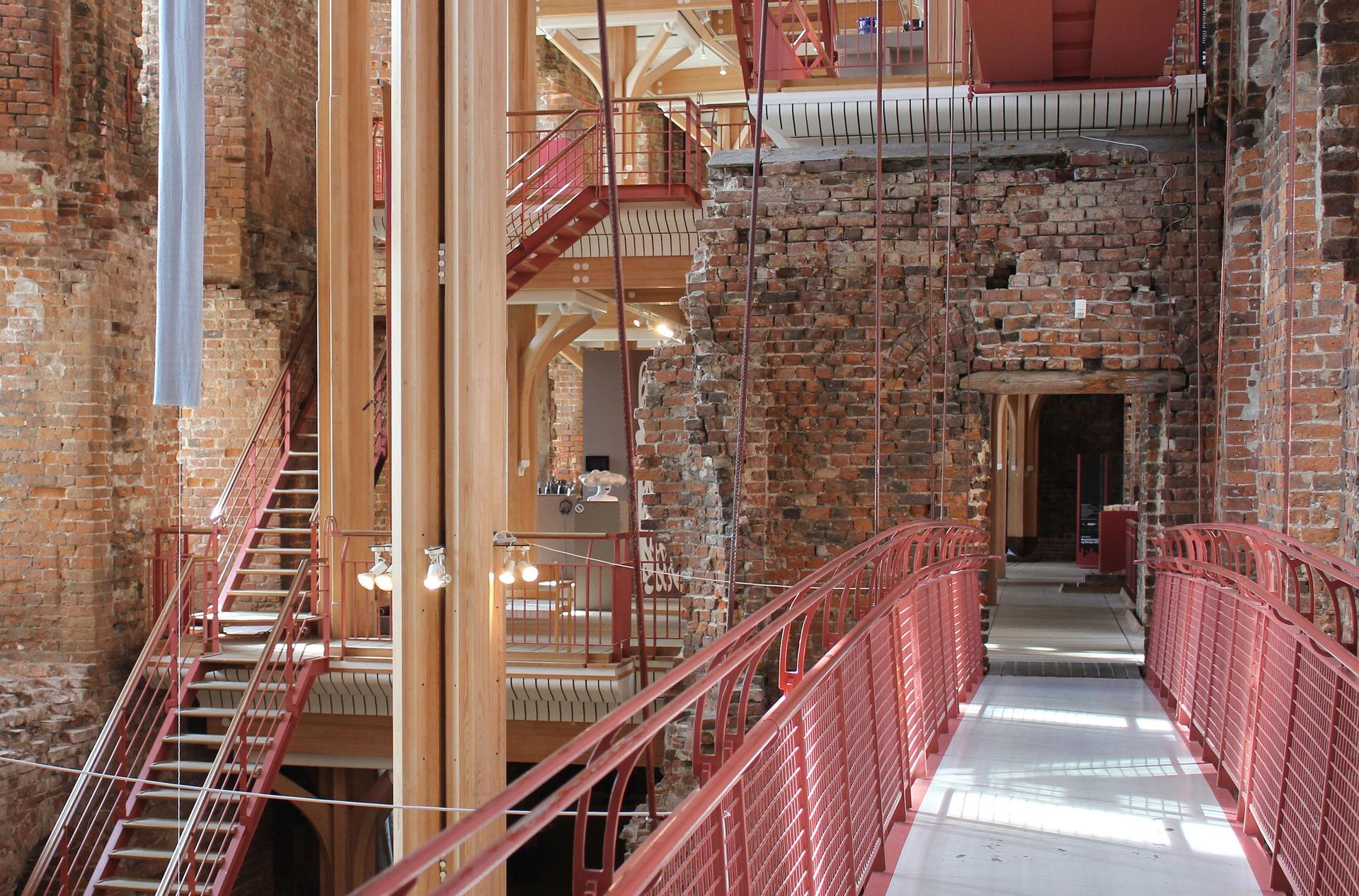
Looking beyond Kolding Fjord? Discover Kolding for broader travel guides, local hot-spots, and regional highlights.
Explore Kolding
A compact lakeside neighbourhood park in Kolding, where an artificial lake, play areas and quiet paths turn a dense residential quarter into an easy everyday escape.

Historic fjordside hotel in a former sanatorium, blending Danish design, woodland trails and water views with refined dining and standout conference facilities.