
Danish Museum of Nursing History (Dansk Sygeplejehistorisk Museum)
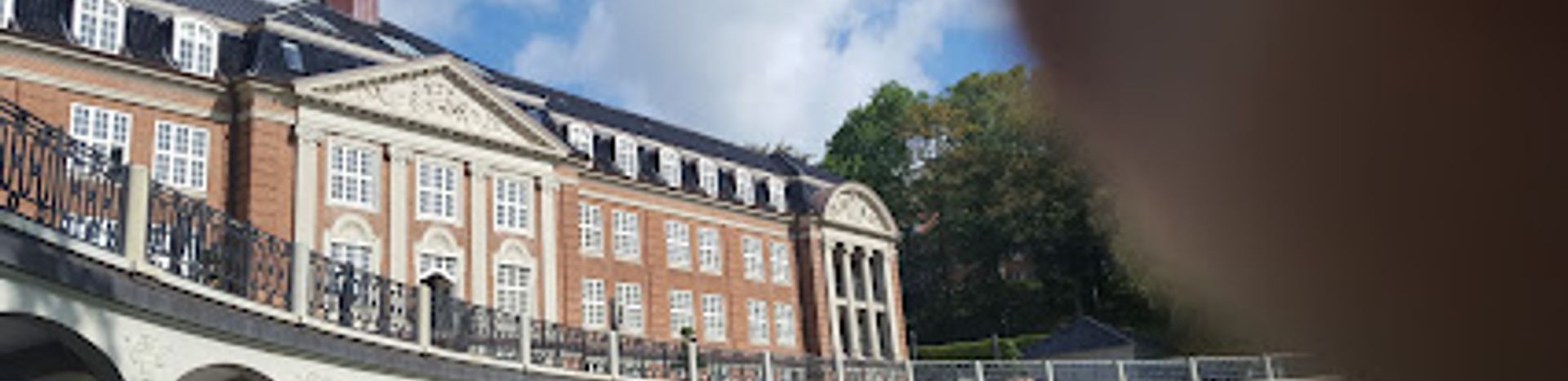
A poignant journey through Danish nursing history, set in a former children’s tuberculosis sanatorium with tranquil views over Kolding Fjord.
Set above the shores of Kolding Fjord in a former children’s tuberculosis sanatorium, the Danish Museum of Nursing History explores how care, hospitals and public health have evolved from the Middle Ages to the present day. Period wards, uniforms, instruments and evocative reconstructions bring nursing stories to life, from austere charity care and early infection control to modern professional training and neonatal medicine, all framed by tranquil fjord views and airy hospital corridors.
A brief summary to Danish Museum of Nursing History
- Fjordvej 152, Kolding, 6000, DK
- +4546953450
- Visit website
- Duration: 1 to 2 hours
- Budget
-
 Indoor
- Mobile reception: 4 out of 5
- Tuesday 11 am-4 pm
- Wednesday 11 am-4 pm
- Thursday 11 am-4 pm
- Friday 11 am-4 pm
- Saturday 11 am-4 pm
- Sunday 11 am-4 pm
Local tips
- Plan 1–2 hours so you can read the exhibit texts at a relaxed pace and spend time in the reconstructed wards without rushing.
- Bring a light layer: former hospital corridors can feel cool, especially on breezy days by the fjord.
- Combine your visit with a short stroll along the nearby shoreline to appreciate the sanatorium’s healing setting above the water.
- Photography is generally allowed in museum spaces, but avoid flash near sensitive objects and always respect any posted signs.
- If you have a background in healthcare or nursing, jot down questions in advance; staff can often provide additional context on specific topics.

For the on-the-go comforts that matter to you
- Restrooms
- Drink Options
- Seating Areas
- Trash Bins
- Information Boards
Getting There
-
City bus from central Kolding
From central Kolding, use a local city bus toward the Strandhuse/Fjordvej area; typical journey times are around 15–25 minutes depending on traffic and exact departure. Services usually run at least every 30–60 minutes on weekdays, less frequently in the evening and on weekends. A single adult ticket within the Kolding zone is generally in the range of 20–30 DKK and can often be bought via ticket machines, apps or directly from the driver. Most modern buses are low-floor and suitable for wheelchairs and prams, but check service notices for any temporary changes.
-
Taxi from Kolding city centre
A taxi ride from the central Kolding area to Fjordvej 152 typically takes about 10–15 minutes, depending on traffic along the fjord road. Daytime fares within the city for this distance are commonly in the region of 120–180 DKK, with higher rates in the evening, at night and on holidays. Taxis are convenient if you are travelling as a small group, carrying luggage or have limited mobility, and they can usually drop passengers close to the main entrance.
-
Cycling from Kolding
For those comfortable on a bicycle, reaching the museum from central Kolding is a pleasant option, typically taking 20–30 minutes at an easy pace. The route makes use of local roads and cycle-friendly stretches heading toward Strandhuse and the fjord, with some gentle gradients. There is no additional cost beyond hiring or using your own bike; rentals in Kolding often start around 100–150 DKK per day. Surfaces are paved, but wet or windy weather along the water can make the ride feel more demanding.
Danish Museum of Nursing History location weather suitability
-
 Any Weather
-
 Rain / Wet Weather
-
 Cold Weather
-
 Mild Temperatures
-
 Hot Weather
Discover more about Danish Museum of Nursing History
A former sanatorium overlooking Kolding Fjord
Housed in a striking former tuberculosis sanatorium for children, the Danish Museum of Nursing History pairs medical heritage with a serene natural setting. Built to catch light and fresh air from Kolding Fjord, the long corridors, balconies and large windows still convey the early 20th‑century belief that landscape and architecture could help heal fragile bodies. Today, those same spaces guide you gently through decades of nursing history, with glimpses of water and forest outside at almost every turn. The building’s past as a hospital remains tangible: tiled stairways, wide doors and wards quietly recall the era when tuberculosis was one of childhood’s gravest threats. Exhibits explain how this institution once functioned, from strict routines and isolation practices to the gradual introduction of more humane care, play and schooling for young patients.From medieval caregiving to a modern profession
Inside, the museum traces the evolution of nursing in Denmark from religious caregiving and charitable work to today’s highly trained profession. Early sections explore how care was once tied to monasteries, poorhouses and private households, where knowledge was based on tradition rather than science. Gradually, you see the rise of formal nursing schools, uniforms and exams, mirroring the professionalisation of medicine itself. Displays highlight key turning points: the spread of antiseptic techniques, the emergence of specialized wards, and the expanding role of nurses in public health, psychiatry and home care. Mannequins in starched dresses, caps and later practical scrubs stand beside cases of instruments, training materials and personal items that reveal how daily work, status and expectations changed over time.Step into reconstructed wards and treatment rooms
One of the museum’s most atmospheric features is its series of reconstructed environments. You can walk past a historic hospital ward, complete with metal beds, bedside lockers and observation stations, and imagine the sounds of clattering trolleys and whispered night rounds. Nearby, recreated operating and treatment rooms show how procedures were once carried out, from rudimentary instruments and simple anaesthesia to more sophisticated, sterile setups. These spaces place great emphasis on the nurse’s vantage point: charts, medicine trolleys, call bells and uniforms all highlight the practical realities of long shifts, close patient contact and emotional responsibility. Combined with photographs and written testimonies, they offer a vivid sense of how both working conditions and patient experience have gradually improved.Public health, infant care and everyday tools
Beyond hospital walls, the museum also examines nursing’s role in the wider community. Exhibits on school health, district nursing and campaigns against infectious disease illustrate how nurses helped shape Denmark’s modern welfare state. Posters, vaccination tools and home‑visit bags speak to a time when education and prevention were as crucial as bedside care. A particularly poignant focus is neonatal and infant care. Incubators, feeding equipment and early monitoring devices chart the remarkable advances that have transformed survival prospects for premature and vulnerable newborns. Throughout, everyday objects – from thermometers and bandage tins to teaching mannequins and textbooks – show how advances in technology and training filtered into routine practice.Quiet reflection by the fjord
Between galleries, windows frame the calm surface of Kolding Fjord and the surrounding greenery, offering natural pauses for reflection. Benches in corridors and small lounge areas invite you to sit for a moment, absorbing both the physical setting and the weight of the stories on display. The overall atmosphere is contemplative rather than clinical: a place to appreciate the human side of healthcare, the emotional labour of nursing and the many small innovations that improved comfort, dignity and survival for patients. Whether you have a professional connection to healthcare or simply an interest in how societies care for their sick, the museum offers a rich, focused perspective in a compact, memorable setting.Iconic landmarks you can’t miss

Villa Gertrud - Bed & Breakfast
4.6 km
St Alban’s Church is Copenhagen’s only Anglican church—an elegant Neo-Gothic landmark in Churchill Park, celebrated for its English architectural charm and tranquil location.
Kolding St.
4.6 km
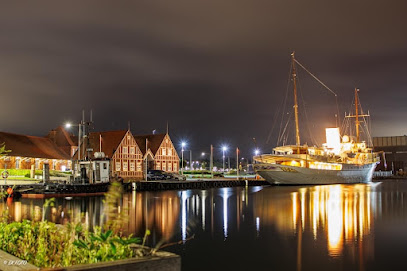
The compact rail and bus hub that delivers you straight into Kolding’s mix of castle-topped history, cobbled streets and fjord-side modern design.
Milling Hotel Saxildhus
4.6 km
Neo-Gothic English church set by Copenhagen’s Churchill Park and Kastellet, famed for its stained-glass windows, flint architecture, and tranquil atmosphere.
Borchs Gård
5.1 km
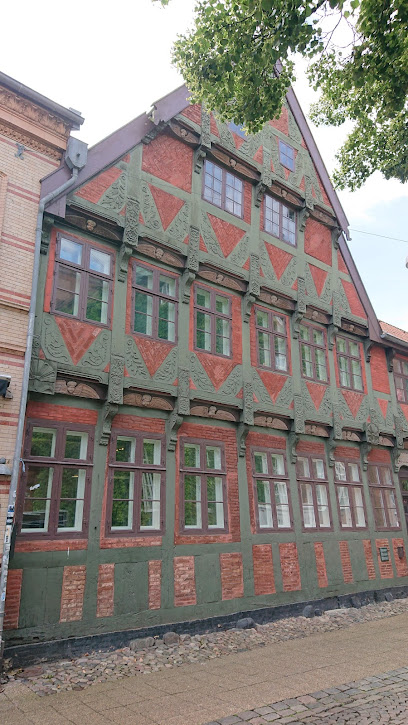
A vividly painted Renaissance townhouse from 1595, Borchs Gård brings Kolding’s mercantile past to life on the edge of lively Akseltorv square.
Saint Nicolas Church
5.1 km
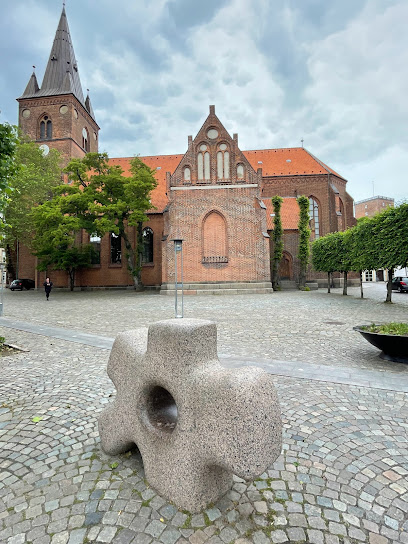
Kolding’s oldest church, where medieval roots, Renaissance artistry, and daily parish life meet under a red-brick neo‑Gothic tower.
Saint Michaels Church
5.6 km
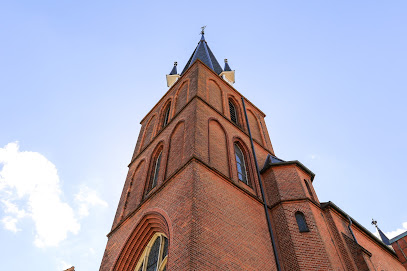
A modest 19th-century Catholic red-brick church in central Kolding, offering quiet reflection, intimate architecture and a glimpse of Denmark’s Catholic life.
Fredericia Vold
15.0 km
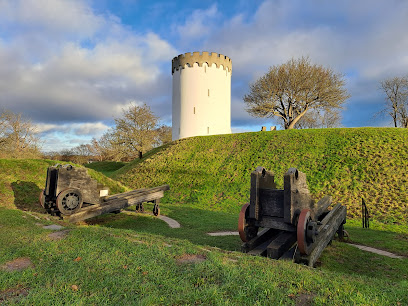
Northern Europe's best-preserved fortress ramparts, where 370 years of Danish military history meets urban parkland.
Vejle Vindmølle
22.4 km
Historic windmill turned art gallery with panoramic city views and rotating contemporary exhibitions.
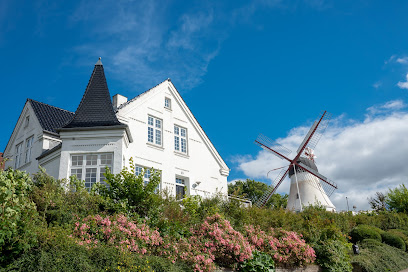
VisitVejle
23.2 km
Explore Andelstrappen and Fortællegyngestolen in Odense: A fusion of nature's beauty and rich literary heritage.
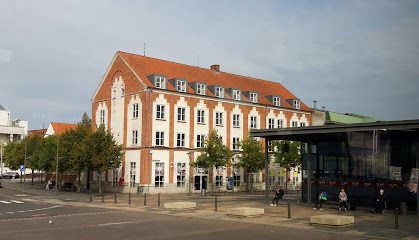
The Midgård Well
23.5 km
A coiled Norse serpent, a quiet city fountain and a whole mythic world wrapped into one small corner of central Vejle.
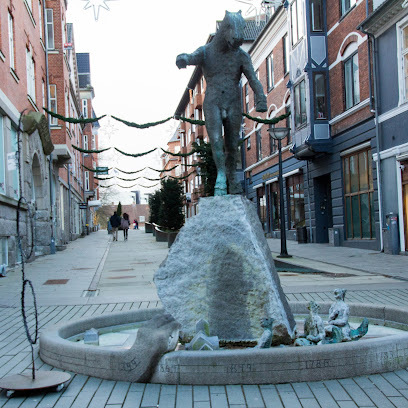
Troldborg Ring
24.0 km
Iron Age refuge fortress on a wooded hilltop, where grassy ramparts, “Devil’s Valley” slopes and wide views over Vejle Ådal bring deep Danish history to life.
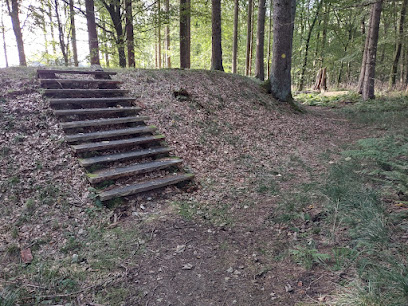
Tirsbæk Gods
24.5 km
Experience Tirsbæk Gods, an enchanting Renaissance estate on Vejle Fjord offering historic architecture, idyllic gardens, and immersive events in Denmark’s scenic countryside.
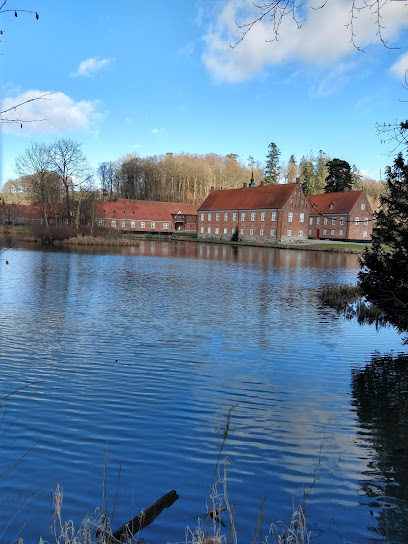
Sønderjylland Archaeology Museum
27.3 km
Discover ancient artefacts and hidden history at Sønderjylland Archaeology Museum in Haderslev—a fascinating window into Denmark's past from the Stone Age to Vikings.
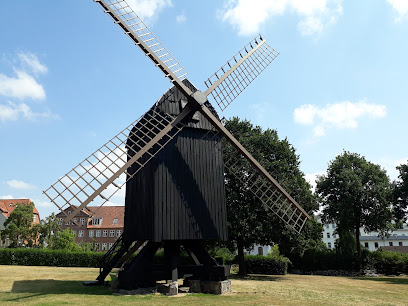
Jelling Mounds, Runic Stones and Church
29.9 km
Experience contemporary art in Vejle's historic 1950s vending machine gallery.
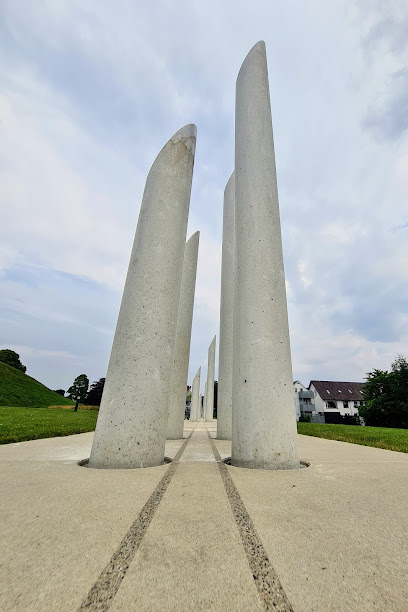
Kongernes Jelling
29.9 km
UNESCO-designated Kongernes Jelling unites Viking mounds, rune stones, and a modern museum, tracing Denmark’s earliest kings and the nation’s Christian roots.
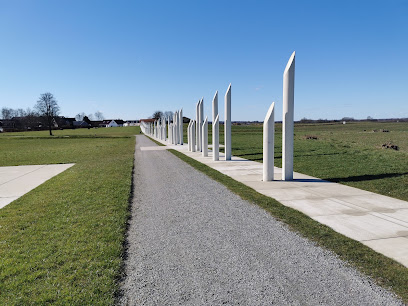
Unmissable attractions to see

Hotel Koldingfjord
0.2 km
Historic fjordside hotel in a former sanatorium, blending Danish design, woodland trails and water views with refined dining and standout conference facilities.
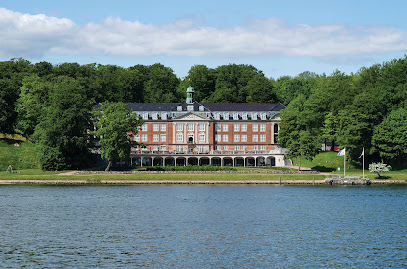
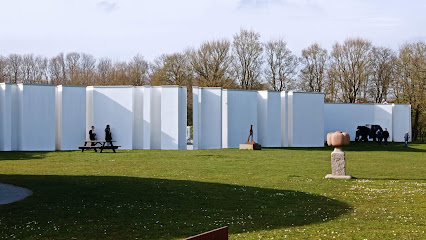
Trapholt Museum for Modern Art and Design
1.3 km
Architect‑designed hillside museum above Kolding Fjord, where modern art, experimental craft and iconic Danish design meet sculpture park strolls and a unique Arne Jacobsen house.
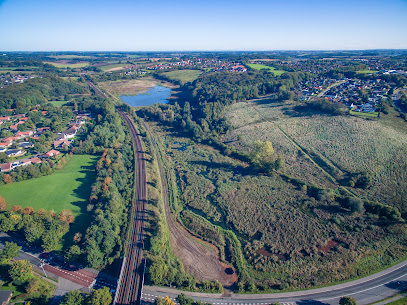
Apotekerengen
2.3 km
A modest strip of meadow and woodland on Kolding’s eastern edge, Apotekerengen offers everyday nature, fresh fjord air and a calm pause from urban life.
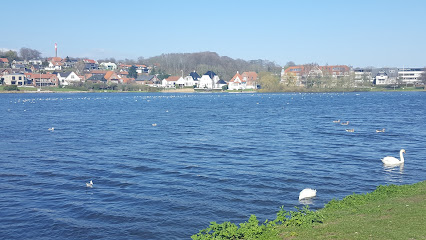
Kolding Fjord
2.5 km
A gentle Danish fjord where wooded hillsides, quiet beaches and a working waterway meet, offering soft light, calm waters and unhurried coastal exploration.
Marielundskoven
3.9 km
A 1850s forest sanctuary in Kolding's heart, where lakeside walks and woodland trails reveal nature's seasonal beauty.
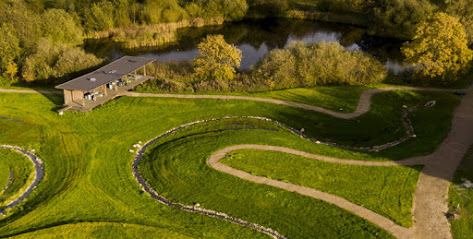
Klimapavillonen
4.2 km
Open-sided picnic pavilion on Kolding’s green edge, where campfires, forest trails and climate-friendly parkland meet just beyond the city streets.
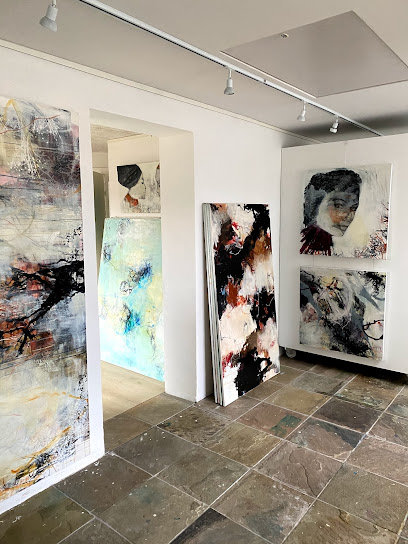
Rieskunstgalleri v/Rie Brødsgaard
4.4 km
Step into a Kolding artist’s home-studio, where large tree-filled canvases and textured collages turn a quiet Danish house into an intimate private gallery.
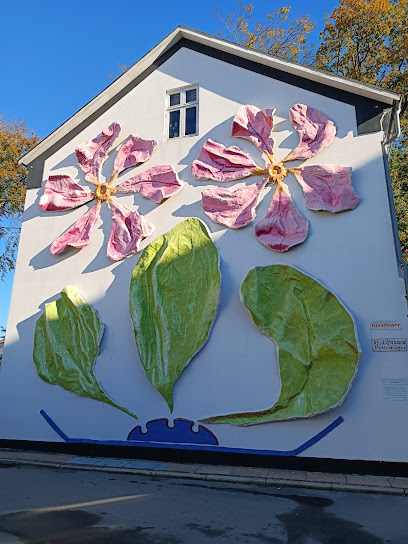
Dansende Blomster og Mindetavlerne
4.5 km
Walk through Kolding's industrial heritage on an open-air art route celebrating the city's forgotten craftspeople and visionaries.
Mindesten for Kolding Havns 100 Års Jubilæum
4.5 km
Discover 'Uffe hin Spage,' Anne Marie Carl-Nielsen's iconic bronze statue in Kolding's Byparken, celebrating Danish folklore and artistic heritage.
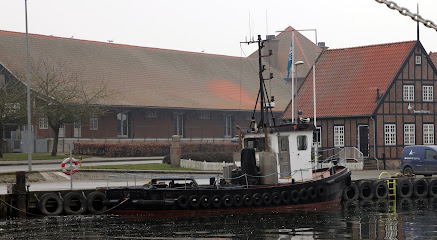
Legeparken
4.5 km
Large, free play park in central Kolding with lake, boats, mooncars and grills – an easygoing green playground for children of all ages and their adults.
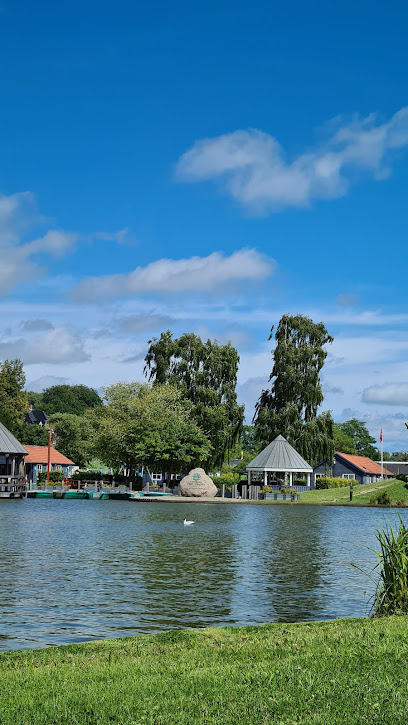
Kolding City Park
4.6 km
Family-friendly green oasis in central Kolding, with free seasonal boating, playgrounds and open lawns for easygoing outdoor time between city and castle.
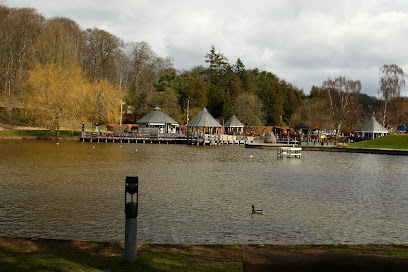
Geografisk Have
4.6 km
Botanical world map, miniature historic Kolding and gentle animal encounters combine in this spacious garden-park, Kolding’s signature green escape for all ages.
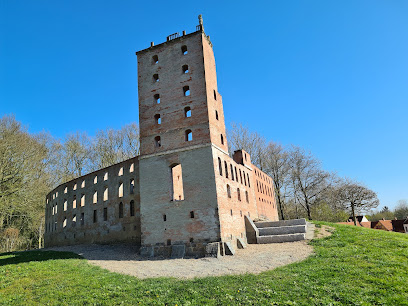
Skovterrassen
4.7 km
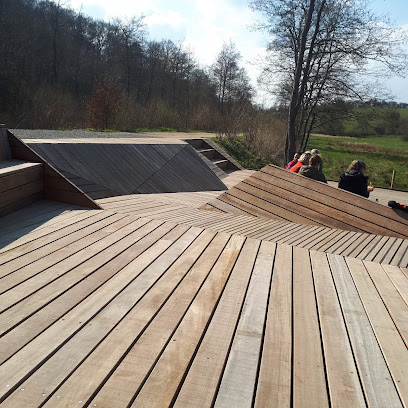
A simple wooden terrace tucked into Kolding’s Marielundskoven, offering a calm forest pause along Troldhedestien for walkers, cyclists, and families.
Søpromenaden
4.7 km
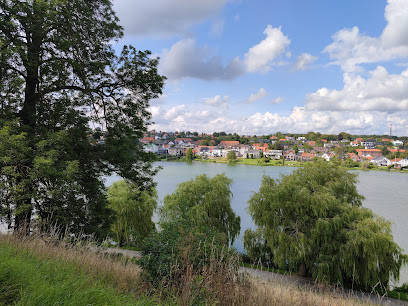
A modest lakeside ribbon where central Kolding slows down, Søpromenaden offers a quiet urban waterside walk, everyday greenery, and simple benches by the shore.
Stable Yard
4.8 km
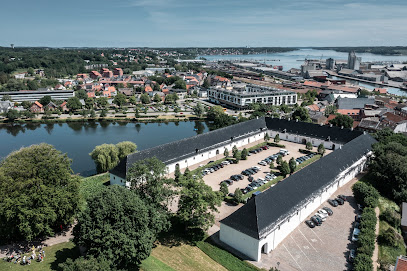
Historic whitewashed stables turned city museum, where royal horses, design heritage and Denmark’s only preserved Gestapo cell share one atmospheric courtyard.
Essential places to dine

Restaurant Koldingfjord
0.2 km
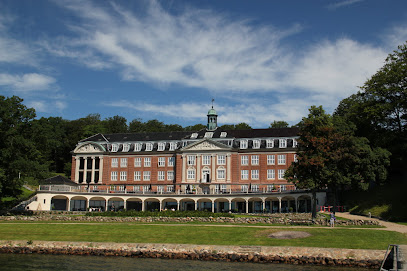
Refined, seasonal Nordic dining in a serene hotel restaurant, where wide windows and a fjordside terrace frame every course with sweeping views of Kolding Fjord.
Gustav Lind Trapholt
1.3 km
Seasonal, green Danish comfort food in a light-filled museum café with sweeping views over Kolding Fjord and the sculpture-dotted grounds of Trapholt.
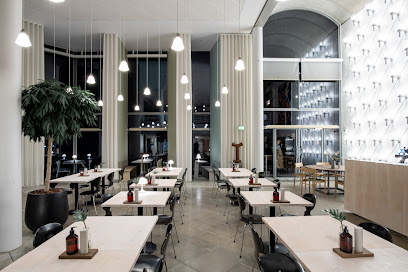
Marinaen
3.5 km
Relaxed Danish waterfront restaurant at Kolding’s yacht harbour, pairing fjord views with well‑cooked fish, steaks and cosy maritime interiors for long, lingering meals.
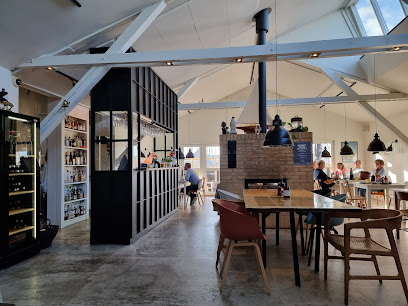
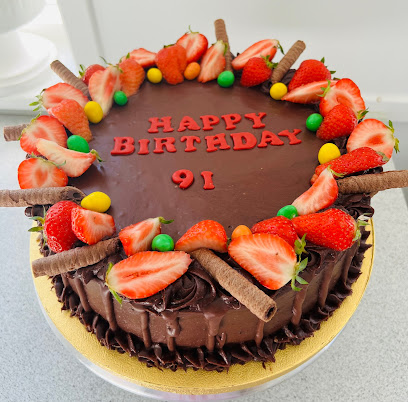
Baker's art
4.4 km
Artful cakes and pastries in a cosy Kolding bakery where Scandinavian design sensibility meets small-batch, weekend-treat indulgence on Fynsvej.
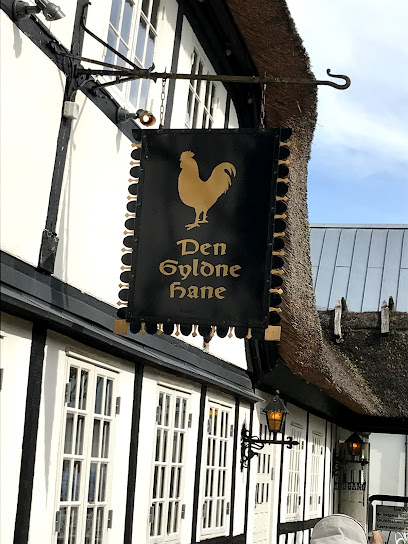
Den Gyldne Hane
4.5 km
Half-timbered country charm and hearty Danish–French cooking beside Kolding’s leafy Geographical Gardens, ideal for cosy lunches, gatherings and relaxed celebrations.
Bamsehuset
4.6 km
Cheerful ice cream kiosk and snack stop in Kolding’s Legeparken, serving classic cones, sweets, sandwiches and drinks in a relaxed, family-focused park setting.
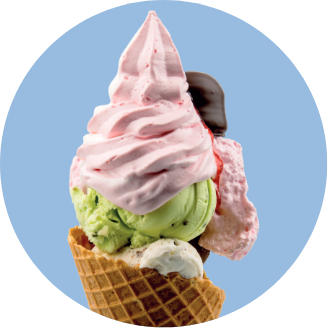
Admiralen
4.6 km
Historic harbor restaurant in Kolding serving refined Danish seafood and classic dishes in an elegant, maritime-inspired dining room from 1903.
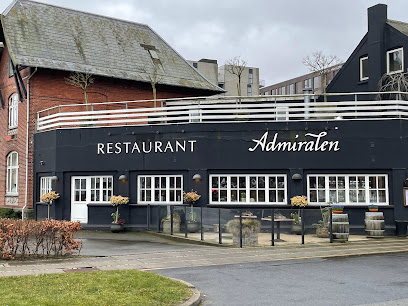
Ristorante Fratelli
4.6 km
Bustling Italian trattoria by Kolding Station, serving wood‑fired pizzas, hearty pasta and Italian wines in a warm, contemporary dining room ideal for evenings out.
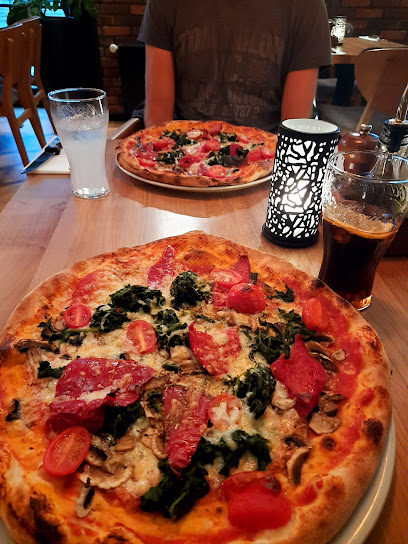
PREGO Kolding
4.7 km
Italian-Danish fusion takeout with heart, community focus, and quality ingredients in central Kolding.
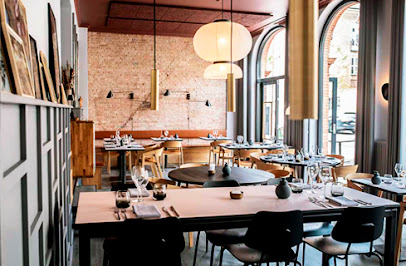
Bella Italia
4.7 km
Long‑running Italian trattoria in central Kolding, serving generous pizzas and classic pastas in a cozy, lived‑in atmosphere close to the city’s main streets.
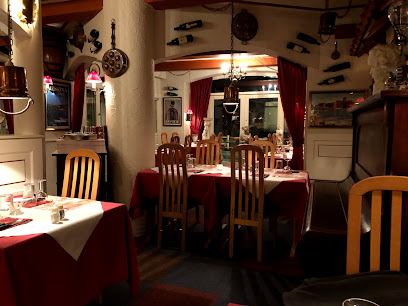
Taco Og tarteletter Take Away
4.8 km
Unpretentious Kolding takeaway blending Danish tarteletter with Mexican-style tacos, perfect for relaxed evenings, hotel picnics and easy comfort-food cravings.
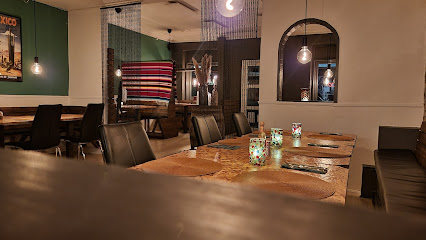
Onkel D's Foodhouse
4.8 km
Casual burger-and-fries comfort food in central Kolding, serving generous portions and Danish-style classics in a relaxed, no-fuss setting ideal for easy evenings.
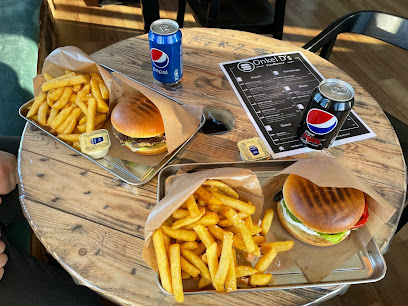
Vinbaren Kolding
4.9 km
Discover the perfect blend of fine wines and tantalizing tapas at Vinbaren Kolding - your cozy retreat in Denmark.
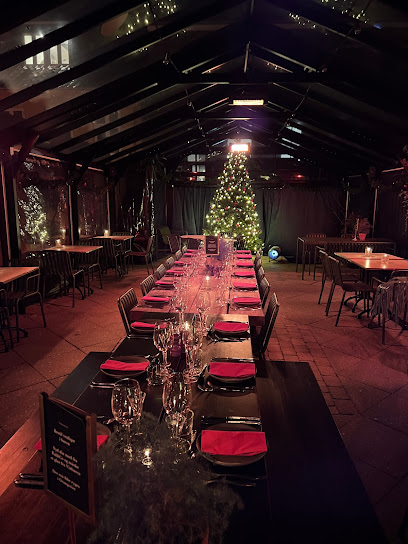
Restaurant Johansens
4.9 km
Refined Danish smørrebrød and modern Nordic plates in an intimate, candlelit dining room at the heart of Kolding’s historic center.
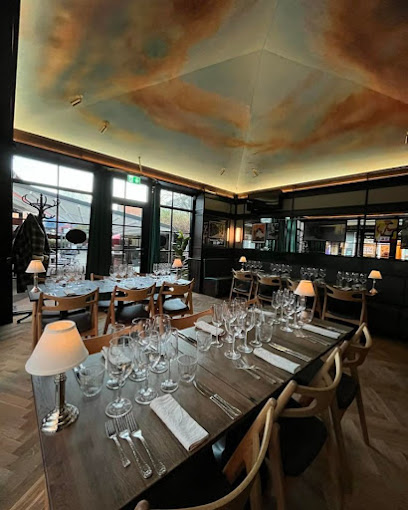
the mokka café
4.9 km
Modern Danish hygge in a hidden city passage, blending generous brunches, café classics and cocktails in a warm, all‑day living room in the heart of Kolding.
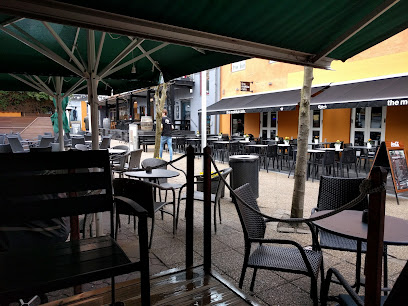
Markets, malls and hidden boutiques

And Less online shop ›› Buy And Less from the official webshop
4.4 km
Contemporary Danish fashion for modern women, thoughtfully designed and accessibly priced.
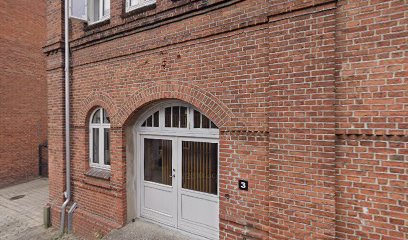
Fru Hansen
4.7 km
Private, specialist wig and extension studio in central Kolding, offering discreet consultations, natural‑looking hair solutions and professional spray tan treatments.
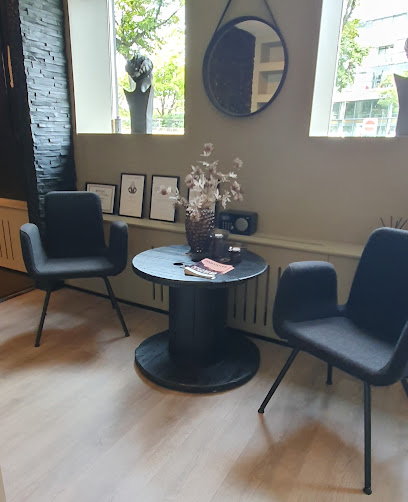
Sailor's Ink tattoo Kolding | Din tatovør i Kolding
4.7 km
Modern, art‑driven tattoo studio in central Kolding, blending award‑winning craftsmanship, strict hygiene and a relaxed living‑room vibe for first‑timers and collectors alike.
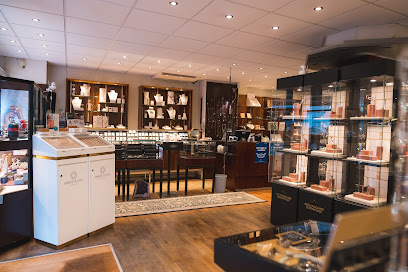
Lykke's Guld & Sølv
4.8 km
Longstanding Kolding jeweler on Jernbanegade, blending classic Danish craftsmanship, in-house repairs and a wide range of jewelry and watches for everyday and special occasions.
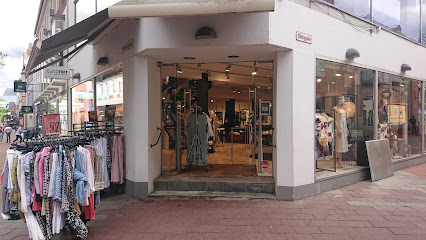
Gundtoft KOLDING CITY
5.0 km
Elegant women's fashion in Kolding's design-forward city centre, featuring curated Danish and international brands.
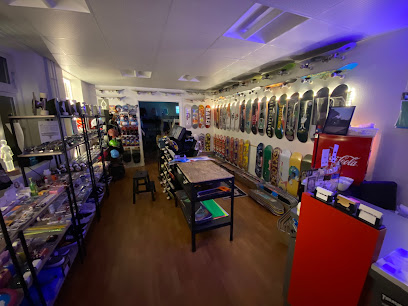
Kims Kiosk Skateshop - Koldings skatebutik
5.0 km
Core skate shop and community hub in central Kolding, blending boards, shoes and streetwear with the laid-back energy of a classic Danish kiosk.
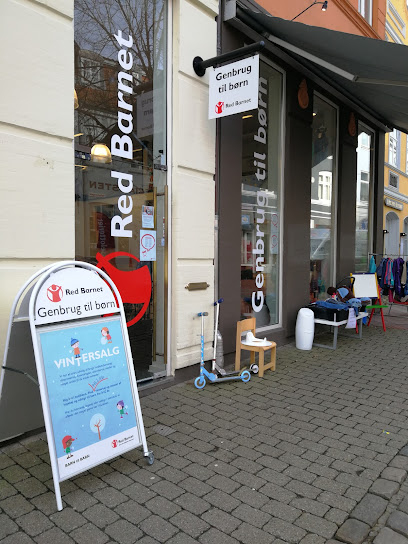
Red Barnet genbrugsbutik
5.0 km
Compact, community-driven second-hand shop in central Kolding where bargain hunting, sustainability and support for Save the Children come together under one roof.
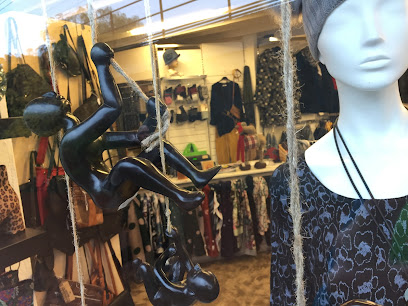
Janne K Kolding
5.0 km
Contemporary fashion boutique offering seasonal clothing and accessories in central Kolding.
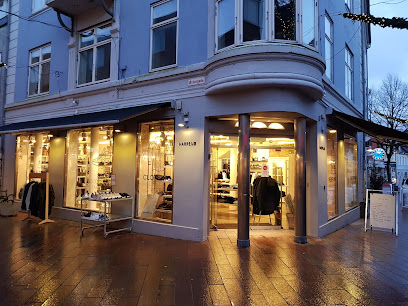
HARRESØ
5.0 km
An intimate Kolding concept store where Scandinavian minimalism meets international menswear, blending gallery-like interiors with a sharply curated selection of designer brands.
Femina Tønder ApS
5.0 km
A central Kolding women’s clothing shop offering practical, Scandinavian-inspired everyday fashion in a compact, easy-to-browse high-street space.
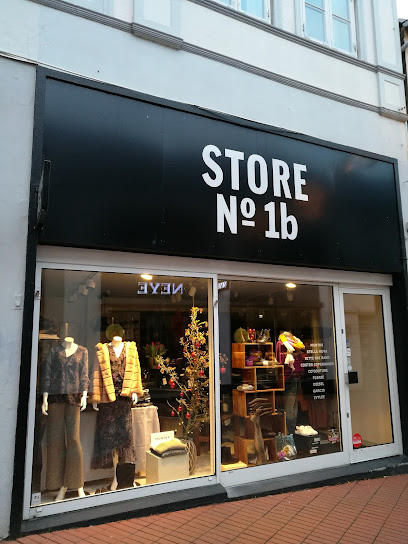
Store No 1b ApS
5.0 km
Boutique fashion in the heart of Kolding's charming pedestrian shopping district.
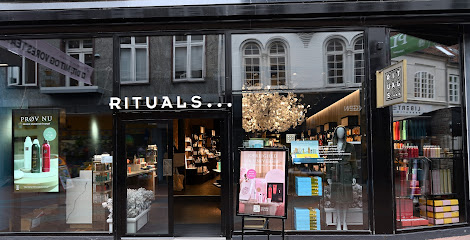
Rituals
5.0 km
A softly lit Rituals boutique on Østergade in Kolding, where serene design, layered scents and thoughtful gift sets turn everyday routines into small indulgent rituals.
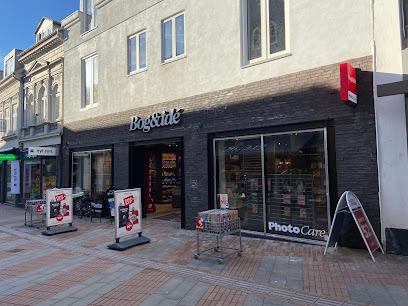
Bog & idé Kolding City
5.0 km
Central Kolding’s one-stop book and gift shop, combining Danish reads, games, stationery, hobby items and handy photo services in a bright, well-organised space.
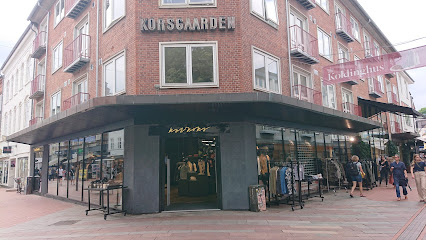
Kul og Koks
5.1 km
Intimate Kolding menswear boutique pairing Scandinavian simplicity with curated, ready-to-wear outfits for everyday life and special occasions.
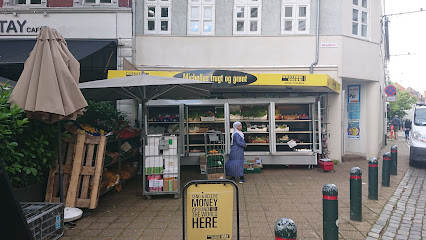
Michella´s Frugt og Grønt v/Mahmoud Aldherej
5.1 km
Compact, colourful greengrocer in central Kolding, perfect for fresh fruit, vegetables and picnic supplies between explorations of the city’s historic streets.
Essential bars & hidden hideouts

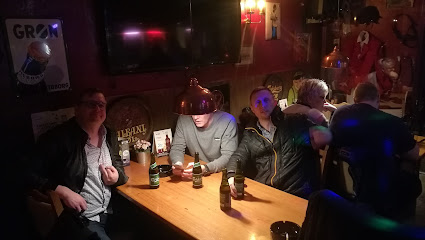
Daddys's Pub
4.2 km
Cosy neighborhood pub on Tvedvej in Kolding, serving cold beers, bar‑side conversation and a generous dose of everyday Danish hygge from late morning into the evening.
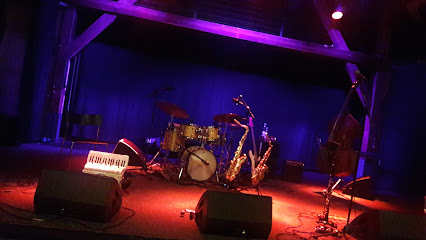
Jazz 6000
4.4 km
Intimate jazz stronghold in Kolding, presenting adventurous live concerts and collaborations that bring Danish jazz up close in a relaxed club atmosphere.
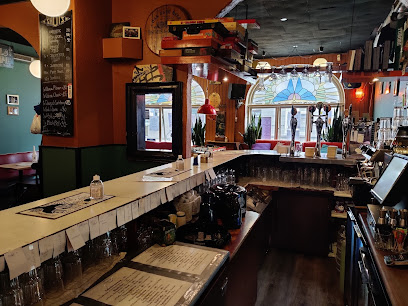
Knuds Garage
4.8 km
Garage‑themed neighborhood bar in central Kolding with affordable drinks, board games, foosball and a cozy courtyard that turns evenings into easygoing social nights.
Jernbanecaféen
4.8 km
Straightforward, central Kolding bar by the station, serving inexpensive drinks in a relaxed, lived‑in setting from midday until the early hours.
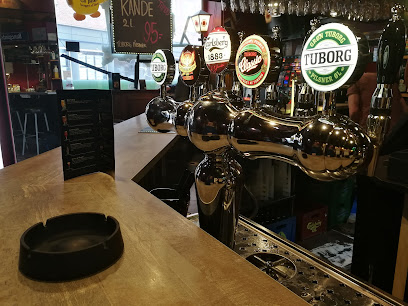
8eren
4.8 km
Kolding's premier cocktail bar and pool hall—where drinks, games, and good company meet.
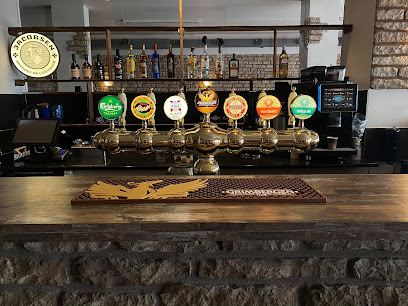
Rabalder Bar Kolding
4.9 km
Small, loud and laid-back, Rabalder Bar Kolding delivers sing-along hits, cheeky drink deals and late-night energy in a compact, central Kolding setting.
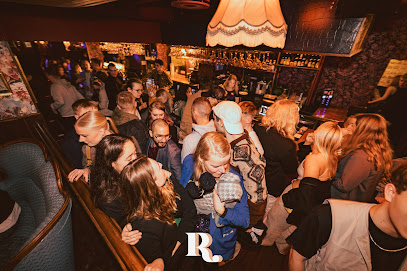
The Old Irish pub
4.9 km
Kolding's premier Irish pub with live music, 300-person capacity, and weekend dancing until dawn.
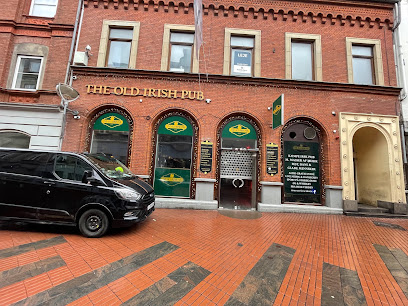
Vegas Bet & Beer
4.9 km
Straightforward beers, sports on screen and easygoing local banter in a compact bar at the heart of Kolding’s historic centre.
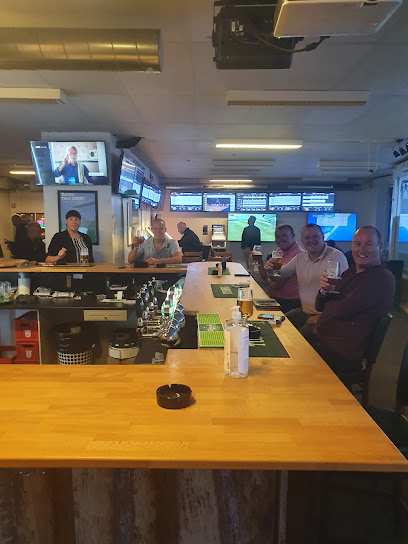
The Cavern
4.9 km
A cozy, low-lit lounge tucked inside Den Engelske Pub, offering intimate drinks, warm conversation and a calm escape from Kolding’s lively weekend nightlife.
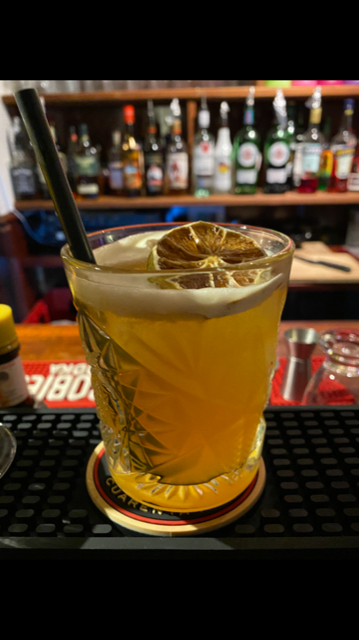
Den Engelske Pub - You'll Never Walk Alone
4.9 km
British pub tradition meets Danish warmth in Kolding's heart—craft beer, whisky, and football culture.
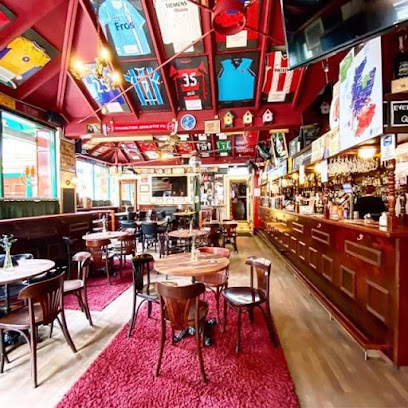
Papegøjen
5.2 km
A no-frills corner bodega in central Kolding where cold beer, card games and easy conversation keep the classic Danish pub culture very much alive.
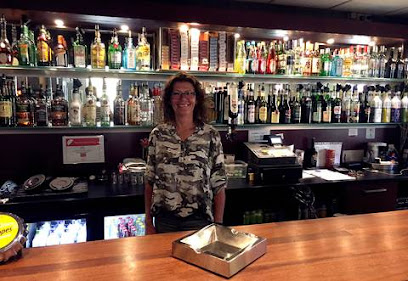
Drop-inn ( 75 50 34 92 )
5.2 km
Unpretentious Kolding bodega in a former girls’ school, serving cold beer, nostalgic “mormor” music and everyday hygge in a cosy red-brick corner bar.
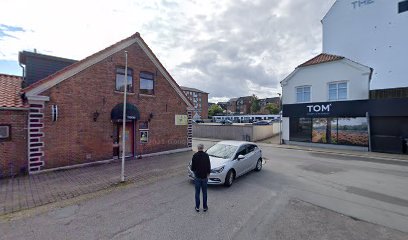
Oasen øl & vinbar
5.3 km
Cozy craft beer and wine bar in Kolding's center with genuine hospitality and unconventional charm.
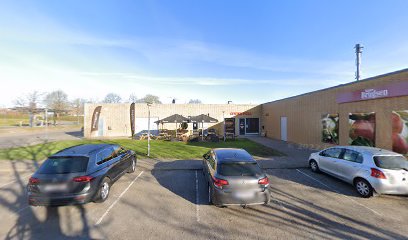
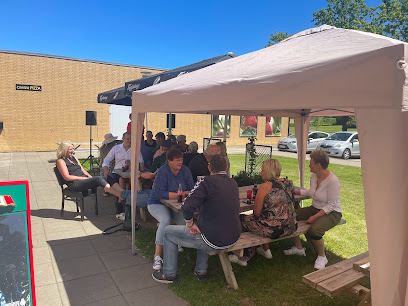
Centerpubben v/Henriette Lykke Skjøtt
5.3 km
Unpretentious neighborhood pub in Kolding offering inexpensive drinks, local faces and a slice of everyday Danish hygge from midday to late evening.
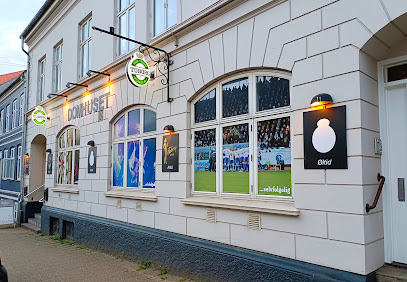
Domhuset Sportsbar
5.3 km
Straightforward Kolding sports bar with darts, big screens and cold beers in a relaxed pub setting on central Låsbygade.
Nightclubs & after hour spots

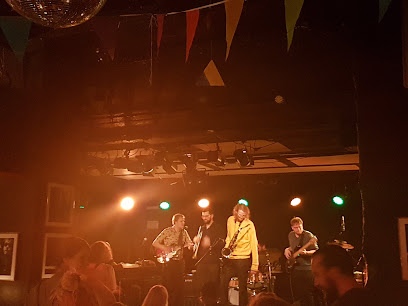
Pitstop
4.7 km
Small, central and loud, Pitstop is Kolding’s alternative live music stronghold, blending intimate gigs, late-night dancing and laid-back bar vibes in a historic building.
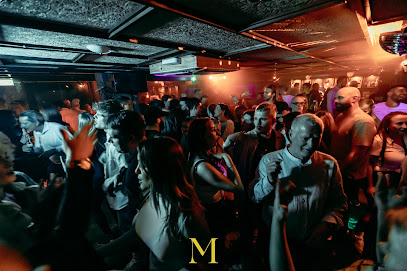
Mørks Kælder
4.9 km
Modern basement nightclub in central Kolding, pouring drinks and classic dance tunes for a grown-up crowd late into the weekend night.
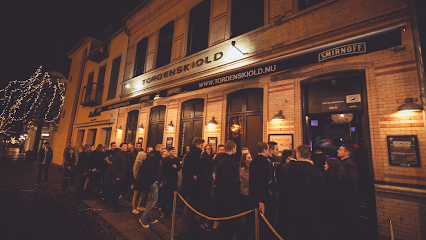
Discoteque Tordenskiold
5.1 km
Kolding's legendary two-floor discotheque and cultural institution since 1973.
Koldingtivet Engen
5.6 km
Compact Kolding disco where locals pack the dance floor, mainstream hits fill the speakers and late-night energy turns a modest venue into a full-bodied club night.
Tucan Swinger & wellness Club
7.6 km
Adults-only swinger and wellness retreat in rural Jutland, blending erotic exploration, spa comforts and themed rooms in a discreet, rules-based environment.
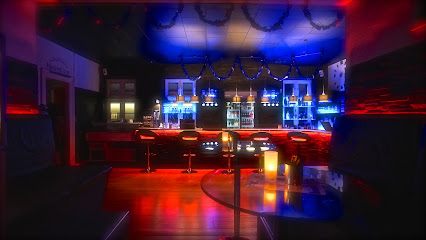
AHA Livestage
15.0 km
Intimate live music and cocktail-driven nightlife in the heart of Fredericia, where high-quality sound and curated events turn selected evenings into standout parties.
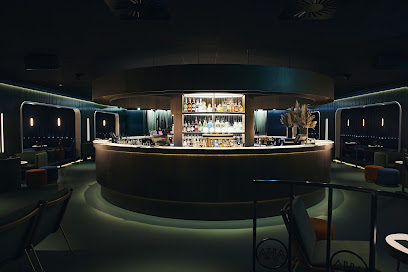
Fishi
19.3 km
Compact, no-frills nightclub in Vejen with loud beats, simple drinks and a friendly small-town crowd that keeps the dance floor moving late into the night.

NOX Network Ltd.
19.9 km
Small-city Danish nightclub in Vejle with a central dance floor, upbeat chart music, and a straightforward, late-night party atmosphere.
temabar APS 23-05
23.3 km
Tropical vibes and late-night dancing in Vejle's energetic weekend hotspot.
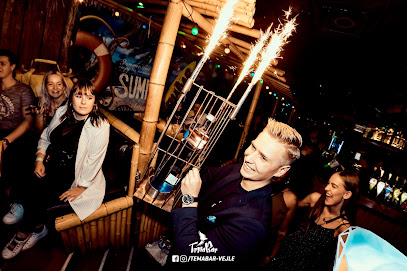
Crazy Daisy Vejen
26.3 km
High-energy disco club in central Vejen, bringing late-night music, dancing and big-city nightclub vibes to a compact South Jutland town.
Horsens New Style Dance Club
39.4 km
Horsens' premier line dancing venue where beginners and advanced dancers unite in movement and community.
PDD
43.7 km
Compact, no-frills nightclub on Lindvigsvej in Horsens, offering late-night dancing, simple drinks and an intimate, local-party atmosphere on weekends.
Oskar hossman
44.2 km
Compact, high-energy nightclub in central Horsens, where pulsing beats, colourful lights and a sociable crowd define the city’s after-hours heartbeat.
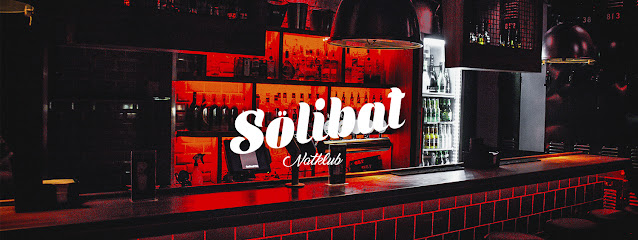
Sölibat Natklub
44.6 km
Late-night, no-frills clubbing in central Horsens, where loud music, simple drinks and a compact dance floor create an unapologetically local party vibe.
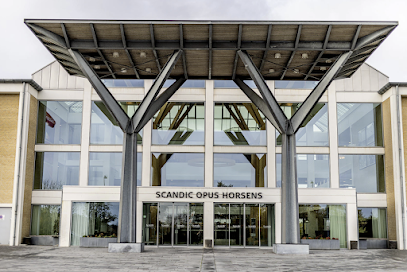
Scandic Opus Horsens
45.9 km
A contemporary Scandinavian hotel in Horsens with spa, dining, and panoramic city-to-nature views—an elegant gateway to both urban and outdoor experiences.
For the vibe & atmosphere seeker
- Tranquil
- Scenic
- Unique
- Casual
For the design and aesthetic lover
- Vintage Styles
- Modern Designs
For the architecture buff
- Historic
- Landmarks
- Heritage Neighborhoods
For the view chaser and sunset hunter
- Iconic Views
- Waterfront
For the social media creator & influencer
- Photo Spots
- Architectural Shots
- Instagrammable
For the eco-conscious traveler
- Public-Transport Accessible
- Low Impact
For the kind of experience you’re after
- Cultural Heritage
- Photowalk
- Day Trip
- Mindfulness
For how adventurous you want the journey to be
- Easy Access
Location Audience
- Family Friendly
- Senior Friendly
- Child Friendly
- Teen Friendly
- Solo Friendly
- Couple Friendly
- Solo Female Friendly
- Business Friendly


