Landbomuseet Kolding, Kolding Travel Guide
Free Guide: Step into a historic Danish farmstead where tractors, tools, animals and farmhouse interiors bring the story of rural life near Kolding vividly to life.


A brief summary of Landbomuseet Kolding
Step into a historic Danish farmstead where tractors, tools, animals and farmhouse interiors bring the story of rural life near Kolding vividly to life.
Set on an old family farm just outside Kolding, Landbomuseet Kolding is a charming open‑air agricultural museum that immerses you in rural Danish life from the late 19th and 20th centuries. Historic barns, stables and workshops are filled with farm tools, tractors, household interiors and craft equipment that tell the story of how people lived and worked on the land. Seasonal demonstrations, grazing animals and hands‑on activities make this a relaxed, family‑friendly escape into Denmark’s countryside heritage.
On-site amenities
 Restrooms
 Seating areas
 Picnic areas
 Trash bins
 Information boards
 Visitor centre
Opening hours
- MonClosed
- Tue10 am–4 pm
- Wed10 am–4 pm
- Thu10 am–4 pm
- Fri9 am–4 pm
- Sat10 am–4 pm
- SunClosed
Opening hours as listed on the venue’s Google Business Profile. Hours can change for services and special events, so check with the venue before you go.
- Address
- Brødsgårdsvej 52, 6000 Kolding
- Phone
- Website
Getting there
City bus from central Kolding
Taxi from Kolding city centre
Cycling from Kolding
Discover more about Landbomuseet Kolding
A living farmstead from Denmark’s rural past
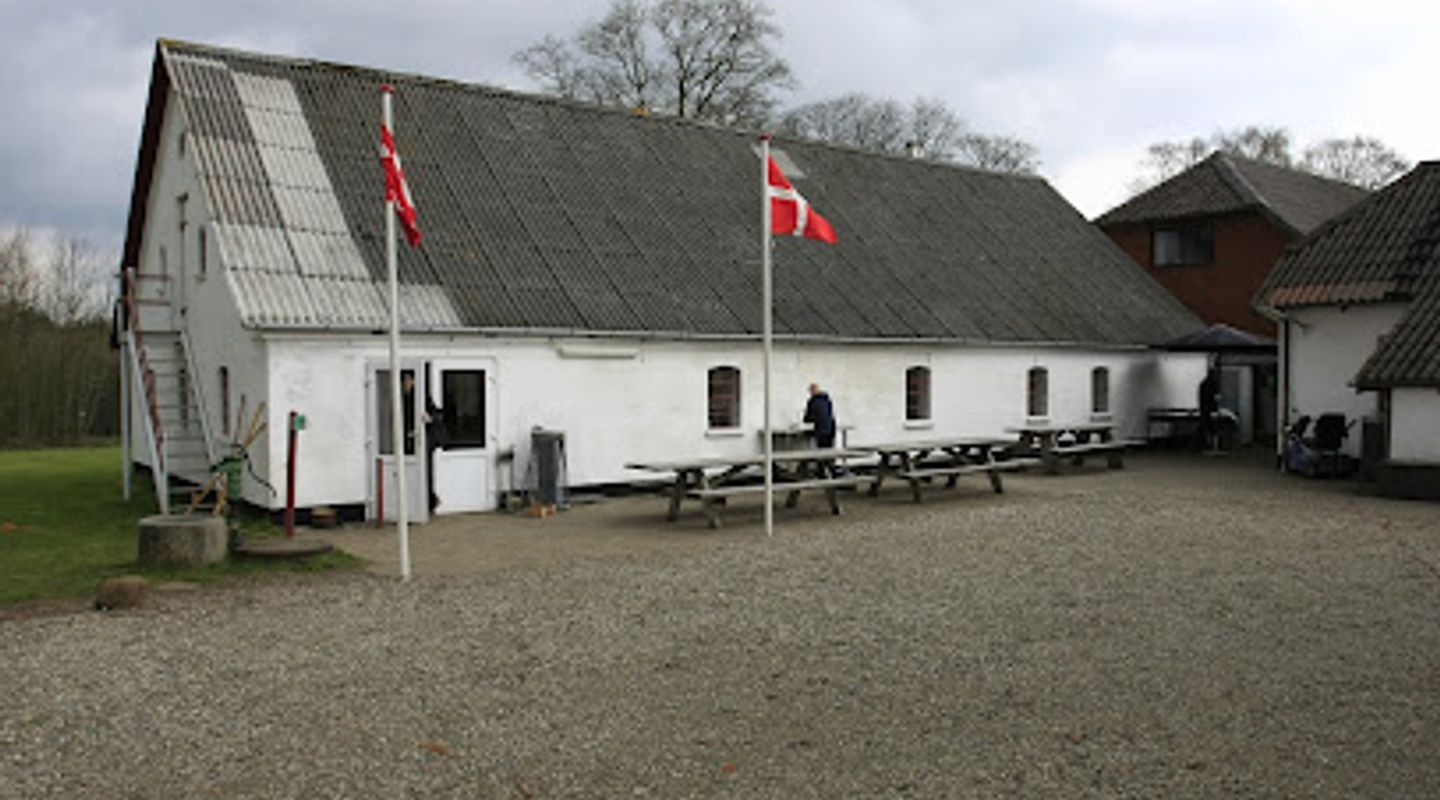
Landbomuseet Kolding is housed in a historic slægtsgård, a traditional family farm on the edge of Harte, west of Kolding. Walking through the courtyard, with cobblestones underfoot and whitewashed farm buildings around you, you step into a world shaped by small‑scale agriculture, shared labour and close ties to the land. Each wing of the farm has been carefully preserved and repurposed as exhibition space, so the original layout is still legible in the way barns, stables and dwelling sit around the central yard.Instead of polished glass cases, many objects are presented much as they would have been used. Harnesses hang from beams, carts are parked under shelter, and tools line the walls of low‑ceilinged rooms. It feels less like a conventional museum and more like the owners have simply stepped outside for a moment, leaving their things where they last worked.
Tools, tractors and the mechanics of farm life
One of the museum’s strengths is its extensive collection of agricultural tools and machinery, tracing the shift from horse‑drawn implements to motorised tractors. You can move from simple wooden ploughs and harrows to iron seed drills, threshing machines and early tractors that transformed working rhythms on Danish farms in the 20th century. The patina of metal and oil, and the close quarters of the old barn, underscore just how physical this work once was.Beyond fieldwork, displays highlight the crafts that supported rural life. Blacksmith’s tools, carpenters’ benches and cobblers’ equipment show how much could be made and repaired on site. As you explore, you gain a sense of the self‑reliance that defined farms like this, where every tool had a purpose and little was wasted.
Inside the farmhouse: everyday stories and traditions
In the residential rooms, the focus shifts from labour to domestic life. Period‑furnished interiors, with wood‑burning stoves, heavy wooden tables and embroidered textiles, recreate the atmosphere of a working farmhouse kitchen and parlour. Everyday objects – enamel jugs, recipe books, Sunday best clothing – hint at routines shaped by seasons, church holidays and local customs.These interiors reveal a careful balance between practicality and modest comfort. Storage jars and preserving equipment speak of long winters and the need to plan ahead; decorative touches on furniture and textiles show pride in home and handiwork. Taken together, they tell a quiet but compelling story of how families organised their days around milking, baking, tending animals and gathering for shared meals.
Animals, outdoor spaces and activities for children
Around the farmyard, paddocks and green spaces bring the agricultural setting to life. In season, you may see cows or smaller animals turned out to grass, a reminder that this was once a working farm rather than a backdrop. Simple outdoor play corners and activity stations are often set up with younger visitors in mind, encouraging children to touch, try and imagine rather than just look.The spacious grounds invite unhurried wandering. You can pause under mature trees, study the construction of timber‑framed walls or watch how the light changes across red‑tiled roofs and nearby fields. On certain days, the museum programmes themed events, from traditional craft demonstrations to small seasonal celebrations, which add sound and movement to the setting without overwhelming its calm character.
Seasonal rhythms and planning your visit
Landbomuseet Kolding operates on a clear seasonal pattern. The main opening period typically runs from late April to mid‑October, with regular hours on selected weekdays, and additional openings or guided tours during holiday weeks. Outside these months, groups can often arrange visits by appointment, making it a flexible choice for schools and special interest groups.Facilities are straightforward but practical: you can expect basic restrooms, simple seating areas and outdoor corners suitable for picnics if you bring your own food. The atmosphere is deliberately low‑key, inviting you to slow down, listen to the creak of old wood and the distant sounds of the countryside, and piece together how rural Denmark has changed within just a few generations.
Evendo Review Centre
 Google
Guest reviews
Best time to go
Quietest: Jan, Feb & Mar · before 8am or from 6pm
Busy times are Evendo estimates for a typical year, to help you plan. Actual crowds vary with events, school holidays and the weather.
Explore Landbomuseet Kolding on the map
A handpicked selection of must-see spots near Landbomuseet Kolding, mapped for you.
Get your free copy of our complete guide to Landbomuseet Kolding, delivered straight to you.
Everything on this page, from opening hours and how to get there to Eve’s tips and the best time to go, in one PDF you can read offline, print or share.
Already have an account? Sign in
Your Landbomuseet Kolding guide is ready.
We'll send it to · Not you? Sign out

Getting your guide ready…
We are putting together a fresh copy of the Landbomuseet Kolding guide. This can take up to a minute.
This can take a few moments. If your browser asks, choose Allow so the download can start. You'll find the guide in your Downloads folder.
Nothing happened? Download it again
Sorry, the guide is taking longer than usual. Please try again in a minute, or get it by email instead.
Other nearby places you may find interesting
The closest places of the same kind, if this one is not quite what you had in mind.
-
Koldinghus A 750‑year‑old royal fortress reborn as an award‑winning museum, where raw brick ruins, modern timber and sweeping tower views tell the story of Denmark in one castle.
-
Geografisk Have Botanical world map, miniature historic Kolding and gentle animal encounters combine in this spacious garden-park, Kolding’s signature green escape for all ages.
-
Trapholt Museum for Modern Art and Design Architect‑designed hillside museum above Kolding Fjord, where modern art, experimental craft and iconic Danish design meet sculpture park strolls and a unique Arne Jacobsen house.
-
Fonden Harteværket A historic hydropower plant turned playful experience centre, where Kolding’s industrial past meets hands-on water experiments and tranquil river landscapes.
-
Stable Yard Historic whitewashed stables turned city museum, where royal horses, design heritage and Denmark’s only preserved Gestapo cell share one atmospheric courtyard.
Swipe for more places
More to explore near Landbomuseet Kolding

 Best experiences near Landbomuseet Kolding
 Best hotels near Landbomuseet Kolding
 Best landmarks near Landbomuseet Kolding
 Best attractions near Landbomuseet Kolding
 Best shops near Landbomuseet Kolding
 Best restaurants near Landbomuseet Kolding
 Best bars near Landbomuseet Kolding
Do you manage this location?
Take control to get all the benefits, like improved information, better appearance, and stronger visibility across AI-powered discovery.
Explore more

Explore more of Kolding
Discover Kolding, Denmark's blend of historical charm, natural beauty, and vibrant art scene, making it a must-visit destination for travelers seeking a unique experience.
Explore Kolding
Explore more of Denmark
Discover Denmark: A perfect blend of history, modern design, and the cozy concept of hygge. Explore vibrant cities, serene landscapes, and world-class cuisine.
Explore Denmark