
Thy National Park
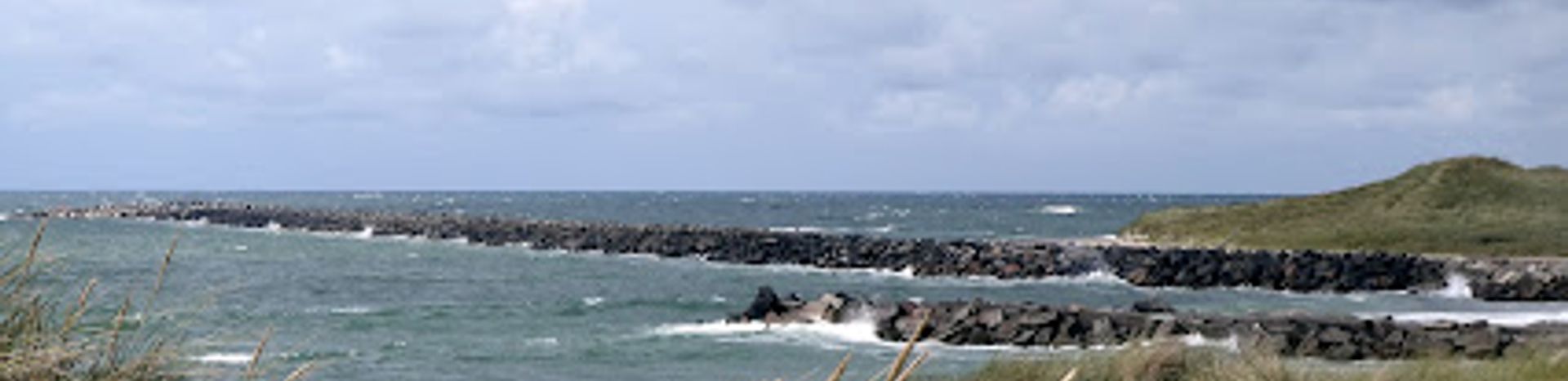
Denmark's wild coastal wilderness where towering dunes, pristine beaches, and ancient heaths meet the powerful North Sea.
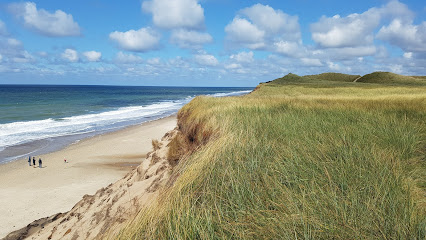
Denmark's first and largest national park, Thy National Park spans 244 km² across Northwest Jutland's dramatic coastline from Hanstholm to Agger Tange. This wild landscape of towering sand dunes, twisted forests, Atlantic heath, and pristine beaches is shaped by the powerful North Sea. Open year-round and free to explore, the park offers over 200 km of hiking and cycling trails, world-class windsurfing at Cold Hawaii, and rich cultural heritage including medieval churches and World War II bunkers.
A brief summary to Vesterhavet Nationalpark Thy
- Vestervigvej, Vestervig, 7770, DK
- Visit website
- Duration: 2 to 5 hours
- Free
-
 Outdoor
- Mobile reception: 4 out of 5
Local tips
- Visit Klitmøller (Cold Hawaii) for world-class windsurfing and kitesurfing, especially during autumn and winter when wind conditions are strongest. Calmer days offer paddleboarding opportunities.
- Hike the West Coast Trail (93.8 km) over five days with overnight stays at small campsites and shelters, or tackle shorter marked mountain bike routes of 6–10 km suitable for all fitness levels.
- Climb to Iceberg viewpoint (56 meters) in Hanstholm Wildlife Reserve for panoramic views, but note that access to certain breeding areas is restricted from 1 April to 15 July.
- Explore medieval Vestervig Church (dating to 1059) and other cultural landmarks, including Lodbjerg Lighthouse and Stenbjerg Landingsplads with its maritime heritage exhibition.
- Visit during spring or autumn for comfortable temperatures and clearer skies, or embrace winter's dramatic storms to experience the North Sea's raw power at its most intense.

For the on-the-go comforts that matter to you
- Restrooms
- Drink Options
- Food Options
- Seating Areas
- Sheltered Areas
- Picnic Areas
- Trash Bins
- Information Boards
- Visitor Center
Getting There
-
By Car
Route 181 from the south provides direct access to the park. From the north, Route 11 from Oddesund to Thisted has several slip roads westward toward Thy National Park. Route 26/571 from the island of Mors also connects westward to Stenbjerg. Parking is available at major attractions including Lodbjerg Lighthouse, which has dedicated facilities. Travel time from Copenhagen is approximately four hours.
-
By Train and Bus
Direct train services run to Thisted and Hurup stations. From Copenhagen and Aarhus, Line 888 bus service reaches Thisted in approximately six to seven hours. Regional X-bus services connect from Aalborg, Vejle, and Viborg. Local bus lines from Thisted and Hurup provide connections to coastal villages throughout the park. Journey times from major cities range from 5–7 hours depending on connections.
-
By Air
Aalborg Airport and Karup Airport are the nearest major airports, approximately 90–120 km away. From either airport, car rental or bus connections to Thisted take 1.5–2 hours. A rental car provides the most flexibility for exploring the park's dispersed attractions and trails.
-
By Ferry
A ferry service operates from Thyborøn to Agger Tange, providing scenic access to the southern portion of the park. This option is particularly useful for cyclists and those wishing to experience the coastal approach. Ferry schedules vary seasonally; check local operators for current timetables and fares.
Vesterhavet Nationalpark Thy location weather suitability
-
 Any Weather
-
 Clear Skies
-
 Windy Conditions
-
 Cold Weather
-
 Mild Temperatures
Discover more about Vesterhavet Nationalpark Thy
A Raw Wilderness Shaped by Sea and Sand
Thy National Park is Denmark's oldest and largest national park, officially opened to the public on 22 August 2008. Spanning 244 km² across Northwest Jutland, it stretches 55 km north to south and 5–12 km east to west, extending along the coast from Hanstholm in the north to Agger Tange in the south. The park's distinctive landscape has been sculpted over centuries by the relentless forces of the North Sea, wind, sand, and salt, creating a raw and fragile natural environment found nowhere else on Earth in such continuous, expansive form. The natural composition of Thy is remarkable. Closest to the sea stand towering sand dunes, some reaching dramatic heights. Behind them stretches a patchwork of horseshoe-shaped parabolic dunes, dune slacks, wetland areas, and more than 200 dune lakes. The largest connected sandy heath in Denmark—the Hanstholm Wildlife Reserve—dominates the northern portions, covering approximately 40 km² and representing one of the park's most ecologically significant areas. Between these varied landforms lie twisted forests, open heathlands, meadows, plantations of conifers, and small ponds that together create a mosaic of habitats supporting diverse flora and fauna.Ecological Significance and Wildlife Sanctuary
Thy National Park is a sanctuary for rare plants and animals, particularly migratory birds. From Agger Tange in the south, where tens of thousands of migratory birds stop to rest during migration, to the Hanstholm Wildlife Reserve in the north with its roaring red deer herds, the park offers exceptional nature experiences. The dune and heath landscape supports species found nowhere else on Earth in such abundance. The Hanstholm Wildlife Reserve restricts public access to certain breeding areas between 1 April and 15 July to protect nesting birds, though approximately 60–70% of the preserve remains open to visitors year-round. The park's commitment to conservation is evident in its partnership with local landowners to preserve and develop the natural environment. This collaborative approach ensures that the park's special and rare plants and animals thrive while remaining accessible to visitors seeking authentic wilderness experiences.Layers of Human History
Beyond its natural wonders, Thy National Park contains significant cultural and historical landmarks. Vestervig Church, dating to 1059, stands as Denmark's largest village church and one of the oldest in the nation, representing medieval religious heritage. The park also preserves evidence of more recent history through German bunkers built during World War II, when Denmark was occupied. As part of the Atlantic Wall, Thy was strategically fortified to dominate the North Sea and defend against Allied forces, leaving concrete reminders of this turbulent period embedded in the landscape. Other notable sites include Lodbjerg Lighthouse, a well-known beacon on Jutland's coast, and Stenbjerg Landingsplads, featuring restored tool houses and a 1931 rescue station now housing exhibitions about the area's maritime heritage. These landmarks weave together the park's human story with its natural drama.Adventure and Recreation Across Seasons
Thy National Park is free and open all day, every day, offering year-round opportunities for outdoor exploration. The West Coast Trail, a 93.8 km main hiking route running from Agger to Bulbjerg, covers nearly the entire park and typically requires five days to complete, with small campsites and shelters positioned along the way. Mountain bike routes of 6–10 km cater to all skill levels, marked with red pillars and pictograms. Additional cycling routes include the West Coast Cycle route and paths around Flade Lake, Øsrum Lake, and Vandet Lake. Climbing to Iceberg, the highest point in Hanstholm Wildlife Reserve at 56 meters above sea level, provides panoramic views across the reserve. Klitmøller, known locally as Cold Hawaii due to ideal wind and current conditions, has become Denmark's centre for extreme watersports. The powerful North Sea creates mighty waves perfect for surfers and kite surfers, while calmer days offer opportunities for paddleboarding. Guided tours provide worry-free exploration, while independent travelers can navigate using the AllTrails app.Seasonal Character and Visitor Experience
While summer brings warm weather and peak tourism, Thy National Park reveals different character in other seasons. Autumn and spring offer comfortable temperatures and clearer skies, while winter brings cold, windy conditions that intensify the park's raw, dramatic atmosphere. The landscape's power is most evident during stormy weather, when the North Sea's force becomes tangible and the dunes seem to shift beneath your feet. Visitors can experience the park's beauty from multiple perspectives: hiking through twisted forests, cycling along coastal paths, driving to major attractions like lighthouses, or exploring on horseback through the varied terrain.Iconic landmarks you can’t miss

Thisted Vandtårn
37.6 km
A glowing beacon of Thisted's industrial heritage, this iconic 1939 water tower illuminates the night sky.
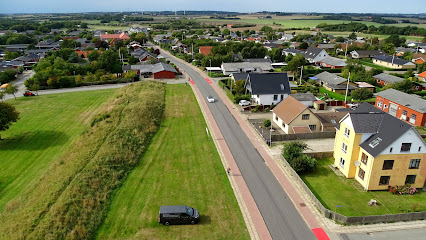
SOLTEGNET af billedhugger og professor Bjørn Nørgaard
39.0 km
A radiant sculpture of oyster shells celebrating art, sustainability, and fjord culture.
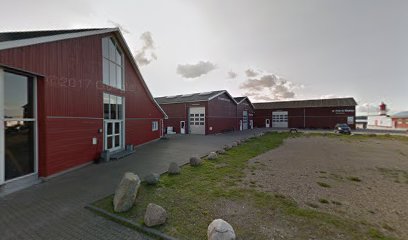
Eshøj gravhøj
41.2 km
A Bronze Age burial mound preserving 3,000 years of Danish prehistoric heritage on a windswept Jutland plateau.
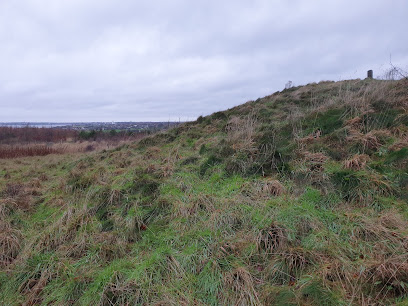
Isbjerg - Nationalpark Thy
42.7 km
Denmark's highest point in a wild coastal reserve where ancient cliffs meet pristine heathlands and soaring eagles.
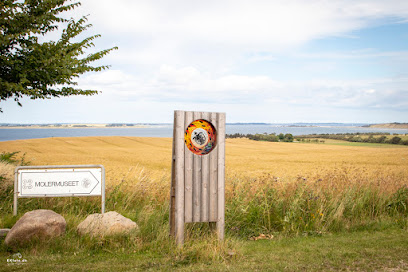
Tørreladen ved Moler Museet
46.2 km
Denmark's longest industrial barn, restored and reimagined as a monument to Mors's moler brick heritage.
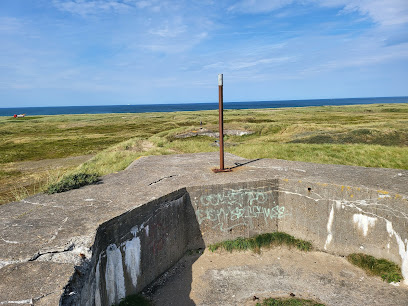
Battery Hanstholm 1
47.7 km
Wind-beaten dunes, concrete giants and sweeping sea views meet at Battery Hanstholm 1, an open-air World War II strongpoint on Denmark’s remote northwest coast.
Museum Salling
48.5 km
Dive into Denmark's past at Museum Salling, where Limfjord's heritage comes alive through interactive exhibits, ancient artifacts, and engaging storytelling in scenic Skive.
Bispehuen
49.1 km
A dramatic folded column of volcanic ash and clay, shaped like a bishop's hat, rising from Fur's largest quarry.
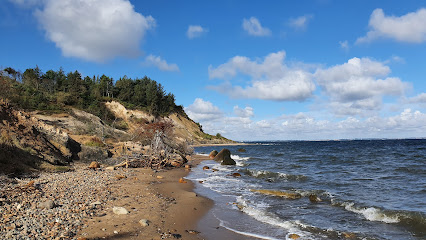
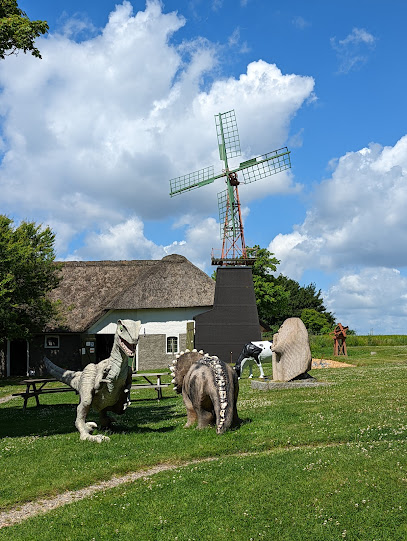
Fur Museum
49.5 km
Discover Denmark’s prehistoric wonders at Fur Museum—home to some of Europe’s finest fossils and a lively hub of natural and local history in the heart of Limfjord.
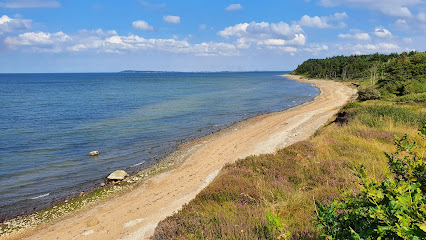
Fur
49.6 km
Experience the ancient moler cliffs, fossil treasures, and laid-back island culture that make Fur the crown jewel of Denmark’s Limfjord region.
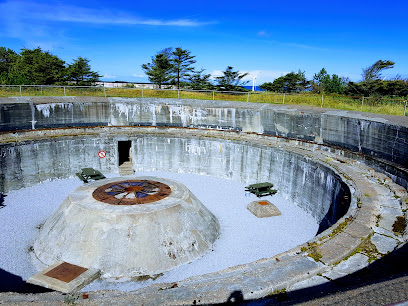
Hanstholm fortress
50.0 km
Explore Northern Europe's largest WWII coastal fortress in Denmark's Thy National Park, a powerful testament to history, engineering, and resilience on the windswept coast.
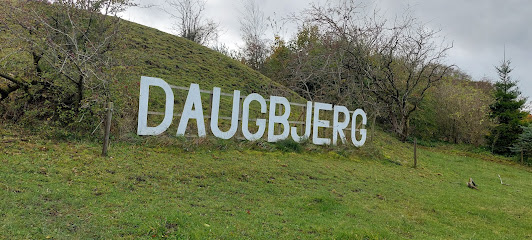
Daugbjergskiltet
64.2 km
Dramatic limestone cliffs offering panoramic views and geological wonders near Viborg
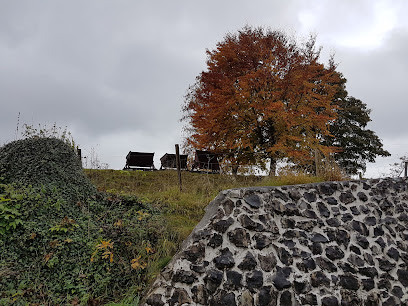
Mønsted Kalkgruber
64.8 km
Explore the world's largest limestone mine in Mønsted, Denmark: a subterranean adventure with stunning lakes, multimedia shows, and fascinating bat colonies, offering a unique glimpse into geological history.
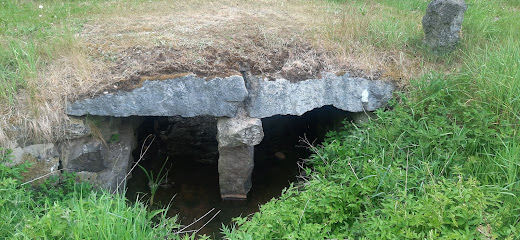
Kampestensbroen ved Ørre
66.8 km
A historic stone bridge marking the transformed course of Sunds Nørreå in Denmark's rural heartland.
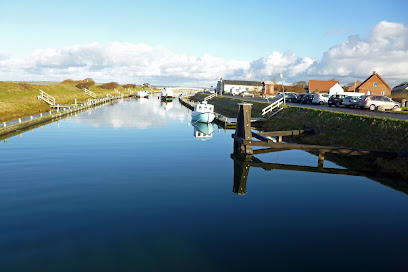
Limfjordsmuseet Løgstør
67.1 km
Explore Denmark’s maritime heritage and fjord culture at Limfjordsmuseet in Løgstør, with hands-on exhibits, heritage ships, and unique oyster and fishing traditions.
Unmissable attractions to see

Sea War Museum Jutland
2.2 km
A powerful North Sea museum where the Battle of Jutland, salvaged shipwrecks and a haunting dune-side memorial park tell the story of World War I at sea.
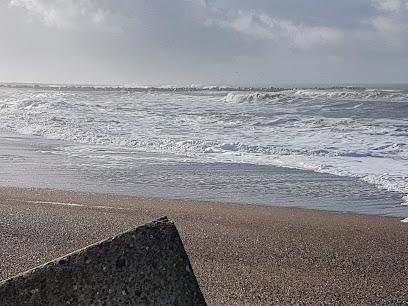
Memorial Park for the Battle of Jutland / Mindeparken for Jyllandsslaget
2.2 km
Experience the awe-inspiring, ever-shifting sands of Råbjerg Mile, Northern Europe’s largest migrating dune and one of Denmark’s most unique natural wonders.
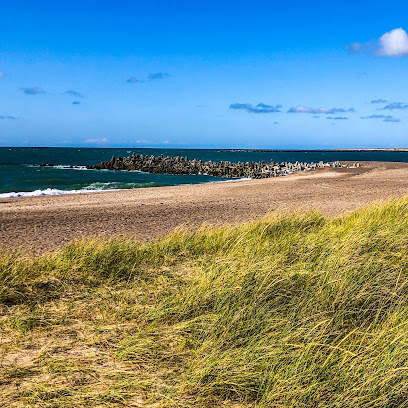
JyllandsAkvariet
2.2 km
Hands-on North Sea aquarium in Thyborøn, where kids can stroke small sharks, hunt for amber indoors and join seal and nature safaris along the wild west coast.
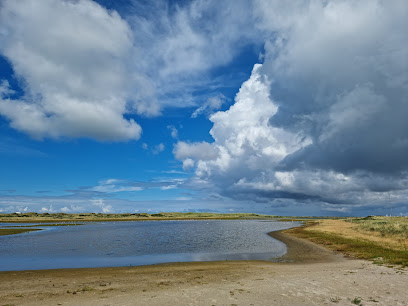
Nationalpark Thy, visitor centre Svaneholmhus
2.7 km
Unstaffed but indispensable, Svaneholmhus is a sheltered, bird-focused gateway to windswept Agger Tange and the wider wild landscapes of Nationalpark Thy.
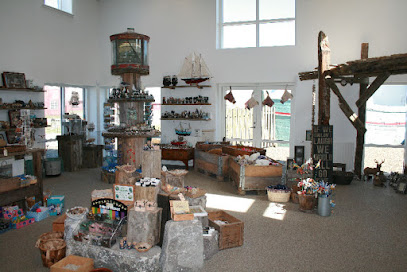
Sneglehuset
3.6 km
A tiny fisherman’s house on Denmark’s wild west coast, transformed into a shell-clad love letter packed with seashells, bottle ships, curios and coastal charm.
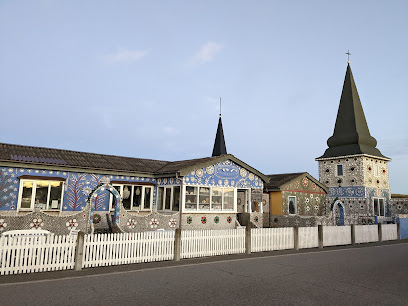
The Black Houses in Agger
6.7 km
Atmospheric black-tar timber houses on Thy’s wild west coast, preserving Agger’s fishing, rescue and coastal defence history beside the roaring North Sea.
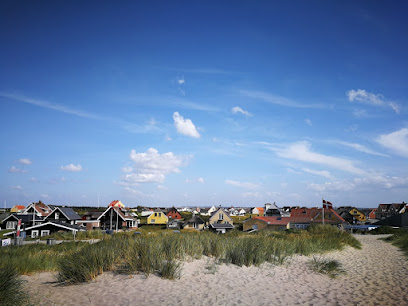
Udsigtstårnet i Ashøj Plantage
10.4 km
Simple metal steps to the highest point in Thy, where forest gives way to far horizons over North Sea, Limfjord and the church-dotted plains of South Thy.
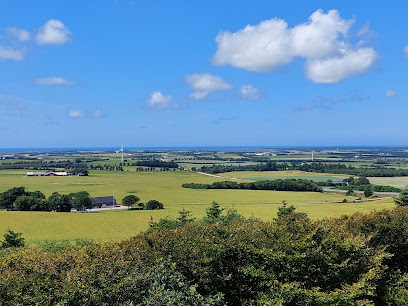
Trolden Ask fra Ashøj
10.5 km
Hidden in a forest clearing on Thy’s highest hill, the giant wooden troll Ask fra Ashøj blends playful sculpture, folk tale magic and wide Danish landscapes.
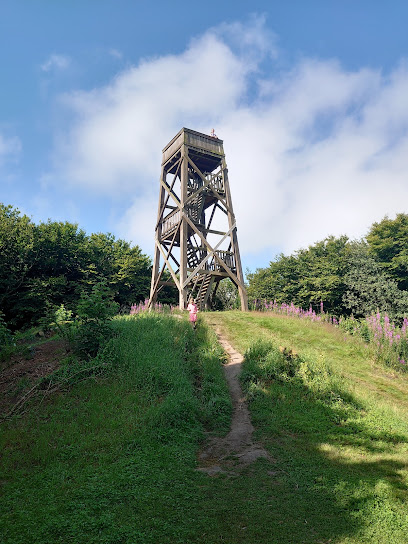
Lodbjerg Fyr, National Park Thy Visitor centre
11.2 km
Discover Thisted Vandtårn, a historic water tower with panoramic views, local heritage, and architectural charm on the edge of Denmark’s wild Thy National Park.
Frøken Fines Bonbonmuseum
14.0 km
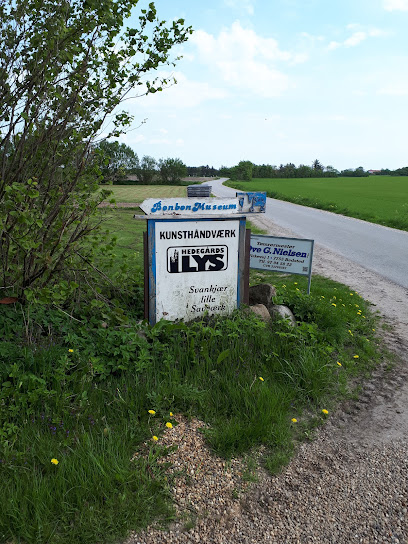
A cozy countryside candy museum in Bedsted Thy where traditional Danish bonbons are cooked, cut and bagged before your eyes in a nostalgic, sugar-scented workshop.
Jættestuen Lundehøj
15.5 km
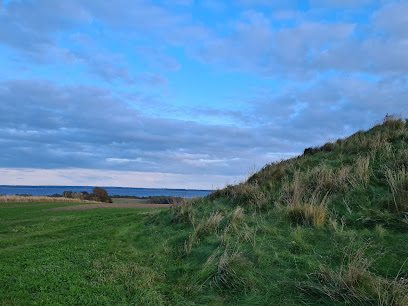
Step inside a Neolithic stone chamber hidden beneath a grassy mound in Thy’s quiet countryside and glimpse the burial traditions of Denmark’s first farmers.
Hvidbjerg Klitplantage
17.3 km
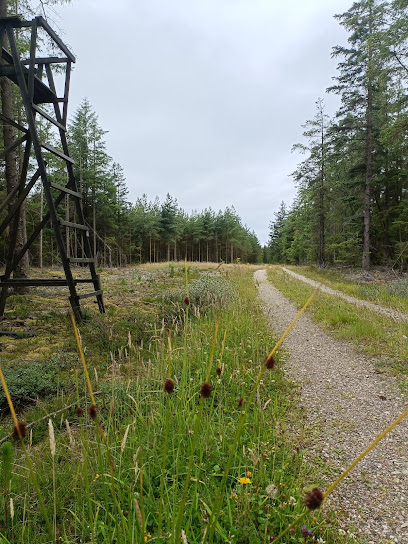
Sheltering dunes, tall pines and a child-friendly bathing lake make Hvidbjerg Klitplantage a gentle, accessible gateway into the wild coastal landscapes of National Park Thy.
Agerø
21.3 km
A small Limfjord island of open skies, bird-rich shores and quiet farmland, where causeway access leads to a softly spoken slice of rural Denmark.
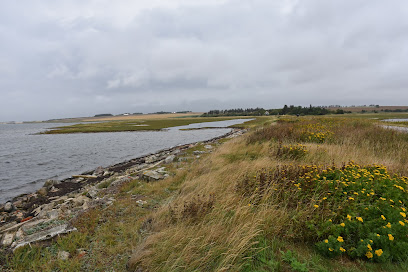
Start skovtur
21.8 km
A modest trailhead at Snedsted’s edge, where quiet forest tracks, fields and big skies invite unhurried walks in the everyday landscapes of Northwest Jutland.
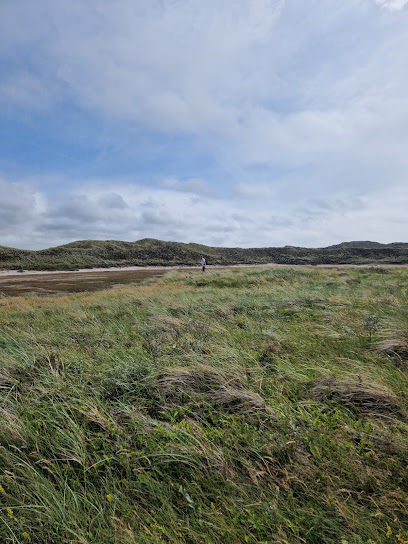
The Holy source
22.1 km
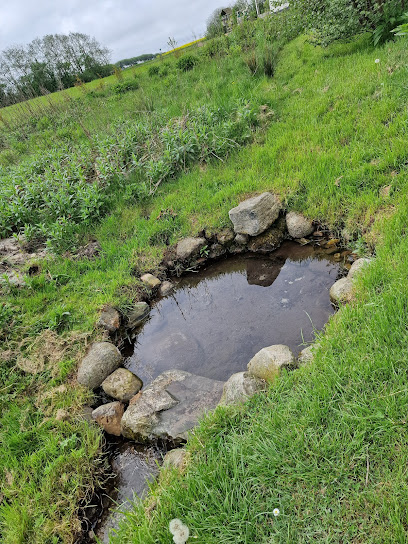
A modest but timeless spring on the Thyholm peninsula, where clear water, countryside calm and centuries of quiet devotion meet beside a simple rural path.
Essential places to dine

Agger Darling
6.3 km
Coastal dining where passion meets local produce, between sea and forest in Thy National Park.
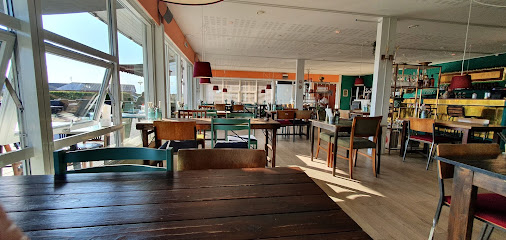
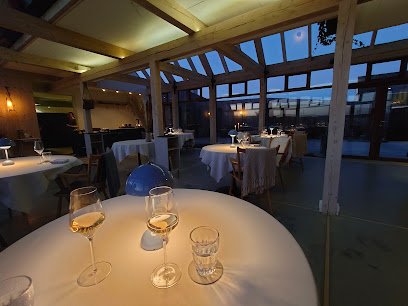
Restaurant TRI
6.4 km
Michelin-starred fine dining celebrating Northern Jutland's seasonal bounty in a luminous glass sanctuary.
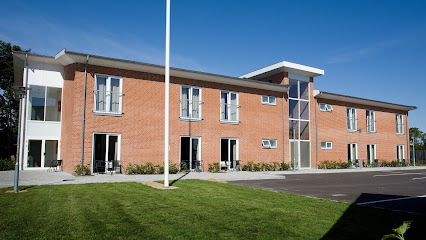
Hotel Thinggaard
12.0 km
Charming three-star hotel in Hurup Thy with fine dining, spa, and easy access to the wilderness of Thy National Park and the scenic Limfjord region.
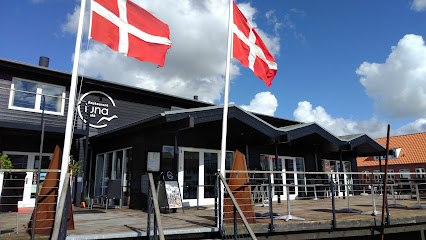
Restaurant Luna
20.0 km
Sunlit harbourfront restaurant in Lemvig pairing fresh local fish, generous Danish classics and Limfjord panoramas from floor‑to‑ceiling windows and a broad quay‑side terrace.
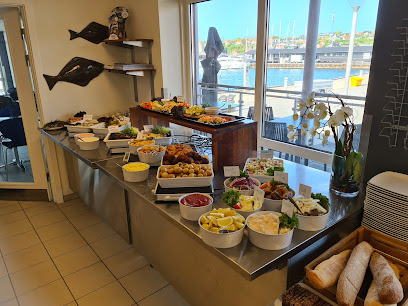
Bjarnes Fisk og Fisketeria
20.0 km
Harborfront fish shop and casual seafood eatery in Lemvig, serving fresh catch from Thyborøn, smoked specialties and Danish classics with a Limfjord view.
Stenbjerg Kro Restaurant
23.1 km
Traditional Danish inn-restaurant in the wild heart of National Park Thy, serving local fish, seasonal produce and classic kro comfort in a cosy village setting.
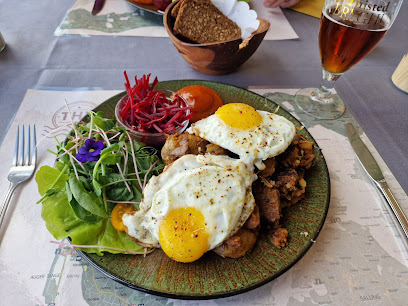
HOTEL Tambohus Inn - By Limfjorden in Jutland
24.5 km
Waterfront Danish inn with celebrated restaurant and fjord views in peaceful Jutland countryside.

VØ Burgers
26.6 km
Casual burger-and-pizza hangout in laid-back Nr. Vorupør, perfect for refuelling after salty North Sea adventures along the wild Thy coastline.
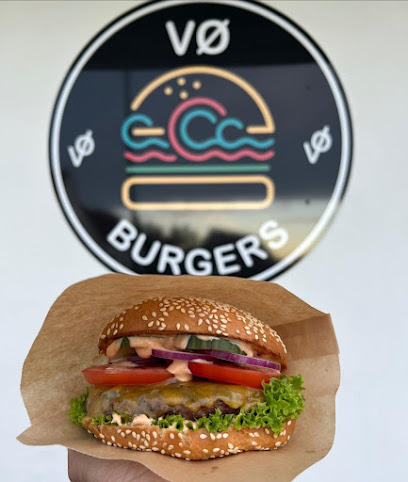
Restaurant & Steakhouse Amalie
27.0 km
Coastal steakhouse blending premium beef, fresh seafood, and Nordic hospitality in Thisted's harbor district.
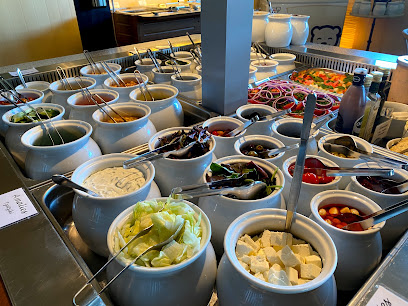
Bistro 123
27.2 km
Classic French bistro cooking meets surf-coast calm at this modern, candlelit restaurant inside Vorupør Badehotel on Denmark’s wild northwest shore.
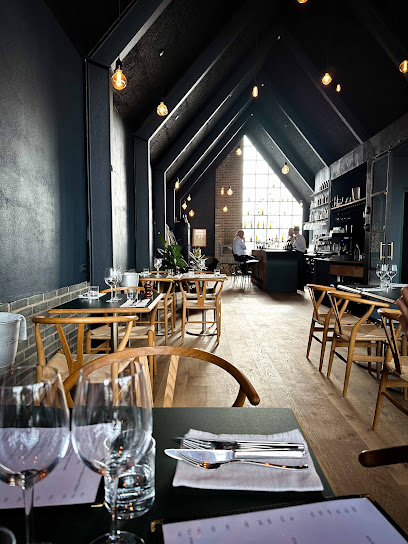
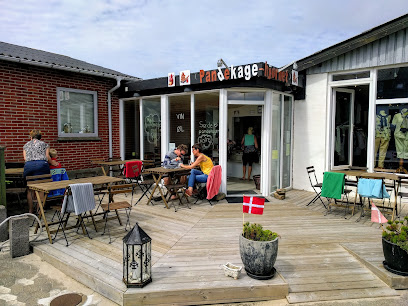
Pandekagehjørnet
27.3 km
Cosy North Sea pancake café in Vorupør, serving sweet and savoury treats and easygoing comfort food just a short stroll from the windswept Thy coastline.
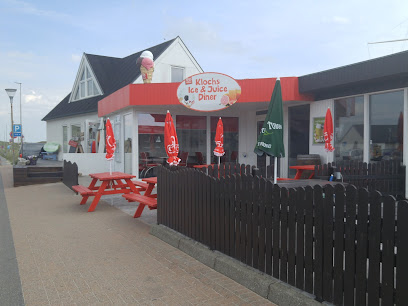
Klochs Spisested
27.3 km
Hearty burgers, steaks and spareribs in a laid‑back American‑style diner by the North Sea in Nørre Vorupør, a cozy coastal stop on Denmark’s wild west coast.
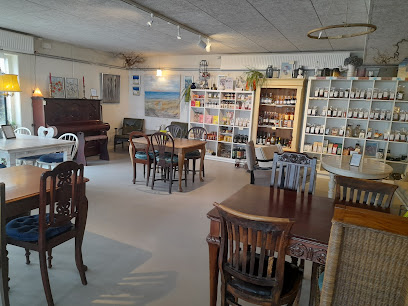
Vø cafe
27.3 km
Laid-back brunch and coffee just behind the dunes in Vorupør, where Nordic simplicity meets salty North Sea surf-town vibes.
La Grande Café, Pizza & Steak House
27.3 km
Fresh pizzas and quality steaks in a welcoming, family-friendly setting.
Vø Pizzabar
27.3 km
Surf-town pizza and bar in Vorupør, serving creative pies, vegan-friendly options and drinks in a relaxed Cold Hawaii coastal atmosphere.
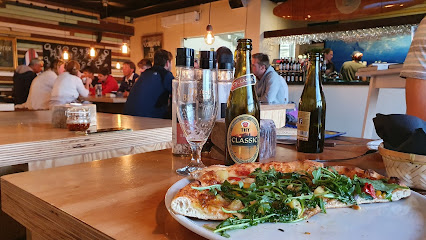
Markets, malls and hidden boutiques

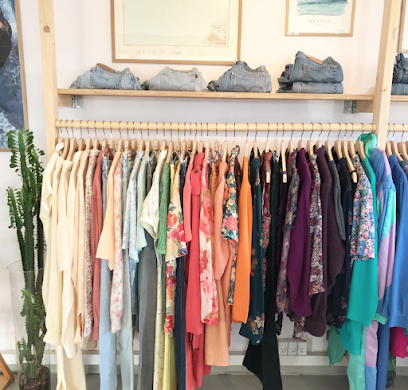
Ayoe Vintage
23.3 km
Intimate vintage showroom in dune-fringed Stenbjerg, pairing handpicked quality garments with the calm, coastal atmosphere of Thy National Park.
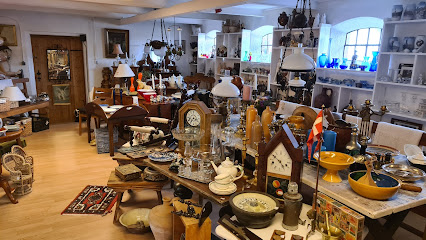
Nørhå Antik og Retro
23.4 km
A sprawling countryside antiques and retro design haven with orangery, garden pavilions and a cozy café overlooking fields and Nørhå Lake in Thy.
Alt for Hunden - Hundeklipning, Hundesalon, Hundetrimming, Negleklip og Hundefrisering i Thisted.
25.3 km
Professional dog grooming by a certified cynologist in Thisted's trusted pet care salon.
Meny
26.6 km
A welcoming supermarket where quality, service, and local character converge in coastal Vorupør.
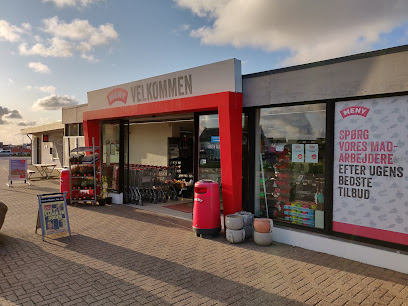
Vorupør Slagterforetning v/Søren Odder Jensen
26.6 km
Three generations of Danish butchery craft, sourcing local meats with personal expertise and regional pride.
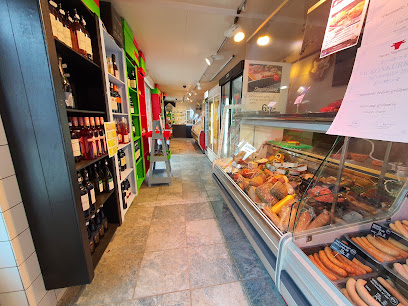
VØ Skateshop I Jibe Longboards
26.8 km
Coastal skateshop blending surf culture with longboarding lifestyle in northern Denmark.
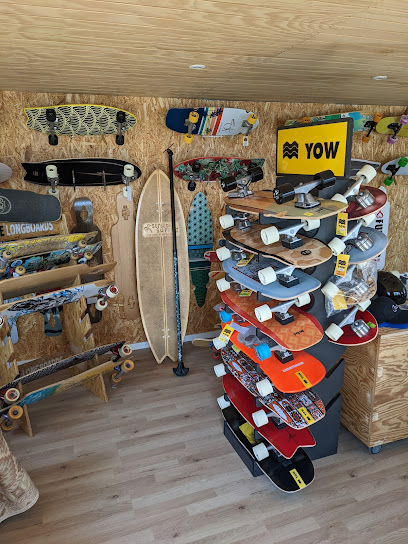
Shaped by the Tides
26.8 km
A calm, design-led coastal boutique in Vorupør, where Nordic minimalism meets North Sea surf culture in a carefully curated selection of ocean-inspired goods.

Den Gamle Butik I/S
26.9 km
A cosy, nostalgia-filled shop in coastal Vorupør where Nordic design, year-round Christmas magic and the scent of freshly ground coffee create a timeless hygge retreat.
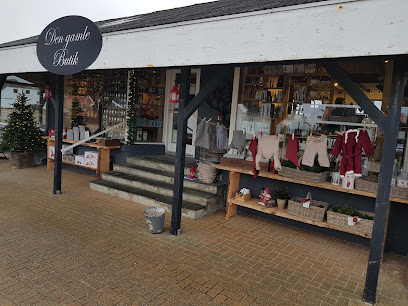
Danmission Op Shop
27.3 km
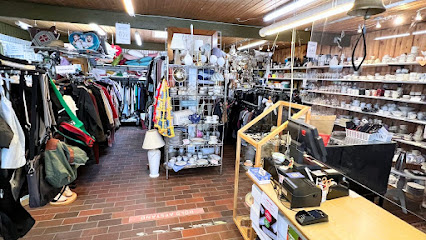
Cosy coastal thrift store in Vorupør where second-hand finds, from warm knitwear to well-loved books and furniture, support Danmission’s wider charitable work.
Den Lille Ravbutik ApS
27.3 km
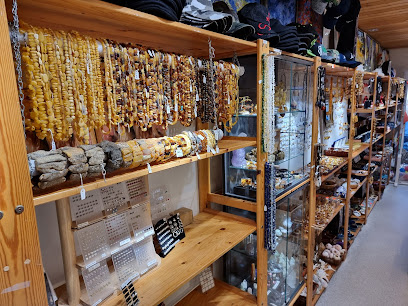
Cosy amber specialist in Vorupør, where North Sea beach culture meets warm, golden jewellery crafted from Danish west coast treasure.
Svanebro
27.3 km
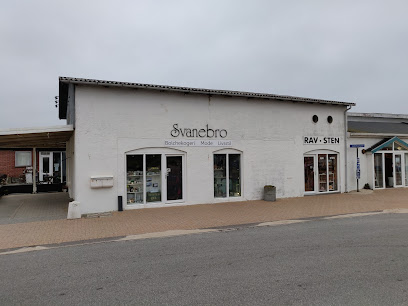
Cosy coastal shop in Vorupør combining handmade sweets, local specialties and gift-worthy homeware just a short stroll from the wild North Sea.
Rav& Sten
27.3 km
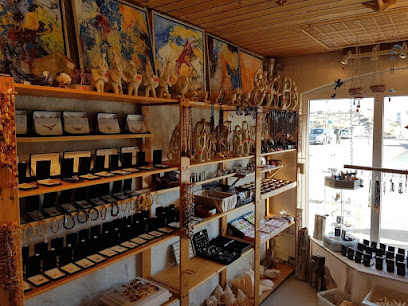
Premium amber and gemstone treasures from Denmark's North Sea coast, nestled in historic Vorupør.
Klitmøller Collective
27.3 km
A calm, coastal-chic clothing store in the heart of Cold Hawaii, blending Nordic design, surf-town spirit, and practical style for life by the North Sea.
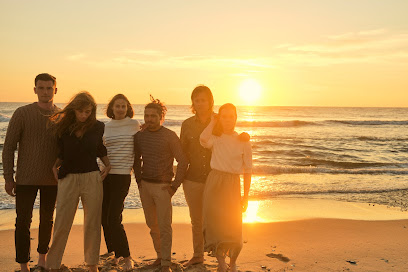
Surf Pro Cold Hawaii - Vorupør
27.3 km
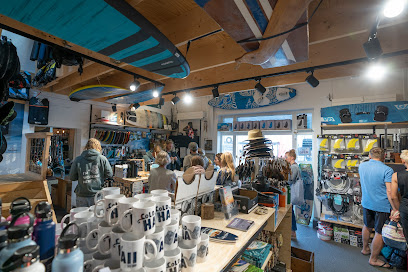
Surf Pro Cold Hawaii in Vorupør is the ultimate hub for surf rentals, lessons, and gear—right in the wild heart of Denmark’s coastal Thy National Park.
Is Mejeriet Thy
27.3 km
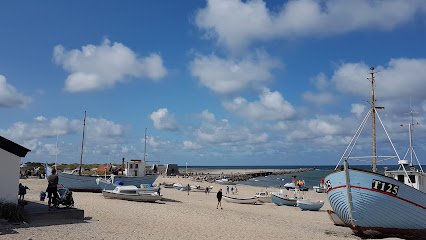
Artisanal ice cream crafted with care in a charming North Sea harbor village.
Essential bars & hidden hideouts

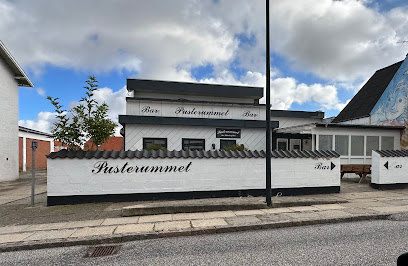
Pusterummet
12.3 km
A relaxed local bar and eatery in the heart of Hurup Thy, where billiards, cold beer and simple comfort food create an easygoing small-town social hub.
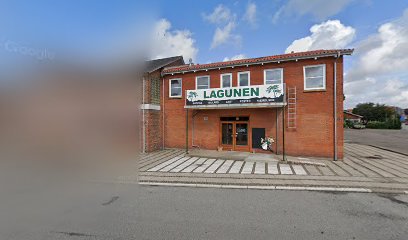
Lagunen
14.2 km
A cozy village bar in Bedsted Thy, Lagunen offers simple drinks, local company and a warm slice of North Jutland everyday life in a relaxed, no-frills setting.
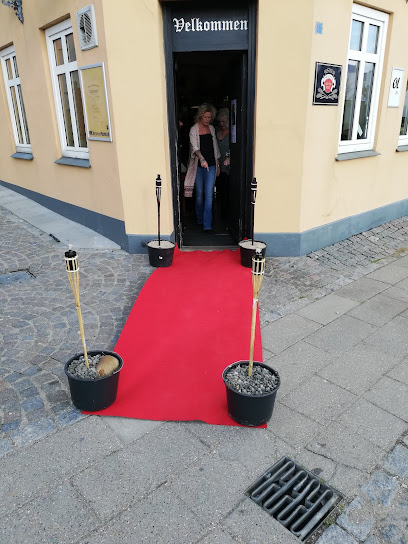
Harmonien
38.2 km
Thisted's welcoming bar and restaurant serving generous brunches and curated drinks in the town centre.
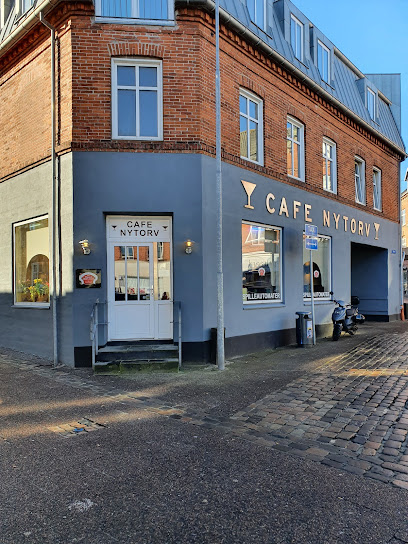
Cafe Nytorv v/ John Nielsen
38.2 km
Unpretentious bodega-style bar on Thisted’s central square, serving cold beers, simple drinks and everyday hygge from late morning to late night.
Café Børsen
38.2 km
Casual harbor-side café where locals gather for drinks and genuine Danish social warmth.
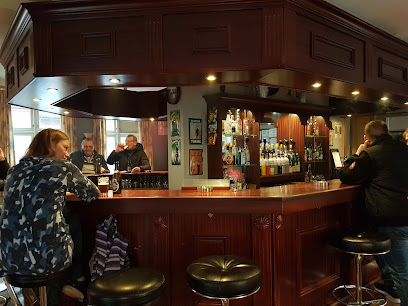
Gården Klitmøller
38.3 km
Cozy farmhouse café, bar and lodge at the heart of Klitmøller’s Cold Hawaii coast, steps from surf, sand and the wild edges of Thy National Park.
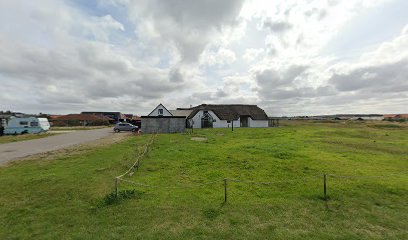
Heidi's Bier Bar
38.5 km
Loud, lively and drenched in Tyrolean après‑ski flair, Heidi’s Bier Bar Thisted turns coastal North Jutland nights into all‑season Oktoberfest parties.
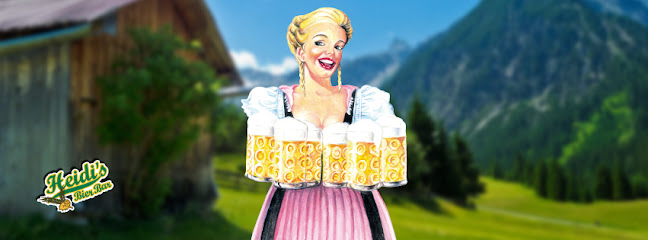
Inside v/Gabriele Steinke
38.6 km
Unpretentious bar and grill on Thisted’s coastal edge, serving hearty burgers, fish and chips and cold beers to locals and holidaymakers in a laid-back setting.
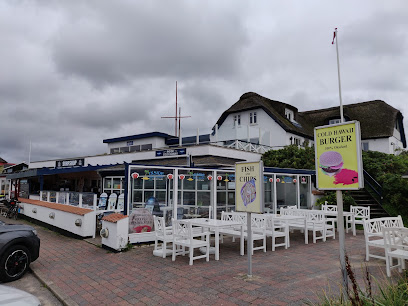
Stalden Klitmøller
38.7 km
A timeworn village bar on Klitmøller’s main street, where North Sea surf culture, local life and simple drinks come together in a cosy, unpretentious setting.
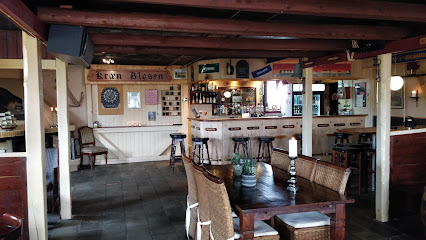
Haandpluk Kaffebar og delikatesse
38.7 km
Intimate Klitmøller hangout blending specialty coffee, craft beer, curated wine and deli treats in a cosy garage-style space near the windswept northwest coast.
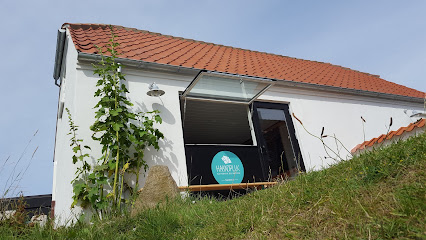
SwagHouse
39.1 km
Casual nightlife hub in the heart of Nykøbing Mors, where locals and travelers gather for drinks and social connection.
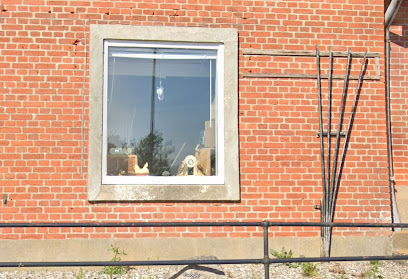
Nabo
39.2 km
Cozy neighbourhood wine bar on Nykøbing Mors’ Lilletorv, pouring characterful wines, easygoing drinks and relaxed hygge in an intimate, candlelit setting.
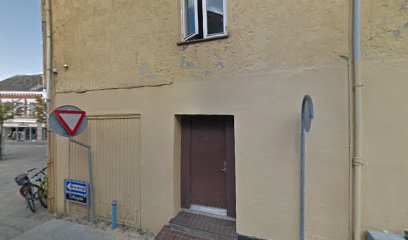
Farmors Bodega
39.5 km
Authentic Danish bodega where locals gather for beers, aquavit, and genuine Limfjord hospitality.
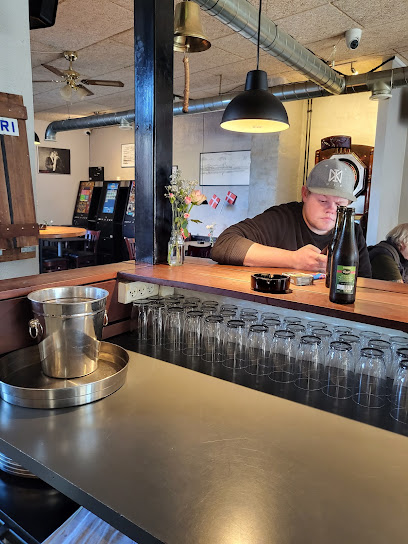
Don Muss
39.5 km
Cozy harborfront bar in Nykøbing Mors, blending everyday beers, late-night live music and local Limfjord charm in one unpretentious hangout.
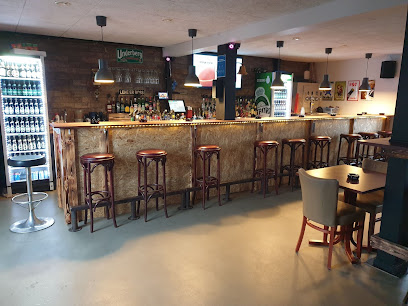
FJORD Bryggeri og Destilleri
39.6 km
Harbourfront microbrewery and distillery in Nykøbing Mors, serving small-batch beer and gin that capture the flavour of Mors in a cosy historic setting.
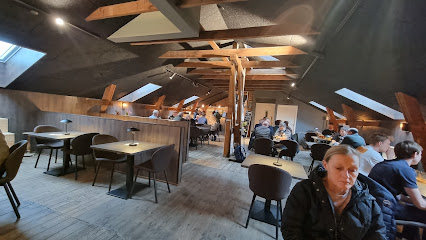
Nightclubs & after hour spots

HQ-CSI
37.7 km
Intimate late-night club in coastal Thisted, where locals bring small-town North Jutland energy to a compact dance floor and an easygoing bar scene.
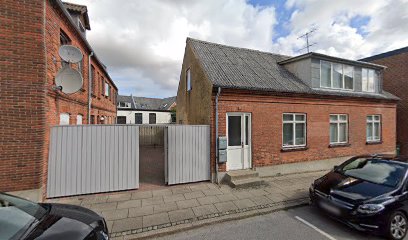
Diskotek Showoff
38.0 km
Thisted’s late-night disco club, where colorful lights, loud beats, and a compact dancefloor bring big-city party energy to this small coastal town.
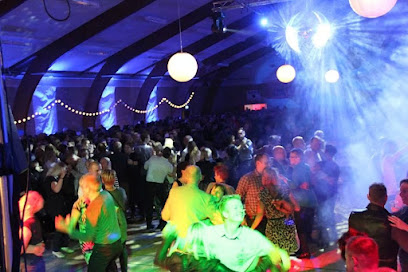
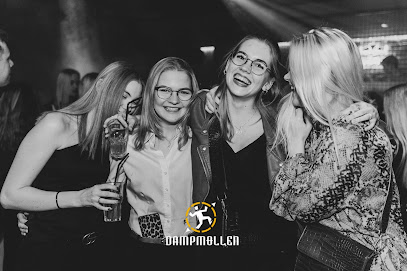
Dampmøllen Thisted
38.5 km
Late-night Thisted institution in a former steam mill, with multiple dance floors, bars and a distinctly Danish small-town party atmosphere.
East End Holstebro
47.4 km
High-energy disco club in central Holstebro, where DJs, flashing lights, and a packed dance floor keep the party going into the early morning hours.

Der Kuhstall Mønsted
66.5 km
Rural barn vibes meet late-night beats at this countryside nightclub near Viborg, where casual crowds, strong drinks and a compact dance floor power the weekend.
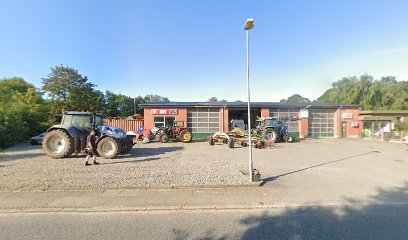
ANDERS LAUSTSEN A/S
75.5 km
Compact, casual late-night bar and dance spot in Viborg, offering simple drinks, music, and a local Danish nightlife vibe just beyond the historic center.
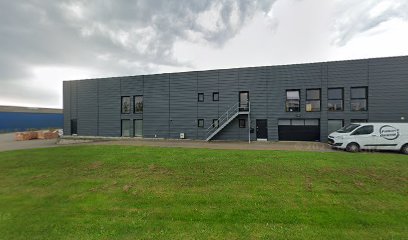
Fermaten
79.8 km
Experience Herning’s vibrant music scene at Fermaten, the city’s top venue for live concerts, cultural events, and dynamic nights out in central Jutland.
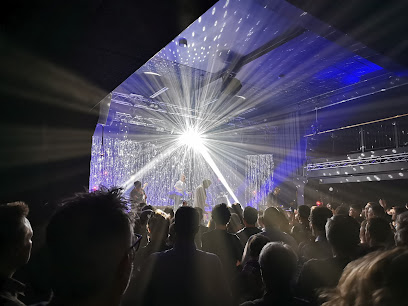
Mindegade5
80.1 km
Experience the heartbeat of Herning's nightlife at Mindegade5, where music, dance, and celebration converge.
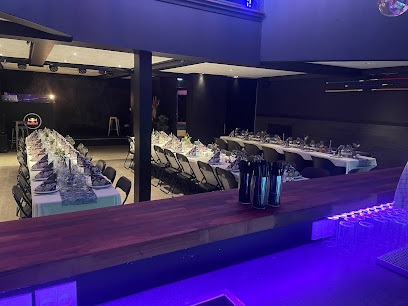
Mjølner
85.8 km
Small-town Nibe’s late-night heartbeat, where a compact dance floor, loud party tunes and local crowds turn a quiet fjord town into a lively night out.
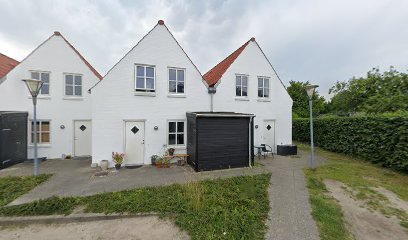
Buddy Holly
96.2 km
Late-night disco hub in central Hobro, where locals and visitors pack the dance floor to chart hits, lights and drinks until the early hours.

Jazz Hobro
96.7 km
Experience the soulful melodies of live jazz in the heart of Hobro at Jazz Hobro.
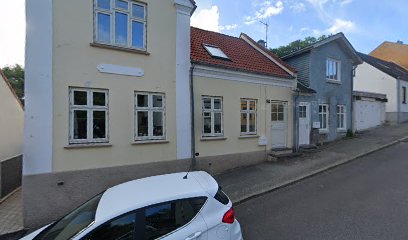
Happy Friday
99.6 km
Experience Støvring's vibrant nightlife at Happy Friday Cocktail Bar, where expertly crafted cocktails meet a lively atmosphere.
For the vibe & atmosphere seeker
- Adventurous
- Scenic
- Tranquil
- Unique
- Adrenaline-pumping
For the design and aesthetic lover
- Rustic Designs
- Bohemian Styles
For the architecture buff
- Historic
- Landmarks
- Parks & Gardens
- Heritage Neighborhoods
For the view chaser and sunset hunter
- Iconic Views
- Panoramas
- Waterfront
- Sunrise Spots
- Sunset Spots
For the social media creator & influencer
- Instagrammable
- Photo Spots
- Aesthetic Corners
- Architectural Shots
For the eco-conscious traveler
- Protected Area
- Nature Reserve
- Eco-Friendly
- Locally Managed
- Wildlife Habitat
- Leave-No-Trace Critical
For the kind of experience you’re after
- Nature Escape
- Photowalk
- Adventure Photo Shoot
- Day Trip
- Weekend Getaway
- Cultural Heritage
- Myth & Legends
For how adventurous you want the journey to be
- Easy Access
- Requires Hike
- Seasonal Only
Location Audience
- Family Friendly
- Senior Friendly
- Child Friendly
- Teen Friendly
- Solo Friendly
- Couple Friendly
- Pet Friendly
- Wheelchair Access


