

Free Langeland Travel Guide & Mobile App
Explore Langeland with free travel guides. Discover regional history, expert tips, proposed trips, and audio guides on web or mobile app.


Explore Langeland in Denmark for coastal walks, manor houses, prehistoric sites, island ferries, farm produce and quiet Baltic landscapes.
Read more about Langeland
When is the best time to visit Langeland?
Best: June–August · 20–22°C| Month | High (°C) | Rainfall (mm) |
|---|---|---|
| January | 2 | 50 |
| February | 2 | 40 |
| March | 5 | 40 |
| April | 10 | 40 |
| May | 16 | 40 |
| June (best) | 20 | 50 |
| July (best) | 22 | 60 |
| August (best) | 21 | 60 |
| September | 17 | 50 |
| October | 13 | 50 |
| November | 8 | 60 |
| December | 5 | 60 |
Getting to and around Langeland
How to get there
Transportation
Top city travel guides in Langeland
The cities of Langeland, and the easiest places to base yourself.

Swipe for more cities
Best attractions in Langeland
Langeland's attractions combine open coastal scenery with a substantial layer of cultural and rural heritage. In the south, Langelandsfort near Bagenkop explains the island's Cold War role through preserved military buildings and exhibitions, while the nearby landscapes around Dovns Klint, Gulstav Klint and Keldsnor offer walking, birdwatching and views across the Baltic. The area's semi-wild Exmoor ponies are a notable feature of the grassland environment, but should be observed without approaching or feeding them. Tranekær provides a different experience, with its historic castle setting, estate landscape and Medicinhaverne, a garden devoted to medicinal plants. Skovsgaard presents farming, nature conservation and country-house history through its estate buildings and surrounding land. Rudkøbing's museum collections and historic streets introduce the island's maritime and social past, while prehistoric monuments such as Hulbjerg Passage Grave connect the landscape with Neolithic communities. Beaches, cycling roads, small harbours and coastal paths fill the spaces between these formal sites, making the island's attraction profile more about varied stops and landscapes than a single concentrated visitor complex.
-
Tourist attraction
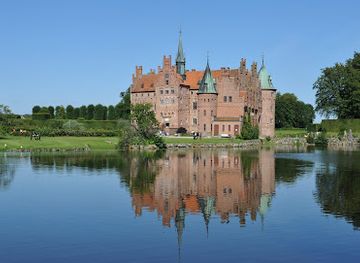
Egeskov Castle
A storybook Renaissance water castle on Funen, wrapped in historic gardens, playful forests and quirky museums for a full day of Danish countryside adventure.
-
War museum
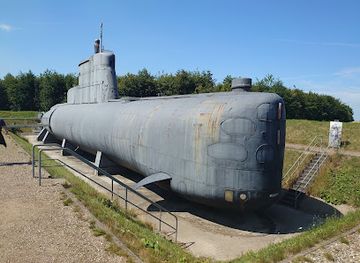
Langelandsfort
A former coastal stronghold on Langeland’s southern tip where bunkers, ships and Cold War stories meet sea air, open skies and hands-on family exploration.
-
Tourist attraction
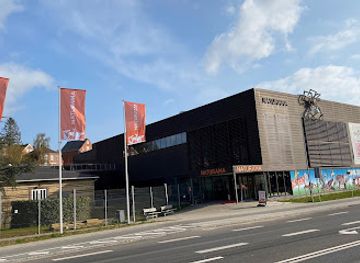
Naturama
A modern nature theatre in Svendborg where whales, Ice Age giants and Nordic wildlife are brought to life with dramatic light, sound and immersive storytelling.
-
Tourist attraction
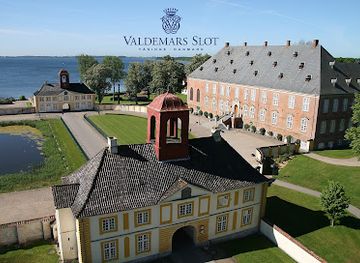
Valdemars Slot
A 17th-century royal manor turned contemporary art estate, Valdemars Slot blends grand interiors, rich history and coastal parkland on the island of Tåsinge.
Best landmarks in Langeland
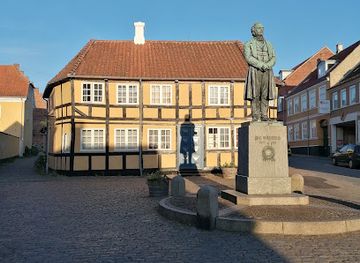
Rudkøbing's historic centre is Langeland's most recognisable urban landmark, with compact streets, older merchant houses and a harbour that reflects the town's centuries as an island market and maritime centre. Tranekær Castle is the island's defining aristocratic landmark: its medieval origins and later architectural development are tied to the Tranekær estate, whose parkland and avenues shape the surrounding landscape. At the southern end, Langelandsfort is a powerful modern landmark, with military structures that record Denmark's Cold War position beside the Baltic approaches. The island's natural landmarks are equally important. Ristinge Klint forms a prominent coastal escarpment on the west, while Dovns Klint and Gulstav Klint mark the more exposed southern landscape. Keldsnor, a coastal lagoon near the southern tip, adds a contrasting wetland setting. Hulbjerg Passage Grave and Kong Humbles Grav are smaller in scale but significant as visible evidence of prehistoric communities that occupied Langeland long before its towns and estates emerged.
-
Tourist attraction
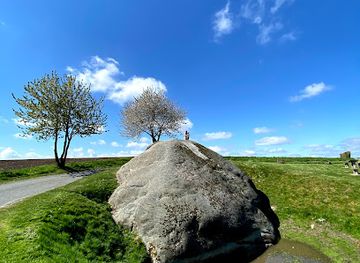
Damestenen
Denmark's colossal 1,200-tonne ice-age boulder, transported from Sweden 18,000 years ago.
-
Castle
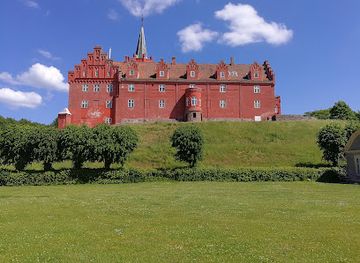
Tranekær Castle
A red-plastered island fortress turned noble family home, Tranekær Castle crowns a hat-shaped hill on Langeland, blending medieval power, romance and working estate life.
-
Tourist attraction
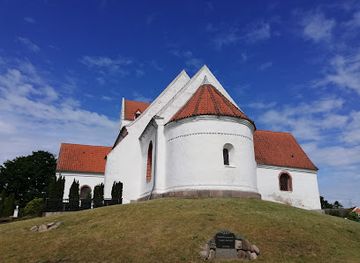
Lindelse Kirke
Langeland's longest church, a whitewashed medieval landmark with stepped gable tower and historic rectory.
-
Historical landmark
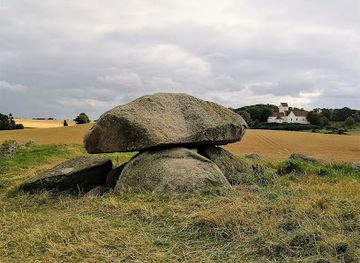
Langdyssen "Kong Humbles Grav"
A 55‑metre Stone Age long dolmen in the fields north of Humble, where legend, prehistoric engineering and soft Langeland landscapes meet in quiet simplicity.
Explore Langeland on the map
Plan your trip on one map. See where the top cities, national parks and sights are, and book hotels and experiences in a few clicks.
Best hotels in Langeland
Best restaurants in Langeland
Dining on Langeland reflects the island's farming, fishing and South Funen setting. Rudkøbing offers the broadest choice of cafés, bakeries, traditional Danish meals and contemporary cooking, while Bagenkop and other harbour settlements provide opportunities for fish, seafood and relaxed seasonal dining. Rural inns and village eateries tend to favour familiar Danish dishes, open sandwiches, pastries and locally sourced meat or vegetables rather than highly formal menus. Farm shops and roadside stalls are useful for island produce, including seasonal fruit, vegetables, preserves and baked goods, and may have limited opening patterns. Local menus change with the season, so autumn visitors may find more game, root vegetables and hearty dishes, while summer brings lighter fare and outdoor seating. Danish beer, coffee and soft drinks are widely available, and visitors should distinguish genuinely local products from foods that are simply part of Denmark's broader culinary tradition.
-
Family-friendly
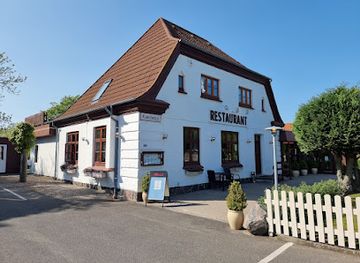
Restaurant Kædeby Cafeen
Hearty Danish classics in a former station house on south Langeland, where generous portions, cosy surroundings and a family-friendly feel anchor any island stay.
-
Restaurant
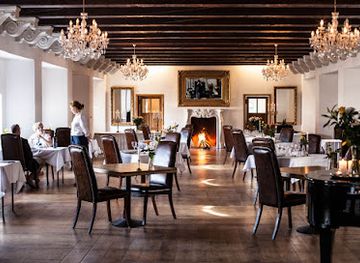
Skrøbelev Gods
A 17th‑century manor on Langeland, where candlelit dining, period‑style suites and tranquil island landscapes create an indulgent country‑house escape.
-
Restaurant
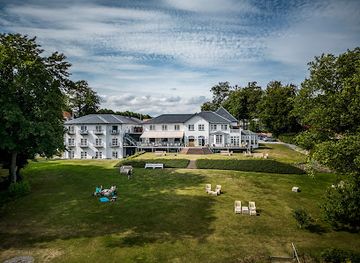
Stella Maris
Elegant waterfront hotel with gourmet dining and private bathing pier on Svendborg Sound.
-
Restaurant
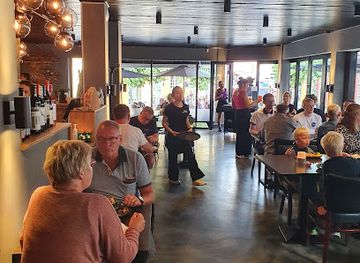
Efes Café & Restaurant
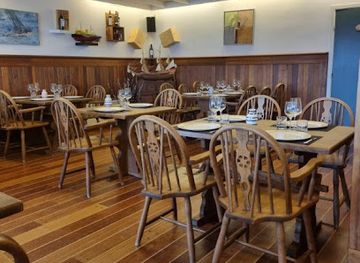
Cosy family‑run café‑restaurant in Rudkøbing’s old town, serving Turkish, Italian and Danish comfort food with a relaxed, easygoing atmosphere all year round.
Best bars in Langeland
Langeland's evening life is small-scale and spread between Rudkøbing, Bagenkop and village communities. Traditional pubs, hotel bars and cafés provide the main settings for a drink, conversation or occasional live music, while restaurants often form the centre of an evening out. Rudkøbing has the island's most consistent choice, but even there the atmosphere is more local and relaxed than metropolitan. Harbour festivals, cultural programmes and summer events can add seasonal activity, although dates and venues vary. There is no large, permanent nightclub district on Langeland, and late-night choices are limited outside the principal towns. Visitors seeking a quieter evening can make use of coastal accommodation, manor-area stays or countryside dining, taking care to arrange transport in advance because rural buses and taxis may be limited at night.
-
Bar
Dybendal
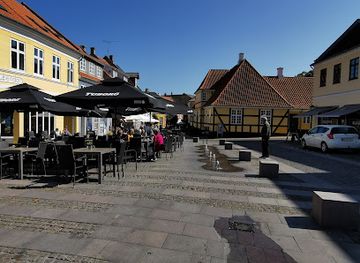
Easygoing local bar on Rudkøbing’s main square, blending billiards, darts and drinks with small‑town atmosphere and summer concerts on the cobbled Torvet.
-
Night club
Tribunen ApS
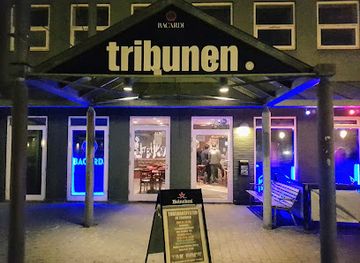
Lively music and sports bar in the heart of Haderslev, mixing big-screen football, cold beers and weekend dance-floor energy in a relaxed, down-to-earth setting.
-
Bodega
Kasket karl
A classic Rudkøbing bodega where locals gather for cold beer, warm conversation, and an authentic slice of island everyday life from morning to late evening.
-
Sports bar
Marina's Sportslounge
Laid-back village sports bar in Tranekær, mixing live matches, simple small plates and a friendly Langeland local-pub feel.
Best nightclubs in Langeland
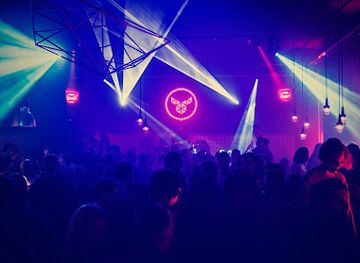
Langeland's evening life is small-scale and spread between Rudkøbing, Bagenkop and village communities. Traditional pubs, hotel bars and cafés provide the main settings for a drink, conversation or occasional live music, while restaurants often form the centre of an evening out. Rudkøbing has the island's most consistent choice, but even there the atmosphere is more local and relaxed than metropolitan. Harbour festivals, cultural programmes and summer events can add seasonal activity, although dates and venues vary. There is no large, permanent nightclub district on Langeland, and late-night choices are limited outside the principal towns. Visitors seeking a quieter evening can make use of coastal accommodation, manor-area stays or countryside dining, taking care to arrange transport in advance because rural buses and taxis may be limited at night.
-
Night club
Tucan Swinger & wellness Club
Upscale swinger and wellness retreat in rural Jutland, blending erotic nightlife, themed playrooms and spa-style relaxation for adventurous, consensual adult encounters.
-
Event venue
The slaughterhouse Nightclub & Eventhus
High-energy nightclub and industrial-chic event house in a former slaughterhouse, blending serious sound, dramatic lighting and flexible spaces in central Odense.
-
Night club
Crazy Daisy Svendborg
Svendborg's premier late-night dance venue where weekends come alive with music and energy.
-
Disco club
Dansebar Odense
Compact, high-energy nightclub in central Odense, where chart hits, colorful lights and a relaxed crowd keep the dance floor moving until the early hours.


Best shops in Langeland
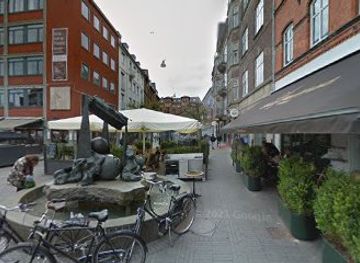
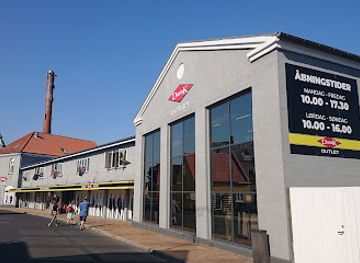
Shopping on Langeland is centred on Rudkøbing's traditional town streets, where independent shops, cafés, galleries and everyday services provide the island's broadest retail selection. Smaller settlements such as Bagenkop and Humble have a more practical, local character, while seasonal businesses near the coast cater to visitors during the warmer months. Farm shops, roadside stalls and estate-related outlets are particularly useful for regional food products, including preserves, honey, vegetables, baked goods and other provisions that travel well. Craft studios and galleries may offer ceramics, textiles, artwork, jewellery or locally designed gifts, although opening patterns can be seasonal. Markets and community events vary by date, so visitors should check locally rather than assume a particular market operates year-round. Souvenirs with a Langeland connection are more likely to be food, craft or nature-related than mass-produced beach merchandise, and the island's small scale makes browsing part of exploring its towns and rural roads.
-
Clothing store
Dansk
A contemporary clothing boutique in Rudkøbing offering wearable Scandinavian style, seasonal collections and practical wardrobe updates in a relaxed, local setting.
-
Shopping mall
Kræmmerne i Kædeby
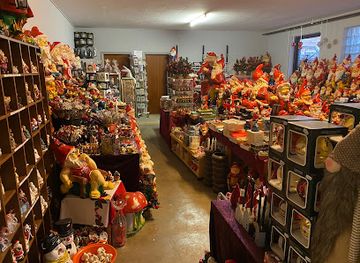
Eccentric island flea-market on Langeland, where farm buildings brim with kitsch, curios and second-hand treasures in a relaxed rural setting.
-
Men's clothing store
XL tøj - Tøj til store mænd - Shop online og fysisk
Specialist plus-size menswear store in Rudkøbing, focusing on comfortable fits, extended sizes and practical everyday styles for big and tall men.
-
Clothing store
Pigekammeret v/Birgitte Nygaard Jensen
A cosy Rudkøbing boutique where Scandinavian-style gifts, home comforts and gourmet treats come together in one lovingly curated island shop.
Get your free copy of our complete guide to Langeland, delivered straight to you.
Everything on this page, from attractions and restaurants to essentials and local phrases, in one PDF you can read offline, print or share.
Already have an account? Sign in
Your Langeland guide is ready.
We'll send it to · Not you? Sign out

Getting your guide ready…
We are putting together a fresh copy of the Langeland guide. This can take up to a minute.
This can take a few moments. If your browser asks, choose Allow so the download can start. You'll find the guide in your Downloads folder.
Nothing happened? Download it again
Sorry, the guide is taking longer than usual. Please try again in a minute, or get it by email instead.
Langeland essentials
Currency and Payment
Safety
Emergency Situations
Do's and Don'ts
Local Tips
From Eve
Local phrases worth knowing
You don't need to get them perfect. A few words go a long way, and locals appreciate the effort.
Basics
| English | Local | Say it |
|---|---|---|
| Hello | Hej | [hay] |
| Goodbye | Farvel | [fah-vel] |
| Yes | Ja | [yah] |
| No | Nej | [nai] |
| Please/You're welcome | Venligst/Det var så lidt | [ven-list/deh var so lit] |
| Thank you | Tak | [tahk] |
| Excuse me/Sorry | Undskyld | [oon-skuld] |
| How are you? | Hvordan har du det? | [vor-den har do deh] |
| Fine. And you? | Fint. Og du? | [feent. oh doo] |
| Do you speak English? | Taler du engelsk? | [tay-ler doo engelsk] |
| I don't understand | Jeg forstår ikke | [yai for-stor ik-ke] |
Eating & Drinking
| English | Local | Say it |
|---|---|---|
| I'd like to see the menu, please | Jeg vil gerne se menuen, tak | [yai vil ger-ne seh me-nu-en, tahk] |
| I don't eat meat | Jeg spiser ikke kød | [yai spee-ser ik-ke kuhth] |
| Cheers! | Skål! | [skawl] |
| I would like to pay, please | Jeg vil gerne betale, tak | [yai vil ger-ne be-ta-le, tahk] |
Emergencies
| English | Local | Say it |
|---|---|---|
| Help! | Hjælp! | [yelp] |
| Go away! | Gå væk! | [gaw vek] |
| Call the Police! | Ring til politiet! | [ring til po-li-tiet] |
| Call a doctor! | Ring efter en læge! | [ring ef-ter en lay-eh] |
| I'm lost | Jeg er faret vild | [yai air fah-ret vil] |
| I'm ill | Jeg er syg | [yai air soo] |
Shopping
| English | Local | Say it |
|---|---|---|
| I'd like to buy... | Jeg vil gerne købe... | [yai vil ger-ne ku-beh] |
| I'm just looking | Jeg kigger bare | [yai kee-ger bar-eh] |
| How much is it? | Hvor meget koster det? | [vor mai-tel kos-ter deh] |
| That's too expensive | Det er for dyrt | [deh air for dyert] |
| Can you lower the price? | Kan du sænke prisen? | [kan doo sen-keh pree-sen] |
Time & Numbers
| English | Local | Say it |
|---|---|---|
| What time is it? | Hvad tid er det? | [vath teed air deh] |
| It's one o'clock | Klokken er et | [klok-en air et] |
| Half past (10) | Halv ti | [halv tee] |
| Morning | Morgen | [mor-en] |
| Afternoon | Eftermiddag | [ef-ter-mi-dag] |
| Evening | Aften | [af-ten] |
| Yesterday | I går | [ee gor] |
| Today | I dag | [ee day] |
| Tomorrow | I morgen | [ee mor-en] |
| 1 | 1 | [en] |
| 2 | 2 | [to] |
| 3 | 3 | [tre] |
| 4 | 4 | [fire] |
| 5 | 5 | [fem] |
| 6 | 6 | [seks] |
| 7 | 7 | [syv] |
| 8 | 8 | [otte] |
| 9 | 9 | [ni] |
| 10 | 10 | [ti] |
Transport & Directions
| English | Local | Say it |
|---|---|---|
| Where's a/the...? | Hvor er en/den...? | [vor air en/den] |
| What's the address? | Hvad er adressen? | [vath air ad-res-sen] |
| Can you show me (on the map)? | Kan du vise mig (på kortet)? | [kan doo vee-seh mai (poh kor-tet)] |
| When's the next (bus)? | Hvornår går den næste (bus)? | [vor-nor gor den nes-te (bus)] |
| A ticket (to ....) | En billet (til ....) | [en bi-let (til ....)] |
History of Langeland
Stone Age settlement and passage graves
Langeland has been occupied since prehistoric times, and its position between the Baltic and the South Funen islands helped make it a settled maritime landscape. Neolithic farmers cleared land, cultivated crops and constructed communal monuments, leaving passage graves and other traces across the island. Hulbjerg Passage Grave near Bagenkop is among the clearest surviving examples, while Kong Humbles Grav is another important monument associated with the island's prehistoric heritage. These sites show that Langeland was not an isolated rural backwater but part of wider cultural and trading networks around the Danish archipelago.
Medieval churches, estates and Tranekær
During the Middle Ages, Langeland developed as a Danish island society of farming settlements, parish churches and coastal traffic. Tranekær became the seat of an important lordship, and its castle grew into the administrative centre of much of the island. Several village churches preserve elements of medieval building and religious life, while the settlement pattern of farms and small communities reflects centuries of agricultural organisation. The island's position between Funen, Lolland and the Baltic also gave its waters continuing importance for local transport and commerce.
Rudkøbing as a market and maritime town
Rudkøbing received market-town privileges in the medieval period and gradually became Langeland's principal commercial centre. Its harbour supported coastal trade, fishing and passenger connections with neighbouring islands, while merchants and craftsmen established the streets and houses that still define parts of the old town. Rudkøbing's maritime importance was regional rather than that of a major international port, but its position made it an essential link between island communities. The historic centre and harbour remain a visible record of this long relationship with trade and navigation.
Agricultural estates and changing land use
For centuries, Langeland's economy was dominated by agriculture, organised through both independent farms and large estates such as Tranekær and Skovsgaard. Land ownership, tenancy and later agricultural reforms shaped the island's fields, avenues, woods and villages. During the nineteenth and twentieth centuries, improved roads, mechanisation and changing farming practices altered rural life, although manor landscapes and working farms remain prominent. The survival of estate buildings, historic parkland and agricultural museums allows visitors to see how land management influenced Langeland's appearance and social structure.
Ferries, bridges and island connections
Langeland's modern history has been strongly influenced by transport links across the surrounding waters. Ferries connected Rudkøbing, Spodsbjerg and smaller island communities with Funen and Lolland, carrying people, goods and agricultural produce. The opening of bridge links through Siø and Tåsinge improved road access to Funen and reduced dependence on the northern ferry route, while the Spodsbjerg–Tårs crossing remains an important connection with Lolland. These changes brought greater mobility but also altered the role of the traditional harbour towns.
Langelandsfort and the Cold War
Langelandsfort was established in the early 1950s near Bagenkop as part of Denmark's coastal defence during the Cold War. Its guns and surveillance functions were directed towards the Baltic approaches, where military planners monitored movement through strategically important waters. The fortress operated until the 1990s and has since been preserved as a museum and historical site. Its bunkers, military equipment and exhibitions place Langeland within the wider security history of post-war Europe and demonstrate how an apparently peaceful agricultural island occupied a sensitive position on Denmark's southern frontier.
Late twentieth-century rural and cultural renewal
As traditional farming and ferry-based employment changed, Langeland increasingly developed a mixed economy involving tourism, culture, conservation, small businesses and seasonal visitors. Historic estates, coastal landscapes and village environments became assets for museums, walking, cycling and nature-based travel. Projects such as the interpretation of Skovsgaard's landscape and the conservation of the southern nature areas reflect a broader Danish interest in safeguarding rural heritage while adapting it for contemporary use. The result is an island where working agriculture, local communities and visitor activity continue to coexist.
Langeland in Photos
Browse through our photo collection highlighting the charm and character of the destination.
Neighbouring regions of Langeland
The closest regions to Langeland, if you have time for more than one.
-

-

-
-

-


Swipe for more regions
Explore more

Explore more of Denmark
Discover Denmark: A perfect blend of history, modern design, and the cozy concept of hygge. Explore vibrant cities, serene landscapes, and world-class cuisine.
Explore Denmark