Skejten, Lolland Falster Travel Guide
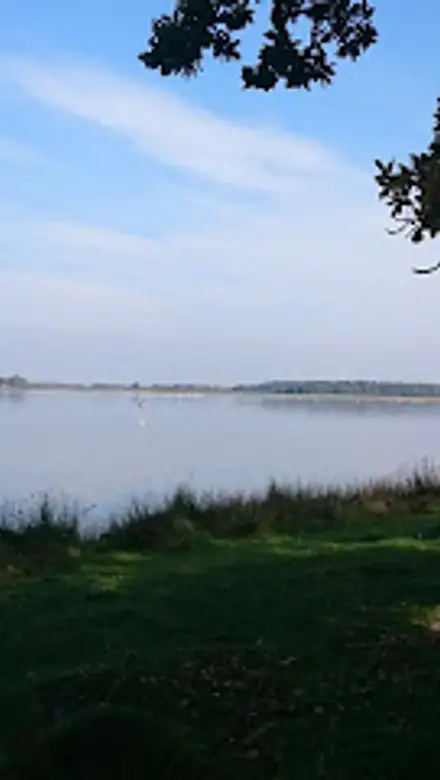
Untamed meadows, ice-age boulders and ancient oaks linking Fuglsang’s manicured park to the wide, wind-brushed waters of Guldborgsund on Lolland’s quiet shore.
Skejten is a wild, low-lying nature reserve on Lolland’s eastern shore, stretching from the historic Fuglsang Manor park down to Guldborgsund. Never cultivated, these open meadows, ice-age boulders and gnarled old oaks form a rare, semi-wild landscape that feels both rugged and poetic. Well-marked walking routes, big skies and rich birdlife make it an atmospheric stop for quiet hikes, nature photography and unhurried contemplation.
A brief summary to Skejten
- Nystedvej 73, Guldborgsund Municipality, Toreby L, 4891, DK
- Duration: 1 to 3 hours
- Free
-
 Outdoor
- Mobile reception: 4 out of 5

Know before you go
Hi, I'm Eve. Here are a few practical things to know before exploring Skejten.
- Wear waterproof hiking boots; the meadow can be muddy and waterlogged, especially after rain or in spring and autumn.
- Bring binoculars or a zoom lens to enjoy birdlife over the meadows and Guldborgsund without disturbing wildlife.
- Combine your walk with time in Fuglsang Park and the Fuglsang Art Museum for both outdoor and indoor views of Skejten.
- Pack windproof layers; the open, coastal setting often feels cooler and breezier than nearby towns.
- In summer, consider insect repellent for calm evenings when midges and mosquitoes are more active near damp ground.
Do you manage this location?
Take control to get all the benefits, like improved information, better appearance, and stronger visibility across AI-powered discovery. Learn more about listing your business on Evendo
Activate your presenceOther nearby places you may find interesting
The closest places of the same kind, if this one is not quite what you had in mind.
Explore Skejten on the Map
A handpicked selection of must-see spots near Skejten, mapped for you.
Getting There
-
Car from Nykøbing Falster
From central Nykøbing Falster, driving to Nystedvej 73 near Fuglsang takes about 15–20 minutes via main regional roads. The route is straightforward and signposted toward Toreby and Fuglsang. Parking is typically available near the manor and park area, free of charge, with a short walk on paths leading into Skejten. This option suits most visitors, but note that narrow rural roads can be dark after sunset in winter.
-
Regional bus plus short walk
Regional buses run between Nykøbing Falster and stops along Nystedvej in the Toreby area, usually taking around 20–30 minutes depending on service and time of day. A standard adult ticket on local buses in Region Sjælland generally costs in the range of 20–40 DKK one way. From the nearest stop, expect a 10–20 minute walk on paved and park paths to reach Fuglsang Park and on towards Skejten. Check current timetables in advance, especially on weekends and public holidays when frequency is reduced.
-
Cycling from nearby towns
Cycling from Nykøbing Falster or Toreby village to Skejten is a pleasant option in mild weather, taking roughly 25–40 minutes from Nykøbing and about 15–20 minutes from Toreby. Roads in the area are mostly quiet country routes, sometimes without separate bike lanes, so basic traffic awareness is needed. There is no fee for access, and you can leave your bike at the edge of Fuglsang Park before continuing on foot into the meadow, where surfaces become uneven and occasionally muddy.
For the on-the-go comforts that matter to you
-
 Restrooms
-
 Drink Options
-
 Drinking Water
-
 Food Options
-
 Seating Areas
-
 Picnic Areas
-
 Trash Bins
-
 Information Boards
-
 Visitor Center
Discover more about Skejten
A Wild Meadow Between Manor and Sea
Skejten is a broad, flat sweep of meadowland unfurling from the manicured grounds of Fuglsang Manor to the calm waters of Guldborgsund. Here, the orderly lines of the estate park dissolve into a more elemental landscape of rough grass, scattered trees and distant water. With no buildings, roads or cultivation cutting through, the area feels unexpectedly remote, despite lying in the heart of Guldborgsund Municipality.The sense of openness is striking. The sky dominates, weather rolls in unhindered from the sound, and the horizon is defined by low reed beds and the silhouettes of old oaks. On clear days you glimpse the opposite coast, yet the foreground remains resolutely untamed.Shaped by Ice and Time
Skejten owes much of its character to the last Ice Age. As the ice retreated more than 10,000 years ago, it left behind huge erratic boulders and a softly undulating terrain that still structure the meadow. Today, these scattered rocks punctuate the grasslands like natural sculptures, inviting pauses along the walking paths.Because the area has never been ploughed or drained on an industrial scale, its soils and microhabitats have developed largely on nature’s terms. This has allowed a variety of moisture-loving plants, insects and ground-nesting birds to thrive, creating a subtle but rich mosaic of life that rewards patient observation more than spectacle.Ancient Oaks and Living Edges
One of Skejten’s most memorable features is its stand of thick, old oak trees. Their heavy trunks and twisted branches anchor the meadow, casting deep shadows that contrast with the exposed, wind-brushed grassland. In places they form loose lines and clumps, hinting at former field boundaries or grazing patterns now softened by time.Along the outer edges, wet hollows, reeds and occasional willow scrub create gentle transitions between dry paths and marshy ground. Depending on the season, you may notice orchids, sedges or carpets of wildflowers, while overhead larks, geese and waders animate the sky and shoreline.A Landscape Made for Walking
Skejten is best experienced on foot. A network of informal and marked trails crosses the meadow, with routes ranging from short strolls to longer loops linking back into Fuglsang Park. Underfoot, conditions can vary from firm grass to soft, muddy patches, particularly after rain, so sturdy footwear is essential.There are no intrusive facilities in the core of the reserve, which keeps the atmosphere quiet and contemplative. You move through open air and changing light, with only the wind, birds and distant rustle of reeds for company. The simplicity of the experience is a large part of its appeal.Fuglsang Connections and Artistic Views
Skejten’s relationship with Fuglsang is central to its identity. From the manicured manor gardens, paths lead gradually into wilder terrain, offering a tangible journey from culture to nature. The contrast between clipped lawns, reflective garden lakes and the rough meadow beyond is especially striking.Inside the nearby Fuglsang Art Museum, a large observation room frames Skejten like a living painting. Here, you can watch weather and seasons transform the meadow in silence, appreciating the same interplay of light, land and sky that has inspired artists and landscape enthusiasts for generations.Seasons, Weather and Atmosphere
Skejten changes character with the year. Spring brings returning birds and fresh green grasses, summer offers long, luminous evenings and buzzing insect life, while autumn and winter reveal the bare bones of the landscape, with etched oak silhouettes and horizontal bands of grey sea and sky.Wind is a frequent companion; even on mild days the meadow can feel exposed, so layers and windproof clothing are wise outside high summer. In wet periods the ground becomes soft and spongy, further enhancing the sense that this is a place where natural forces set the rules and visitors are simply respectful guests.












Your all‑in‑one travel companion app
Explore expert travel guides, compare and book tours, experiences, hotels, and more—all from the palm of your hand. Download now for seamless trip planning wherever your wanderlust takes you.


Explore More of Lolland Falster
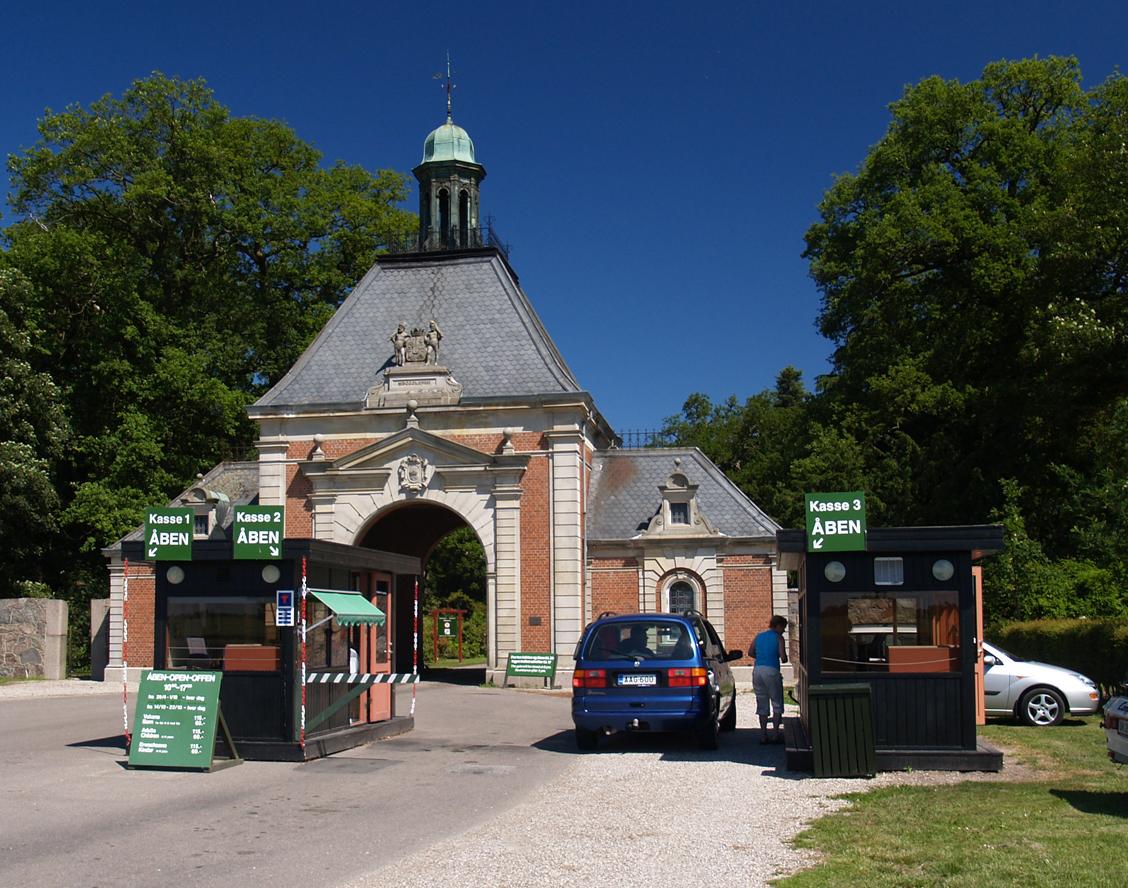
Looking beyond Skejten? Discover Lolland Falster for broader travel guides, local hot-spots, and regional highlights.
Explore Lolland Falster
A compact former fire station packed with classic red engines, rescue gear and three quirky sister museums, offering a vivid glimpse of everyday history in Nykøbing Falster.

A flat, wind-brushed meadow between Fuglsang Park and Guldborgsund, where Ice Age boulders, old oaks and quiet wildlife create a rare pocket of untamed Danish nature.