Torvekonen Fountain, Hobro
A modest bronze market woman and fountain on Hobro’s main square, Torvekonen quietly celebrates the town’s trading roots and everyday life at Store Torv.
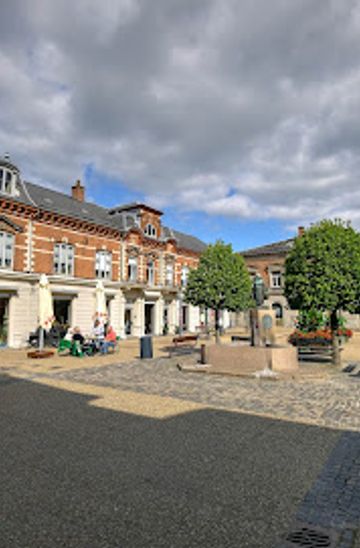
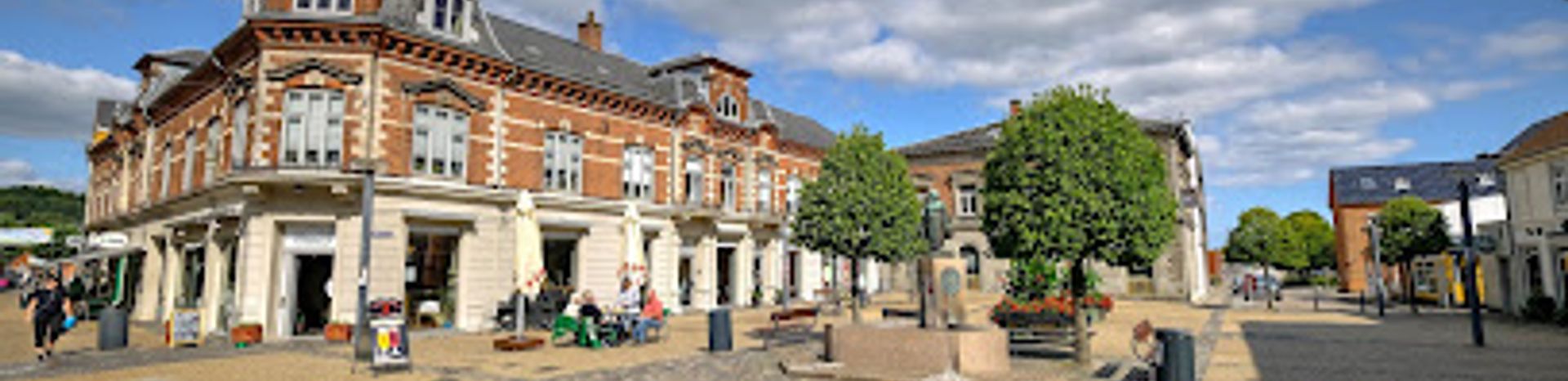
Torvekonen is a charming bronze fountain sculpture on Store Torv in Hobro, depicting a traditional market woman at her well. Created in 1951 by Danish sculptor Adam Fischer, it anchors the town’s main square and pays tribute to Hobro’s history as a market town. Surrounded by shops, cafes and everyday life, the fountain is both a small piece of public art and a nostalgic symbol of local trading traditions, making it a pleasant cultural pause during a stroll through central Hobro.
A brief summary to Torvekonen
- Hobro, 9500, DK
- Duration: 0.25 to 0.5 hours
- Free
-
 Outdoor
- Mobile reception: 4 out of 5

Know before you go
Hi, I'm Eve. Here are a few practical things to know before exploring Torvekonen.
- Plan Torvekonen as a short stop on a walking circuit that also includes Hobro Church, Hobro Museum and the nearby library for a fuller sense of the town.
- Bring a camera; the sculpture and fountain combine well with the surrounding facades for simple but effective street and detail photos.
- Use the benches and low walls around Store Torv to sit for a few minutes and watch everyday life move around the market woman statue.
Do you manage this location?
Take control to get all the benefits, like improved information, better appearance, and stronger visibility across AI-powered discovery. Learn more
Activate your presence
Getting There
-
Train and walking from Hobro Station
From within North Jutland, travel by regional or InterCity train to Hobro Station, which sits on the Randers–Aalborg line with frequent services from Aarhus and Aalborg in about 45–60 minutes. A standard adult ticket on this stretch typically costs around 80–130 DKK depending on distance and fare type. From Hobro Station, it is an easy 10–15 minute walk on mostly level pavements to Store Torv where Torvekonen stands. The route is suitable for most visitors, though some cobblestones near the square can be uneven.
-
Regional bus to Hobro town centre
Several regional bus routes connect nearby towns in the Mariagerfjord area with Hobro’s central stops, generally taking 20–45 minutes from smaller surrounding communities. Single tickets usually fall in the 30–60 DKK range depending on zones. Buses stop within a short walk of Store Torv, making Torvekonen straightforward to reach without a car. Services run more frequently on weekdays than evenings and weekends, so check the timetable in advance, and be prepared for short waits at smaller rural stops.
-
Car access to central Hobro
If you are driving within Jutland, plan on 50–70 minutes from Aalborg or Aarhus via main roads. Public parking areas are available within walking distance of Hobro’s centre, some with time limits and others pay-and-display; expect typical town parking rates around 10–20 DKK per hour where fees apply. From the parking areas, Torvekonen on Store Torv is reached on foot in roughly 5–10 minutes along town streets. The final approach includes some cobbled sections that may be less comfortable for wheelchairs or strollers.
For the on-the-go comforts that matter to you
-
 Restrooms
-
 Drink Options
-
 Drinking Water
-
 Food Options
-
 Seating Areas
-
 Trash Bins
-
 Information Boards
Discover more about Torvekonen
A market woman at the heart of Hobro
Torvekonen is a modest yet characterful fountain and sculpture on Store Torv, Hobro’s main square. Here a bronze market woman stands by a well, frozen mid-task in a scene that once unfolded across many Danish town squares. The work captures a simple everyday moment, but it quietly reflects the town’s long history as a trading place at the head of Mariager Fjord.Positioned among cobbles, benches and the flow of pedestrians, Torvekonen functions as a focal point in the square. The gentle splash of water softens the urban setting, while the figure’s traditional dress and posture offer an evocative glimpse into a time when local women sold produce and fetched water here.Adam Fischer’s tribute to everyday life
The sculpture was created in 1951 by Danish sculptor Adam Fischer, known for his interest in human character and everyday subjects. Rather than heroic figures or grand monuments, he chose a market woman, emphasising the people who actually shaped Hobro’s economy and social life.Fischer’s style here is representational but not rigid. The folds of the woman’s clothing and the tilt of her body toward the well feel natural, almost mid-conversation. Up close, you can study the texture of the bronze, the careful modelling of hands and face, and the way the sculpture interacts with the water in the basin below.Store Torv as a living backdrop
Store Torv is a compact town square framed by shops, services and nearby cultural institutions such as Hobro Library and the local cinema. Torvekonen sits where people naturally pass through: students cutting across the square, families running errands, and locals pausing for a chat. In this setting, the fountain acts as a casual meeting point as much as an artwork.Because the square is fairly small, Torvekonen feels approachable rather than distant. You can easily walk all the way around the sculpture, noticing how the figure’s expression and stance change from different angles. The square opens onto nearby streets like Adelgade, so the fountain is also a convenient waypoint when exploring central Hobro on foot.Linking past markets to present-day Hobro
Hobro has long been a market and railway town, and Torvekonen symbolises that mercantile past in a personal way. The market woman suggests a time when goods arrived by cart or boat and were sold directly in the square. Today, the surrounding shops and modern services continue that tradition of commerce, but with a contemporary twist.The fountain also connects subtly to Hobro’s broader cultural landscape. Local beer from Bies Bryghus even carries the Torvekonen name, borrowing the sculpture’s image as a symbol of local identity. For visitors, this small artwork becomes a thread that ties together art, history, and everyday life in the town.A short, worthwhile stop on a town walk
As an attraction, Torvekonen is compact and easy to experience in a brief stop. It fits naturally into a wider walk between Hobro Church, the museum, the library and the shopping streets. On warm days, the sound of water and the open space of the square make it an inviting pause; on cooler days, the patina of the bronze and the quiet of the square emphasise its nostalgic charm.Whether you linger on a bench to people-watch or simply stop for a closer look while crossing the square, Torvekonen adds a distinctive local note to any visit to Hobro’s centre. It is not a grand monument, but a small, enduring reminder of the town’s trading roots and the people who animated its markets.Explore the best of what Torvekonen has to offer













More about Central Jutland
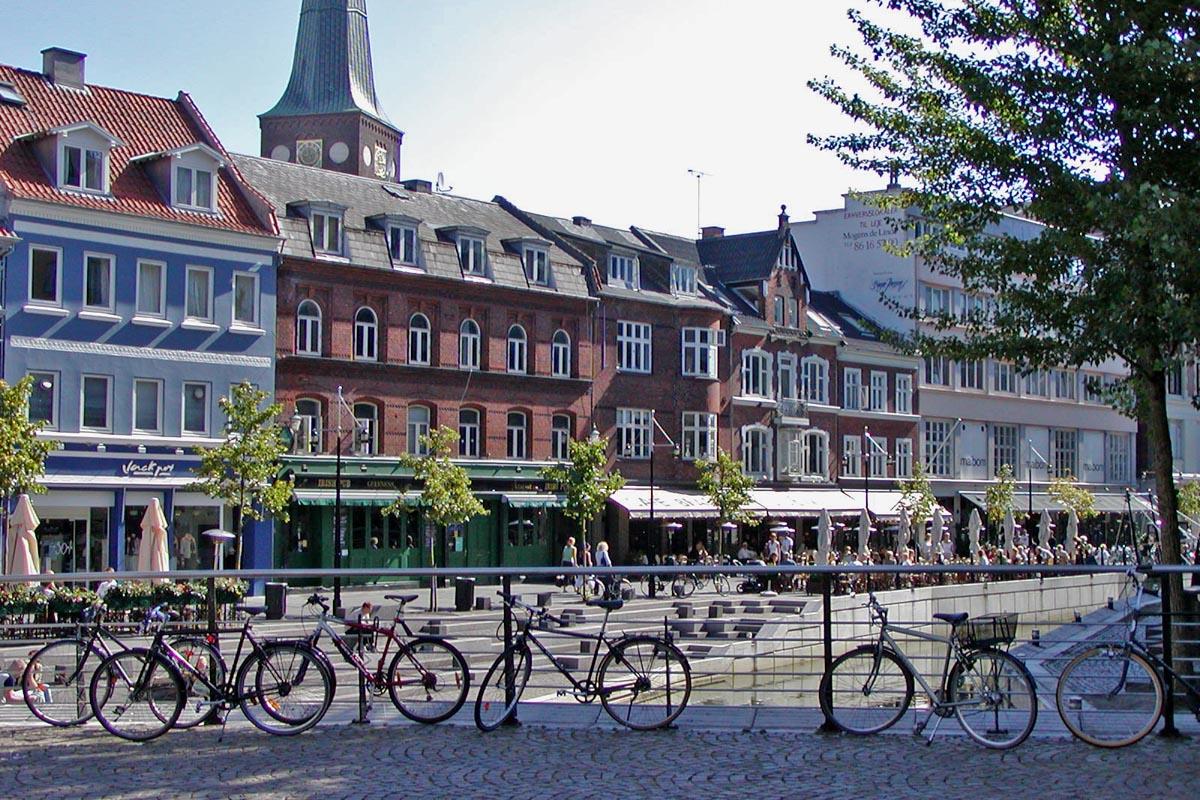
Explore Central Jutland in Denmark: A perfect blend of natural beauty, cultural heritage, and family-friendly attractions.
Tell me more about Central Jutland