
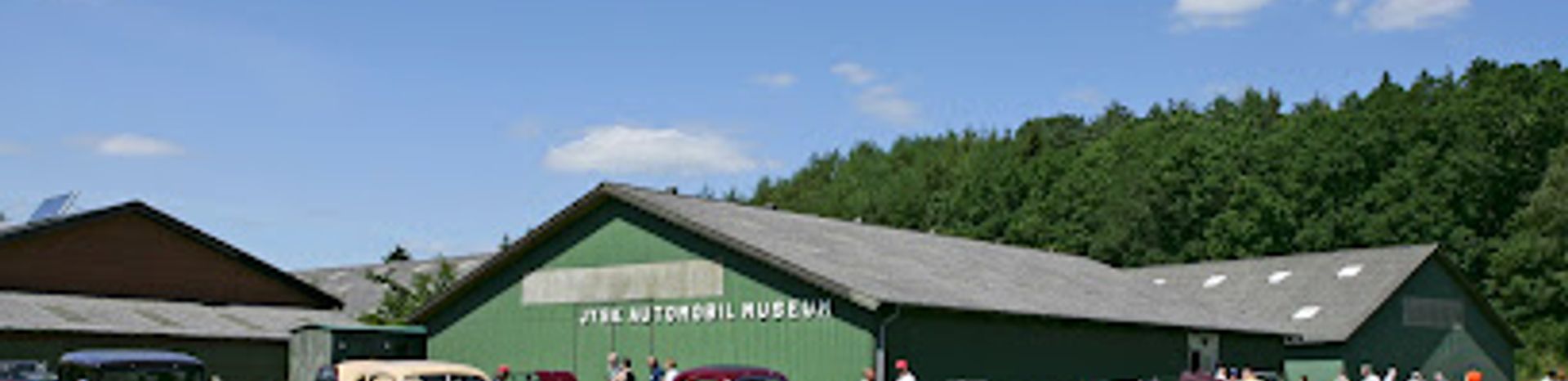
Jysk Automobilmuseum
Denmark's premier collection of pre-WWII classics and barn-find treasures, preserving a century of automotive heritage.
A premier Danish automotive museum housing 160 meticulously preserved vehicles spanning 85 manufacturers from 1900 to 1987. Located in Gjern, East Jutland, this family-run collection showcases an exceptional array of pre-WWII classics, including rare Danish marques and barn-find restorations. Founded in 1967 by mechanic Aage Louring, the museum remains a vital repository of Nordic automotive heritage, featuring everything from the Vivinus (one of Jutland's first cars) to iconic fire engines and engineering curiosities displayed across three exhibition halls.
A brief summary to Jutland's Automobile Museum
- Skovvejen 13B, Gjern, 8883, DK
- +4521372582
- Visit website
- Duration: 1.5 to 3 hours
- Budget
-
 Indoor
- Mobile reception: 4 out of 5
- Monday 10 am-4 pm
- Tuesday 10 am-4 pm
- Wednesday 10 am-4 pm
- Thursday 10 am-4 pm
- Friday 10 am-4 pm
- Saturday 10 am-4 pm
- Sunday 10 am-4 pm
Local tips
- Visit on weekday mornings to experience the museum with minimal crowds, allowing unhurried study of the vehicles and better photography opportunities without other visitors in frame.
- Allocate at least 2 hours for your visit if you have genuine interest in automotive history; rushing through diminishes appreciation of the engineering details and mechanical innovations on display.
- Bring a camera or smartphone for documentation; photography for personal use is permitted and the collection offers numerous compelling subjects across all three exhibition halls.
- Pack your own refreshments, as the museum has no café or food facilities; nearby Gjern offers limited dining options, so planning ahead ensures a comfortable visit.
- Check the museum's website or contact them directly before visiting to confirm current opening hours, as seasonal variations and occasional special events may affect standard schedules.

For the on-the-go comforts that matter to you
- Restrooms
- Information Boards
Getting There
-
By Car
From Silkeborg town center, drive approximately 15–20 minutes south on Route 16 toward Gjern. The museum is located at Skovvejen 13B in central Gjern, well-signposted from the main road. Ample free parking is available on-site. GPS navigation using the address or museum name will lead you directly to the entrance. This is the most practical option for visitors without local knowledge.
-
Regional Bus Service
Local bus routes connect Silkeborg and surrounding towns to Gjern, with journey times of 20–35 minutes depending on the specific route and number of stops. Services run several times daily but with reduced frequency on weekends. Check the Midtjylland regional transport website for current timetables and route numbers before traveling, as schedules vary seasonally.
-
Bicycle
Gjern is accessible by bicycle from Silkeborg and nearby towns via regional cycling routes, with a journey of approximately 45–60 minutes from Silkeborg depending on your starting point. The terrain is relatively flat and suitable for casual cycling. Bike rental is available in Silkeborg if you do not have your own bicycle.
-
Taxi or Ride-Share
Taxi services and ride-sharing applications operate in the Silkeborg region, with typical fares from Silkeborg to Gjern ranging from 200–350 Danish kroner depending on exact pickup location and time of day. Journey time is approximately 15–20 minutes. This option offers convenience if you prefer not to drive or navigate independently.
Jutland's Automobile Museum location weather suitability
-
 Any Weather
Discover more about Jutland's Automobile Museum
A Living Archive of Nordic Automotive Heritage
Jysk Automobilmuseum stands as one of Denmark's most significant repositories of automotive history, housing 160 carefully curated vehicles representing 85 different manufacturers spanning nearly a century of motoring evolution. Founded in 1967 by mechanic and collector Aage Louring, the museum has grown into a nationally recognized institution dedicated to preserving the mechanical and cultural legacy of the automobile. Today, under the stewardship of Louring's daughter Hanne, the collection continues to expand and evolve, attracting enthusiasts and curious travelers from across Scandinavia and beyond. The museum's strength lies in its depth of pre-WWII representation, with particular emphasis on European and American classics from the 1920s and 1930s. Among the collection's crown jewels is a Vivinus from 1900, recognized as one of Jutland's earliest automobiles, and an Adler ladder wagon from 1911 featuring innovative hydraulic-operated extending equipment that was exhibited at the 1911 Berlin World's Fair. These vehicles are not merely static displays but carefully maintained mechanical specimens that speak to the ingenuity and craftsmanship of early automotive design.The Barn Find Phenomenon and Unrestored Authenticity
Unlike many polished automotive museums, Jysk Automobilmuseum embraces the aesthetic and historical value of unrestored barn finds. The second exhibition hall is dedicated to vehicles discovered in original, weathered condition—predominantly American models from the Prohibition and Depression eras. These cars retain their patina, original upholstery, and mechanical quirks, offering visitors a tangible connection to the past rather than a sanitized restoration. This approach celebrates automotive archaeology, where rust and decay become markers of authenticity and time travel. The contrast between the meticulously preserved classics in the main halls and the raw, discovered-as-found vehicles creates a compelling narrative about preservation philosophy and the different ways we honor mechanical history.Engineering, Craftsmanship, and Mechanical Detail
The museum's three exhibition halls showcase far more than bodywork and paint. Cutaway transmissions, exposed chassis, and sectioned engines line the walls, revealing the mechanical complexity that early automotive engineers solved through ingenuity rather than computer simulation. Vintage enamel signs, period advertising, and automotive paraphernalia create an immersive environment that contextualizes these vehicles within their cultural moment. The collection of fire engines, resplendent in their original red livery with polished brass fittings, represents a specialized category of automotive craftsmanship often overlooked in conventional car museums. Motorcycles and motorized vehicles round out the collection, including the distinctive Nimbus from 1927, a Danish-built machine famous for its distinctive exhaust pipe design that resembles a traditional tile stove.A Personal Collection with Local Roots
What distinguishes Jysk Automobilmuseum from larger, institutionalized collections is its deeply personal character. This is not a corporate museum or a government-funded institution, but rather a family legacy rooted in genuine passion for mechanical preservation. Aage Louring's decades of collecting reflect his eye for significant examples, rare variants, and vehicles that tell stories about manufacturing, innovation, and cultural change. The museum's modest presentation—three simple halls without elaborate theming or commercial amenities—reinforces its authenticity. Visitors encounter vehicles in a straightforward, unpretentious setting where the cars themselves are the focus, not the architecture or experience design surrounding them.Seasonal Rhythms and Visitor Experience
The museum operates year-round, though opening hours reflect the Danish seasonal calendar, with extended hours during summer months when daylight permits longer visits. Most visitors allocate 1.5 to 3 hours for exploration, depending on their level of automotive enthusiasm. Photography for personal use is generally permitted, making the museum accessible to those documenting their automotive interests. The simplicity of the presentation means there are no guided tours, gift shops, or café facilities on-site, encouraging visitors to bring their own refreshments and engage directly with the collection at their own pace. This unmediated access appeals particularly to serious collectors and enthusiasts who prefer to study vehicles without commercial interruption.Significance Within Danish Cultural Memory
Jysk Automobilmuseum occupies a unique position in Danish cultural heritage. The collection represents not merely a personal hobby but a deliberate act of preservation that has protected significant examples of automotive history from scrap yards and decay. The museum's emphasis on Danish and Scandinavian vehicles, alongside international classics, ensures that the region's own manufacturing contributions—however modest—are documented and celebrated. For many Danish visitors, the museum serves as a nostalgic journey through family memory, evoking the vehicles of their grandparents' era and the roads of mid-twentieth-century Jutland.Iconic landmarks you can’t miss

Randershøj
3.0 km
A scenic hilltop viewpoint offering panoramic vistas across Denmark's lake-filled landscape and forest-covered terrain.
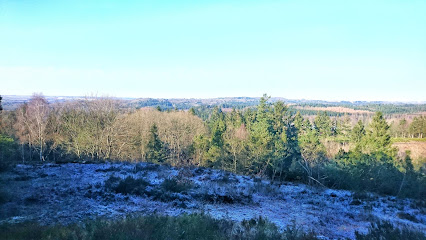
Store Troldhøj
3.2 km
A cone-shaped summit offering panoramic valley views and a climbing tree in Denmark's scenic lake district.
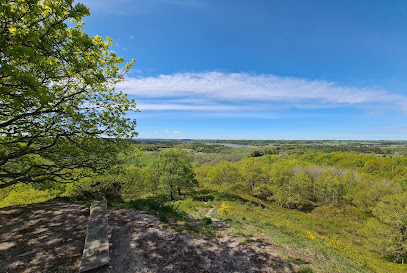
Lovisehøj
12.7 km
A 73-meter forest hill with royal heritage and sweeping views across Danish lakes and woodlands.
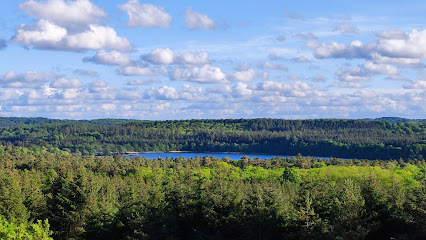
silkeborg
13.1 km
Historic 1871 railway landmark connecting Central Jutland with frequent regional services and heritage charm.
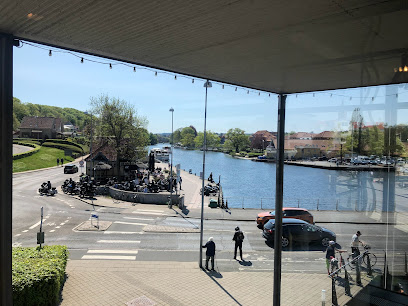
Himmelbjerget rutebåd
13.5 km
Denmark's highest point crowned by a historic tower, accessible by scenic lake cruise or forest trail.
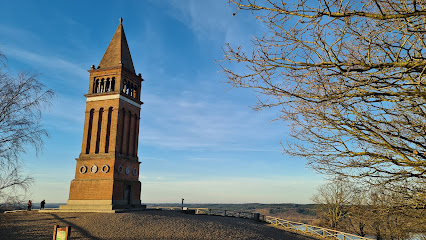
Silkeborg Water Tower
13.8 km
A heritage-listed industrial landmark symbolising Silkeborg's textile manufacturing legacy.
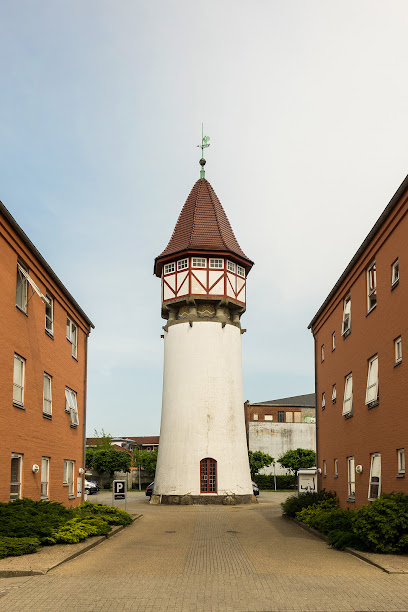
Folkemøde Mindesten anno 1839
14.1 km
Denmark's first democratic gathering, 1839—where ordinary citizens claimed their political voice.
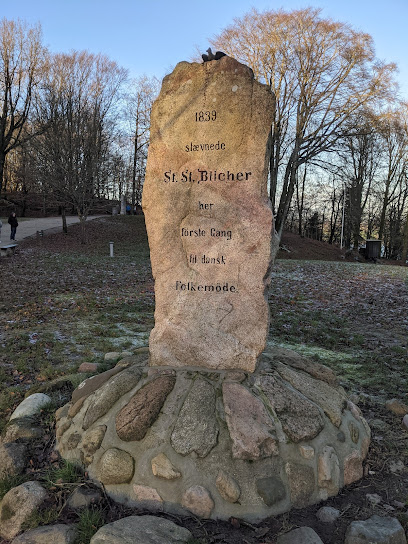
Silkeborg Vesterskov mindesten
17.0 km
A modest memorial stone in Silkeborg Vesterskov, where forest tranquillity and wartime history meet in a quiet, contemplative woodland clearing.
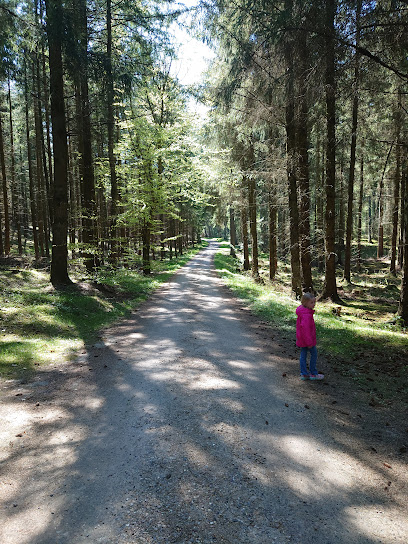
Funder Ruin
18.8 km
Experience the vibrant blend of history and modern life at Stændertorvet, Roskilde's central square.

Øm Klostermuseum
19.4 km
Discover Denmark's medieval monastic life at Øm Klostermuseum near Ry: Explore ruins, gardens, and artifacts revealing centuries of history and brewing traditions.
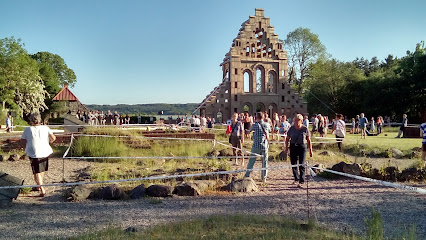
Abbey Mill
21.1 km
Explore Abbey Mill in Skanderborg: A picturesque blend of history and nature, perfect for leisurely strolls and unforgettable experiences.

Mossø
21.3 km
Discover the serene beauty of Mossø, Denmark's third-largest lake, offering hiking, watersports, and historical sites in the heart of the Danish Lake District.
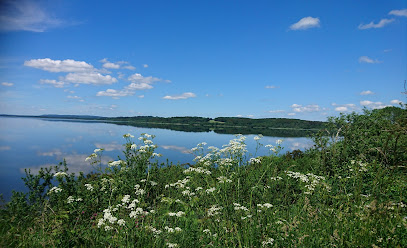
Silkeborg Rovfugleshow
22.3 km
Experience the thrill of birds of prey in action at Silkeborg Rovfugleshow, a captivating nature preserve offering breathtaking aerial displays and educational insights into the avian world.
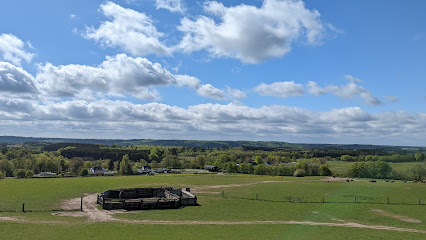
Murermester Rasmus Nielsens Mindesten
22.5 km
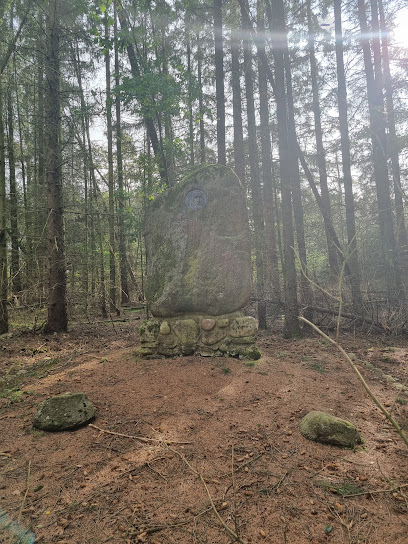
A hidden memorial stone honoring a master mason's legacy in Silkeborg's quiet forest.
Bølling Lake
23.4 km
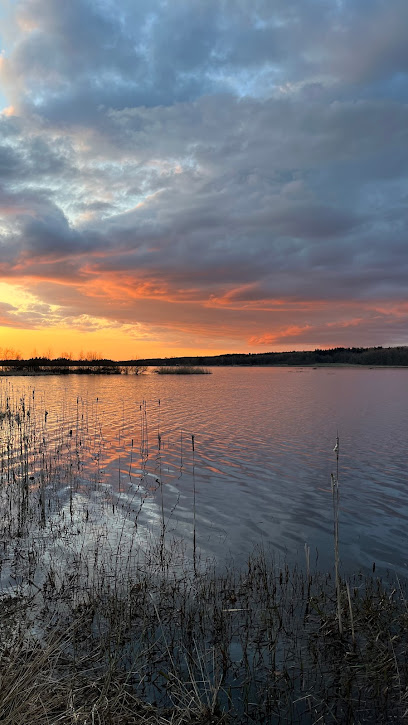
A restored glacial lake offering scenic walks, excellent fishing, and peaceful nature immersion in central Jutland.
Unmissable attractions to see

Landal Søhøjlandet
1.3 km
Family-friendly forest holiday park on a quiet Jutland plateau, blending indoor pools and activities with easy access to Denmark’s lake-district landscapes.
Befrielsessten i Resenbro
7.8 km
A leading Danish contemporary art gallery in Silkeborg, Galerie Moderne offers rotating exhibitions by top Scandinavian and international artists in a striking modernist space.
Trækstien
9.0 km
Historic towpath turned riverside hiking route, tracing the Gudenå between Silkeborg and Randers through wetlands, forests and meadows rich in quiet, watery atmosphere.
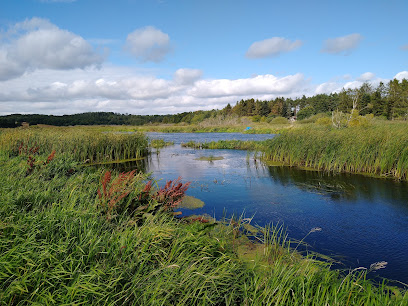
Gammelkol
11.7 km
A modest historic site folded into Silkeborg’s forests, where quiet paths, subtle landforms and shifting light reveal the long story of Denmark’s lake country.
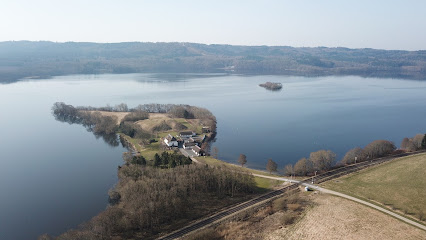
Dynæs voldsted
12.2 km
Quiet medieval castle mounds and deep ditches on a wooded peninsula in the Silkeborg Lakes, where earthworks, water and forest hint at a vanished stronghold.
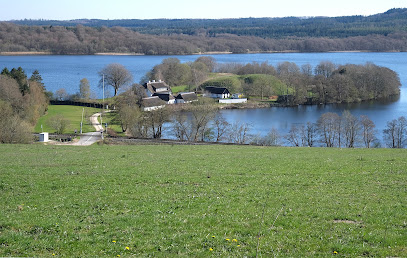
Ulvehoved
12.7 km
A gentle hilltop in Silkeborg’s Nordskov, Ulvehoved offers forest trails, soft climbs and tranquil views across Denmark’s hilly lake highlands.
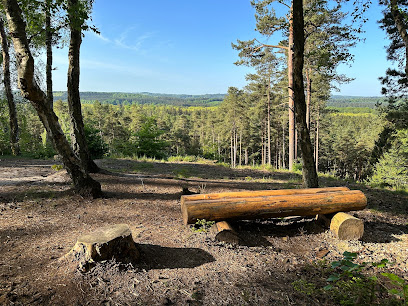
Birkehøj Silkeborg
12.8 km
A modest Silkeborg hilltop with wide woodland views, Birkehøj offers a simple, quiet pause above town for walkers, cyclists and anyone craving a breath of open sky.
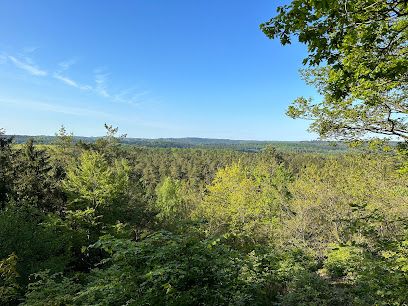
Slotsholmen
12.9 km
Experience breathtaking panoramic views over Silkeborg's heather-clad hills and serene lakes at Kongestolen, a must-visit for nature enthusiasts.
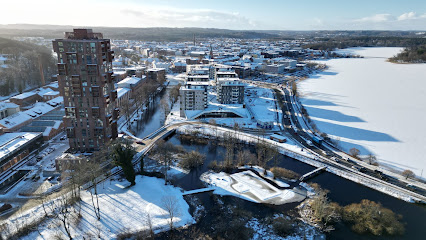
Silkeborg Søerne
12.9 km
Denmark's premier water gateway—paddle, cruise, and explore the pristine lakes of Søhøjlandet from the heart of Silkeborg.
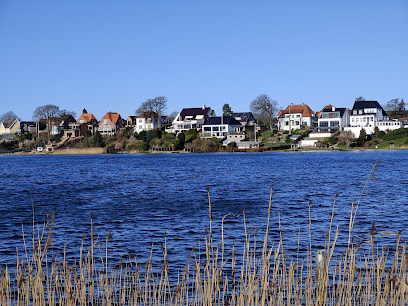
Kedelhuset
13.0 km
Intimate live music and performance venue in Silkeborg’s former paper mill boiler house, blending industrial charm with a modern black box concert hall.
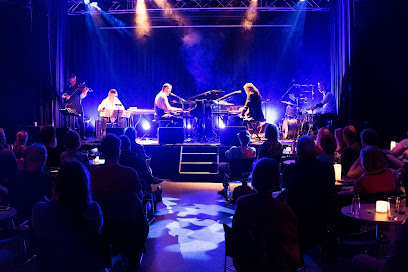
Riverboat Jazz Festival
13.0 km
Swinging jazz, riverboats and long Nordic evenings fuse in Silkeborg’s lake district for a five-day celebration where the entire town becomes a waterside stage.
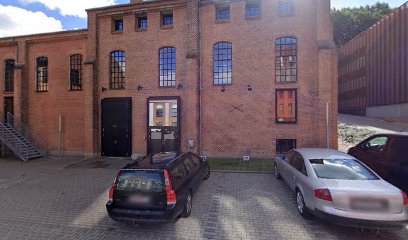
Dronningestolen
13.1 km
A modest forest hill with a royal name, Dronningestolen offers a framed Silkeborg panorama, woodland quiet and a sense of history above the lakeside town.
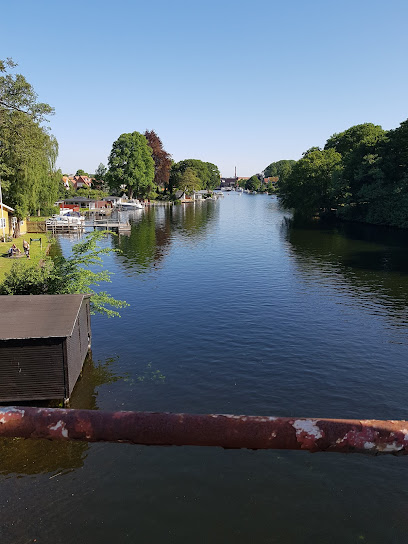
Museum Silkeborg, Papirmuseet
13.2 km
A living paper workshop in Silkeborg’s old factory, where you watch pulp become sheets, learn about banknote paper and try your hand at this quietly magical craft.

The Hjejle Agency
13.2 km
Denmark's oldest steamship still operating with its original 1861 engine, offering historic cruises through the scenic Silkeborg Lake District.
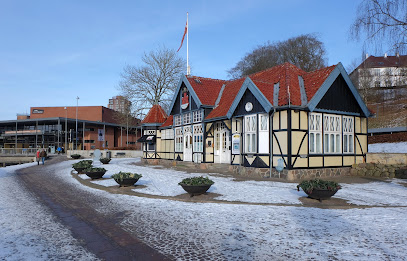
De Små Fisk
13.2 km
Lakeside lawns, calm bathing water and simple shelters make this Silkeborg green space a relaxed gateway to the forests and waterways of the Silkeborg Lakes.

Essential places to dine

Brasseriet Søhøjlandet
1.3 km
Relaxed family brasserie in the hills of Søhøjlandet, serving stone-oven pizzas, seasonal buffets, and local drinks at the heart of Landal’s holiday park.
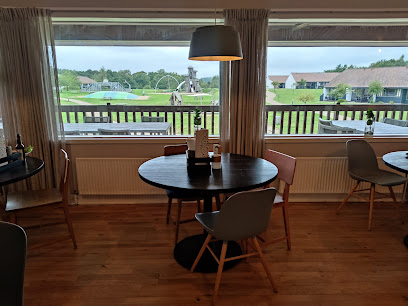
Svostrup Kro
4.6 km
Historic riverside inn on the Gudenå, where creaking floors, candlelit dining rooms and hearty Danish cuisine create a timeless countryside escape.
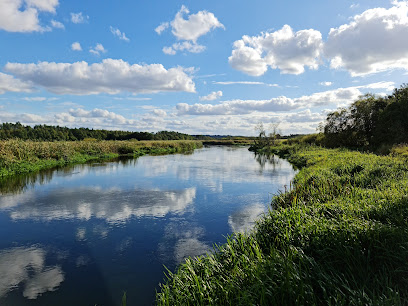
Restauranter I Silkeborg
4.6 km
Cosy countryside dining on the edge of Silkeborg, pairing classic Danish comfort food with peaceful rural scenery and a relaxed, unhurried atmosphere.
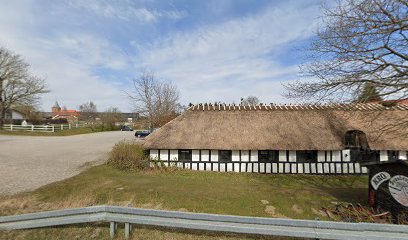
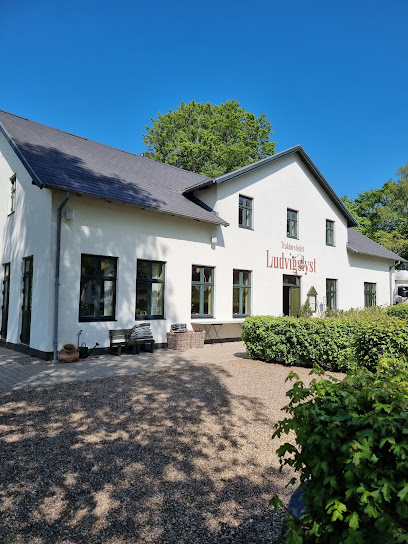
Traktørstedet Ludvigslyst
12.4 km
Organic lakeside dining in a light-filled country villa above Lake Julsø, where local ingredients, house-baked bread and garden herbs define every seasonal plate.
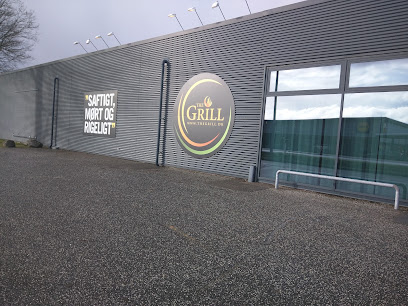
Restaurant The Grill Silkeborg
12.8 km
All-you-can-eat grill buffet with 15+ meat cuts, 50+ salads, and theatrical carving in Silkeborg.
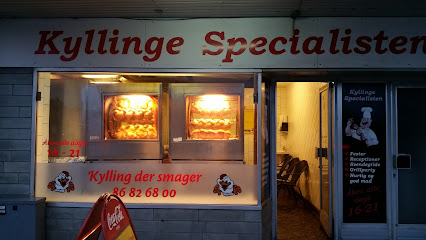
The Chicken Specialist
12.8 km
A small, central Silkeborg grillbar devoted to crispy rotisserie chicken, golden fries and budget-friendly takeaway dinners for busy locals and hungry travellers.
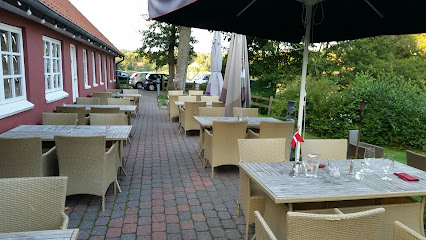
Restaurant Aalekroen
12.8 km
Classic Danish kro-style restaurant on the shores of Julsø, pairing hearty traditional dishes and fried eel with sweeping lakeside views near Silkeborg.
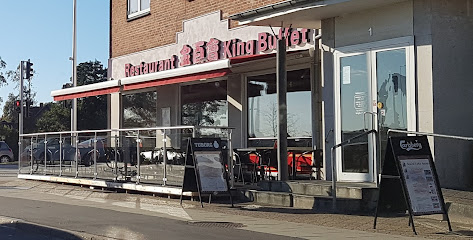
Restaurant King Buffet (Ansvej)
12.9 km
Spacious Asian buffet in Silkeborg, serving sushi, Chinese dishes and Mongolian grill in a modern, family‑friendly setting with all‑you‑can‑eat comfort.
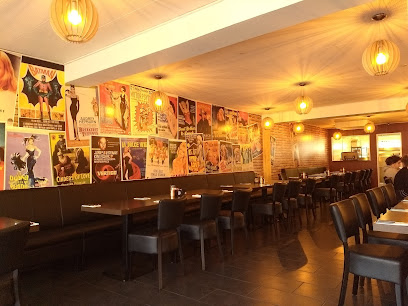
DIVA Ristorante & Pizzeria
12.9 km
Casual Italian‑style pizzas, pastas and grills in central Silkeborg, blending sit‑down dining with a busy takeaway counter and long, convenient opening hours.
Atami Sushi Restaurant - Silkeborg
12.9 km
Fresh sushi served to your table in an all-you-can-eat experience that celebrates quality, variety, and authentic Japanese flavors.
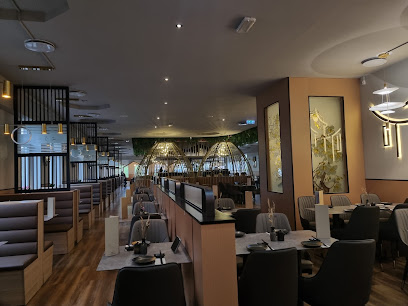
Restaurant King Buffet (Borgergade)
13.0 km
Big, bustling Asian buffet in central Silkeborg, serving sushi, Chinese classics, Mongolian grill and soft‑ice desserts at fixed prices ideal for families and groups.
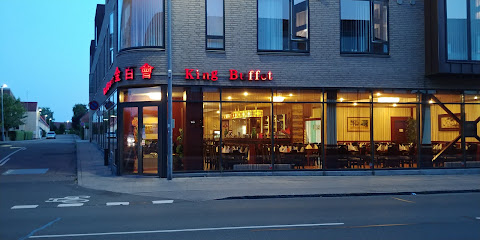
Bone's Silkeborg
13.0 km
Smoky ribs, flame-grilled steaks and family-friendly comfort food in Silkeborg’s regenerated Papirfabrikken riverside district.
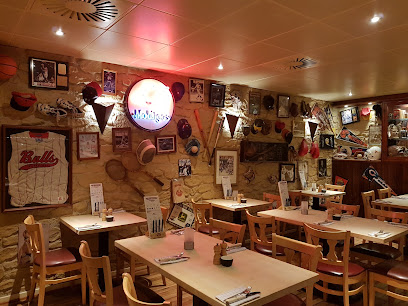
Evald - Brasserie & cafe
13.0 km
Classic French-inspired brasserie meets Danish hygge on the riverfront at Papirfabrikken, serving from morning coffee to late-night drinks with serene waterside views.
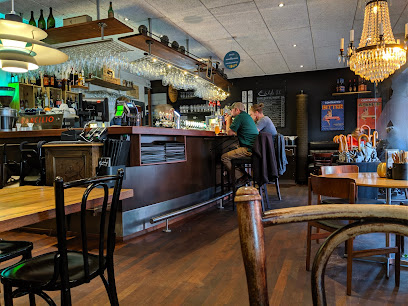
Café Kik
13.0 km
Waterfront café on the Gudenå river with quality Danish fare and scenic riverside views.
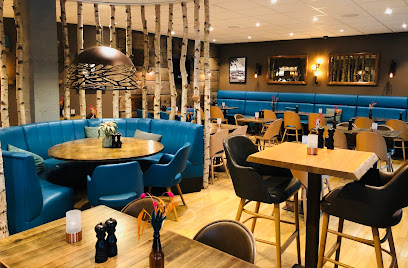
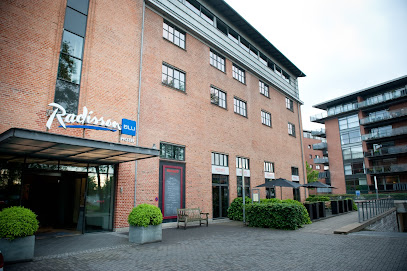
Radisson Blu Hotel Papirfabrikken, Silkeborg
13.1 km
Industrial heritage meets riverside luxury in Denmark's lake district.
Markets, malls and hidden boutiques

Malebox.dk
6.7 km
Male-focused gift shop on Nebelvej in Silkeborg, mixing practical gadgets, grooming gear and playful novelties into quick, memorable gift ideas.
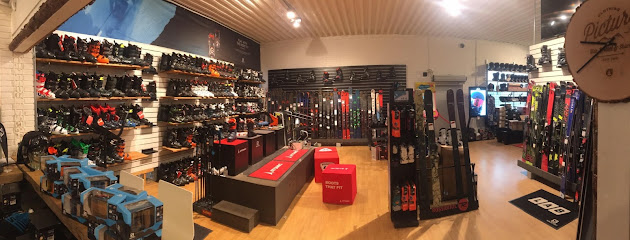
The Silkeborg Ski Shop
9.0 km
Specialist ski outfitter in Silkeborg where Scandinavian style, expert advice and quality gear come together before you head for the winter mountains.
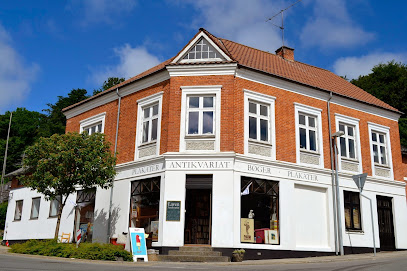
Laven Antikvariat
11.3 km
Rare books, organic coffee, and genuine warmth in a charming village shop.
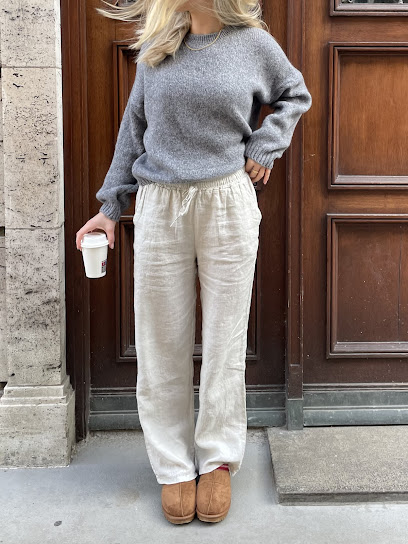
ByStenholt
11.4 km
A calm, contemporary womenswear boutique in Ry, blending Nordic style with small-town ease and serving as the local face of a modern Danish fashion webshop.
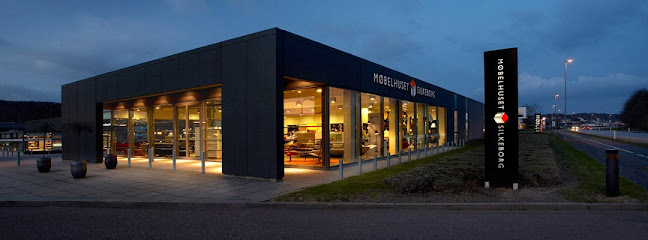
Møbelhuset Silkeborg A/S
11.9 km
Spacious Scandinavian furniture house in Silkeborg, offering curated room settings, design-led Danish brands and personal guidance for complete home interiors.
MadebyMichelle
12.7 km
Intimate Silkeborg atelier where a local designer turns Scandinavian simplicity into small-batch fashion accessories on a quiet residential street.

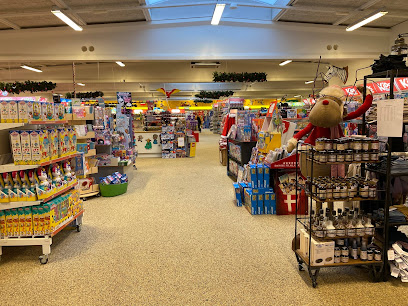
KiDS Coolshop Silkeborg
12.9 km
Big-box toy wonderland on Brokbjergvej, where Silkeborg families and visitors stock up on games, gifts and playful gear for kids of every age.
Leather by Corium
12.9 km
Boutique Nordic leather shop in Silkeborg’s Papirfabrikken district, offering timeless bags and accessories that blend Scandinavian design with everyday practicality.
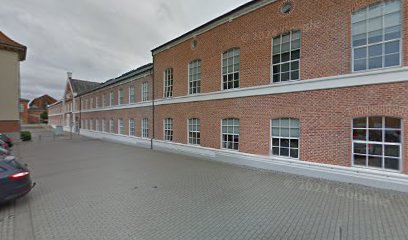
Læsehesten Silkeborg
13.1 km
A cosy Silkeborg cave of used books, comics, games and films where collectors, readers and gamers lose track of time among shelves of nostalgic finds.
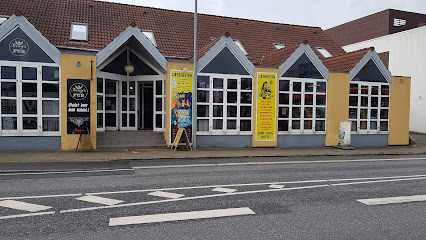
HumanAid
13.2 km
Small Silkeborg gift shop and ceramics studio turning wine, coffee and handmade gifts into tangible support for social projects far beyond Denmark.

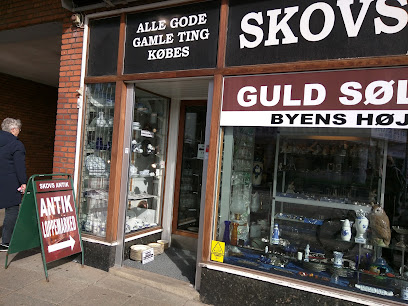
Skovs Antik - Silkeborg
13.3 km
A long‑time Silkeborg specialist in silver cutlery, vintage jewelry and classic tableware, preserving Danish craft traditions beyond the life of its physical shop.
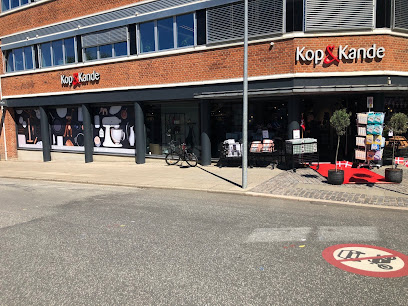
Kop & Kande Silkeborg
13.3 km
Central Silkeborg homeware and gift store offering Scandinavian-style kitchenware, tableware and classic presents in a bright, practical high-street setting.
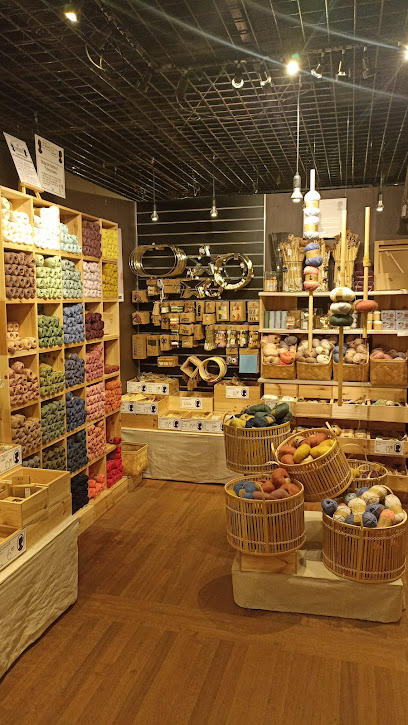
Søstrene Grene
13.4 km
Cosy Scandinavian lifestyle store on Østergade in Silkeborg, blending hygge-inspired home décor, creative supplies and playful design in a calm, maze-like setting.
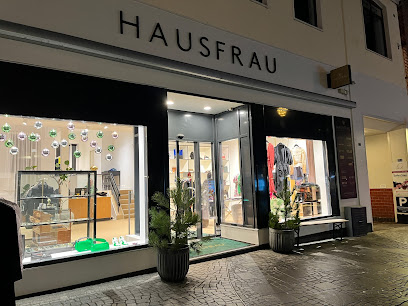
HAUS · FRAU
13.4 km
Scandinavian women’s fashion in the heart of Silkeborg, blending timeless elegance, curated designer brands and attentive, personal service on lively Østergade.
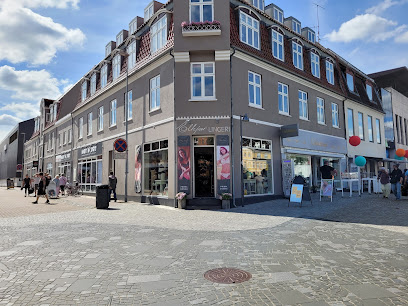
Elkjær Lingerie
13.4 km
Intimate lingerie boutique on Silkeborg’s main square, offering personal fittings, classic Scandinavian styles and a calm pause from the town centre’s everyday bustle.
Essential bars & hidden hideouts

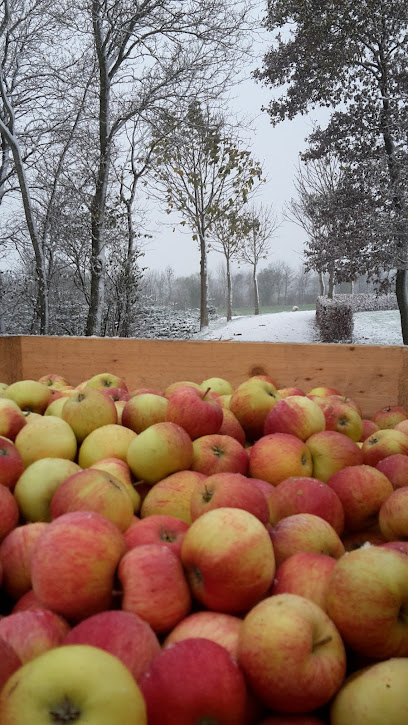
Kristinesminde
3.4 km
A rustic farm bar in rural Jutland, Kristinesminde pours handcrafted Danish ciders in a cozy, countryside setting on the edge of Fårvang.
Oldboys Mc
5.2 km
A low-key biker clubhouse bar in Fårvang, where local riders gather over beers, stories and engines in an authentic, no-frills Danish village setting.

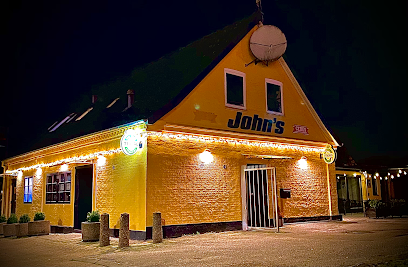
John's
8.4 km
Hammel's premier pub and nightlife destination with live music, DJ performances, and vibrant disco entertainment.
Pub North Cape v / Allan Hede
9.4 km
Unpretentious neighborhood pub in northern Silkeborg, serving inexpensive drinks, easygoing hygge and a slice of local bar life late into the evening.
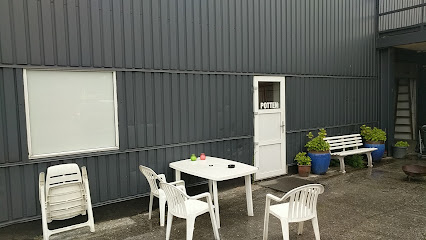
Dartklubben Potten
9.7 km
A classic Danish darts clubhouse in Låsby, where competitive heritage, cold drinks and small-town hygge come together around the oche.
Bakkens bodega
12.8 km
Unpretentious beer hall on Århusvej where locals, cold drafts and simple pub fare create a slice of everyday Silkeborg life from late morning to late evening.
The Smoke Pub
12.8 km
A classic Silkeborg bodega on Borgergade, where smoke, cold beer and easy conversation create an unpretentious local living room from late morning to late night.
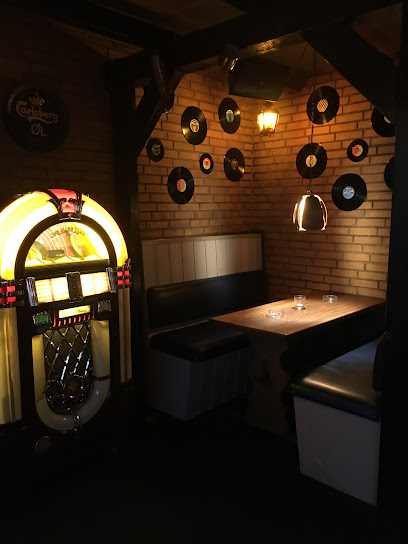
Kings Pub
13.1 km
Straightforward local bar on Borgergade in Silkeborg, serving inexpensive drinks and a relaxed, sociable pub atmosphere from daytime into late evening.
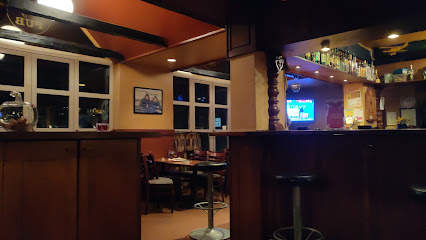
NO 21 -Tapas & vinbar i Silkeborg
13.2 km
Riverside tapas and wine bar with curated selections and panoramic river views in central Silkeborg.
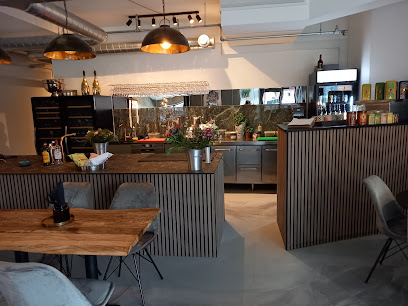
Café Kling Klang
13.6 km
Intimate, candlelit bar-café on Silkeborg’s Søndergade, blending everyday hygge, music and drinks in a laid-back neighbourhood atmosphere.
The Admiral Pub
13.6 km
Classic Danish bodega bar in central Silkeborg, serving inexpensive drinks and everyday atmosphere from quiet daytime pints to late‑night weekend sessions.
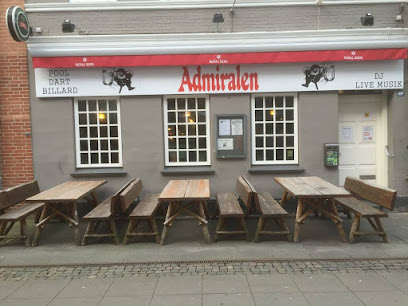
Cafe' Paradis
13.7 km
A compact, old‑school bodega in central Silkeborg, serving cold beers, local atmosphere and late‑night conversation in an unpretentious, lived‑in bar setting.
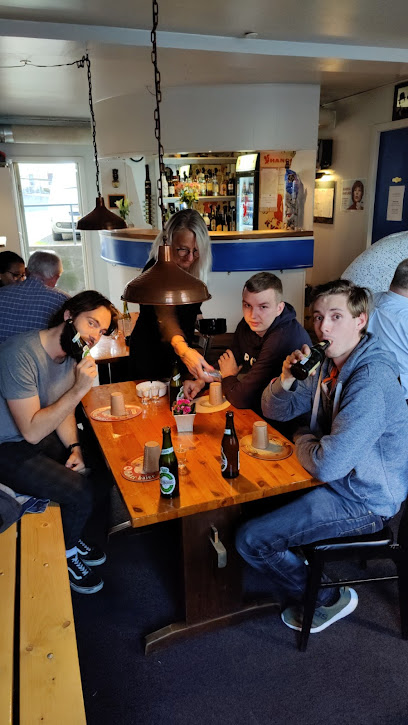
Woodys Aps
13.7 km
Experience the warm ambiance and diverse drinks at Woodys Aps, a central bar in Silkeborg.
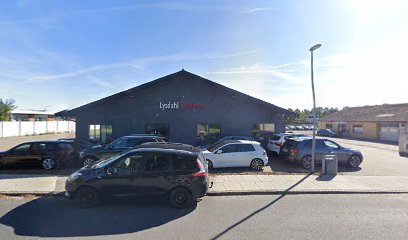
Roxy Malt
13.7 km
Irish-inspired Silkeborg pub with live music, quizzes, speciality beers and a cosy courtyard, blending retro charm with late-night energy in the town centre.
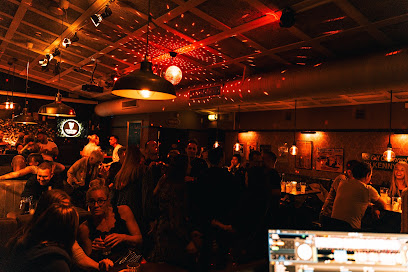
Kaffebaren
13.8 km
Neighbourhood-style coffee bar on Vestergade in Silkeborg, pairing carefully made espresso drinks and iced coffees with a cosy, Scandinavian-inspired atmosphere.
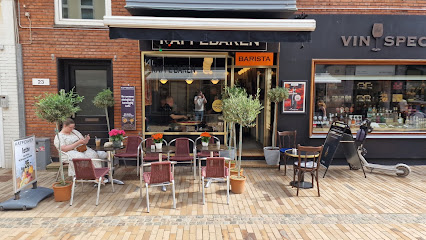
Nightclubs & after hour spots

B'sharp - Silkeborg Rhythm Og Blues Association
13.8 km
Volunteer-run blues stronghold in central Silkeborg, where intimate weekend concerts, affordable drinks and close-up performances keep rhythm & roots music alive.
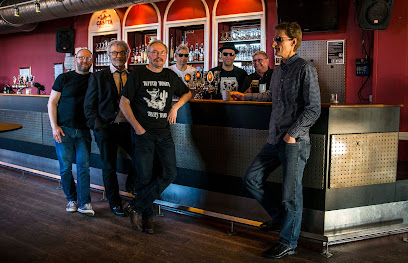
Team Paderborner
24.7 km
Nightclub entertainment in Denmark's scenic Dyrehaven forest and lakeside setting.
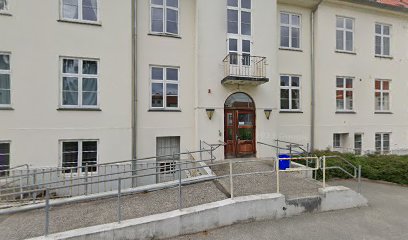
KLUB22
28.4 km
Discover the ultimate nightlife experience at KLUB22 in Aarhus, where electrifying music and vibrant atmosphere await.
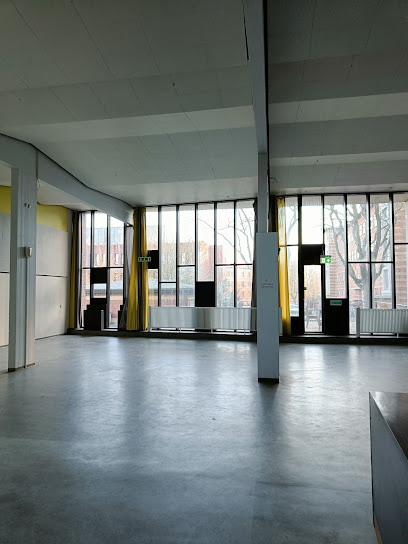
Luksusmassage Århus
29.1 km
Experience Aarhus's dynamic nightlife at Luksusmassage, where music and energy blend for an unforgettable evening.
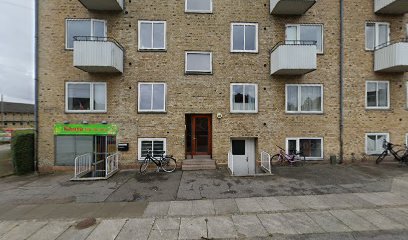
equalclub
29.4 km
Discover the thriving nightlife of Aarhus at Equal Club, where music, dance, and unforgettable experiences come together.
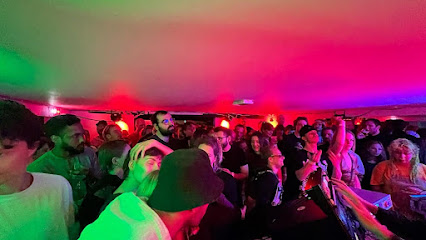
Hornsleth Bar Aarhus
29.7 km
Experience the vibrant nightlife of Aarhus at Hornsleth Bar, where innovative cocktails meet an energetic atmosphere.
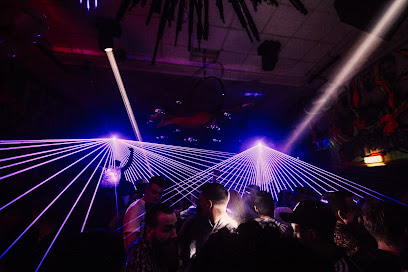
Cafe Paradis - Den Sidste
29.8 km
Unleash your nightlife experience at Cafe Paradis - Den Sidste, Aarhus' top destination for dancing, cocktails, and unforgettable memories.
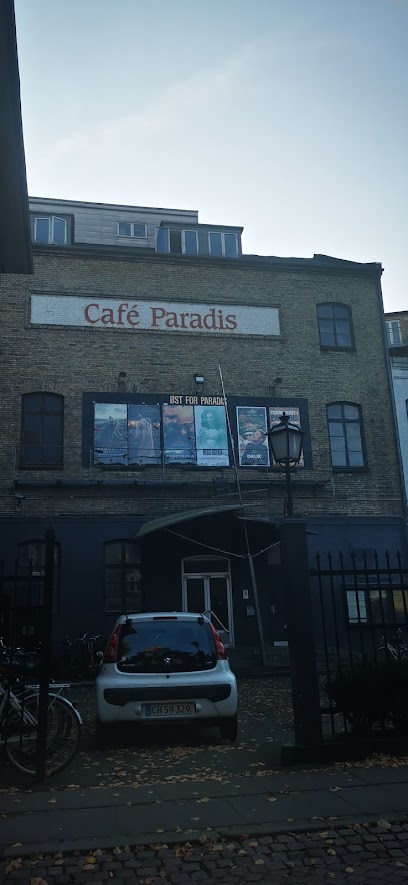
Bar Smil Aarhus
29.9 km
Discover the lively nightlife at Bar Smil Aarhus, a must-visit night club and bar offering an unforgettable experience in Denmark's cultural hub.
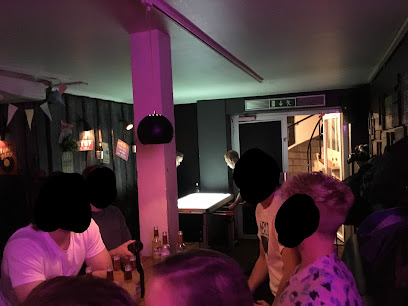
Flintstone Pub
29.9 km
Flintstone Pub in Aarhus blends retro décor, affordable drinks, and live music, offering a lively gathering place for locals and visitors in the city’s central quarter.
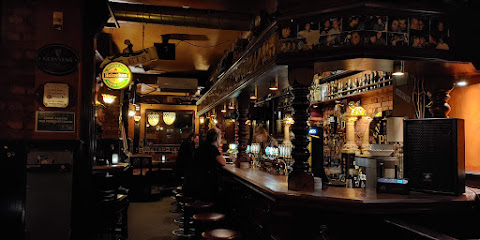
Bernhardt Natklub
29.9 km
Discover Aarhus' premier nightlife destination at Bernhardt Natklub, where cocktails and beats create unforgettable memories.

London
29.9 km
Waterfront cocktail bar with twenty signature drinks and late-night dancing for adults 25+
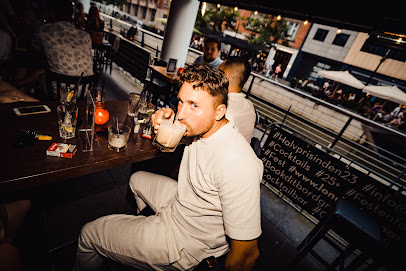
LouLou Aarhus
30.0 km
Experience the vibrant nightlife at LouLou Aarhus, a cocktail bar where creativity meets flavor in the heart of the city.
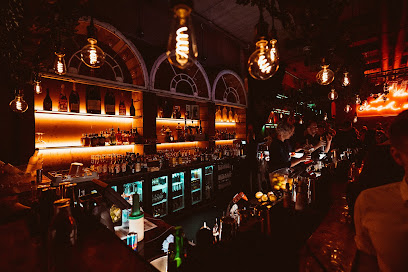
Rustik Bar & Natklub - Aarhus
30.0 km
Dive into the pulsating nightlife of Aarhus at Rustik Bar & Natklub, where vibrant music and an electric atmosphere await.
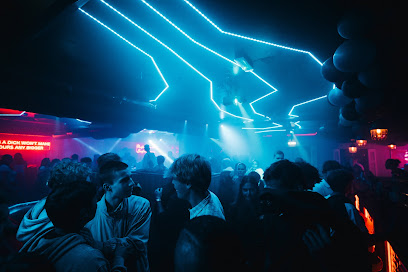
DCD STUDIO
30.0 km
Experience the vibrant rock music scene at DCD STUDIO in Aarhus, where electrifying performances and a lively atmosphere await every visitor.
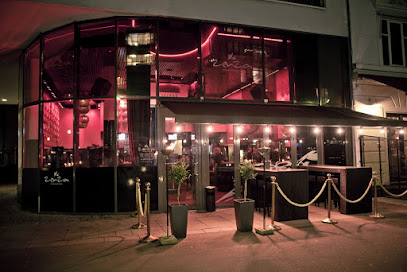
ZenZa Cocktailbar
30.0 km
Discover Aarhus' vibrant nightlife at ZenZa Cocktailbar, where expertly crafted cocktails and lively atmosphere await you.
For the vibe & atmosphere seeker
- Nostalgic
- Unique
- Casual
- Scenic
For the design and aesthetic lover
- Vintage Styles
- Retro Vibes
- Industrial Designs
For the architecture buff
- Historic
- Industrial
For the view chaser and sunset hunter
- Iconic Views
For the social media creator & influencer
- Photo Spots
- Architectural Shots
For the eco-conscious traveler
- Locally Managed
For the kind of experience you’re after
- Cultural Heritage
- Photowalk
- Day Trip
For how adventurous you want the journey to be
- Easy Access
Location Audience
- Family Friendly
- Senior Friendly
- Solo Friendly
- Couple Friendly


