

Tollundmanden, Central Jutland Travel Guide
A quiet roadside memorial in the fields near Silkeborg marking the exact bog-side spot where the world-famous Iron Age Tollund Man was discovered in 1950.
At Hovedgårdsvej outside Silkeborg, a modest memorial marks one of Denmark’s most extraordinary archaeological discoveries: the place where the Iron Age bog body known as the Tollund Man was found in 1950. Here, in the quiet landscape near former peat bogs, you stand close to the spot that changed our understanding of life and death over 2,300 years ago. Simple signage and the surrounding fields invite a short, reflective stop rather than a long visit, especially when combined with seeing the Tollund Man himself at Museum Silkeborg in town.
A brief summary to Tollundmanden
- Hovedgårdsvej 7, Silkeborg, 8600, DK
- Duration: 0.5 to 1 hours
- Free
-
 Outdoor
- Mobile reception: 4 out of 5

Know before you go
Hi, I'm Eve. Here are a few practical things to know before exploring Tollundmanden.
- Combine a brief stop at the Tollundmanden memorial with a visit to Museum Silkeborg, where the Tollund Man and Elling Woman are actually on display.
- Wear sturdy footwear, especially after rain, as paths and edges of the former bog area can be soft or muddy in places.
- Bring your own drinking water and snacks; the memorial has no on-site facilities or café, and amenities are found back in Silkeborg.
- Visit in the shoulder seasons or on overcast days if you want a mood that better evokes the damp, misty conditions of an Iron Age bog.
Do you manage this location?
Take control to get all the benefits, like improved information, better appearance, and stronger visibility across AI-powered discovery. Learn more about listing your business on Evendo
Activate your presenceOther nearby places you may find interesting
The closest places of the same kind, if this one is not quite what you had in mind.
Explore Tollundmanden on the Map
A handpicked selection of must-see spots near Tollundmanden, mapped for you.
Getting There
-
Car from central Silkeborg
From central Silkeborg, driving to the Tollundmanden memorial typically takes 10–15 minutes, depending on traffic. The route follows local roads through low-density countryside, and wayfinding is straightforward. Parking is usually possible close to the roadside near the memorial, but spaces are informal and limited. There is no fee to visit the site, and you will not encounter tolls on this short drive.
-
Bicycle from Silkeborg
Cycling from Silkeborg centre to the Tollundmanden site generally takes around 30–40 minutes each way for an average rider. The journey uses a mix of smaller roads and cycle-friendly stretches typical of Danish rural infrastructure, with gentle hills and occasional fast-moving car traffic. There are no dedicated bike facilities at the memorial, so you will need to secure your bicycle with your own lock. The ride is free and suitable for confident cyclists used to sharing roads with vehicles.
-
Regional bus plus short walk
Depending on current timetables, regional buses running between Silkeborg and nearby villages can bring you to a stop within walking distance of Hovedgårdsvej, roughly 1–2 kilometres from the memorial. Travel time is typically 15–25 minutes by bus plus 15–25 minutes on foot along rural roads without continuous pavements. A single adult ticket usually falls in the range of 20–35 DKK within the local zone system. Services may be less frequent on evenings and weekends, so checking departure times in advance is important.
For the on-the-go comforts that matter to you
-
 Information Boards
Discover more about Tollundmanden
Where an Iron Age mystery came to light
On a calm patch of countryside near Silkeborg, the site known as Tollundmanden marks where two brothers cutting peat in 1950 uncovered what they thought was a recent crime victim. The body they found in the bog was so well preserved that the police were called, only for specialists to realise that this man had died more than two millennia earlier. Today, a simple marker and information boards recall that moment of discovery and the investigation that followed.The surrounding area, once waterlogged peatland, has largely been drained and cultivated, but with a bit of imagination it is easy to picture the dark, spongy bog that hid the body for centuries. Standing here connects you not to a grand monument, but to the very soil that safeguarded one of Europe’s most famous bog bodies.The Tollund Man and his ancient world
The Tollund Man lived during the early Iron Age, roughly 2,300–2,400 years ago, when communities in Jutland depended on agriculture and peat bogs formed part of everyday life. Examinations have shown that he was a man in his thirties or forties and that he died by hanging, a leather noose still visible around his neck. Many archaeologists interpret his death as a ritual sacrifice, possibly to deities associated with fertility or the wetlands themselves.From this quiet spot, it is striking to think how the acidic bog water tanned his skin and preserved fine details like facial features and the stubble on his chin. The find has become a key piece of evidence for understanding Iron Age beliefs, social structures and the role of ceremonial offerings in Northern Europe.A modest memorial in the Danish landscape
Unlike a typical museum, the Tollundmanden site is understated: a path from the roadside leads to a small clearing with a marker and basic interpretation about the discovery and context of the find. There are no large buildings here, just open sky, nearby fields and remnants of former bog terrain. This simplicity suits the story, allowing the landscape itself to take centre stage.Visitors often spend only a short time at the memorial, using it as a contemplative pause in a wider exploration of Silkeborg’s lakes, forests and cultural sites. The lack of commercial development keeps the focus firmly on the relationship between land, peat and the people who once lived – and died – here.Pairing the findspot with the museum exhibit
The body of the Tollund Man is not kept at this site; it is carefully conserved and displayed at Museum Silkeborg in the town centre, together with the Elling Woman, another notable bog body. Visiting the findspot first can lend extra weight to seeing the remains later, grounding the museum displays in a real place and landscape.At the museum, detailed exhibitions explore the science behind bog preservation, the analysis of stomach contents and textiles, and the wider phenomenon of bog bodies in Northern Europe. Linking both locations in one day offers a fuller narrative: here you stand where peat cutters made their discovery, and in town you meet the man himself.Atmosphere, seasons and practical expectations
The Tollundmanden site is outdoors and unsheltered, making weather a key part of the experience. On overcast days, low clouds and damp air hint at historical bog conditions, while clear skies reveal broad views over the surrounding countryside. The area is generally quiet, with only passing traffic and birdsong breaking the stillness.Facilities at the memorial are minimal or absent; this is essentially a stop in the landscape rather than a serviced attraction. Plan for a short visit, wear shoes suitable for potentially soft or muddy ground after rain, and bring any water or snacks you may need. For amenities, exhibition depth and indoor comfort, combine the stop with time at Museum Silkeborg.Who will enjoy this stop in the bog country
Tollundmanden appeals strongly to history enthusiasts, archaeology fans and travellers who appreciate understated, authentic places linked to major discoveries. Families with curious children can turn the visit into a storytelling moment about detectives, peat cutters and scientists uncovering the past. Solo travellers and couples may enjoy the reflective atmosphere and the sense of standing in the footsteps of both Iron Age communities and 20th‑century excavators.As part of a broader day exploring Midtjylland, this modest marker adds depth and narrative colour. It is not a major attraction on its own, but for those fascinated by the Iron Age or the famous face of the Tollund Man, coming to the place where he emerged from the bog completes the story.












Your all‑in‑one travel companion app
Explore expert travel guides, compare and book tours, experiences, hotels, and more—all from the palm of your hand. Download now for seamless trip planning wherever your wanderlust takes you.


Explore More of Central Jutland
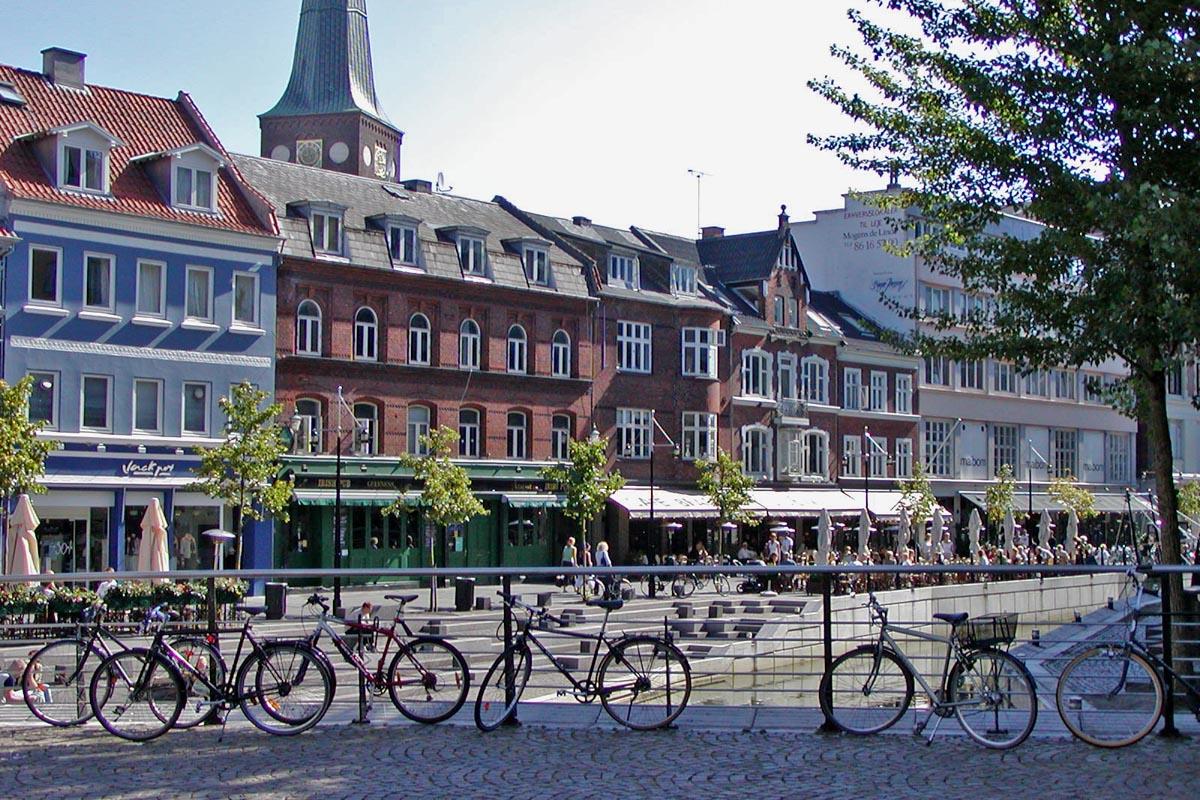
Looking beyond Tollundmanden? Discover Central Jutland for broader travel guides, local hot-spots, and regional highlights.
Explore Central Jutland
A creaking enclave of old forest in Silkeborg Vesterskov, where gnarled trunks, deadwood and birdsong create a quietly wild escape close to town.
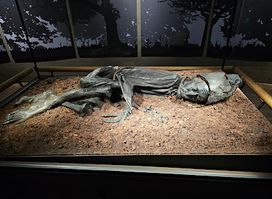
Meet the Tollund Man, a 2,400‑year‑old bog body whose hauntingly preserved face and story of ritual, death and discovery define Museum Silkeborg’s Iron Age heart.
