Kalø Castle: A Medieval Ruin on the Coast
Explore the dramatic ruins of Kalø Castle, a medieval fortress on a scenic peninsula, offering a unique journey through Danish history and stunning coastal landscapes.
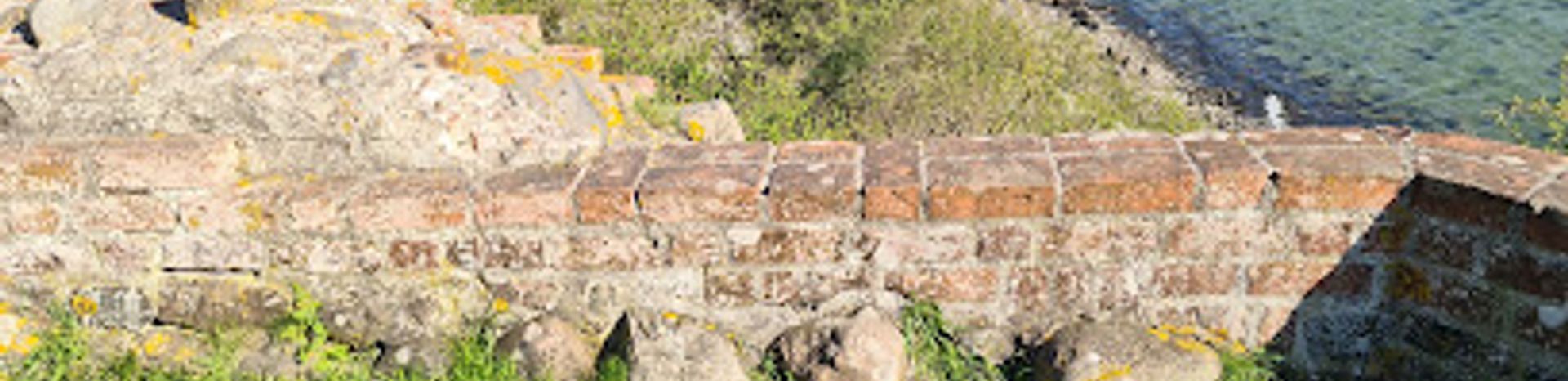
Kalø Castle is a captivating ruin perched on a small island connected to the mainland by Denmark's oldest medieval road. Built in 1313 by King Erik Menved, the castle served as a royal stronghold and later an administrative center. Today, visitors can explore the atmospheric ruins, wander along the historic causeway, and enjoy panoramic views of Kalø Bay and Mols Bjerge National Park. The site offers a unique blend of history and natural beauty, with opportunities for hiking, birdwatching, and quiet contemplation. Don't miss the chance to climb the newly installed staircase inside the tower for an elevated perspective of this iconic landmark and its stunning surroundings. A visit to Kalø Castle is a journey back in time, offering a glimpse into Denmark's medieval past amidst a picturesque coastal landscape.
A brief summary to Kalø Castle
- Molsvej 31, Rønde, 8410, DK
- +4572170714
Local tips
- Wear comfortable shoes, as the cobbled causeway and castle grounds have uneven surfaces.
- Visit during sunset for breathtaking views of Kalø Vig and the surrounding landscape.
- Bring a picnic to enjoy in the scenic surroundings of Mols Bjerge National Park.
- Check the weather forecast before your visit, as the coastal location can be windy.
- Take advantage of the newly installed staircase inside the tower for panoramic views.

Getting There
-
Public Transport
From Aarhus, take bus line 123 directly to Kalø Slotsruin. The bus departs from Nørreport/Nørrebrogade and arrives at the Kalø Slotsruin stop. The journey takes approximately 42 minutes and buses run hourly. A single ticket costs around 30 DKK.
-
Driving
If driving from Aarhus, take road 15 towards Grenaa, then follow signs for Rønde and Kalø. Parking is available near Kalø Slotskro, a short walk from the causeway leading to the castle. Parking is free. Note that the last section of the path to the ruin is not suitable for wheelchair users.
-
Walking
From the Karlsladen Visitor Centre, walk along Molsvej in the direction of the water. Follow the signs to Kalø Castle. The walk is approximately 2 kilometers and offers scenic views of the surrounding landscape. There are no costs associated with walking.
Discover more about Kalø Castle
Iconic landmarks you can’t miss

Mols Bjerge National Park
1.3 km
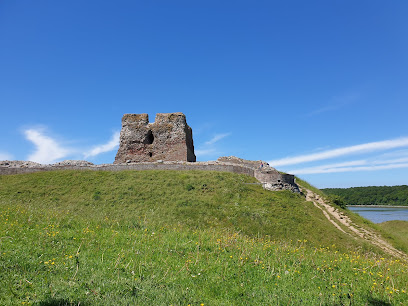
Discover Denmark's Mols Bjerge National Park: Hike rolling hills, explore historic ruins, and immerse yourself in stunning natural beauty on the Djursland Peninsula.
mounds from the bronze age
5.4 km
Explore ancient burial grounds dating back to the Bronze Age in the heart of Mols Bjerge National Park, where history meets stunning Danish landscapes and invites you on a journey through time.
Mols
7.6 km
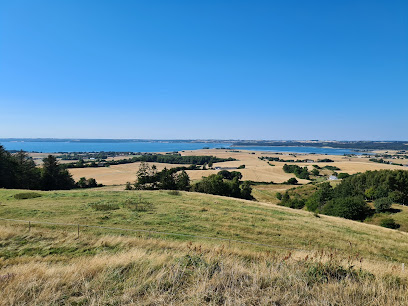
Discover Mols: A Danish peninsula where stunning natural landscapes meet rich history and culture, offering outdoor adventures, charming towns, and unforgettable experiences.
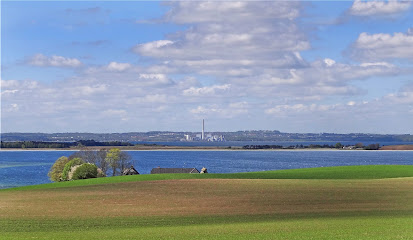
Trehøje Plantage
8.4 km
Discover the serene beauty of Trehøje Plantage in Knebel, Denmark, offering tranquil trails, diverse landscapes, and a peaceful escape into nature within Mols Bjerge National Park.
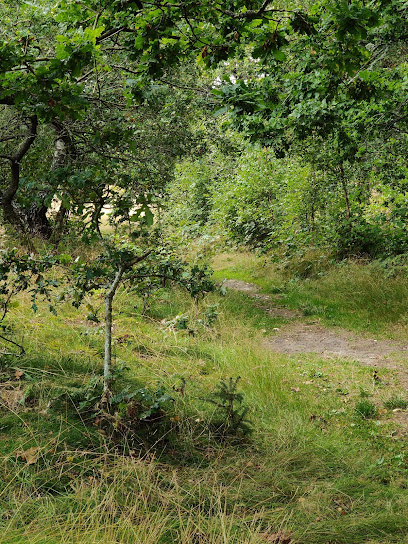
Mols bjerge besøgscenter
8.4 km
Discover the heart of Mols Bjerge National Park at the Visitor Centre: Explore exhibits, plan your adventure, and immerse yourself in Denmark's stunning natural and cultural heritage.
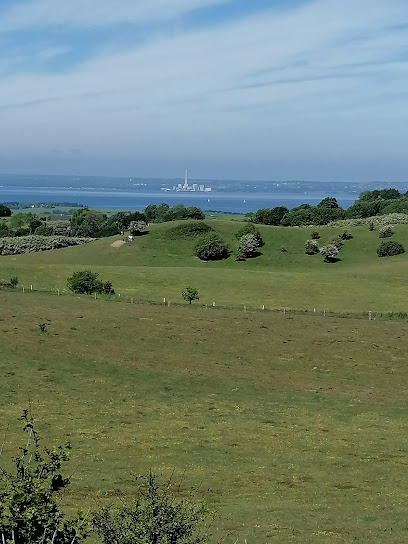
Strand Bogens
10.0 km
Discover the serene beauty of Strand Bogens in Mols Bjerge National Park: a perfect blend of coastal tranquility, outdoor adventures, and cultural exploration in Denmark.
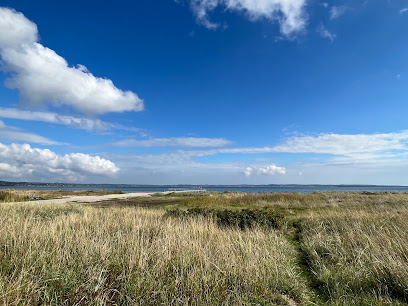
Trøjborg Beboerhus
19.3 km
Experience the vibrant community spirit of Aarhus at Trøjborg Beboerhus, a hub for cultural events, workshops, and local gatherings.
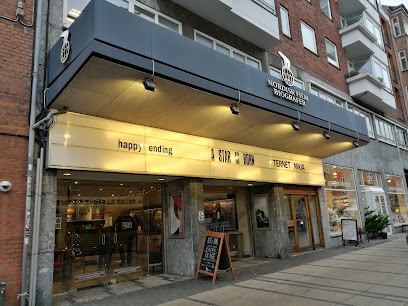
Nordisk Film Cinemas Trøjborg
19.4 km
Experience local Danish cinema culture at Nordisk Film Cinemas Trøjborg—an atmospheric neighborhood movie house blending modern comfort with classic charm in Aarhus.
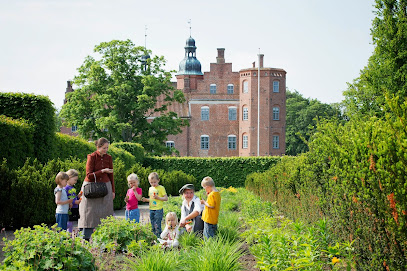
Gammel Estrup Danmarks Herregårdsmuseum
19.7 km
Experience Denmark’s noble heritage at Gammel Estrup, a Renaissance manor museum famed for its immersive interiors, historical gardens, and aristocratic storytelling.
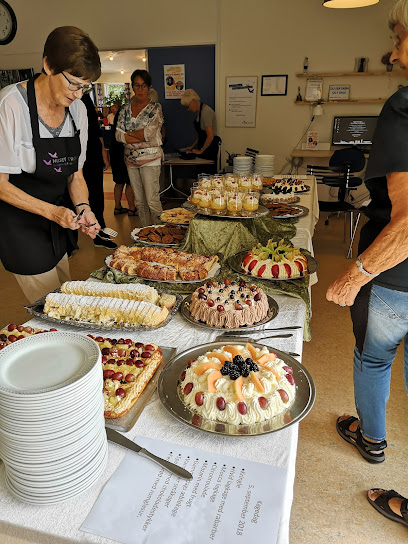
Folkehuset Trøjborg
19.7 km
Folkehuset Trøjborg blends Danish hygge, vibrant community life, and affordable culture, making it a beloved gathering place in the heart of Aarhus’ Trøjborg district.
Jernhatten - Djursland
20.1 km
Discover Jernhatten: A scenic coastal gem in Djursland with panoramic views, rare flora, and a touch of Viking history, perfect for nature lovers and outdoor adventurers.
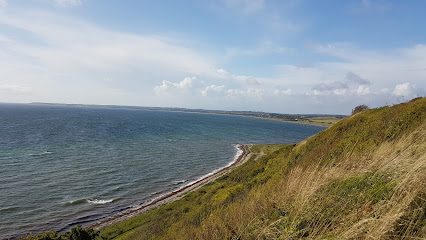
KØN - Gender Museum Denmark
20.5 km
A groundbreaking museum in Aarhus dedicated to gender, identity, and equality, featuring interactive exhibitions in a historic building near the city’s iconic cathedral.
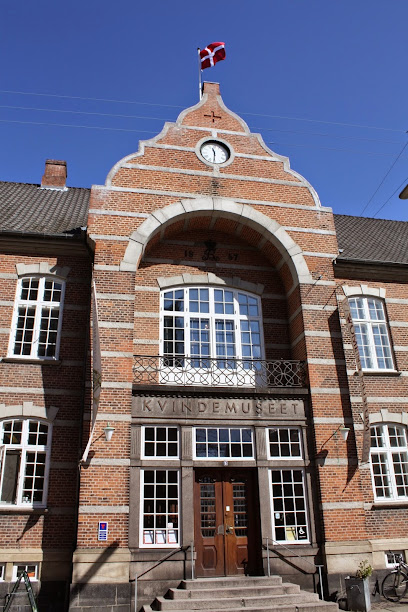
Kunst ved Kaserneboulevarden
20.6 km
Explore contemporary art at Kunst ved Kaserneboulevarden, Aarhus' premier gallery showcasing local and international talent.
Flodhesteungen Frederikke
20.9 km
Denmark's national gallery fuses historic masterpieces with contemporary Nordic art in a striking architectural setting at the heart of Copenhagen.
Møllestien
21.0 km
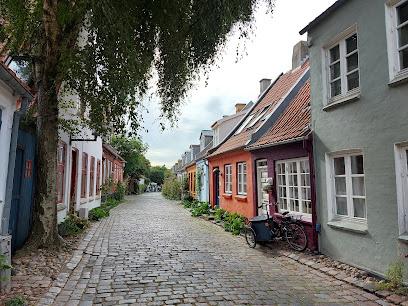
Odense Cathedral (St. Canute’s Church) blends Gothic grandeur, royal tombs, and centuries of history in the vibrant heart of Denmark’s fairytale city.
Unmissable attractions to see

Jagtslottet, Kalø
3.2 km
Sletterhage Fyr is a historic lighthouse offering stunning views, maritime history, and wild coastal beauty at the scenic edge of Mols Bjerge National Park.
Poskær Stenhus
6.6 km
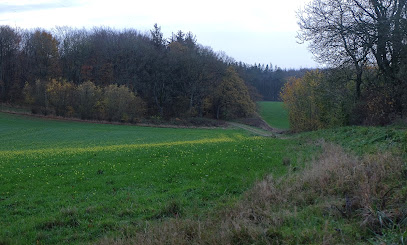
Discover Frysehuset: A Cultural Gem in Skørping's Heart
Tinghule
7.6 km
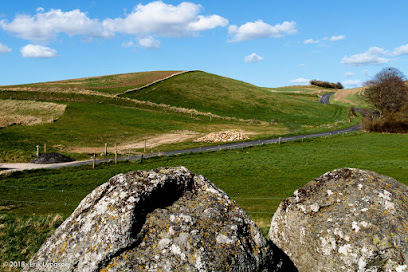
A mysterious natural amphitheater steeped in myth and history, nestled among the glacial landscapes of Mols Bjerge National Park in Denmark.
P-plads Tinghulen
7.6 km
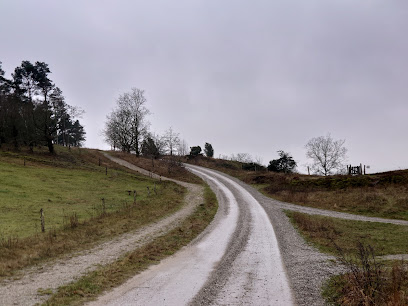
Explore Sletterhage Fyr: A historic lighthouse offering panoramic views, coastal walks, and a glimpse into Denmark's maritime heritage.
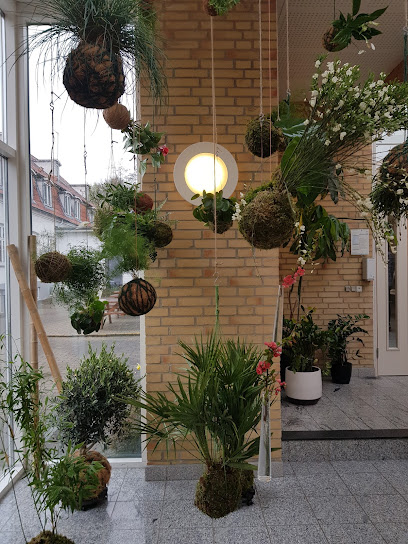
Safis Kokedameri
7.7 km
Discover the legacy of Egil Fischer at his memorial stone, set amidst Denmark's first planned holiday village.
Tremosegaard
7.8 km
Historic lighthouse perched on windswept Helgenæs, offering panoramic sea views, geological marvels, and maritime history at the threshold of Mols Bjerge National Park.
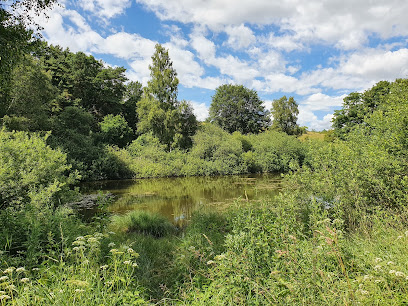
Tipi Tur
7.8 km
Explore Frysehuset in Skørping: A Historic Venue Showcasing Denmark's Cultural Heritage
Kvalitetssti Mols Bjerge, Bjergetapen
8.1 km
Discover Frysehuset in Skørping: A Journey Through Denmark's Cultural Heritage and Architectural Splendor.
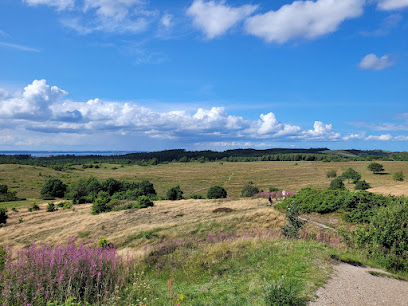
Mols Bjerge
8.3 km
Engage with Thy National Park’s wild beauty at Biologisk Forening For Nordvestjylland, a dynamic hub for nature activities, ecological education, and community events.
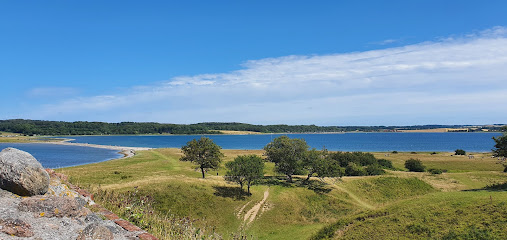
Mols Bjerge stien
8.3 km
Explore Frysehuset in Skørping: A captivating journey into Denmark's cultural heritage and traditional practices.
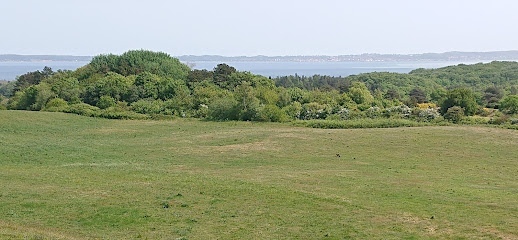
Kvalitetssti Langemosestien
8.4 km
Explore Kanonstilling in Knebel: A historic World War II artillery site amidst the natural beauty of Mols Bjerge National Park.
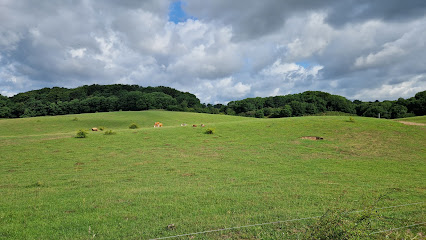
Svampedam
8.7 km
Mystical assembly hollow in Mols Bjerge National Park where Viking councils once gathered, offering natural beauty, quiet reflection, and a sense of ancient tradition.
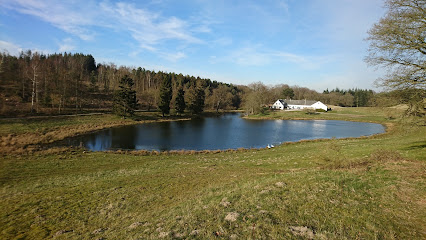
Trehøje Mols
8.7 km
Explore Frysehuset in Skørping for an immersive journey into Denmark's cultural heritage and traditional practices.
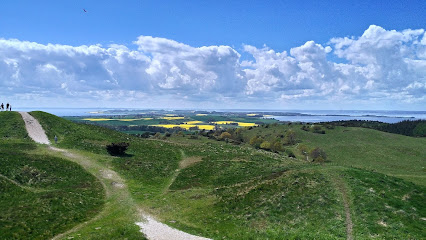
Det magiske klatretræ
9.2 km
Discover Frysehuset in Skørping: A Journey Through Denmark's Cultural Heritage and Architectural Splendor.
Strand Strands
10.4 km
Historic Sletterhage Lighthouse stands at the gateway of Helgenæs, offering dramatic sea views, maritime stories, and a unique window into Denmark’s coastal heritage.
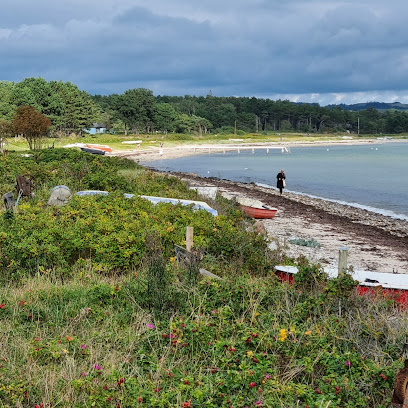
Essential places to dine

MolsCafeen
6.1 km
Experience authentic Italian cuisine amidst the scenic beauty of Mols Bjerge at MolsCafeen in Ebeltoft.
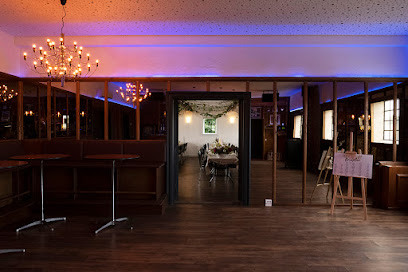
Restaurant Moment
7.5 km
Experience exceptional vegetarian fine dining at Restaurant Moment in Rønde - where fresh ingredients meet culinary creativity.
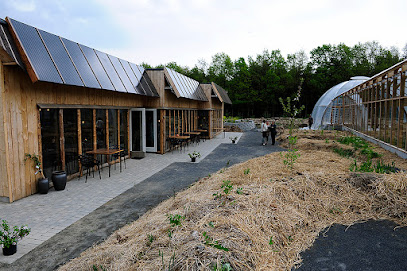
Restaurant Skovmøllen Femmøller
8.3 km
Historic Danish restaurant in the heart of Mols Bjerge, surrounded by woodland trails, serving traditional cuisine in a restored forest mill near Ebeltoft.
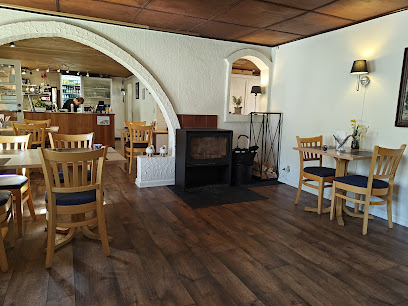
Molskroen Strandhotel og Molskroens Brasserie
10.0 km
Discover the perfect blend of stunning views and exquisite cuisine at Molskroen Strandhotel og Molskroens Brasserie in Ebeltoft.
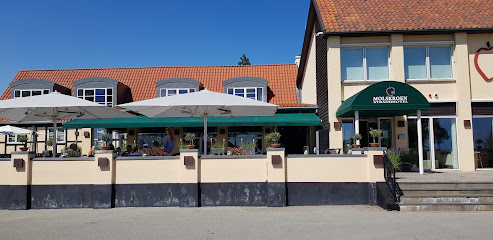
Stenbækhus / mad på Mols
10.7 km
Discover authentic Danish cuisine at Stenbækhus with smørrebrød and tapas amidst the stunning landscapes of Mols.
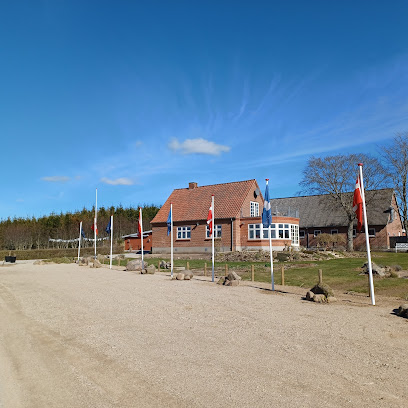
Karens Brasserie
15.4 km
Savor authentic Danish flavors at Karens Brasserie in Ebeltoft - where tradition meets taste.
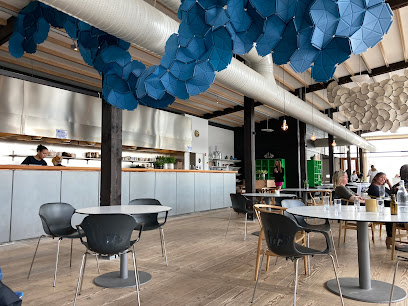
Restaurant Stockfleth
15.4 km
Experience the best of Danish cuisine at Restaurant Stockfleth in Ebeltoft – where tradition meets modern culinary art.
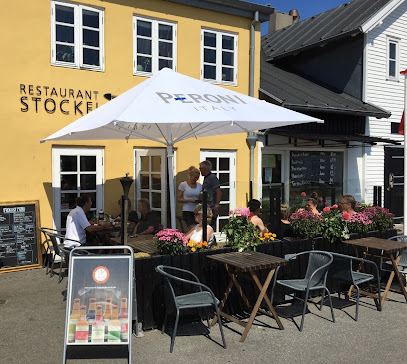
Restaurant Bindingsværket
15.4 km
Experience authentic Danish farm-to-table dining amidst the idyllic cornfields near Mols Bjerge, where local ingredients shine in a cozy, historic farmhouse setting.
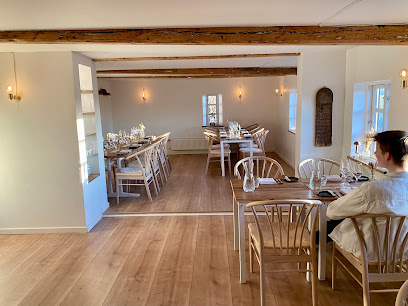
Restaurant Mellem Jyder
15.5 km
Experience authentic Danish cuisine in a historic 1610 building in Ebeltoft's heart.
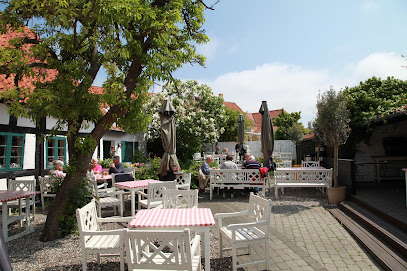
Manzana Tapas Bar
15.5 km
Experience authentic Spanish cuisine at Manzana Tapas Bar in Ebeltoft - where every dish tells a story.
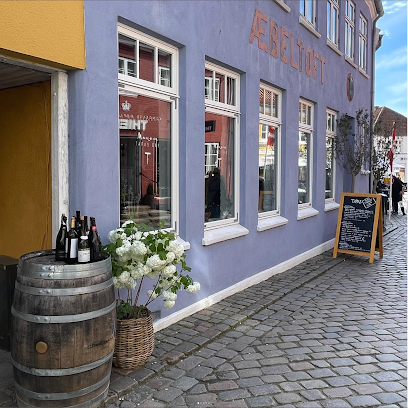
Restaurant Støvlen
15.6 km
Experience classic Danish hospitality and local cuisine at Restaurant Støvlen, a beloved eatery in Ebeltoft's historic center near Mols Bjerge National Park.
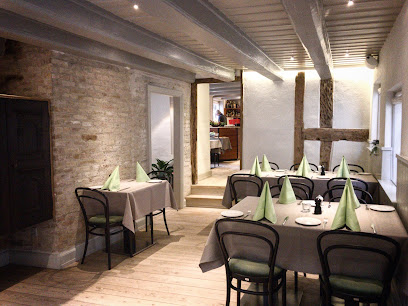
Kjøbstaden
15.6 km
Centrally located in Ebeltoft, Kjøbstaden offers creative Nordic cuisine and warm Danish hospitality in a historic setting—an ideal pitstop after visiting Mols Bjerge.
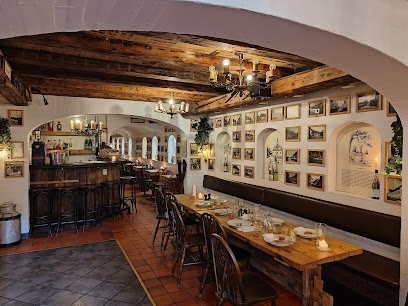
Ristorante Bellini
15.6 km
Experience the essence of Italy in Ebeltoft at Ristorante Bellini - where every dish tells a story.
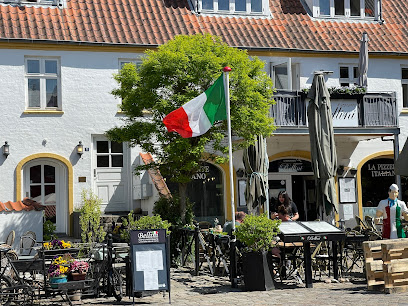
Gastromé
18.2 km
Discover exquisite flavors and innovative cuisine at Gastromé, Risskov's finest dining destination offering an unforgettable culinary journey.
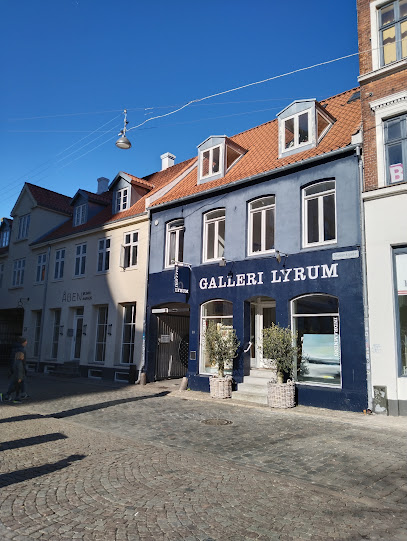
Substans
19.1 km
Award-winning Michelin-starred restaurant in Aarhus Ø, Substans offers inventive New Nordic cuisine with harbor views, celebrated seasonal tasting menus, and laid-back elegance.
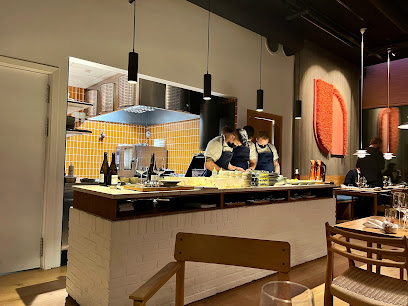
Markets, malls and hidden boutiques

EnergyBar.nu
4.0 km
Discover EnergyBar.nu: Knebel's Premier Organic Food Store in Mols Bjerge
Is På Toppen - Outdoor Cykel- og Vandrecafe
5.9 km
Beloved outdoor café and ice cream bar at the edge of Mols Bjerge National Park, renowned among hikers and cyclists for homemade treats and countryside atmosphere.
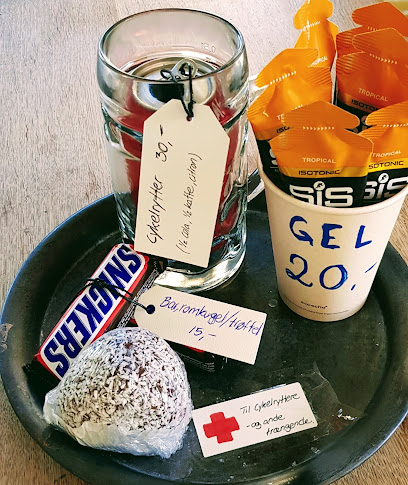
Molsløbet
7.2 km
Experience the natural beauty of Mols Bjerge through the annual Molsløbet running event, offering diverse routes for all fitness levels.

Molslaboratoriet, Naturhistorisk Museum
8.6 km
Explore hands-on science, local wildlife, and wild Danish landscapes at Molslaboratoriet, the gateway to natural wonders and ecological expertise in Mols Bjerge National Park.
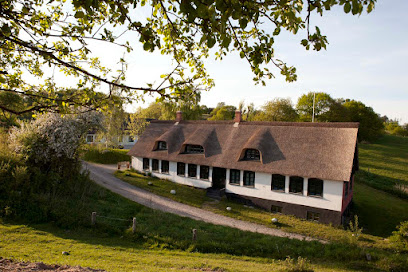
Mols Haven
9.7 km
Experience the freshest local produce at Mols Haven in Knebel, Denmark.
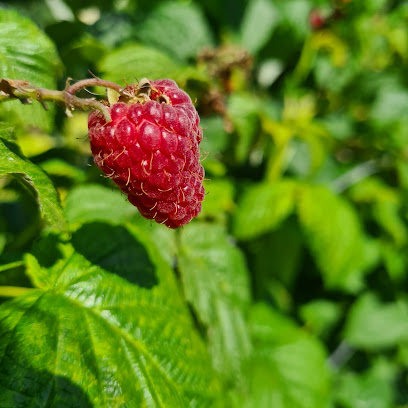
Huset Frost
9.8 km
Experience the fusion of gourmet dining and sustainable design at Huset Frost in Ebeltoft.
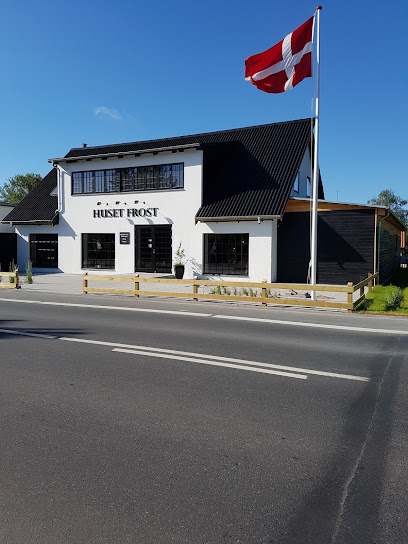
Ørnbjerg Mølle
10.5 km
Experience the tranquility of Ørnbjerg Mølle, a centuries-old watermill set in the lush woodlands of Mols Bjerge National Park—a gem of Danish natural and cultural heritage.
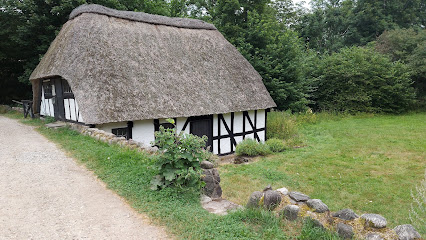
Karpenhøj Naturcenter
10.9 km
A vibrant outdoor activity and education center in Mols Bjerge National Park, offering hands-on experiences, workshops, and authentic Danish nature immersion for all ages.
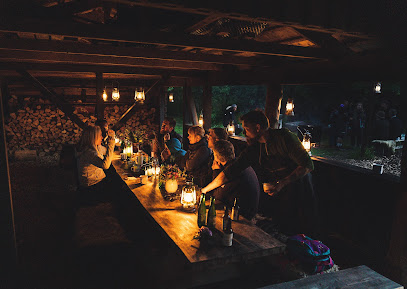
Camping Ebeltoft - Mols
15.2 km
Coastal campground nestled between Ebeltoft and Mols Bjerge National Park, ideal for hiking, family stays, and exploring Djursland’s wild landscapes.
SecondLux
19.2 km
Browse handpicked sustainable fashion and unique vintage finds in a welcoming consignment boutique at the heart of Trøjborg’s independent scene.
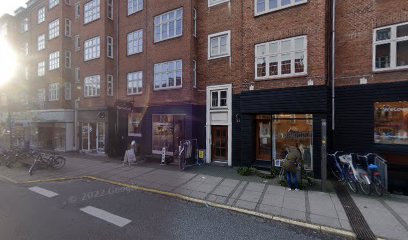
Ancher
19.3 km
Discover holistic wellness at Ancher, Trøjborg's premier health and beauty destination in Aarhus.
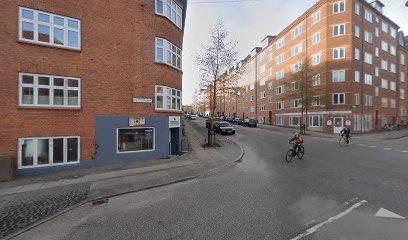
Jooma Aarhus
20.4 km
Discover unique Danish crafts and gifts at Jooma Aarhus, nestled in the historic Latinerkvarteret.
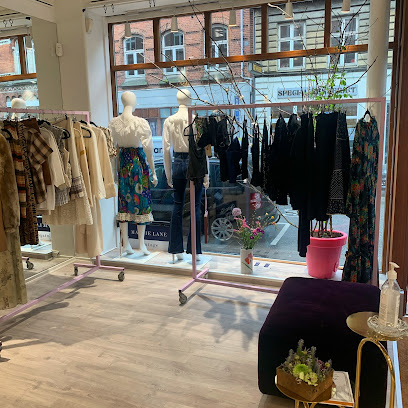
Magpie Lane Vintage
20.5 km
Aarhus’ go-to vintage boutique for unique, handpicked fashion finds and classic accessories in an inviting, sustainability-focused setting.
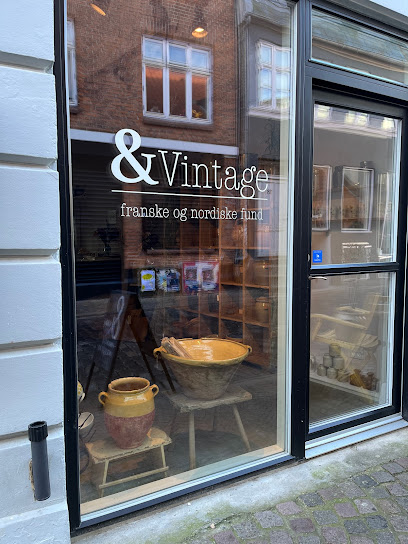
& Vintage
20.5 km
A boutique in Aarhus' Latin Quarter offering hand-picked vintage treasures, Scandinavian gifts, artisan wares, and a warm, local shopping experience in a creative setting.
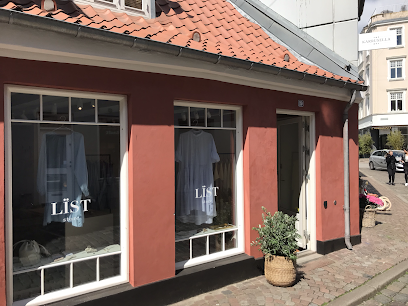
LÏST Store
20.5 km
Discover unique women's fashion in Aarhus' charming Latin Quarter at LÏST Store.
Essential bars & hidden hideouts

Mols Mountains Holiday Resort
7.1 km
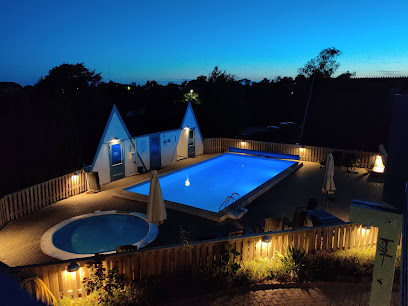
Experience the serene beauty of Mols Bjerge National Park at Mols Mountains Holiday Resort, your gateway to nature and history.
Restaurant Mols Bjerge
7.1 km
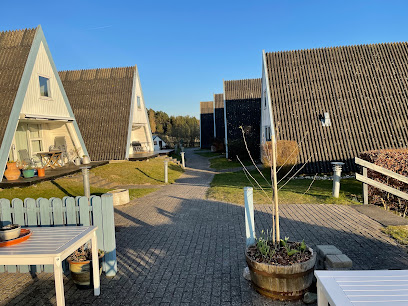
Atmospheric Sicilian-inspired restaurant near Mols Bjerge National Park, offering fresh pasta, wood-fired pizzas, pastries, and scenic terrace dining in Knebel.
Molskroen
9.9 km
Experience historic elegance and gourmet dining at Molskroen in Ebeltoft, near Mols Bjerge National Park.
Fuglsøcentret
10.8 km
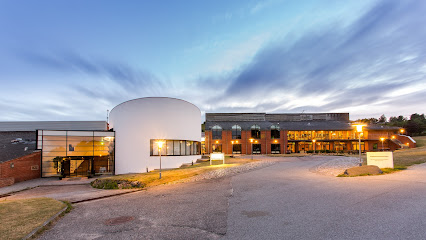
Fuglsøcentret blends functional Danish hospitality and a unique event vibe with direct access to Mols Bjerge National Park’s wild landscapes and trails.
Bundgaards Vinimport/ Molshonning v/ Ole Bundgaard
11.5 km
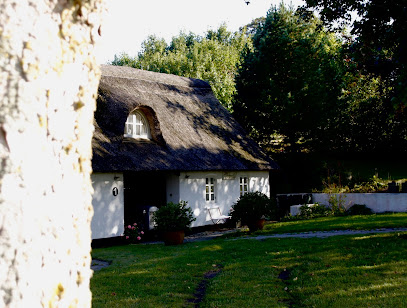
Discover Danish wines in the heart of Knebel at Bundgaards Vinimport, where local flavors meet warm hospitality.
Toldboden
15.5 km
Harborfront bar in Ebeltoft blending Danish tradition with lively modern charm, live music, local brews, and maritime ambiance near Mols Bjerge National Park.
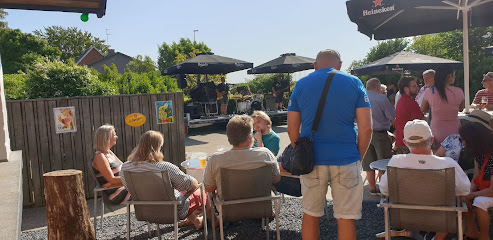
Brewpub på Maltfabrikken
15.5 km
Experience the fusion of history and craft brewing at Brewpub på Maltfabrikken in Ebeltoft's revitalized 19th-century malt factory.
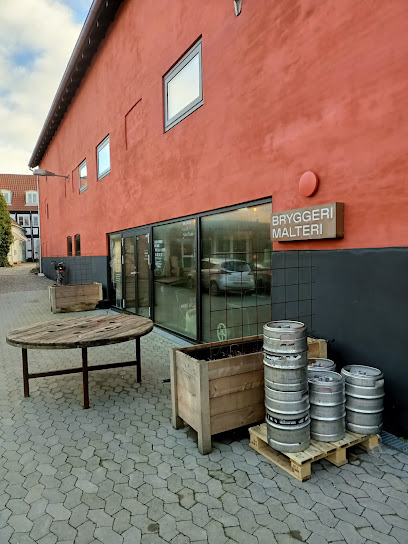
K
19.3 km
Discover K, the cozy cafe and cocktail bar in Aarhus, where innovative drinks and a warm atmosphere await every visitor.
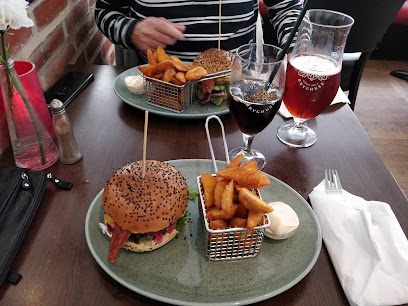
Peder Wessel
19.4 km
Experience the vibrant nightlife at Peder Wessel, Aarhus' charming bar with affordable drinks and a welcoming atmosphere.
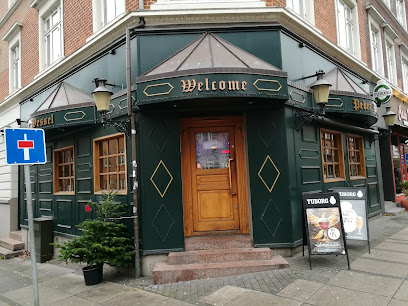
Trøjborg Kroen
19.4 km
Experience the local beer culture at Trøjborg Kroen, Aarhus's charming beer hall with a diverse selection and inviting ambiance.
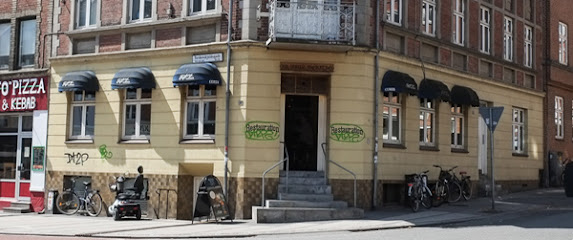
Cirkuskroen
19.7 km
Discover the vibrant nightlife of Aarhus at Cirkuskroen, a charming bar offering a perfect blend of drinks and local culture.
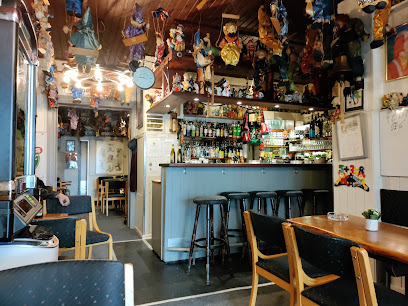
Theos Bar
19.8 km
Experience the cozy charm of Theos Bar in Aarhus, where delightful drinks and a warm atmosphere await every visitor.
Die Rote Zone
19.8 km
Discover the vibrant nightlife at Die Rote Zone, Aarhus' go-to bar for cocktails and craft beers in a lively and stylish atmosphere.
SLM Aarhus
19.8 km
Discover the lively spirit of SLM Aarhus, a welcoming gay bar offering themed nights and a vibrant atmosphere in the heart of Aarhus.
Ebeltoft Gårdbryggeri
20.0 km
Discover the charm of Danish brewing in the countryside at Ebeltoft Gårdbryggeri, with creative craft beers, rustic farm vibes, and sweeping views near Mols Bjerge.