
Kroghs Bænk
A woodland viewpoint honoring Denmark's forest heritage with sweeping lake vistas and centuries of natural history.
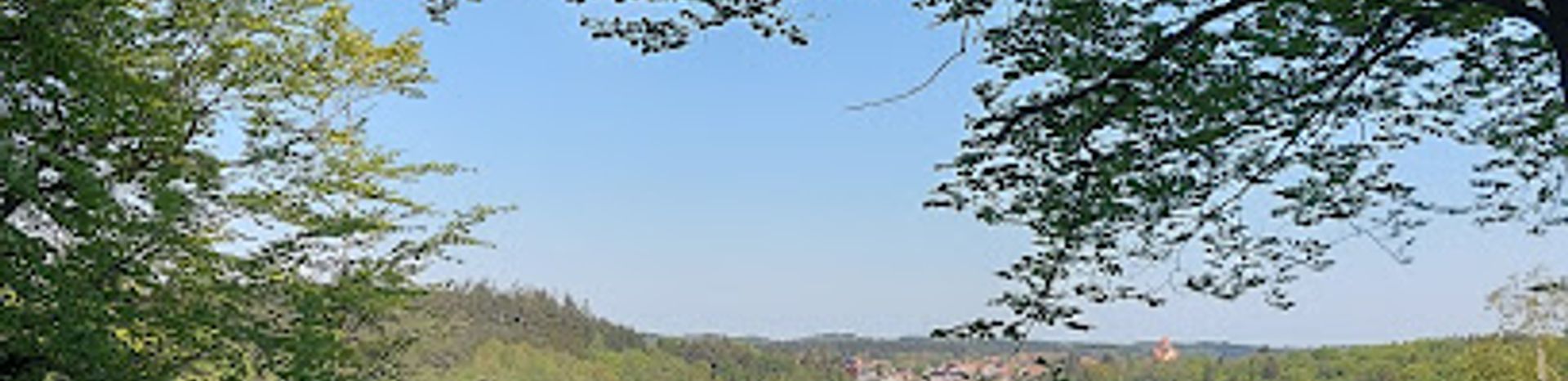
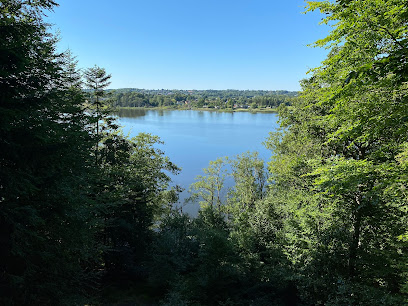
Kroghs Bænk is a scenic viewpoint overlooking Almind Sø lake on the south shore near Silkeborg, Denmark. Named after Chamberlain Frederik Ferdinand von Krogh, the first forest inspector of the state forests from 1825–1834, this peaceful woodland vantage point offers sweeping views across the pristine lake and toward Silkeborg. Nestled within ancient forests that have transformed from Bronze Age open grasslands through medieval hunting grounds to modern managed woodlands, the bench provides an ideal spot for reflection and nature appreciation along popular walking routes.
A brief summary to Kroghs Bænk
- Silkeborg, 8600, DK
- Duration: 0.5 to 3 hours
- Free
-
 Outdoor
- Mobile reception: 4 out of 5
Local tips
- Visit during spring or early summer when birdsong peaks and wildflowers bloom in the surrounding forest, or in autumn to witness the phenomenon of 'bird flocks'—swarms of starlings dancing over the lake.
- Combine your visit with the Silk Route walking trail (12 km) or the shorter Sculpture Park circuit (approximately 3 km) to experience the full diversity of Silkeborg's forests and cultural sites.
- Bring binoculars for birdwatching; the lake shore and swamp forest support herons, kingfishers, geese, coots, and numerous small woodland species.
- Check weather conditions before visiting, as portions of the walking routes can be partially flooded during wet seasons; sturdy footwear is recommended year-round.

For the on-the-go comforts that matter to you
- Seating Areas
- Information Boards
- Trash Bins
Getting There
-
Walking from Silkeborg town center
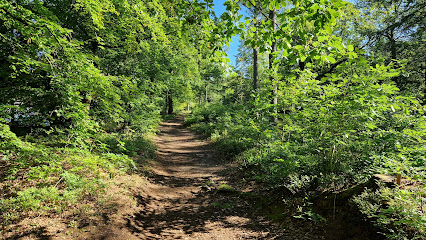
From central Silkeborg, follow marked walking routes toward Almind Sø. The most popular approach is via the Silk Route or the Sculpture Park circuit at Silkeborg Bad art center. Walking distance is approximately 2–3 kilometers depending on your starting point; allow 30–50 minutes on well-maintained forest paths. The terrain is generally flat to gently rolling with some narrow woodland sections. All routes are accessible year-round, though portions may be muddy or partially flooded during wet seasons.
-
Cycling from Silkeborg
Rent a bicycle in Silkeborg and follow the marked cycling routes around Almind Sø. The journey from town center to Kroghs Bænk is approximately 3–4 kilometers and takes 15–25 minutes depending on pace and route chosen. Dedicated forest cycling paths connect to the main walking trails. Bicycles can be rented from local shops in Silkeborg town center for approximately 100–150 Danish kroner per day.
-
Car with parking
Drive to the Silkeborg Bad art center parking area (Gjessøvej 40, 8600 Silkeborg), which is the primary access point for the Silk Route and forest circuits. Parking is available on-site. From the parking area, walk via marked trails to Kroghs Bænk, approximately 2–3 kilometers (30–50 minutes). Alternatively, smaller parking areas exist at other forest access points around Almind Sø; inquire locally for specific locations.
-
Public transport to nearby stops
Take local buses serving Silkeborg to the town center or to stops near Silkeborg Bad. From the bus stop, follow walking directions above. Bus schedules vary seasonally; check local transit websites for current timetables. Journey time from Silkeborg town center to Kroghs Bænk via public transport and walking is approximately 1–1.5 hours total.
Kroghs Bænk location weather suitability
-
 Any Weather
-
 Clear Skies
-
 Mild Temperatures
Discover more about Kroghs Bænk
A Viewpoint Steeped in Forest Heritage
Kroghs Bænk is a woodland viewpoint situated on the southern shore of Almind Sø, one of Denmark's cleanest lakes, near the town of Silkeborg in central Jutland. The site is named after Chamberlain Frederik Ferdinand von Krogh (1780–1844), who served as inspector of the state forests from 1825 to 1834 and oversaw the management of the Silkeborg forests during a transformative period in Danish forestry. The bench itself remains a simple but meaningful landmark, offering visitors a place to pause and absorb the landscape that Krogh once stewarded.Millennia of Landscape Transformation
The land surrounding Kroghs Bænk tells a story of profound environmental change spanning thousands of years. During the Bronze Age, approximately 3,500 years ago, the landscape was predominantly open, with scattered Bronze Age burial mounds (gravhøje) dotting the terrain and offering unobstructed views across the region. By the Iron Age, roughly 2,000–2,500 years ago, the area had transitioned dramatically: nearly the entire forest zone was divided into small agricultural fields, with trees surviving only on the steepest slopes. When these fields were abandoned several centuries ago, the forest gradually reclaimed the land, a natural succession that would continue until human intervention resumed.Royal Hunts and Industrial Timber
During the 15th and 16th centuries, Danish kings hunted in these forests, which also supplied timber for shipbuilding and fuel for glass production—both drinking glasses and window panes. The forests were valued not merely as wilderness but as economic resources integral to the kingdom's development. This period established a pattern of active forest management that would intensify in later centuries.The Birth of Modern Forestry
In 1823, the Danish state assumed direct control of the forests, introducing systematic forestry practices that marked a turning point in land management. State foresters planted trees in cleared areas and organized the woodland according to principles of sustainable yield and long-term productivity. Krogh's tenure from 1825 onward exemplified this new approach, combining conservation with practical resource management. His legacy is commemorated not only by the bench but also by Kroghsvej, a street in Silkeborg named in his honor.A Living Forest of Remarkable Diversity
Today, the forest surrounding Kroghs Bænk is a mature woodland of considerable botanical richness. The area is home to more than 40 different tree species, including ancient beech trees exceeding 250 years in age, their hollows providing habitat for bats, woodpeckers, and other wildlife. Conifers dominate portions of the route, including Douglas fir, European silver fir, and noble fir (Abies procera)—a notable specimen of which grows near the viewpoint itself. The thickest tree in the entire forest circuit, with a circumference of 4.48 meters, stands where the walking path crosses the historic Bryrup railway line.Gateway to Silkeborg's Nature Routes
Kroghs Bænk serves as a key waypoint on several interconnected walking routes, most notably the Silk Route—a 12-kilometer cultural and nature trail that encircles central Silkeborg. The viewpoint marks the eastern terminus of a popular woodland circuit that departs from the Sculpture Park at Silkeborg Bad art center, passing through diverse habitats including swamp forest rich with small birds, open lake shores frequented by herons and kingfishers, and ancient moorland. The vista from the bench itself frames Almind Sø and the distant town, providing both a visual reward and a natural pause point for walkers exploring the region's interconnected forest heritage.Iconic landmarks you can’t miss

Silkeborg Vesterskov mindesten
2.0 km
A modest memorial stone in Silkeborg Vesterskov, where forest tranquillity and wartime history meet in a quiet, contemplative woodland clearing.
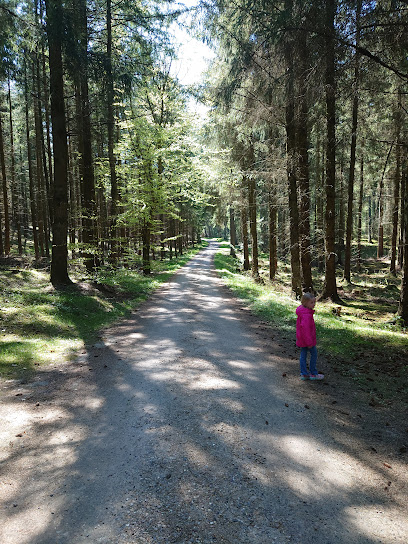
Silkeborg Water Tower
2.1 km
A heritage-listed industrial landmark symbolising Silkeborg's textile manufacturing legacy.
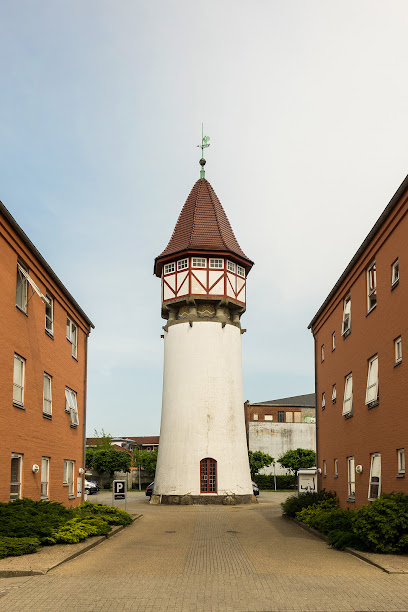
Lovisehøj
2.7 km
A 73-meter forest hill with royal heritage and sweeping views across Danish lakes and woodlands.
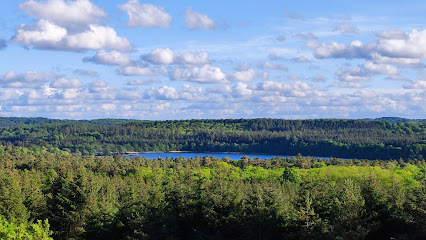
silkeborg
2.8 km
Historic 1871 railway landmark connecting Central Jutland with frequent regional services and heritage charm.
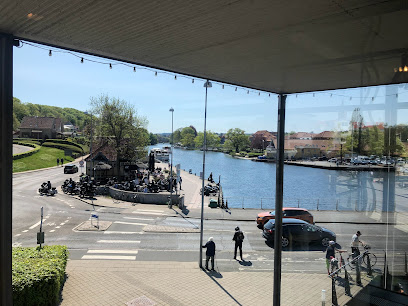
Himmelbjerget rutebåd
9.6 km
Denmark's highest point crowned by a historic tower, accessible by scenic lake cruise or forest trail.
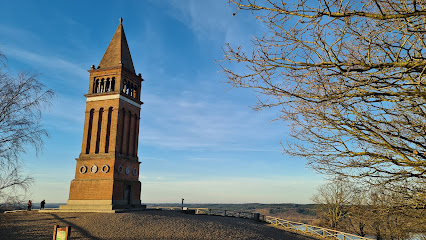
Folkemøde Mindesten anno 1839
10.0 km
Denmark's first democratic gathering, 1839—where ordinary citizens claimed their political voice.
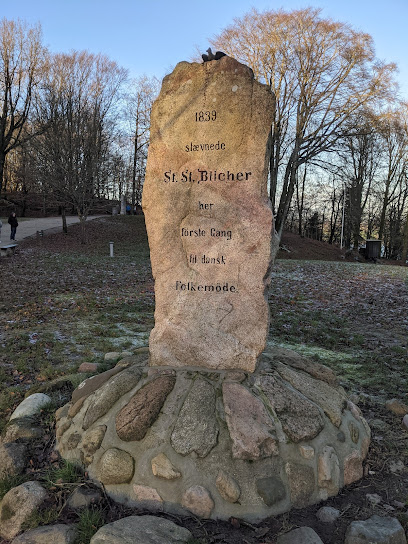
Bølling Lake
11.0 km
A restored glacial lake offering scenic walks, excellent fishing, and peaceful nature immersion in central Jutland.
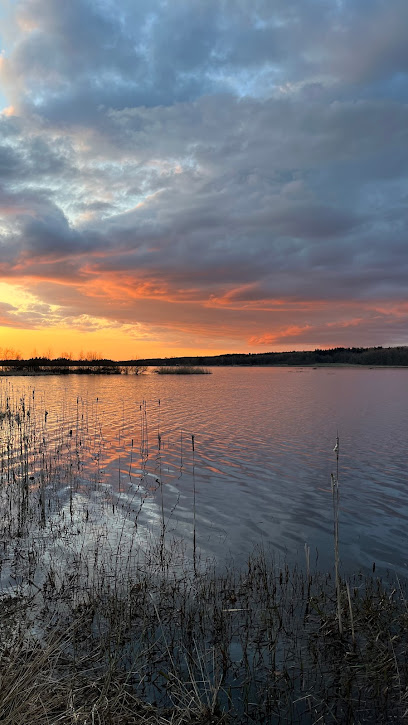
Store Troldhøj
12.1 km
A cone-shaped summit offering panoramic valley views and a climbing tree in Denmark's scenic lake district.
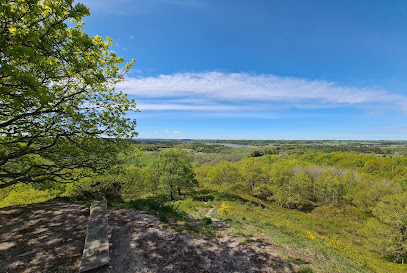
Randershøj
12.3 km
A scenic hilltop viewpoint offering panoramic vistas across Denmark's lake-filled landscape and forest-covered terrain.
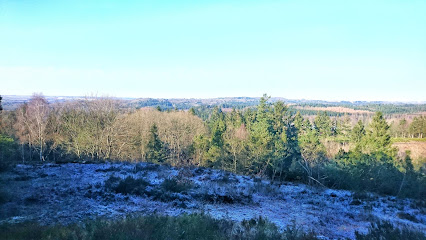
Landal Søhøjlandet
13.9 km
Escape to Landal Søhøjlandet in Denmark's Lake District: Family fun, water park thrills, outdoor adventures, and tranquil nature await in this scenic holiday paradise near Silkeborg.
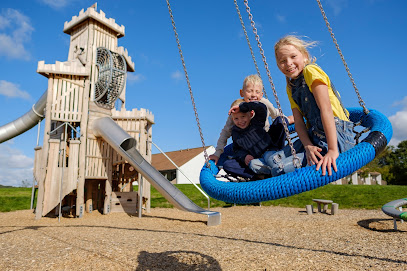
Abbey Mill
15.0 km
Explore Abbey Mill in Skanderborg: A picturesque blend of history and nature, perfect for leisurely strolls and unforgettable experiences.

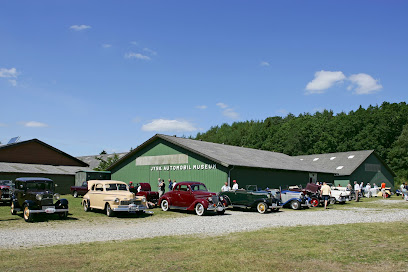
Jutland's Automobile Museum
15.1 km
Discover Denmark's automotive history at Jutland's Automobile Museum in Gjern, showcasing vintage cars and motorcycles from the early 1900s to iconic post-war models, offering a unique glimpse into the nation's motoring heritage.
Øm Klostermuseum
16.4 km
Discover Denmark's medieval monastic life at Øm Klostermuseum near Ry: Explore ruins, gardens, and artifacts revealing centuries of history and brewing traditions.
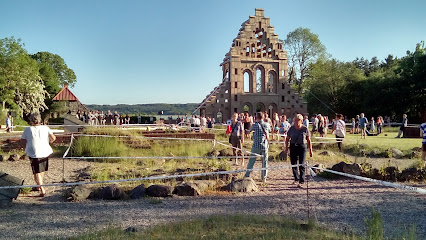
Jutland
18.4 km
Discover Jutland, Denmark: Explore Viking history, stunning nature, and family fun on the mainland peninsula, offering an authentic Danish experience.
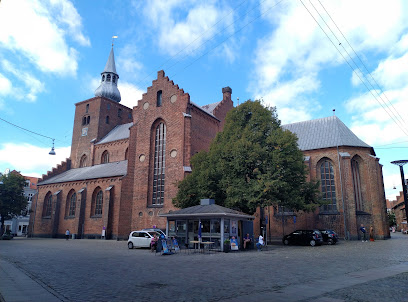
Mossø
19.0 km
Discover the serene beauty of Mossø, Denmark's third-largest lake, offering hiking, watersports, and historical sites in the heart of the Danish Lake District.
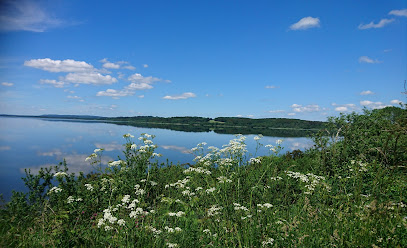
Unmissable attractions to see

Odderpassager
0.7 km
A low wooden boardwalk skimming Almindsø’s surface, Odderpassager lets you drift between forest and lake at Østre Søbad, half pier, half tranquil nature trail.
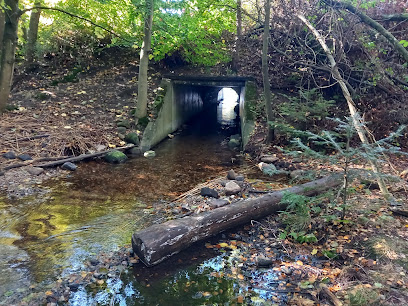
AQUA Aquarium & Wildlife Park
1.2 km
Freshwater worlds, playful otters and splash-filled playgrounds come together in Silkeborg’s lake-district aquarium and Danish wildlife park.

Art Center
1.4 km
Contemporary art and nature converge in a historic health resort transformed into Denmark's most distinctive sculpture park experience.

Silkebog skulpturpark
1.5 km
A quiet corner of Silkeborg where contemporary sculptures and woodland paths blend into an open-air gallery, inviting slow walks, reflection and relaxed art encounters.

Silkeborg park
1.5 km
A tranquil sculpture‑studded green escape at Silkeborg Bad, where lakeside forest, gentle lawns and contemporary art meet on the edge of Denmark’s outdoor capital.
Silkeborg Bunkermuseum
1.5 km
Step into an original German WWII bunker in Silkeborg and discover how a quiet Jutland hillside became the nerve centre of Denmark’s wartime occupation.
Aboretet Silkeborg
1.5 km
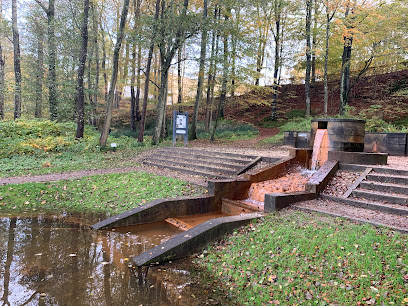
A quiet world of global trees in a 200‑year‑old Silkeborg forest, where wetlands, wildlife and easy woodland paths create a free, low‑key escape close to town.
Befrielsesmonument i Silkeborg
1.7 km
A powerful World War II memorial in Silkeborg’s Indelukket park, where Knud Nellemose’s bronze freedom fighter rises from granite reliefs of occupation, resistance and liberation.
Indelukkets Friluftsscene
1.7 km
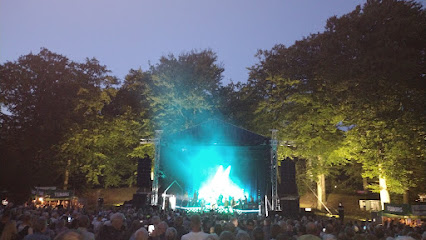
Historic open-air theatre hosting rock festivals, concerts, and cultural events in scenic Silkeborg parkland.
Knagerne Silkeborg
1.7 km
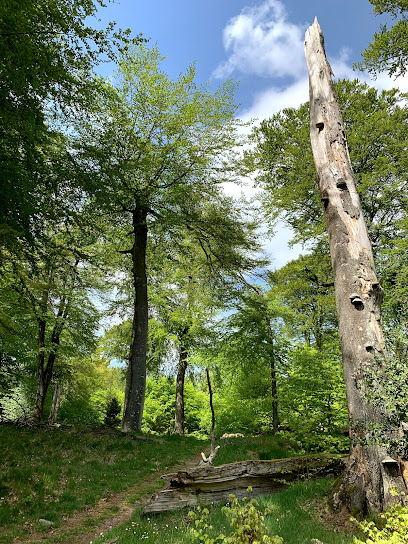
A small, protected pocket of old-growth woodland in Silkeborg Vesterskov, where crooked beeches, fallen trunks and deep quiet create an evocative forest escape.
Stærke Storm af Thomas Dambo
1.8 km
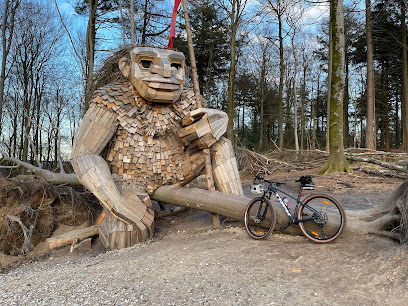
A towering recycled-wood troll by Thomas Dambo, hidden in Silkeborg’s lakeside forest, where fairytale art, playful exploration and peaceful nature meet.
Museum Jorn, Silkeborg
1.8 km
Riverfront modern art sanctuary in Silkeborg, uniting Asger Jorn’s bold legacy, CoBrA masterpieces and hands-on creativity in an intimate, light-filled museum.

Badeanstalten
2.1 km
Denmark's most authentic bathhouse—a historic Nordic wellness sanctuary preserving centuries of bathing tradition.
Silkeborg Archive
2.2 km
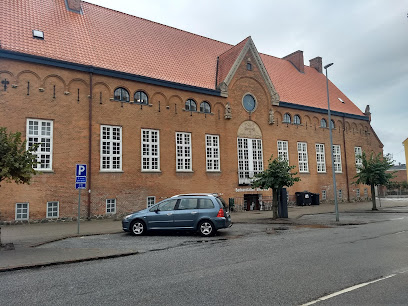
Silkeborg’s collective memory, preserving documents, images and stories that trace the lakeside city’s journey from industrial outpost to modern municipality.
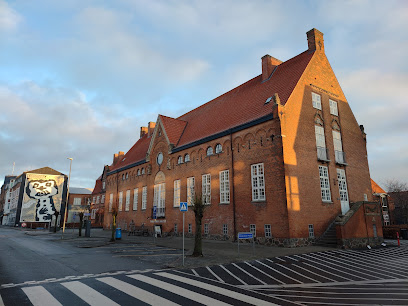
Galerie Moderne Silkeborg
2.2 km
One of Scandinavia’s largest modern art galleries, blending CoBrA masterpieces, contemporary works and a welcoming, free-to-enter space in central Silkeborg.
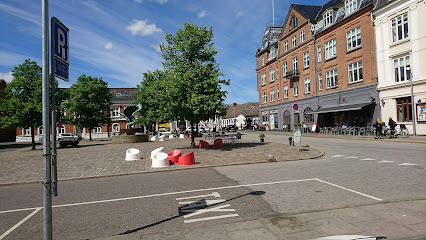
Essential places to dine

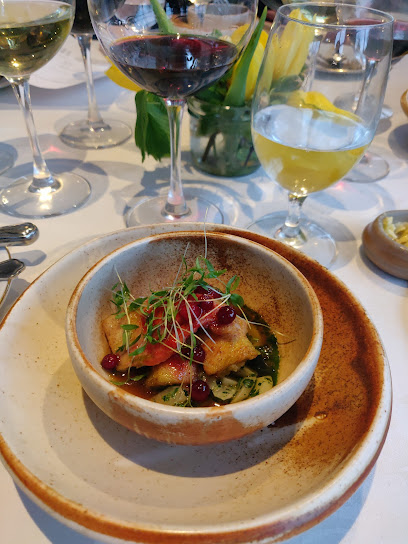
Restaurant Karoline Amalie v/Rikke Brockstedt
1.1 km
Destination dining in the woods near Silkeborg, where seasonal Danish menus, thoughtful wine pairings and a calm, intimate room turn dinner into an evening-long occasion.
Orangeriet
1.3 km
Seasonal Nordic cuisine in a historic orangery surrounded by gardens and natural light.
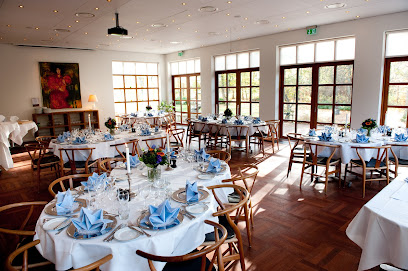
Gl. Skovridergaard
1.3 km
Historic forester’s lodge turned serene hotel, restaurant and conference haven, wrapped in parkland with forests, lakes and Silkeborg’s cultural life close at hand.
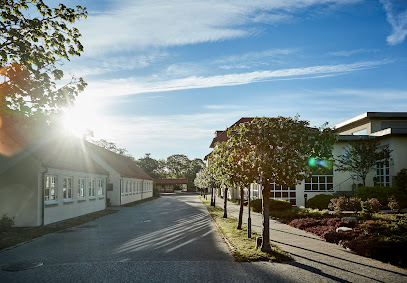
Resturant indelukket
1.8 km
Modern Danish comfort food on the edge of Silkeborg’s Indelukket park, where classic flavors, fresh ingredients and riverside greenery create an easygoing dining escape.
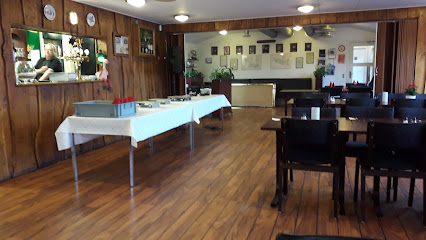
Ristorante Pizzeria Roma
2.0 km
Unpretentious Italian comfort in central Silkeborg, with stone-oven pizzas, generous pasta plates and a cosy, family-friendly dining room ideal for relaxed evenings.
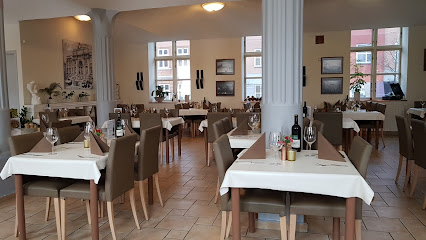
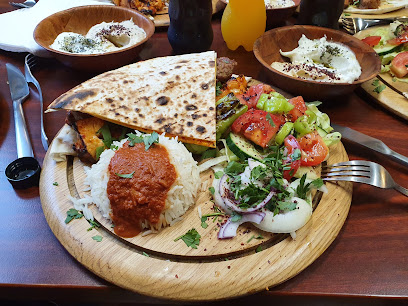
Restaurant Spyd
2.0 km
Charcoal-grilled Turkish kebabs and Middle Eastern specialties in casual Silkeborg dining.
Burger Beast Silkeborg
2.2 km
No-nonsense, juicy burgers with organic beef, soft buns and signature Beast dressing in a relaxed, central Silkeborg burger bar geared for eat-in and takeaway.
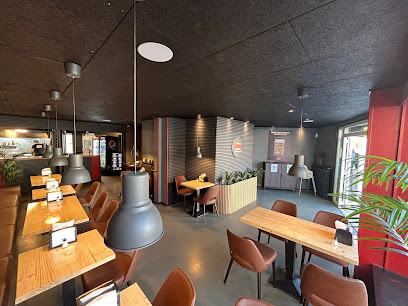
Green Habits
2.2 km
Fresh, fast and colourful bowls, wraps and burgers in central Silkeborg, where everyday “green” eating meets casual café comfort and easy takeaway.
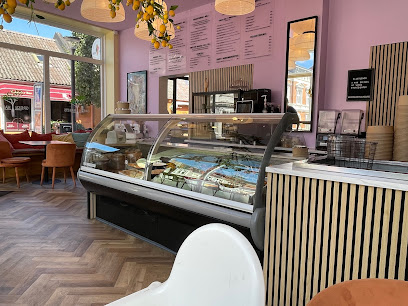
Sabel - Restaurant og Bar
2.2 km
Seasonal cooking, crafted cocktails and intimate atmosphere come together at this central Silkeborg restaurant and bar with a cosy basement for private gatherings.
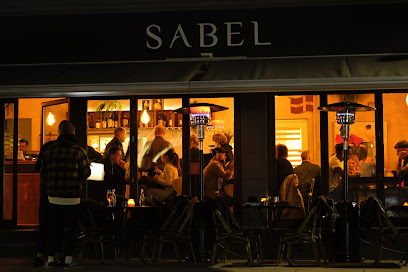
La Casita
2.2 km
Colorful Mexican comfort food, tequila and hygge in a cozy, rustic cantina right on Bindslevs Plads in the heart of Silkeborg.
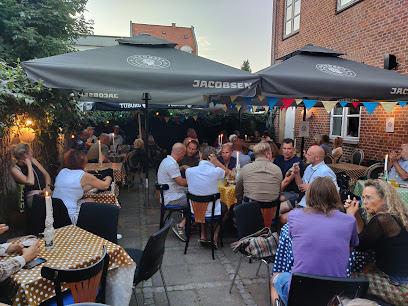
Madkassen V/allan Petersen
2.3 km
Casual Silkeborg sandwich and tapas kitchen serving generous box lunches, easygoing takeaway and tailored catering from a friendly Tværgade storefront.
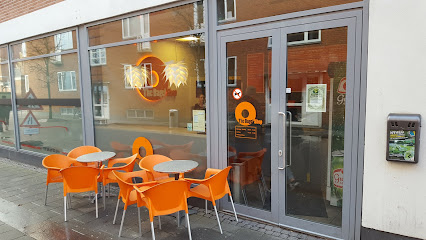
Flamingo Pizza V/Aydin Wahab
2.3 km
Casual, central Silkeborg pizzeria serving generous family trays, classic slices and hearty kebabs in a straightforward, budget-friendly setting on Nygade.
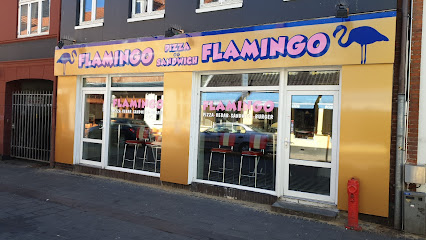
Restaurant Piaf
2.3 km
Intimate French gourmet dining in the heart of Silkeborg, where southern French roots, seasonal Nordic produce and thoughtful wines create long, lingering evenings.
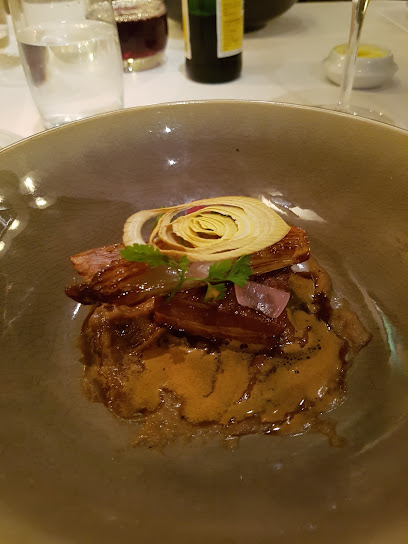
Okkels Silkeborg ApS
2.3 km
Organic Italian-style gelato, eco-conscious details and a warm neighbourhood buzz in the heart of Silkeborg’s cosy Latin Quarter.
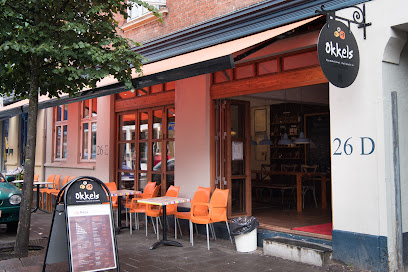
VIVI Mad- & Vinbar
2.3 km
Cosy Silkeborg wine bar and kitchen serving shareable plates, pizzas and a well-chosen wine list in an intimate, candlelit setting on Nygade.
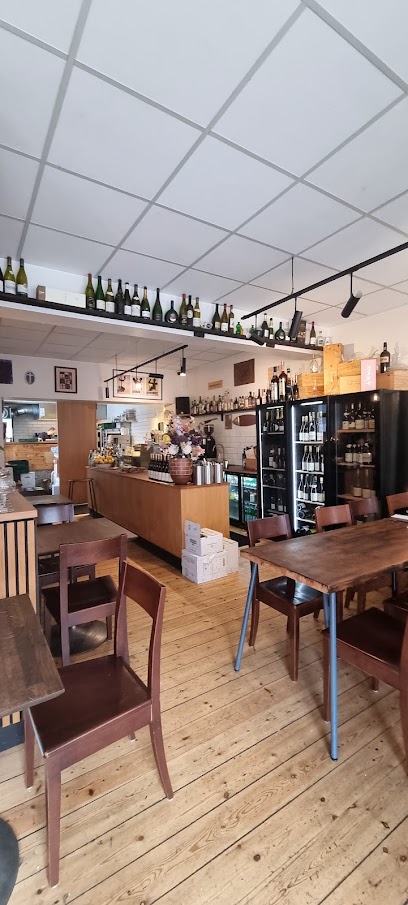
Markets, malls and hidden boutiques

Pindhus.dk
2.3 km
Hand-curated Scandinavian design, gifts, and lifestyle treasures in the heart of Silkeborg.
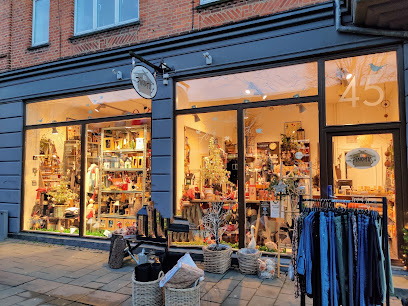
Fair Retro
2.4 km
Curated mid-century and retro furniture in a cosy Silkeborg shop, where vintage Danish design, characterful lighting and sustainable home inspiration fill every corner.
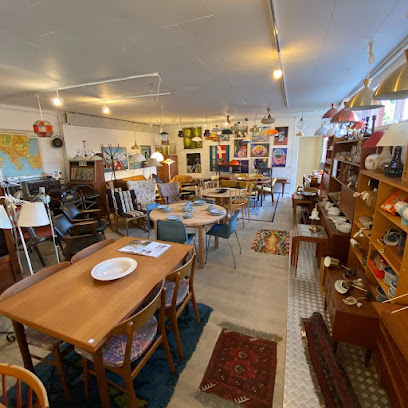
Huset Lene Bak Silkeborg
2.4 km
Welcoming women’s fashion boutique in central Silkeborg, specialising in quality jeans, flattering fits and personal styling in a calm, uncluttered setting.
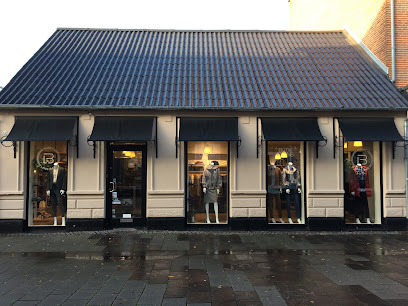
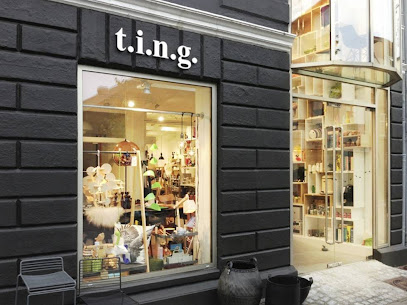
t.i.n.g.
2.4 km
Scandinavian design paradise in central Silkeborg, offering two floors of curated furniture, lighting, interiors and gifts in a calm, inspiring boutique setting.
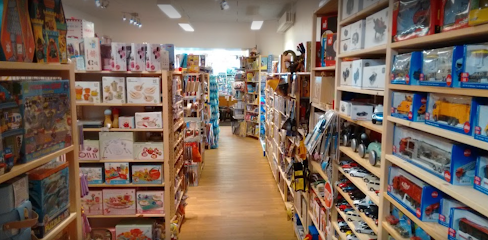
Børnenes Kartel Silkeborg
2.4 km
A Scandinavian-style toy and children’s universe in central Silkeborg, where quality play, creative decor and family-friendly service turn shopping into a playful outing.
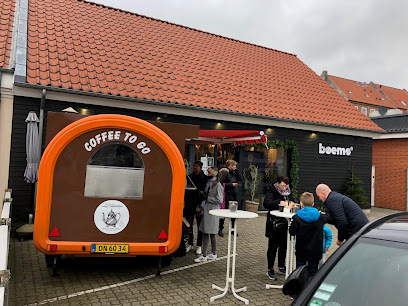
Boemo
2.4 km
A cozy Silkeborg lifestyle store where Scandinavian interiors, curated fashion and gallery art come together in one calm, design-focused space.
Flying Tiger Copenhagen
2.4 km
A compact burst of colorful Scandinavian design in central Silkeborg, perfect for quirky gifts, affordable homeware and playful everyday essentials.

Mr Silkeborg A / S
2.4 km
Refined menswear boutique in central Silkeborg, combining Danish and international brands with attentive, style-focused service for business, casual and occasion wear.
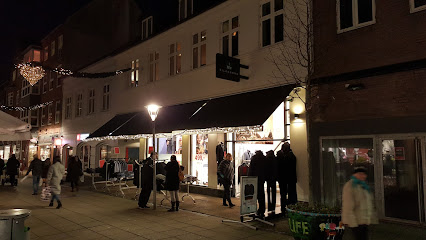
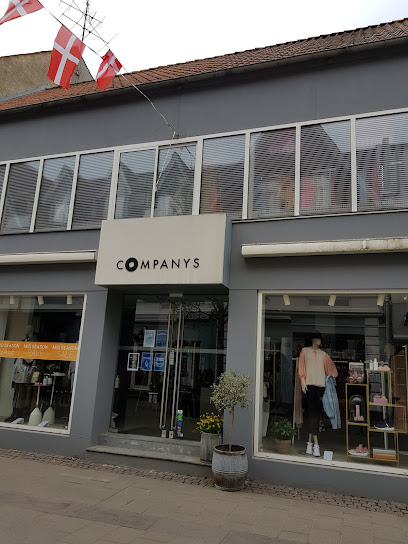
Companys Silkeborg
2.4 km
Modern Scandinavian womenswear in a calm, central Silkeborg boutique, ideal for curated wardrobe updates between café stops and city-center strolls.
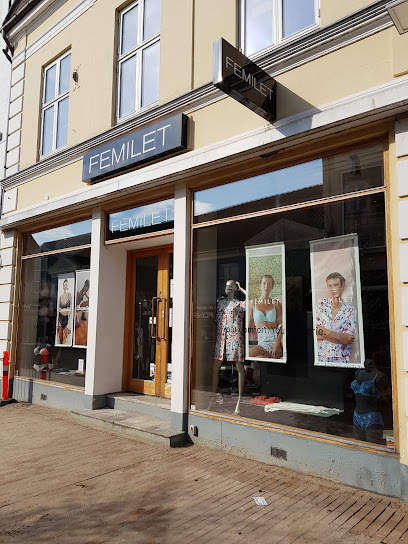
Femilet
2.5 km
Premium Scandinavian lingerie and intimate wear for women seeking comfort, quality, and perfect fit.
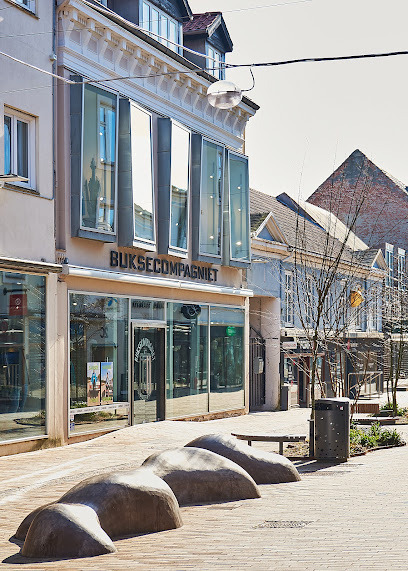
Buksecompagniet
2.5 km
Independent Silkeborg fashion store mixing timeless Scandinavian basics, denim and footwear with seasonal trends for both men and women on lively Søndergade.
Tenna Og Jens Kristian I/S
2.5 km
Family-run multibrand womenswear house in central Silkeborg, combining 400 m² of contemporary fashion, personal styling and Scandinavian labels on lively Vestergade.
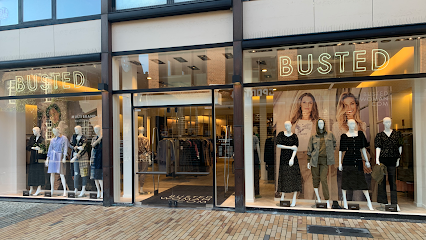
Bustedwoman.com
2.5 km
Curated European fashion and personalized styling in Silkeborg's premier women's boutique.
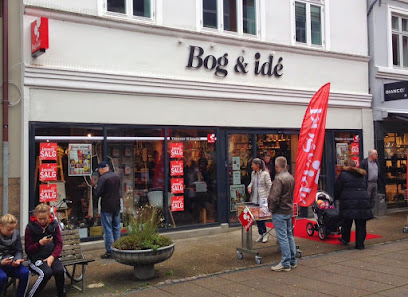
Bog & idé - Silkeborg Vestergade
2.5 km
Silkeborg's beloved bookstore and stationery hub since 1930, offering books, office supplies, and gifts.
Bivs.dk
2.5 km
Silkeborg's dedicated children's clothing and toy specialist with extended daily hours.
Essential bars & hidden hideouts

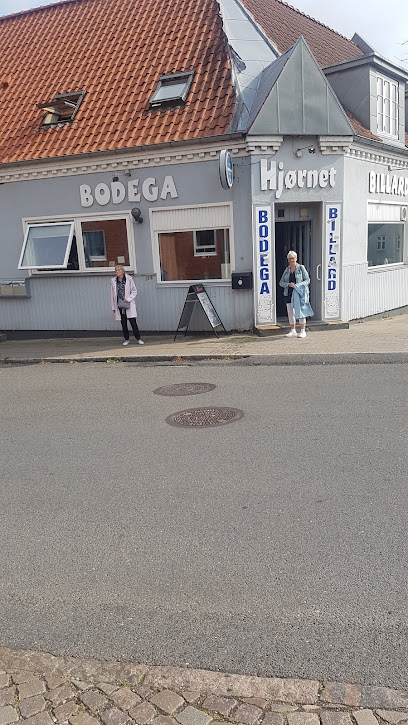
Bodega Hjørnet
1.8 km
A cosy corner bodega in central Silkeborg, where dim lights, cold beer and easy conversation capture the timeless charm of Danish bar culture.
Cafe' Paradis
2.1 km
A compact, old‑school bodega in central Silkeborg, serving cold beers, local atmosphere and late‑night conversation in an unpretentious, lived‑in bar setting.
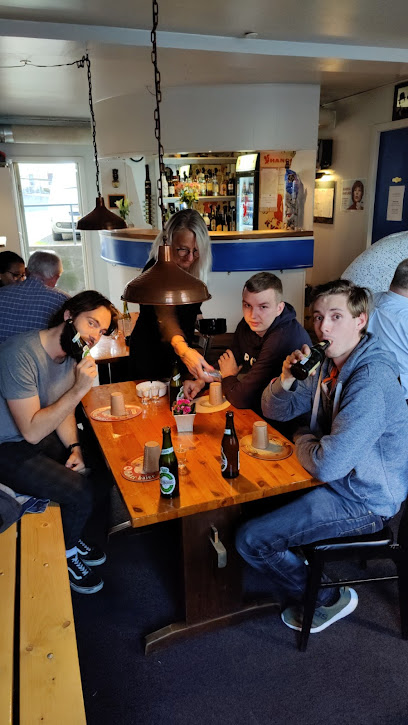
Sportspubben Målet
2.2 km
A cozy, no-frills sports pub in central Silkeborg, where big screens, cold beer and local chatter turn every match day into a shared living room.
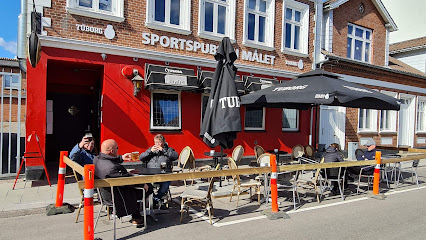
The bar Silkeborg ApS
2.3 km
Intimate late-night bar on Nygade in central Silkeborg, mixing easygoing pub charm with nightclub energy from evening drinks to early-morning dancing.
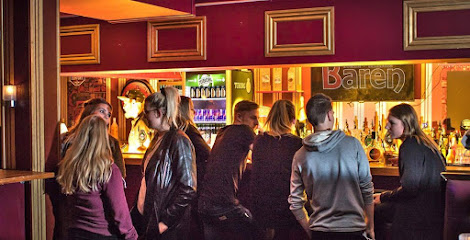
Rabalder Bar
2.3 km
Cozy living‑room bar in Silkeborg serving affordable drinks, sing‑along hits and late‑night party vibes in a compact, homey setting.

Zwei Grosse Bier Bar
2.3 km
Alpine-inspired après-ski party bar with karaoke, beer pong, and group celebrations in central Silkeborg.
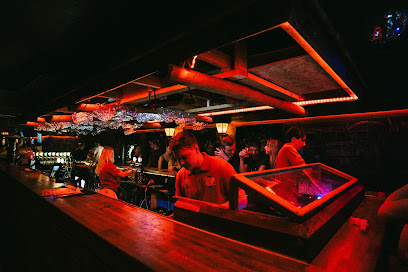
Bifrost Sports Pub
2.3 km
Silkeborg's premier sports bar for live action, cold drinks, and vibrant nightlife.
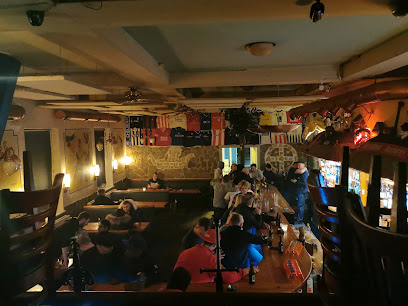
Butchers Silkeborg
2.3 km
Compact late-night bar and nightclub in central Silkeborg, serving high-energy music, simple drinks and a youthful party vibe on weekend nights.
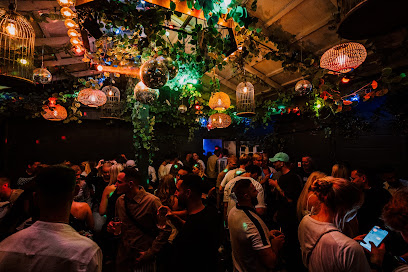
Roxy Malt
2.3 km
Irish-inspired Silkeborg pub with live music, quizzes, speciality beers and a cosy courtyard, blending retro charm with late-night energy in the town centre.
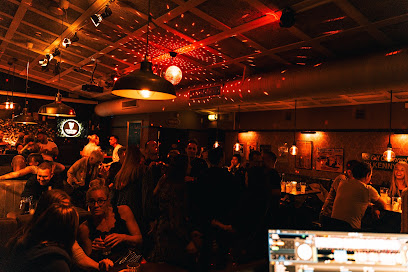
The Admiral Pub
2.3 km
Classic Danish bodega bar in central Silkeborg, serving inexpensive drinks and everyday atmosphere from quiet daytime pints to late‑night weekend sessions.
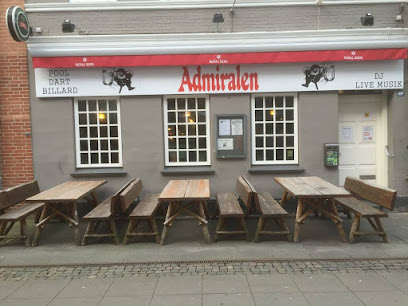
Café Kling Klang
2.4 km
Intimate, candlelit bar-café on Silkeborg’s Søndergade, blending everyday hygge, music and drinks in a laid-back neighbourhood atmosphere.
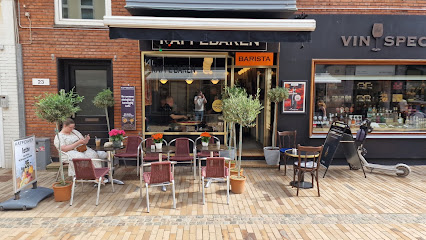
Kaffebaren
2.4 km
Neighbourhood-style coffee bar on Vestergade in Silkeborg, pairing carefully made espresso drinks and iced coffees with a cosy, Scandinavian-inspired atmosphere.
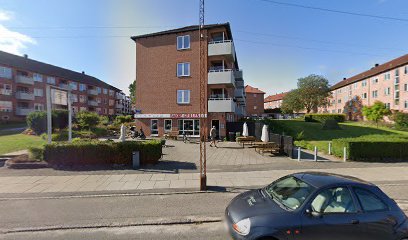
Bakkens bodega
2.8 km
Unpretentious beer hall on Århusvej where locals, cold drafts and simple pub fare create a slice of everyday Silkeborg life from late morning to late evening.
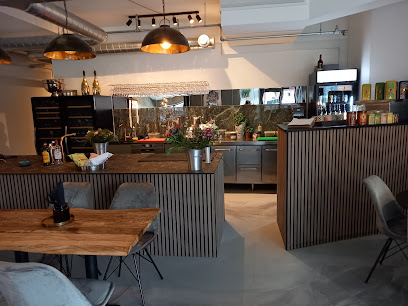
NO 21 -Tapas & vinbar i Silkeborg
2.8 km
Riverside tapas and wine bar with curated selections and panoramic river views in central Silkeborg.
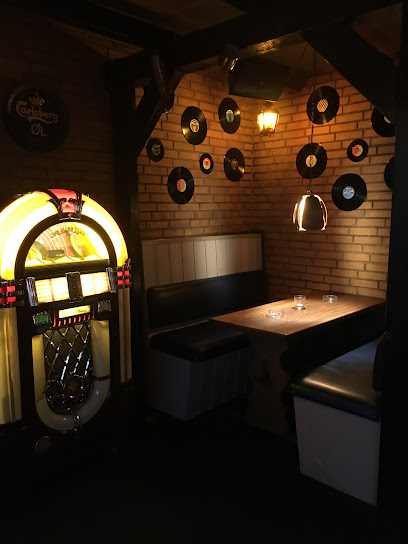
The Smoke Pub
3.4 km
A classic Silkeborg bodega on Borgergade, where smoke, cold beer and easy conversation create an unpretentious local living room from late morning to late night.
Nightclubs & after hour spots

B'sharp - Silkeborg Rhythm Og Blues Association
2.2 km
Volunteer-run blues stronghold in central Silkeborg, where intimate weekend concerts, affordable drinks and close-up performances keep rhythm & roots music alive.
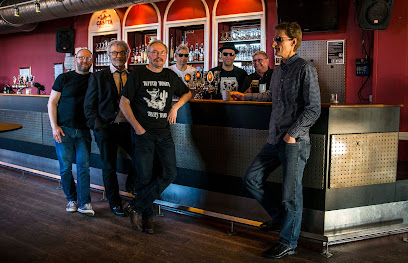
Team Paderborner
26.7 km
Nightclub entertainment in Denmark's scenic Dyrehaven forest and lakeside setting.
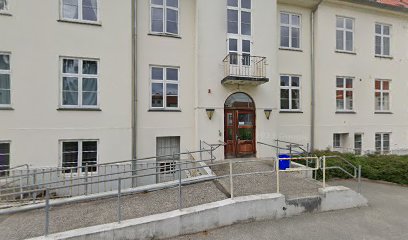
Terminalen I/S v/Carl Erik Agnskov M.Fl.
34.9 km
Lively, affordable bar at Viborg’s historic center—Terminalen offers all-day drinks, local vibes, and Danish hygge for city explorers and socializers.
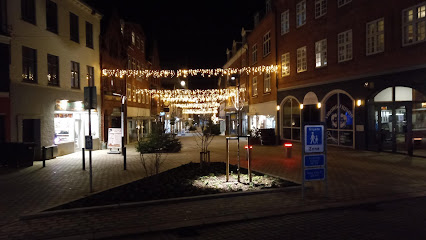
Vesterbro Pub
34.9 km
Vesterbro Pub offers an authentic slice of Danish bodega culture in central Viborg, where locals gather for affordable drinks, lively chats, and classic pub games.
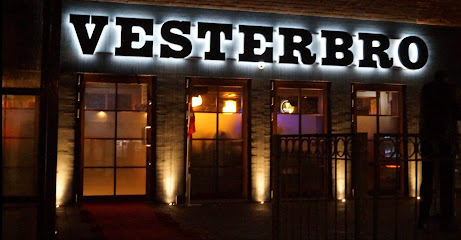
Piano Herning
35.1 km
Experience Herning’s vibrant nightlife in a cozy piano bar with live music, great cocktails, and classic Danish hospitality in the center of town.
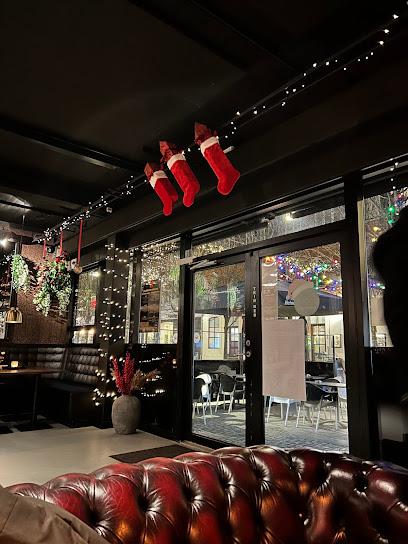
Murphy's Pub
35.2 km
Traditional Irish pub in the center of Herning, Denmark, featuring welcoming atmosphere, live music, a variety of beers and whiskies, and lively sports viewing.
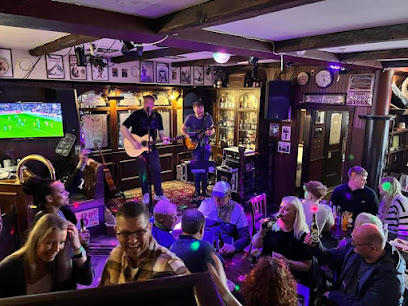
Bart
35.2 km
Stylish cocktail bar in central Herning, renowned for inventive drinks, cheerful ambiance, and generous opening hours—an essential stop for experiencing the city’s modern nightlife.
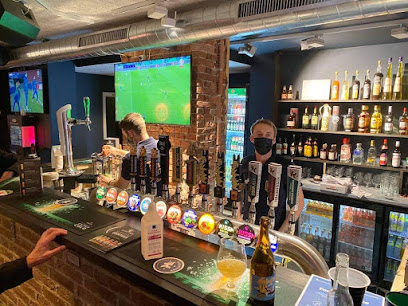
Scandic Opus Horsens
35.2 km
A contemporary Scandinavian hotel in Horsens with spa, dining, and panoramic city-to-nature views—an elegant gateway to both urban and outdoor experiences.
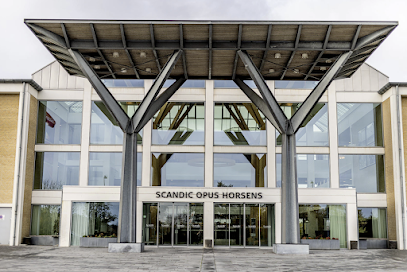
Mindegade5
35.4 km
Experience the heartbeat of Herning's nightlife at Mindegade5, where music, dance, and celebration converge.
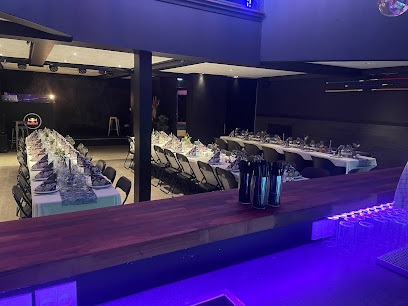
Fermaten
35.6 km
Experience Herning’s vibrant music scene at Fermaten, the city’s top venue for live concerts, cultural events, and dynamic nights out in central Jutland.
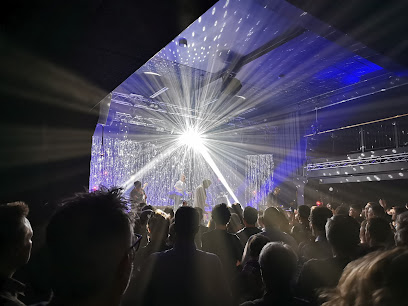
ANDERS LAUSTSEN A/S
36.5 km
Compact, casual late-night bar and dance spot in Viborg, offering simple drinks, music, and a local Danish nightlife vibe just beyond the historic center.
Sölibat Natklub
36.6 km
Late-night, no-frills clubbing in central Horsens, where loud music, simple drinks and a compact dance floor create an unapologetically local party vibe.
Hemingway's Horsens
36.6 km
Late-night disco bar in central Horsens with a mature crowd, classic hits from past decades and a cozy-but-lively atmosphere every Friday and Saturday.
Morzybitten
36.7 km
Experience the essence of Danish 'hygge' at Morzybitten, Horsens' premier barista and beer bar with live music.
Kokomo Horsens
36.7 km
Three floors of colorful cocktails, big beats and tropical nightclub energy at the heart of Horsens’ weekend nightlife.
For the vibe & atmosphere seeker
- Scenic
- Tranquil
- Relaxing
- Nature Escape
For the design and aesthetic lover
- Rustic Designs
For the architecture buff
- Parks & Gardens
- Historic
- Viewpoints
For the view chaser and sunset hunter
- Panoramas
- Waterfront
- Iconic Views
- Sunrise Spots
- Sunset Spots
For the social media creator & influencer
- Photo Spots
- Instagrammable
- Scenic Backdrops
For the eco-conscious traveler
- Protected Area
- Nature Reserve
- Eco-Friendly
- Locally Managed
- Wildlife Habitat
- Leave-No-Trace Critical
For the kind of experience you’re after
- Nature Escape
- Photowalk
- Cultural Heritage
- Mindfulness
- Day Trip
For how adventurous you want the journey to be
- Easy Access
- Requires Hike
Location Audience
- Family Friendly
- Senior Friendly
- Solo Friendly
- Couple Friendly
- Pet Friendly


