
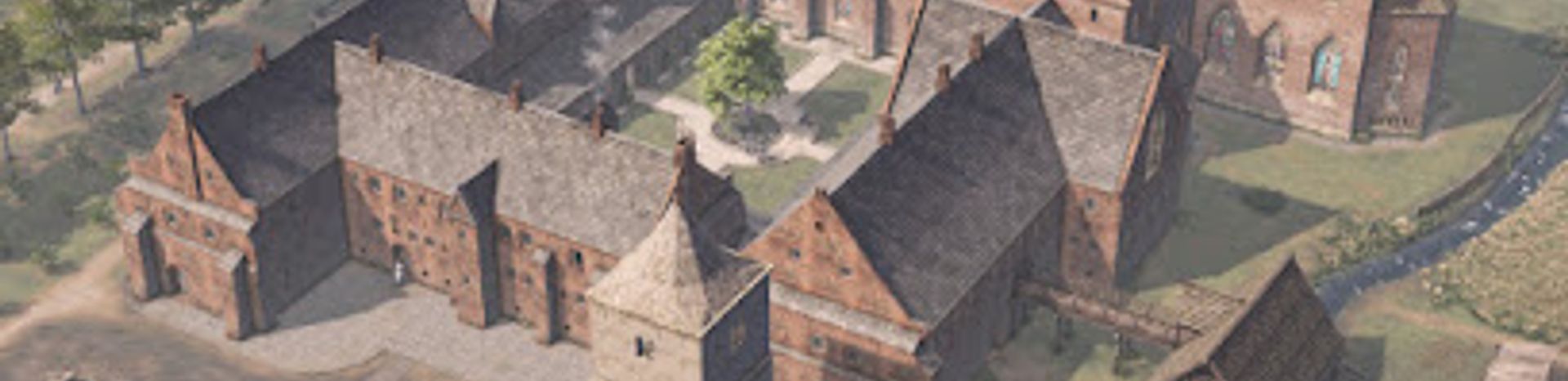
Æbelholt Kloster & Klostermuseum
Explore atmospheric monastery ruins, a medicinal herb garden and a small but vivid museum that together reveal Æbelholt’s role as North Zealand’s medieval centre of healing.
Tucked into gentle farmland west of Hillerød, Æbelholt Kloster combines evocative monastery ruins, a fragrant medicinal herb garden and a compact museum that opens a window onto medieval healthcare. Once one of the largest Augustinian monasteries in Northern Europe and a renowned healing site linked to Saint Vilhelm, it now invites you to wander foundations, meet the skeletons of former patients and trace how stones from this powerful religious centre were later reused in grand Frederiksborg Castle.
A brief summary to Æbelholt Kloster - Museum Nordsjælland
- Æbelholt 4, Hillerød, 3400, DK
- +4572170240
- Visit website
- Duration: 1 to 3 hours
- Budget
-
 Mixed
Mixed
- Mobile reception: 4 out of 5
- Saturday 11 am-4 pm
- Sunday 11 am-4 pm
Local tips
- Plan your museum visit between May and October when the indoor exhibition is open; outside these months you can still walk among the ruins and in the herb garden for free.
- Wear sturdy shoes, as paths around the ruins and through the surrounding fields are mostly grass and gravel and can be uneven after rain.
- Bring a light jacket, even in summer; the open fields around the monastery can be breezy and cooler than central Hillerød.
- Allow time to read the plant labels in the herb garden; many list traditional medical uses and add depth to what you see inside the museum.
- Combine your stop at Æbelholt with a visit to Frederiksborg Castle in Hillerød to trace how stones from the monastery were reused in later royal architecture.

For the on-the-go comforts that matter to you
- Restrooms
- Drink Options
- Drinking Water
- Food Options
- Seating Areas
- Picnic Areas
- Trash Bins
- Information Boards
- Visitor Center
Getting There
-
Regional train and bus from Copenhagen
From central Copenhagen, take an S-train on line A towards Hillerød, a journey of about 40–45 minutes. From Hillerød Station, connect to a regional bus towards Isterødvejen and alight at a stop near Æbelholt; the bus leg typically takes 10–20 minutes depending on route and waiting time. A standard adult ticket for the combined train and bus ride usually costs around 60–80 DKK one way with public transport tickets or travel card. Services run frequently on weekdays but are less frequent in evenings and on weekends, so check departure times in advance.
-
Car from Hillerød and wider North Zealand
Driving from central Hillerød to Æbelholt Kloster typically takes 10–15 minutes along main regional roads, slightly longer in peak traffic. The route uses well-maintained paved roads and ends at a small parking area by the museum, which is free but can fill up on busy summer days and during special events. There are no tolls on the approach, and the final access is along narrow country lanes where you may need to drive slowly and watch for cyclists and farm vehicles.
-
Cycling from Hillerød
From Hillerød, the ride to Æbelholt is roughly 5 kilometres and usually takes 20–30 minutes by bicycle at a moderate pace. The route follows a mix of smaller roads and cycle-friendly stretches, with gentle hills but no extreme gradients. Surfaces are mostly paved, though short sections may be on gravel near the site. This option suits visitors comfortable sharing rural roads with light traffic; bring lights and reflective gear if returning in the evening.
Æbelholt Kloster - Museum Nordsjælland location weather suitability
-
 Mild Temperatures
-
 Clear Skies
-
 Any Weather
-
 Cold Weather
-
 Hot Weather
-
 Rain / Wet Weather
Discover more about Æbelholt Kloster - Museum Nordsjælland
A medieval monastery in the North Zealand countryside
Æbelholt Kloster lies in rolling fields about five kilometres west of Hillerød, where a quiet landscape hides the remains of what was once one of the largest Augustinian monasteries in the Nordic region. Founded around 1175, the monastery grew up beside busy routes through North Zealand, offering hospitality to travellers as well as spiritual care to the local community. Today only low foundations and a few striking brick structures break the surface, but together with the surrounding fields they still sketch the outline of a once-impressive religious complex. Walking between the stone lines, you trace the footprint of church, cloister and convent buildings. Information panels and simple reconstructions help you imagine the height of vaulted ceilings, the echo of chanting and the bustle of lay people seeking help. The sense of space and sky is striking; even on a short visit, it is easy to picture the monastery as a self-contained world of prayer, medicine and manual work.Saint Vilhelm and a centre of healing
At the heart of Æbelholt’s story stands Abbot Vilhelm, an Augustinian canon whose reputation for piety and miracles drew pilgrims from far beyond North Zealand. After his death he was canonised in 1224 as Saint Vilhelm, sometimes called the saint of North Zealand, and tales of cures at his grave turned the monastery into a magnet for the sick and the desperate. For centuries, sickbeds here were filled with people hoping for both spiritual intercession and practical treatment. The monastery’s role as a hospital can still be read in the archaeology. Excavations in the 20th century uncovered around 800 graves, many showing clear traces of illness, injury and surgical intervention. These finds reveal a community that combined charity with surprisingly sophisticated medical knowledge for its time, blending learned traditions with local herbal lore.Ruins, skeletons and surgical tools in the museum
Beside the ruins stands a modest museum building erected in the mid-20th century specifically to house the finds from Æbelholt. Inside, display cases bring visitors face to face with some of the skeletons recovered from the cemetery, their bones bearing evidence of fractures, infections and healed operations. It is an unusually direct way to encounter individuals who once travelled here in search of healing or lived within the monastery walls. Alongside the human remains, a collection of medieval medical instruments and everyday objects evokes daily life in the infirmary and beyond. Metal tools hint at early surgery, while pottery, devotional items and personal belongings fill out the picture of a working religious community. Text and simple graphics explain how such objects were used, encouraging you to look closely at the fine details that survive despite the passing of centuries.The fragrant cloister garden of medicinal plants
Immediately next to the museum, the monastery garden has been replanted as a modern interpretation of a medieval herb garden. Around a network of paths, beds hold some one hundred species of medicinal and useful plants, their labels revealing Latin names and traditional uses. In summer the air is scented with sage, mint and other aromatic herbs, while bees and butterflies move constantly between the flowers. The garden functions as an open-air classroom on historical botany and pharmacy. Walking slowly along the beds, you can match plants to the ailments they were once believed to cure, from digestive troubles to wounds and fevers. Simple seating invites you to pause with a view across the ruins and surrounding fields, making the garden both an educational stop and a restful green space.Quiet paths, seasonal access and practical details
Beyond the formal garden, short and longer walking paths spread into the countryside, linking the ruin field with meadows and small patches of woodland. The terrain is generally gentle, though unpaved sections can be uneven after rain. It is easy to combine a focused museum visit with a short contemplative stroll, or to linger longer with a picnic among the wildflowers. The museum itself usually operates a seasonal schedule, opening roughly from May to October, while access to the outdoor ruins and herb garden remains free year-round. Entry to the museum exhibition is modestly priced, with adults paying a small fee and children and young people admitted without charge. The site is relatively compact but involves some walking on grass and gravel, and interior spaces include steps and narrow passages, making full wheelchair access challenging. Simple refreshments and a small shop round off the visit, underscoring the site’s dual identity as both an archaeological monument and a gentle rural escape.Iconic landmarks you can’t miss

Kirppu Hillerød
4.5 km
Discover unique vintage finds and support sustainable shopping at Kirppu Hillerød, Denmark's largest flea market supermarket, offering a treasure trove of pre-loved goods and community spirit.
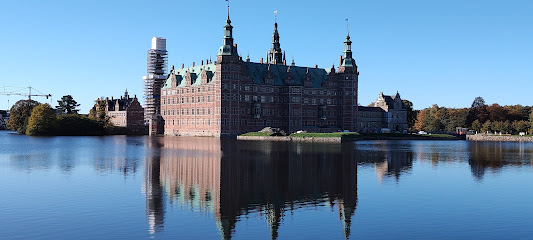
Skänk øl, vin & madbar Hillerød
5.7 km
Experience Danish craft beers, global wines, and tasty tapas at Skänk in Hillerød, a cozy spot with castle views and a welcoming atmosphere on Torvet square.
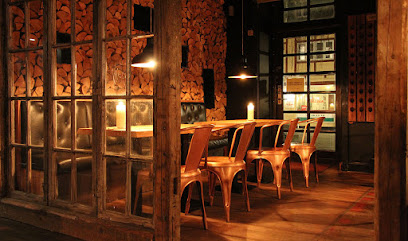
Old town hall
5.8 km
A dignified brick landmark on Hillerød’s main square, the Old Town Hall anchors the town’s civic heart between cobbled streets, cafés and castle views.
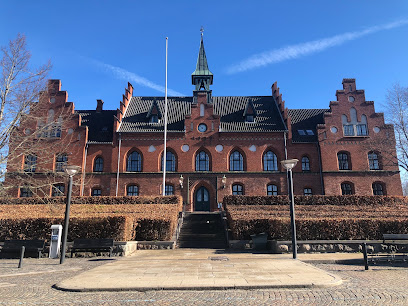
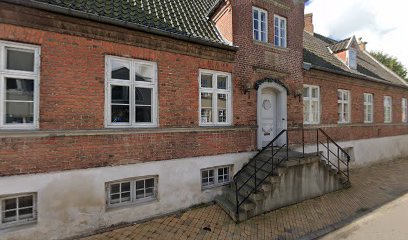
Hillerød Rectory
5.9 km
Discover the Befrielsessten in Høgsholt, Vejle—a serene memorial park honoring Denmark's journey to freedom amidst lush landscapes.
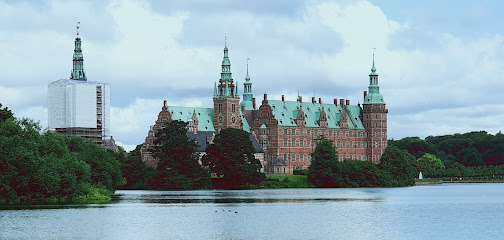
Hillerød St.
6.3 km
North Zealand's essential transport hub connecting Copenhagen, regional destinations, and Frederiksborg Castle.
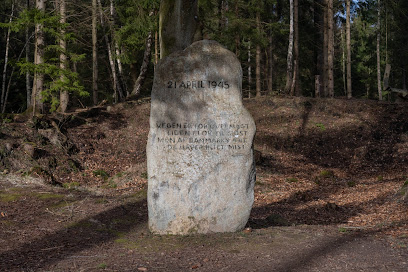
Kulsvierstenen
9.2 km
A modest forest boulder in Gribskov that marks a dramatic World War II resistance firefight, blending North Zealand’s tranquil woodland with powerful memory.
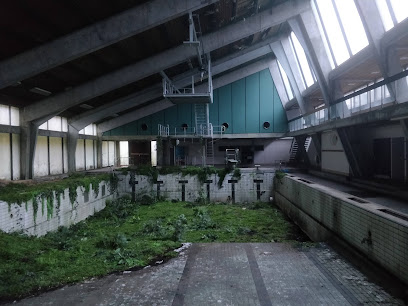
Auderødlejren
9.3 km
Once a busy Danish Navy barracks, today a quiet, semi‑abandoned camp on Arrenæs where stark military architecture meets lakeside nature and recent history.
Country Market
12.1 km
Experience the charm of Fredensborg at Country Market, a vibrant marketplace offering local delicacies, artisan products, and a cozy café atmosphere in the heart of town.
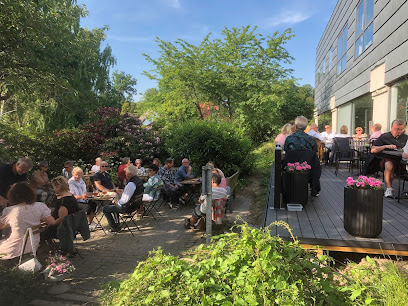
Gerlevparkens Venner
19.1 km
Discover Denmark's horticultural heritage at Gerlevparken near Jægerspris: explore unique rose collections, a diverse tree collection, and tranquil gardens maintained by dedicated volunteers.
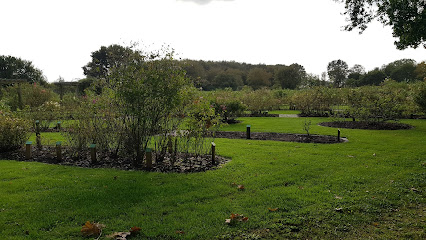
Fiskebæk Naturskole
19.1 km
Discover the enchanting Fiskebæk Naturskole, a scenic spot in Værløse, Denmark, perfect for nature lovers and adventure seekers exploring the great outdoors.
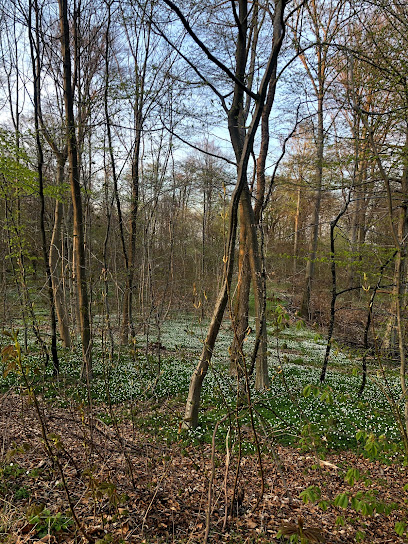
Hørsholm Slotshave
19.4 km
A baroque garden where Scandinavia's lost palace still echoes through ancient linden trees.
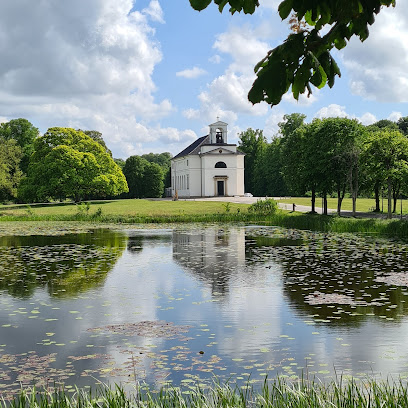
Vaserne
19.4 km
Discover a haven for birdlife and tranquil nature experiences at Vaserne, a protected wetland near Copenhagen, offering diverse habitats and scenic trails.
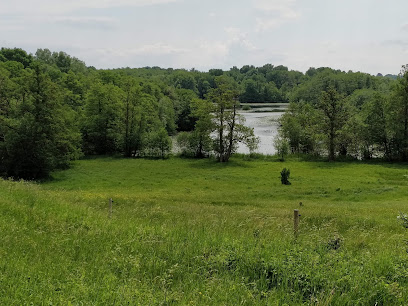
Arboretum
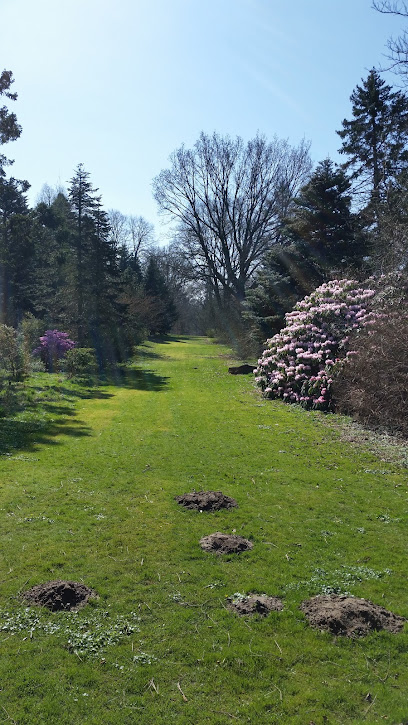
19.8 km
Discover a world of trees and shrubs at the Arboretum in Hørsholm, a tranquil escape offering botanical exploration and natural beauty just north of Copenhagen.
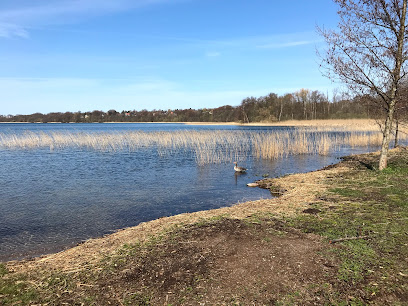
Søndersø
20.4 km
Escape to Søndersø: A serene lake in Værløse offering tranquil nature walks, birdwatching, and recreational activities amidst lush forests and historical landscapes.
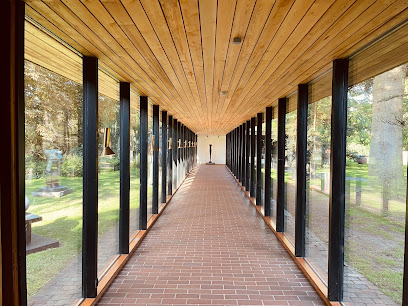
Louisiana Museum of Modern Art
20.6 km
Experience world-class modern art where architecture and nature meet in perfect harmony, offering breathtaking views and a serene escape just north of Copenhagen.
Unmissable attractions to see

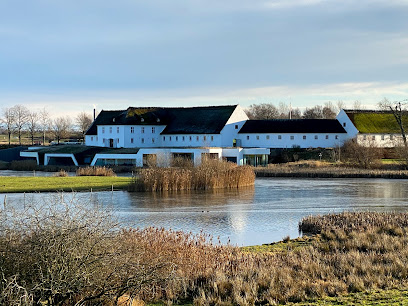
Æbelholt Abby ruins
0.3 km
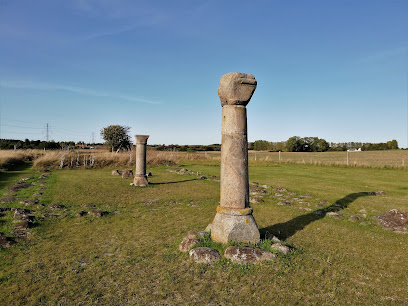
Evocative monastery ruins, a vivid small museum and a flourishing herb garden reveal centuries of healing, faith and everyday life in rural North Zealand.
Monkey World
1.2 km
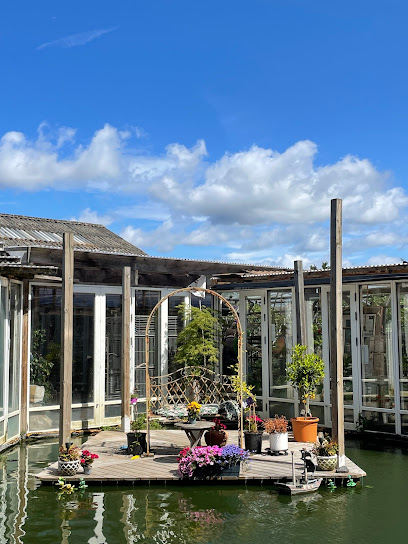
Intimate mini zoo and rescue garden near Hillerød, where playful monkeys, colourful parrots and peaceful Japanese-style greenery create a close-up family wildlife escape.
Mangholm økologisk besøgsgård og gårdbutik
2.1 km
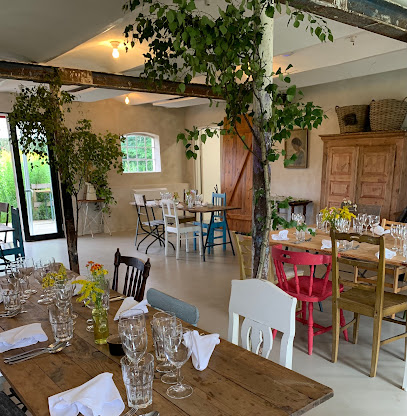
Regenerative farm-to-table dining and woodland retreats in North Zealand's countryside.
Esthers Have
2.2 km
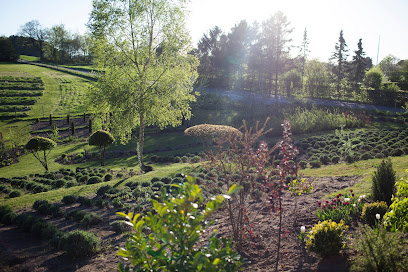
Provence‑inspired lavender slopes, woodland paths and a rustic hilltop barn create a tranquil countryside garden escape just outside Hillerød.
Strødam Engsø
3.5 km
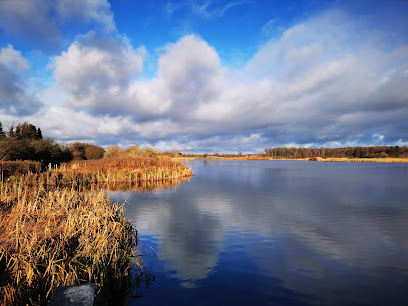
A tranquil wetland lake north of Hillerød, Strødam Engsø pairs easy paths with rich birdlife and wide skies for a peaceful nature escape close to town.
Pøleå bæver
4.6 km
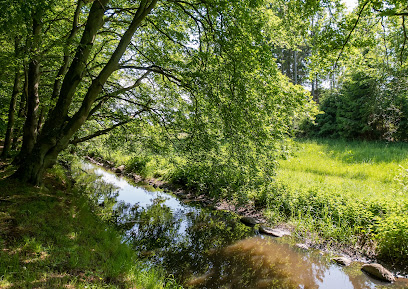
Small riverside viewpoint in North Zealand where reintroduced beavers, wetlands and birds turn an everyday path by Pøle Å into a quietly wild nature stop.
Fisketorvet
5.4 km
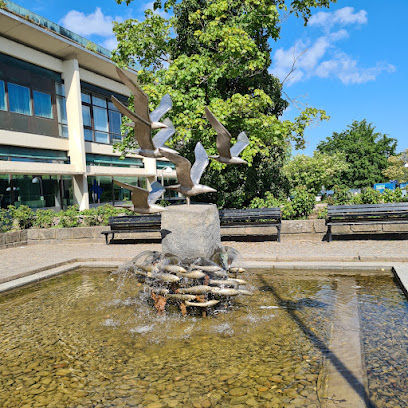
Experience the vibrant heart of Hillerød at Fisketorvet, where history, shopping, and culture converge in North Zealand's premier market square.
Frederiksborg Castle Chapel
5.4 km
Experience LEGO magic at LEGOLAND Hotel & Conference in Billund, offering themed rooms and top-tier conference facilities.
The Museum of National History
5.5 km
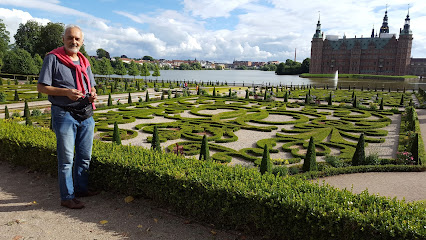
A grand Renaissance castle on an island lake, housing Denmark’s Museum of National History with 500 years of portraits, power and palace splendor.
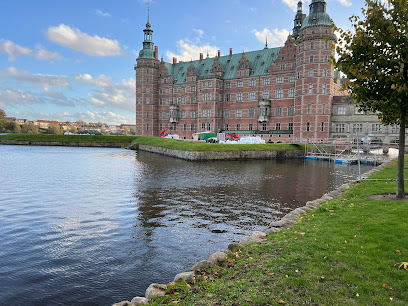
Frederiksborg Castle
5.5 km
Denmark's Renaissance jewel on three islands, where royal grandeur meets national heritage in gardens of baroque precision and romantic beauty.
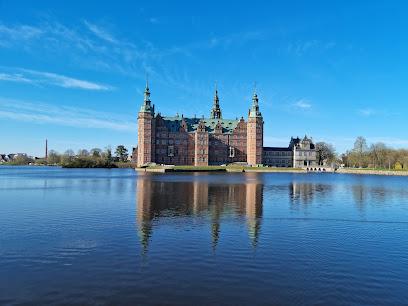
Posen
5.5 km
A small, leafy pause between Hillerød’s bustling Slotsgade and the storybook views of Frederiksborg Castle and its lake.
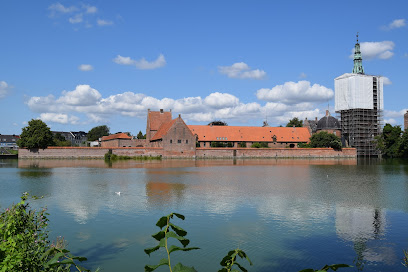
Elværket Hillerød - Museum Nordsjælland
5.6 km
A beautifully preserved 1909 power station turned museum, where industrial architecture and changing exhibitions illuminate 10,000 years of North Zealand history.
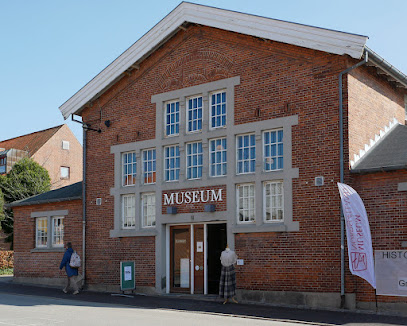
Favrholm bird watching tower
5.6 km
A simple wooden tower on Hillerød’s edge, Favrholm offers wide wetland views, migrating birdlife and a quiet nature pause amid fields, ponds and big Danish skies.
Slotsgade
5.6 km
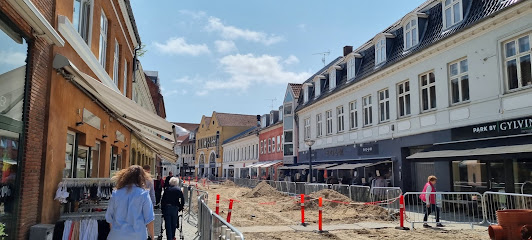
Hillerød’s colourful Slotsgade links castle views, everyday shops and cosy cafés in a compact, walkable street at the heart of Denmark’s classic castle town.
Frederiksborg Castle Gardens
5.7 km
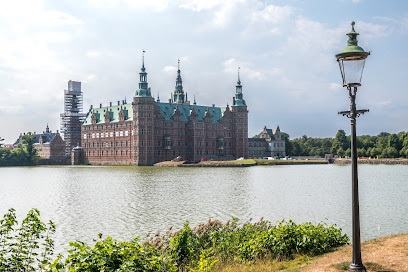
Sweeping Baroque terraces and romantic woodland paths framing a lake island castle, Frederiksborg Castle Gardens blend royal theatre with everyday green escape.
Essential places to dine

Restaurant Ellegården
2.5 km
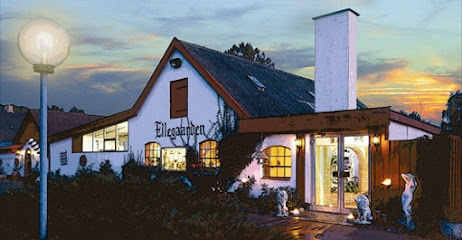
Cosy Danish familierestaurant in a historic country-house setting, serving set menus, hearty classics and unhurried dinners on the quiet outskirts of Hillerød.
Bauhaus Grill
3.0 km
Unpretentious Danish burgers and flæskesteg sandwiches at budget-friendly prices in central Hillerød.
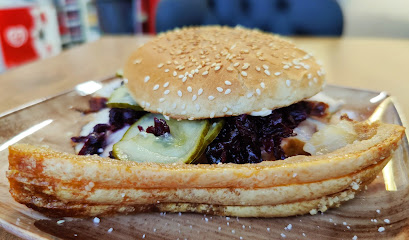
Big Mamma Gastronomia
5.1 km
Casual Italian pizzeria and pasta spot in central Hillerød, serving generous, ingredient-led comfort food for eat-in or takeaway in a relaxed local setting.
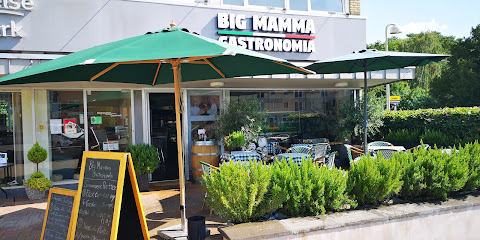
Jensens Bøfhus
5.2 km
Casual Danish steakhouse on Hillerød’s main street, offering family-friendly comfort food and easy castle-side convenience from lunchtime through evening.
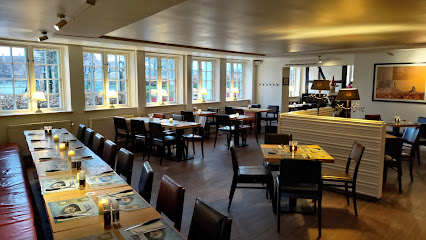
9-Ni Sushi
5.2 km
Casual running sushi and Chinese buffet on Slangerupgade, serving easygoing, all-you-can-eat comfort with a minimalist, family-friendly feel in central Hillerød.
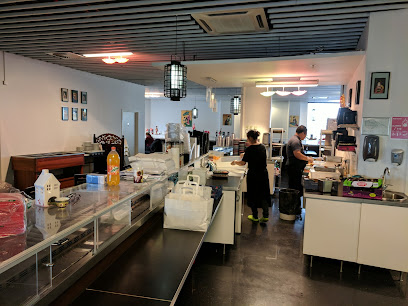
Royal Taste
5.3 km
Generous sushi ad libitum and colourful Asian plates in a relaxed, modern setting on Hillerød’s historic Slotsgade, ideal for cosy dinners and sociable feasts.
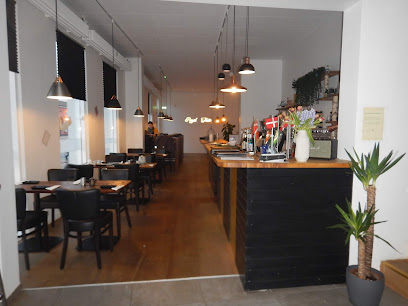
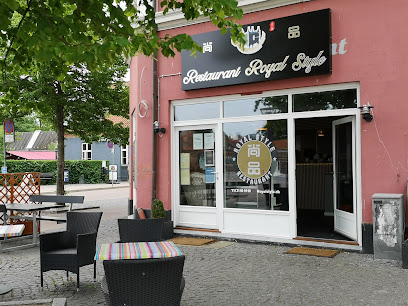
Restaurant Royal Style
5.4 km
Casual Asian comfort food with dim sum, bao and ramen just steps from Frederiksborg Castle in the heart of Hillerød’s historic Slotsgade.
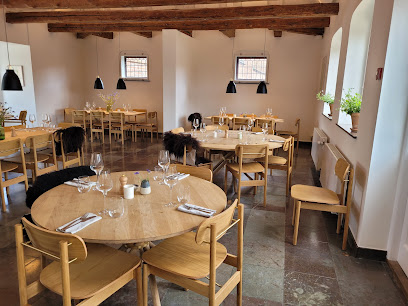
Rabarbergaarden Slottet
5.4 km
Organic farm-to-table dining in Frederiksborg Castle’s former carriage house, where seasonal North Zealand produce meets calm Scandinavian design and royal surroundings.
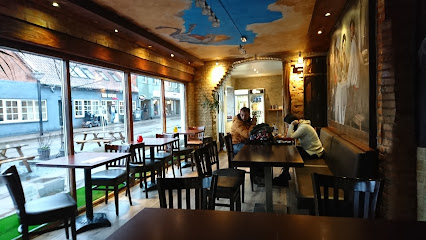
Ninos Pizza
5.4 km
Casual pizzeria serving Italian, Mexican, and American fare in central Hillerød with friendly service and extended hours.
Rib House
5.4 km
Hearty ribs and steaks in a relaxed, family-friendly steakhouse just steps from Frederiksborg Castle on historic Slotsgade in central Hillerød.
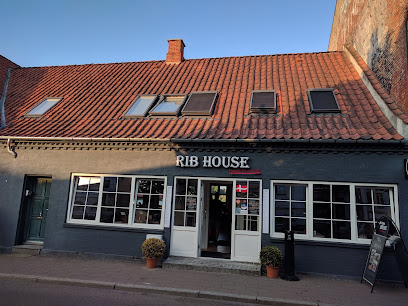
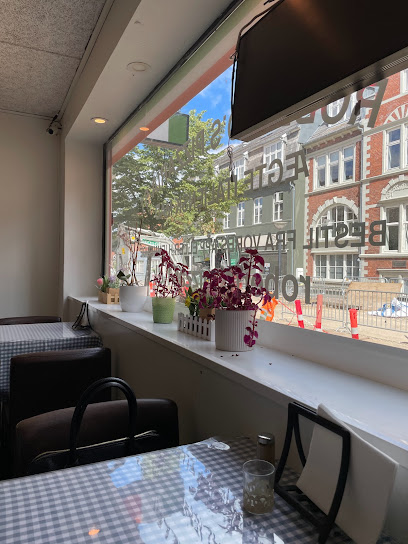
Roberto's 51
5.4 km
Straightforward pizzas and burgers on Hillerød’s main street, serving solid comfort food from lunchtime until late on weekend nights.
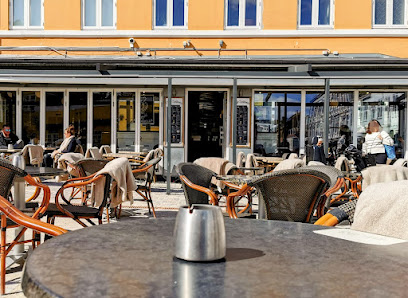
Café Valentin
5.4 km
All‑day Danish café on Hillerød’s main street, blending generous brunches, comfort food and cocktails with a lively terrace near Frederiksborg Castle.
Gonzales Cantina
5.5 km
Casual, family-friendly cantina on Hillerød’s main pedestrian street, serving generous pizzas, steaks and comfort food just a short stroll from Frederiksborg Castle.
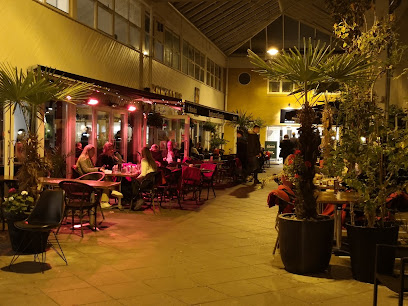
Café Kaiser
5.5 km
Relaxed all‑day Danish café inside Hillerød’s Slotsarkaderne, serving hearty brunch, smørrebrød, burgers and drinks in a warm, mall‑side setting.
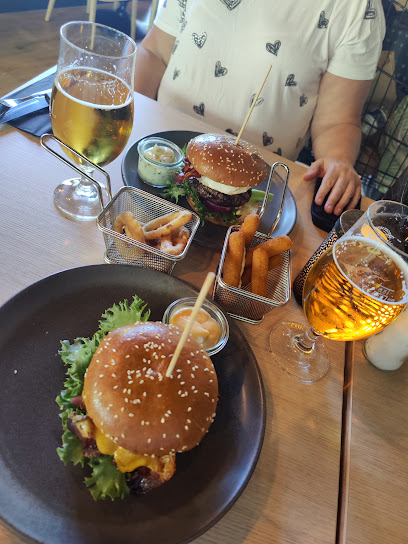
Frederiksborgcentret's Restauranter ApS
5.5 km
Experience authentic Danish cuisine at Frederiksborgcentret's Restauranter ApS in Hillerød.
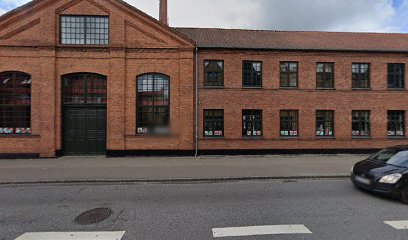
Markets, malls and hidden boutiques

Plantorama Hillerød
3.6 km
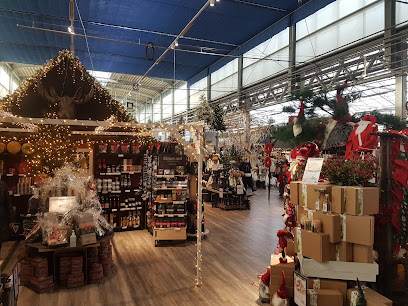
A 10,000 m² green universe in Hillerød, where plants, pets, home décor and a cosy café turn a simple shopping trip into a relaxed family outing.
ØnskeBørn
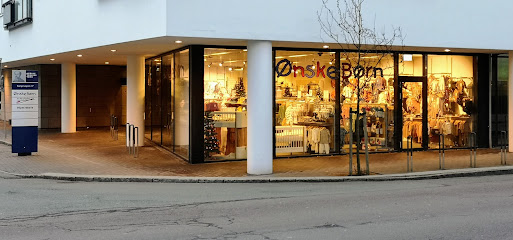
5.3 km
Practical one-stop children’s and baby store in central Hillerød, stocking prams, gear, clothing, toys and nursery essentials for young families and parents-to-be.
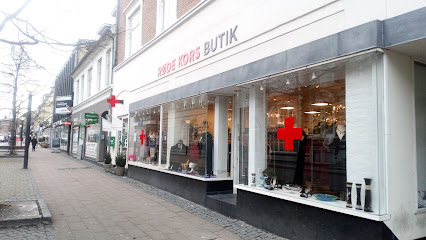
Red Cross Op Shop
5.4 km
Hyggelig Røde Kors genbrugsbutik i Hillerøds hovedgade, hvor du finder billige fund til garderobe og hjem – og samtidig støtter lokalt og internationalt hjælpearbejde.
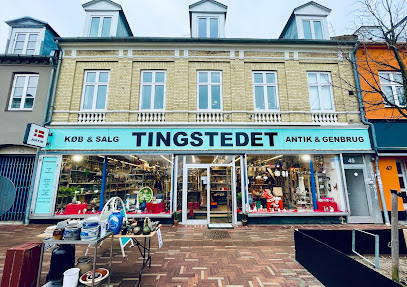
Tingstedet
5.4 km
Curated vintage and retro treasures near Frederiksborg Castle since 1996.
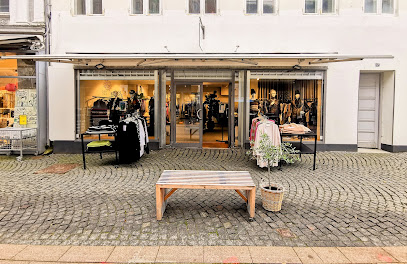
Søs Tre
5.4 km
A cosy women’s fashion boutique on Hillerød’s historic Slotsgade, blending Scandinavian style, curated clothing and accessories with a relaxed, personal atmosphere.
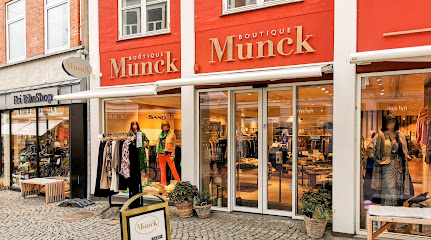
Boutique Munck
5.4 km
Intimate Scandinavian womenswear boutique in central Hillerød, blending curated Nordic fashion, warm styling advice and a relaxed, local neighborhood feel.
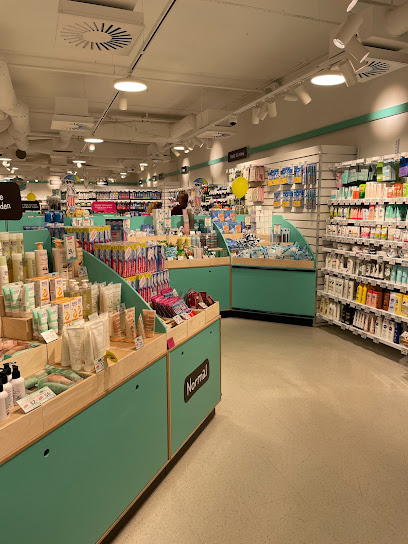
NORMAL
5.5 km
A compact, budget-friendly beauty and household store inside Hillerød’s main mall, perfect for quick essentials, quirky finds and travel-sized Danish everyday goods.
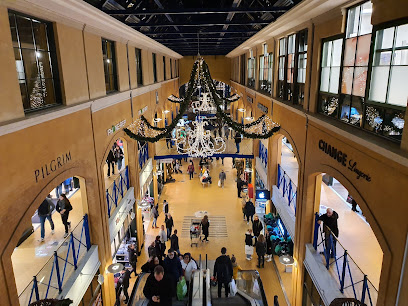
SlotsArkaderne
5.5 km
North Zealand's premier shopping destination where modern retail meets royal heritage in the heart of historic Hillerød.
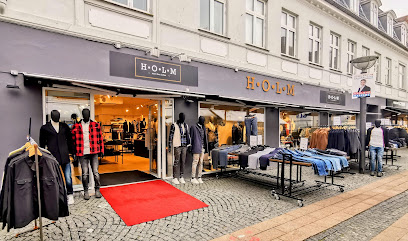
Holm Hillerød
5.5 km
Locally owned menswear boutique on Hillerød’s main shopping street, offering curated smart-casual clothing and accessories just a short stroll from Frederiksborg Castle.
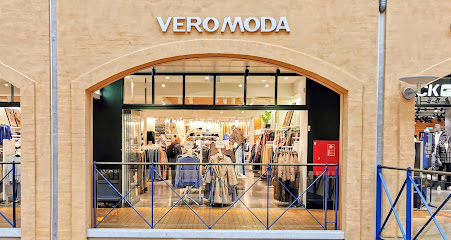
VERO MODA
5.5 km
Central Hillerød fashion stop in SlotsArkaderne, offering accessible Scandinavian women’s style, seasonal collections and easy indoor browsing in a modern mall setting.
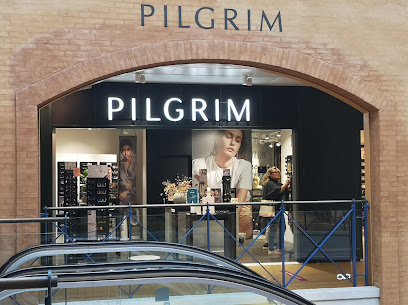
Pilgrim Hillerød Slotsarkaderne
5.5 km
Handcrafted Danish jewellery celebrating personal style, quality, and Scandinavian design.
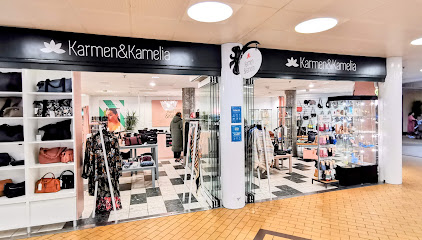
Karmen & Kamelia
5.5 km
A bright, modern jewelry and accessories boutique in Hillerød’s SlotsArkaderne mall, offering handpicked Scandinavian sparkle and easy gift ideas steps from city life.
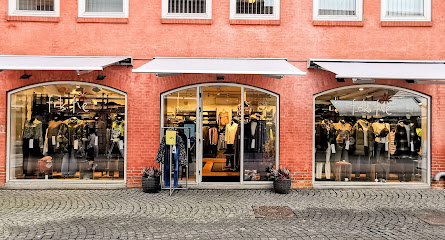
Frk. Fie
5.5 km
Cosy women’s fashion boutique on Hillerød’s atmospheric Slotsgade, offering curated Scandinavian-inspired styles in an intimate, friendly setting near the historic town centre.
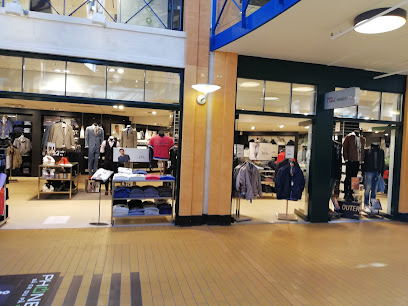
Tøjeksperten
5.5 km
Straightforward men’s style in Hillerød’s main mall, offering wearable brands, practical basics and smarter looks in a compact, weatherproof setting.
JACK & JONES
5.5 km
Easygoing menswear and denim inside Hillerød’s main shopping centre, combining Scandinavian style, everyday essentials and smart-casual looks under one roof.

Essential bars & hidden hideouts

Møllen
5.4 km
A welcoming Danish bodega in Hillerød's heart, where locals gather for drinks, snacks, and authentic social connection.
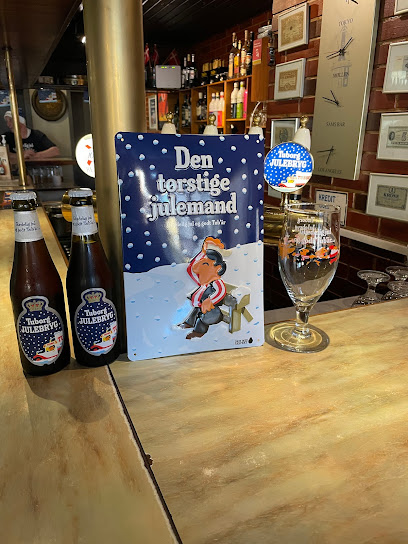
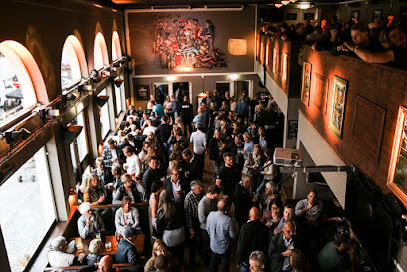
The Old Irish Pub
5.7 km
Lively Irish-style bar and late-night dance venue on Hillerød’s central square, pouring pints, playing hits and catering to a sociable, mature party crowd.
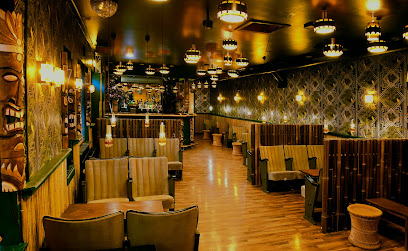
Tahonga Lounge
5.8 km
Intimate tiki-style lounge bar off Hillerød’s central square, blending cocktails, small-stage events and private parties in a cozy tropical hideaway.
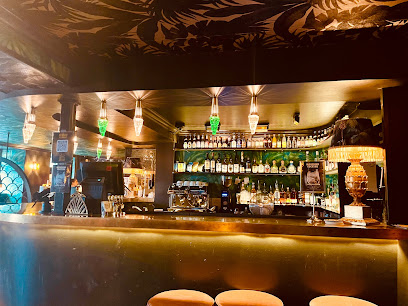
Crane Brothers
5.8 km
Cosy cocktail bar on Hillerød’s main square, blending inventive drinks, warm design and a relaxed, grown-up atmosphere with access to the adjacent Tahonga Lounge.
Jernstangen
6.2 km
Old-school Hillerød pub opposite the station, with billiards, darts, dice games and live music nights in a laid‑back, locals-first atmosphere.
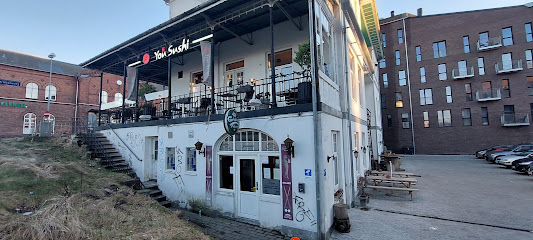
Oddies Beach Bar
21.7 km
Relaxed beach bar on the sand at Rungsted Havn, blending Nordic coastal charm with a hint of tropical island mood and sweeping Øresund sea views.
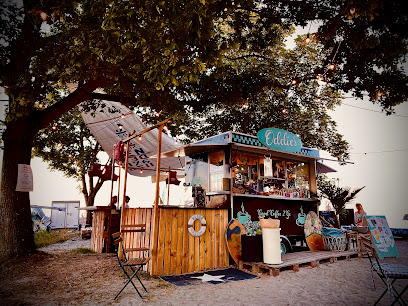
Kardusen
23.8 km
Casual wine bar in central Helsingør offering relaxed evenings and accessible pricing.
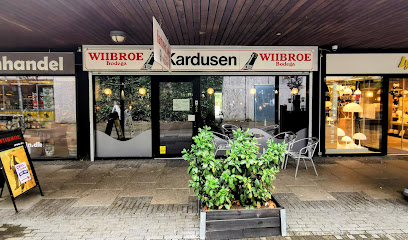
12`er Pubben
25.5 km
Unpretentious neighborhood bodega in Helsingør with billiards, sports on TV and cold beers, offering an authentic slice of Danish local bar life.
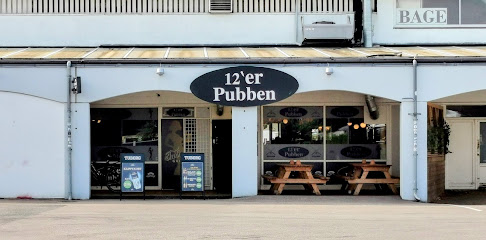
Gefion Bodega
25.5 km
Unpretentious neighbourhood bar in Helsingør offering classic Danish bodega atmosphere, simple drinks and a relaxed glimpse into everyday local life.
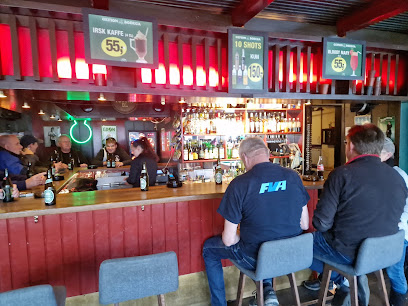
Head/Foam
26.4 km
Modern neighbourhood bar near Helsingør’s historic centre, pouring craft beer and cocktails from midday to the early hours in a lively, social setting.
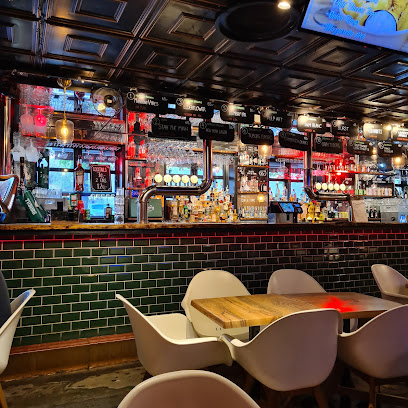
Helsingør Musikteater
26.6 km
Historic theatre and bar hosting live concerts, exhibitions, and dinner events in central Elsinore.
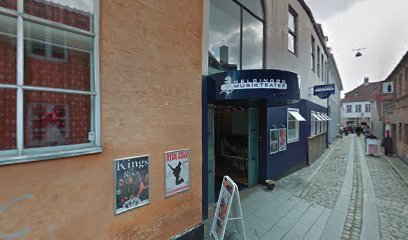
Axelhus Udeservering
26.7 km
Open-air corner bar on Bjergegade, where simple food, cold beer and Axeltorv’s street life come together in the historic heart of Helsingør.
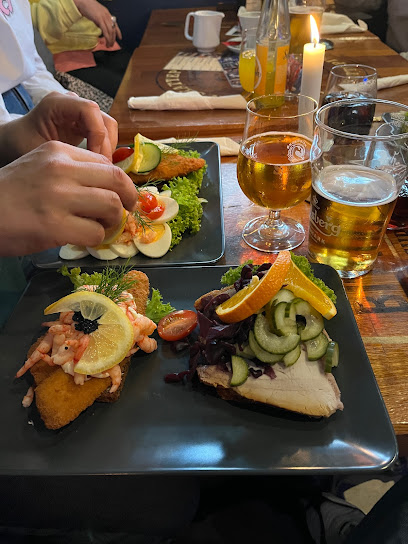
Joker Bar
26.7 km
Relaxed Danish bar offering casual drinks and friendly conversation in historic Helsingør.
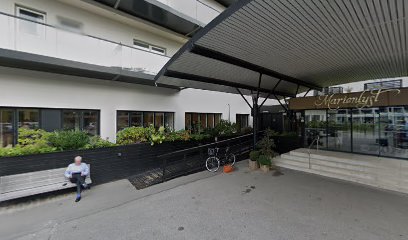
Hold-An
26.7 km
Unfussy beer hall and local bar in central Helsingør, pouring cold brews, simple bites and everyday Danish hygge from late morning to late night.
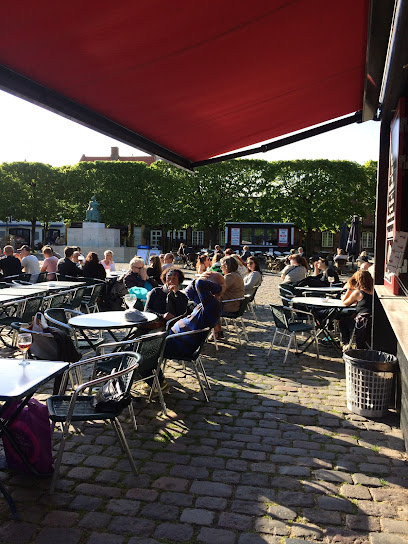
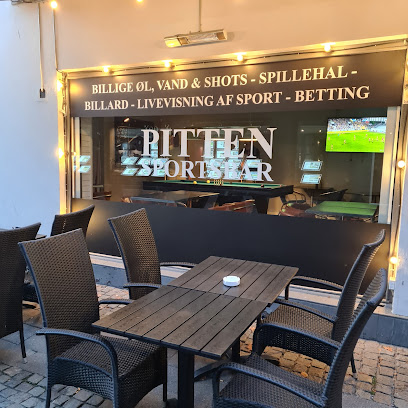
Pitten Sport Bar
26.7 km
Straightforward sports, cold beer and local Helsingør character in a relaxed neighbourhood bar just a short stroll from the harbour and historic centre.
Nightclubs & after hour spots

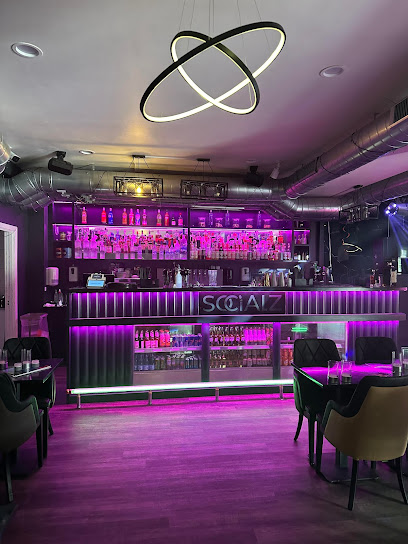
Socialz
5.4 km
Intimate cocktail bar and nightclub in the heart of Hillerød, blending shisha lounge vibes, late-night DJ sets and a compact dance floor on lively Slotsgade.
Den Dansende Viking
19.6 km
High-energy suburban nightclub in Egedal Centret, serving packed dance floors, late-night DJ sets and budget-friendly drinks for party-focused weekends.
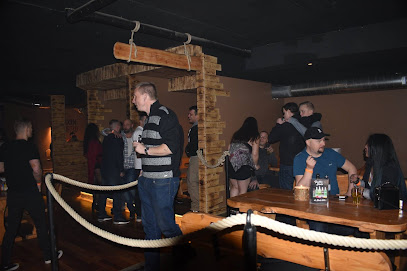
Walther's grillkylling og svuppeklub
22.2 km
Intimate neighborhood nightclub in Helsingør with loud music, simple drinks, and a playful local vibe behind an unassuming facade on Rødegårdsvej.

Rustik
26.4 km
Helsingør's premier weekend nightclub with craft cocktails and high-energy dancing until dawn.
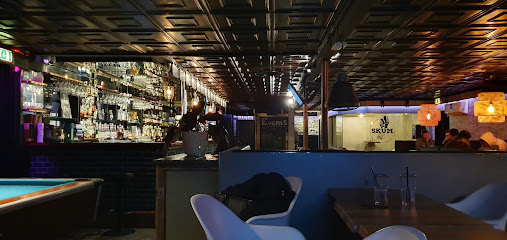
Retro
26.7 km
High-energy weekend nightclub in central Helsingør, mixing big-room beats, bright lights and a young crowd in what calls itself the largest club north of Copenhagen.
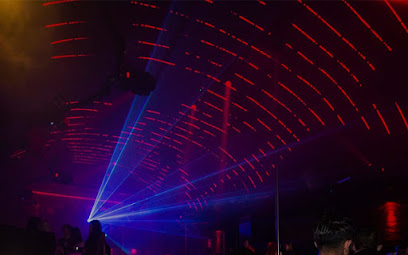
Afrobeat Palace Nightclub
33.6 km
Discover the energetic Afrobeat Palace Nightclub in Copenhagen, where music, dance, and multicultural vibes unite for an unforgettable nightlife experience.
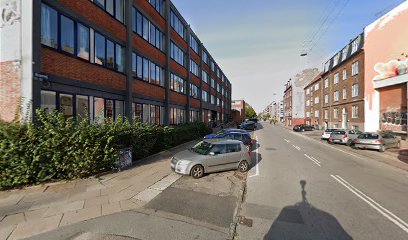
SIGURD CPH
34.1 km
Discover the pulse of Copenhagen's nightlife at SIGURD CPH, where vibrant dancing, fine wines, and pachinko gaming come together for an unforgettable experience.
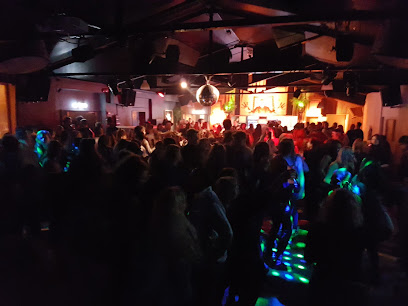
Falafelberg
34.7 km
Discover the pulsating nightlife of Frederiksberg at Falafelberg, a night club offering delicious falafel and electrifying music for an unforgettable experience.
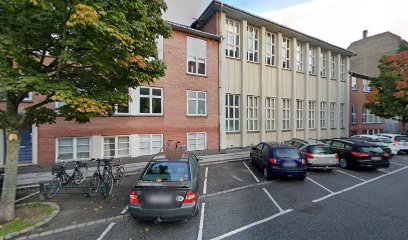
Garbos Roskilde
34.8 km
Cozy neighborhood nightclub in central Roskilde, blending casual bar vibes with a compact dance floor and late-night weekend energy on Hersegade.

Dansebar Roskilde
34.9 km
Roskilde's premier multi-floor nightclub with dual dance spaces, three bars, and DJ-driven energy until dawn.
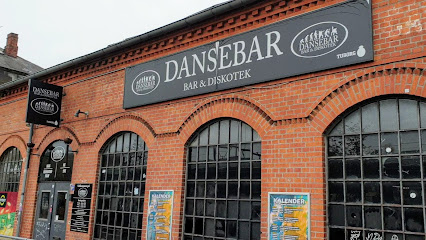
Danseriet
35.0 km
Frivilligdrevet danseklub i Roskilde med stort dansegulv, livebands og hyggelig stemning for danseglade gæster på tværs af aldre og niveauer.

RUST Natklub
35.4 km
Discover the pulsating heart of Copenhagen's nightlife at RUST Natklub, where eclectic beats and vibrant energy come together for an unforgettable experience.

Temple Bar
35.4 km
Discover the energetic vibe of Temple Bar in Nørrebro, Copenhagen, where great drinks and lively entertainment meet.
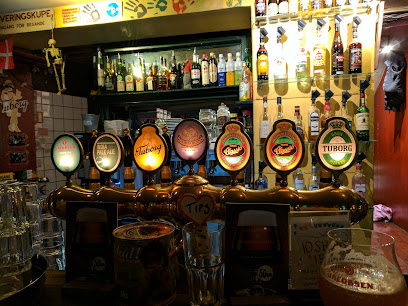
Haven - Events
35.8 km
Discover the electrifying nightlife at Haven, Frederiksberg's top night club, where music, dance, and fun come together for an unforgettable experience.
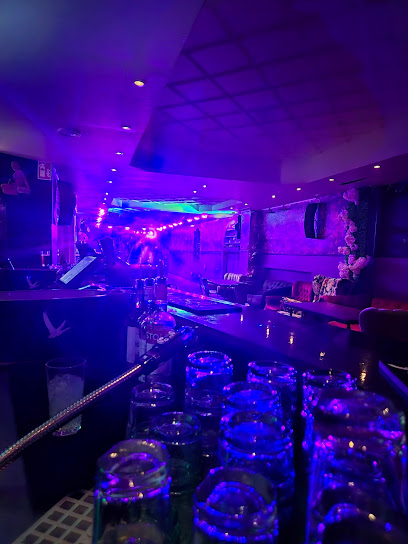
Rytmisk Musikforening Steps Ahead
36.1 km
Dynamic live music venue in Roskilde, specializing in jazz and contemporary genres, with an intimate setting and vibrant community engagement throughout the year.
For the vibe & atmosphere seeker
- Tranquil
- Scenic
- Relaxing
- Unique
- Romantic
For the design and aesthetic lover
- Rustic Designs
For the architecture buff
- Historic
- Landmarks
- Parks & Gardens
- Sacred Sites
- Heritage Neighborhoods
For the view chaser and sunset hunter
- Iconic Views
- Panoramas
- Sunset Spots
For the social media creator & influencer
- Photo Spots
- Selfie Spots
- Reel-Friendly
- Architectural Shots
For the eco-conscious traveler
- Low Impact
- Protected Area
- Public-Transport Accessible
- Leave-No-Trace Critical
- Locally Managed
- Wildlife Habitat
For the kind of experience you’re after
- Cultural Heritage
- Photowalk
- Mindfulness
- Nature Escape
- Day Trip
- Myth & Legends
For how adventurous you want the journey to be
- Easy Access
Location Audience
- Family Friendly
- Senior Friendly
- Child Friendly
- Teen Friendly
- Solo Friendly
- Couple Friendly
- Solo Female Friendly
- Vegetarian Friendly
- Vegan Friendly


