
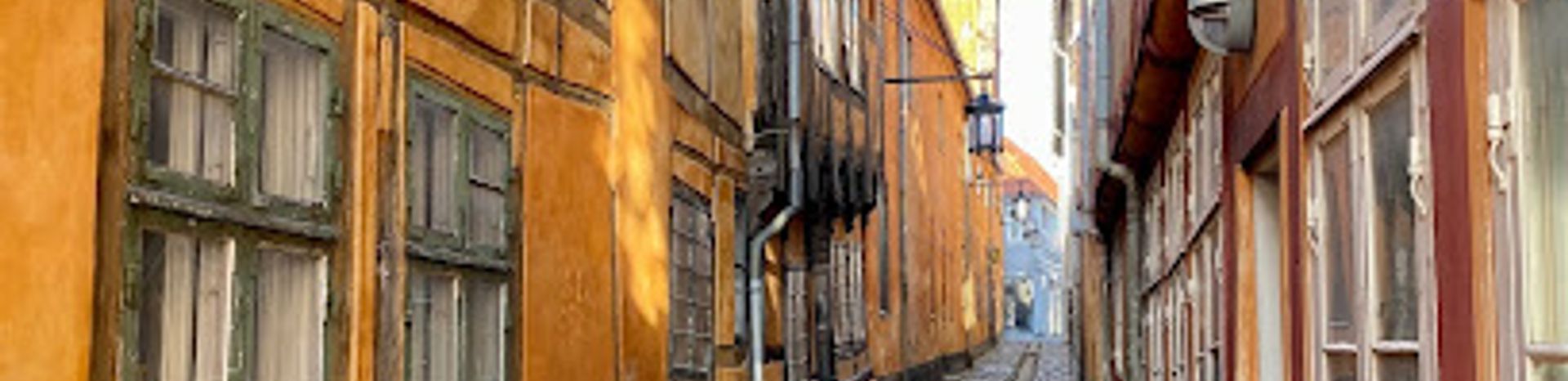
Gl. Færgestræde (Old Ferry Street), Helsingør
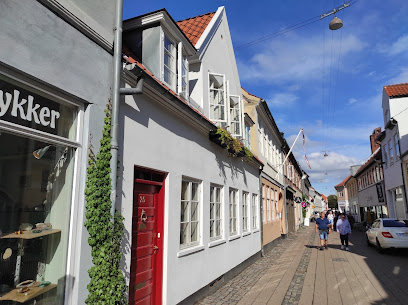
A narrow, lamp‑lit alleyway in Helsingør’s old town where cobbles, crooked houses and an open gutter quietly preserve the working life of medieval Elsinore.
Tucked between Strandgade and the old town of Helsingør, Gl. Færgestræde is a narrow, lamp‑lit alley that feels lifted straight from the late Middle Ages. Once a key path linking the busy Øresund harbor with the market street of Stengade, it was later absorbed into private property and forgotten, which helped preserve its crooked townhouses, cobbles and open gutter. Reopened and carefully restored in the 20th century, it now offers a short but atmospheric detour into Elsinore’s trading‑age past, only moments from Kronborg Castle and the waterfront.
A brief summary to Gl.Færgestræde
- Strandgade 74, Helsingør, 3000, DK
- Duration: 0.5 to 1 hours
- Free
-
 Outdoor
- Mobile reception: 5 out of 5
Local tips
- Wear flat, sturdy shoes; the cobblestones are uneven and the central gutter can be slippery in wet weather.
- Visit early morning or around dusk for the most atmospheric light and quieter conditions for photography.
- Combine your walk through Gl. Færgestræde with nearby historic houses and the harborfront to appreciate its original role as a link between docks and town.

For the on-the-go comforts that matter to you
- Restrooms
- Drink Options
- Drinking Water
- Food Options
- Seating Areas
- Trash Bins
- Information Boards
- Visitor Center
Getting There
-
Train from Copenhagen
From Copenhagen, take a regional train toward Helsingør; services usually run several times an hour and the journey takes around 45–50 minutes. Standard adult tickets typically cost about 80–120 DKK one way in standard class. From Helsingør Station, it is an easy 5–10 minute walk through the historic centre to reach Gl. Færgestræde, mostly on level pavements suitable for most visitors, though the final cobbled section can be uneven.
-
Car within North Zealand
Driving from elsewhere in North Zealand, allow around 30–60 minutes depending on your starting point and traffic. Public car parks are available within walking distance of Helsingør’s old town, often with time limits or pay‑and‑display fees that commonly range between 10 and 25 DKK per hour. From these car parks, expect a 5–15 minute walk on city streets; surfaces in the historic area include cobbles, which may be less comfortable for some mobility aids.
-
Ferry from Helsingborg
If you are coming from Helsingborg in Sweden, passenger ferries cross the Øresund regularly throughout the day, with crossing times of about 20 minutes and total port‑to‑port travel including boarding of roughly 35–45 minutes. Walk‑on tickets often cost in the region of 60–120 DKK per adult each way, depending on time and ticket type. From the ferry terminal in Helsingør, Gl. Færgestræde is within about 10 minutes’ walk through the central waterfront area on generally flat terrain, though the alley itself has uneven cobblestones.
Gl.Færgestræde location weather suitability
-
 Any Weather
-
 Clear Skies
-
 Mild Temperatures
-
 Cold Weather
-
 Rain / Wet Weather
Discover more about Gl.Færgestræde
A medieval shortcut between harbor and town
Gl. Færgestræde, literally Old Ferry Street, began life in the 1500s as a working passage between Helsingør’s busy quays and the main street of Stengade. In the era when Sound Dues were levied on ships passing through the Øresund, this alley helped channel sailors, traders and goods from the water’s edge into the heart of a thriving customs town. Short, slightly sloping and hemmed in by houses on either side, it was practical rather than grand, built to connect ship bridges on the beach with the new commercial streets behind. Over time, the urban fabric around it changed. Parts of the waterfront were filled in, larger properties were created and Gl. Færgestræde gradually slipped from public use. Folded into a private farm sometime before the 18th century, the alley was closed off at both ends. While other streets widened, straightened or modernised, this corner of Elsinore simply froze in place, its medieval layout and building lines preserved by neglect.Rediscovered and restored to historic character
The quiet survival of Gl. Færgestræde meant that when Helsingør began to value its historic core more consciously, the alley offered a rare opportunity. In the early 20th century it was reopened to pedestrians, and later restoration work sought to evoke its older appearance. Historic‑style lamps, laid cobblestones and an open gutter down the centre recall the days when drainage was simple and the street surface uneven underfoot. The houses lining the alley lean and tilt slightly, their façades showing subtle irregularities that give the space a lived‑in, almost theatrical quality. Though the buildings themselves span different centuries, their modest scale keeps the medieval impression intact. Today the street is no longer a thoroughfare for working sailors but a preserved slice of townscape where stone, timber and brick tell the story of Helsingør’s trading heyday.Atmosphere in the shadow of Hamlet’s castle
Part of Gl. Færgestræde’s charm lies in its setting. Just a short walk from the station and waterfront, and not far from Kronborg Castle, it sits slightly aside from the main pedestrian routes. Step into the alley and the noise of modern traffic drops away, replaced by the close acoustics of a narrow passage. Lamps cast a warm glow on worn cobbles in the evening, while in daylight the muted yellows and browns of the houses emphasise the intimate scale of the space. The street invites a slow wander rather than a checklist visit. Details emerge as you move: iron lantern brackets, window frames at eye level, and the subtle curve of the alley as it threads back into the grid of the old town. It is easy to imagine merchants hurrying through with account books under their arms, or sailors carrying ropes and barrels on their way between ship and shop.Linking stories of tolls, trade and everyday life
Although Gl. Færgestræde is modest in size, it is woven into larger narratives. Helsingør’s prosperity once depended heavily on the Sound Dues, a toll that brought wealth, diplomatic intrigue and cosmopolitan life to the town. Streets like this one were the everyday infrastructure of that system, funnelling people involved in customs checks, provisioning and lodging. A wander here complements visits to nearby historic houses and museums that explore the same period from different angles. For travellers interested in more than a single landmark, the alley acts as a bridge between the waterfront, the castle and the commercial streets inland. It shows how close‑packed, working spaces underpinned grander stories of royal policy and international trade. The preserved character of the alley makes it an effective outdoor backdrop for understanding how the town once felt when ships crowded the harbor.A brief but rewarding pause in a day’s explorations
Experiencing Gl. Færgestræde does not demand much time, but a few unhurried minutes bring a strong sense of place. The uneven stones underfoot, the slight constriction of the walls and the glimpse of sky above create a corridor‑like feel, especially evocative in soft northern light. Photography‑minded visitors find compositions in receding lines of façades and lamps. Because the alley lies within the compact historic centre, it fits naturally into walks that also take in Helsingør’s churches, merchants’ houses and waterfront promenades. Whether you pass through once or circle back at different times of day, this short lane provides a textured pause in the city’s flow – a reminder that some of the most telling historic spaces are also the smallest.Iconic landmarks you can’t miss

Odd Fellow Logerne Helsingør
0.1 km
A dynamic hub for contemporary and experimental art in the heart of Roskilde, showcasing thought-provoking exhibitions and interactive creative experiences.
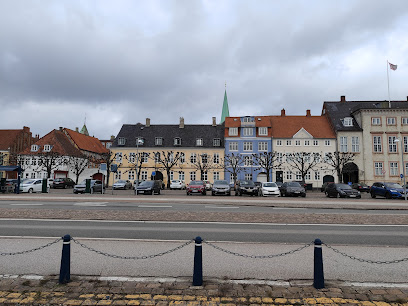
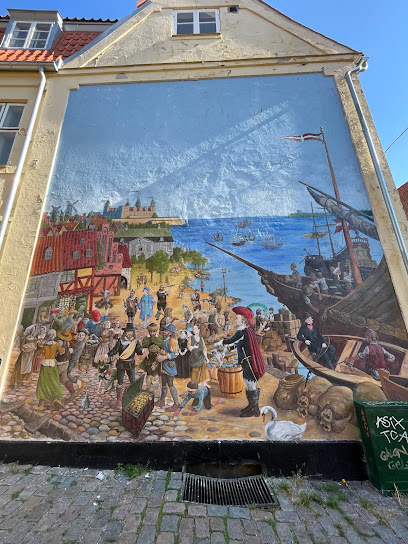
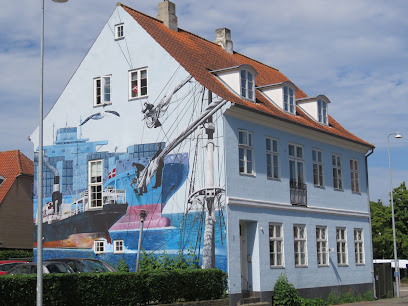
'The Middle Ages and the Sound Dues' mural
0.1 km
A vivid gable mural that turns Helsingør’s medieval tolls and ship traffic into a richly detailed open-air history lesson in the heart of the old town.
Helsingor
0.1 km
Dynamic exhibitions, daring performances, and boundary-pushing installations in Roskilde’s historic royal palace—discover Denmark’s vibrant contemporary art scene.
Heracles and the Hydra
0.4 km
Mythological bronze warrior frozen in eternal combat on Helsingør's historic waterfront.
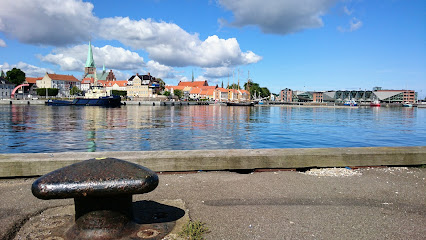
Helsingør harbour
0.4 km
Where maritime heritage meets Shakespeare's legacy at Denmark's gateway to Sweden.
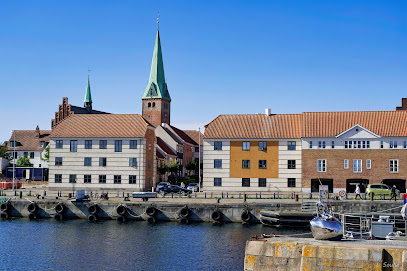
'Time of the shipyard' mural
0.4 km
A hyper-realistic tribute to Helsingør's legendary shipyard, painted by American master Garin Baker.
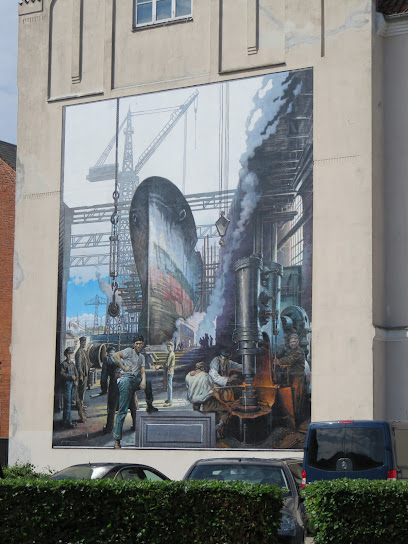
Kronborg Castle Church
0.7 km
Renaissance sanctuary that miraculously survived fire, preserving royal religious heritage within Hamlet's legendary castle.
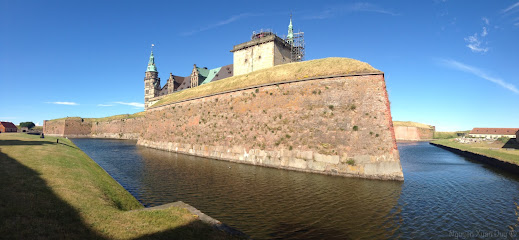
Elsinore Cemetery
0.7 km
Historic burial ground where 16th-century roots meet artistic legacy in Denmark's literary heartland.
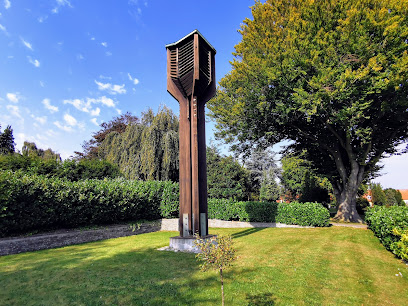
Helsingborg City Hall
5.1 km
A monumental red-brick city hall and coastal gateway, where neo-Gothic towers, National Romantic detail and civic stories overlook the Øresund in central Helsingborg.
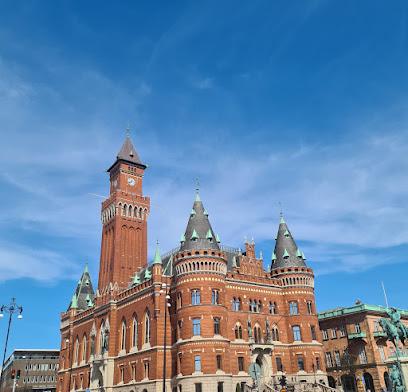
Louisiana Museum of Modern Art
8.5 km
Experience world-class modern art where architecture and nature meet in perfect harmony, offering breathtaking views and a serene escape just north of Copenhagen.
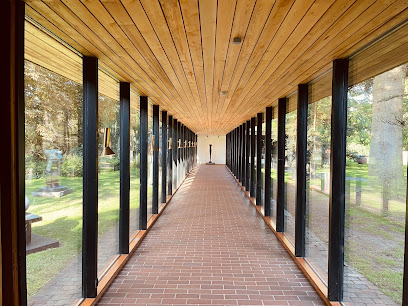
Hornbæk Batteri
10.5 km
WWII coastal fortress commanding the Øresund strait from Denmark's dramatic northern cliffs.
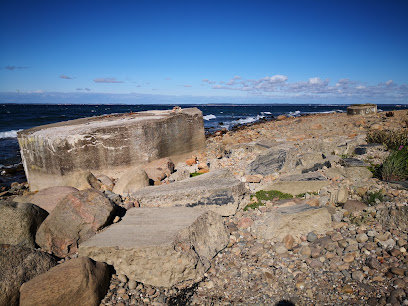
Hornbaek beach
12.1 km
Discover Hornbæk Beach, the gem of the Danish Riviera, offering pristine sands, clear waters, and a charming seaside atmosphere perfect for relaxation and unforgettable summer memories.
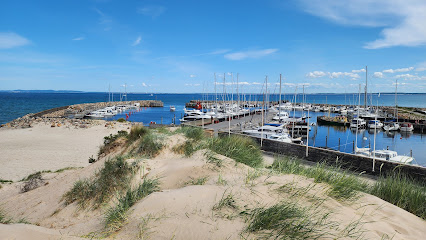
Observationsvärn nr 741
12.5 km
Explore the historical significance and scenic beauty of Observationsvärn nr 741 in Viken, a captivating landmark steeped in military history and stunning views.
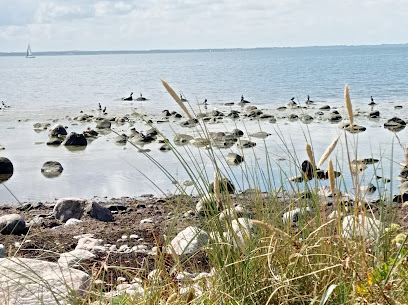
Falkonergården
13.0 km
Explore the enchanting Falkonergården Zoo in Fredensborg, a captivating destination for wildlife enthusiasts and families seeking adventure in nature.

Ven
14.4 km
Discover Ven: A Swedish island gem in the Öresund Strait, blending history, nature, and tranquility for an unforgettable escape between Sweden and Denmark, steeped in astronomical history.
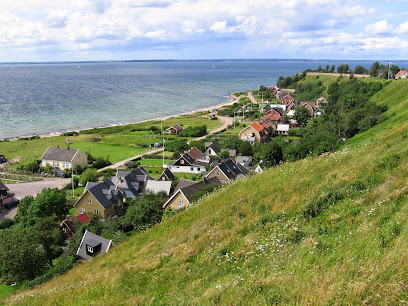
Unmissable attractions to see

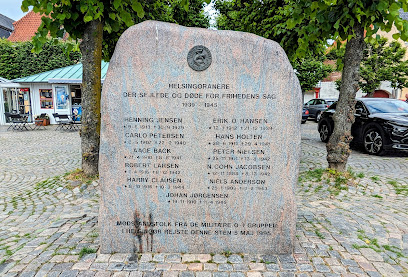
Memorial stone for fallen Helsingorans
0.0 km
A modest harbor-side monument in Helsingør honoring local lives lost in World War II, quietly linking the busy waterfront to the town’s stories of resistance and sacrifice.
Skibsklarerergaarden
0.1 km
Step into an 18th‑century ship handler’s home in Helsingør and experience the intimate world of Øresund tolls, merchant families and maritime trade.
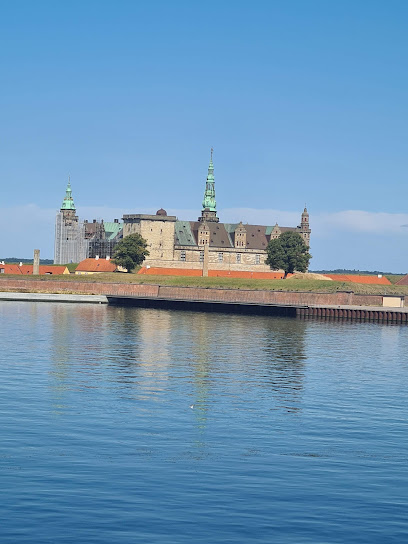
Saint Olai Church
0.1 km
Discover Saint Olai Church, Helsingør's majestic cathedral, where centuries of Danish history and Gothic elegance meet amid soaring vaults and maritime heritage.
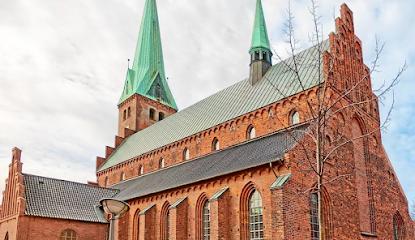
Wibroe Plads
0.1 km
A modest harbourfront square where merchant mansions, cobbled edges and Øresund views quietly reveal Helsingør’s long maritime story.
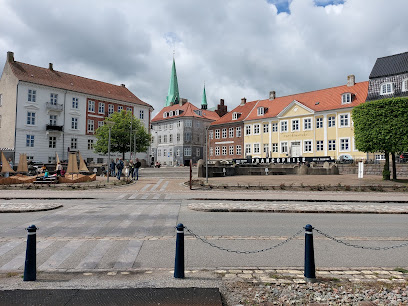
Helsingør harbor promenade
0.2 km
A breezy waterfront ribbon along the Øresund, linking Helsingør’s working harbor, cultural quarter and Kronborg Castle with open sea views and everyday local life.
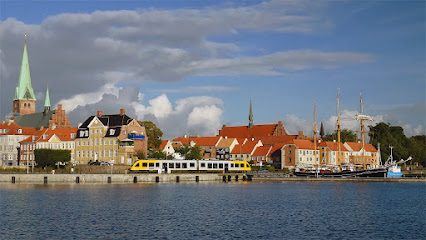
Helsingor Statshavn
0.2 km
A compact working harbor at the narrowest point of the Øresund, where everyday port life unfolds against big-sky views toward the Swedish coast.
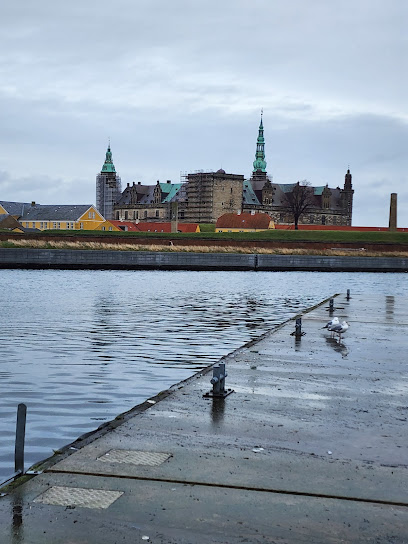
History of the churches
0.2 km
A storytelling gable in Helsingør’s old town, this mural compresses centuries of church history into a single vivid scene between two medieval sanctuaries.
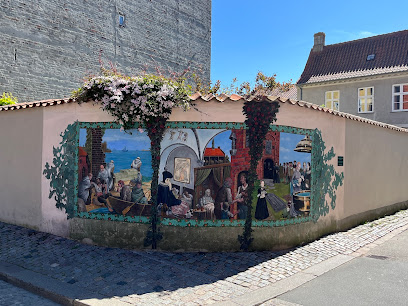
SOUL OF THE WALLS
0.2 km
Immersive bronze sculpture depicting Greek mythology at the gates of Kronborg Castle, offering a unique photo spot and cultural layer to Helsingør’s historic landscape.
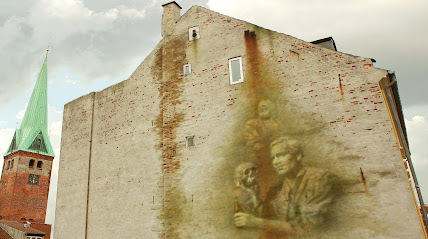
i Helsingør
0.3 km
Compact tourist information hub on historic Stjernegade, perfectly placed to plan your exploration of Helsingør’s old town, harbour culture sites and North Zealand.
St. Mary's Church
0.3 km
Historic public square at the heart of Roskilde, home to markets, festivals, and community life, framed by centuries-old buildings and vibrant Danish tradition.
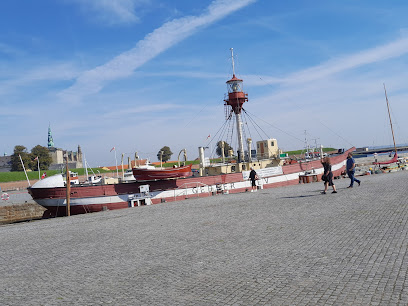
Fyrskibet nr. XVII
0.3 km
A 19th-century Danish lightship turned floating monument, Fyrskibet nr. XVII “Gedser Rev” brings Helsingør’s maritime and Cold War history vividly to life on the harbor.
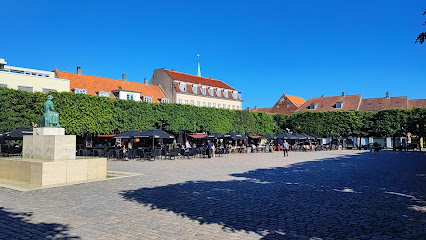
Erik af Pommerns Mindebrønd
0.3 km
Compact yet grand, this memorial fountain on Axeltorv turns a busy Helsingør square into a vivid snapshot of royal power, maritime trade and urban ambition.
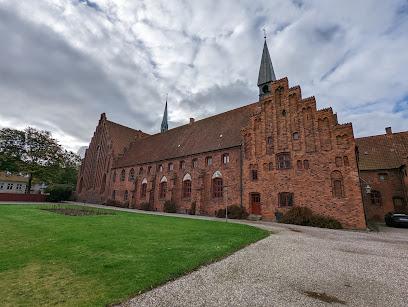
Elsinore Public Museums
0.4 km
Three interconnected museums preserving 600 years of Elsinore's maritime, commercial, and industrial heritage in Denmark's historic city center.
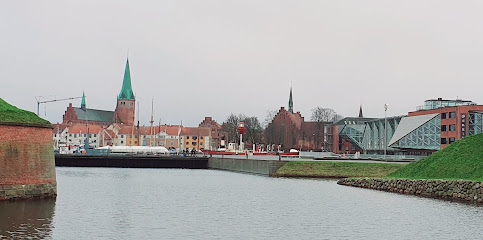
'The maritime history' mural
0.5 km
A harbour gable transformed into a sweeping, collage-like tribute to 300 years of Danish seafaring, anchoring Helsingør’s shipyard era in vivid colour and form.
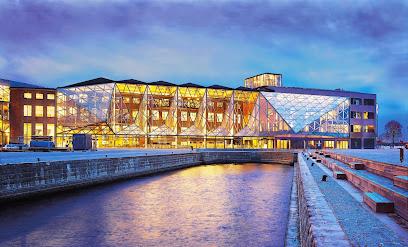
The Culture Yard
0.5 km
Glittering glass sails over an old shipyard, The Culture Yard fuses award‑winning library, stages and harbourfront café with unforgettable views of Kronborg Castle.
Essential places to dine

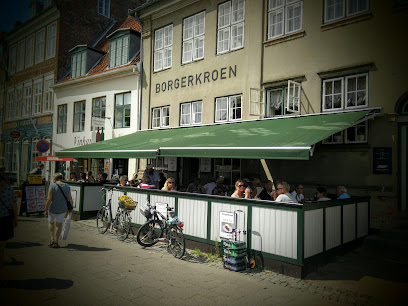
Borgerkroen
0.0 km
Historic Danish bodega where centuries of harbor culture meet smørrebrød and live music.
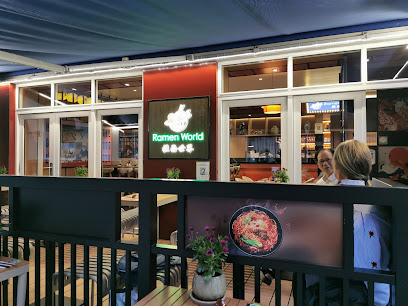
Ramen world
0.1 km
Handcrafted Japanese ramen in the heart of Helsingør—authentic flavors, warm hospitality, exceptional value.
Cafe Karisma
0.1 km
Casual coffee and juice bar on Helsingør’s Stengade, serving Illy coffee, fresh-pressed juices, sandwiches and baked potatoes in a relaxed, everyday setting.
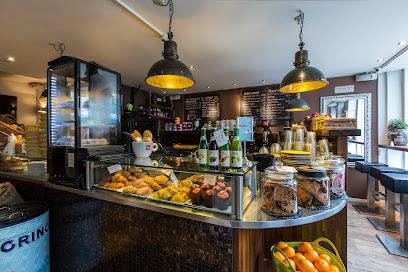
Jellyfish
0.1 km
Intimate Nordic seafood restaurant in Helsingør’s old town, pairing fresh Danish ingredients with modern, minimalist design and a relaxed, coastal atmosphere.
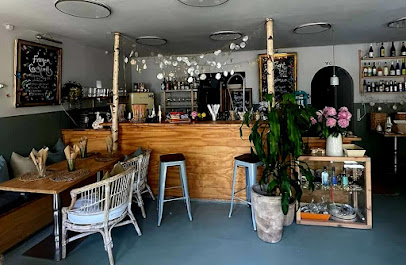
Strejf
0.1 km
Seasonal Nordic cooking and harbour views in Helsingør’s old station building, where seafood, steaks, wine and cocktails meet the maritime buzz of Øresund.
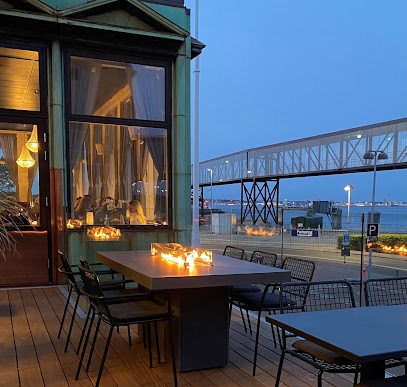
Sundkroen
0.1 km
Cozy Danish brasserie-style dining in the historic Madam Sprunck building, steps from Helsingør Station and the Øresund waterfront.
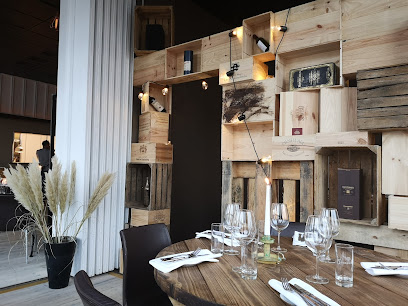
Rådmand Davids Hus
0.1 km
Historic 1694 café serving authentic Danish smørrebrød in cozy, timeless surroundings.
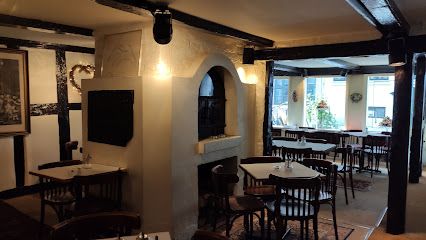
San Remo
0.1 km
Authentic Danish comfort food in a historic old-town cafeteria where tradition meets genuine hospitality.
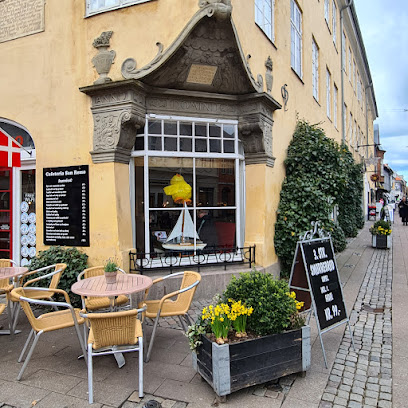
Blue Sky Sushi
0.2 km
Cozy Japanese all‑you‑can‑eat sushi in Helsingør’s historic center, blending fresh fish, low‑waste principles and a relaxed, modern atmosphere near the harbor.
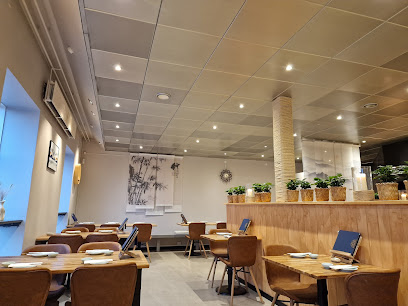
San Rock Restaurant & Grillbar
0.2 km
Casual central Helsingør grill bar serving unfussy comfort food and generous plates just steps from the old town streets and harbourfront sights.
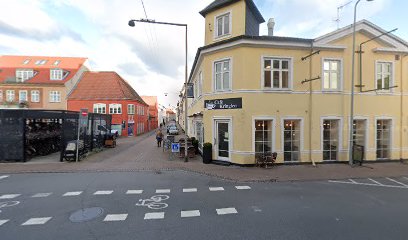
Bistro Francophile
0.2 km
Cozy French-inspired bistro by Helsingør’s harborfront, pairing classic Gallic comfort dishes with a focused wine list and intimate, candlelit atmosphere.
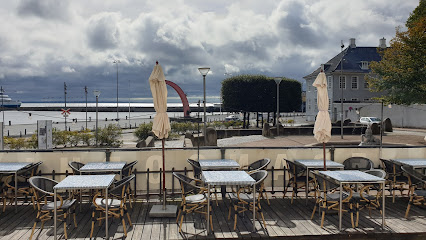
Ofelia Bar
0.2 km
Stylish tapas bar and cocktail lounge offering inventive bites, curated drinks, and lively atmosphere—an essential stop for food and nightlife lovers in central Helsingør.
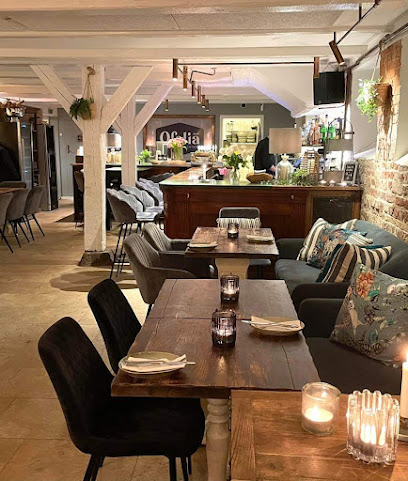
Zilleri
0.2 km
Compact Italian trattoria and deli in Helsingør’s old town, serving homemade pasta and classic specialties among shelves of wines and pantry staples.
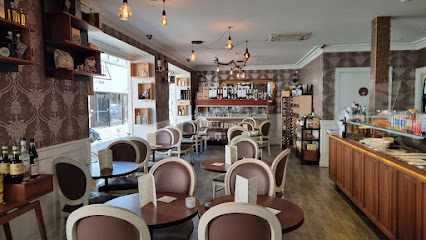
Appetit
0.2 km
Modern French fine dining with seasonal flair and passionate craftsmanship in charming Helsingør.
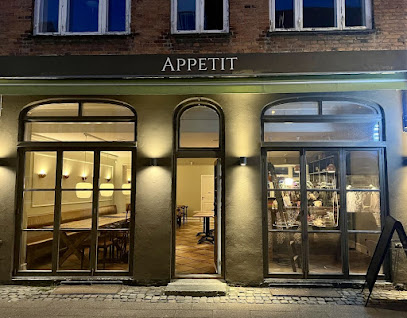
The Copenhagener
0.2 km
Hearty smørrebrød, local Wiibroe beer and down‑to‑earth hygge in a tucked‑away Helsingør pub with a summery courtyard beer garden.
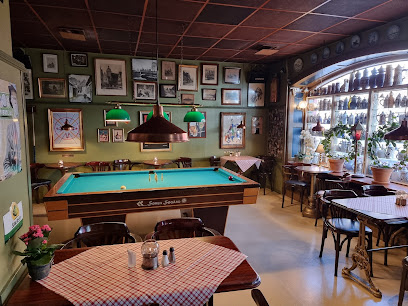
Markets, malls and hidden boutiques

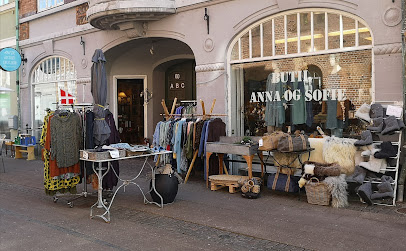
Butik hos Anna & Sofie
0.1 km
A cosy, Nordic-style boutique on Helsingør’s main street, blending women’s fashion, skincare and homewares in a warm, living-room-like setting.
Helsingør Vinhandel
0.1 km
Denmark's premier wine and spirits specialist in historic Helsingør, where expertise meets passion.
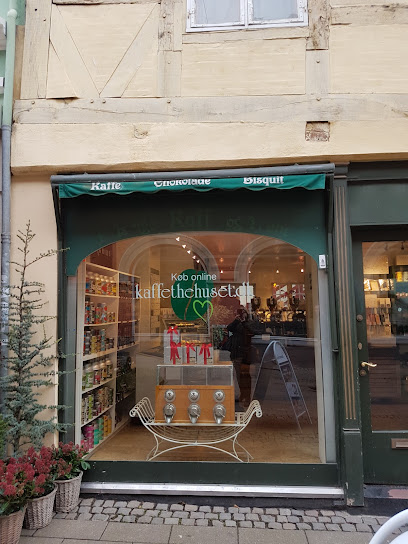
Helsingør Kaffe og Thehus ApS
0.1 km
A cosy Helsingør specialty shop where the aroma of freshly roasted coffee, fine tea and Nordic delicacies fills a historic cobbled lane in the heart of the old town.
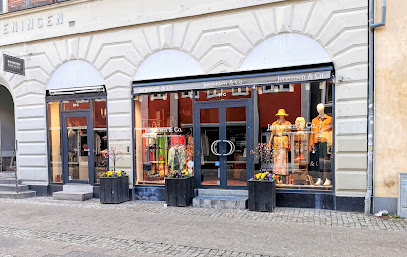
Jørgensen & Co.
0.2 km
Exclusive curated fashion for discerning tastes in historic Helsingør's charming pedestrian district.
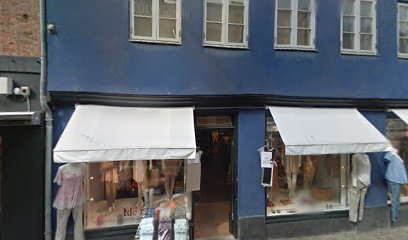
Ide Nyt
0.2 km
A contemporary women’s fashion boutique on lively Bjergegade, Ide Nyt blends Scandinavian style, quality brands and a calm atmosphere in Helsingør’s historic heart.
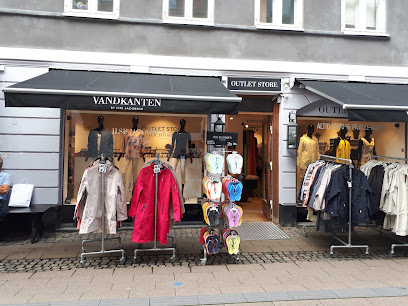
Vandkanten Ilse Jacobsen Outlet
0.2 km
Compact Scandinavian outlet where Ilse Jacobsen’s coastal rainwear, rubber boots and relaxed Nordic fashion meet reduced prices in central Helsingør.
Levende Lys
0.2 km
A cosy, colour-filled fashion and lifestyle boutique in the heart of Helsingør, blending contemporary women’s clothing with playful home décor and gift ideas.
Østens Perle
0.2 km
Colourful Indian-inspired gift and handicraft shop in historic Helsingør, filled with hand-picked textiles, spiritual objects and cosy home décor since 2001.
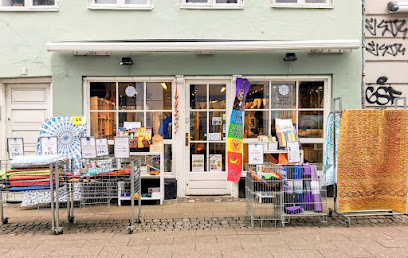
Jutebar Denmark ApS
0.2 km
Small Helsingør boutique specialising in stylish, sustainable jute bags and gifts, blending Scandinavian design sensibility with everyday practicality.
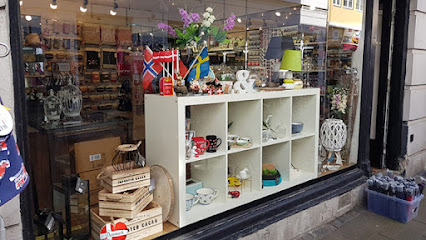
Happy Gifts & Souvenirs
0.2 km
Compact, cheerful and central, Happy Gifts & Souvenirs is Helsingør’s easy stop for Danish-themed keepsakes and Kronborg-inspired mementos after a day of exploring.
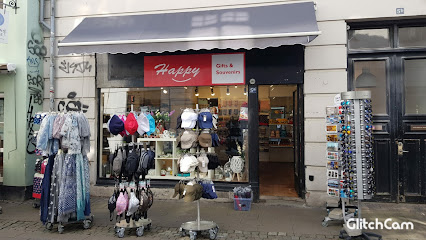
HL Mode A/S
0.2 km
Contemporary Danish fashion retailer offering curated brands and personalized styling in Helsingør's vibrant shopping district.
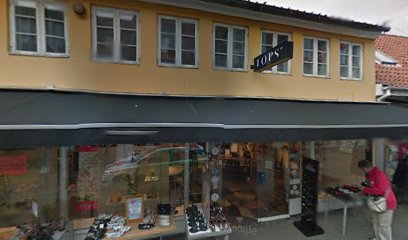
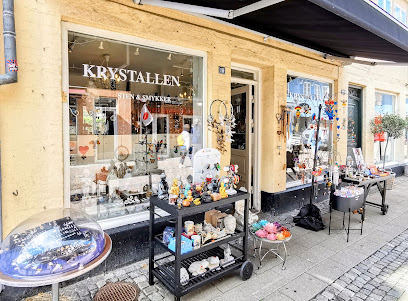
Krystallen
0.3 km
Helsingør's premier crystal and mineral shop with expertly curated specimens and atmospheric presentation.
Ophelia
0.3 km
Curated Scandinavian boutique in historic Helsingør, where literary heritage meets contemporary design.
Butik Chaplin
0.3 km
A cosy Helsingør boutique brimming with handmade jewelry, retro interiors and knitwear, where every carefully chosen piece tells a small, colourful story.

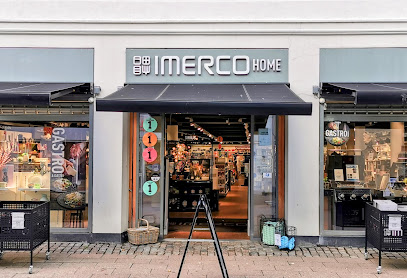
Imerco
0.3 km
Compact Scandinavian home store on Helsingør’s main street, packed with kitchenware, tableware and cosy design gifts for practical living and stylish souvenirs.
Essential bars & hidden hideouts

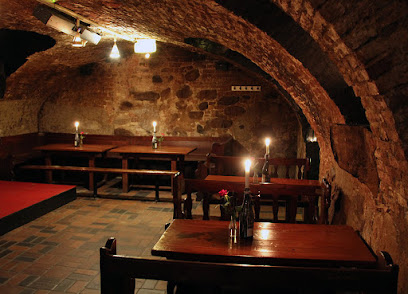
Holger
0.1 km
Cozy cellar bodega on Helsingør’s Stengade, pouring inexpensive beers and spirits, with live music nights and a laid-back local crowd deep into the night.
Strandborg
0.1 km
Waterfront bar and restaurant where Helsingør's harbor views meet casual Nordic dining and evening social scene.
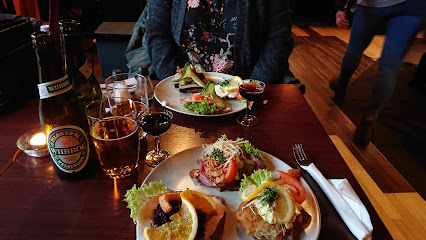
Banana joe
0.1 km
Compact late-night bar above Helsingør’s nightlife strip, serving straightforward drinks, warm lighting and a relaxed local vibe long after the streets quieten.
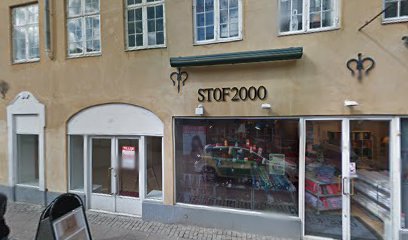
Pitten Sport Bar
0.2 km
Straightforward sports, cold beer and local Helsingør character in a relaxed neighbourhood bar just a short stroll from the harbour and historic centre.
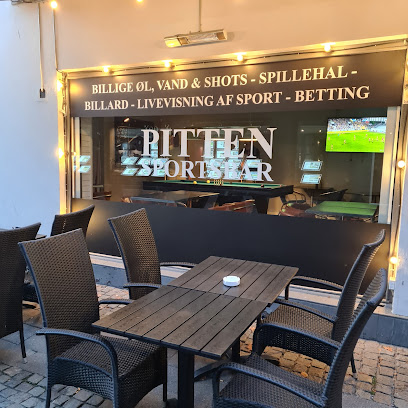
Helsingør Musikteater
0.3 km
Historic theatre and bar hosting live concerts, exhibitions, and dinner events in central Elsinore.
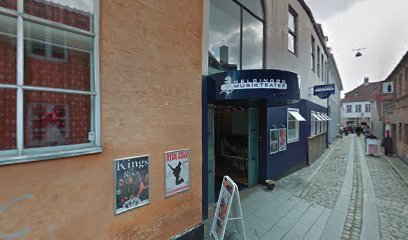
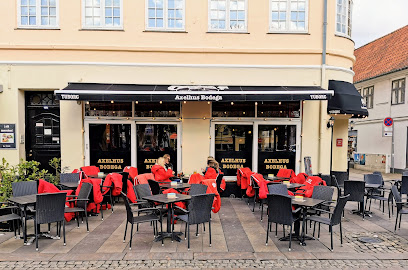
Axelhus
0.3 km
Casual bodega and burger bar in Helsingør's old town, open late on weekends with beer and Danish comfort food.
Hold-An
0.3 km
Unfussy beer hall and local bar in central Helsingør, pouring cold brews, simple bites and everyday Danish hygge from late morning to late night.
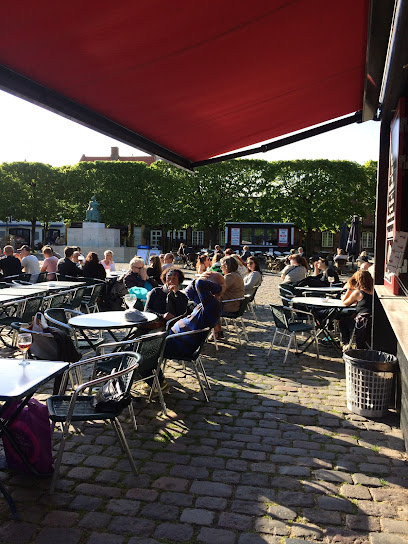
Axelhus Udeservering
0.3 km
Open-air corner bar on Bjergegade, where simple food, cold beer and Axeltorv’s street life come together in the historic heart of Helsingør.
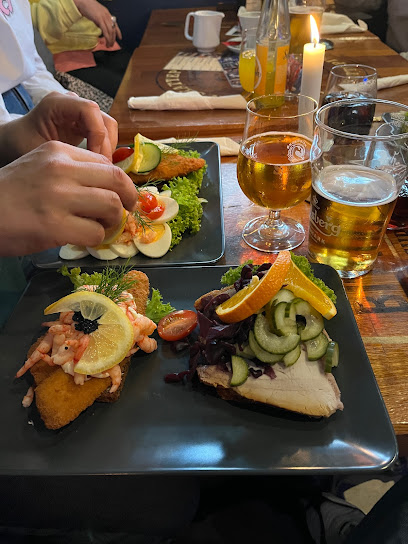
Head/Foam
0.4 km
Modern neighbourhood bar near Helsingør’s historic centre, pouring craft beer and cocktails from midday to the early hours in a lively, social setting.
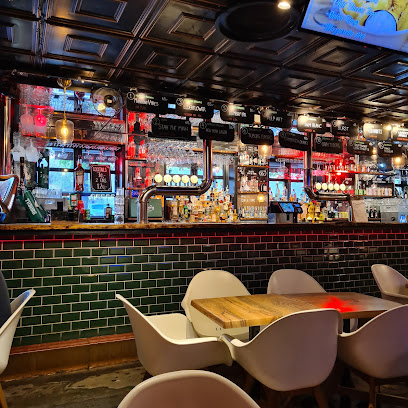
Joker Bar
1.4 km
Relaxed Danish bar offering casual drinks and friendly conversation in historic Helsingør.
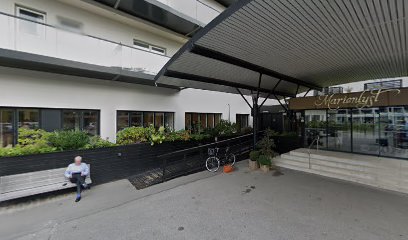
12`er Pubben
1.8 km
Unpretentious neighborhood bodega in Helsingør with billiards, sports on TV and cold beers, offering an authentic slice of Danish local bar life.
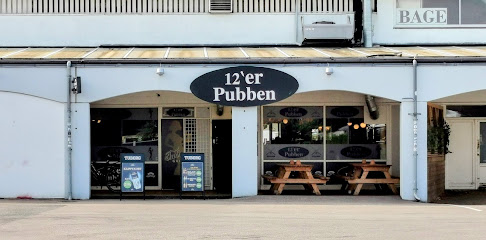
Gefion Bodega
1.8 km
Unpretentious neighbourhood bar in Helsingør offering classic Danish bodega atmosphere, simple drinks and a relaxed glimpse into everyday local life.
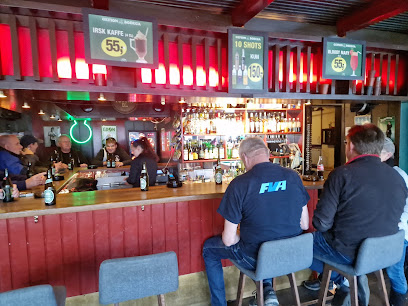
Kardusen
3.1 km
Casual wine bar in central Helsingør offering relaxed evenings and accessible pricing.
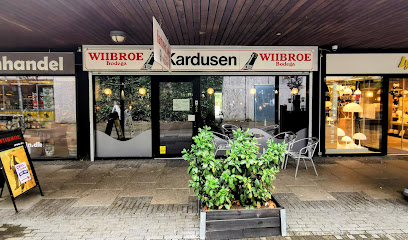
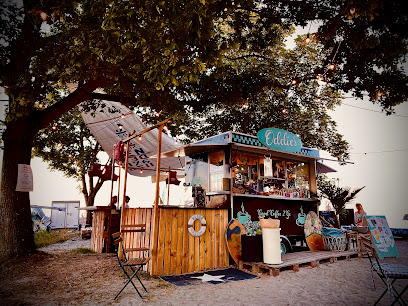
Oddies Beach Bar
17.4 km
Relaxed beach bar on the sand at Rungsted Havn, blending Nordic coastal charm with a hint of tropical island mood and sweeping Øresund sea views.
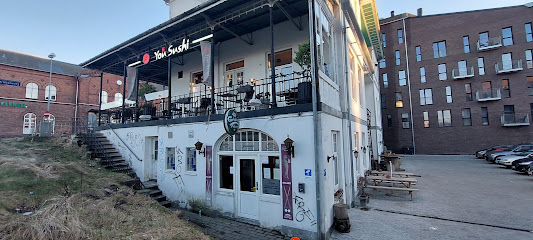
Jernstangen
22.4 km
Old-school Hillerød pub opposite the station, with billiards, darts, dice games and live music nights in a laid‑back, locals-first atmosphere.
Nightclubs & after hour spots

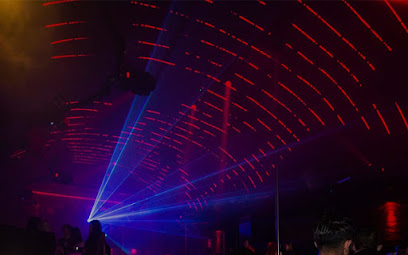
Retro
0.1 km
High-energy weekend nightclub in central Helsingør, mixing big-room beats, bright lights and a young crowd in what calls itself the largest club north of Copenhagen.
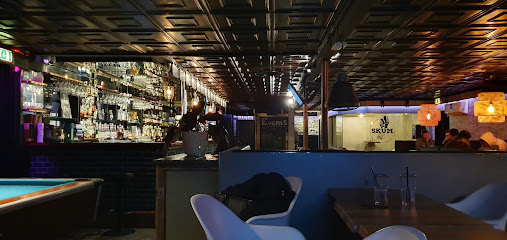
Rustik
0.4 km
Helsingør's premier weekend nightclub with craft cocktails and high-energy dancing until dawn.
Walther's grillkylling og svuppeklub
4.7 km
Intimate neighborhood nightclub in Helsingør with loud music, simple drinks, and a playful local vibe behind an unassuming facade on Rødegårdsvej.

Socialz
22.7 km
Intimate cocktail bar and nightclub in the heart of Hillerød, blending shisha lounge vibes, late-night DJ sets and a compact dance floor on lively Slotsgade.
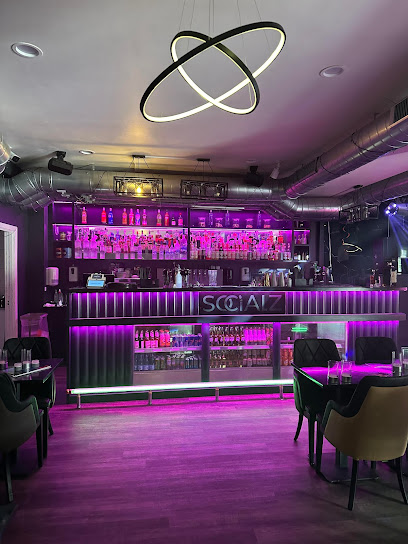
SIGURD CPH
37.0 km
Discover the pulse of Copenhagen's nightlife at SIGURD CPH, where vibrant dancing, fine wines, and pachinko gaming come together for an unforgettable experience.
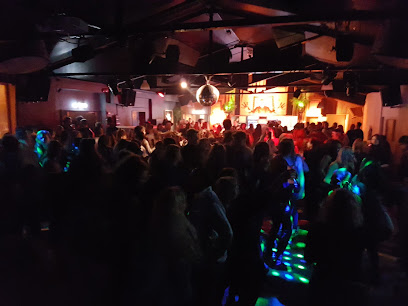
Afrobeat Palace Nightclub
37.5 km
Discover the energetic Afrobeat Palace Nightclub in Copenhagen, where music, dance, and multicultural vibes unite for an unforgettable nightlife experience.
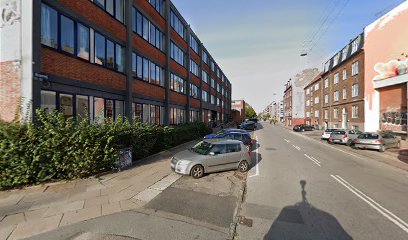
RUST Natklub
38.3 km
Discover the pulsating heart of Copenhagen's nightlife at RUST Natklub, where eclectic beats and vibrant energy come together for an unforgettable experience.

Temple Bar
38.5 km
Discover the energetic vibe of Temple Bar in Nørrebro, Copenhagen, where great drinks and lively entertainment meet.
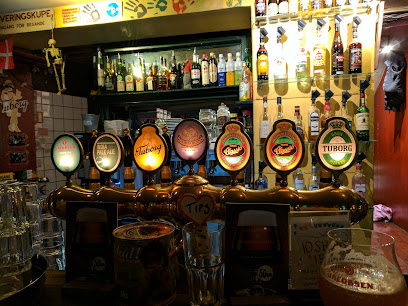
Culture Box
38.8 km
Discover the heartbeat of Copenhagen's nightlife at Culture Box, where music, art, and dance create an unforgettable experience.
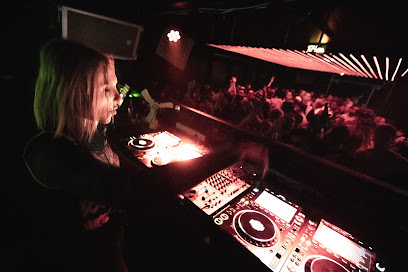
Falafelberg
39.0 km
Discover the pulsating nightlife of Frederiksberg at Falafelberg, a night club offering delicious falafel and electrifying music for an unforgettable experience.
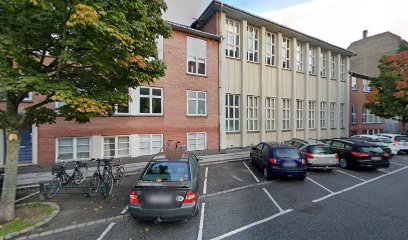
Mini Bar
39.2 km
Discover the vibrant nightlife of Copenhagen at Mini Bar, a premier night club offering eclectic tunes and a lively atmosphere for unforgettable nights.
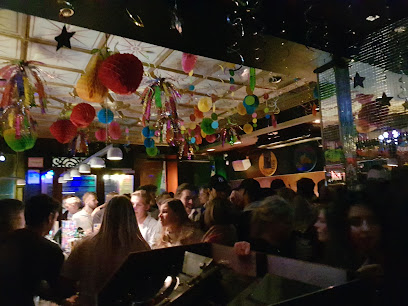
Mirage
39.3 km
Dive into the electrifying nightlife at Mirage, Copenhagen's premier night club for an unforgettable evening of music, dancing, and entertainment.

Arch
39.3 km
Discover the vibrant nightlife of Copenhagen at Arch, a premier night club offering electrifying music and an unforgettable atmosphere.

Moon Club
39.3 km
Discover the pulsating nightlife of Copenhagen at Moon Club, where electrifying beats and vibrant energy create unforgettable nights.
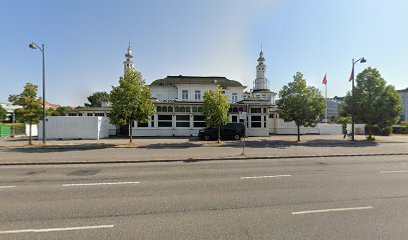
The Zoo
39.3 km
Intimate late-night nightclub on Sværtegade in Copenhagen’s historic center, blending a compact dance floor, DJ-driven beats and a casual, social bar atmosphere.
For the vibe & atmosphere seeker
- Tranquil
- Scenic
- Quirky
- Unique
- Casual
For the design and aesthetic lover
- Vintage Styles
- Rustic Designs
For the architecture buff
- Historic
- Heritage Neighborhoods
For the view chaser and sunset hunter
- Iconic Views
- Sunset Spots
For the social media creator & influencer
- Instagrammable
- Photo Spots
- Selfie Spots
- Architectural Shots
For the eco-conscious traveler
- Low Impact
- Public-Transport Accessible
- Locally Managed
For the kind of experience you’re after
- Cultural Heritage
- Photowalk
- Adventure Photo Shoot
- Day Trip
- Roadtrip Stop
For how adventurous you want the journey to be
- Easy Access
Location Audience
- Family Friendly
- Senior Friendly
- Child Friendly
- Teen Friendly
- Solo Friendly
- Couple Friendly
- Solo Female Friendly
- Vegetarian Friendly
- Vegan Friendly


