

Vaserne Travel Guide
Free Guide: Sheltered between Birkerød and Sjælsø, Vaserne is a protected wetland reserve of reeds, swamp forest and bird-filled lakes offering quietly immersive nature on the city’s edge.


A brief summary of Vaserne
Sheltered between Birkerød and Sjælsø, Vaserne is a protected wetland reserve of reeds, swamp forest and bird-filled lakes offering quietly immersive nature on the city’s edge.
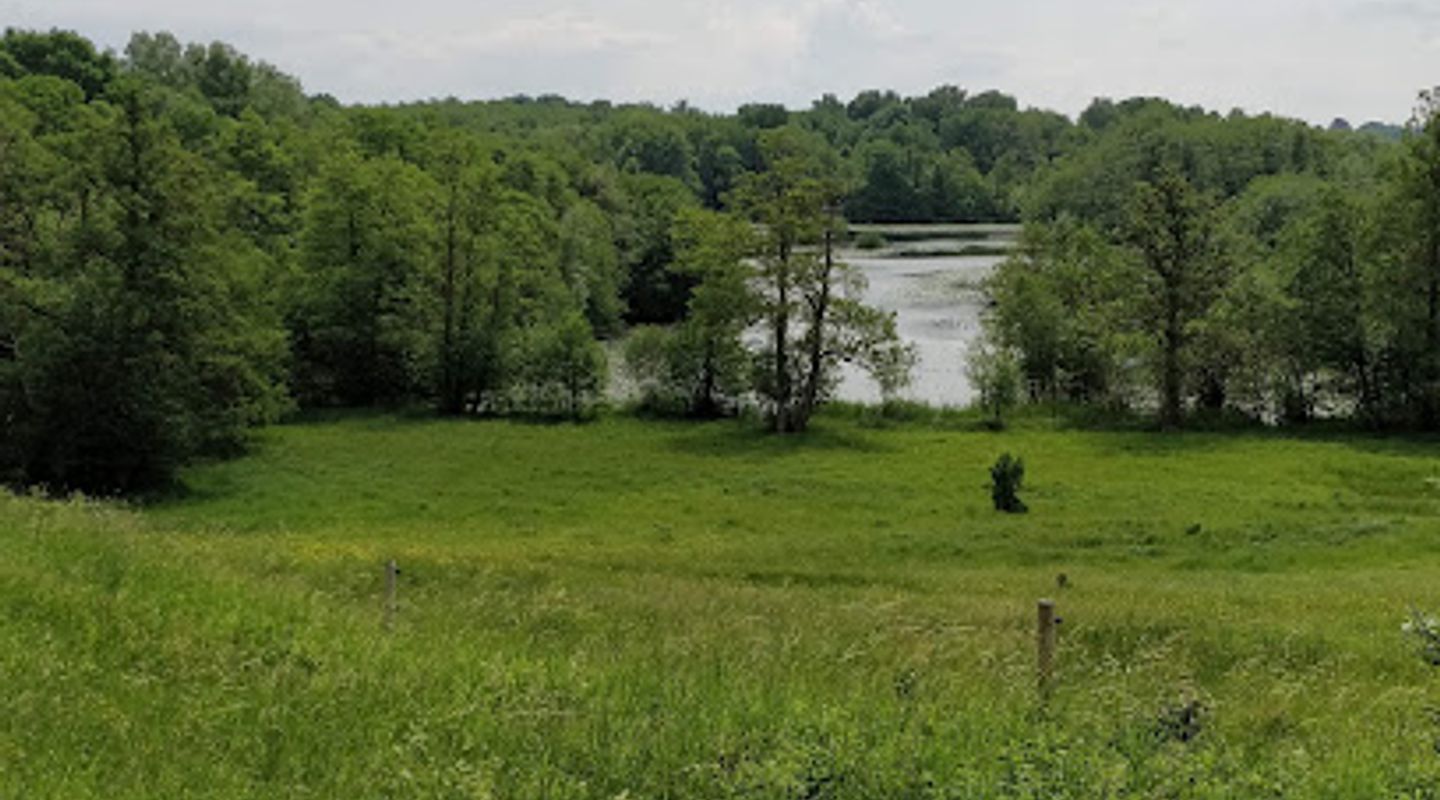
Vaserne is a tranquil wetland and bird reserve on the edge of Birkerød, where reed beds, alder swamp forest and open meadows frame mirror-still lakes. Managed in partnership by nature foundations and the municipality, it protects a rich habitat with more than a thousand recorded species. Boardwalks, simple paths and bird hides bring you close to herons, ducks, warblers and deer, yet the reserve still feels quietly wild despite its suburban setting.
On-site amenities
 Restrooms
 Seating areas
 Picnic areas
 Trash bins
 Information boards
 Visitor centre
Opening hours
- Every dayOpen 24 hours
Opening hours as listed on the venue’s Google Business Profile. Hours can change for services and special events, so check with the venue before you go.
- Address
- Vasestien 4, 3460 Birkerød
- Phone
- Website
Getting there
Regional train and bus from Copenhagen
Bicycle from Birkerød and nearby suburbs
Car or taxi from Greater Copenhagen
Discover more about Vaserne
Wetlands Hidden Between Lake and Suburbs
Vaserne is a low-lying mosaic of reed marsh, small lakes, alder swamp forest and open meadowland sandwiched between Birkerød and the broad waters of nearby Sjælsø. Soft ground, slow water and dense vegetation create a classic Danish wetland landscape, where the ground seems to breathe underfoot and fallen trunks lie half-submerged in dark pools. Despite the proximity of houses and roads, the reserve feels surprisingly secluded, with long sightlines over the reeds and only occasional glimpses of rooftops beyond.The name Vaserne refers to the soggy, marshy character of the terrain, shaped over centuries by fluctuating water levels and grazing. Today the area is protected and managed to preserve its semi-wild feel: ditches are kept open just enough to prevent flooding of trails, while grazing and careful clearing stop the wetlands from turning into closed forest.
A Refuge for Birds and a Thousand Other Species
Vaserne is best known as a bird reserve, but it is really a complete wetland ecosystem in miniature. More than a thousand species have been recorded here, from orchids and liverworts in the swamp forest to dragonflies and amphibians in the ponds. In late spring and early summer, the reeds tremble with the song of warblers, while great crested grebes, tufted ducks and coots patrol the open water.In autumn, migrating ducks pause to feed and rest, and mixed flocks of tits and other small passerines thread through the willow scrub. Grey herons stand statuesque at the edges of channels, and with luck you might glimpse an owl at dusk or a hunting marsh harrier quartering low over the reeds. The reserve is actively managed by conservation foundations and local volunteers, who adjust water levels, maintain grazing regimes and improve nesting and feeding conditions for wetland birds.
Boardwalks, Bird Hides and Quiet Footpaths
The visitor experience at Vaserne is deliberately simple. A web of unsurfaced trails, old forest tracks and short stretches of boardwalk lead you through the dampest areas, where sphagnum moss and sedges crowd close to the planks. You can wander short loops near the edges of the reserve or link paths into a longer ramble along meadows and through dense alder carr.Strategically placed viewing platforms and small bird hides allow you to look out over open water without disturbing wildlife. Simple benches offer places to sit in silence, watch ripples move across the lakes and listen to the layered birdsong. Information boards explain the wetland’s history, management and key species, making it easy to understand what you are seeing without overwhelming the sense of immersion in nature.
Seasonal Transformations in Light and Sound
Vaserne changes character with the seasons. In spring the swamp forest floor is bright with new growth and the air rings with territorial calls and drumming. Summer brings dense greenery, humming insects and the soft slap of carp in shallower water. On still early mornings, mist hangs low over the reeds and amplifies the echo of bird calls.Autumn cloaks the alders and birches in warm colours, and flocks of ducks and geese mark the turning year as they move through the reserve. In winter, when frost stiffens the marsh and thin ice skins the ponds, the area becomes stark and quiet, its structure laid bare. Even then, you can often spot hardy resident birds and follow fox or deer tracks along the edges of the paths.
Conservation, Education and Everyday Escapes
Vaserne is jointly managed by nature foundations and the local municipality as both a sanctuary for wildlife and an open-air classroom. School groups come to learn about wetland ecology, volunteers lead occasional guided bird walks, and ongoing projects monitor species, restore habitats and adapt management to climate and water-level changes.For everyday visitors, the reserve offers an easy escape into something wilder than a city park but gentler than backcountry wilderness. You can bring binoculars and spend hours scanning for birds, take a slow contemplative stroll or simply sit quietly and let the wetland’s layered sounds replace the background noise of urban life. It is this combination of rich biodiversity, thoughtful protection and genuine sense of retreat that gives Vaserne its particular character.
Evendo Review Centre
 Google
Guest reviews
Best time to go
Quietest: Jan, Feb & Dec · before 7am or from 10pm
Busy times are Evendo estimates for a typical year, to help you plan. Actual crowds vary with events, school holidays and the weather.
Explore Vaserne on the map
A handpicked selection of must-see spots near Vaserne, mapped for you.
Get your free copy of our complete guide to Vaserne, delivered straight to you.
Everything on this page, from opening hours and how to get there to Eve’s tips and the best time to go, in one PDF you can read offline, print or share.
Already have an account? Sign in
Your Vaserne guide is ready.
We'll send it to · Not you? Sign out

Getting your guide ready…
We are putting together a fresh copy of the Vaserne guide. This can take up to a minute.
This can take a few moments. If your browser asks, choose Allow so the download can start. You'll find the guide in your Downloads folder.
Nothing happened? Download it again
Sorry, the guide is taking longer than usual. Please try again in a minute, or get it by email instead.
Other nearby places you may find interesting
The closest places of the same kind, if this one is not quite what you had in mind.
-
-
-
-
-


Swipe for more places
More to explore near Vaserne

 Best experiences near Vaserne
 Best hotels near Vaserne
 Best landmarks near Vaserne
 Best attractions near Vaserne
 Best shops near Vaserne
 Best restaurants near Vaserne
 Best bars near Vaserne
Do you manage this location?
Take control to get all the benefits, like improved information, better appearance, and stronger visibility across AI-powered discovery.
Explore more

Explore more of North Zealand
Explore North Zealand, Denmark's enchanting region of castles, beaches, and royal estates, perfect for history buffs, nature enthusiasts, and seaside lovers.
Explore North Zealand
Explore more of Denmark
Discover Denmark: A perfect blend of history, modern design, and the cozy concept of hygge. Explore vibrant cities, serene landscapes, and world-class cuisine.
Explore Denmark
