
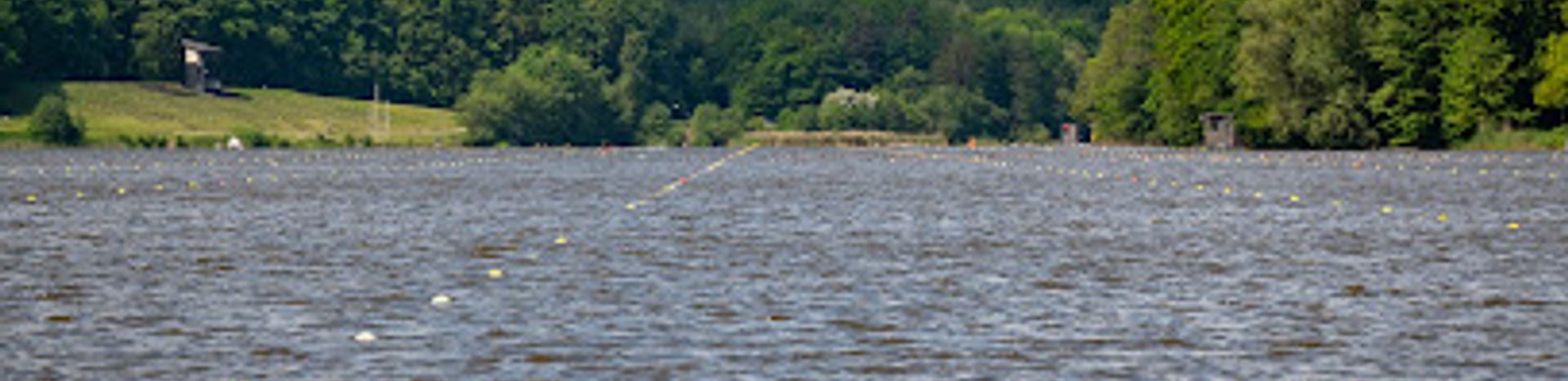
Lake Bagsværd
Long, tranquil lake on Copenhagen’s northern fringe, where everyday walks, picnics and wildlife share the shoreline with a world-class rowing course.
Lake Bagsværd is a tranquil lake in North Zealand, just north of Copenhagen, known for its long rowing course, low forested shores and easy-going paths that invite walkers, runners and cyclists. Part of the wider Mølleå river system, it blends everyday Danish outdoor life with an international sporting stage, where elite rowers share the water with kayakers and leisure boats. Onshore, quiet viewpoints, small jetties and patches of reeds create a calm, close-to-nature escape from the city.
A brief summary to Lake Bagsværd
- DK
- Duration: 1 to 3 hours
- Free
-
 Outdoor
- Mobile reception: 4 out of 5
Local tips
- Plan at least one slow circuit along the shore paths to experience different perspectives, from open water views to reed-framed inlets and wooded stretches.
- Bring snacks or a simple picnic, as dining options are limited right on the lakeshore and many of the nicest viewpoints are best enjoyed sitting down for a while.
- If you want to see the lake at its most atmospheric, aim for early morning or the golden light of late afternoon when the rowing lanes and calm water photograph beautifully.
- Respect local guidance on water quality and designated zones before considering any swimming; the lake is primarily a rowing and boating venue rather than a bathing spot.
- Pack layers and a windproof jacket outside midsummer, as the open water can feel noticeably cooler and breezier than nearby streets and residential areas.

For the on-the-go comforts that matter to you
- Restrooms
- Seating Areas
- Picnic Areas
- Trash Bins
- Information Boards
Getting There
-
S-train and bus from central Copenhagen
From central Copenhagen, take an S-train on line B or E toward Farum and get off at Bagsværd Station; the journey typically takes 20–25 minutes. From the station, a local bus or an easy 15–25 minute walk brings you to the lakeshore, depending on which section you choose to visit. Train tickets within the capital region usually fall in the range of 24–36 DKK each way for adults, with frequent departures throughout the day and full operation in most weather conditions.
-
Regional bus from nearby northern suburbs
If you are staying in northern suburbs such as Lyngby or Farum, use regional buses that skirt the area around Lake Bagsværd; travel times are often 15–30 minutes, depending on your starting point and connection. Standard bus fares within the capital region are typically 24–36 DKK for a single adult ticket, with services running at reduced frequency in evenings and on weekends. Check the route maps to choose a stop that leaves you within a comfortable walking distance of the section of shore you wish to explore.
-
Cycling from central Copenhagen
Confident cyclists can reach Lake Bagsværd using Copenhagen’s network of bike lanes and suburban cycle routes, with a typical riding time of 35–50 minutes from the city centre, depending on pace and exact starting point. The route is generally flat but passes through traffic-heavy sections, so it suits riders used to urban cycling. The trip is free apart from bike rental costs if you do not have your own; day rentals in Copenhagen commonly range from 100–200 DKK, and this option is most comfortable in dry, mild weather.
-
Car or taxi within the Capital Region
Arriving by car from within Greater Copenhagen usually takes 20–35 minutes in normal traffic, longer during rush hours. Parking options vary around the lake, with some small public areas near sports facilities and residential streets that may have time limits; always observe local signs. A taxi from the city centre can cost in the region of 250–400 DKK one way, depending on traffic and time of day. This option is convenient in poor weather or for visitors with limited mobility but offers less of the everyday local experience than public transport or cycling.
Lake Bagsværd location weather suitability
-
 Any Weather
-
 Clear Skies
-
 Windy Conditions
-
 Mild Temperatures
-
 Cold Weather
-
 Hot Weather
-
 Rain / Wet Weather
Discover more about Lake Bagsværd
A Copenhagen Lake Where Nature Meets Everyday Life
Lake Bagsværd sits on the northern fringe of Copenhagen, framed by gentle woodland, residential streets and pockets of open parkland. The lake stretches out in a long, almost straight basin, which gives it a distinctive, linear character compared with more irregular forest lakes. Its low, green banks and broad surface make the water feel immediately present as you approach: this is not a distant landscape view, but a place where the lake is always within arm’s reach. Despite being so close to the capital, the atmosphere is quietly local. You are likely to see joggers tracing the shore, parents pushing strollers along gravel paths, and people pausing on benches simply to watch the water. The lake forms part of the historic Mølleå water system, which once powered mills further downstream. Today, the industrial past is mostly invisible, replaced by a softer landscape of reeds, willows and gently rippling water.An International Stage for Rowing and Paddling
What truly sets Lake Bagsværd apart is its role as one of Denmark’s key competition courses for rowing and paddling sports. A long, straight stretch of water is laid out with buoys and lanes, creating a purpose-built arena for regattas. Grandstands, boathouses and simple facilities cluster along one section of the shore, signaling that this is not just a pretty lake, but a venue designed for serious performance. Over the decades, the lake has hosted major international rowing and sprint canoe events, bringing athletes from around the world to what might otherwise seem a modest suburban landscape. Outside championship days, you can often watch rowing clubs training in long, slender shells, their oars hitting the water in perfect unison. Kayaks and canoes glide between them, adding splashes of color. Even if you are not involved in the sport, the sense of rhythm and focus on the water adds a dynamic layer to the otherwise calm setting.Paths, Picnic Spots and Quiet Corners
For most visitors, the shoreline is the main playground. A network of footpaths and cycle-friendly tracks traces large portions of the lake, sometimes close to the water, sometimes weaving back into the trees. Short grassy banks and small clearings provide inviting places to stop, unpack a picnic or simply lie back and watch the sky. In good weather, you might see blankets spread out, children playing near the water’s edge and friends chatting on low wooden jetties. The lake’s surroundings are mostly gentle and accessible, with only modest inclines, making it suitable for relaxed walks more than rugged hiking. Occasional information boards and simple viewing points help you orient yourself and offer glimpses across to church spires, housing clusters and forested edges. In several places, reeds and aquatic plants grow thick along the shore, creating sheltered coves where birds rest and fish stir beneath the surface.Seasonal Moods on the Water
Lake Bagsværd changes character with the seasons. In spring and early summer, fresh leaves and long northern light turn the water a softer, brighter hue, while rowers ramp up their training and evening walks linger well into dusk. High summer brings more cyclists, families and casual sunbathers to the banks, though the lake is better suited to boating and shore-based relaxation than to swimming due to water quality concerns. Autumn wraps the shoreline in reds and golds, and calm days can mirror the foliage perfectly on the lake’s surface, turning even a short stroll into a photogenic outing. In winter, the area is quieter and more contemplative. Frost and occasional snow simplify the landscape into greys and whites, and the long, straight rowing course becomes a minimalist composition of water, reed beds and bare branches. Throughout the year, the lake remains a reliable escape for anyone seeking fresh air without leaving the city region behind.Wildlife, Water and a Delicate Balance
Although the lake lies in a suburban setting, it offers pockets of habitat for waterfowl and small animals. Ducks, swans and coots are common sights, while gulls and other birds patrol the surface for food. Reeds and shoreline vegetation help shelter nests and fish, reminding visitors that even heavily used waters can still support a surprising amount of life. At the same time, the lake is part of a managed water system and receives inflows from the surrounding built-up areas. This makes it important to treat the shoreline with care: keeping to paths, avoiding litter and respecting local guidance on swimming and boating helps safeguard both the water quality and the wildlife that rely on it. The result is a shared space where sport, relaxation and nature have to coexist, giving Lake Bagsværd a quietly complex character beneath its calm surface.Iconic landmarks you can’t miss

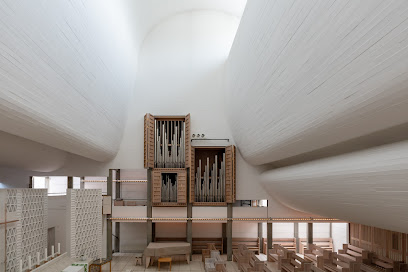
Bagsværd Kirke
1.6 km
A modest suburban shell concealing Jørn Utzon’s luminous “cloud” church, where Nordic minimalism, sculpted concrete and tranquil courtyards create a serene urban sanctuary.
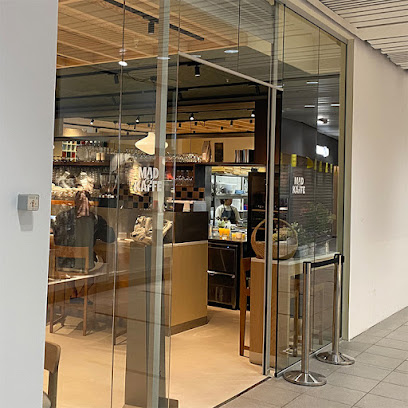
Lyngby Storcenter
2.5 km
Discover a world of shopping and dining at Lyngby Storcenter, one of Denmark's largest malls, offering a vibrant mix of international brands and local favorites in the heart of Kongens Lyngby.
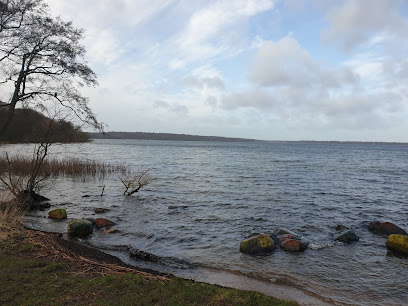
Furesø
4.1 km
Denmark's deepest lake offers pristine waters, historic heritage, and year-round outdoor adventures just 20 km from Copenhagen.
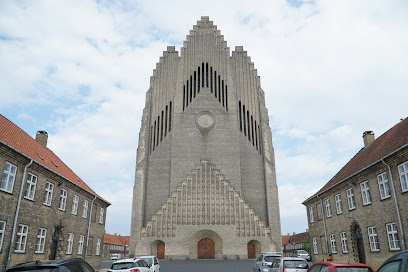
Grundtvig’s Church
7.4 km
A monumental brick cathedral of Nordic minimalism and light, Grundtvig’s Church fuses expressionist form with Gothic scale on a quiet Copenhagen hillside.
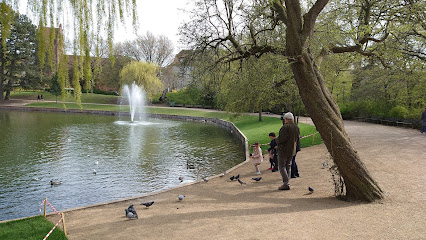
Kildevældsparken
8.9 km
Experience a slice of authentic Copenhagen life at Kildevældsparken, Østerbro’s serene neighborhood park with a charming pond and lush greenery.
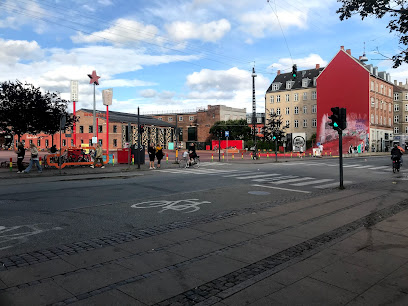
The Red Square
9.3 km
A striking, modern city square in Nørrebro, where bold Danish design meets global cultures, street art, and vibrant local life in Copenhagen’s most diverse borough.
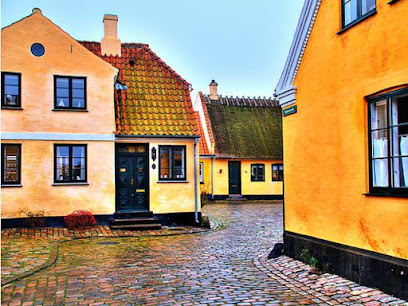
Copenhagen This Way / Koebenhavnerture.dk
9.7 km
Experience Copenhagen’s only Russian Orthodox church, where golden onion domes and vibrant frescoes highlight an extraordinary cultural and architectural landmark.
Fælledparken
10.0 km
Copenhagen’s largest and most beloved city park, Fælledparken offers a dynamic blend of green tranquility, local culture, sports, and major city events in Østerbro.
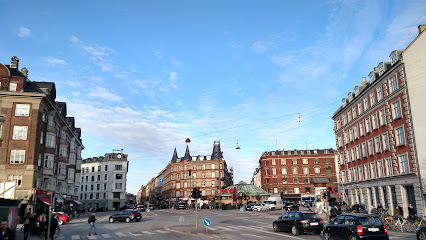
The Tower Playground
10.5 km
Award-winning Copenhagen playground where kids explore & climb miniature city towers; centrally located in Fælledparken with family-friendly facilities.
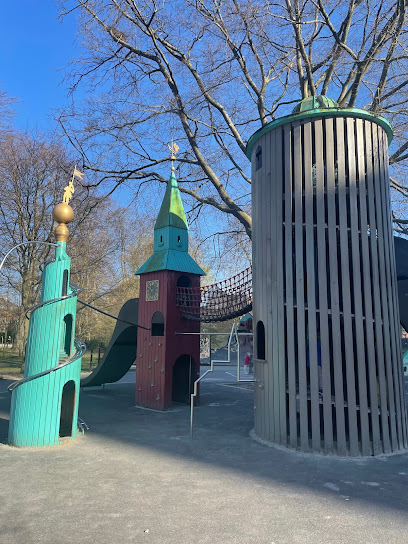
Folkets Park
10.8 km
Grassroots community spirit, creative play areas, vibrant street art, and urban oasis charm in the heart of Nørrebro’s multicultural Copenhagen.
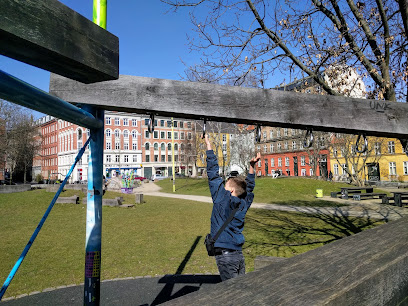
Møstings Hus
11.0 km
Explore contemporary art in a historic neoclassical villa at Møstings Hus, Frederiksberg's cultural gem.
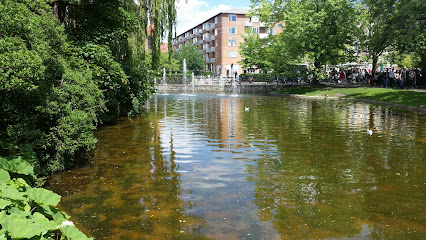
Frederiksbergmuseerne
11.0 km
Explore Frederiksberg's cultural gems: Cisternerne, Bakkehuset, STORM, and Møstings, each offering unique art and history experiences.
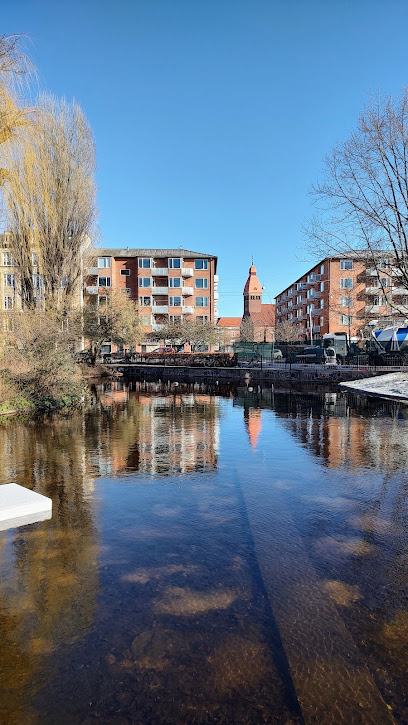
Frederiksberg Town Hall
11.1 km
Brick-clad beacon of Frederiksberg’s independence, this 1950s functionalist town hall blends civic power, mid‑century Danish design and views across leafy Copenhagen.
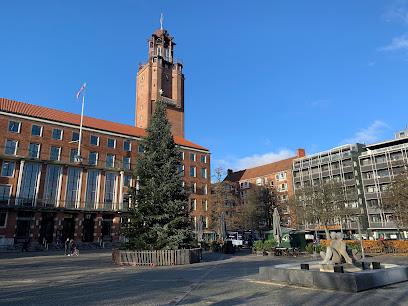
Søtorvet 2
11.2 km
Elegant 1870s residential landmark where French architecture meets Copenhagen's cultural legacy.
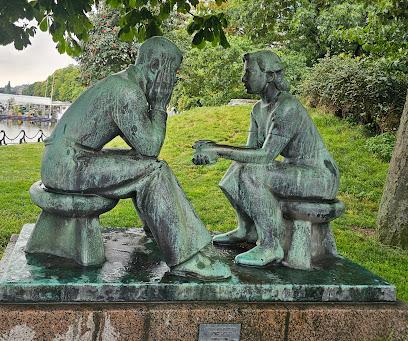
Henriksholm
11.2 km
A quiet Vedbæk hillside where Stone Age burials, villa culture and Cold War command history meet in a leafy coastal neighbourhood north of Copenhagen.
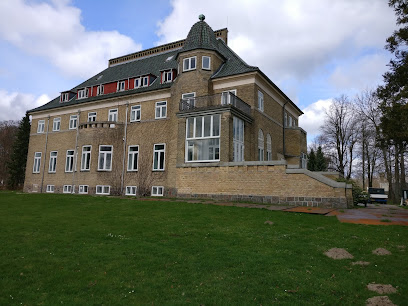
Unmissable attractions to see

Sophienholm
0.7 km
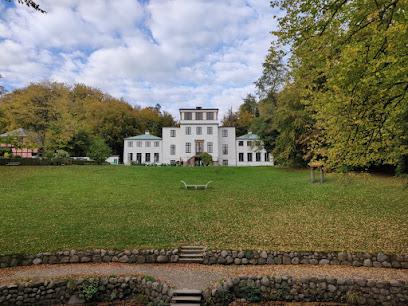
Elegant 18th-century country house turned art hall, set in a romantic landscape park on Bagsværd Lake with changing exhibitions, sculpture-filled lawns and a cosy café.
Klopstocks eg
0.9 km
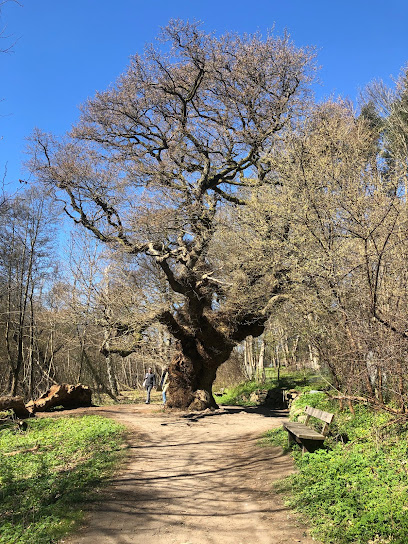
Discover Store Dyrehave in North Zealand: a historic royal deer forest with unique star-shaped paths, tranquil wildlife, and lush woodlands perfect for outdoor adventures.
Lyngby Folkepark
1.5 km
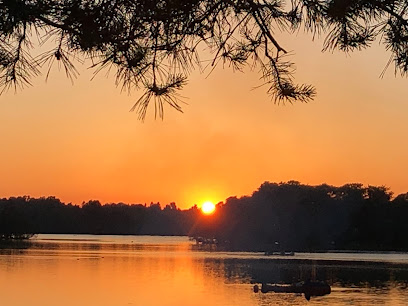
A relaxed patch of green by Lyngby Lake, where everyday walks, dog runs and quiet pauses connect suburban life with the water and woodland north of Copenhagen.
Baadfarten Boat Tour
2.0 km
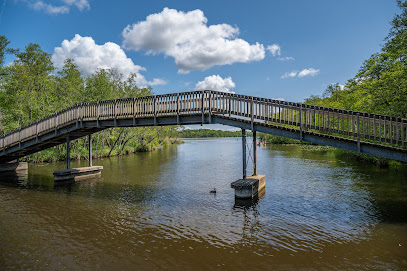
Historic wooden boats, tranquil lakes and forested shores combine on this leisurely North Zealand cruise just outside Copenhagen.
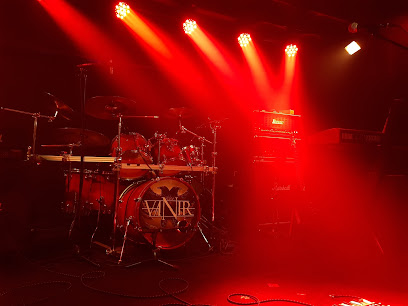
Templet
2.2 km
Intimate, no‑frills live venue in Kongens Lyngby where loud guitars, close‑up performances and a local crowd turn a modest room into a night of amplified energy.
Stendysser
2.2 km
Experience the ancient art of falconry amidst the serene landscapes of Fredensborg at Falkonergården.
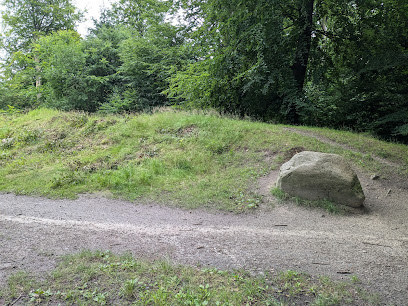
Mindebænk for Viggo Stuckenberg
2.2 km
A modest stone-framed bench in Sorgenfri Slotshave, offering a quiet, poetic pause where Viggo Stuckenberg once found inspiration amid royal parkland.
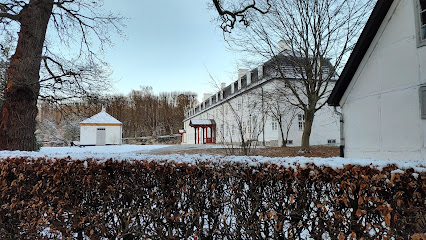
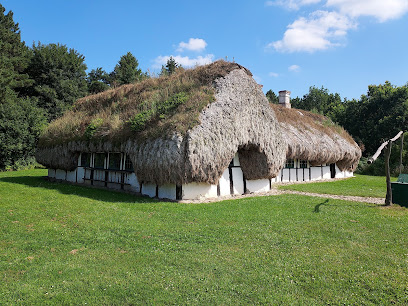
The Open Air Museum
2.3 km
Step into 300 years of rural Danish life among thatched farms, windmills, animals and gardens in one of the world’s largest historic open‑air museums.
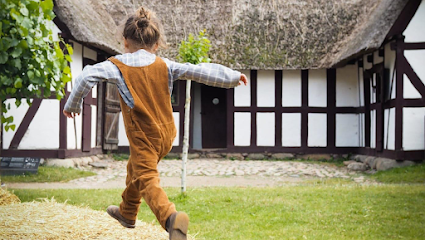
Open Air Museum
3.2 km
One of the world’s largest open‑air museums, Frilandsmuseet gathers centuries of Danish rural life into a single village of farms, mills, animals and gardens.
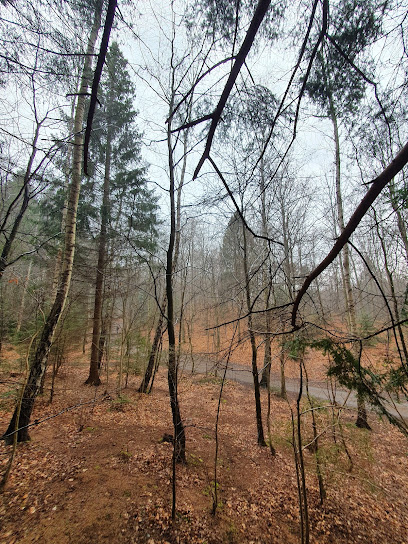
Geels Skov
4.1 km
An accessible Copenhagen-edge woodland of beech trees, clear trails and cosy fire pits, Geels Skov is where everyday life slips easily into fresh-air forest time.
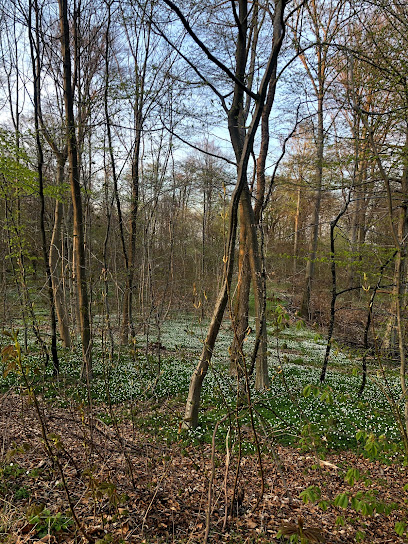
Fiskebæk Naturskole
6.0 km
Rustic forest school and shelter camp on the edge of Værløse, where crackling campfires, simple shelters and tall trees turn everyday nature into an easy escape.
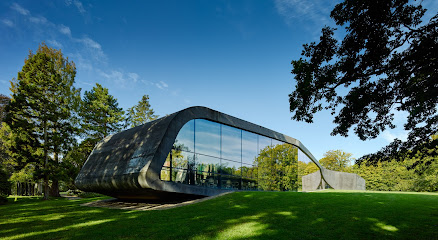
Ordrupgaard
6.1 km
A historic country house turned art museum, where French masters, Danish classics, bold contemporary architecture, and a sculpture-filled park meet in leafy Charlottenlund.
Vaserne
6.3 km
Sheltered between Birkerød and Sjælsø, Vaserne is a protected wetland reserve of reeds, swamp forest and bird-filled lakes offering quietly immersive nature on the city’s edge.
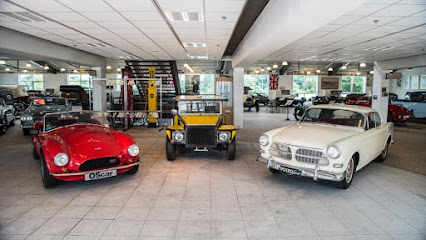
Sommer's Automobile Museum
6.7 km
A three-storey Danish car haven where Jaguars, Volvos and rare home-built specials tell a vivid story of 20th‑century motoring and mechanical passion.
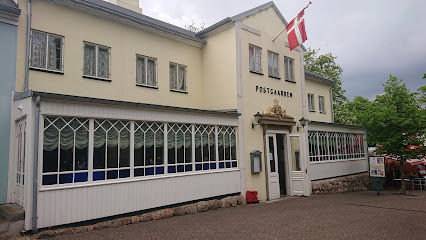
Korsbæk Bakken
7.0 km
Step into 1930s Denmark at this charming Matador-inspired village within historic Bakken amusement park.
Essential places to dine

Søllerød Kro
5.2 km
Historic thatched Danish inn turned Michelin-starred dining destination, where refined French-inspired cuisine, deep wines and warm village charm meet by a tranquil pond.
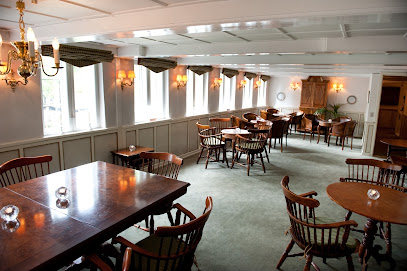
Cafe 33
8.6 km
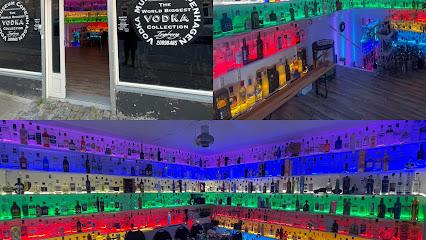
Explore the rich heritage of vodka at Cafe 33's unique Vodka Museum in Vanløse.
Gro Eatery
9.1 km
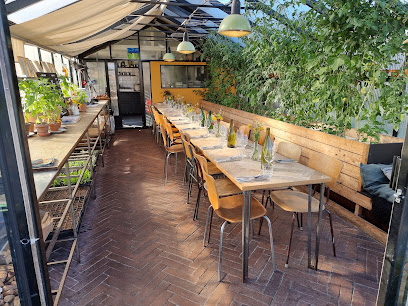
Experience modern Nordic cuisine in an urban rooftop farm setting at Gro Eatery, where seasonal tasting menus and city views meet Danish sustainability in Østerbro.
PAX
9.7 km
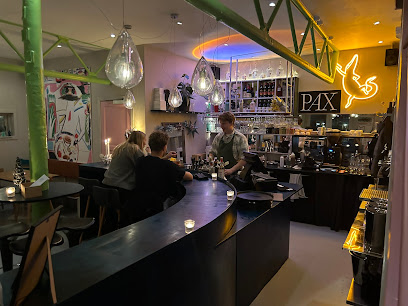
Experience innovative Italian-inspired cuisine in the heart of Østerbro at PAX, where a dynamic menu and cozy ambiance await.
Geranium
10.0 km
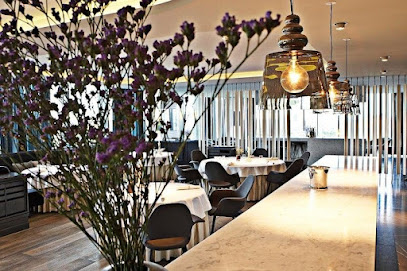
Geranium offers a world-class New Nordic tasting experience in Copenhagen, uniting innovative Scandinavian cuisine, sustainable luxury, and panoramic city views.
Street Food 108
10.1 km
Experience authentic Turkish cuisine at Street Food 108 in Copenhagen's vibrant Nørrebro district - a delightful taste adventure awaits!
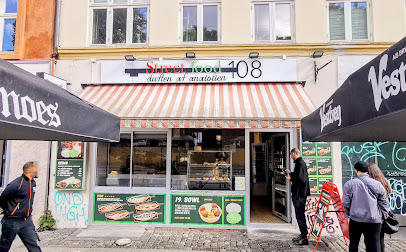
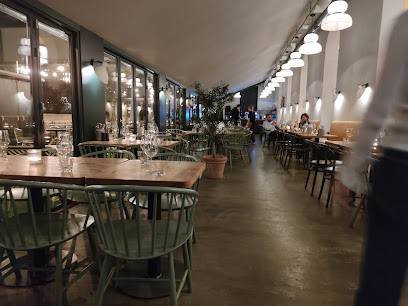
Restaurant Madklubben Østerbro
10.2 km
Enjoy approachable modern Danish cuisine and vibrant local life in the stylish heart of Østerbro at Restaurant Madklubben, where good food and great company meet.
Gaarden & Gaden
10.3 km
Discover Gaarden & Gaden, a stylishly laid-back bistro in Nørrebro, Copenhagen, serving inventive local cuisine and natural wines in a warm, communal setting.
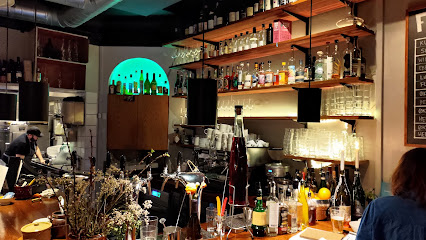
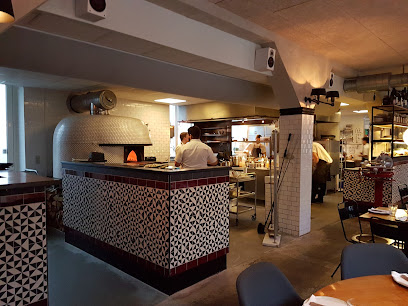
Bæst
10.4 km
Experience Nørrebro’s celebrated Bæst, where organic Italian pizzas and in-house charcuterie meet Scandinavian sustainability and vibrant Danish hospitality.
Aroii - Nørrebro
10.5 km
Savor inventive Asian fusion cuisine in lively Nørrebro, where Aroii delivers creative Thai-inspired plates and vibrant ambiance in one of Copenhagen’s buzziest districts.
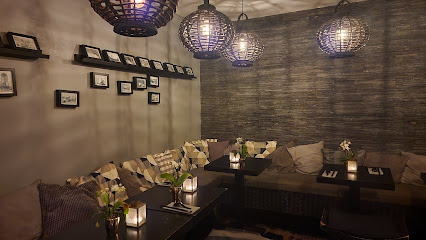
Kiin Kiin
10.5 km
Michelin-starred Thai restaurant in Copenhagen’s Nørrebro, offering inventive tasting menus and modern fine dining that blend Southeast Asian flavors with Nordic influences.
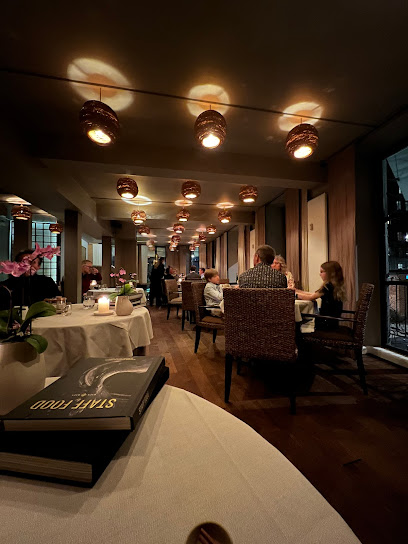
Hos Fischer
10.5 km
Experience authentic Italian trattoria dining and neighborhood hospitality at Hos Fischer, a beloved Østerbro culinary gem near the tranquil green heart of Copenhagen.
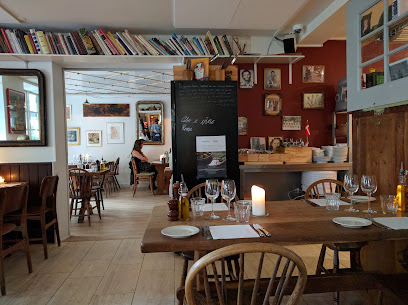
Café Lindevang
10.6 km
A beloved Frederiksberg institution, Café Lindevang serves up hearty Danish classics and authentic smørrebrød in cozy, vintage surroundings steeped in local charm.
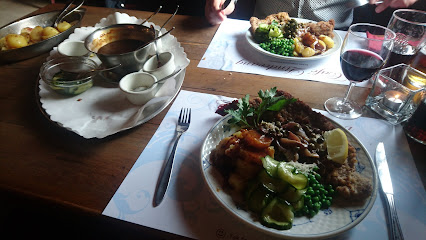
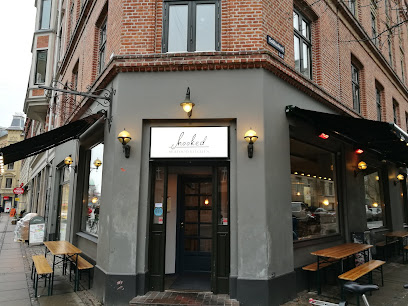
Hooked Nørrebro
10.6 km
Discover fresh seafood delights at Hooked Nørrebro in Copenhagen - a culinary gem celebrating local flavors in a vibrant setting.
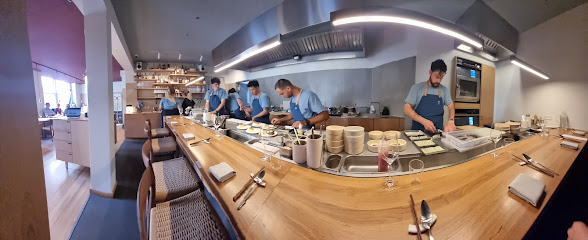
JATAK
10.6 km
Intimate Nørrebro dining where New Nordic produce meets the bold, personal Asian flavors of chef Jonathan Tam in a calm, minimalist Michelin-starred setting.
Markets, malls and hidden boutiques

The Late Morning Post Photographer
2.3 km
Fine art wedding and family photography studio capturing authentic moments with artistic vision and warmth.
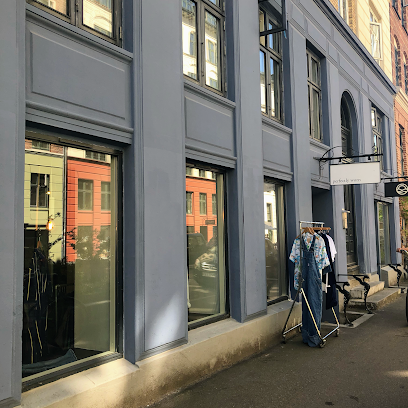
Perfectly Worn Vintage
9.9 km
Discover handpicked vintage gems and timeless fashion in the heart of Nørrebro’s creative district at Perfectly Worn Vintage, Copenhagen’s haven for unique style.
Rødovre Centrum
10.1 km
Denmark’s original modern shopping mall, blending big‑name stores, cinema and family‑friendly leisure in a spacious all‑weather hub west of central Copenhagen.
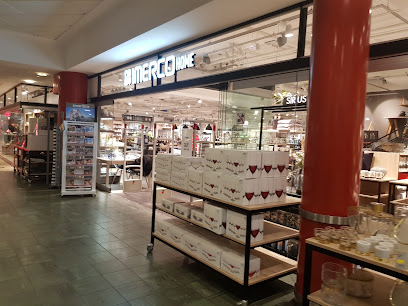
Red Cross Op Shop
10.6 km
A vibrant Østerbro thrift store where sustainable shopping, Danish design, and community spirit support Red Cross humanitarian work.
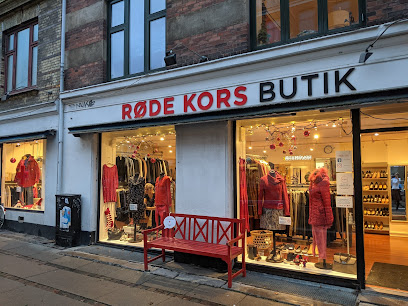
Frederiksberg Centret
10.8 km
Frederiksberg Centret offers a sleek, Scandinavian shopping experience with 90+ stores, cafés, and events in the chic heart of Frederiksberg, steps from the Metro.
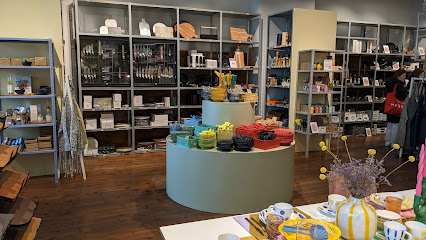
PRAG Nørrebro
10.8 km
PRAG Nørrebro offers a curated vintage shopping experience surrounded by the eclectic energy and cultural vibrancy of Copenhagen’s trendsetting district.
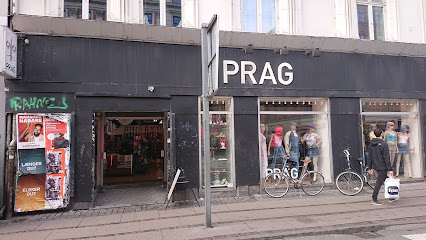
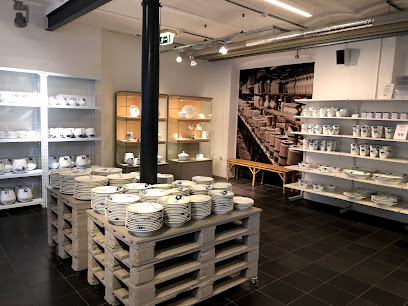
Royal Copenhagen - Outlet
10.9 km
Discover Danish porcelain heritage and timeless design at discounted prices in Frederiksberg’s celebrated Royal Copenhagen Outlet, close to the city’s green heart.
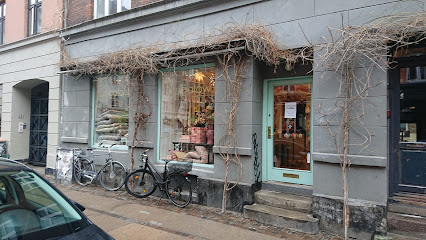
Butik Bungalow
10.9 km
Colorful Danish-Indian design shop in Nørrebro offering hand-printed homeware, unique gifts, and stylish paper goods in a cozy, creative boutique setting.
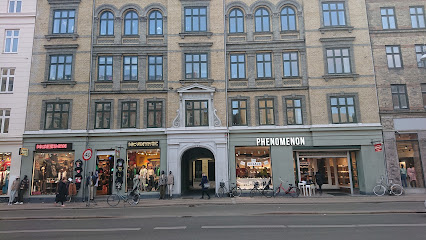
McKorman
11.0 km
Discover McKorman in Nørrebro: Copenhagen’s go-to spot for handpicked streetwear, unique vintage fashion, and urban style essentials for every wardrobe.
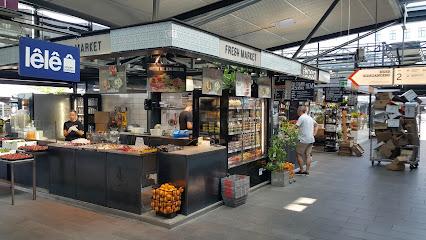
TorvehallerneKBH
11.6 km
A vibrant marketplace in the heart of Copenhagen, TorvehallerneKBH blends Danish culinary tradition with global flavors across over 60 food and drink stalls.
Exotic Mix
11.7 km
Gourmet nuts, dried fruits and chocolate dragées from around the world, served from a colourful family‑run stall inside Copenhagen’s Torvehallerne market.
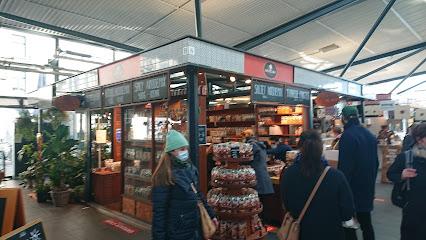
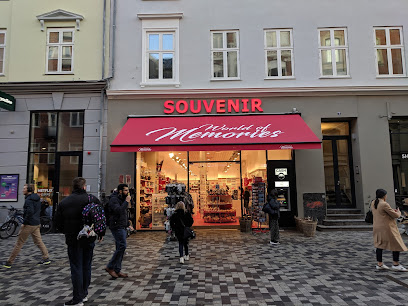
Copenhagen Souvenir & Design World of Memories
11.8 km
Denmark's largest souvenir destination with 2,000+ authentic gifts celebrating Danish design, heritage, and iconic landmarks.
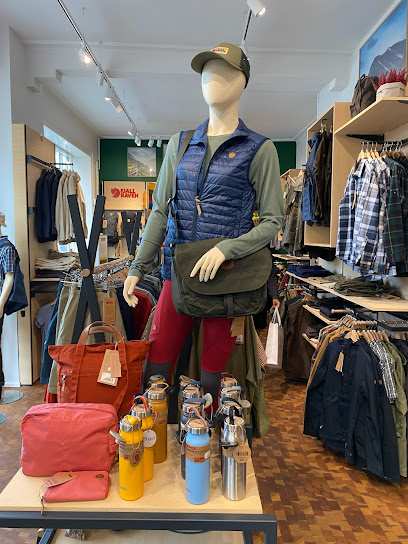
Fjällräven
12.0 km
A compact Fjällräven brand shop on historic Kultorvet, pairing Scandinavian outdoor design with expert gear advice in the heart of Copenhagen’s old town.
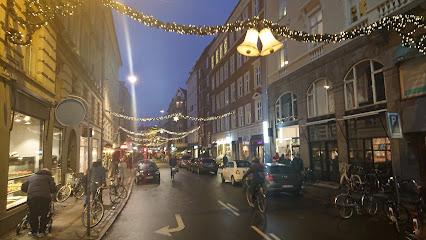
Værnedamsvej
12.0 km
Copenhagen’s beloved Parisian-style street, brimming with independent shops, cafés, wine bars, and Scandinavian charm between vibrant Vesterbro and Frederiksberg.
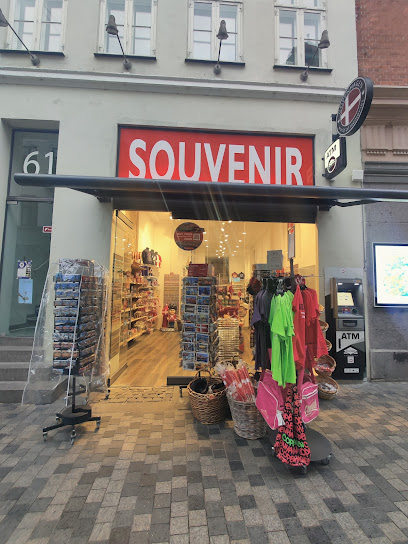
Souvenir Gifts shop
12.0 km
Classic Copenhagen souvenirs in a compact, central shop on historic Købmagergade, perfect for last‑minute gifts and easy-to-pack mementos from the Danish capital.
Essential bars & hidden hideouts

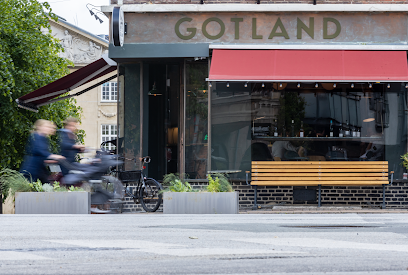
Gotland - Café & Vinbar
9.5 km
Experience the perfect blend of fine wines and cozy café atmosphere at Gotland - Café & Vinbar in Copenhagen.
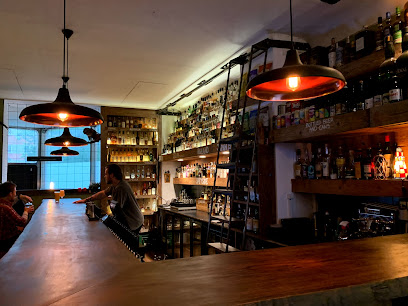
Dispensary, Whisk(e)y And Beer
9.6 km
Discover the heart of Copenhagen's nightlife at Dispensary, Whisk(e)y And Beer, where craft beers and fine whiskies await in a vibrant atmosphere.
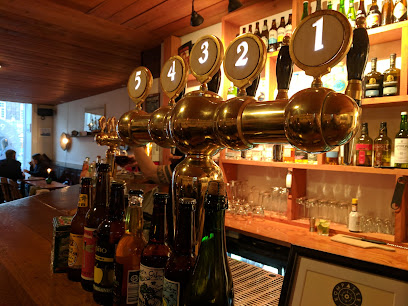
Kompasset Ølbar
9.8 km
Experience Copenhagen's nightlife at Kompasset Ølbar, a vibrant bar in Østerbro known for its craft beers and inviting atmosphere.
Bubbles Bar
10.1 km
Discover the vibrant atmosphere and exquisite cocktails at Bubbles Bar, Copenhagen's chic nightlife destination for tourists and locals alike.
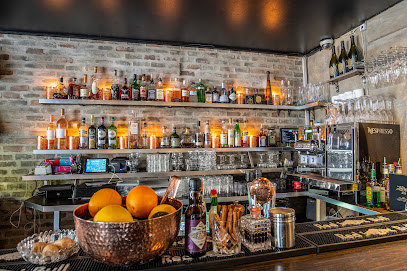
Tap10
10.2 km
Experience the vibrant nightlife of Copenhagen at Tap10, a cozy bar in Østerbro offering exquisite drinks and a lively atmosphere.
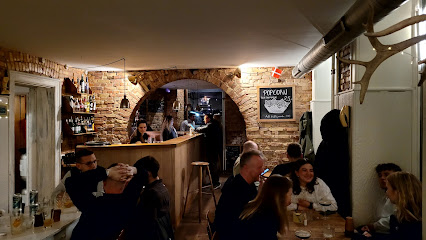
Skovbar
10.2 km
Small, punk-spirited and queer-friendly bar in Nørrebro with vegan drinks, inclusive vibes and intimate music nights at budget-friendly prices.
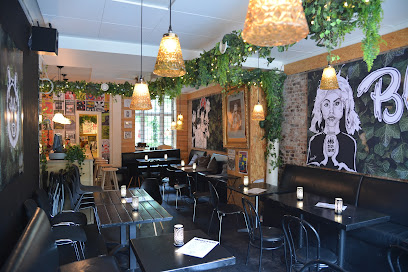
Paloma Vermuteria
10.3 km
Mediterranean vermut culture meets Nordic hospitality in Copenhagen's creative heart.
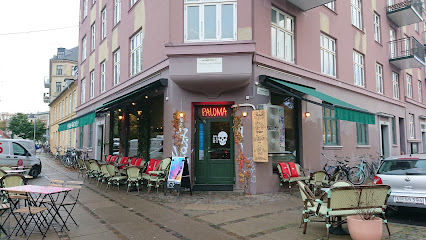
Klovnens Bodega
10.4 km
Discover the heart of Nørrebro at Klovnens Bodega, a cozy pub offering a delightful atmosphere and a taste of local culture.
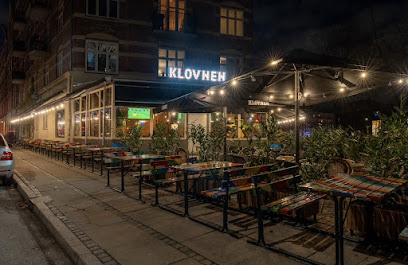
Frederiksberg Ølbar
10.4 km
Experience the best of Denmark's brewing heritage at Frederiksberg Ølbar, a cozy bar with a fantastic selection of local craft beers.
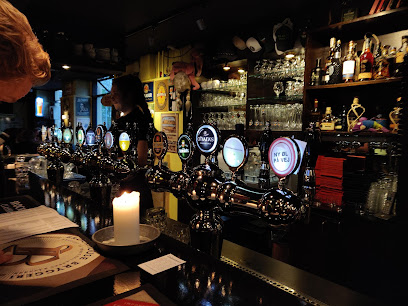
BRUS
10.4 km
Discover the best craft beers and seasonal dishes at BRUS, Copenhagen's top brewpub for foodies and beer lovers alike.
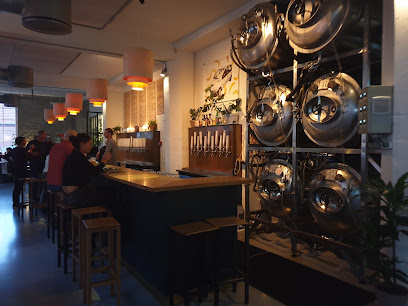
The Mudhoney
10.5 km
Discover The Mudhoney, a stylish cocktail bar in Copenhagen, blending coffee shop charm with expertly crafted cocktails for a perfect night out.
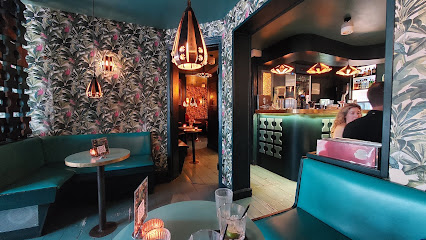
Østerbros Perle Pub
10.6 km
Experience the vibrant atmosphere of Østerbros Perle Pub in København Ø, where locals and tourists unite over drinks and laughter.
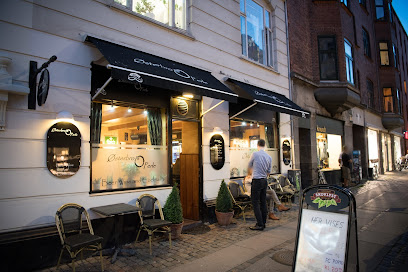
Trianglen 7
10.6 km
Experience the best of Copenhagen wine culture at Trianglen 7, a charming wine bar offering a curated selection and an inviting atmosphere.
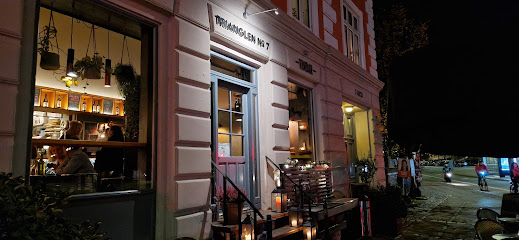
ØB
10.6 km
Experience the best of Copenhagen's nightlife at ØB, where great beer, tasty burgers, and a lively atmosphere come together.
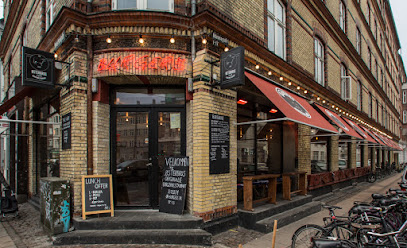
PULP bar
10.7 km
Experience the vibrant nightlife of Copenhagen at PULP Bar, where expertly crafted cocktails meet a lively atmosphere.
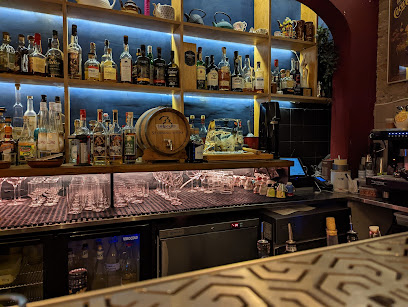
Nightclubs & after hour spots

Afrobeat Palace Nightclub
8.9 km
Discover the energetic Afrobeat Palace Nightclub in Copenhagen, where music, dance, and multicultural vibes unite for an unforgettable nightlife experience.
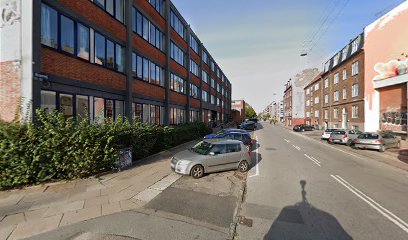
SIGURD CPH
9.3 km
Discover the pulse of Copenhagen's nightlife at SIGURD CPH, where vibrant dancing, fine wines, and pachinko gaming come together for an unforgettable experience.
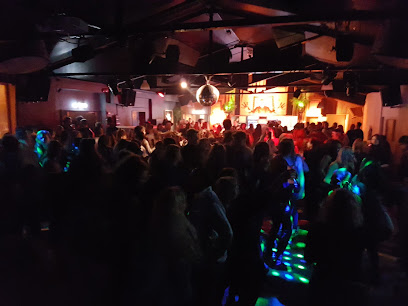
Falafelberg
10.2 km
Discover the pulsating nightlife of Frederiksberg at Falafelberg, a night club offering delicious falafel and electrifying music for an unforgettable experience.
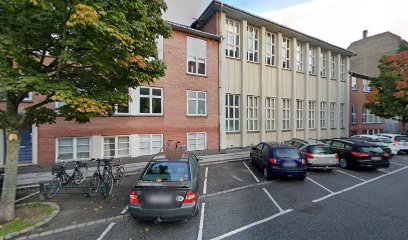
RUST Natklub
10.6 km
Discover the pulsating heart of Copenhagen's nightlife at RUST Natklub, where eclectic beats and vibrant energy come together for an unforgettable experience.
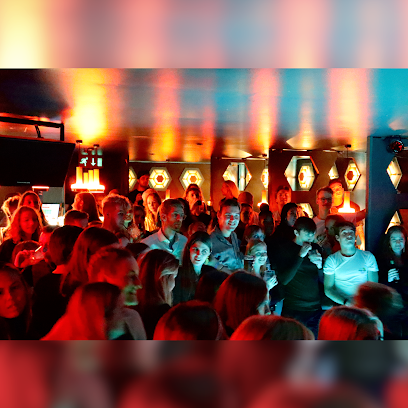
Temple Bar
10.7 km
Discover the energetic vibe of Temple Bar in Nørrebro, Copenhagen, where great drinks and lively entertainment meet.
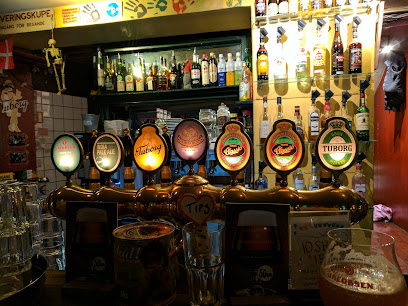
Haven - Events
11.3 km
Discover the electrifying nightlife at Haven, Frederiksberg's top night club, where music, dance, and fun come together for an unforgettable experience.
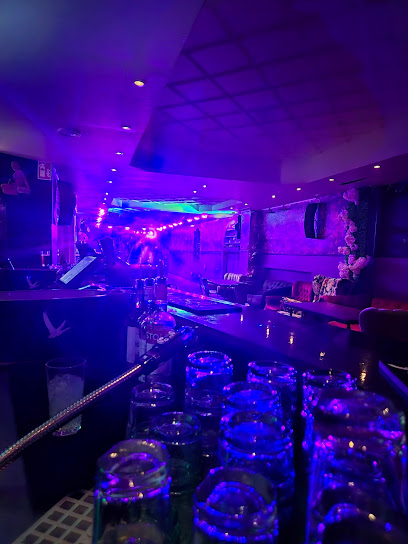
Moon Club
11.5 km
Discover the pulsating nightlife of Copenhagen at Moon Club, where electrifying beats and vibrant energy create unforgettable nights.
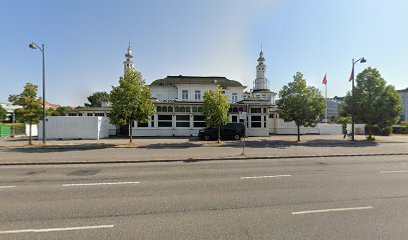
Mirage
11.9 km
Dive into the electrifying nightlife at Mirage, Copenhagen's premier night club for an unforgettable evening of music, dancing, and entertainment.

Arch
11.9 km
Discover the vibrant nightlife of Copenhagen at Arch, a premier night club offering electrifying music and an unforgettable atmosphere.

Culture Box
12.0 km
Discover the heartbeat of Copenhagen's nightlife at Culture Box, where music, art, and dance create an unforgettable experience.
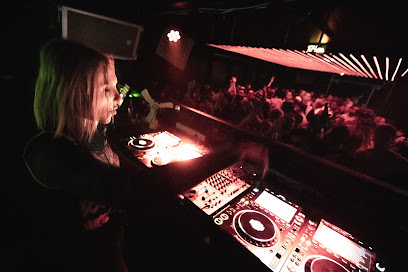
Cosy Bar
12.1 km
Discover the lively atmosphere of Cosy Bar, a top gay nightclub in Copenhagen offering fantastic music, vibrant crowds, and unforgettable nights.
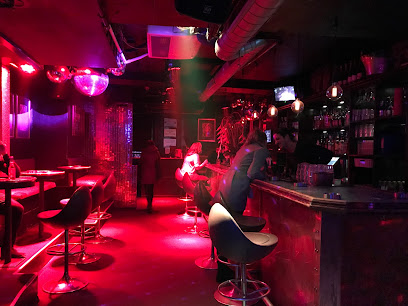
La Terraza
12.2 km
Compact nightclub on Studiestræde in Copenhagen’s old town, offering loud beats, straightforward drinks and an unpretentious late-night dance floor.
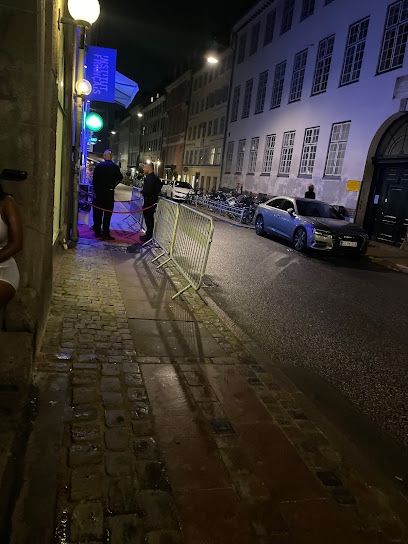
Den Anden Side
12.2 km
Discover the electrifying nightlife of Copenhagen at Den Anden Side, a techno haven for party lovers and night owls.
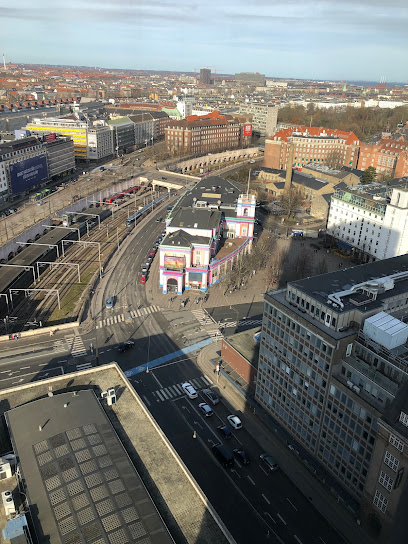
G*A*Y Copenhagen Nightclub
12.2 km
Experience the heart of LGBTQ+ nightlife at G*A*Y Copenhagen Nightclub, where vibrant energy and inclusive atmosphere await every visitor.
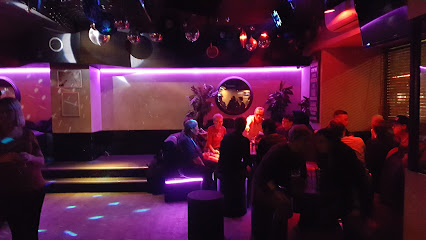
The Jane
12.2 km
Mad Men–style cocktail den and basement nightclub hidden beneath a historic Copenhagen square, with secret rooms, strong drinks and a lively late-night dance floor.
For the vibe & atmosphere seeker
- Relaxing
- Tranquil
- Scenic
- Casual
- Unique
For the design and aesthetic lover
- Minimalist Designs
- Rustic Designs
For the architecture buff
- Parks & Gardens
- Viewpoints
For the view chaser and sunset hunter
- Iconic Views
- Panoramas
- Sunset Spots
- Waterfront
For the social media creator & influencer
- Photo Spots
- Selfie Spots
- Aesthetic Corners
- Reel-Friendly
- Architectural Shots
For the eco-conscious traveler
- Low Impact
- Public-Transport Accessible
- Leave-No-Trace Critical
- Locally Managed
- Wildlife Habitat
For the kind of experience you’re after
- Mindfulness
- Cultural Heritage
- Photowalk
- Adventure Photo Shoot
- Nature Escape
- Roadtrip Stop
- Day Trip
For how adventurous you want the journey to be
- Easy Access
Location Audience
- Family Friendly
- Senior Friendly
- Child Friendly
- Teen Friendly
- Solo Friendly
- Couple Friendly
- Solo Female Friendly
- Vegetarian Friendly
- Vegan Friendly


