
Sommer’s Automobile Museum
A three-storey Danish car haven where Jaguars, Volvos and rare home-built specials tell a vivid story of 20th‑century motoring and mechanical passion.
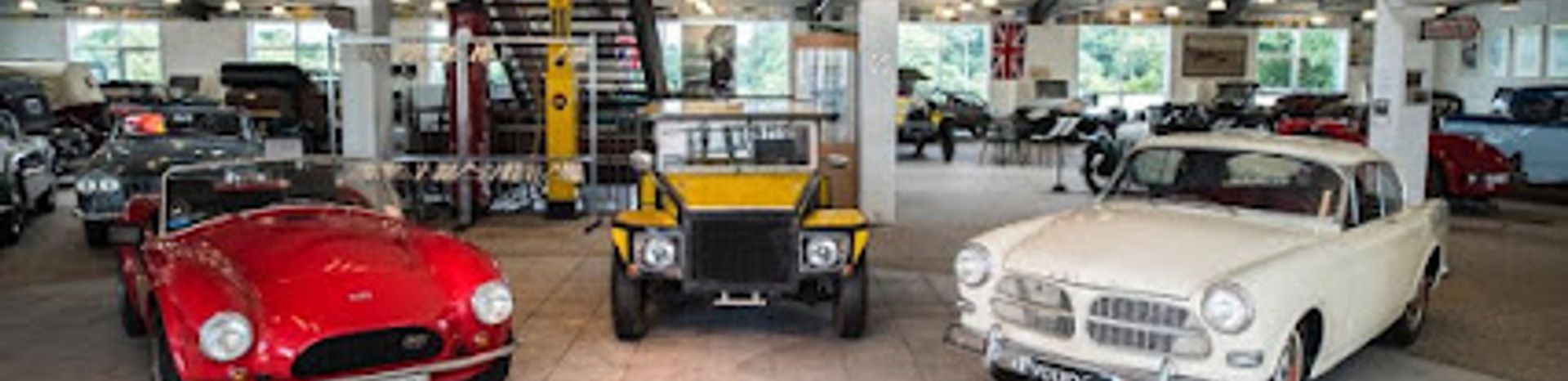
Sommer’s Automobile Museum in Nærum is a three-storey treasure trove of classic motoring, built around Danish car man Ole Sommer’s private collection. Around 60–80 immaculately preserved vintage and veteran vehicles are displayed in bright, purpose-built halls, with a strong emphasis on Jaguar and Volvo alongside rarities from Rolls-Royce, Alfa Romeo, Maserati and more. Engines, thousands of model cars and rich technical stories make this an absorbing stop for enthusiasts and curious first-timers alike.
A brief summary to Sommer's Automobile Museum
- Nærum Hovedgade 3, Nærum, 2850, DK
- +4545565600
- Visit website
- Duration: 1.5 to 3 hours
- Budget
-
 Indoor
- Mobile reception: 5 out of 5
- Sunday 2 pm-5 pm
Local tips
- Plan your visit for a Sunday afternoon or advertised Wednesday evening; outside these limited hours the museum is generally closed to casual visitors.
- Give yourself at least 1.5–2 hours so you can move slowly, compare different eras and read the technical notes beside the cars.
- Look out for the Danish-built specials and prototypes; they are easy to overlook among the big-name marques but are unique to this collection.
- Bring a camera with good low-light performance; the halls are bright but you’ll want to capture details without using flash on reflective surfaces.
- If you have a particular interest in Jaguar, Volvo or a specific historic model, prepare a few questions; staff and volunteers often have in-depth stories to share.

For the on-the-go comforts that matter to you
- Restrooms
- Seating Areas
- Trash Bins
- Information Boards
Getting There
-
S-train and bus from central Copenhagen
From central Copenhagen, take an S-train on line E towards Holte or Hillerød and ride about 20–25 minutes to Nærum or the nearest connecting station, then continue by local bus to Nærum Hovedgade; the combined journey typically takes 35–50 minutes. Standard two-zone tickets within the greater Copenhagen area usually cost around DKK 24–36 one way, with trains and buses running frequently during the day but less often in the evening and on Sundays.
-
Regional bus within North Zealand
If you are already in northern Zealand, use regional buses that serve Nærum and stop along Nærum Hovedgade. Typical travel times from nearby towns such as Lyngby or Holte range from 15 to 35 minutes depending on the route and connections. Single bus fares within the local zones are usually around DKK 24–30; services run regularly on weekdays, with reduced frequency during evenings, weekends and public holidays.
-
Taxi from Copenhagen area
Taxis from central Copenhagen to Nærum generally take 20–30 minutes depending on traffic. Fares commonly fall in the range of DKK 350–500 one way, with higher prices in peak hours, at night or on holidays. Taxis can be a convenient option if you are travelling as a small group or wish to align precisely with the museum’s limited opening hours.
-
Cycling from nearby suburbs
From nearby suburbs such as Kongens Lyngby or Holte, reaching Nærum by bicycle typically takes 20–40 minutes along established local roads and cycle paths. The terrain is mostly gentle, but expect some minor inclines and urban crossings. This option is best for confident cyclists comfortable with sharing space with local traffic and varying weather conditions.
Sommer's Automobile Museum location weather suitability
-
 Any Weather
-
 Rain / Wet Weather
-
 Cold Weather
-
 Mild Temperatures
Discover more about Sommer's Automobile Museum
A purpose-built home for a lifetime car collection
Sommer’s Automobile Museum occupies a modern three-storey building on Nærum Hovedgade, designed specifically to showcase classic cars and mechanical heritage. Opened here in 2004, it brings together more than five decades of collecting by Danish car dealer and enthusiast Ole Sommer, who began acquiring historic vehicles back in 1959. The museum’s architecture is functional rather than flashy, with clean lines and broad floors that prioritize generous display space and easy viewing over theatrical staging. Inside, light-filled halls create a calm backdrop for chrome, enamel and polished paintwork. Cars are positioned close enough to study details yet spaced so the silhouettes of each model are clearly visible. Clear technical information accompanies the exhibits, helping visitors trace how design and engineering evolved through the 20th century.Jaguar, Volvo and the art of performance engineering
The heart of the museum reflects Sommer’s professional ties to Jaguar and Volvo, brands he imported and distributed in Denmark for decades. Rows of British and Swedish classics map these marques’ journeys from post-war practicality to luxurious grand touring. Among them are elegant Jaguar saloons, lithe sports cars and sturdy Volvos that once defined Scandinavian roads. Beyond the badges, the focus is on mechanical ingenuity. Engines, gearboxes and other components appear throughout the galleries, highlighting solutions that pushed performance, safety and reliability forward. Racing heritage plays a starring role, with Le Mans–linked Jaguar models and other competition-inspired cars underscoring how track technology filtered into everyday motoring.Danish-built rarities and personal automotive experiments
One of the museum’s most distinctive aspects is its group of vehicles constructed in Denmark, including experimental prototypes and small-series specials. Projects bearing names like S1, Volvo Special, Joker and OScar tell a story of local ambition to create homegrown cars tailored to Scandinavian conditions. These one-off or limited-production machines showcase inventive bodywork, bespoke chassis solutions and creative adaptations of existing engines. They also reflect Sommer’s own drive to move beyond selling cars into designing them. Together they paint a portrait of Danish automotive ingenuity that is rarely seen outside the country.Model cars, memorabilia and the culture of motoring
The full-scale vehicles are only part of the narrative. Display cases around the museum hold thousands of model cars drawn from both the museum’s holdings and notable private collections. Miniature Jaguars, Volvos and many other marques line the shelves, tracing decades of design in a compact, almost library-like form. Books, historic brochures, period photographs and workshop artefacts round out the picture. These smaller objects reveal how cars permeated everyday life, from marketing imagery to enthusiast clubs and motorsport fandom. Standing among them, it is easy to sense how motoring became not just a mode of transport but a cultural touchstone.A quiet, focused visit for enthusiasts and families
Sommer’s Automobile Museum offers a contained, manageable experience rather than an overwhelming marathon. With roughly 60–80 cars on display at any time, visitors can take the time to compare dashboards, study engines or trace how body styles shifted through the decades. The atmosphere is relaxed and unhurried, well suited to families, casual visitors and serious enthusiasts alike. It invites slow exploration: pausing by a pre-war saloon to imagine long-distance journeys on narrow roads, then moving on to a sleek 1960s coupé that hints at a more modern, aspirational era.Opening hours, access and practical details
The museum keeps limited public hours, traditionally opening on Sunday afternoons and, during special exhibition periods, on selected weekday evenings. Group visits can be arranged by prior booking, reflecting its roots as a private collection rather than a large institutional museum. Entrance fees are modest by European museum standards, keeping the experience accessible. The site offers level access, on-site parking and facilities suitable for wheelchair users. Combined with its compact scale and clear layout, that makes this an easy and rewarding stop on a wider exploration of northern Zealand.Iconic landmarks you can’t miss

Henriksholm
4.6 km
A quiet Vedbæk hillside where Stone Age burials, villa culture and Cold War command history meet in a leafy coastal neighbourhood north of Copenhagen.
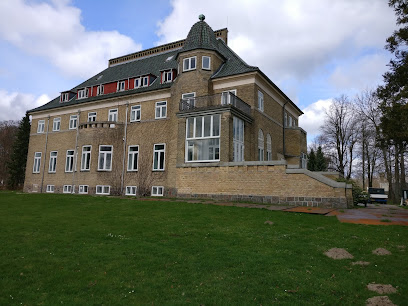
Lyngby Storcenter
5.5 km
Discover a world of shopping and dining at Lyngby Storcenter, one of Denmark's largest malls, offering a vibrant mix of international brands and local favorites in the heart of Kongens Lyngby.
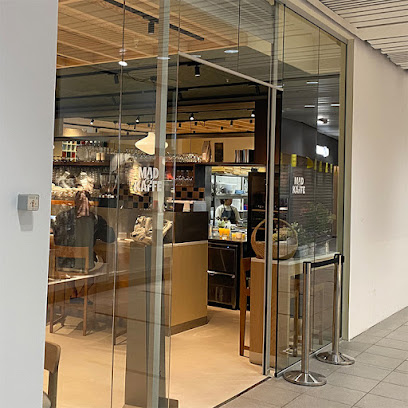
Hørsholm Slotshave
6.7 km
A baroque garden where Scandinavia's lost palace still echoes through ancient linden trees.
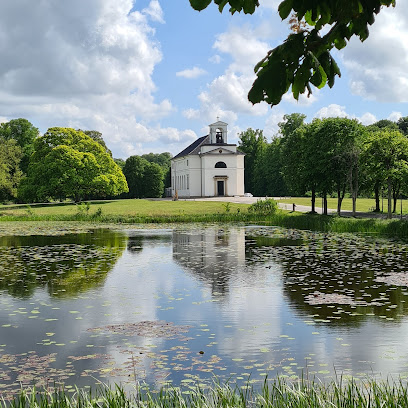
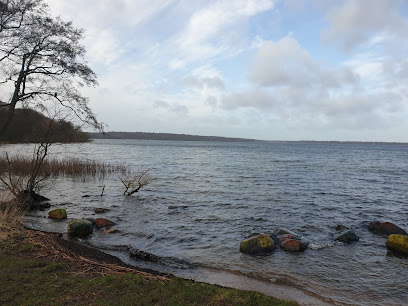
Furesø
7.7 km
Denmark's deepest lake offers pristine waters, historic heritage, and year-round outdoor adventures just 20 km from Copenhagen.
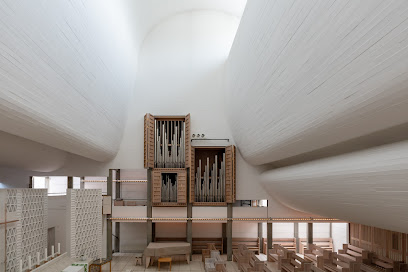
Bagsværd Kirke
8.3 km
A modest suburban shell concealing Jørn Utzon’s luminous “cloud” church, where Nordic minimalism, sculpted concrete and tranquil courtyards create a serene urban sanctuary.
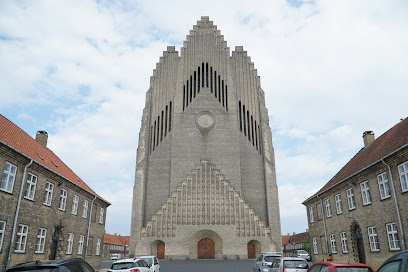
Grundtvig’s Church
11.3 km
A monumental brick cathedral of Nordic minimalism and light, Grundtvig’s Church fuses expressionist form with Gothic scale on a quiet Copenhagen hillside.
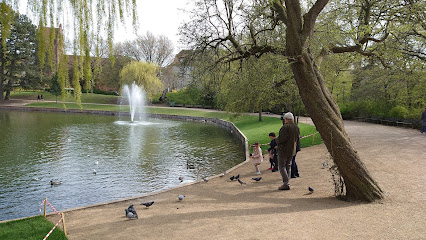
Kildevældsparken
11.8 km
Experience a slice of authentic Copenhagen life at Kildevældsparken, Østerbro’s serene neighborhood park with a charming pond and lush greenery.
Fælledparken
13.2 km
Copenhagen’s largest and most beloved city park, Fælledparken offers a dynamic blend of green tranquility, local culture, sports, and major city events in Østerbro.
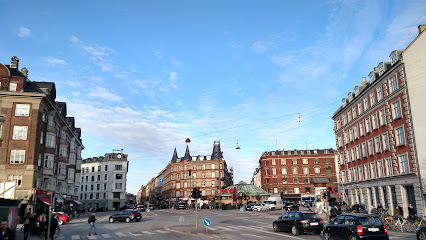
The Red Square
13.2 km
A striking, modern city square in Nørrebro, where bold Danish design meets global cultures, street art, and vibrant local life in Copenhagen’s most diverse borough.
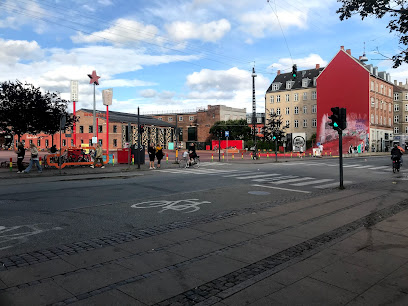
Copenhagen This Way / Koebenhavnerture.dk
13.5 km
Experience Copenhagen’s only Russian Orthodox church, where golden onion domes and vibrant frescoes highlight an extraordinary cultural and architectural landmark.
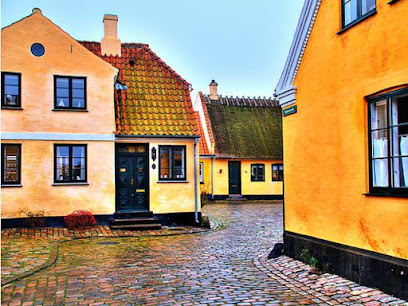
The Tower Playground
13.7 km
Award-winning Copenhagen playground where kids explore & climb miniature city towers; centrally located in Fælledparken with family-friendly facilities.
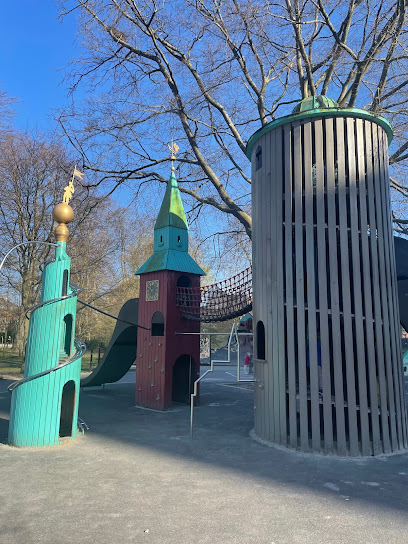
Sankt Hans Torv
14.3 km
A bustling triangular square in Nørrebro where history, modern culture, and local life collide, Sankt Hans Torv is a dynamic hub for cafés, art, and people-watching.
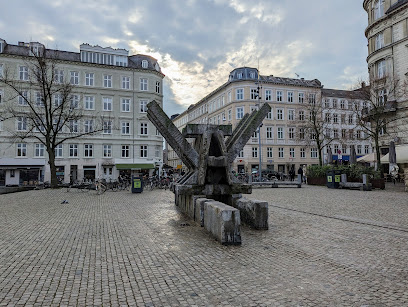
Hans Tavsens Park
14.4 km
Explore the peaceful retreat of Hans Tavsens Park in Copenhagen, a perfect blend of nature and tranquility for every traveler.
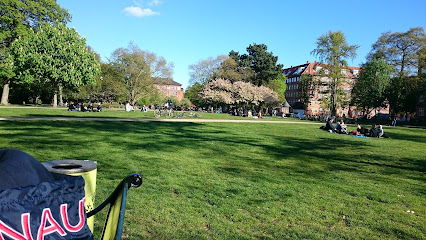
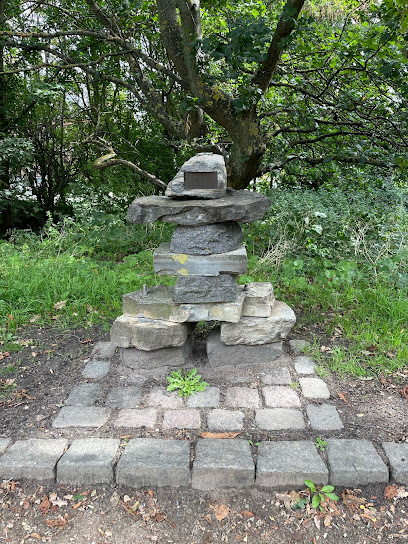
Inugsuk
14.4 km
Arctic stone monument honoring explorer Peter Freuchen and Inuit heritage on Copenhagen's waterfront.
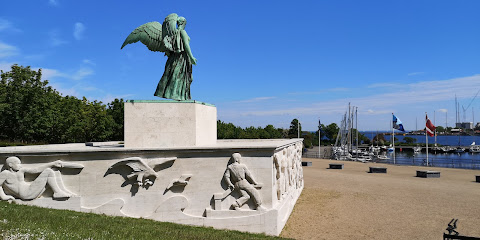
Maritime Monument
14.5 km
Honoring Denmark’s seafaring legacy, the Maritime Monument in Østerbro is a striking, evocative memorial nestled in the heart of Copenhagen’s leafy cityscape.
Unmissable attractions to see

Bøllemosen
2.3 km
Ancient peat bog and beech forest with boardwalk trails, nature playground, and bonfire facilities near Copenhagen.
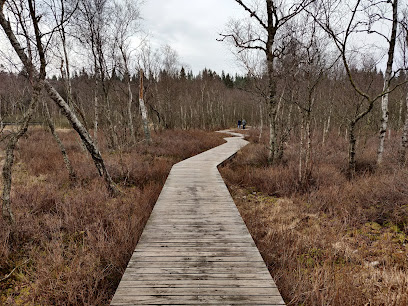
Geels Skov
2.9 km
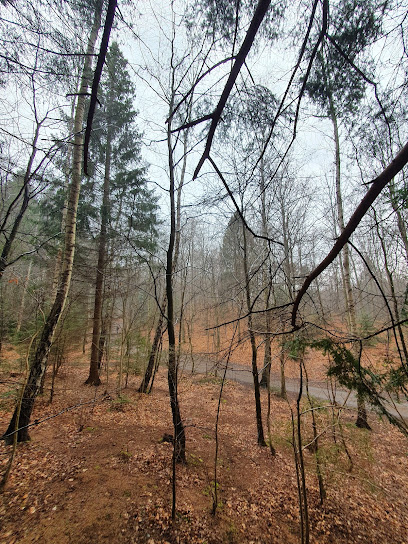
An accessible Copenhagen-edge woodland of beech trees, clear trails and cosy fire pits, Geels Skov is where everyday life slips easily into fresh-air forest time.
Jægersborg Dyrehave
3.0 km
UNESCO-listed royal deer park just north of Copenhagen, where ancient oaks, open meadows and free-roaming herds create a vast, car-free escape from the city.
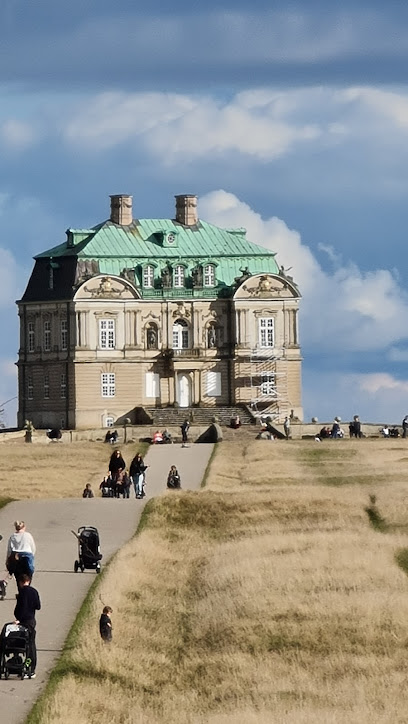
Open Air Museum
3.5 km
One of the world’s largest open‑air museums, Frilandsmuseet gathers centuries of Danish rural life into a single village of farms, mills, animals and gardens.
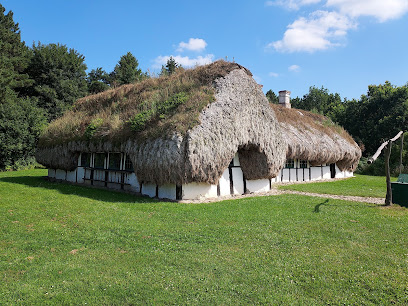
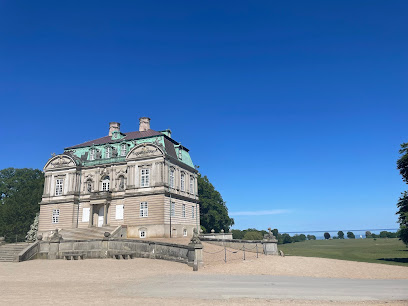
The Hermitage Hunting Lodge
3.6 km
Explore Denmark's rich glass and ceramic heritage at Holmegaard Værk, featuring live demonstrations, extensive collections, and interactive workshops.
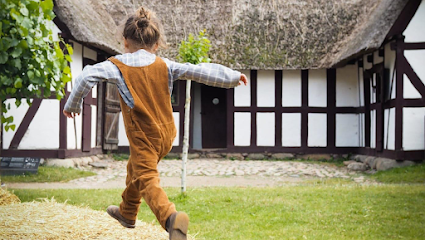
The Open Air Museum
4.4 km
Step into 300 years of rural Danish life among thatched farms, windmills, animals and gardens in one of the world’s largest historic open‑air museums.
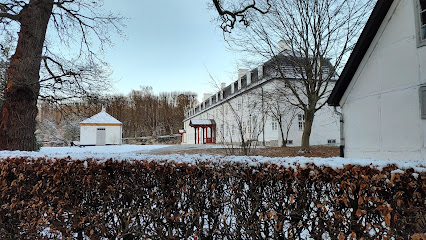
Mindebænk for Viggo Stuckenberg
4.9 km
A modest stone-framed bench in Sorgenfri Slotshave, offering a quiet, poetic pause where Viggo Stuckenberg once found inspiration amid royal parkland.
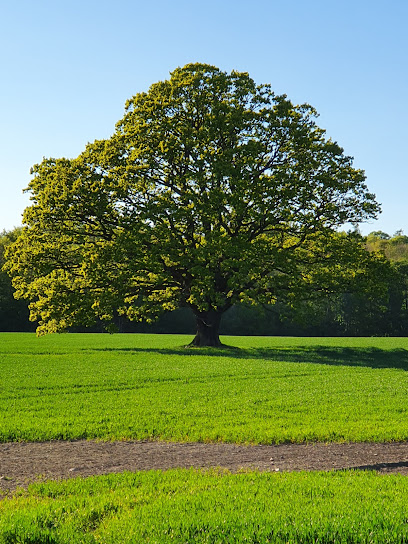
Kongeegen i Vedbæk
5.2 km
A quietly impressive old oak on the edge of Vedbæk’s houses and greenery, offering a brief, grounding pause in everyday surroundings.
Vaserne
5.3 km
Sheltered between Birkerød and Sjælsø, Vaserne is a protected wetland reserve of reeds, swamp forest and bird-filled lakes offering quietly immersive nature on the city’s edge.
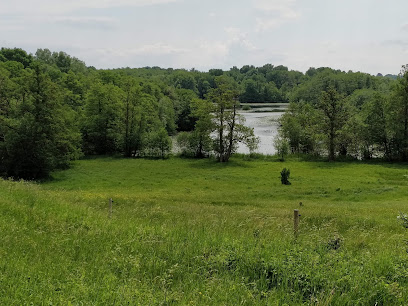
Baadfarten Boat Tour
5.5 km
Historic wooden boats, tranquil lakes and forested shores combine on this leisurely North Zealand cruise just outside Copenhagen.
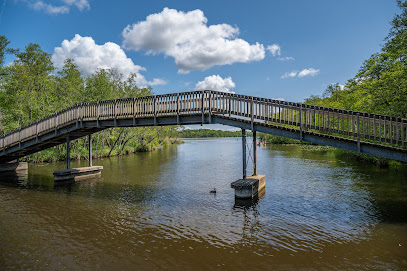
Korsbæk Bakken
5.6 km
Step into 1930s Denmark at this charming Matador-inspired village within historic Bakken amusement park.
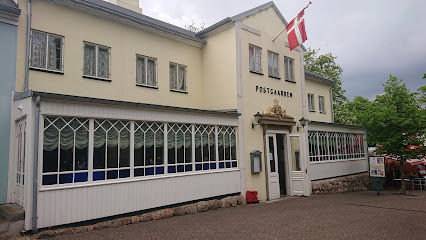
Bakken
5.7 km
The world's oldest amusement park where 440 years of history meets forest magic and free admission.
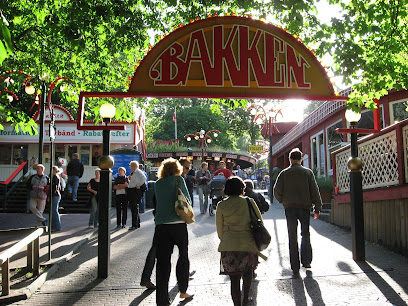
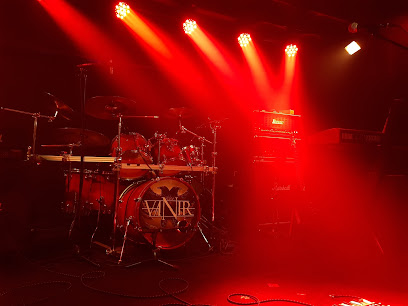
Templet
5.7 km
Intimate, no‑frills live venue in Kongens Lyngby where loud guitars, close‑up performances and a local crowd turn a modest room into a night of amplified energy.
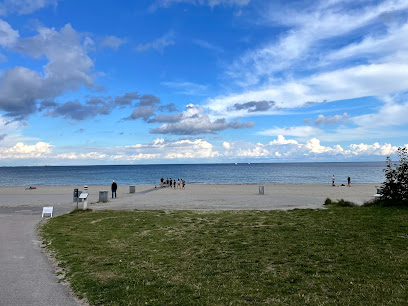
Pantai Bellevue
5.9 km
A classic Danish city beach where Arne Jacobsen’s modernist design meets soft sand, clear Øresund waters and relaxed seaside life just north of Copenhagen.
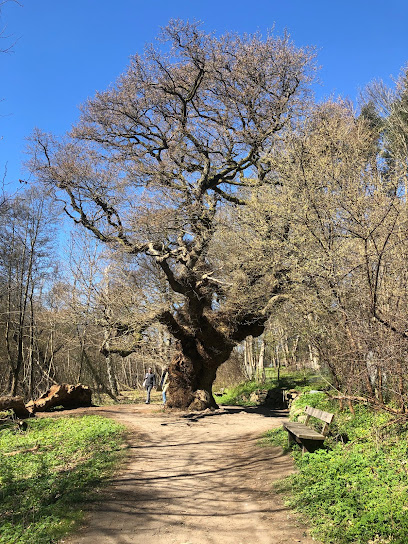
Klopstocks eg
5.9 km
Discover Store Dyrehave in North Zealand: a historic royal deer forest with unique star-shaped paths, tranquil wildlife, and lush woodlands perfect for outdoor adventures.
Essential places to dine

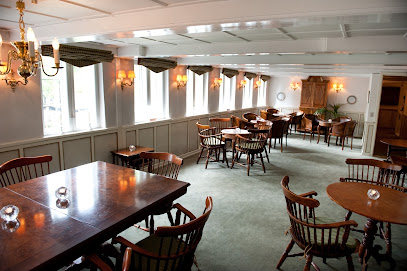
Søllerød Kro
2.2 km
Historic thatched Danish inn turned Michelin-starred dining destination, where refined French-inspired cuisine, deep wines and warm village charm meet by a tranquil pond.
Bistro No. 22
7.5 km
Relaxed harbourfront bistro on Rungsted Havn, serving comforting Nordic brasserie dishes with marina views from light-filled interiors and a lively waterfront terrace.
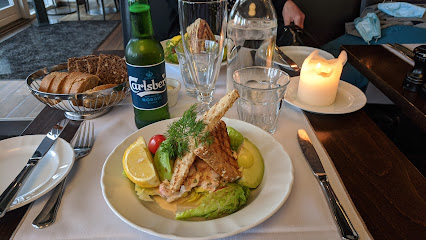
MASH Rungsted Havn
7.6 km
Harbourfront steakhouse indulgence at Rungsted Havn, where prime cuts, a serious wine list and a broad terrace meet white sails and Øresund views.
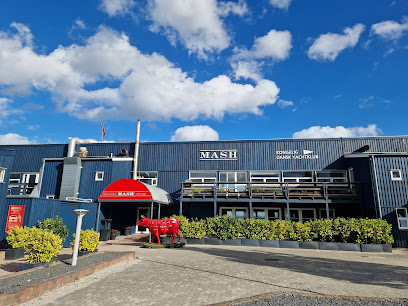
Gro Eatery
12.1 km
Experience modern Nordic cuisine in an urban rooftop farm setting at Gro Eatery, where seasonal tasting menus and city views meet Danish sustainability in Østerbro.
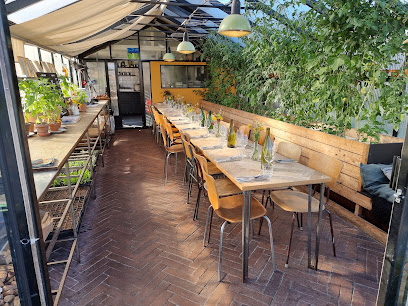
PAX
12.5 km
Experience innovative Italian-inspired cuisine in the heart of Østerbro at PAX, where a dynamic menu and cozy ambiance await.
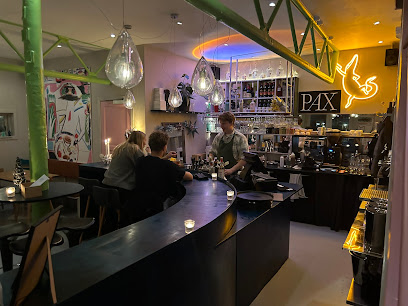
Restaurant Silo
13.0 km
Contemporary Nordic dining and cocktails on the 17th floor of a converted grain silo, with sweeping harbor and city views across Copenhagen’s evolving Nordhavn waterfront.
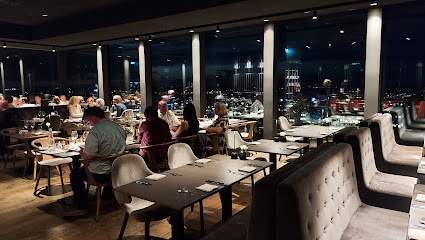
Geranium
13.0 km
Geranium offers a world-class New Nordic tasting experience in Copenhagen, uniting innovative Scandinavian cuisine, sustainable luxury, and panoramic city views.
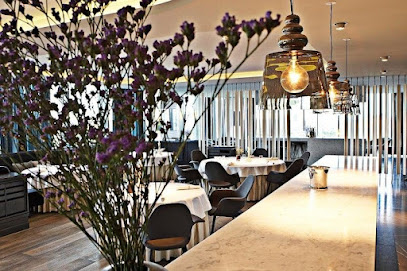
Restaurant Madklubben Østerbro
13.1 km
Enjoy approachable modern Danish cuisine and vibrant local life in the stylish heart of Østerbro at Restaurant Madklubben, where good food and great company meet.
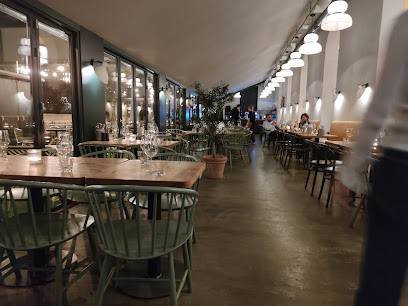
Sushi Anaba
13.1 km
Europe's finest omakase counter, where Nordic seafood meets Tokyo precision in an eight-seat sanctuary of culinary excellence.
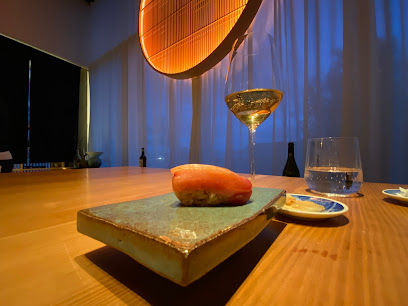
Hos Fischer
13.3 km
Experience authentic Italian trattoria dining and neighborhood hospitality at Hos Fischer, a beloved Østerbro culinary gem near the tranquil green heart of Copenhagen.
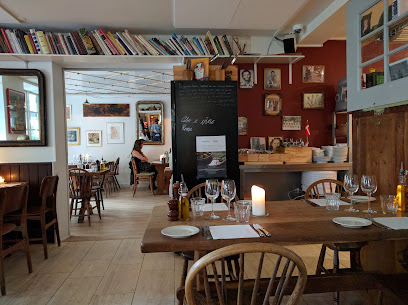
Cafe 33
13.7 km
Explore the rich heritage of vodka at Cafe 33's unique Vodka Museum in Vanløse.
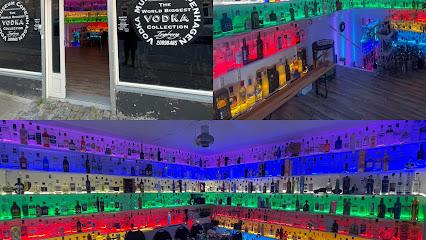
Street Food 108
14.0 km
Experience authentic Turkish cuisine at Street Food 108 in Copenhagen's vibrant Nørrebro district - a delightful taste adventure awaits!
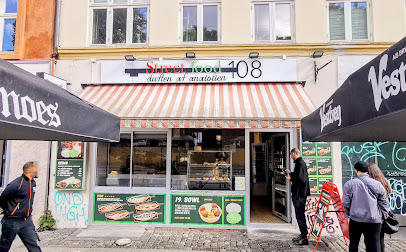
Dag H
14.0 km
Stylish Østerbro brasserie offering classic bistro plates, all-day dining, and a cosmopolitan terrace in Copenhagen’s embassy quarter.
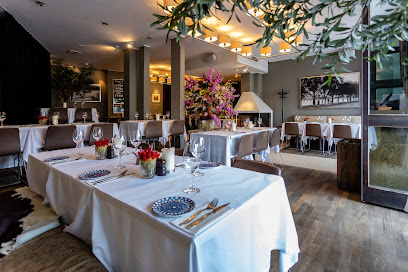
Tèrra
14.0 km
Celebrated for organic Italian-Danish tasting menus and eco-conscious fine dining, Tèrra offers a memorable culinary experience in Copenhagen’s vibrant Østerbro.
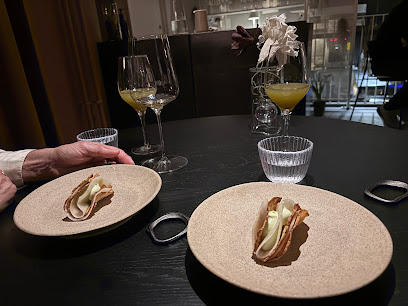
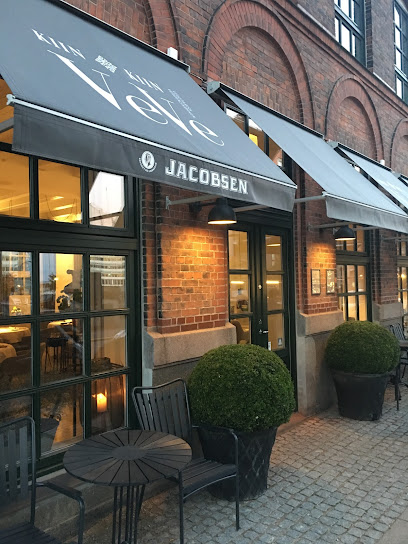
Veve
14.1 km
A destination for innovative, plant-based fine dining in Østerbro, where Nordic purity meets global flavors for an unforgettable vegetarian tasting menu experience.
Markets, malls and hidden boutiques

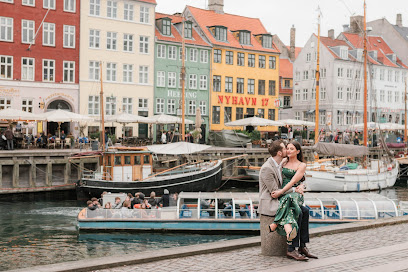
The Late Morning Post Photographer
6.8 km
Fine art wedding and family photography studio capturing authentic moments with artistic vision and warmth.
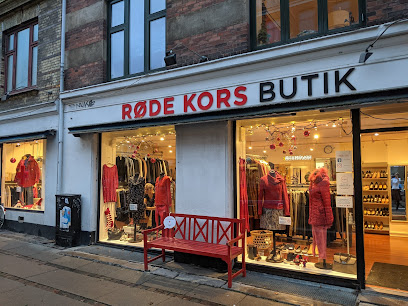
Red Cross Op Shop
13.3 km
A vibrant Østerbro thrift store where sustainable shopping, Danish design, and community spirit support Red Cross humanitarian work.
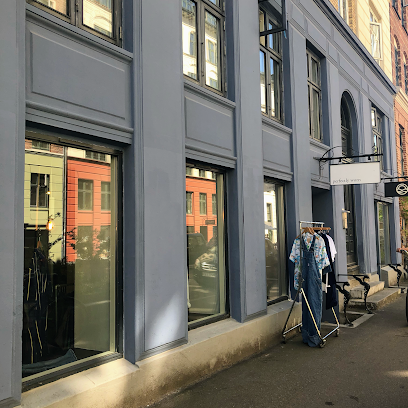
Perfectly Worn Vintage
13.9 km
Discover handpicked vintage gems and timeless fashion in the heart of Nørrebro’s creative district at Perfectly Worn Vintage, Copenhagen’s haven for unique style.
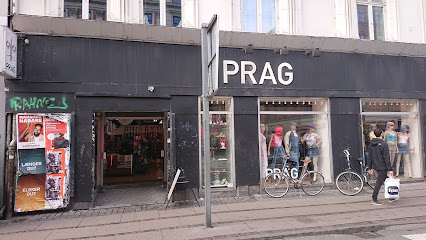
PRAG Nørrebro
14.5 km
PRAG Nørrebro offers a curated vintage shopping experience surrounded by the eclectic energy and cultural vibrancy of Copenhagen’s trendsetting district.
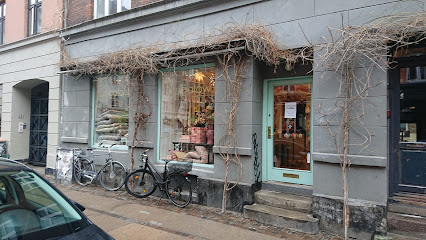
Butik Bungalow
14.5 km
Colorful Danish-Indian design shop in Nørrebro offering hand-printed homeware, unique gifts, and stylish paper goods in a cozy, creative boutique setting.
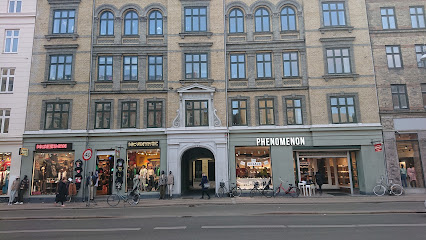
McKorman
14.7 km
Discover McKorman in Nørrebro: Copenhagen’s go-to spot for handpicked streetwear, unique vintage fashion, and urban style essentials for every wardrobe.
The Crown souvenir
15.1 km
Compact, colorful souvenir stop on elegant Amaliegade, perfect for picking up Danish flags, Little Mermaid trinkets and royal-themed keepsakes near Amalienborg.
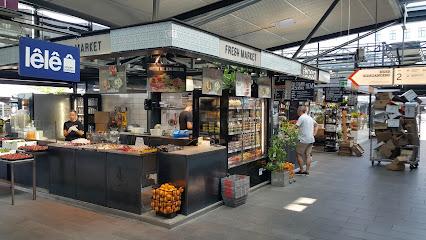
TorvehallerneKBH
15.2 km
A vibrant marketplace in the heart of Copenhagen, TorvehallerneKBH blends Danish culinary tradition with global flavors across over 60 food and drink stalls.
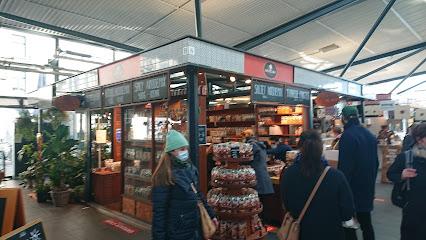
Exotic Mix
15.2 km
Gourmet nuts, dried fruits and chocolate dragées from around the world, served from a colourful family‑run stall inside Copenhagen’s Torvehallerne market.
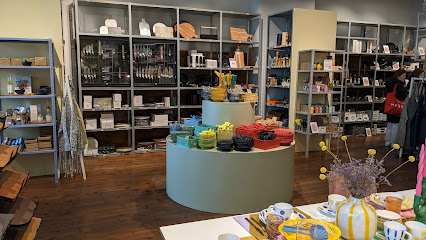
Frederiksberg Centret
15.2 km
Frederiksberg Centret offers a sleek, Scandinavian shopping experience with 90+ stores, cafés, and events in the chic heart of Frederiksberg, steps from the Metro.
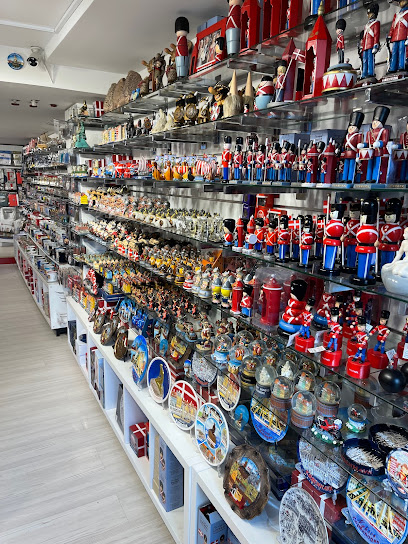
Copenhagen Souvenir & Design World of Memories
15.3 km
Denmark's largest souvenir destination with 2,000+ authentic gifts celebrating Danish design, heritage, and iconic landmarks.
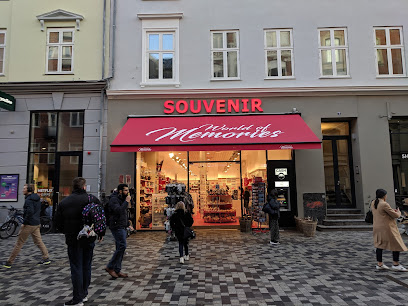
Royal Souvenir Shop
15.4 km
Compact and colourful, Royal Souvenir Shop on Bredgade distils Copenhagen into easy‑to‑pack gifts, from royal guards and Vikings to flags, mugs and playful keepsakes.
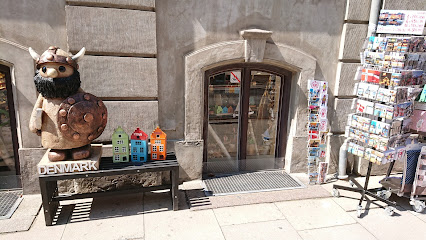
Fjällräven
15.4 km
A compact Fjällräven brand shop on historic Kultorvet, pairing Scandinavian outdoor design with expert gear advice in the heart of Copenhagen’s old town.
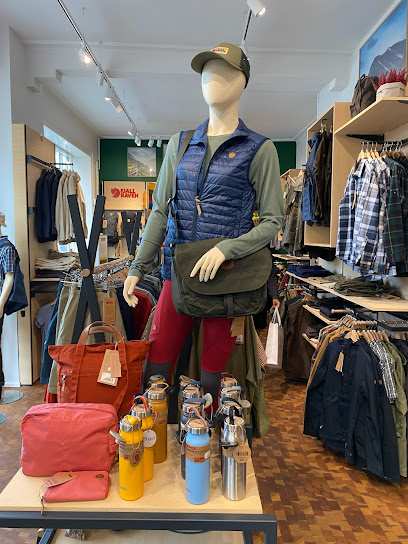
Souvenir Gifts shop
15.4 km
Classic Copenhagen souvenirs in a compact, central shop on historic Købmagergade, perfect for last‑minute gifts and easy-to-pack mementos from the Danish capital.
Henrik Vibskov Boutique
15.5 km
Step off the cobblestones of Gammel Mønt into Henrik Vibskov’s offbeat fashion laboratory, where avant‑garde silhouettes, artful interiors and curated design collide.
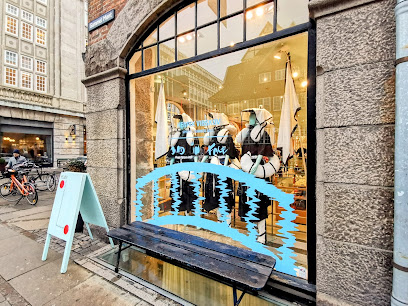
Essential bars & hidden hideouts

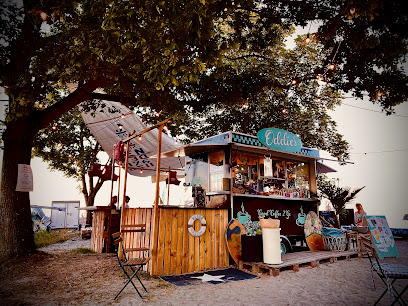
Oddies Beach Bar
7.2 km
Relaxed beach bar on the sand at Rungsted Havn, blending Nordic coastal charm with a hint of tropical island mood and sweeping Øresund sea views.
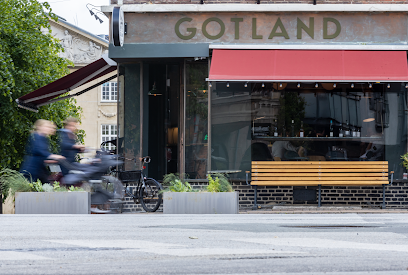
Gotland - Café & Vinbar
12.1 km
Experience the perfect blend of fine wines and cozy café atmosphere at Gotland - Café & Vinbar in Copenhagen.
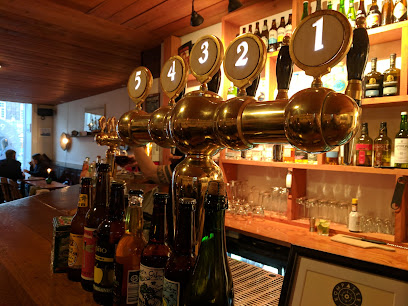
Kompasset Ølbar
12.4 km
Experience Copenhagen's nightlife at Kompasset Ølbar, a vibrant bar in Østerbro known for its craft beers and inviting atmosphere.
Bubbles Bar
12.9 km
Discover the vibrant atmosphere and exquisite cocktails at Bubbles Bar, Copenhagen's chic nightlife destination for tourists and locals alike.
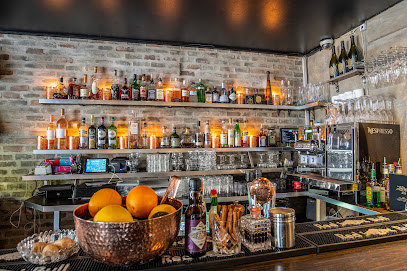
Tap10
13.0 km
Experience the vibrant nightlife of Copenhagen at Tap10, a cozy bar in Østerbro offering exquisite drinks and a lively atmosphere.
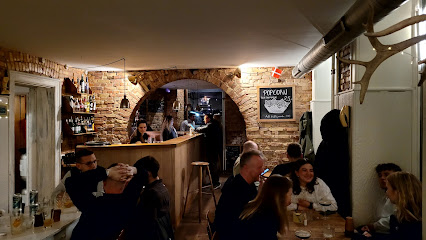
Chevy's
13.3 km
Discover the vibrant atmosphere of Chevy's in Østerbro, Copenhagen—where delicious drinks and good company create unforgettable nights.
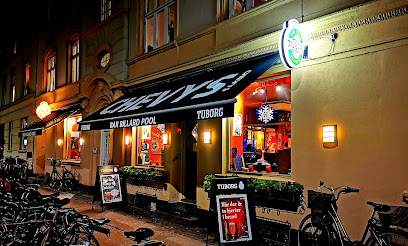
Østerbros Perle Pub
13.4 km
Experience the vibrant atmosphere of Østerbros Perle Pub in København Ø, where locals and tourists unite over drinks and laughter.
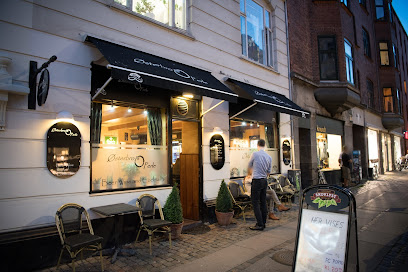
Dispensary, Whisk(e)y And Beer
13.5 km
Discover the heart of Copenhagen's nightlife at Dispensary, Whisk(e)y And Beer, where craft beers and fine whiskies await in a vibrant atmosphere.
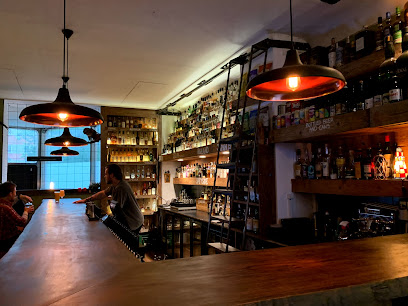
ØB
13.6 km
Experience the best of Copenhagen's nightlife at ØB, where great beer, tasty burgers, and a lively atmosphere come together.
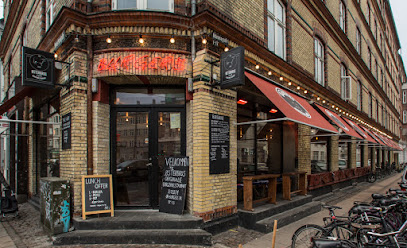
Trianglen 7
13.6 km
Experience the best of Copenhagen wine culture at Trianglen 7, a charming wine bar offering a curated selection and an inviting atmosphere.
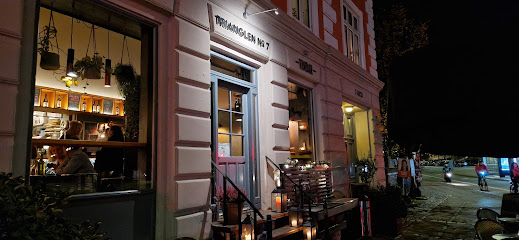
ROOTS Vin Bar & Butik - Østerbro
13.7 km
Explore the finest wines at ROOTS Vin Bar & Butik in Østerbro, Copenhagen – where every sip tells a story.
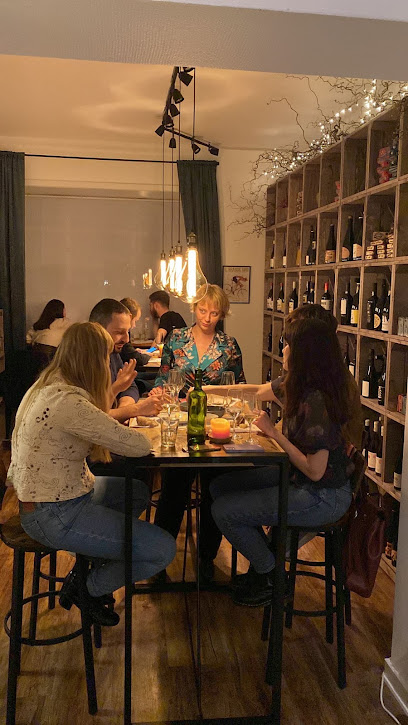
Søernes Ølbar
13.9 km
Discover Søernes Ølbar, a cozy craft beer haven by Copenhagen's lakes, offering an extensive selection of brews and breathtaking views.
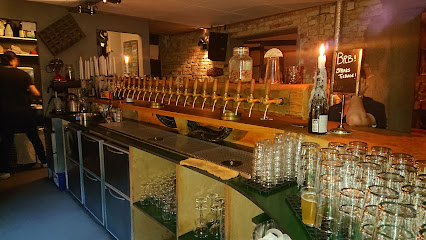
Paloma Vermuteria
14.0 km
Mediterranean vermut culture meets Nordic hospitality in Copenhagen's creative heart.
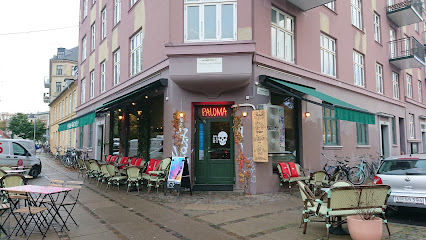
BRUS
14.1 km
Discover the best craft beers and seasonal dishes at BRUS, Copenhagen's top brewpub for foodies and beer lovers alike.
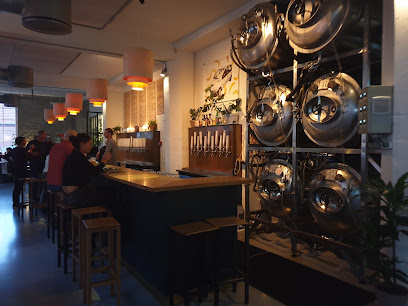
The Mudhoney
14.2 km
Discover The Mudhoney, a stylish cocktail bar in Copenhagen, blending coffee shop charm with expertly crafted cocktails for a perfect night out.
Nightclubs & after hour spots

SIGURD CPH
12.8 km
Discover the pulse of Copenhagen's nightlife at SIGURD CPH, where vibrant dancing, fine wines, and pachinko gaming come together for an unforgettable experience.
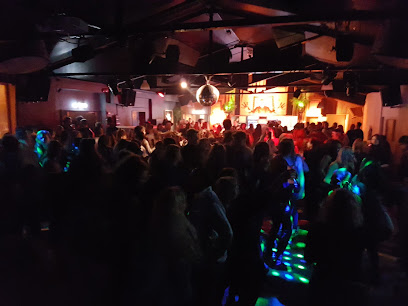
Afrobeat Palace Nightclub
13.1 km
Discover the energetic Afrobeat Palace Nightclub in Copenhagen, where music, dance, and multicultural vibes unite for an unforgettable nightlife experience.
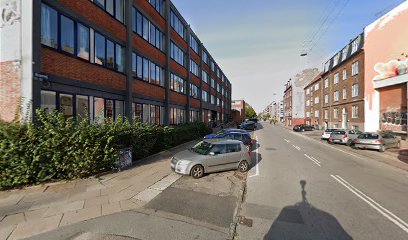
RUST Natklub
14.3 km
Discover the pulsating heart of Copenhagen's nightlife at RUST Natklub, where eclectic beats and vibrant energy come together for an unforgettable experience.
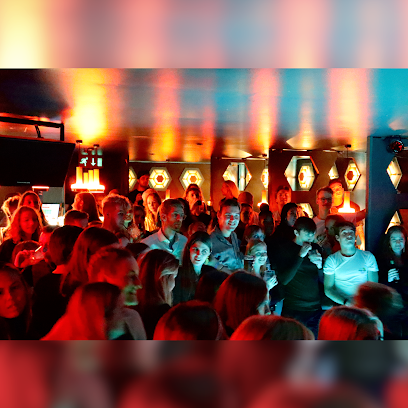
Temple Bar
14.4 km
Discover the energetic vibe of Temple Bar in Nørrebro, Copenhagen, where great drinks and lively entertainment meet.
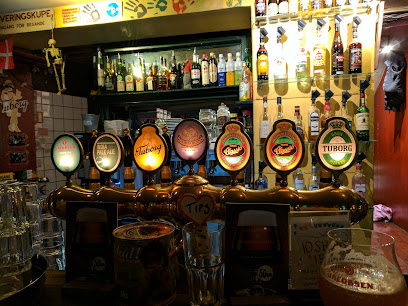
Falafelberg
14.7 km
Discover the pulsating nightlife of Frederiksberg at Falafelberg, a night club offering delicious falafel and electrifying music for an unforgettable experience.
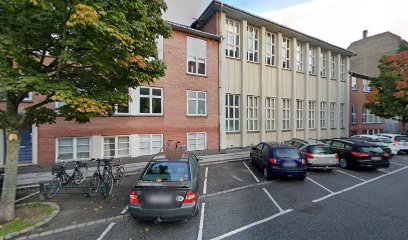
Culture Box
15.1 km
Discover the heartbeat of Copenhagen's nightlife at Culture Box, where music, art, and dance create an unforgettable experience.
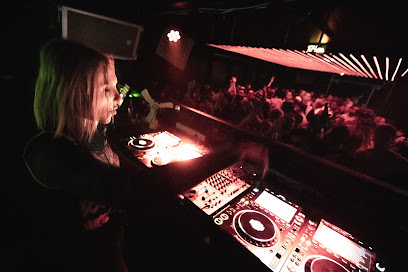
Moon Club
15.3 km
Discover the pulsating nightlife of Copenhagen at Moon Club, where electrifying beats and vibrant energy create unforgettable nights.
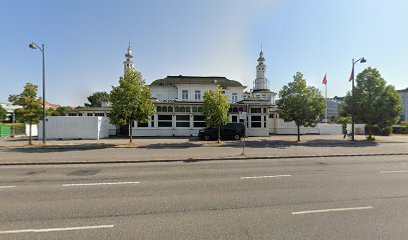
Mirage
15.4 km
Dive into the electrifying nightlife at Mirage, Copenhagen's premier night club for an unforgettable evening of music, dancing, and entertainment.

Arch
15.4 km
Discover the vibrant nightlife of Copenhagen at Arch, a premier night club offering electrifying music and an unforgettable atmosphere.
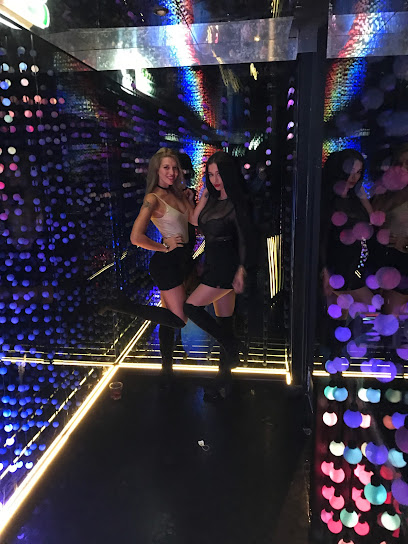
Mini Bar
15.5 km
Discover the vibrant nightlife of Copenhagen at Mini Bar, a premier night club offering eclectic tunes and a lively atmosphere for unforgettable nights.
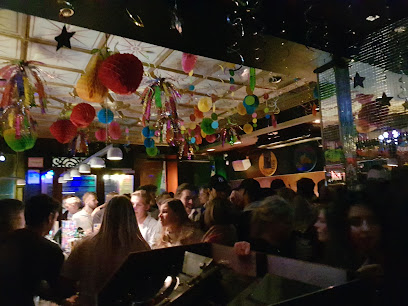
The Zoo
15.6 km
Intimate late-night nightclub on Sværtegade in Copenhagen’s historic center, blending a compact dance floor, DJ-driven beats and a casual, social bar atmosphere.
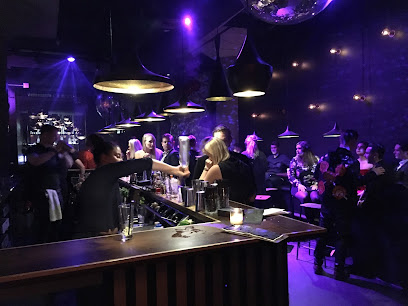
The Jane
15.6 km
Mad Men–style cocktail den and basement nightclub hidden beneath a historic Copenhagen square, with secret rooms, strong drinks and a lively late-night dance floor.
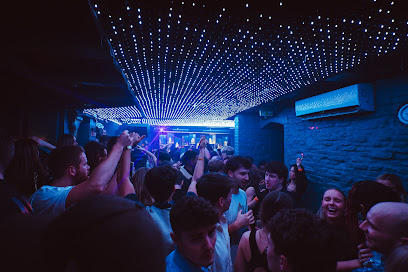
Lusso
15.7 km
A compact, high-end Copenhagen nightclub with champagne-forward table service, dim lighting and a stylish late-night crowd just steps from Kongens Nytorv.
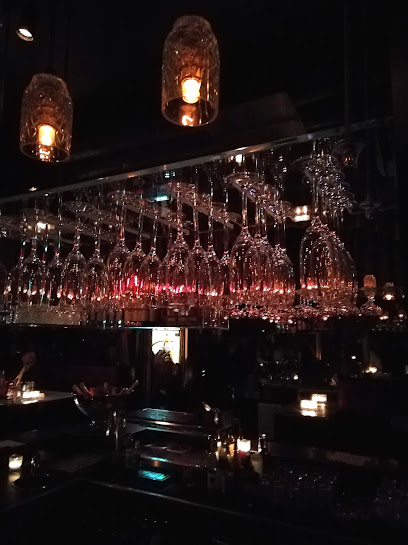
La Terraza
15.7 km
Compact nightclub on Studiestræde in Copenhagen’s old town, offering loud beats, straightforward drinks and an unpretentious late-night dance floor.
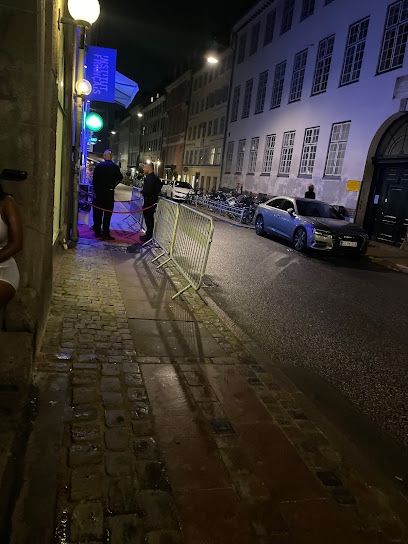
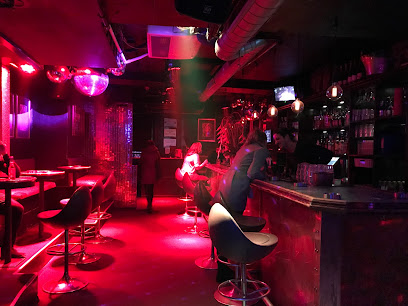
Cosy Bar
15.7 km
Discover the lively atmosphere of Cosy Bar, a top gay nightclub in Copenhagen offering fantastic music, vibrant crowds, and unforgettable nights.
For the vibe & atmosphere seeker
- Scenic
- Fun-filled
- Unique
- Casual
For the design and aesthetic lover
- Modern Designs
For the architecture buff
- Modern
- Landmarks
- Art & Design
For the social media creator & influencer
- Photo Spots
- Architectural Shots
- Reel-Friendly
For the eco-conscious traveler
- Low Impact
- Public-Transport Accessible
For the kind of experience you’re after
- Cultural Heritage
- Photowalk
- Adventure Photo Shoot
- Day Trip
- Roadtrip Stop
For how adventurous you want the journey to be
- Easy Access
Location Audience
- Family Friendly
- Senior Friendly
- Child Friendly
- Teen Friendly
- Wheelchair Access
- Solo Friendly
- Couple Friendly
- Solo Female Friendly


