
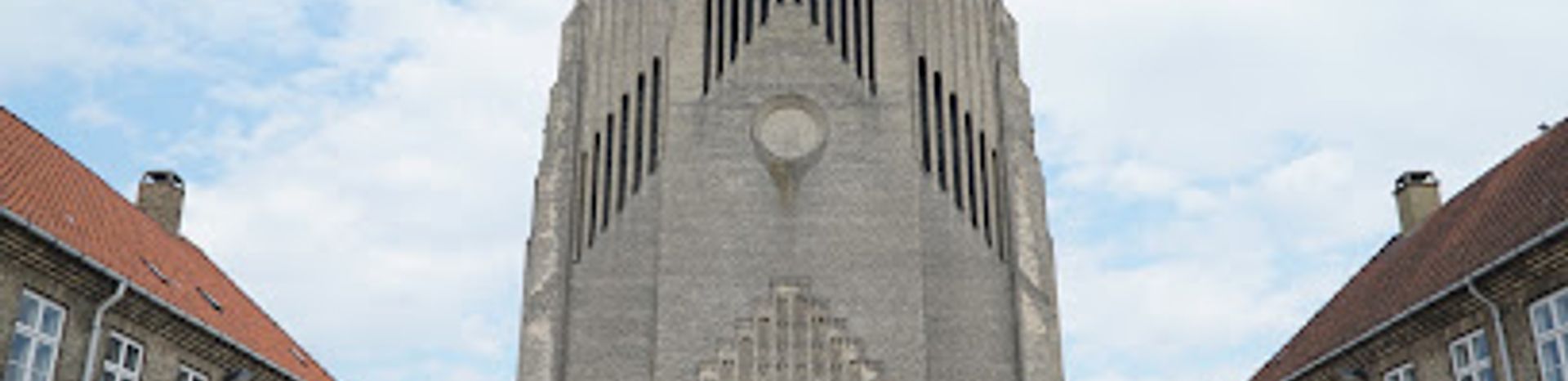
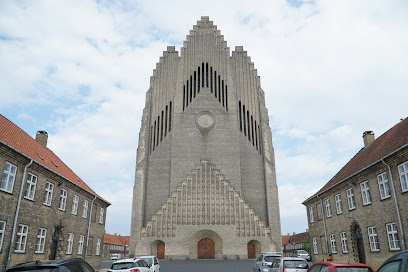
Grundtvig’s Church (Grundtvigs Kirke)
A monumental brick cathedral of Nordic minimalism and light, Grundtvig’s Church fuses expressionist form with Gothic scale on a quiet Copenhagen hillside.
Rising from the Bispebjerg hillside in Copenhagen, Grundtvig’s Church is one of Denmark’s most remarkable architectural statements: a vast expressionist brick church built between 1921 and 1940 in memory of pastor, hymn writer and educator N.F.S. Grundtvig. Formed from around five million soft yellow bricks, its towering organ‑pipe façade, stepped gables and soaring, unadorned interior combine Gothic proportions with Nordic minimalism. Flooded with pale daylight and furnished with Kaare Klint’s iconic church chairs, it feels both monumental and deeply serene.
A brief summary to Grundtvig’s Church
- På Bjerget 14B, København NV, København NV, 2400, DK
- +4535815442
- Visit website
- Duration: 0.5 to 2 hours
- Free
-
 Indoor
- Mobile reception: 5 out of 5
Local tips
- Visit on a clear day to see how the high windows paint moving bands of light across the brick vaults; the effect is most dramatic around late morning to early afternoon.
- Allow time to walk around the exterior and through the surrounding yellow‑brick housing, which was designed to frame the church and is part of the overall composition.
- Step quietly into the nave and sit for a few minutes without taking photos first; letting your eyes adjust to the soft light helps you appreciate the scale and simplicity.
- Check service times in advance if you wish to experience the organ and acoustics, and be respectful that this is an active parish church during ceremonies.
- Bring a longer lens if you enjoy architectural photography; the repeating brick details, organ façade and vaulted ceiling reward close‑up compositions.

For the on-the-go comforts that matter to you
- Restrooms
- Drink Options
- Drinking Water
- Food Options
- Seating Areas
- Sheltered Areas
- Trash Bins
- Information Boards
- Visitor Center
Getting There
-
Metro and bus from central Copenhagen
From central Copenhagen, take the M3 Cityringen metro towards the northwestern segment and travel about 10–15 minutes to Nørrebro or Skjolds Plads. From there, connect to a local bus toward Bispebjerg and ride around 5–10 minutes to a stop near På Bjerget. Including walking between stops and through the residential streets, the overall journey typically takes 25–35 minutes. A standard adult single ticket on city public transport costs roughly 20–30 DKK depending on zones and ticket type.
-
S‑train and short walk
Alternatively, take an S‑train on line B or F from Copenhagen’s central area to Bispebjerg Station, a ride of approximately 10–15 minutes. From the station, expect a pleasant urban walk of about 15–20 minutes along gently rising streets through the residential neighbourhood to reach the church. This option is inexpensive, using the same ticketing system as the metro, with single fares in the range of 20–30 DKK.
-
Bicycle from the city centre
For a classic Copenhagen experience, rent a city bicycle and ride to Bispebjerg via marked cycle lanes. The route from the inner city usually takes 20–30 minutes at a relaxed pace, with only modest inclines as you approach the hill. Many bike rental services charge from around 100–150 DKK for a full day, and cycling offers flexibility, though you should be comfortable riding in regular city traffic and changing weather.
-
Taxi or rideshare within Copenhagen
Taxis and licensed rideshare services operate widely in Copenhagen and can take you directly to På Bjerget in about 15–25 minutes from most central districts, depending on traffic. This is the most convenient option if you are travelling in a small group or prefer door‑to‑door access, but also the most expensive: expect typical daytime fares in the region of 150–250 DKK one way, with higher prices at night or during peak demand.
Grundtvig’s Church location weather suitability
-
 Any Weather
-
 Rain / Wet Weather
-
 Cold Weather
-
 Mild Temperatures
-
 Clear Skies
Discover more about Grundtvig’s Church
A brick giant on the Bispebjerg hill
Grundtvig’s Church crowns a gentle hill in Copenhagen’s Bispebjerg district, its 49‑metre bell tower visible from far across the city’s northern suburbs. Conceived as a memorial to the influential pastor, hymn writer and educator N.F.S. Grundtvig, it was the winning entry in an early 20th‑century design competition that sought something far more ambitious than a statue. Architect Peder Vilhelm Jensen‑Klint proposed a full church, a living monument where worship, music and community life would continue Grundtvig’s legacy. Construction began in 1921, with the massive west tower completed first and used as a "tower church" from 1927. Work on the nave and flanking buildings continued into the 1930s and was finished in 1940 by Jensen‑Klint’s son, Kaare Klint, after the elder architect’s death. Around the church, rows of yellow‑brick housing known as På Bjerget were planned to frame the silhouette, keeping the surrounding buildings low so the church could dominate the skyline.Expressionist form meets Gothic scale
Jensen‑Klint’s design is a rare fusion of Brick Expressionism and Gothic tradition. In preparation he studied rural churches across Zealand, especially those with stepped gables, and translated their forms into something monumental. The west façade is the most striking element: a vast, rippling wall of brick that evokes the pipes of a church organ, with strong vertical lines drawing the eye heavenward. The church plan follows a classic cruciform layout with a long nave, side aisles and a modest transept, but almost every surface is formed from pale yellow brick. Handmade bricks from Zealand were laid in subtle patterns that catch the light, with each massive pier containing tens of thousands. Instead of carved ornament, the drama comes from proportion and geometry: tall pointed windows, vertical buttresses and rhythmic gables create a powerful sculptural presence even before you step inside.An interior of light, height and restraint
Inside, the space feels unexpectedly bare yet overwhelmingly tall. The triple‑aisled hall church stretches about 76 metres in length and 35 metres in width, with the nave vaults rising to roughly 22 metres. Slim columns soar into pointed arches and ribbed groin vaults, all in the same light brick, so the eye travels unbroken from floor to ceiling. The lack of figurative decoration allows daylight to become the main element, pouring in through high, clear windows and washing the walls in a soft glow. Kaare Klint, a leading figure in Danish design, completed the interior fittings with meticulous attention to scale and function. Instead of heavy pews he designed simple oak and wicker church chairs, arranged in long, flexible rows. Their modest height and warm materials keep the focus on the architecture while adding human warmth to the vast hall. The pale brick, wooden chairs and restrained chandeliers together express a distinctly Nordic minimalism that has influenced church design far beyond Denmark.Stories embedded in brick and craftsmanship
Many symbolic details link the building to Grundtvig’s life and to Danish culture. The organ‑like façade recalls his importance as a hymn writer, while the use of everyday brick raised to towering heights reflects his belief that common life and faith belong together. Inside, simple numerical ratios govern the proportions, echoing medieval builders’ methods and creating a harmony that feels calm even at this grand scale. Craftsmanship is everywhere if you look closely: the sanding marks on individual bricks, the joinery of the chairs, and the delicate metalwork of the light fittings. A large model ship, "Queen Alexandrine", hangs in the nave in the Danish maritime tradition, and a brick pulpit and altarpiece continue the theme of structural simplicity. Rather than directing attention to paintings or stained glass, the church invites you to read light, space and material as its primary "images".Visiting for quiet, photography and reflection
For visitors, Grundtvig’s Church is as much an experience of atmosphere as of architecture. The approach through the symmetrical brick housing estate heightens the sense of arrival, with the tower growing larger at the end of the gentle rise. Inside, the acoustic is long and resonant; even a soft footstep or whispered conversation seems to linger, and organ music can fill the entire volume with ease. Photographers are drawn to the repeating arches, linear brickwork and shafts of light which create striking compositions from almost any angle. Yet despite its visual drama, the mood remains contemplative rather than grandiose. Whether you sit quietly in a chair, trace the brick patterns with your eyes or simply stand in the centre of the nave and look up, the space offers a rare combination of monumentality and stillness in the middle of the city.Iconic landmarks you can’t miss

Grundtvig’s Church
0.0 km
A monumental brick cathedral of Nordic minimalism and light, Grundtvig’s Church fuses expressionist form with Gothic scale on a quiet Copenhagen hillside.
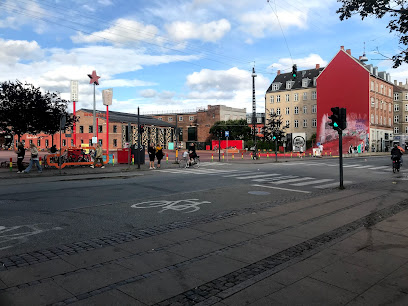
The Red Square
2.0 km
A striking, modern city square in Nørrebro, where bold Danish design meets global cultures, street art, and vibrant local life in Copenhagen’s most diverse borough.
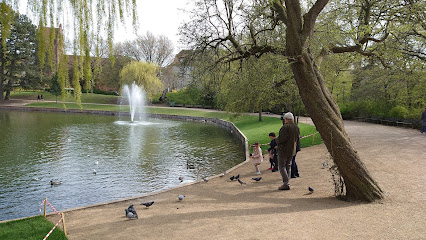
Kildevældsparken
2.1 km
Experience a slice of authentic Copenhagen life at Kildevældsparken, Østerbro’s serene neighborhood park with a charming pond and lush greenery.
Copenhagen This Way / Koebenhavnerture.dk
2.4 km
Experience Copenhagen’s only Russian Orthodox church, where golden onion domes and vibrant frescoes highlight an extraordinary cultural and architectural landmark.
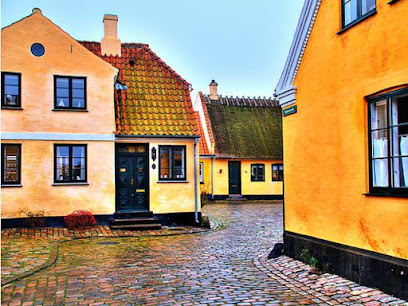
Fælledparken
2.7 km
Copenhagen’s largest and most beloved city park, Fælledparken offers a dynamic blend of green tranquility, local culture, sports, and major city events in Østerbro.
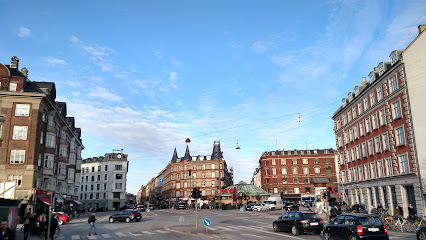
The Tower Playground
3.1 km
Award-winning Copenhagen playground where kids explore & climb miniature city towers; centrally located in Fælledparken with family-friendly facilities.
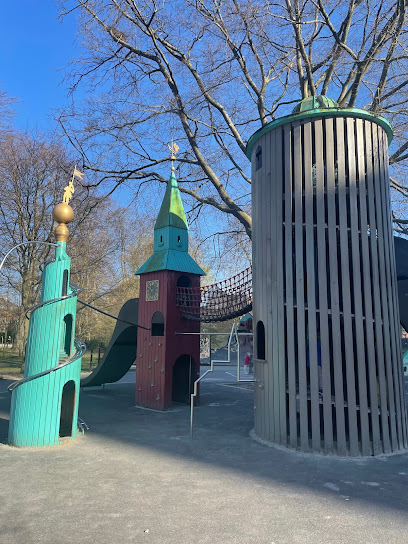
Folkets Park
3.5 km
Grassroots community spirit, creative play areas, vibrant street art, and urban oasis charm in the heart of Nørrebro’s multicultural Copenhagen.
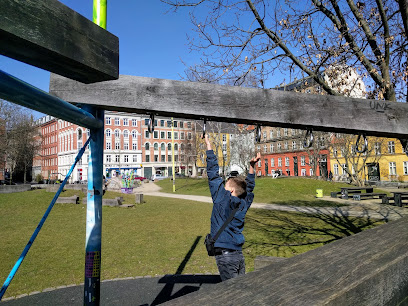
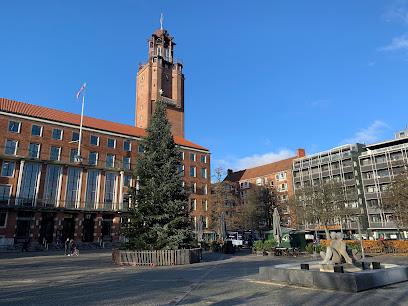
Frederiksberg Town Hall
4.3 km
Brick-clad beacon of Frederiksberg’s independence, this 1950s functionalist town hall blends civic power, mid‑century Danish design and views across leafy Copenhagen.
Møstings Hus
4.3 km
Explore contemporary art in a historic neoclassical villa at Møstings Hus, Frederiksberg's cultural gem.
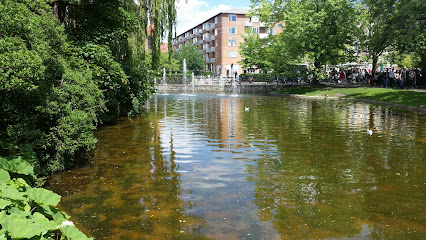
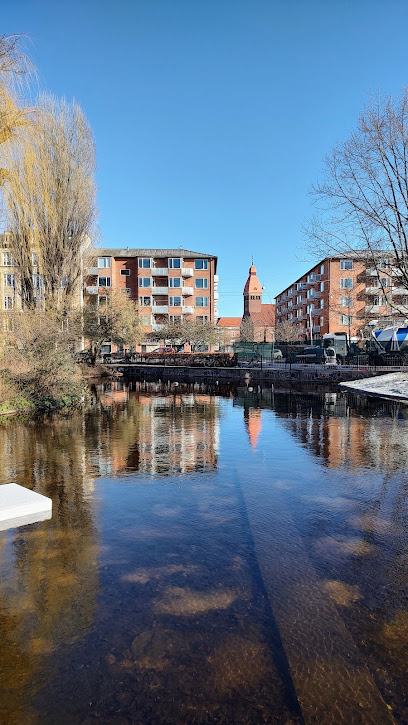
Frederiksbergmuseerne
4.3 km
Explore Frederiksberg's cultural gems: Cisternerne, Bakkehuset, STORM, and Møstings, each offering unique art and history experiences.
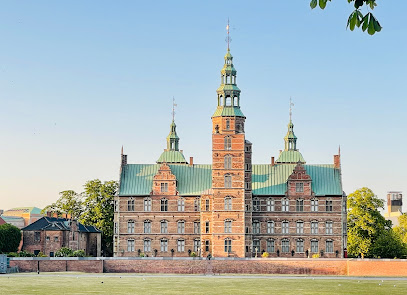
Rosenborg Castle
4.4 km
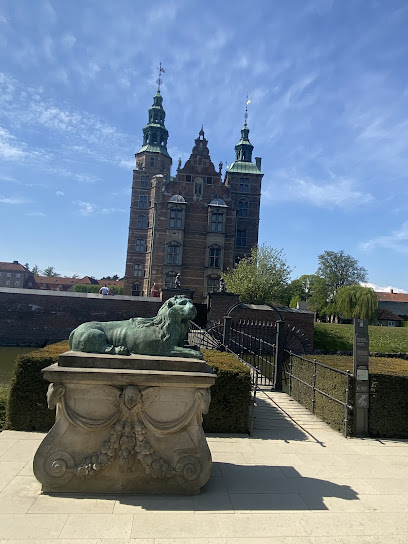
Discover the charm of Rosenborg Castle in Copenhagen, a historic gem showcasing royal treasures and serene gardens.
Nørre Voldgade 11
4.4 km
Explore the cosmos at Aarhus' historic Ole Rømer Observatory, home to Denmark's largest functioning telescope and rich astronomical heritage.
Amitylux Tours | Exceptional Guided City Tours
4.5 km
Experience the timeless grandeur of Lund Cathedral, an iconic Romanesque landmark in southern Sweden, renowned for its history, art, and enduring spiritual presence.
Fiolstræde 42
4.5 km
Historic observatory blending astronomy, science education, and star-gazing experiences in a tranquil woodland setting just outside Aarhus' vibrant city center.
The King's Garden
4.5 km
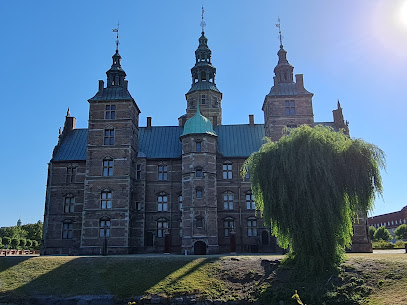
Experience the tranquil beauty of The King's Garden, a historical park in Copenhagen surrounding the majestic Rosenborg Castle, perfect for relaxation and exploration.
Unmissable attractions to see

The Black Square
1.8 km
A tranquil Copenhagen canal surrounded by palaces, museums, bridges, and centuries of Danish royal history in the heart of the Indre By district.
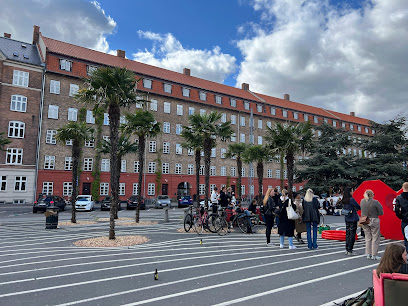
Superkilen Park
2.0 km
Superkilen Park in Nørrebro is an award-winning urban park celebrating global diversity with bold design, eclectic art, and interactive spaces from around the world.
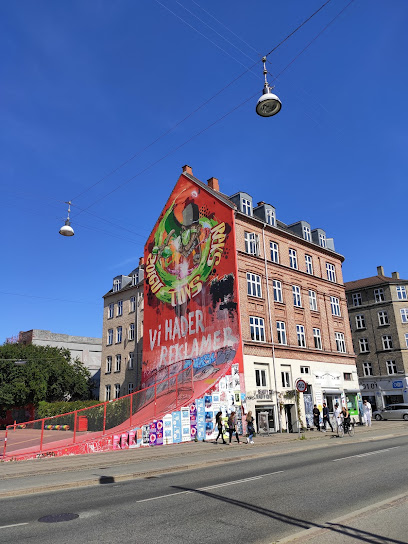
Escape Room by Midgaard Event
2.0 km
Scandinavia's most acclaimed escape room—16 immersive challenges for up to 96 players.
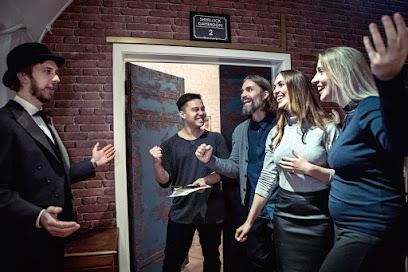
Bananna Park
2.1 km
A bold slice of urban creativity in Nørrebro, where a giant yellow banana, climbing walls and street art turn a former wasteland into Copenhagen’s most playful pocket park.
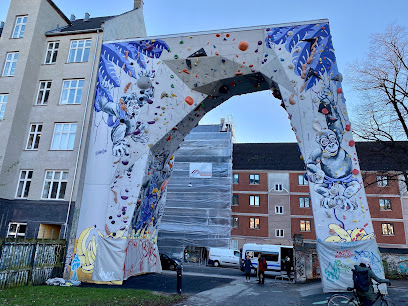
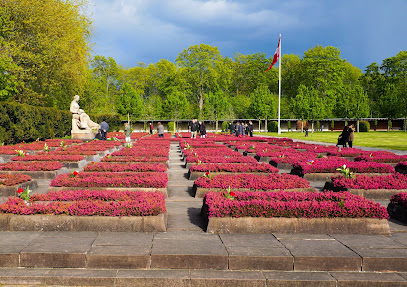
Memorial Park
2.4 km
A solemn green sanctuary in Hellerup where execution grounds, grave fields and memorial walls honour Denmark’s World War II resistance and their sacrifice.
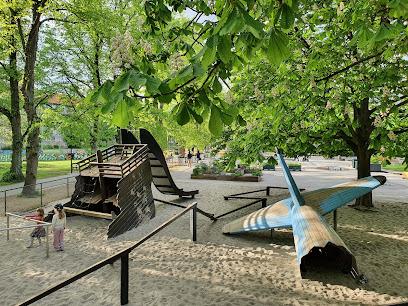
Nørrebroparken - Playground
2.5 km
Imaginative airplane-and-shipwreck playground at the heart of Nørrebro’s green park strip, blending bold Danish design with family-friendly facilities and local everyday life.
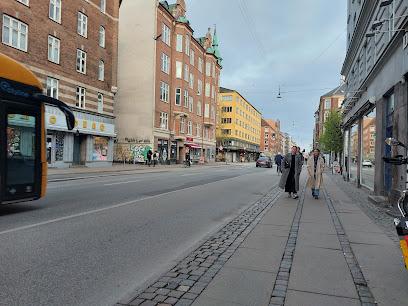
Nørrebro
2.6 km
Copenhagen’s multicultural heartbeat: dense streets of bikes, cafés, street art and green pockets where everyday life and global influences mingle effortlessly.

Nørrebrogade
2.7 km
Copenhagen’s multicultural main street in Nørrebro, where bike lanes, shawarma bars, design shops and everyday life flow together from the lakes to Nørrebro Station.
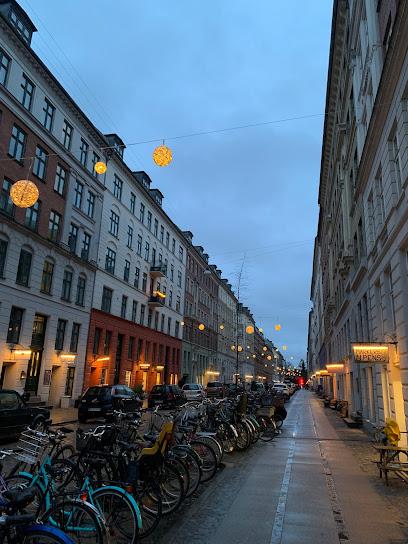
Jægersborggade
2.8 km
A short, cobbled street in Nørrebro where craft studios, bold kitchens and cozy cafés turn a former backstreet into a compact showcase of modern Copenhagen life.
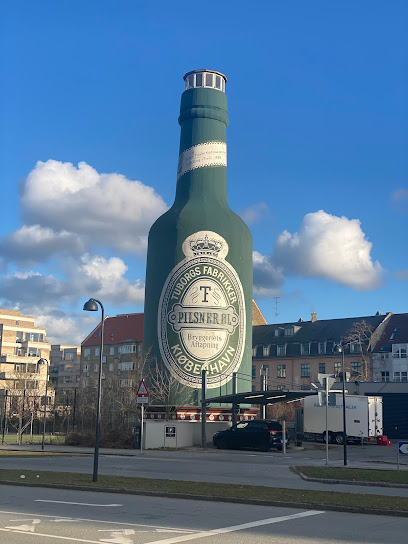
Tuborgflasken
2.9 km
Explore the captivating world of Baltic amber, where ancient natural wonders and Danish craftsmanship meet on the iconic harborfront of Nyhavn.
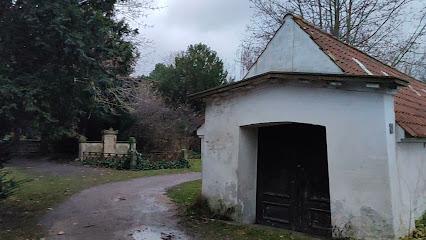
Assistens Cemetery
3.0 km
Historic resting place turned leafy city park, Assistens Cemetery weaves famous graves, everyday life and tranquil greenery into Nørrebro’s most distinctive urban oasis.
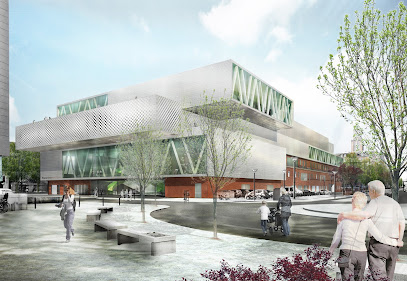
Experimentarium
3.1 km
Denmark’s leading hands-on science centre in a former Tuborg bottling hall, where interactive exhibits, bubbles and a rooftop terrace turn learning into full‑day play.
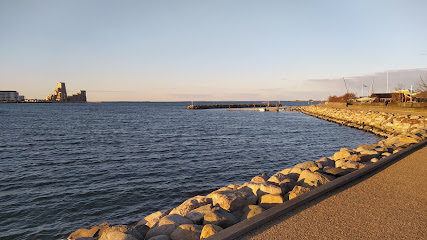
Svanemølle Beach
3.1 km
Compact urban sands, a long wooden pier and sheltered shallows make Svanemølle Beach Østerbro’s easygoing city escape on the edge of Svanemølle Bay.
Hans Tavsens Park
3.2 km
Frederiksholms Kanal offers atmospheric views, grand architecture, and a unique window into Copenhagen’s history at the heart of Indre By.
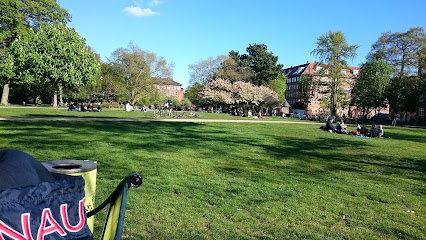
Enigma
3.2 km
Step into Danish royal history at Rosenborg Castle, where Renaissance grandeur meets the legendary Crown Jewels, all set amid Copenhagen’s enchanting city gardens.
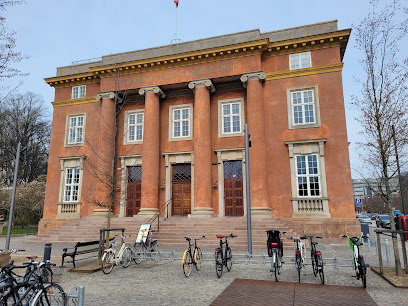
Essential places to dine

Gro Eatery
2.0 km
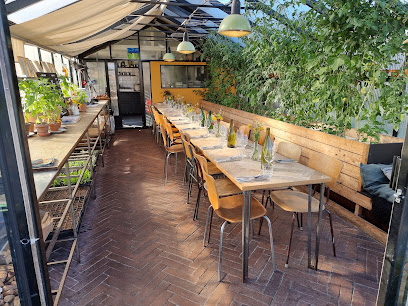
Experience modern Nordic cuisine in an urban rooftop farm setting at Gro Eatery, where seasonal tasting menus and city views meet Danish sustainability in Østerbro.
PAX
2.6 km
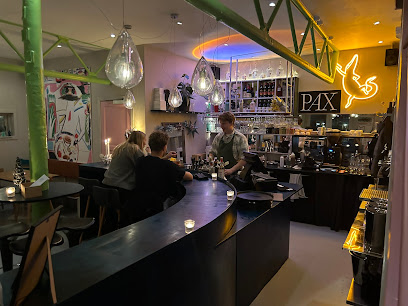
Experience innovative Italian-inspired cuisine in the heart of Østerbro at PAX, where a dynamic menu and cozy ambiance await.
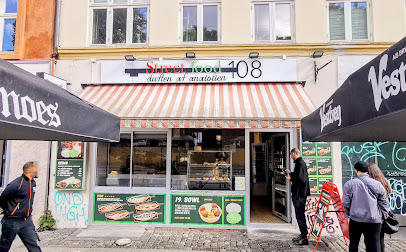
Street Food 108
2.8 km
Experience authentic Turkish cuisine at Street Food 108 in Copenhagen's vibrant Nørrebro district - a delightful taste adventure awaits!
Geranium
2.8 km
Geranium offers a world-class New Nordic tasting experience in Copenhagen, uniting innovative Scandinavian cuisine, sustainable luxury, and panoramic city views.
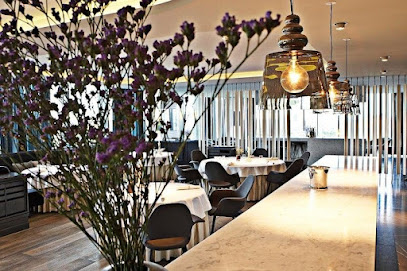
Gaarden & Gaden
2.9 km
Discover Gaarden & Gaden, a stylishly laid-back bistro in Nørrebro, Copenhagen, serving inventive local cuisine and natural wines in a warm, communal setting.
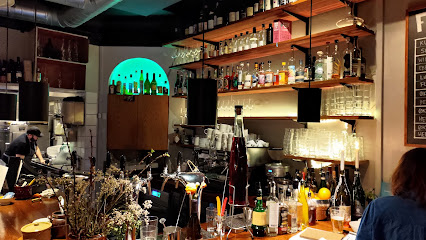
Bæst
3.0 km
Experience Nørrebro’s celebrated Bæst, where organic Italian pizzas and in-house charcuterie meet Scandinavian sustainability and vibrant Danish hospitality.
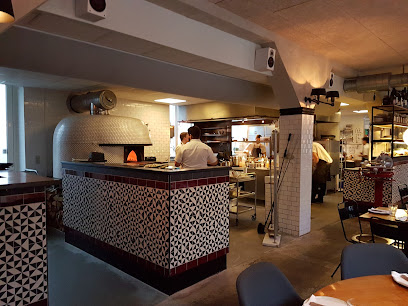
Cafe 33
3.1 km
Explore the rich heritage of vodka at Cafe 33's unique Vodka Museum in Vanløse.
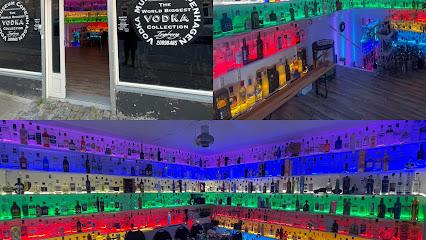
Restaurant Madklubben Østerbro
3.1 km
Enjoy approachable modern Danish cuisine and vibrant local life in the stylish heart of Østerbro at Restaurant Madklubben, where good food and great company meet.
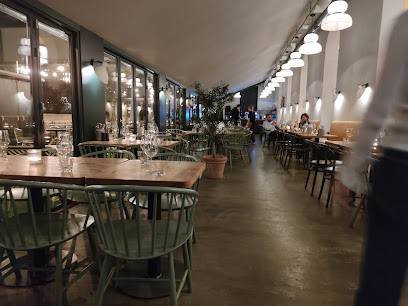
Aroii - Nørrebro
3.1 km
Savor inventive Asian fusion cuisine in lively Nørrebro, where Aroii delivers creative Thai-inspired plates and vibrant ambiance in one of Copenhagen’s buzziest districts.
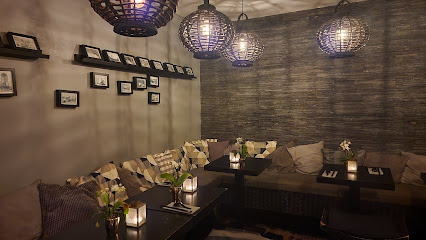
Kiin Kiin
3.1 km
Michelin-starred Thai restaurant in Copenhagen’s Nørrebro, offering inventive tasting menus and modern fine dining that blend Southeast Asian flavors with Nordic influences.
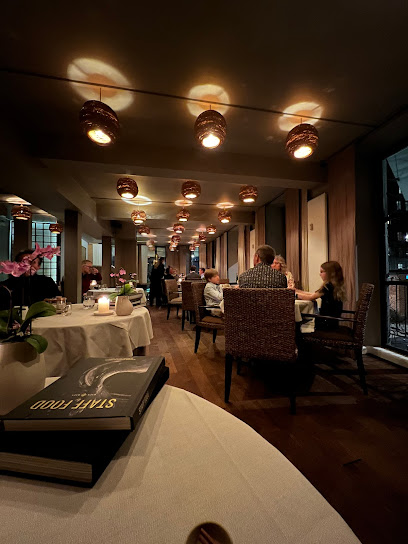
Hooked Nørrebro
3.2 km
Discover fresh seafood delights at Hooked Nørrebro in Copenhagen - a culinary gem celebrating local flavors in a vibrant setting.
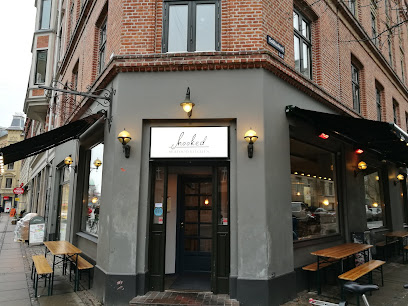
Mæxico Nørrebro
3.3 km
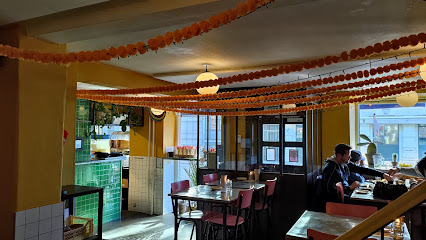
Colorful cantina vibes, creative tacos, and festive cocktails bring a lively taste of Mexico’s street food culture to vibrant Nørrebro in central Copenhagen.
Tèrra
3.4 km
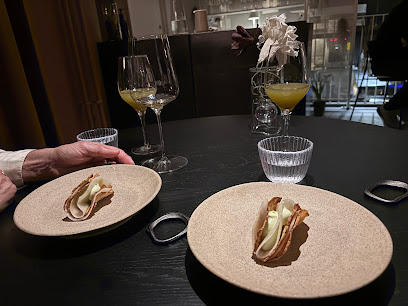
Celebrated for organic Italian-Danish tasting menus and eco-conscious fine dining, Tèrra offers a memorable culinary experience in Copenhagen’s vibrant Østerbro.
Hos Fischer
3.4 km
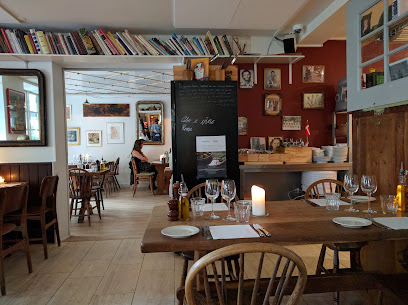
Experience authentic Italian trattoria dining and neighborhood hospitality at Hos Fischer, a beloved Østerbro culinary gem near the tranquil green heart of Copenhagen.
JATAK
3.4 km
Intimate Nørrebro dining where New Nordic produce meets the bold, personal Asian flavors of chef Jonathan Tam in a calm, minimalist Michelin-starred setting.
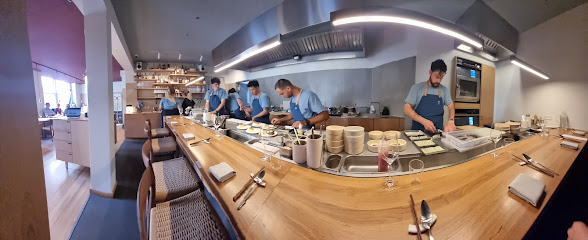
Markets, malls and hidden boutiques

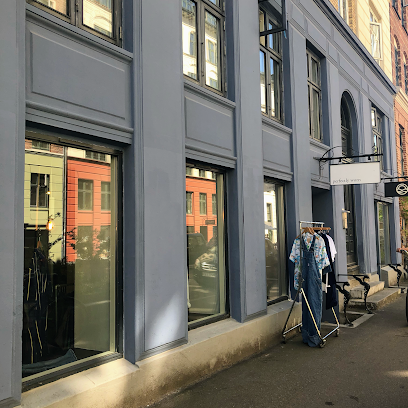
Perfectly Worn Vintage
2.6 km
Discover handpicked vintage gems and timeless fashion in the heart of Nørrebro’s creative district at Perfectly Worn Vintage, Copenhagen’s haven for unique style.
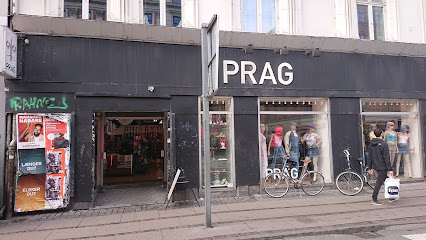
PRAG Nørrebro
3.4 km
PRAG Nørrebro offers a curated vintage shopping experience surrounded by the eclectic energy and cultural vibrancy of Copenhagen’s trendsetting district.
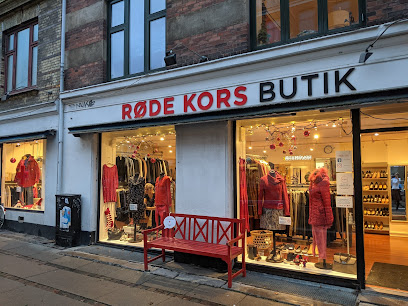
Red Cross Op Shop
3.4 km
A vibrant Østerbro thrift store where sustainable shopping, Danish design, and community spirit support Red Cross humanitarian work.
Butik Bungalow
3.5 km
Colorful Danish-Indian design shop in Nørrebro offering hand-printed homeware, unique gifts, and stylish paper goods in a cozy, creative boutique setting.
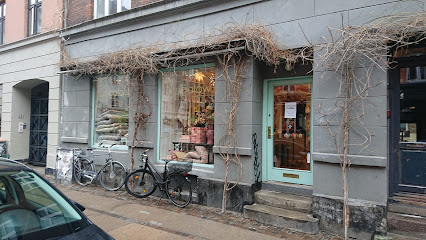
McKorman
3.7 km
Discover McKorman in Nørrebro: Copenhagen’s go-to spot for handpicked streetwear, unique vintage fashion, and urban style essentials for every wardrobe.
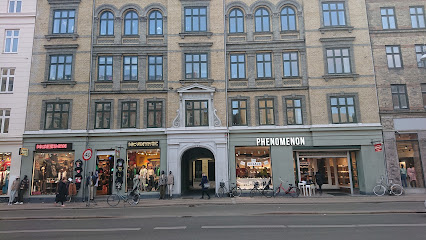
Frederiksberg Centret
3.9 km
Frederiksberg Centret offers a sleek, Scandinavian shopping experience with 90+ stores, cafés, and events in the chic heart of Frederiksberg, steps from the Metro.
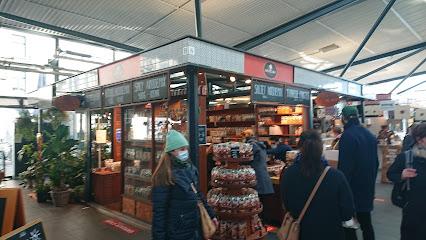
Exotic Mix
4.3 km
Gourmet nuts, dried fruits and chocolate dragées from around the world, served from a colourful family‑run stall inside Copenhagen’s Torvehallerne market.
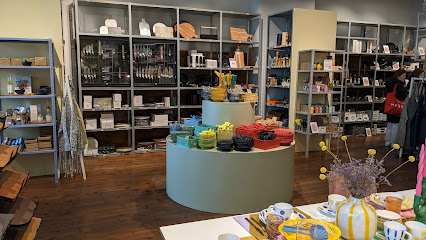
Royal Copenhagen - Outlet
4.3 km
Discover Danish porcelain heritage and timeless design at discounted prices in Frederiksberg’s celebrated Royal Copenhagen Outlet, close to the city’s green heart.
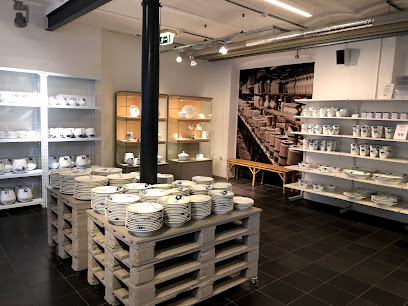
Copenhagen Souvenir & Design World of Memories
4.5 km
Denmark's largest souvenir destination with 2,000+ authentic gifts celebrating Danish design, heritage, and iconic landmarks.
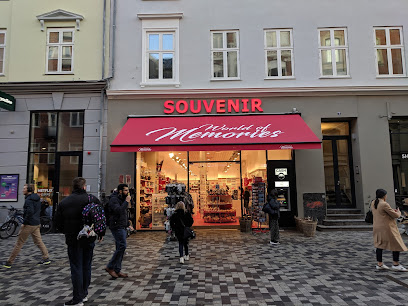
Fjällräven
4.6 km
A compact Fjällräven brand shop on historic Kultorvet, pairing Scandinavian outdoor design with expert gear advice in the heart of Copenhagen’s old town.

Souvenir Gifts shop
4.6 km
Classic Copenhagen souvenirs in a compact, central shop on historic Købmagergade, perfect for last‑minute gifts and easy-to-pack mementos from the Danish capital.
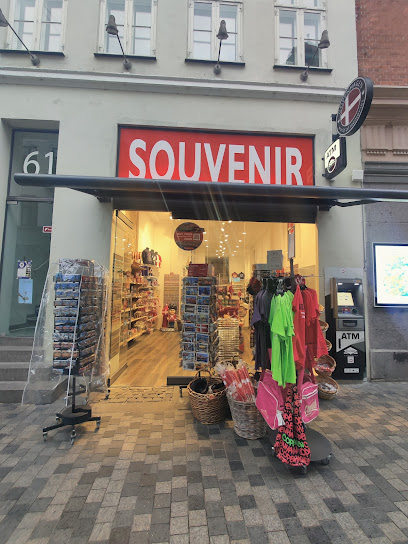
Time's Up Vintage
4.7 km
Discover curated vintage fashion, rare designer finds, and decades of style history at Time’s Up Vintage in Copenhagen’s bustling Indre By.
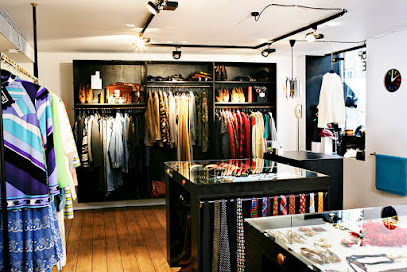
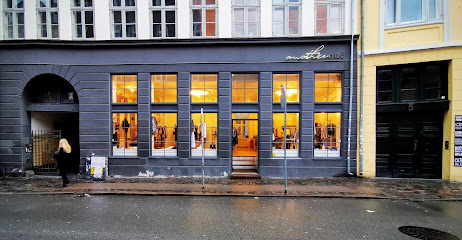
Another nué
4.7 km
A calm, curated Copenhagen fashion boutique where Scandinavian minimalism meets historic Krystalgade in a protected Neoclassical townhouse.
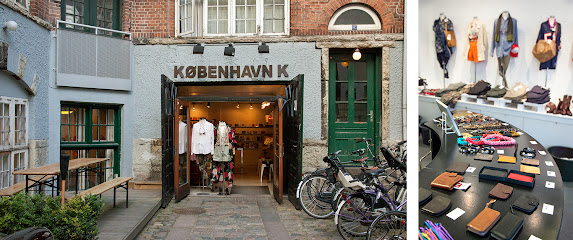
København K
4.8 km
Hidden in a Latin Quarter courtyard, København K is a long-standing Copenhagen vintage shop packed with curated second-hand fashion, denim and quirky homeware finds.
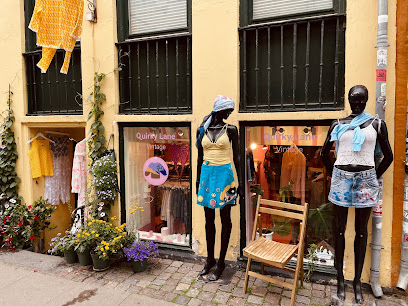
Quirky Lane
4.8 km
Copenhagen's eclectic pink-walled vintage boutique where sustainable fashion meets curated character.
Essential bars & hidden hideouts

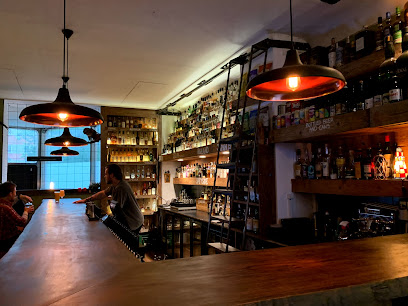
Dispensary, Whisk(e)y And Beer
2.2 km
Discover the heart of Copenhagen's nightlife at Dispensary, Whisk(e)y And Beer, where craft beers and fine whiskies await in a vibrant atmosphere.
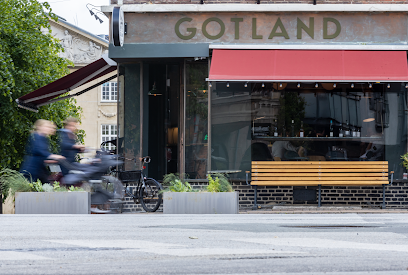
Gotland - Café & Vinbar
2.8 km
Experience the perfect blend of fine wines and cozy café atmosphere at Gotland - Café & Vinbar in Copenhagen.
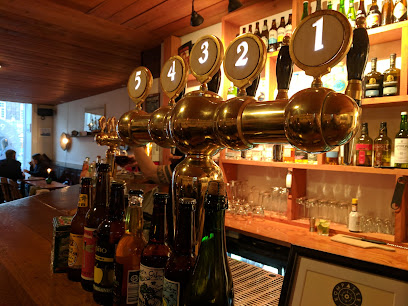
Kompasset Ølbar
2.8 km
Experience Copenhagen's nightlife at Kompasset Ølbar, a vibrant bar in Østerbro known for its craft beers and inviting atmosphere.
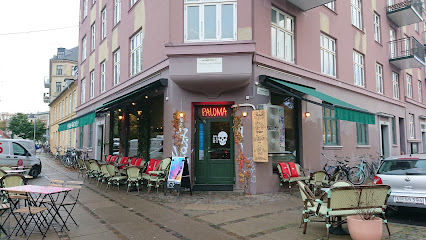
Paloma Vermuteria
2.9 km
Mediterranean vermut culture meets Nordic hospitality in Copenhagen's creative heart.
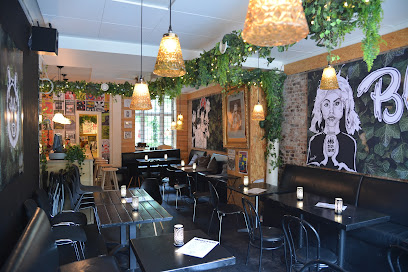
Skovbar
2.9 km
Small, punk-spirited and queer-friendly bar in Nørrebro with vegan drinks, inclusive vibes and intimate music nights at budget-friendly prices.
Tap10
3.1 km
Experience the vibrant nightlife of Copenhagen at Tap10, a cozy bar in Østerbro offering exquisite drinks and a lively atmosphere.
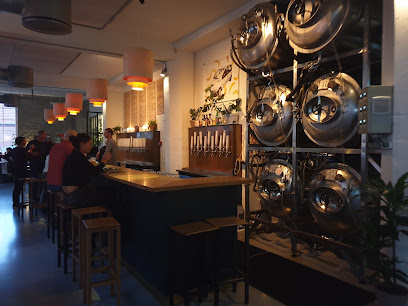
BRUS
3.1 km
Discover the best craft beers and seasonal dishes at BRUS, Copenhagen's top brewpub for foodies and beer lovers alike.
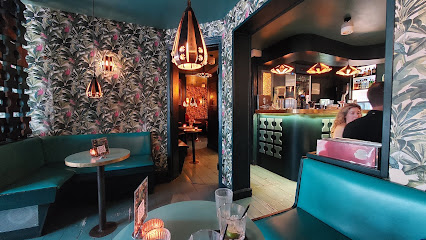
Bubbles Bar
3.1 km
Discover the vibrant atmosphere and exquisite cocktails at Bubbles Bar, Copenhagen's chic nightlife destination for tourists and locals alike.
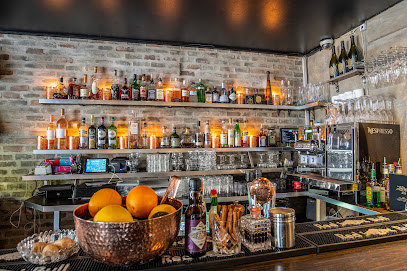
The Mudhoney
3.1 km
Discover The Mudhoney, a stylish cocktail bar in Copenhagen, blending coffee shop charm with expertly crafted cocktails for a perfect night out.
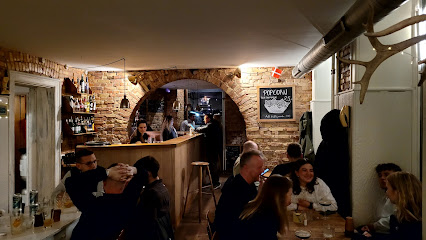
Klovnens Bodega
3.2 km
Discover the heart of Nørrebro at Klovnens Bodega, a cozy pub offering a delightful atmosphere and a taste of local culture.
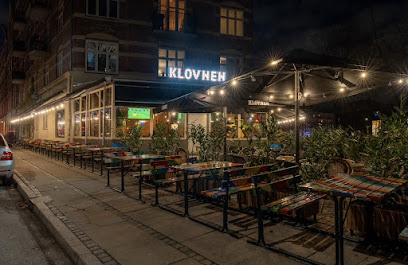
Frederiksberg Ølbar
3.3 km
Experience the best of Denmark's brewing heritage at Frederiksberg Ølbar, a cozy bar with a fantastic selection of local craft beers.
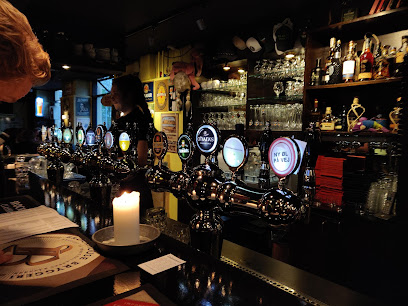
Trianglen 7
3.3 km
Experience the best of Copenhagen wine culture at Trianglen 7, a charming wine bar offering a curated selection and an inviting atmosphere.
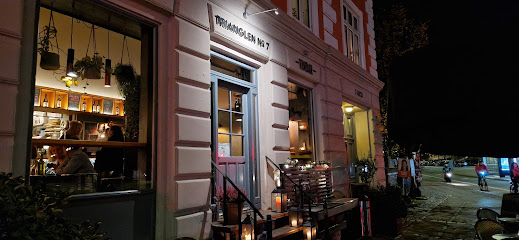
PULP bar
3.3 km
Experience the vibrant nightlife of Copenhagen at PULP Bar, where expertly crafted cocktails meet a lively atmosphere.
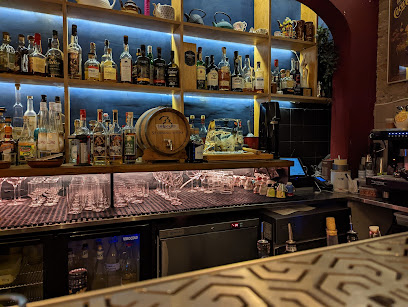
ØB
3.4 km
Experience the best of Copenhagen's nightlife at ØB, where great beer, tasty burgers, and a lively atmosphere come together.
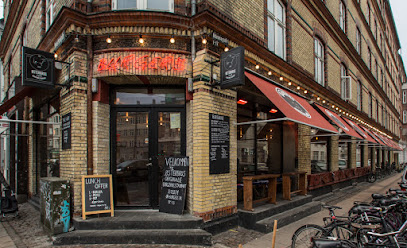
Ølbaren
3.4 km
Experience the heart of Copenhagen’s beer culture at Ølbaren, a cozy bar with an extensive selection of craft brews and vibrant atmosphere.
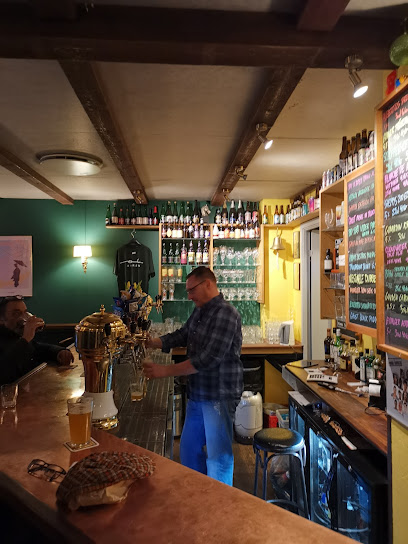
Nightclubs & after hour spots

Afrobeat Palace Nightclub
1.8 km
Discover the energetic Afrobeat Palace Nightclub in Copenhagen, where music, dance, and multicultural vibes unite for an unforgettable nightlife experience.
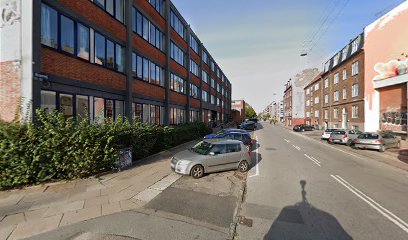
SIGURD CPH
2.0 km
Discover the pulse of Copenhagen's nightlife at SIGURD CPH, where vibrant dancing, fine wines, and pachinko gaming come together for an unforgettable experience.
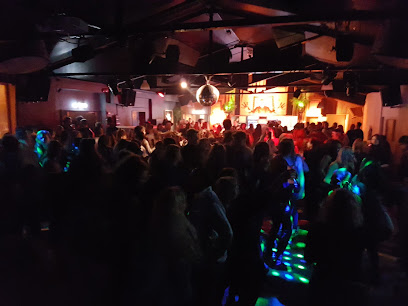
RUST Natklub
3.2 km
Discover the pulsating heart of Copenhagen's nightlife at RUST Natklub, where eclectic beats and vibrant energy come together for an unforgettable experience.
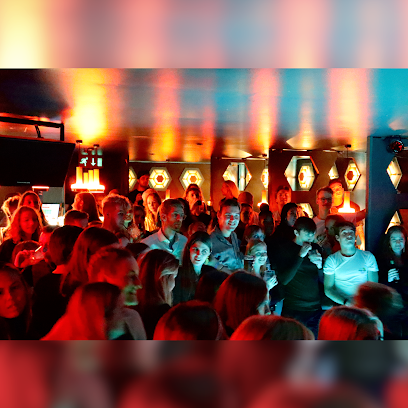
Temple Bar
3.3 km
Discover the energetic vibe of Temple Bar in Nørrebro, Copenhagen, where great drinks and lively entertainment meet.
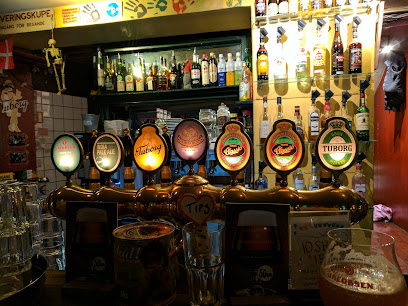
Falafelberg
3.3 km
Discover the pulsating nightlife of Frederiksberg at Falafelberg, a night club offering delicious falafel and electrifying music for an unforgettable experience.
Moon Club
4.2 km
Discover the pulsating nightlife of Copenhagen at Moon Club, where electrifying beats and vibrant energy create unforgettable nights.
Haven - Events
4.5 km
Discover the electrifying nightlife at Haven, Frederiksberg's top night club, where music, dance, and fun come together for an unforgettable experience.
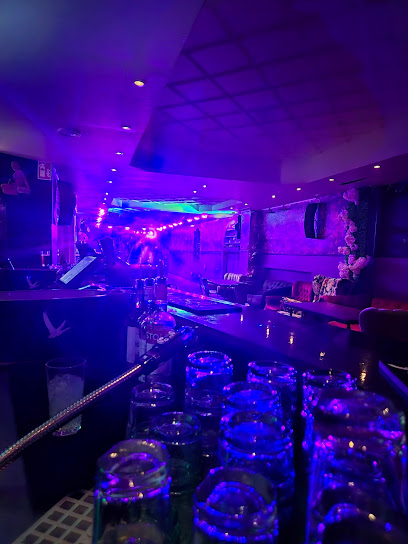
Mirage
4.5 km
Dive into the electrifying nightlife at Mirage, Copenhagen's premier night club for an unforgettable evening of music, dancing, and entertainment.

Arch
4.5 km
Discover the vibrant nightlife of Copenhagen at Arch, a premier night club offering electrifying music and an unforgettable atmosphere.
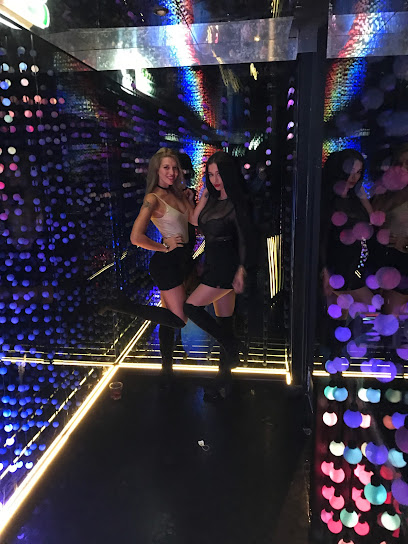
Culture Box
4.6 km
Discover the heartbeat of Copenhagen's nightlife at Culture Box, where music, art, and dance create an unforgettable experience.
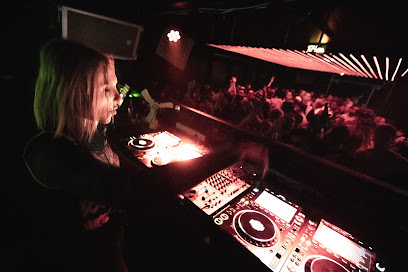
Cosy Bar
4.8 km
Discover the lively atmosphere of Cosy Bar, a top gay nightclub in Copenhagen offering fantastic music, vibrant crowds, and unforgettable nights.
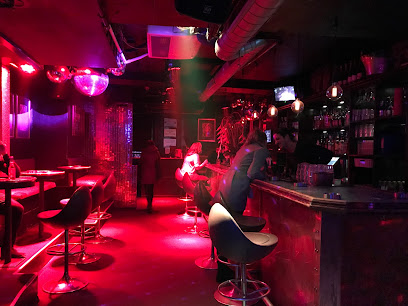
La Terraza
4.8 km
Compact nightclub on Studiestræde in Copenhagen’s old town, offering loud beats, straightforward drinks and an unpretentious late-night dance floor.
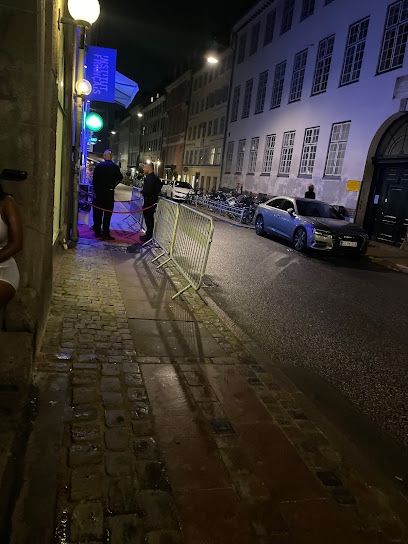
The Jane
4.8 km
Mad Men–style cocktail den and basement nightclub hidden beneath a historic Copenhagen square, with secret rooms, strong drinks and a lively late-night dance floor.
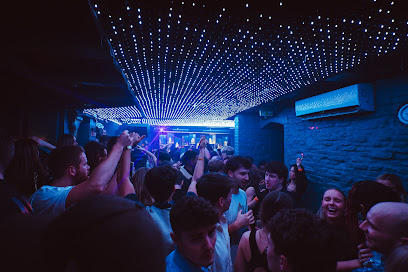
G*A*Y Copenhagen Nightclub
4.8 km
Experience the heart of LGBTQ+ nightlife at G*A*Y Copenhagen Nightclub, where vibrant energy and inclusive atmosphere await every visitor.
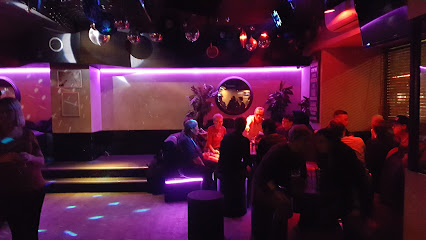
Rumors
4.9 km
Discover the heart of Copenhagen's nightlife at Rumors, where energetic vibes and unforgettable nights await you.
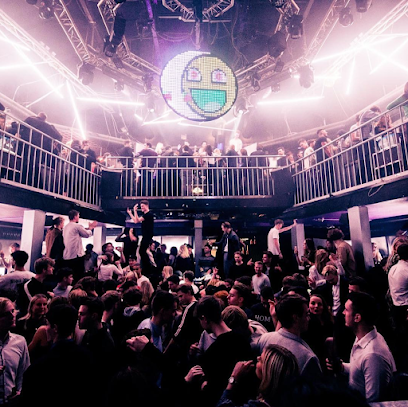
For the vibe & atmosphere seeker
- Tranquil
- Zen
- Scenic
- Unique
- Casual
For the design and aesthetic lover
- Minimalist Designs
- Modern Designs
- Rustic Designs
For the architecture buff
- Historic
- Landmarks
- Art & Design
- Sacred Sites
- Heritage Neighborhoods
For the view chaser and sunset hunter
- Iconic Views
- Panoramas
- Sunrise Spots
- Sunset Spots
For the social media creator & influencer
- Instagrammable
- Photo Spots
- Selfie Spots
- Architectural Shots
- Reel-Friendly
For the eco-conscious traveler
- Low Impact
- Public-Transport Accessible
- Locally Managed
For the kind of experience you’re after
- Mindfulness
- Meditation Spot
- Spiritual / Energy Spot
- Cultural Heritage
- Photowalk
- Adventure Photo Shoot
- Day Trip
- Roadtrip Stop
For how adventurous you want the journey to be
- Easy Access
Location Audience
- Family Friendly
- Senior Friendly
- Child Friendly
- Teen Friendly
- Wheelchair Access
- Solo Friendly
- Couple Friendly
- Solo Female Friendly
- Business Friendly


