
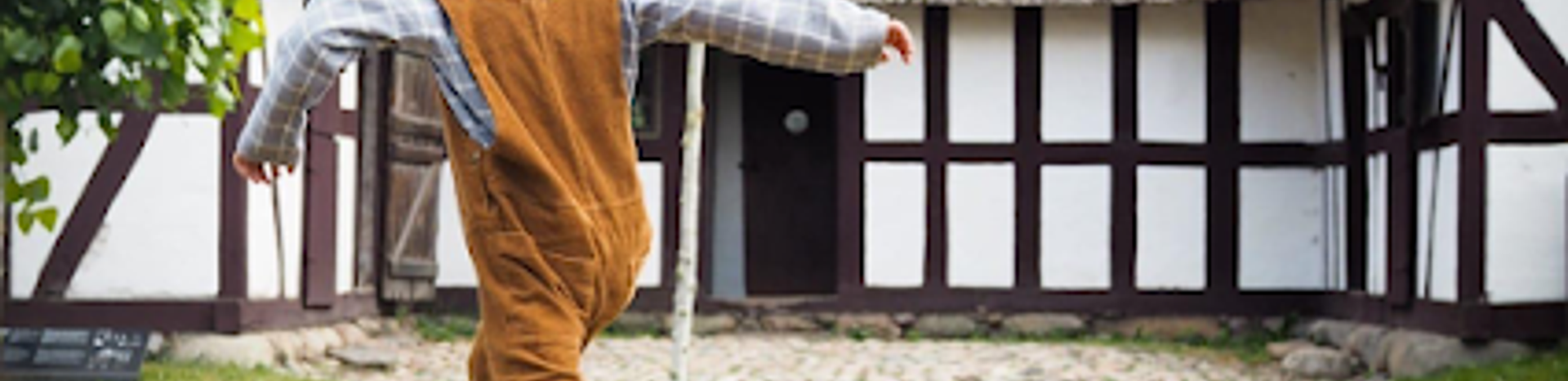
The Open Air Museum (Frilandsmuseet), Kongens Lyngby
Step into 300 years of rural Danish life among thatched farms, windmills, animals and gardens in one of the world’s largest historic open‑air museums.
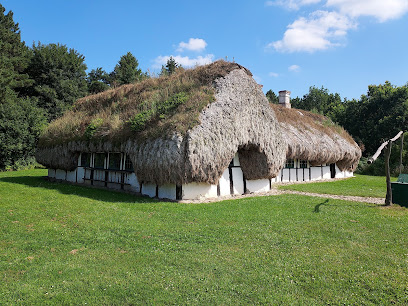
Set in rolling countryside just north of Copenhagen, The Open Air Museum (Frilandsmuseet) is one of the world’s largest and oldest open‑air museums. Spread across 86 acres, it gathers more than 50 historic farms, mills and houses from across Denmark, the Faroe Islands and former Danish regions of Sweden and Germany. Timbered cottages, village ponds, windmills, animals in the fields and 25 historic gardens bring 300 years of rural life, from 1650 to 1940, vividly to life for all ages.
A brief summary to The Open Air Museum
- Kongevejen 100, Lyngby, 2800, DK
- +4541206455
- Visit website
- Duration: 3 to 6 hours
- Mid ranged
-
 Outdoor
- Mobile reception: 4 out of 5
- Tuesday 10 am-4 pm
- Wednesday 10 am-4 pm
- Thursday 10 am-4 pm
- Friday 10 am-4 pm
- Saturday 10 am-4 pm
- Sunday 10 am-4 pm
Local tips
- Plan at least three to four hours; the grounds are extensive and you will walk a lot between clusters of farmsteads, mills and gardens.
- Wear sturdy, weather-appropriate footwear; many paths are gravel or grass and can be uneven or muddy after rain.
- Bring snacks or a picnic, especially with children; there are pleasant outdoor spots to sit and eat within the museum grounds.
- If mobility is a concern, focus on one or two areas close to an entrance and check in advance which buildings and paths are easiest to access.
- Check the museum’s seasonal program before you go if you are interested in live demonstrations, special events or holiday activities.

For the on-the-go comforts that matter to you
- Restrooms
- Drink Options
- Drinking Water
- Food Options
- Seating Areas
- Sheltered Areas
- Picnic Areas
- Trash Bins
- Information Boards
- Visitor Center
Getting There
-
Regional train and short walk from central Copenhagen
From central Copenhagen, take S-train line E towards Hillerød and ride about 20–25 minutes to Sorgenfri Station. Trains typically run every 10 minutes in the day, and a standard single ticket within the Copenhagen zones is around 25–40 DKK depending on your starting point. From Sorgenfri it is roughly a 10-minute, mostly level walk on paved and gravel paths to the museum’s main entrance, manageable with a stroller but more challenging for wheelchairs without assistance. Services run year-round, though evening frequencies may be lower.
-
City bus to main entrance from Copenhagen area
Several regional buses, including lines comparable to 184 and 194, run from northern Copenhagen districts and Lyngby towards Kongevejen and stop close to the museum at Kongevejen 100. Travel time from central Copenhagen with a bus–train combination is typically 35–50 minutes, depending on connections and traffic. A regular bus ticket within the metropolitan zones usually costs around 25–40 DKK. Buses generally have low-floor access suitable for prams and many wheelchairs, but they can be crowded at school and commuter times, and weekend frequencies are reduced.
-
Taxi or ride-hail from Copenhagen city centre
A taxi from central Copenhagen to the Open Air Museum covers roughly 15 km and normally takes 25–35 minutes, depending on traffic around Lyngby and the city ring roads. Daytime fares commonly range between 250 and 400 DKK, with supplements in the evening and on public holidays. Taxis can usually drop passengers very close to the entrance, which is convenient for visitors with limited mobility, though availability may be tighter during major events or rush hour.
-
Cycling from Copenhagen or Lyngby
For confident cyclists, well-marked cycle routes lead from Copenhagen and the northern suburbs to Kongens Lyngby. From the inner city, the ride typically takes 45–60 minutes at a moderate pace, while from Lyngby centre it is about 10–15 minutes. The terrain is mostly gentle but includes some gradual inclines and stretches along busy roads where you share space with other cyclists and traffic. There is no direct cost beyond any bike rental fee, which in Copenhagen often ranges from 120 to 200 DKK per day. Weather and wind can significantly affect comfort, especially outside the summer season.
The Open Air Museum location weather suitability
-
 Clear Skies
-
 Mild Temperatures
-
 Hot Weather
-
 Cold Weather
-
 Any Weather
Discover more about The Open Air Museum
Old Denmark in a Patchwork of Villages
Spread over vast, gently undulating grounds in Kongens Lyngby, The Open Air Museum gathers historic farms, mills and cottages from every corner of Denmark and former Danish lands. More than 50 buildings from 1650–1940 have been dismantled in their original locations and painstakingly rebuilt here, creating a patchwork of village greens, farmyards and lanes that feel startlingly authentic. Each cluster represents a particular region and social world, from windswept Jutland heath farms to prosperous Zealand manors. The scale is impressive: 86 acres of fields, meadows and woodland threaded with paths and gravel tracks. You move from whitewashed farmsteads with thatched roofs to dark timber-framed barns and creaking wooden mills, with each building furnished as if its inhabitants have just stepped outside. Together they tell a quiet but powerful story of how people lived, worked and celebrated across three centuries.Everyday Lives Behind Wooden Doors
Step inside low-beamed kitchens, smoke-blackened hearth rooms and finely panelled parlours to glimpse daily routines long gone. In modest cottages, bedsteads are built into walls, clothes hang from pegs and simple tools crowd the shelves. In larger farmhouses, tiled stoves, painted chests and embroidered textiles hint at prosperity and pride. Many interiors are fully furnished with original objects, so you can follow the rhythm of the year: the harvest stored in lofts, tools ready for spring sowing, candles and baking gear laid out for holidays. Interpretive signs explain how families divided work, how inheritance shaped house plans, and how architecture responded to climate and local materials. Rather than telling a single grand story, the museum lingers on small details: a child’s toy on a bench, a carved door lintel, a worn threshold that speaks of generations passing in and out.Animals, Windmills and Working Landscapes
Outside, fields and pastures complete the picture. Old breeds of cows, sheep, goats and horses graze between the buildings, underscoring how closely people once relied on their animals. Depending on the season, you might see teams harnessed to wagons, lambs in paddocks or hens scratching in farmyards. The surrounding landscape is shaped by hedgerows, ponds and ditches that mirror historic land use as much as modern landscaping. Three historic windmills and several watermills punctuate the horizon with their sails and wheels. When in operation, the creak of timber, rhythmic thump of machinery and smell of freshly ground grain turn them into living machines rather than static exhibits. The mills anchor the museum’s wider story of rural technology, from grain processing to drainage and timber sawing.Gardens, Seasons and Special Corners for Children
One of the museum’s quieter pleasures is its 25 historic gardens. These range from strictly ordered manor plots and parsonage gardens to modest kitchen beds beside farmhouses. Fruit trees, berry bushes, medicinal herbs and dye plants are laid out according to period practices, revealing how self-sufficient rural households once were. In late spring and summer the gardens burst into colour and scent, while autumn brings heavy branches and stored harvests. Children are far from an afterthought. A dedicated play area inspired by classic Danish stories invites younger visitors into a miniature world of crooked houses, soapbox tracks and winding paths. Throughout the grounds, simple, robust play elements and open spaces make it easy for families to alternate between exploring buildings and letting off steam under the open sky.A Full-Day Escape Just Beyond the City
Frilandsmuseet feels surprisingly rural despite its proximity to Copenhagen. Wide skies, long sightlines and birdsong make it a genuine nature escape as well as a cultural institution. Benches, picnic spots and grassy clearings encourage you to slow down, unpack a lunch and watch horses in nearby fields. Even on busy days there is usually space to find a quiet corner between clusters of buildings. A visit easily stretches to several hours as you follow winding paths, pause at ponds and loop back to favourite houses. Seasonal events and hands-on activities can add extra layers, from bread baking and craft demonstrations to festive markets. For many visitors, the greatest pleasure lies simply in wandering without a fixed route, letting the landscape and the low, inviting silhouettes of thatched roofs guide the day.Iconic landmarks you can’t miss

Lyngby Storcenter
1.9 km
Discover a world of shopping and dining at Lyngby Storcenter, one of Denmark's largest malls, offering a vibrant mix of international brands and local favorites in the heart of Kongens Lyngby.
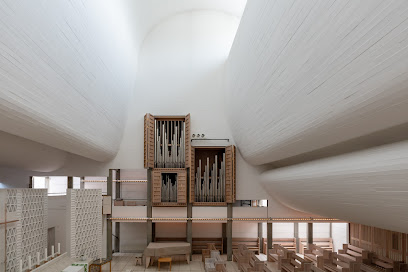
Bagsværd Kirke
3.9 km
A modest suburban shell concealing Jørn Utzon’s luminous “cloud” church, where Nordic minimalism, sculpted concrete and tranquil courtyards create a serene urban sanctuary.
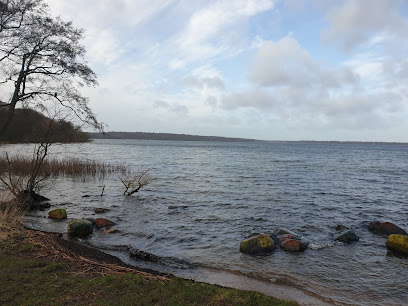
Furesø
4.8 km
Denmark's deepest lake offers pristine waters, historic heritage, and year-round outdoor adventures just 20 km from Copenhagen.
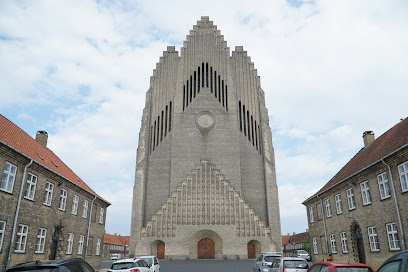
Grundtvig’s Church
8.2 km
A monumental brick cathedral of Nordic minimalism and light, Grundtvig’s Church fuses expressionist form with Gothic scale on a quiet Copenhagen hillside.
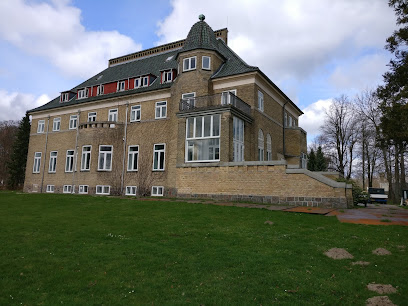
Henriksholm
9.0 km
A quiet Vedbæk hillside where Stone Age burials, villa culture and Cold War command history meet in a leafy coastal neighbourhood north of Copenhagen.
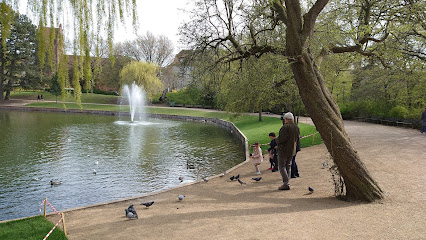
Kildevældsparken
9.3 km
Experience a slice of authentic Copenhagen life at Kildevældsparken, Østerbro’s serene neighborhood park with a charming pond and lush greenery.
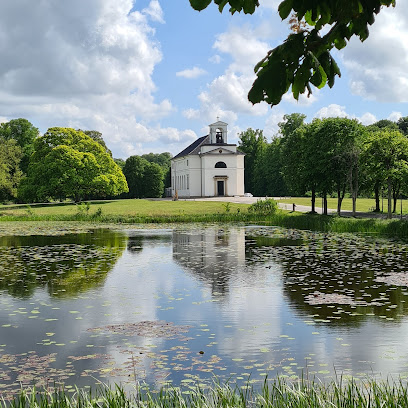
Hørsholm Slotshave
10.1 km
A baroque garden where Scandinavia's lost palace still echoes through ancient linden trees.
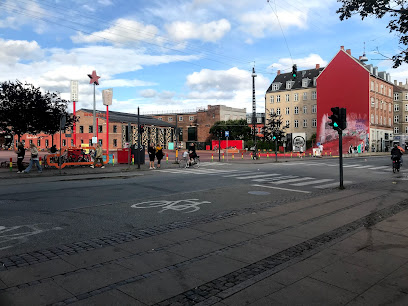
The Red Square
10.1 km
A striking, modern city square in Nørrebro, where bold Danish design meets global cultures, street art, and vibrant local life in Copenhagen’s most diverse borough.
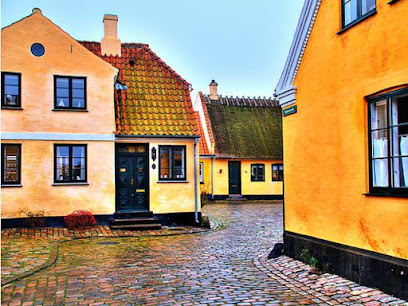
Copenhagen This Way / Koebenhavnerture.dk
10.5 km
Experience Copenhagen’s only Russian Orthodox church, where golden onion domes and vibrant frescoes highlight an extraordinary cultural and architectural landmark.
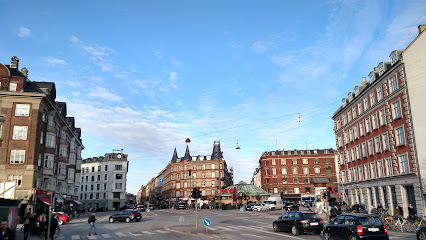
Fælledparken
10.5 km
Copenhagen’s largest and most beloved city park, Fælledparken offers a dynamic blend of green tranquility, local culture, sports, and major city events in Østerbro.
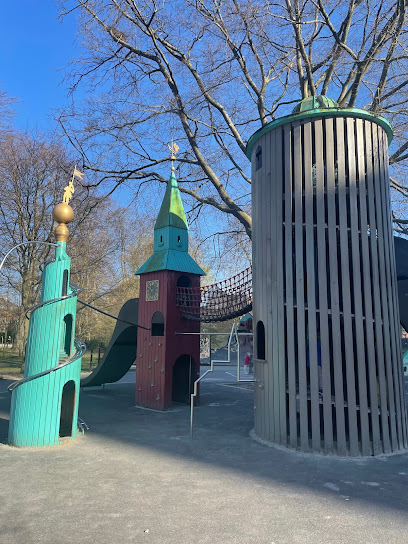
The Tower Playground
11.0 km
Award-winning Copenhagen playground where kids explore & climb miniature city towers; centrally located in Fælledparken with family-friendly facilities.
Folkets Park
11.6 km
Grassroots community spirit, creative play areas, vibrant street art, and urban oasis charm in the heart of Nørrebro’s multicultural Copenhagen.
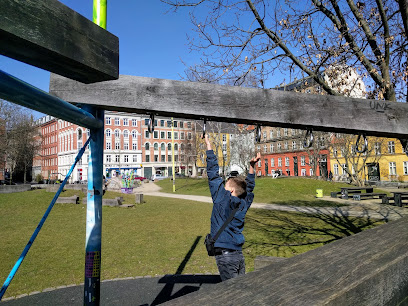
Langelinie
11.8 km
Discover Copenhagen's iconic waterfront promenade, home to the Little Mermaid, historic landmarks, and stunning harbor views, offering a captivating blend of culture and maritime charm.
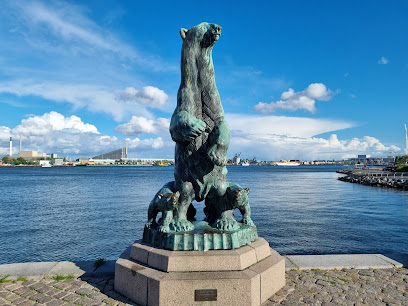
The Genetically Modified Little Mermaid by Bjørn Nørgaard
11.9 km
Aarhus University Park blends stunning natural scenery with iconic Danish architecture, creating a lush urban haven and cultural centerpiece in the heart of Aarhus.
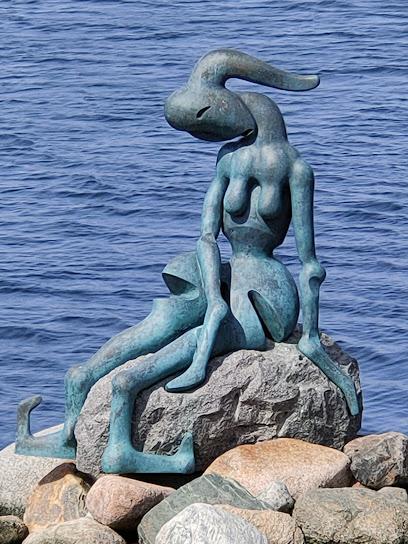
Søtorvet 2
11.9 km
Elegant 1870s residential landmark where French architecture meets Copenhagen's cultural legacy.
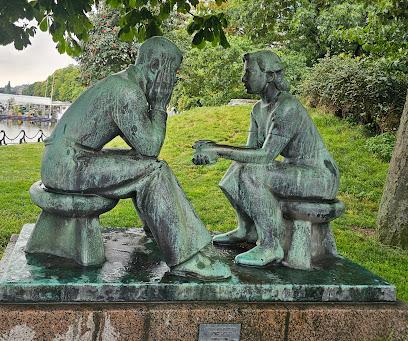
Unmissable attractions to see

Open Air Museum
1.0 km
One of the world’s largest open‑air museums, Frilandsmuseet gathers centuries of Danish rural life into a single village of farms, mills, animals and gardens.
Mindebænk for Viggo Stuckenberg
1.0 km
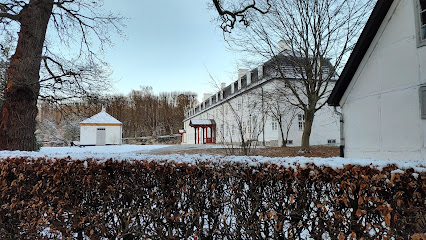
A modest stone-framed bench in Sorgenfri Slotshave, offering a quiet, poetic pause where Viggo Stuckenberg once found inspiration amid royal parkland.
Baadfarten Boat Tour
1.5 km
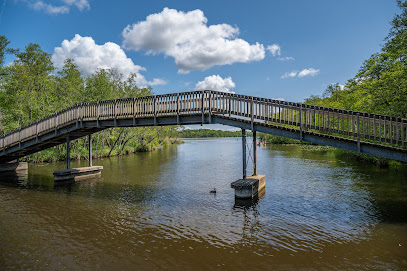
Historic wooden boats, tranquil lakes and forested shores combine on this leisurely North Zealand cruise just outside Copenhagen.
Klopstocks eg
1.6 km
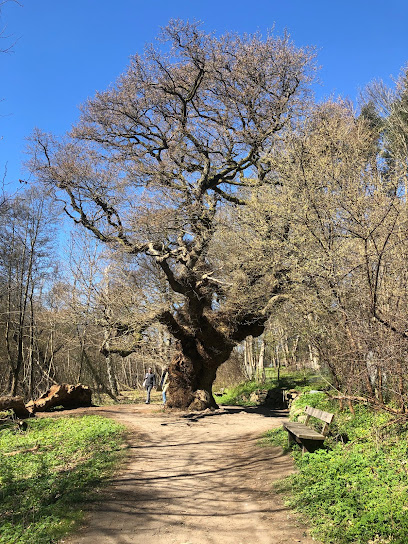
Discover Store Dyrehave in North Zealand: a historic royal deer forest with unique star-shaped paths, tranquil wildlife, and lush woodlands perfect for outdoor adventures.
Lyngby Folkepark
1.7 km
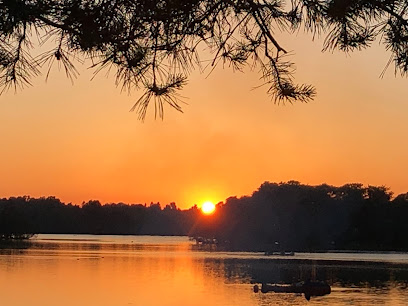
A relaxed patch of green by Lyngby Lake, where everyday walks, dog runs and quiet pauses connect suburban life with the water and woodland north of Copenhagen.
Templet
1.8 km
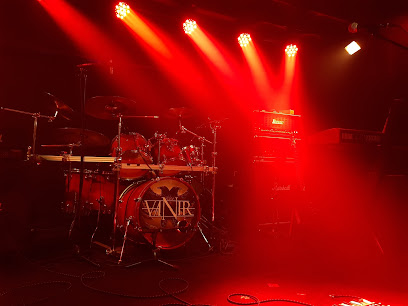
Intimate, no‑frills live venue in Kongens Lyngby where loud guitars, close‑up performances and a local crowd turn a modest room into a night of amplified energy.
Geels Skov
2.1 km
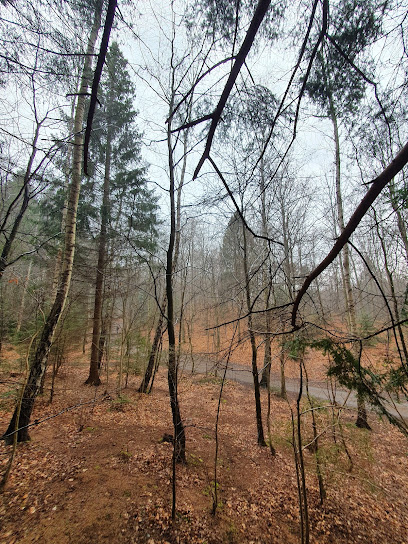
An accessible Copenhagen-edge woodland of beech trees, clear trails and cosy fire pits, Geels Skov is where everyday life slips easily into fresh-air forest time.
Lake Bagsværd
2.3 km
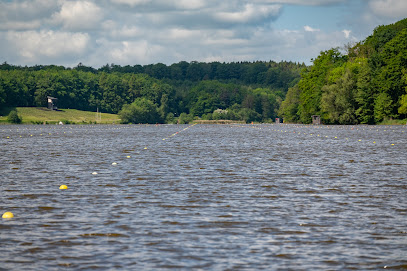
Long, tranquil lake on Copenhagen’s northern fringe, where everyday walks, picnics and wildlife share the shoreline with a world-class rowing course.
Sophienholm
2.3 km
Elegant 18th-century country house turned art hall, set in a romantic landscape park on Bagsværd Lake with changing exhibitions, sculpture-filled lawns and a cosy café.
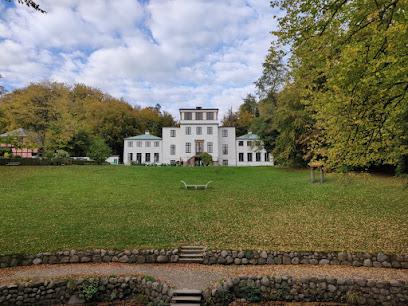
Stendysser
4.4 km
Experience the ancient art of falconry amidst the serene landscapes of Fredensborg at Falkonergården.
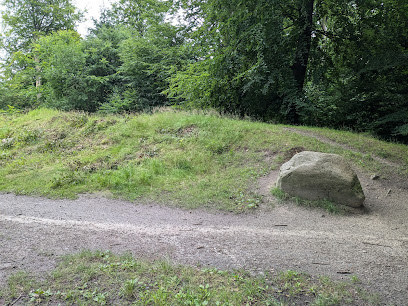
Sommer's Automobile Museum
4.4 km
A three-storey Danish car haven where Jaguars, Volvos and rare home-built specials tell a vivid story of 20th‑century motoring and mechanical passion.
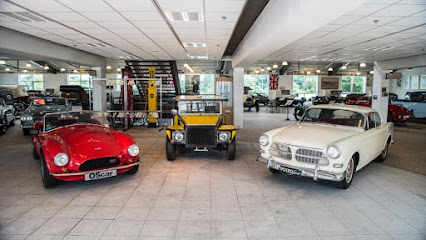
Ordrupgaard
5.0 km
A historic country house turned art museum, where French masters, Danish classics, bold contemporary architecture, and a sculpture-filled park meet in leafy Charlottenlund.
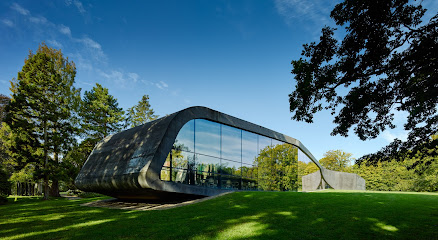
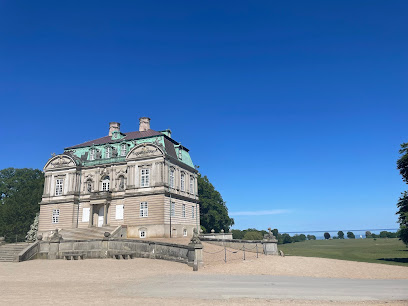
The Hermitage Hunting Lodge
5.2 km
Explore Denmark's rich glass and ceramic heritage at Holmegaard Værk, featuring live demonstrations, extensive collections, and interactive workshops.
Jægersborg Dyrehave
5.2 km
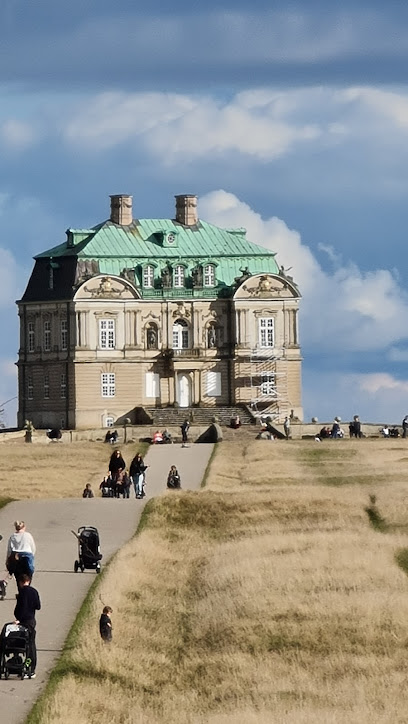
UNESCO-listed royal deer park just north of Copenhagen, where ancient oaks, open meadows and free-roaming herds create a vast, car-free escape from the city.
Vaserne
5.3 km
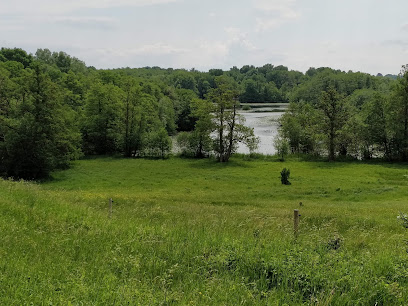
Sheltered between Birkerød and Sjælsø, Vaserne is a protected wetland reserve of reeds, swamp forest and bird-filled lakes offering quietly immersive nature on the city’s edge.
Essential places to dine

Søllerød Kro
3.1 km
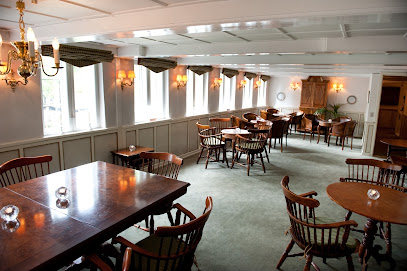
Historic thatched Danish inn turned Michelin-starred dining destination, where refined French-inspired cuisine, deep wines and warm village charm meet by a tranquil pond.
Gro Eatery
9.5 km
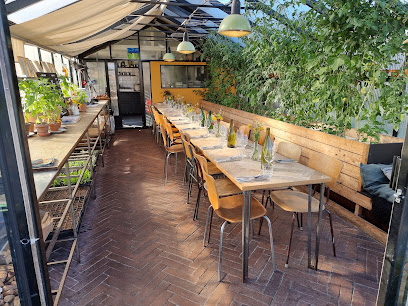
Experience modern Nordic cuisine in an urban rooftop farm setting at Gro Eatery, where seasonal tasting menus and city views meet Danish sustainability in Østerbro.
PAX
10.0 km
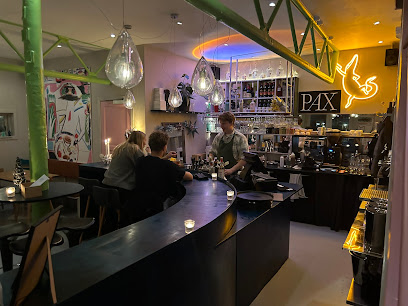
Experience innovative Italian-inspired cuisine in the heart of Østerbro at PAX, where a dynamic menu and cozy ambiance await.
Cafe 33
10.0 km
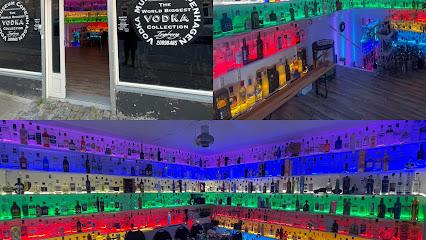
Explore the rich heritage of vodka at Cafe 33's unique Vodka Museum in Vanløse.
Geranium
10.5 km
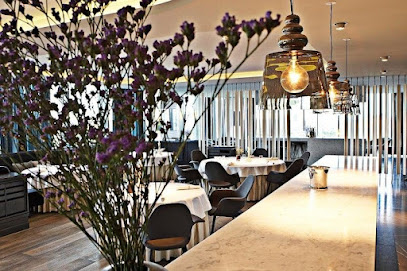
Geranium offers a world-class New Nordic tasting experience in Copenhagen, uniting innovative Scandinavian cuisine, sustainable luxury, and panoramic city views.
Restaurant Madklubben Østerbro
10.6 km
Enjoy approachable modern Danish cuisine and vibrant local life in the stylish heart of Østerbro at Restaurant Madklubben, where good food and great company meet.
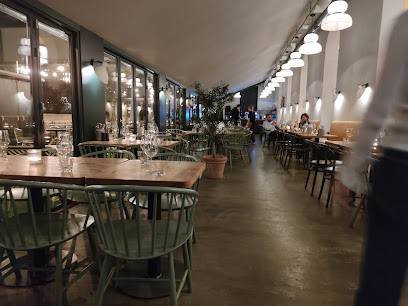
Hos Fischer
10.9 km
Experience authentic Italian trattoria dining and neighborhood hospitality at Hos Fischer, a beloved Østerbro culinary gem near the tranquil green heart of Copenhagen.
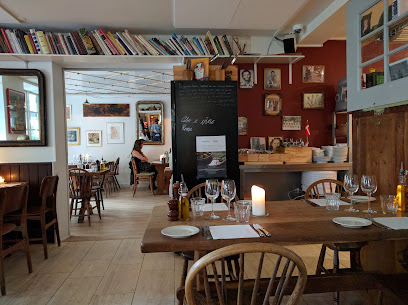
Street Food 108
10.9 km
Experience authentic Turkish cuisine at Street Food 108 in Copenhagen's vibrant Nørrebro district - a delightful taste adventure awaits!
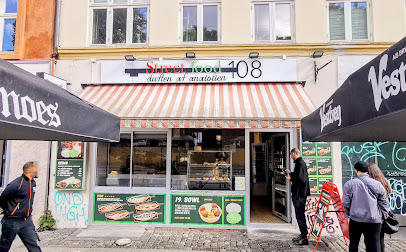
Restaurant Silo
11.0 km
Contemporary Nordic dining and cocktails on the 17th floor of a converted grain silo, with sweeping harbor and city views across Copenhagen’s evolving Nordhavn waterfront.
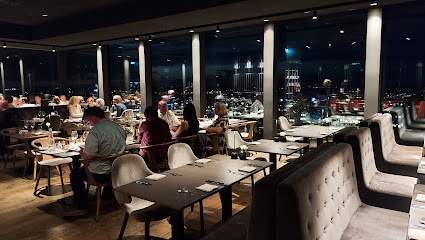
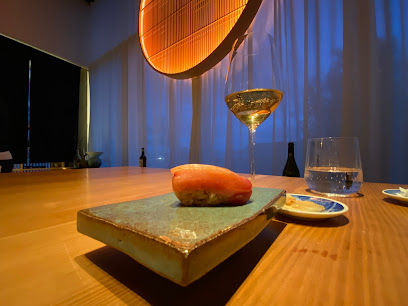
Sushi Anaba
11.1 km
Europe's finest omakase counter, where Nordic seafood meets Tokyo precision in an eight-seat sanctuary of culinary excellence.
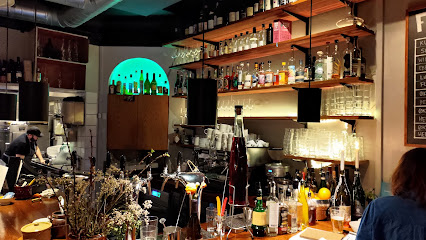
Gaarden & Gaden
11.1 km
Discover Gaarden & Gaden, a stylishly laid-back bistro in Nørrebro, Copenhagen, serving inventive local cuisine and natural wines in a warm, communal setting.
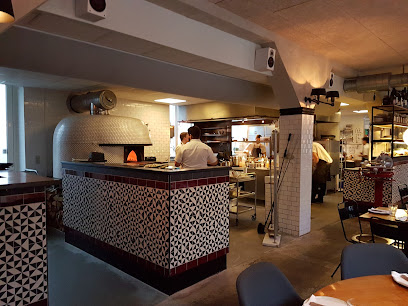
Bæst
11.2 km
Experience Nørrebro’s celebrated Bæst, where organic Italian pizzas and in-house charcuterie meet Scandinavian sustainability and vibrant Danish hospitality.
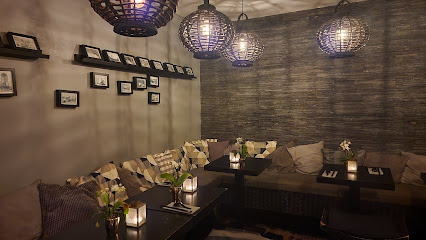
Aroii - Nørrebro
11.2 km
Savor inventive Asian fusion cuisine in lively Nørrebro, where Aroii delivers creative Thai-inspired plates and vibrant ambiance in one of Copenhagen’s buzziest districts.
Kiin Kiin
11.3 km
Michelin-starred Thai restaurant in Copenhagen’s Nørrebro, offering inventive tasting menus and modern fine dining that blend Southeast Asian flavors with Nordic influences.
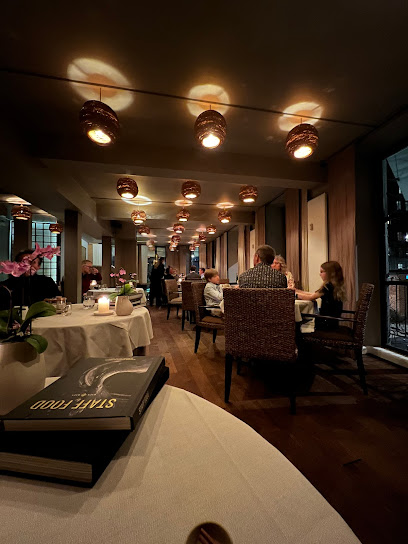
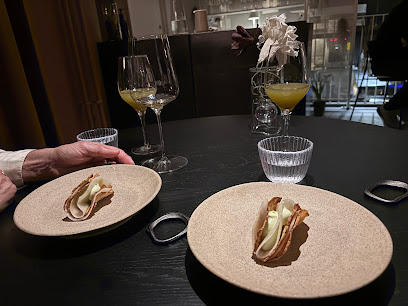
Tèrra
11.3 km
Celebrated for organic Italian-Danish tasting menus and eco-conscious fine dining, Tèrra offers a memorable culinary experience in Copenhagen’s vibrant Østerbro.
Markets, malls and hidden boutiques

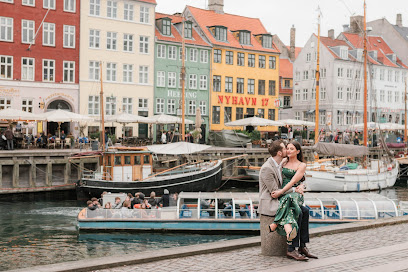
The Late Morning Post Photographer
2.9 km
Fine art wedding and family photography studio capturing authentic moments with artistic vision and warmth.
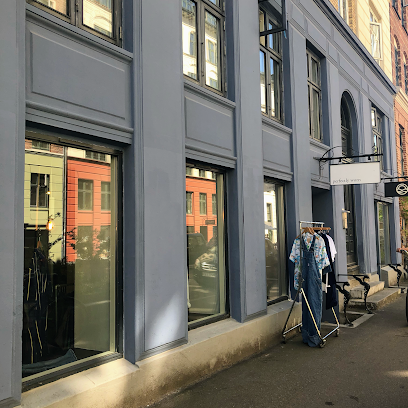
Perfectly Worn Vintage
10.8 km
Discover handpicked vintage gems and timeless fashion in the heart of Nørrebro’s creative district at Perfectly Worn Vintage, Copenhagen’s haven for unique style.
Red Cross Op Shop
10.9 km
A vibrant Østerbro thrift store where sustainable shopping, Danish design, and community spirit support Red Cross humanitarian work.
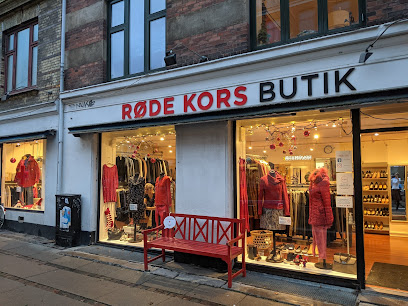
PRAG Nørrebro
11.5 km
PRAG Nørrebro offers a curated vintage shopping experience surrounded by the eclectic energy and cultural vibrancy of Copenhagen’s trendsetting district.
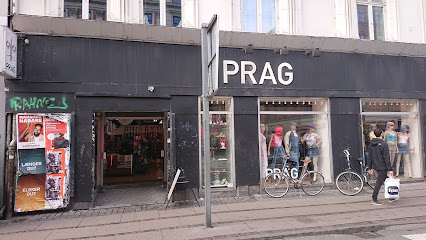
Butik Bungalow
11.7 km
Colorful Danish-Indian design shop in Nørrebro offering hand-printed homeware, unique gifts, and stylish paper goods in a cozy, creative boutique setting.
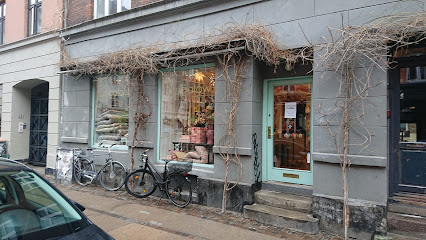
McKorman
11.8 km
Discover McKorman in Nørrebro: Copenhagen’s go-to spot for handpicked streetwear, unique vintage fashion, and urban style essentials for every wardrobe.
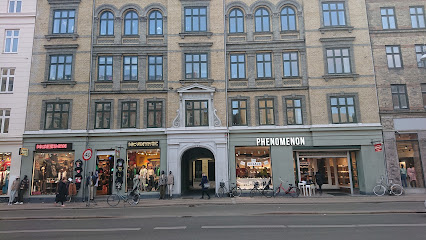
Frederiksberg Centret
11.9 km
Frederiksberg Centret offers a sleek, Scandinavian shopping experience with 90+ stores, cafés, and events in the chic heart of Frederiksberg, steps from the Metro.
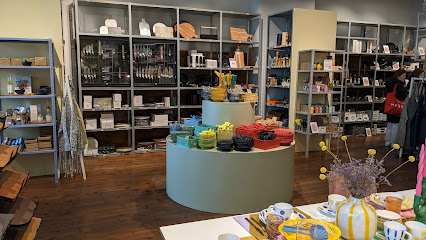
Rødovre Centrum
12.0 km
Denmark’s original modern shopping mall, blending big‑name stores, cinema and family‑friendly leisure in a spacious all‑weather hub west of central Copenhagen.
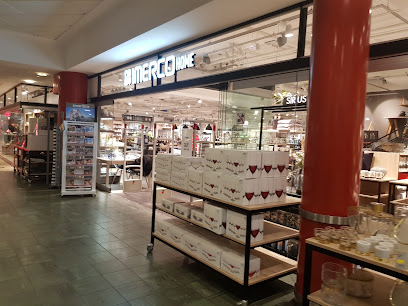
Royal Copenhagen - Outlet
12.1 km
Discover Danish porcelain heritage and timeless design at discounted prices in Frederiksberg’s celebrated Royal Copenhagen Outlet, close to the city’s green heart.
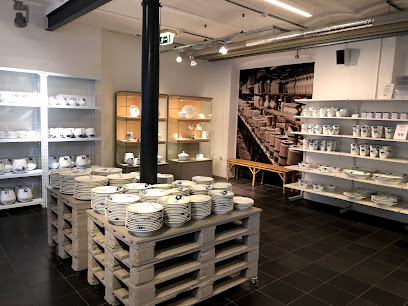
TorvehallerneKBH
12.4 km
A vibrant marketplace in the heart of Copenhagen, TorvehallerneKBH blends Danish culinary tradition with global flavors across over 60 food and drink stalls.
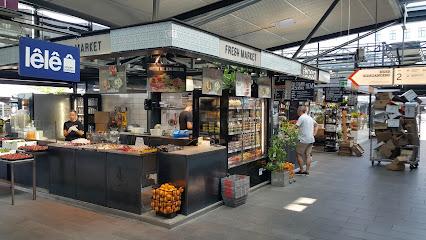
Exotic Mix
12.4 km
Gourmet nuts, dried fruits and chocolate dragées from around the world, served from a colourful family‑run stall inside Copenhagen’s Torvehallerne market.
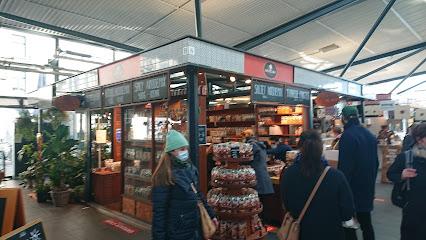
Copenhagen Souvenir & Design World of Memories
12.5 km
Denmark's largest souvenir destination with 2,000+ authentic gifts celebrating Danish design, heritage, and iconic landmarks.
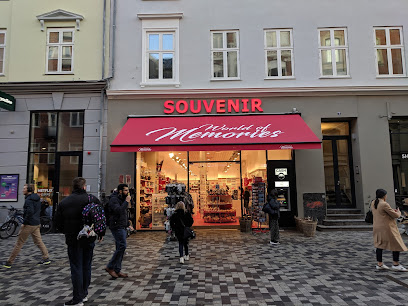
Fjällräven
12.6 km
A compact Fjällräven brand shop on historic Kultorvet, pairing Scandinavian outdoor design with expert gear advice in the heart of Copenhagen’s old town.

Souvenir Gifts shop
12.7 km
Classic Copenhagen souvenirs in a compact, central shop on historic Købmagergade, perfect for last‑minute gifts and easy-to-pack mementos from the Danish capital.
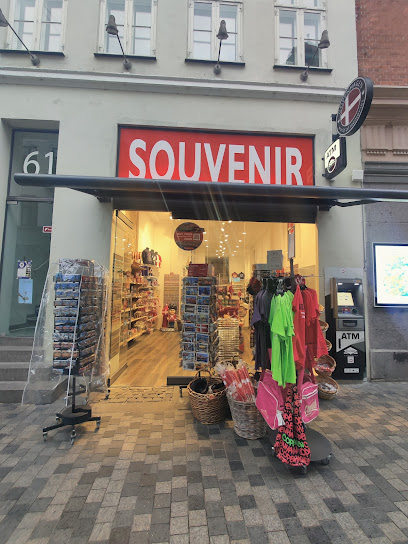
Time's Up Vintage
12.8 km
Discover curated vintage fashion, rare designer finds, and decades of style history at Time’s Up Vintage in Copenhagen’s bustling Indre By.
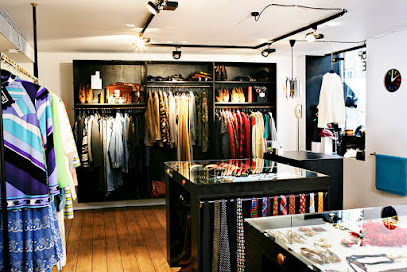
Essential bars & hidden hideouts

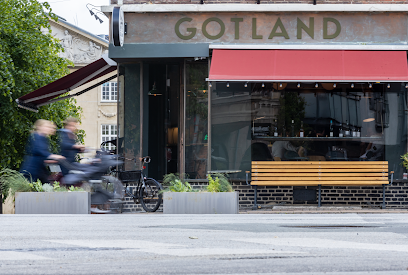
Gotland - Café & Vinbar
9.8 km
Experience the perfect blend of fine wines and cozy café atmosphere at Gotland - Café & Vinbar in Copenhagen.
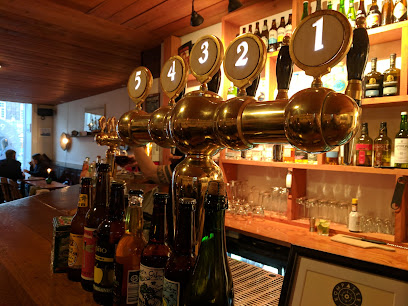
Kompasset Ølbar
10.1 km
Experience Copenhagen's nightlife at Kompasset Ølbar, a vibrant bar in Østerbro known for its craft beers and inviting atmosphere.
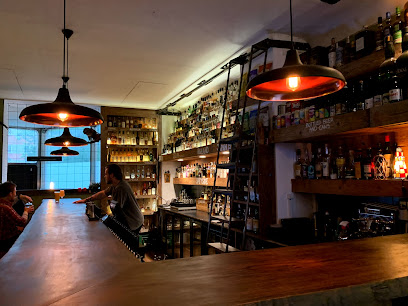
Dispensary, Whisk(e)y And Beer
10.4 km
Discover the heart of Copenhagen's nightlife at Dispensary, Whisk(e)y And Beer, where craft beers and fine whiskies await in a vibrant atmosphere.
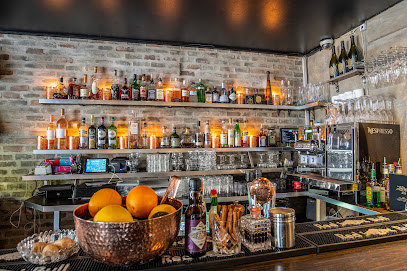
Bubbles Bar
10.5 km
Discover the vibrant atmosphere and exquisite cocktails at Bubbles Bar, Copenhagen's chic nightlife destination for tourists and locals alike.
Tap10
10.5 km
Experience the vibrant nightlife of Copenhagen at Tap10, a cozy bar in Østerbro offering exquisite drinks and a lively atmosphere.
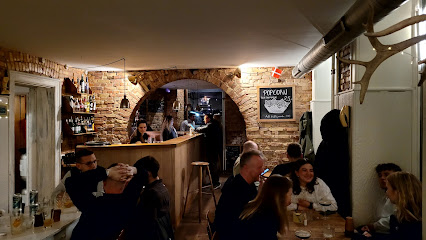
Østerbros Perle Pub
11.0 km
Experience the vibrant atmosphere of Østerbros Perle Pub in København Ø, where locals and tourists unite over drinks and laughter.
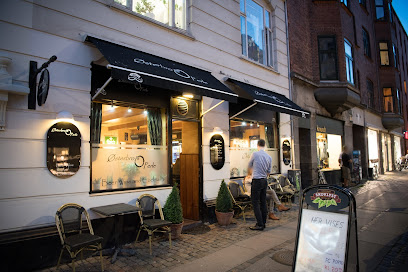
Paloma Vermuteria
11.0 km
Mediterranean vermut culture meets Nordic hospitality in Copenhagen's creative heart.
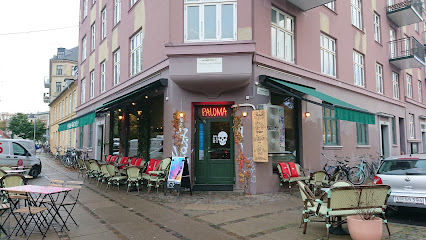
ØB
11.0 km
Experience the best of Copenhagen's nightlife at ØB, where great beer, tasty burgers, and a lively atmosphere come together.
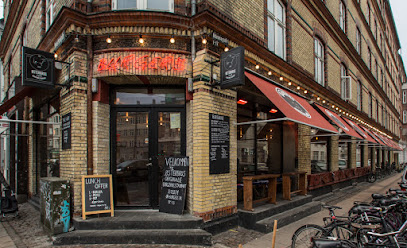
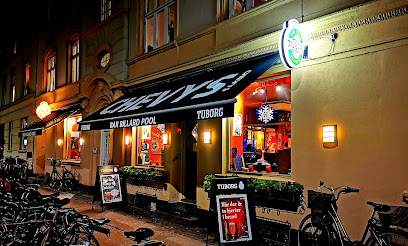
Chevy's
11.1 km
Discover the vibrant atmosphere of Chevy's in Østerbro, Copenhagen—where delicious drinks and good company create unforgettable nights.
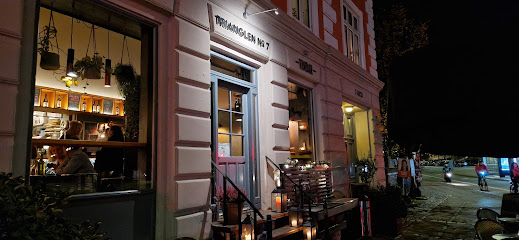
Trianglen 7
11.1 km
Experience the best of Copenhagen wine culture at Trianglen 7, a charming wine bar offering a curated selection and an inviting atmosphere.
Skovbar
11.1 km
Small, punk-spirited and queer-friendly bar in Nørrebro with vegan drinks, inclusive vibes and intimate music nights at budget-friendly prices.
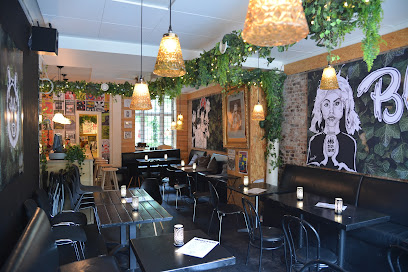
BRUS
11.2 km
Discover the best craft beers and seasonal dishes at BRUS, Copenhagen's top brewpub for foodies and beer lovers alike.
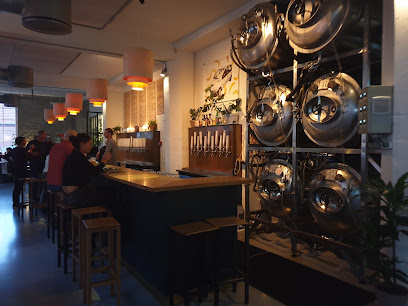
ROOTS Vin Bar & Butik - Østerbro
11.2 km
Explore the finest wines at ROOTS Vin Bar & Butik in Østerbro, Copenhagen – where every sip tells a story.
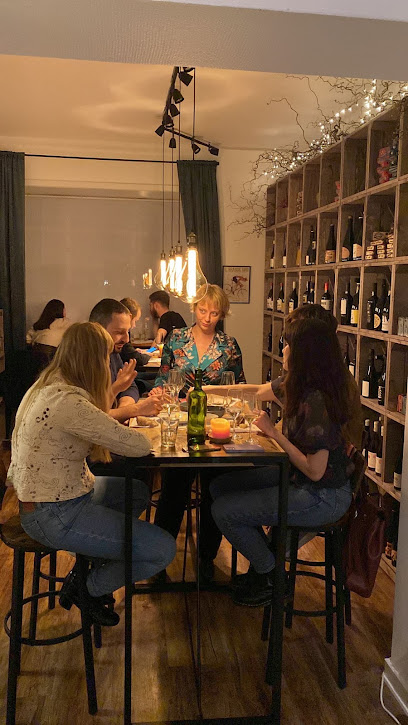
The Mudhoney
11.3 km
Discover The Mudhoney, a stylish cocktail bar in Copenhagen, blending coffee shop charm with expertly crafted cocktails for a perfect night out.
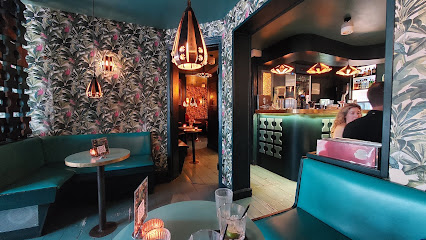
Søernes Ølbar
11.3 km
Discover Søernes Ølbar, a cozy craft beer haven by Copenhagen's lakes, offering an extensive selection of brews and breathtaking views.
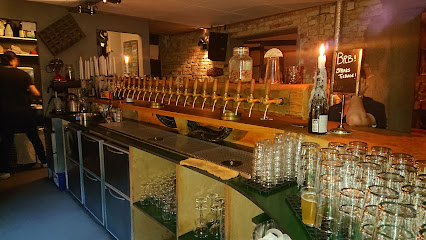
Nightclubs & after hour spots

Afrobeat Palace Nightclub
9.9 km
Discover the energetic Afrobeat Palace Nightclub in Copenhagen, where music, dance, and multicultural vibes unite for an unforgettable nightlife experience.
SIGURD CPH
10.0 km
Discover the pulse of Copenhagen's nightlife at SIGURD CPH, where vibrant dancing, fine wines, and pachinko gaming come together for an unforgettable experience.
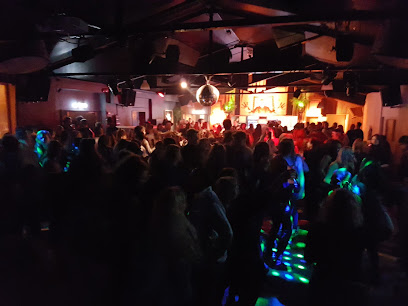
Falafelberg
11.3 km
Discover the pulsating nightlife of Frederiksberg at Falafelberg, a night club offering delicious falafel and electrifying music for an unforgettable experience.
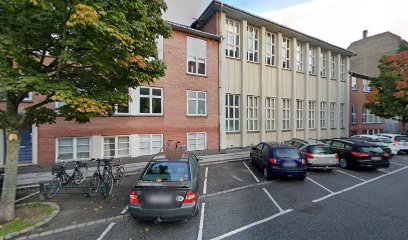
RUST Natklub
11.4 km
Discover the pulsating heart of Copenhagen's nightlife at RUST Natklub, where eclectic beats and vibrant energy come together for an unforgettable experience.
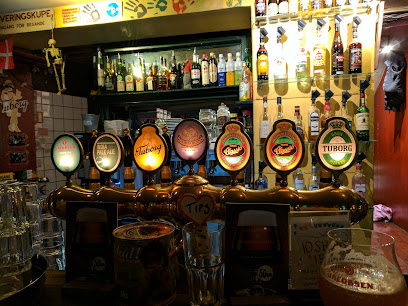
Temple Bar
11.5 km
Discover the energetic vibe of Temple Bar in Nørrebro, Copenhagen, where great drinks and lively entertainment meet.
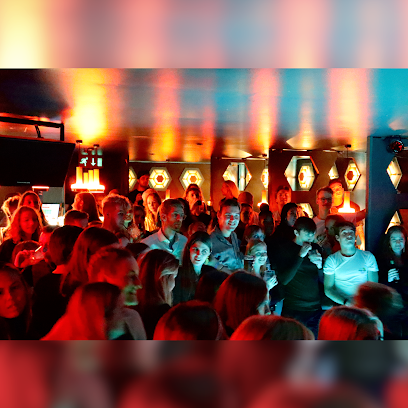
Moon Club
12.3 km
Discover the pulsating nightlife of Copenhagen at Moon Club, where electrifying beats and vibrant energy create unforgettable nights.
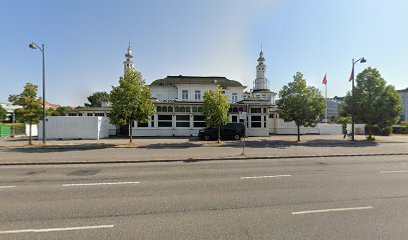
Haven - Events
12.5 km
Discover the electrifying nightlife at Haven, Frederiksberg's top night club, where music, dance, and fun come together for an unforgettable experience.
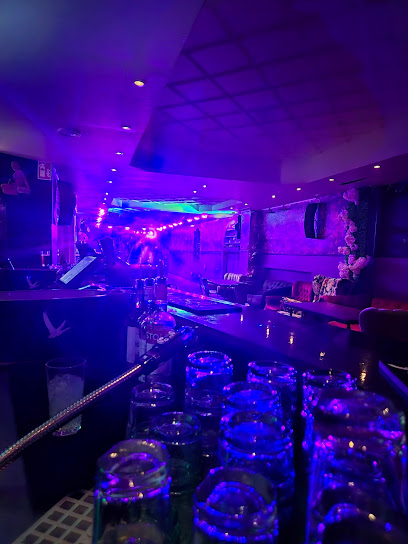
Culture Box
12.5 km
Discover the heartbeat of Copenhagen's nightlife at Culture Box, where music, art, and dance create an unforgettable experience.
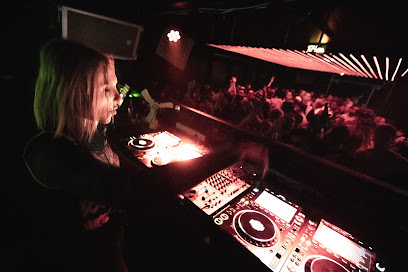
Mirage
12.6 km
Dive into the electrifying nightlife at Mirage, Copenhagen's premier night club for an unforgettable evening of music, dancing, and entertainment.

Arch
12.6 km
Discover the vibrant nightlife of Copenhagen at Arch, a premier night club offering electrifying music and an unforgettable atmosphere.
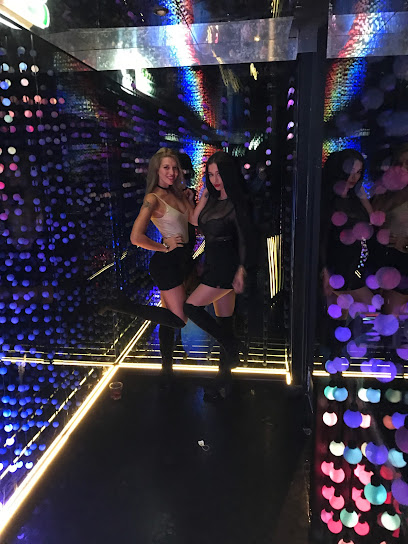
Mini Bar
12.9 km
Discover the vibrant nightlife of Copenhagen at Mini Bar, a premier night club offering eclectic tunes and a lively atmosphere for unforgettable nights.
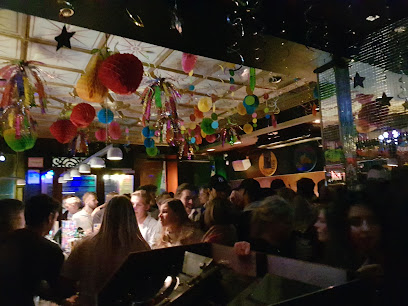
La Terraza
12.9 km
Compact nightclub on Studiestræde in Copenhagen’s old town, offering loud beats, straightforward drinks and an unpretentious late-night dance floor.
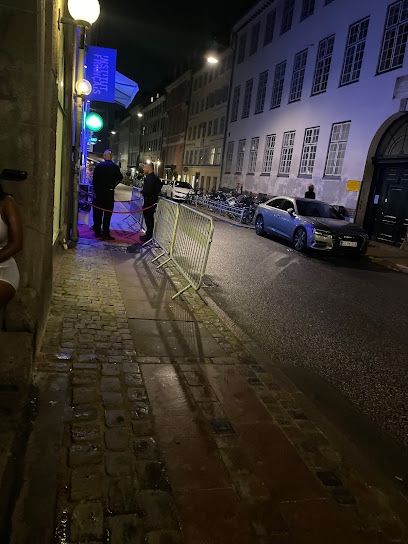
Cosy Bar
12.9 km
Discover the lively atmosphere of Cosy Bar, a top gay nightclub in Copenhagen offering fantastic music, vibrant crowds, and unforgettable nights.
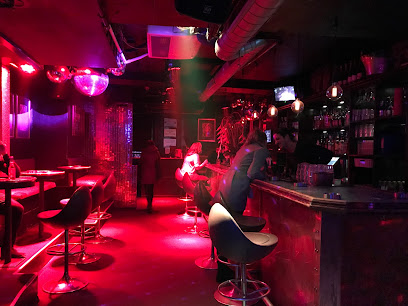
The Jane
12.9 km
Mad Men–style cocktail den and basement nightclub hidden beneath a historic Copenhagen square, with secret rooms, strong drinks and a lively late-night dance floor.
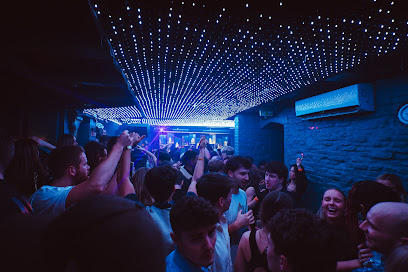
The Zoo
12.9 km
Intimate late-night nightclub on Sværtegade in Copenhagen’s historic center, blending a compact dance floor, DJ-driven beats and a casual, social bar atmosphere.
For the vibe & atmosphere seeker
- Scenic
- Fun-filled
- Relaxing
- Tranquil
- Unique
- Casual
For the design and aesthetic lover
- Rustic Designs
- Vintage Styles
For the architecture buff
- Historic
- Parks & Gardens
- Landmarks
- Heritage Neighborhoods
- Viewpoints
For the view chaser and sunset hunter
- Iconic Views
- Panoramas
- Sunset Spots
For the social media creator & influencer
- Photo Spots
- Instagrammable
- Architectural Shots
- Reel-Friendly
- Selfie Spots
For the eco-conscious traveler
- Low Impact
- Public-Transport Accessible
- Wildlife Habitat
- Locally Managed
For the kind of experience you’re after
- Cultural Heritage
- Photowalk
- Nature Escape
- Day Trip
- Roadtrip Stop
- Adventure Photo Shoot
- Festival / Event Nearby
For how adventurous you want the journey to be
- Easy Access
Location Audience
- Family Friendly
- Child Friendly
- Teen Friendly
- Senior Friendly
- Wheelchair Access
- Solo Friendly
- Couple Friendly
- Solo Female Friendly
- Vegetarian Friendly
- Vegan Friendly
- LGBT Friendly


