

Ribe Water Wheel, Ribe Travel Guide
Free Guide: A quietly turning water wheel on Ribe’s old dam, where rushing river water and medieval streets meet in a small but evocative glimpse of the town’s working past.


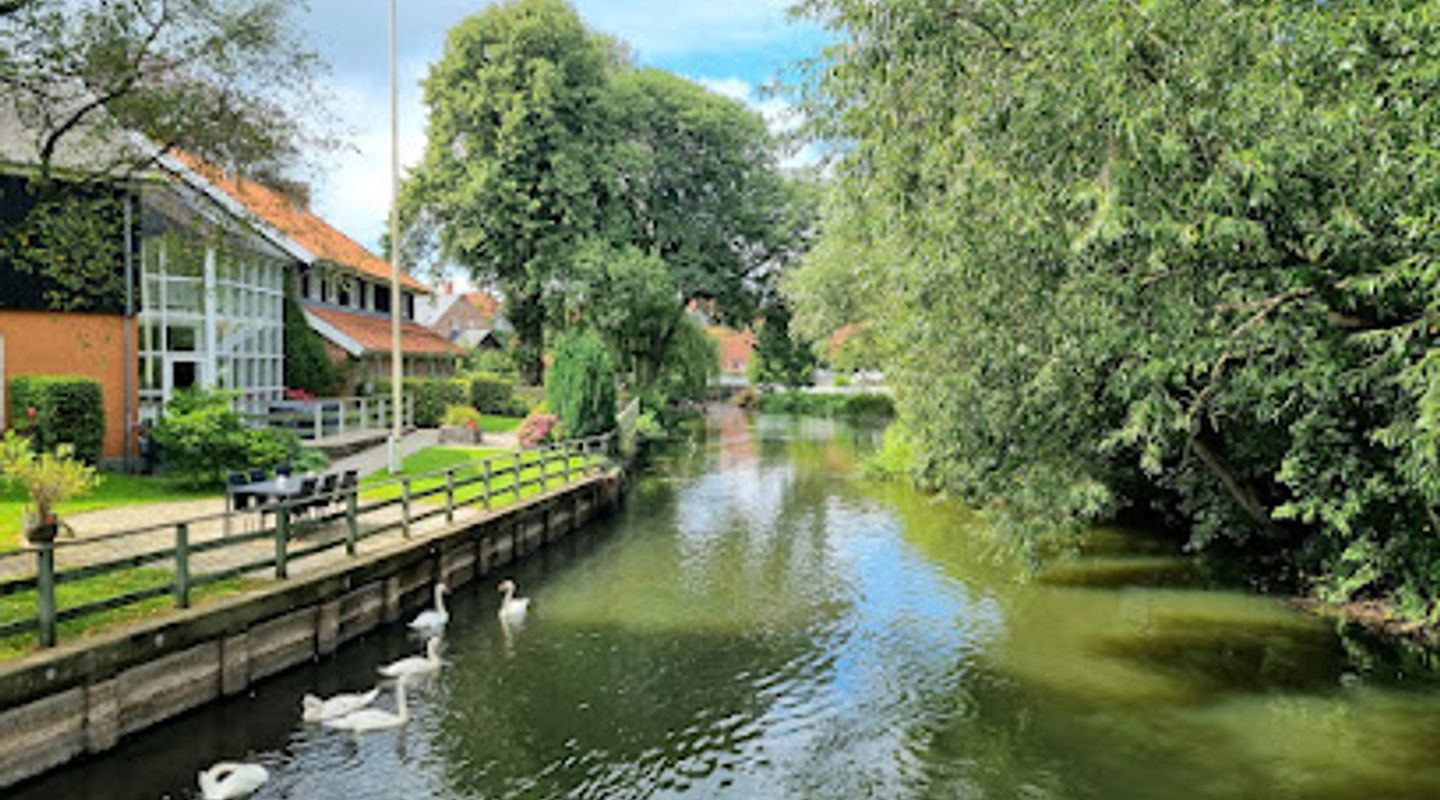
A brief summary of Ribe Water Wheel
A quietly turning water wheel on Ribe’s old dam, where rushing river water and medieval streets meet in a small but evocative glimpse of the town’s working past.
Tucked at the end of Nederdammen in Denmark’s oldest town, the Ribe Water Wheel is a small but evocative reminder of how the river once powered the city’s mills and trade. Set above one of the dam’s fast-flowing channels, the reconstructed wheel turns steadily beside half-timbered houses and cobbled streets, adding the rhythmic splash of water to Ribe’s medieval soundtrack. It is less a standalone attraction than a characterful highlight on a slow wander through the historic centre.
On-site amenities
 Restrooms
 Drink options
 Food options
 Seating areas
 Trash bins
 Information boards
- Address
- Nederdammen 40, 6760 Ribe
Getting there
Train and short walk from Esbjerg
Car from the surrounding Jutland region
Regional bus connection
Discover more about Ribe Water Wheel
Where River Power Shaped Denmark’s Oldest Town
The Ribe Water Wheel stands where the town’s main street, Nederdammen, meets the river, on a dam first created in the 13th century to tame the Ribe Å. Here the river is split into several narrow, rushing channels that once drove the king’s mill and, later, commoners’ mills. Although today only a single wheel remains in operation, it hints at the time when water power was essential for grinding grain, sawing timber and fueling Ribe’s prosperity.In a place whose history stretches back to Viking merchants and medieval traders, this modest wheel is a tangible link to everyday work and ingenuity. The constant turn of wood and iron against the current brings the town’s long economic story down to a human scale: a reminder that grand cathedrals and wealthy merchants depended on this simple, reliable force of water.
Cobbled Corners and Half-Timbered Backdrops
The setting does much of the magic here. The wheel sits beside tightly packed houses with crooked beams, leaded windows and red-tiled roofs, framed by cobblestones worn smooth over centuries. Flower boxes, low doorways and slightly sagging facades create an intimate streetscape that feels unchanged in pace, if not in purpose, since the days of horse-drawn carts and grain sacks.Lean over the railing and you see the water surge through the narrowed channel, white and frothing as it hits the paddles. Step back and the wheel becomes part of a larger scene: spires rising behind the rooftops, the gentle slope of the street towards the river, and the soft northern light reflecting off wet stone after a shower. It is a natural pause point on a stroll through the old town, inviting a few quiet minutes of watching water and people pass by.
The Story of the Dams and the Mills
Ribe’s main street is actually a dam system built in the 1200s to control the river and harness its energy. Overdammen, Mellemdammen and Nederdammen together formed a crossing that divided the water into three roaring streams, each channeled with enough force to turn mill wheels. The surviving Ribe Water Wheel marks where one of these mills once stood, attesting to the engineering behind the picturesque façade.Though the original medieval mills have long since vanished or been modernised, the principle remains clear when you stand here. You can trace the line of the flow, imagine sluice gates being opened or closed to regulate speed, and picture millers negotiating with farmers and townsfolk over water levels. The wheel animates this background story, giving structure to the otherwise tranquil surface of the town’s waterways.
Quiet Moments in the Heart of the Old Town
As an experience, the Ribe Water Wheel is brief yet surprisingly atmospheric. You do not come for interactive displays or big interpretive panels, but for the sensory details: the cold spray in winter, the hum of insects and birds in summer, and the way footsteps echo differently on stone and wood. It is a spot that rewards slow looking and listening, especially in the softer light of morning or late afternoon.Because it is woven into the everyday fabric of the pedestrian street, you will likely share the scene with locals crossing the dam, cyclists wheeling past and other wanderers pausing with cameras in hand. A visit here fits naturally with exploring the cathedral, the harbour and the narrow lanes nearby, forming part of a wider circuit rather than a destination in isolation.
A Photogenic Stop for History Lovers
For photographers and history enthusiasts, the Ribe Water Wheel offers pleasing angles: the curve of the paddles catching the current, reflections in the water, or the juxtaposition of old masonry and moving machinery. On overcast days the muted colours bring out textures in stone and timber; in bright sunshine, shadows from the wheel’s spokes stripe the water below.Even if you spend only a short time at the wheel, it helps anchor Ribe’s story in something concrete and audible. The endless flow under the dam echoes centuries of change, yet the basic relationship between town and river remains the same. Watching the wheel turn, it is easy to imagine earlier generations standing in this very spot, listening to the same steady rush of water and creak of wood.
Evendo Review Centre
 Google
Guest reviews
Best time to go
Quietest: Jan, Feb & Mar · before 8am or at 9pm
Busy times are Evendo estimates for a typical year, to help you plan. Actual crowds vary with events, school holidays and the weather.
Explore Ribe Water Wheel on the map
A handpicked selection of must-see spots near Ribe Water Wheel, mapped for you.
Get your free copy of our complete guide to Ribe Water Wheel, delivered straight to you.
Everything on this page, from opening hours and how to get there to Eve’s tips and the best time to go, in one PDF you can read offline, print or share.
Already have an account? Sign in
Your Ribe Water Wheel guide is ready.
We'll send it to · Not you? Sign out

Getting your guide ready…
We are putting together a fresh copy of the Ribe Water Wheel guide. This can take up to a minute.
This can take a few moments. If your browser asks, choose Allow so the download can start. You'll find the guide in your Downloads folder.
Nothing happened? Download it again
Sorry, the guide is taking longer than usual. Please try again in a minute, or get it by email instead.
Other nearby places you may find interesting
The closest places of the same kind, if this one is not quite what you had in mind.
-
-
-
-
-


Swipe for more places
More to explore near Ribe Water Wheel

 Best experiences near Ribe Water Wheel
 Best hotels near Ribe Water Wheel
 Best landmarks near Ribe Water Wheel
 Best attractions near Ribe Water Wheel
 Best shops near Ribe Water Wheel
 Best restaurants near Ribe Water Wheel
 Best bars near Ribe Water Wheel
Do you manage this location?
Take control to get all the benefits, like improved information, better appearance, and stronger visibility across AI-powered discovery.
Explore more
Explore more of Ribe
Discover Ribe, Denmark's oldest town, where medieval charm meets modern allure. Experience Viking history, stunning architecture, and breathtaking natural wonders.
Explore Ribe
Explore more of Denmark
Discover Denmark: A perfect blend of history, modern design, and the cozy concept of hygge. Explore vibrant cities, serene landscapes, and world-class cuisine.
Explore Denmark
