Hex! Museum of Witch Hunt, Ribe Travel Guide
Free Guide: Explore the chilling history of witch hunts in 16th–17th century Denmark through immersive audio and artifacts in historic Ribe.


A brief summary of Hex! Museum of Witch Hunt
Explore the chilling history of witch hunts in 16th–17th century Denmark through immersive audio and artifacts in historic Ribe.
HEX! Museum of Witch Hunt explores the dark history of witch persecution in 16th and 17th century Denmark and Europe through immersive audio guides, historical artifacts, and compelling visual storytelling. Located in Ribe's historic center—the epicenter of Danish witch trials—the museum tells the tragic story of Maren Spliids, Denmark's most famous witch, burned at the stake in 1641. The exhibition uses interactive screens, period reconstructions, and poignant films to examine why ordinary people feared witches and why women were disproportionately convicted. Suitable for visitors aged 10 and older.
On-site amenities
 Restrooms
 Drink options
 Food options
 Seating areas
 Information boards
 Visitor centre
Opening hours
- Every day10 am–5 pm
Opening hours as listed on the venue’s Google Business Profile. Hours can change for services and special events, so check with the venue before you go.
- Address
- Sortebrødregade 1, 6760 Ribe
- Phone
- Website
Getting there
Bus from Esbjerg
Train to Ribe Station
Car with Parking
Cycling within Ribe
Discover more about Hex! Museum of Witch Hunt
The Dark Heart of European Witch Hunts
HEX! Museum of Witch Hunt tells the chilling story of how fear of witchcraft swept across Denmark and Europe during the 16th and 17th centuries, leading to brutal trials and executions. In Denmark alone, approximately 1,000 people were killed for practicing witchcraft. The museum explores the psychological and social forces that drove ordinary people to believe witches could rob them of their happiness, destroy their livelihoods, and threaten their souls. Through carefully curated exhibitions and immersive audio narratives, visitors encounter the voices and stories of those accused, convicted, and executed—many of them innocent victims of mass hysteria and fear.
Ribe's Central Role in Danish Persecution
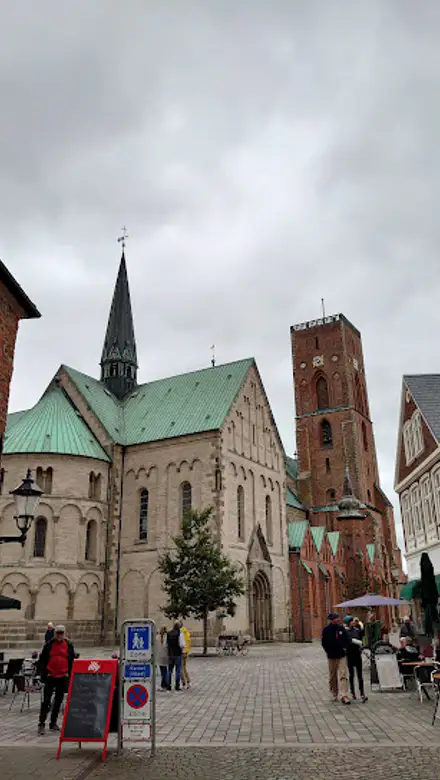
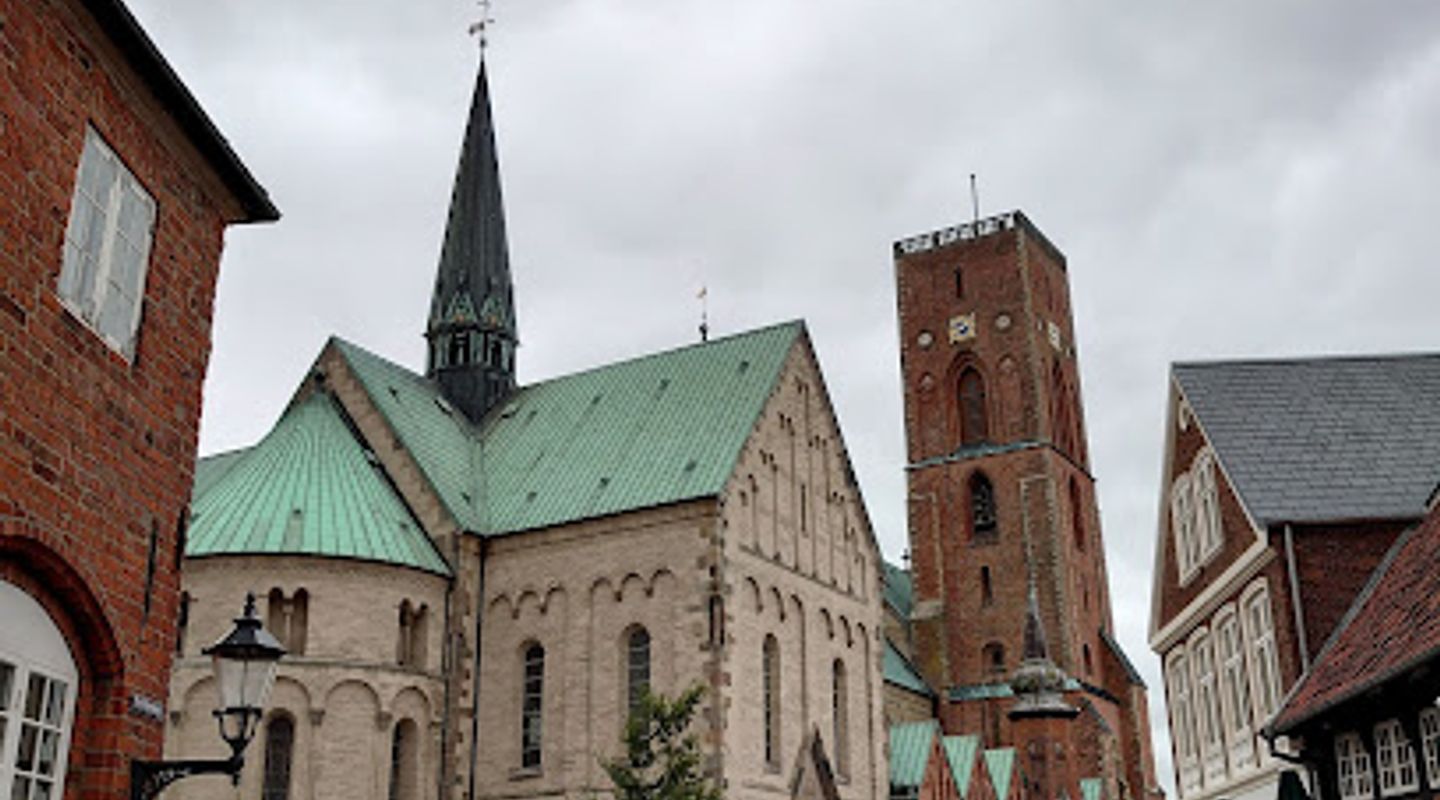
Ribe was the epicenter of Denmark's witch trials, and the museum's location in the heart of the historic town is no accident. The streets surrounding HEX! formed the setting for Denmark's most infamous case: the trial of Maren Spliids, a tailor's wife who was burned at the stake in 1641. Maren's case was extraordinary—she was wealthy, respected, and initially acquitted—yet King Christian IV intervened and ordered her execution. Many of the original buildings from this era still stand, creating an authentic and haunting backdrop that connects visitors directly to the historical events. The museum's presence in these streets transforms the entire town into an open-air memorial to those who perished.
Understanding the Machinery of Fear
The exhibition challenges common misconceptions about witch hunts. Contrary to popular belief, not all victims were women; approximately 10 percent of executed witches in Denmark were men, and across Europe the figure reaches 20–25 percent. The church, often blamed for the persecutions, was not the primary driver in Denmark—rather, common people and nobility initiated the trials. King Christian IV's 1617 prohibition of all forms of magic, both black and white, escalated the hunts catastrophically; in the following eight years, a witch was burned every five days. The museum explores the distinction between elite fears of demonic pacts and common folk's concerns about everyday misfortunes, revealing how both groups weaponized witchcraft accusations.
Immersive Storytelling and Historical Artifacts
The museum employs audio guides in multiple languages to guide visitors through intimate narratives of real people. Two particularly poignant films tell the stories of Lamme Sidsel, largely forgotten by history, and Maren Spliids, whose name was eventually cleared and who is now regarded as a heroine. Interactive screens allow visitors to examine artifacts associated with witches and protective amulets people used to ward off perceived threats. An interactive European map enables visitors to compare persecution patterns across the continent, revealing where trials were most severe and how gender ratios varied by region. The exhibition balances historical rigor with emotional resonance, ensuring that the human tragedy at the heart of these events remains central.
The Building and Atmosphere
HEX! occupies a historic half-timbered house in Ribe's old renaissance center, and the building itself becomes part of the experience. The intimate scale of the rooms, combined with dramatic lighting and carefully designed displays, creates an atmosphere of genuine unease—appropriate to the subject matter. The museum shares its building with the Jacob A. Riis Museum, which tells the story of the Ribe photographer and reformer who emigrated to America. Visitors can purchase combined tickets to explore both institutions, making for a rich cultural experience within a single historic structure.
Visitor Experience and Recommendations
The museum is best experienced with the audio guide, which transforms the exhibition from a visual display into a deeply engaging narrative journey. Most rooms provide seating, allowing visitors to absorb the detailed stories without rushing. Plan to spend 1–2 hours to fully engage with the material. The museum is not recommended for young children due to the darkness of the themes; the museum suggests visitors should be at least 10 years old. The museum shop offers applied art with historical themes, books, posters, hand-dipped candles, mineral soaps, and materials for making personal amulets—small keepsakes that connect visitors to the protective practices of the past.
Evendo Review Centre
 Google
Guest reviews
Best time to go
Quietest: Jan, Feb & Dec · before 9am or from 6pm
Busy times are Evendo estimates for a typical year, to help you plan. Actual crowds vary with events, school holidays and the weather.
Explore Hex! Museum of Witch Hunt on the map
A handpicked selection of must-see spots near Hex! Museum of Witch Hunt, mapped for you.
Get your free copy of our complete guide to Hex! Museum of Witch Hunt, delivered straight to you.
Everything on this page, from opening hours and how to get there to Eve’s tips and the best time to go, in one PDF you can read offline, print or share.
Already have an account? Sign in
Your Hex! Museum of Witch Hunt guide is ready.
We'll send it to · Not you? Sign out

Getting your guide ready…
We are putting together a fresh copy of the Hex! Museum of Witch Hunt guide. This can take up to a minute.
This can take a few moments. If your browser asks, choose Allow so the download can start. You'll find the guide in your Downloads folder.
Nothing happened? Download it again
Sorry, the guide is taking longer than usual. Please try again in a minute, or get it by email instead.
Other nearby places you may find interesting
The closest places of the same kind, if this one is not quite what you had in mind.
-
-
-
-
-


Swipe for more places
More to explore near Hex! Museum of Witch Hunt
-
 Best experiences near Hex! Museum of Witch Hunt
-
 Best hotels near Hex! Museum of Witch Hunt
-
 Best landmarks near Hex! Museum of Witch Hunt
-
 Best attractions near Hex! Museum of Witch Hunt
-
 Best shops near Hex! Museum of Witch Hunt
-
 Best restaurants near Hex! Museum of Witch Hunt
-
 Best bars near Hex! Museum of Witch Hunt


Do you manage this location?
Take control to get all the benefits, like improved information, better appearance, and stronger visibility across AI-powered discovery.
Explore more
Explore more of Ribe
Discover Ribe, Denmark's oldest town, where medieval charm meets modern allure. Experience Viking history, stunning architecture, and breathtaking natural wonders.
Explore Ribe
Explore more of Denmark
Discover Denmark: A perfect blend of history, modern design, and the cozy concept of hygge. Explore vibrant cities, serene landscapes, and world-class cuisine.
Explore Denmark