

Ribe Kunstmuseum, Ribe Travel Guide
Free Guide: Elegant 19th-century villa turned art museum, showcasing Danish masterpieces and a romantic garden with tranquil views towards Ribe Cathedral and the stream.


A brief summary of Ribe Kunstmuseum
Elegant 19th-century villa turned art museum, showcasing Danish masterpieces and a romantic garden with tranquil views towards Ribe Cathedral and the stream.
Ribe Kunstmuseum is one of Denmark’s oldest art museums, housed in a finely restored 19th-century villa in the heart of Ribe. Inside, you’ll find a celebrated collection of Danish art from around 1750–1940, including Golden Age painters, Skagen artists and classic modernists, presented in intimate, light-filled galleries. Outside, a romantic garden with lawns, trees and a pavilion slopes gently towards the stream, framing tranquil views across to Ribe Cathedral and offering a peaceful spot for a coffee or quiet wander.
On-site amenities
 Restrooms
 Drink options
 Food options
 Seating areas
 Sheltered areas
 Trash bins
 Information boards
 Visitor centre
Opening hours
- MonClosed
- Tue11 am–4 pm
- Wed11 am–4 pm
- Thu11 am–4 pm
- Fri11 am–4 pm
- Sat11 am–4 pm
- Sun11 am–4 pm
Opening hours as listed on the venue’s Google Business Profile. Hours can change for services and special events, so check with the venue before you go.
- Address
- Sct Nicolaj Gade 10, 6760 Ribe
- Phone
- Website
Getting there
Train and walk from Esbjerg
Regional bus within South Jutland
Car from the wider Jutland area
Cycling from within Ribe and surroundings
Discover more about Ribe Kunstmuseum
A historic art house in Denmark’s oldest town
Ribe Kunstmuseum sits just a short stroll from the cobbled core of Ribe, Denmark’s oldest town, in a stately villa dating from 1864. The building itself is listed for its architectural value and still feels like a grand private home: high ceilings, period detailing and generous windows create an elegant backdrop for the art. Moving through the rooms, you sense both the intimacy of a domestic space and the careful staging of a museum, with views that constantly reconnect you to the town beyond.The museum has evolved over more than a century into a cornerstone of Danish art history. Its compact scale makes it easy to navigate in one visit while still offering enough depth to reward slow looking. Soft, northern light filters through the windows, and the creak of old floorboards underfoot adds a layer of character that more clinical galleries often lack.
Danish painting from Golden Age to modern breakthrough
The permanent collection focuses on Danish art from roughly 1750 to 1940, giving you a narrative arc from late Enlightenment portraiture to early 20th-century modernism. Works by Golden Age artists capture sunlit interiors, maritime scenes and meticulously observed landscapes, revealing a young nation discovering its visual voice. Nearby, paintings from the Skagen circle bring the luminous skies and windswept dunes of northern Jutland into sharp focus, their loose brushwork and plein air approach hinting at modern currents.Later galleries introduce classic Danish modernists, whose bold compositions and more experimental colour show how the country’s art opened up to European influences. Temporary exhibitions, often devoted to a single artist or a thematic subject, supplement the core collection and can range from sculpture and photography to focused studies of regional landscapes such as the Wadden Sea coast.
Garden tranquility by the Ribe stream
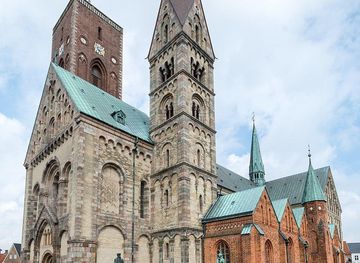
Behind the villa, a romantic garden extends down to the stream that winds past Ribe. It is laid out with lawns, mature trees and flowerbeds, with paths that invite a gentle meander between artworks and nature. A small pavilion near the water’s edge completes the idyll, offering a quiet spot to sit and watch reflections ripple across the surface.From the terrace you can often glimpse the towers of Ribe Cathedral rising over the town’s red roofs, making the garden a fine place to pause between galleries. In good weather, visitors linger here with a coffee, turning a museum visit into a broader experience of landscape and townscape combined.
Spaces for children, curiosity and creative breaks
Inside, the museum includes a studio space and children’s room designed to make art approachable for younger visitors and creative adults alike. Here, simple hands-on activities and materials encourage you to respond to what you have seen in the galleries, whether by drawing, crafting or experimenting with colour.A small café area and a shop round out the visit. The café serves light refreshments in an atmosphere that mirrors the museum’s calm, refined character. The shop focuses on art books, quality design objects and prints, many with a Danish or regional connection, offering a tangible way to take a piece of the experience home.
Planning your time among the canvases
Most visitors find that one to two hours is enough to see the highlights, but art lovers can easily spend longer moving slowly through the rooms or tracing a particular period in depth. The museum’s size makes it suitable for families and those who prefer not to walk great distances, and the largely level interior supports easier access for many mobility needs.Whether you come for a focused encounter with Danish art history, a quiet interlude in the garden, or as part of a wider exploration of Ribe’s heritage, Ribe Kunstmuseum offers a cultured, unhurried experience that feels well integrated with its historic surroundings.
Evendo Review Centre
 Google
Guest reviews
Best time to go
Quietest: Jan, Feb & Mar · before 9am or at 5pm or at 6pm
Busy times are Evendo estimates for a typical year, to help you plan. Actual crowds vary with events, school holidays and the weather.
Explore Ribe Kunstmuseum on the map
A handpicked selection of must-see spots near Ribe Kunstmuseum, mapped for you.
Get your free copy of our complete guide to Ribe Kunstmuseum, delivered straight to you.
Everything on this page, from opening hours and how to get there to Eve’s tips and the best time to go, in one PDF you can read offline, print or share.
Already have an account? Sign in
Your Ribe Kunstmuseum guide is ready.
We'll send it to · Not you? Sign out

Getting your guide ready…
We are putting together a fresh copy of the Ribe Kunstmuseum guide. This can take up to a minute.
This can take a few moments. If your browser asks, choose Allow so the download can start. You'll find the guide in your Downloads folder.
Nothing happened? Download it again
Sorry, the guide is taking longer than usual. Please try again in a minute, or get it by email instead.
Other nearby places you may find interesting
The closest places of the same kind, if this one is not quite what you had in mind.
-
-
-
-
-


Swipe for more places
More to explore near Ribe Kunstmuseum

 Best experiences near Ribe Kunstmuseum
 Best hotels near Ribe Kunstmuseum
 Best landmarks near Ribe Kunstmuseum
 Best attractions near Ribe Kunstmuseum
 Best shops near Ribe Kunstmuseum
 Best restaurants near Ribe Kunstmuseum
 Best bars near Ribe Kunstmuseum
Do you manage this location?
Take control to get all the benefits, like improved information, better appearance, and stronger visibility across AI-powered discovery.
Explore more
Explore more of Ribe
Discover Ribe, Denmark's oldest town, where medieval charm meets modern allure. Experience Viking history, stunning architecture, and breathtaking natural wonders.
Explore Ribe
Explore more of Denmark
Discover Denmark: A perfect blend of history, modern design, and the cozy concept of hygge. Explore vibrant cities, serene landscapes, and world-class cuisine.
Explore Denmark
