

Det Gamle Rådhus Ribe, Ribe Travel Guide
Free Guide: Compact in size but rich in stories, Ribe’s Old Town Hall reveals centuries of justice, ceremony and civic life within an atmospheric medieval shell.


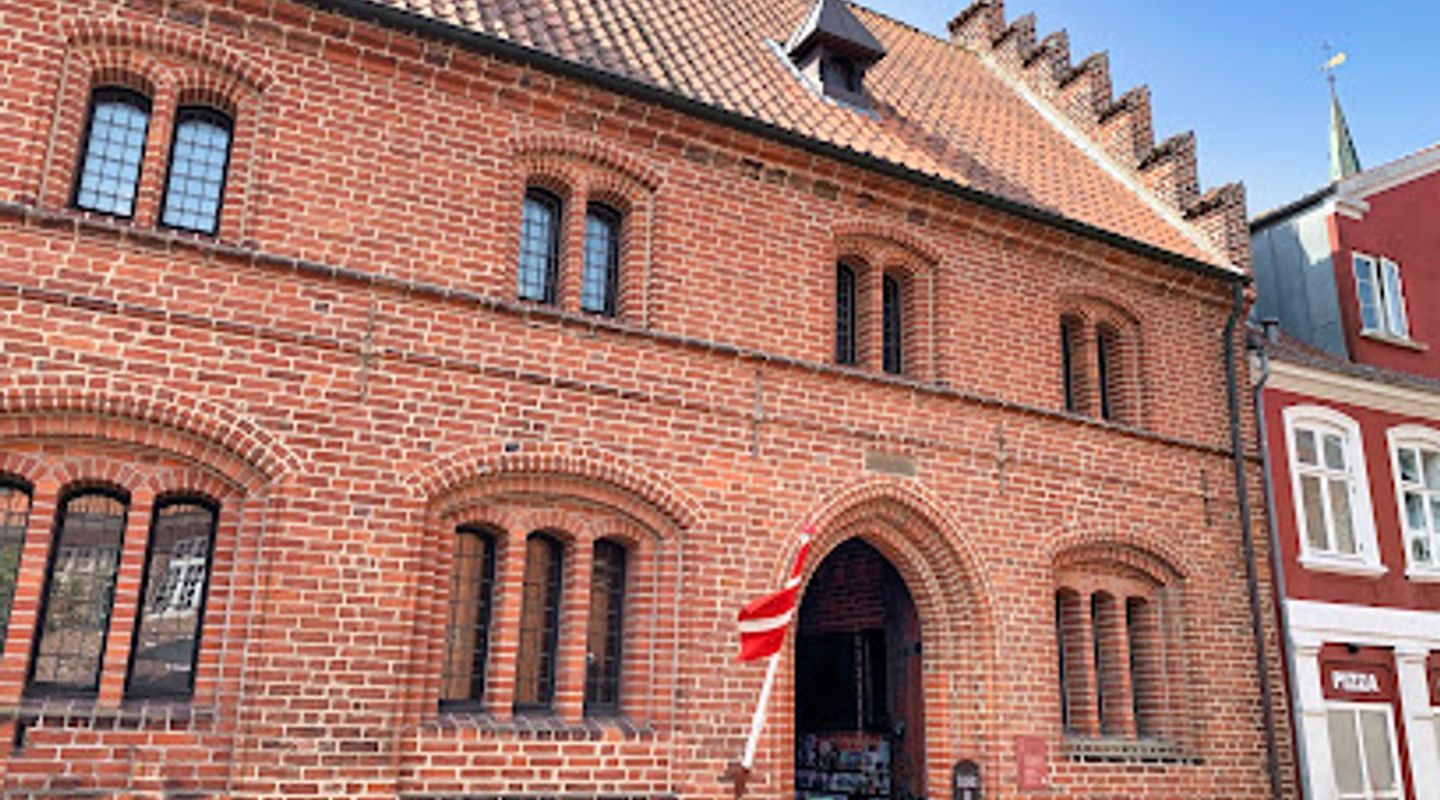
A brief summary of Det Gamle Rådhus Ribe
Compact in size but rich in stories, Ribe’s Old Town Hall reveals centuries of justice, ceremony and civic life within an atmospheric medieval shell.
Set on cobbled Von Støckens Plads in Denmark’s oldest town, Det Gamle Rådhus is a compact yet atmospheric former town hall where justice was once dispensed, prisoners were kept behind bars and city politics played out for centuries. Today, its timbered rooms host a small historical exhibition, intimate weddings, and guided activities linked to Ribe’s famous night watchmen, offering a vivid glimpse into the town’s civic past in an evocative medieval setting.
On-site amenities
 Restrooms
 Seating areas
 Trash bins
 Information boards
Opening hours
- Mon1 pm–3:30 pm
- Tue1 pm–3:30 pm
- Wed1 pm–3:30 pm
- Thu1 pm–3:30 pm
- Fri1 pm–3:30 pm
- SatClosed
- SunClosed
Opening hours as listed on the venue’s Google Business Profile. Hours can change for services and special events, so check with the venue before you go.
- Address
- Von Støckens Plads 1, 6760 Ribe
- Phone
- Website
Getting there
Train and walking from Ribe Station
Car access and parking at edge of old town
Local bus within the Ribe–Esbjerg area
Discover more about Det Gamle Rådhus Ribe
A Medieval Power House in Miniature
Det Gamle Rådhus sits just off Ribe’s main streets, a low, slightly crooked building that once concentrated civic power into a surprisingly small footprint. Originally built as two separate houses and later joined, it evolved over centuries as Ribe grew from Viking trading post to important market town. From the outside, the town hall blends into the streetscape of red brick, timber frames and steep roofs, yet a closer look reveals details that hint at its former authority: heavy doors, thick walls and discreet coats of arms.Stepping inside, you move from open square to enclosed rooms that once saw tense deliberations and solemn ceremonies. The building’s modest scale is part of its charm; it feels more like an old merchant’s house than a grand civic palace, making the history played out here feel close and personal rather than distant and monumental.
Courts, Cells and Civic Decisions
For centuries this was where local justice was administered, city affairs debated and records kept. Court sessions were held in panelled rooms where merchants, farmers and townsfolk pled their cases under the watchful eye of magistrates. Nearby, simple yet stark cells confined those awaiting judgment, a tangible reminder that the building’s picturesque character once had a much harder edge.As Ribe developed, the town hall adapted too, accommodating new administrative needs, refurbishments and changing legal systems. Today, remnants of barred windows, thick doors and worn stone thresholds offer subtle clues to its former life. The small exhibition helps connect these traces, outlining how law, trade and religion intertwined in a town that has seen more than a thousand years of Danish history unfold around it.
The Civic Hall and Life’s Big Moments
One of the highlights is the elegant civic hall, now used for wedding ceremonies and special events. Sunlight falls across polished wooden floors, painted details and old furnishings, giving the room a warm, slightly theatrical atmosphere. Here, couples tie the knot surrounded by layers of history, while other guests use the space for receptions, talks or intimate gatherings.This contemporary use fits naturally with the building’s past role as a meeting place for the town’s leading citizens. Instead of council debates, the hall now hosts toasts, speeches and photographs, ensuring the building remains woven into Ribe’s everyday life rather than preserved as a static relic. On quieter days, the hall’s calm, almost hushed ambiance encourages you to pause, look closely at the craftsmanship and imagine earlier assemblies.
Home of Night Watchmen and Storytellers
Det Gamle Rådhus also serves as a base for Ribe’s famous night watchmen and local guides, who bring the town’s stories to life on evening and daytime walks. Cloaked figures with lanterns and halberds traditionally set off from here to patrol the streets, singing old verses and recounting episodes of fires, floods and fortunes lost or won.Even if you do not join a tour, knowing that these walks start and end at the town hall adds another layer to a visit. The building becomes a launchpad for exploring the wider historic centre, linking its formal civic past with the more atmospheric, story-driven experiences that define Ribe today.
Experiencing the Old Town Hall Today
Visits to Det Gamle Rådhus are compact but rewarding, often fitting comfortably into a broader stroll through Ribe’s medieval core. Opening hours are limited to selected afternoons on weekdays, so timing your stop is important if you want to step inside rather than just admire the exterior.Once through the door, the atmosphere feels informal and welcoming. Displays are small but focused, giving context without overwhelming you, while the historic rooms themselves remain the main attraction. Combined with nearby sights such as the cathedral and riverside, the old town hall rounds out an understanding of Ribe not just as a museum-piece town, but as a place where administration, ceremony and daily life have coexisted for centuries.
Evendo Review Centre
 Google
Guest reviews
Best time to go
Quietest: Jan, Feb & Mar · before 9am or from 10pm
Busy times are Evendo estimates for a typical year, to help you plan. Actual crowds vary with events, school holidays and the weather.
Explore Det Gamle Rådhus Ribe on the map
A handpicked selection of must-see spots near Det Gamle Rådhus Ribe, mapped for you.
Get your free copy of our complete guide to Det Gamle Rådhus Ribe, delivered straight to you.
Everything on this page, from opening hours and how to get there to Eve’s tips and the best time to go, in one PDF you can read offline, print or share.
Already have an account? Sign in
Your Det Gamle Rådhus Ribe guide is ready.
We'll send it to · Not you? Sign out

Getting your guide ready…
We are putting together a fresh copy of the Det Gamle Rådhus Ribe guide. This can take up to a minute.
This can take a few moments. If your browser asks, choose Allow so the download can start. You'll find the guide in your Downloads folder.
Nothing happened? Download it again
Sorry, the guide is taking longer than usual. Please try again in a minute, or get it by email instead.
Other nearby places you may find interesting
The closest places of the same kind, if this one is not quite what you had in mind.
-
-
-
-
-


Swipe for more places
More to explore near Det Gamle Rådhus Ribe

 Best experiences near Det Gamle Rådhus Ribe
 Best hotels near Det Gamle Rådhus Ribe
 Best landmarks near Det Gamle Rådhus Ribe
 Best attractions near Det Gamle Rådhus Ribe
 Best shops near Det Gamle Rådhus Ribe
 Best restaurants near Det Gamle Rådhus Ribe
 Best bars near Det Gamle Rådhus Ribe
Do you manage this location?
Take control to get all the benefits, like improved information, better appearance, and stronger visibility across AI-powered discovery.
Explore more
Explore more of Ribe
Discover Ribe, Denmark's oldest town, where medieval charm meets modern allure. Experience Viking history, stunning architecture, and breathtaking natural wonders.
Explore Ribe
Explore more of Denmark
Discover Denmark: A perfect blend of history, modern design, and the cozy concept of hygge. Explore vibrant cities, serene landscapes, and world-class cuisine.
Explore Denmark
