

Kildehuset, Roskilde Travel Guide
Free Guide: A modest former schoolhouse tucked into a cobbled lane, Kildehuset reveals Roskilde’s quieter side through small‑scale history and intimate streetscape.


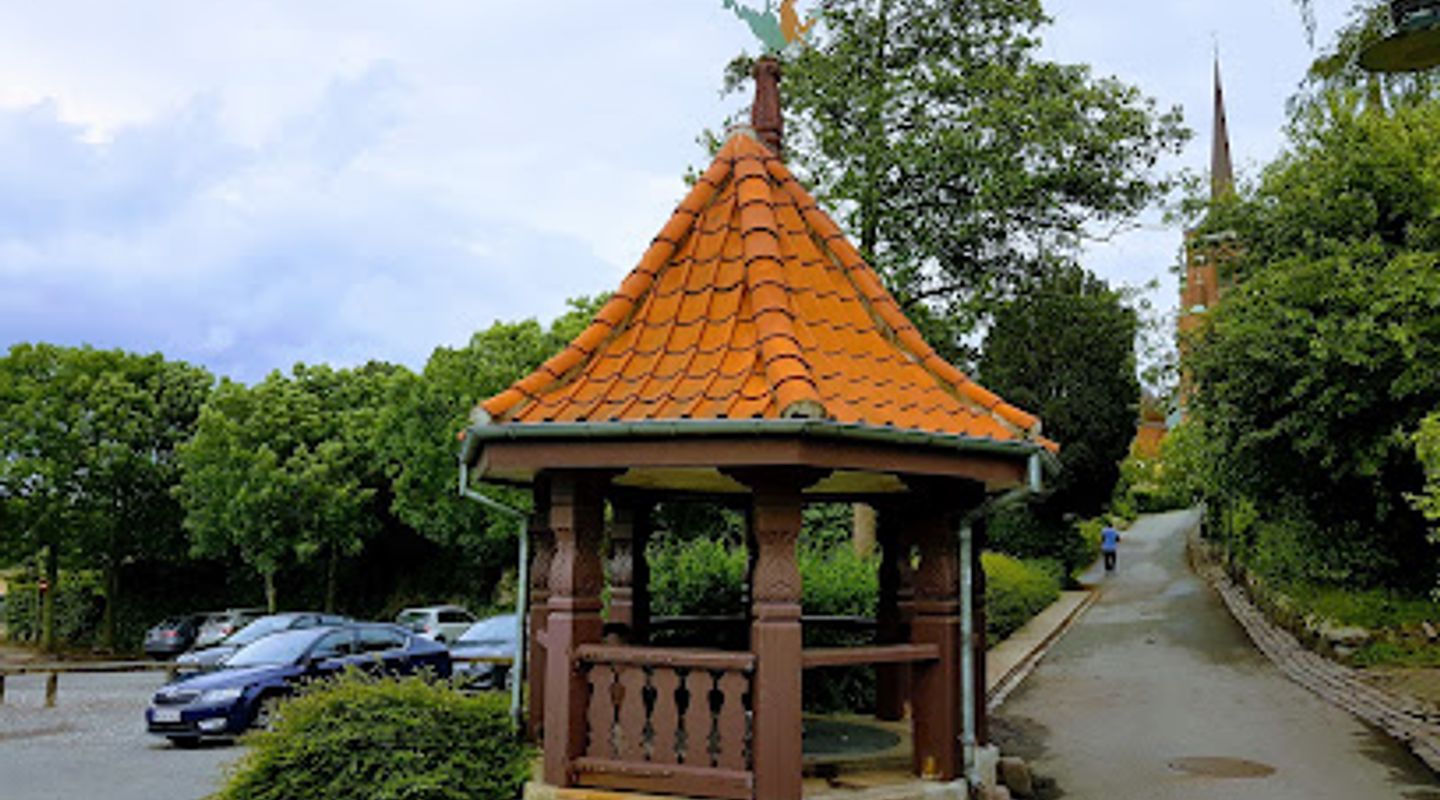
A brief summary of Kildehuset
A modest former schoolhouse tucked into a cobbled lane, Kildehuset reveals Roskilde’s quieter side through small‑scale history and intimate streetscape.
Tucked into the cobbled backstreets of old Roskilde, Kildehuset at Lille Maglekildestræde 8 is a modest, historically rooted house linked to the city’s educational life. Once part of the setting for a local private school, it sits among low, traditional buildings and crooked lanes that evoke the small-scale charm of 19th‑century Roskilde. Today it is a quiet, low‑key stop for those who enjoy reading the town’s past directly from its streetscape.
On-site amenities
 Restrooms
 Drink options
 Drinking water
 Food options
 Seating areas
 Trash bins
 Information boards
- Address
- Lille Maglekildestræde 8, 4000 Roskilde
Getting there
Train and walk from Roskilde Station
Local bus and short walk within Roskilde
Car or taxi within Roskilde and nearby towns
Discover more about Kildehuset
A quiet corner in old Roskilde
Kildehuset stands on Lille Maglekildestræde, one of the intimate backstreets that lace through Roskilde’s old townscape just below the cathedral plateau. The lane is narrow, gently curving and lined with low houses whose roofs and façades tell of several centuries of everyday life. Here, away from the main shopping streets, Roskilde shrinks to a village scale: cobbles underfoot, small gardens behind fences, and glimpses of church towers above the roofline.Set among these buildings, Kildehuset does not shout for attention. Its charm lies in how naturally it fits into the urban fabric, echoing the modest proportions and vernacular character that once dominated the town. It forms part of a streetscape where the story is not grand monuments, but the slow accumulation of lives lived in close quarters.
From schoolhouse days to local landmark
Kildehuset is closely associated with the development of private schooling in Roskilde during the late 19th century. Historical accounts from the Roskilde Private Realskole describe Kildehuset in Lille Maglekildestræde as one of the school’s early premises and its oldest entrance, a place where pupils would arrive on dark winter mornings to the glow of petroleum lamps and the warmth of a tiled stove.Those schoolday vignettes give the house a literary, almost cinematic quality: boys hurrying in from the cold, the smell of extinguished lamps at the end of lessons, and the formal routines of a strict but formative education. Though the interior use has changed over time, the building still carries this association with learning and the steady rhythm of everyday routines.
Architecture on a human scale
Architecturally, Kildehuset belongs to a long Roskilde tradition of small houses built in simple, robust styles. You are likely to find features such as a compact gabled roof, modest detailing around doors and windows, and a façade that sits right at the edge of the street, reflecting older patterns of urban life where every square meter mattered.The building’s value is less in decorative flourishes and more in proportion and context. It helps illustrate how Roskilde grew around its cathedral and market streets, infilling back lanes with dwellings, workshops and small institutions. In a city known for grand brick churches and royal tombs, Kildehuset shows the quieter, domestic side of the story.
Experiencing the street and surroundings
Visiting Kildehuset is primarily an outdoor, streetscape experience. Travelers come to pause, photograph the lane, and imagine the routines that once played out here: children lining up at the entrance, teachers crossing the yard, neighbors exchanging news by the doorway. The low façades and close building line create an almost theatrical backdrop where you supply the script.Because the lane is compact and largely residential in character, the atmosphere changes with the time of day. Morning light catches roof tiles and pastel walls, while late afternoon brings softer shadows that emphasize textures in brick and timber. Even a grey, misty day can suit the setting, underlining its gently worn, historical feel.
Link in Roskilde’s historical chain
Kildehuset also helps bridge several strands of Roskilde’s history: the shift from a church‑dominated town to a more modern civic community, the rise of formal schooling, and the gradual preservation of older quarters rather than their replacement. Nearby streets and buildings echo this narrative, creating a compact area where you can read centuries of change just by walking a few minutes.Seen in this light, the house becomes more than a single address. It is one piece in a network of small, historically resonant structures that give Roskilde its depth and texture. Spending time here invites you to slow down, notice details and connect the modest scale of Kildehuset with the larger story of the town around it.
Evendo Review Centre
 Google
Guest reviews
Best time to go
Quietest: Jan, Feb & Nov · before 7am or from 7pm
Busy times are Evendo estimates for a typical year, to help you plan. Actual crowds vary with events, school holidays and the weather.
Explore Kildehuset on the map
A handpicked selection of must-see spots near Kildehuset, mapped for you.
Get your free copy of our complete guide to Kildehuset, delivered straight to you.
Everything on this page, from opening hours and how to get there to Eve’s tips and the best time to go, in one PDF you can read offline, print or share.
Already have an account? Sign in
Your Kildehuset guide is ready.
We'll send it to · Not you? Sign out

Getting your guide ready…
We are putting together a fresh copy of the Kildehuset guide. This can take up to a minute.
This can take a few moments. If your browser asks, choose Allow so the download can start. You'll find the guide in your Downloads folder.
Nothing happened? Download it again
Sorry, the guide is taking longer than usual. Please try again in a minute, or get it by email instead.
Other nearby places you may find interesting
The closest places of the same kind, if this one is not quite what you had in mind.
-
-
-

-
-


Swipe for more places
More to explore near Kildehuset

 Best experiences near Kildehuset
 Best hotels near Kildehuset
 Best landmarks near Kildehuset
 Best attractions near Kildehuset
 Best shops near Kildehuset
 Best restaurants near Kildehuset
 Best bars near Kildehuset
Do you manage this location?
Take control to get all the benefits, like improved information, better appearance, and stronger visibility across AI-powered discovery.
Explore more

Explore more of Roskilde
Discover Roskilde: A blend of rich history, Viking heritage, and vibrant music culture in the heart of Denmark, just a short journey from Copenhagen.
Explore Roskilde
Explore more of Denmark
Discover Denmark: A perfect blend of history, modern design, and the cozy concept of hygge. Explore vibrant cities, serene landscapes, and world-class cuisine.
Explore Denmark
