Background

Viking Ship Museum, Roskilde

Original Viking ships, cutting-edge archaeology and a living boatyard unite on Roskilde Fjord to tell the story of how seafaring defined the Viking Age.

4.5

Viking ships on the edge of the fjord

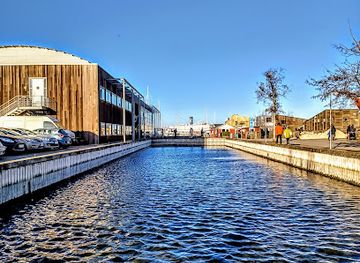
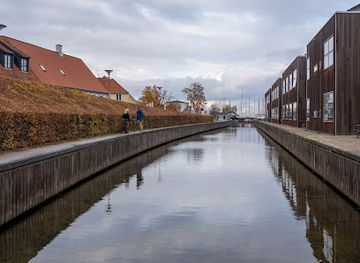
The Viking Ship Museum sits on Roskilde’s waterfront, where low modern buildings open directly onto the calm waters of the fjord. Here, geography and history merge: these were the same waters that Viking traders, warriors and fishermen once navigated, and the museum uses this setting as a living backdrop for its story. Fresh air, the smell of tarred timber and the clink of rigging against masts make the transition from modern harbour to maritime past feel surprisingly natural. The museum was created around a unique archaeological discovery: five Viking ships deliberately sunk in the fjord to form a defensive barrier. Raised from the mud in the 1960s, they revealed an extraordinary cross-section of Viking maritime technology, from sleek warship to sturdy cargo carrier. Today, they are displayed as the museum’s heart and guiding theme.

The Skuldelev fleet at the museum’s core

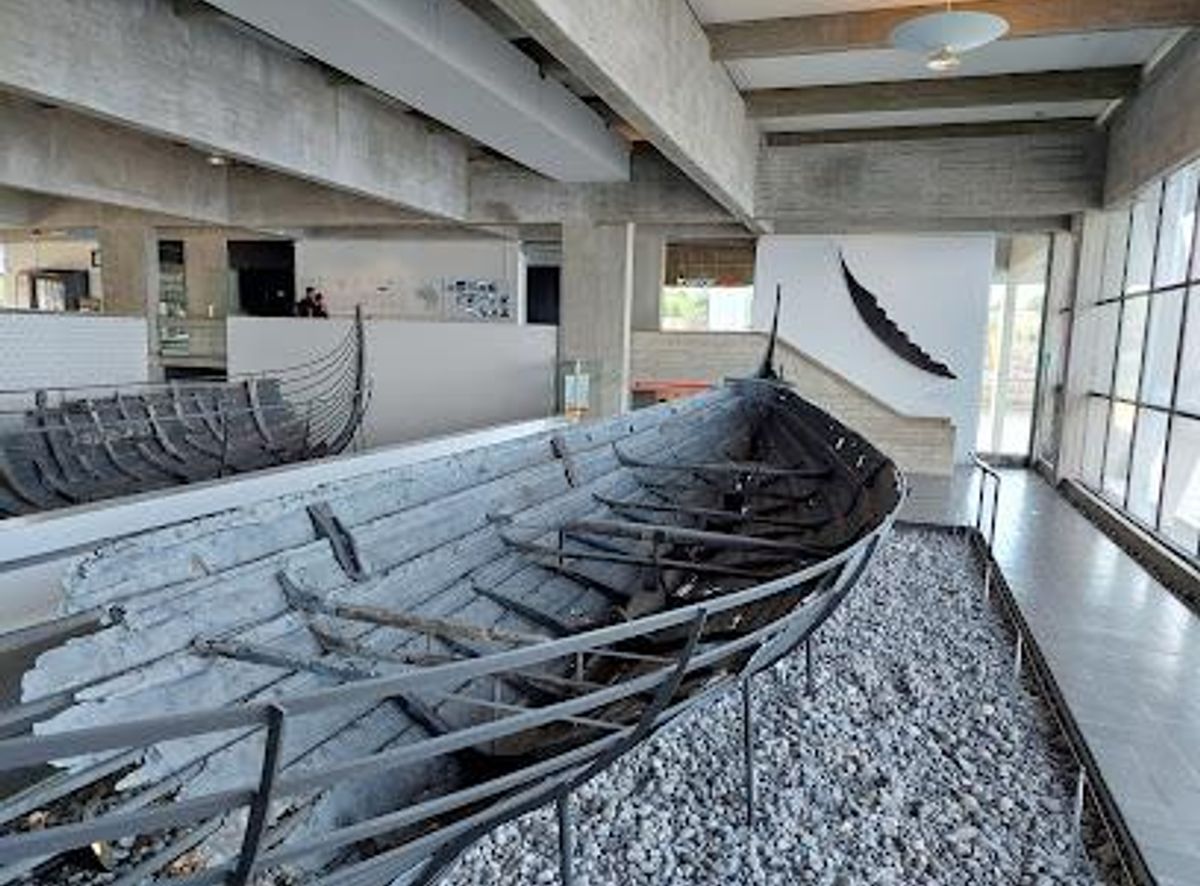
Inside the main ship hall, light filters through tall panes of glass, silhouetting the dark, skeletal frames of the original Skuldelev vessels. Each ship tells a different story. One is a swift warship designed for speed and raiding, with a long, narrow hull and shallow draft. Another is a robust ocean-going trader, built to carry heavy cargo across the North Sea. Smaller, more local boats speak of fishing, ferrying and everyday travel along coasts and up rivers. Simple but clear interpretation panels explain the construction methods, wood types and design choices that made these ships so effective. Reassembled from thousands of fragments, the timbers are supported by discreet metal frameworks that suggest each vessel’s original shape without overwhelming the ancient wood. The overall impression is quiet, almost reverent: a study of how shipbuilding defined the Viking Age.

Brutalist architecture framing a maritime story

The ship hall itself is a noteworthy piece of Danish architecture. Built in the late 1960s as a national museum for ancient and medieval seafaring, it follows a brutalist approach, with exposed concrete beams, tall vertical fins and a powerful sense of simplicity. From the inside, the architecture works like a giant display case, placing the fragile ships against the changing light over the fjord. The split-level interior allows you to see the vessels both at eye level and from above, highlighting their lines much as you might view them from a quayside or nearby shore. Large windows blur the boundary between museum and landscape, reinforcing the idea that these ships were not isolated objects but tools for exploration, warfare and trade in a wider North Atlantic world.

Living boatyard and hands-on crafts

Step outside and the museum’s character changes from contemplative to tactile. On the Museum Island and around the harbour, the boatyard buzzes with activity as craftsmen shape oak planks, forge iron nails and mix sticky pine tar, using methods reconstructed from archaeological evidence. The rhythm of axes biting into wood and the sweet, smoky scent of tar give a strong sense of how labour-intensive Viking shipbuilding really was. In designated activity areas, visitors can try simple maritime crafts that echo Viking skills: twisting rope, carving small pieces of wood, or learning about sailcloth. Seasonal family programmes introduce children to shields, helmets and daily life, often with the chance to step inside reconstructed boats or small exhibition spaces set at their height. Rather than a static display, the entire site feels like a workshop in constant experimental archaeology.

Sailing replicas and the spirit of exploration

Down at the quaysides, full-scale reconstructions of Viking ships line the harbour. Some are direct replicas of the Skuldelev finds, painstakingly rebuilt using only historically appropriate tools and materials. Others are traditional Nordic wooden boats that show how Viking maritime heritage continues into the present day. Their colourful shields, rigging and carved details offer a vivid counterpoint to the fragile originals indoors. In the warmer months, the museum offers short sailing trips on the fjord in these reconstructed vessels. Crews explain rowing techniques, basic sail handling and how Viking captains would have read wind, currents and coastline features. Out on the water, with low gunwales and the sound of the hull slicing through the fjord, it becomes easier to imagine long voyages to distant markets and monasteries.

Café, quiet corners and seasonal rhythm

A small café overlooking the harbour serves simple dishes inspired by ingredients known from the Viking world, providing a pleasant pause between exhibits. Indoors and out, there are benches and low walls where you can sit and watch the activity on the fjord or the ongoing work in the boatyard. The museum’s atmosphere changes with the seasons. In winter, the focus shifts to the indoor ship hall and workshops, with a starker light on the fjord beyond. In summer, the outdoor areas come fully alive with sailing, demonstrations and open-air activities. At any time of year, the combination of archaeological evidence, architecture and living craftsmanship offers an unusually complete picture of how ships shaped the Viking Age.

Local tips

  • Begin in the ship hall to see the original Skuldelev vessels before exploring the outdoor boatyard and harbour; this sequence makes the replicas and workshops much easier to appreciate.
  • Allow at least two to three hours, and consider a morning visit on weekdays for a calmer experience and more space around the ship displays.
  • In summer, book any Viking ship sailing trip in advance, and bring a light waterproof layer—conditions on the fjord can be cooler and breezier than in town.
  • If visiting with children, look out for seasonal activity zones and dedicated family areas on the Museum Island to break up time in the main exhibition hall.
  • Combine the museum with nearby Roskilde Cathedral for a full day focused on Denmark’s early history and its shift from Viking chieftains to Christian kings.
widget icon

Buy tickets

    No tickets available

Book tours with entry

    No tours available

Book tours without entry

    No tours available

A brief summary to Viking Ship Museum

  • Monday 10 am-4 pm
  • Tuesday 10 am-4 pm
  • Wednesday 10 am-4 pm
  • Thursday 10 am-4 pm
  • Friday 10 am-4 pm
  • Saturday 10 am-4 pm
  • Sunday 10 am-4 pm

Getting There

  • Train from Copenhagen plus walk

    From Copenhagen Central Station, frequent regional trains reach Roskilde Station in about 25–30 minutes. Standard adult tickets typically cost around 80–110 DKK one way in 2025 prices. From Roskilde Station, the museum is roughly a 20-minute walk on generally level pavements, suitable for most visitors with basic mobility, though weather and wind along the fjord can make the walk feel exposed.

  • Train from Copenhagen plus local bus

    If you prefer to minimise walking, take the same regional train to Roskilde and then transfer to a local city bus heading towards the harbour area; combined travel time is usually 35–45 minutes. A single bus fare within Roskilde is commonly in the range of 20–30 DKK, and services run regularly during the day. Buses are low-floor, making this the most straightforward option for travellers with limited mobility or young children in strollers.

  • Car from Copenhagen or across Zealand

    Driving from central Copenhagen to the museum typically takes 35–45 minutes outside rush hour via the main motorway network. Expect fuel and operating costs roughly equivalent to 60–100 DKK each way, excluding any bridge tolls if you are coming from further west on Zealand or Funen. Parking is available near the harbour area but can become busy on summer weekends and school holidays, so arriving earlier in the day gives a better chance of finding a convenient space.

Popular Experiences near Viking Ship Museum

Popular Hotels near Viking Ship Museum

Select Currency