
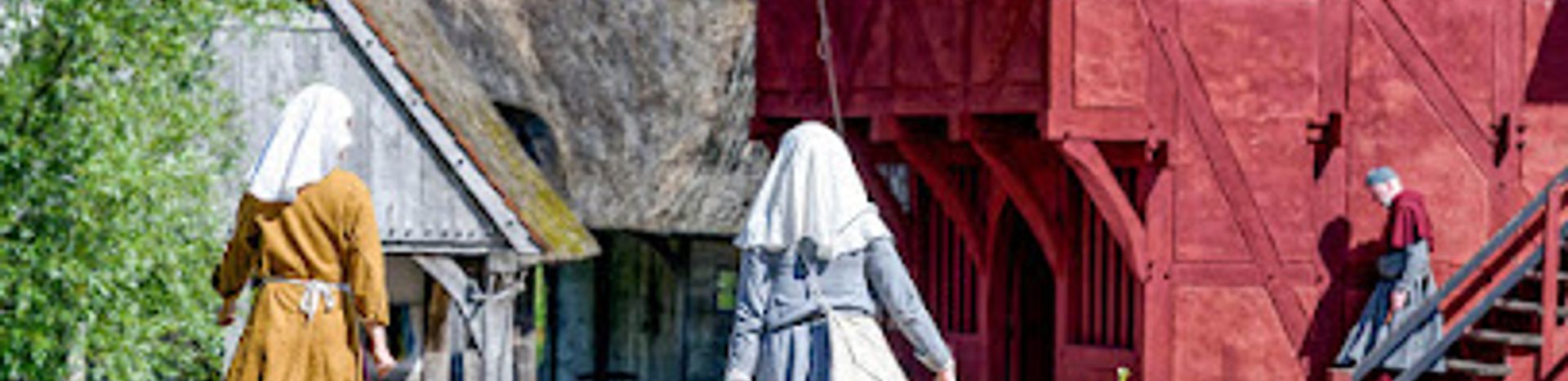
The Medieval Center (Middelaldercentret), Nykøbing Falster
Travel back to 1400 in a full‑scale medieval town where craftsmen work, knights clash in tournaments and a giant trebuchet hurls stones over Guldborgsund.
The Medieval Center on the shore of Guldborgsund is a living-history open‑air museum that recreates a Danish market town around 1400. Costumed craftsmen, merchants and townsfolk bring the streets of Sundkøbing to life with daily activities, from blacksmithing and weaving to cooking and weapon demonstrations. Knightly tournaments, roaring cannons and the world’s largest working trebuchet make this one of Denmark’s most immersive family attractions.
A brief summary to The Medieval Center
- Indgang, Ved Hamborgskoven 2, 4, Nykøbing Falster, 4800, DK
- +4554861934
- Visit website
- Duration: 3 to 6 hours
- Mid ranged
-
 Outdoor
- Mobile reception: 4 out of 5
- Monday 10 am-4 pm
- Tuesday 10 am-4 pm
- Wednesday 10 am-4 pm
- Thursday 10 am-4 pm
- Friday 10 am-4 pm
- Saturday 10 am-4 pm
- Sunday 10 am-4 pm
Local tips
- Arrive close to opening time to follow the full daily program of tournaments, trebuchet firings and weapon demonstrations at a relaxed pace.
- Wear sturdy shoes and layered clothing; much of the experience is outdoors on uneven, sometimes muddy ground, and coastal weather can change quickly.
- Bring a packed lunch if you prefer flexible mealtimes; there are designated picnic areas, and the on-site food hut mainly serves light snacks and simple dishes.
- Allow time to talk with the costumed staff in the houses and workshops; their knowledge and in-character conversations add depth to the town’s stories.
- For children, the forest trails and activity areas can be intense; assess younger kids’ tolerance for loud cannon blasts and slightly spooky storytelling.

For the on-the-go comforts that matter to you
- Restrooms
- Drink Options
- Drinking Water
- Food Options
- Seating Areas
- Picnic Areas
- Trash Bins
- Information Boards
- Visitor Center
- Sheltered Areas
Getting There
-
Regional train and local bus from Copenhagen
From Copenhagen, take a regional train towards Nykøbing Falster; direct services typically take around 1 hour 45 minutes to 2 hours. From Nykøbing Falster station, local buses run towards Sundby and the Medieval Center area in roughly 10–20 minutes, with services more frequent on weekdays than weekends. A one-way adult rail ticket from Copenhagen to Nykøbing Falster usually costs about 160–230 DKK, while the short bus leg is in the range of 20–35 DKK. Allow extra time for possible waiting between train and bus, and note that some buses may follow reduced schedules outside the main season.
-
Car from Nykøbing Falster town center
From central Nykøbing Falster, driving to the Medieval Center typically takes 8–15 minutes depending on traffic. The route uses main local roads and is straightforward, with no special vehicle requirements. Parking is available by the entrance area and is generally free or low-cost during opening hours, but spaces can fill during school holidays and special events. Fuel costs for the short drive are minimal, though tolls do not apply on this stretch.
-
Bicycle from Nykøbing Falster and surrounding area
Active travelers can cycle from Nykøbing Falster to the Medieval Center in about 20–30 minutes at a moderate pace. The terrain is mostly flat with paved roads and some dedicated cycle paths common in Danish towns, making it suitable for most cyclists with basic fitness. There is no charge for cycling, and bikes can usually be secured near the entrance; bring a reliable lock and be prepared for wind and rain, as coastal weather can change quickly.
The Medieval Center location weather suitability
-
 Clear Skies
-
 Mild Temperatures
-
 Hot Weather
-
 Cold Weather
-
 Any Weather
Discover more about The Medieval Center
A time capsule of 15th‑century Denmark
Step through the gates of the Medieval Center and you enter Sundkøbing, a meticulously reconstructed Danish market town set around the year 1400. Timber-framed houses line the sandy lanes, smoke curls from open hearths, and the smell of wood tar, wool and fire mingles in the air. This is not a static reconstruction but an archaeological experiment in motion, built from written sources and excavations to show how an ordinary trading town on the Guldborgsund strait might once have looked. Residents in handmade linen and wool go about their day as if the 15th century never ended. You may catch the cooper shaping staves, the blacksmith showering sparks in his forge, or a housewife tending a pot over the open fire, all using tools and methods researched from original finds. The town’s scale and density make it easy to imagine the bustle of markets and the clatter of wagons arriving with grain, salt fish and imported wares.Living crafts, trade and everyday stories
Life in Sundkøbing revolves around workshops and trading booths. In small, low-ceilinged rooms you can see weavers at the loom, carpenters planing timber, or scribes carefully copying texts. The focus is on the overlooked fabric of daily existence: how clothes were dyed, where iron came from, how a household stored food through winter. Objects normally seen behind glass – cooking pots, weapons, tools, games – are used, worn and sometimes handed to you so you can feel their weight. The harbor area underscores the town’s place in wider Baltic trade. Simple wooden vessels lie at anchor, suggesting links to the Hanseatic world and distant ports. Conversations with the costumed staff often slip into tales of tolls, guilds and church festivals, turning the town itself into a thread that ties together politics, religion and commerce in late medieval Denmark.Tournaments, trebuchets and the thunder of artillery
Beyond the streets, broad fields host displays of medieval power and spectacle. The tournament ground is where armored riders urge their horses forward, lances couched, in choreographed jousts that evoke chivalric ideals and the harsh reality of mounted combat. Commentary and pauses between bouts allow the intricacies of armor, training and heraldry to be explained without breaking the atmosphere. On the shoreline stands one of the Center’s most distinctive reconstructions: the world’s largest functioning trebuchet, a massive counterweight siege engine built as part of the museum’s original research projects. When it is prepared and released, the slow rise of the arm gives way to a sudden whoosh as stones arc over the water, landing safely in the sound. Nearby, cannon demonstrations trace the transition from muscle-powered engines to gunpowder artillery, complete with smoke, echoes and a concise explanation of how these technologies reshaped warfare and fortifications.Woodland, experiments and playful exploration
The setting on the edge of Hamborgskoven forest and the Guldborgsund shore adds another layer to the visit. Paths lead into the trees, where small interpretive trails can introduce folklore, beliefs and the darker corners of medieval imagination, from restless spirits to ominous beasts. The landscape itself becomes part of the story, showing how towns, fields and woods intertwined. Between scheduled demonstrations there is time for hands-on activities. Simple games of skill, archery experiences and themed playground areas let younger visitors burn off energy while still immersed in the 1400s. Experimental structures and test rigs scattered around the site highlight the Center’s role as a research institution as well as a museum, where questions about construction, ballistics and daily life are explored through full-scale reconstructions.Practical comforts in an immersive open‑air world
Although the focus is firmly on the Middle Ages, the site quietly provides modern comforts. A contemporary entrance complex houses ticketing, a small shop and facilities, while within the grounds picnic areas and seating blend into the historic setting. A simple food outlet offers light meals, drinks and ice cream, and visitors are welcome to bring their own packed lunches to enjoy near the tournament field. With its blend of scholarship and theatre, reconstructed townscape and wide outdoor spaces, the Medieval Center can easily fill a half or full day. It is especially engaging for families and anyone curious about how ordinary people lived at the edge of the Baltic six centuries ago. The combination of authentic craft, large-scale siege machines and a dramatic coastal backdrop makes this one of the most distinctive historical experiences in southern Denmark.Iconic landmarks you can’t miss

Touristinformation
1.8 km
Explore the charm and rich culture of Nykøbing Falster, a delightful coastal town perfect for your next Danish adventure.
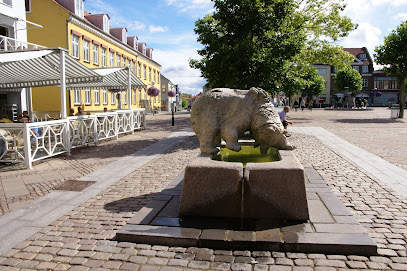
Bjørnebrønden
1.9 km
Granite bear, flowing water and royal history converge in this compact fountain that anchors Nykøbing Falster’s main square and its stories.
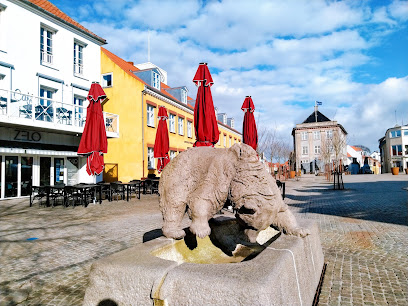
Vandtårnet I Nykøbing F
2.0 km
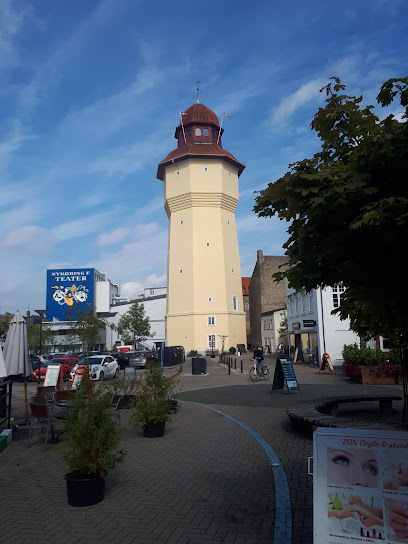
Historic concrete water tower turned art space and viewpoint, offering 147 steps to sweeping panoramas over Nykøbing Falster, Guldborgsund and the flat fields of Falster.
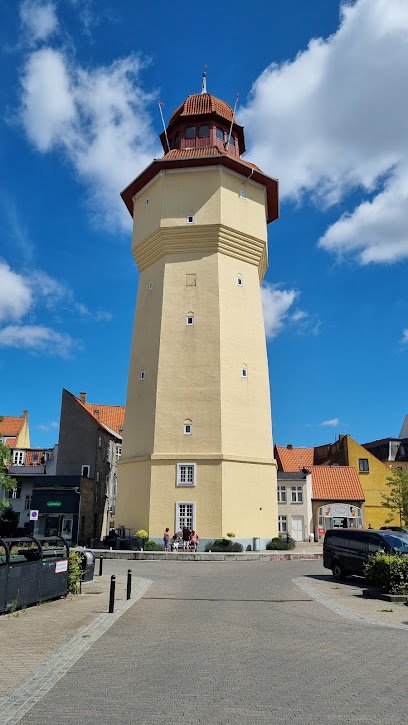
Mindbjergs
2.2 km
Explore a fusion of Danish and Asian flavors at Mindbjergs, a culinary gem in Nykøbing Falster offering unique dishes in a warm atmosphere.
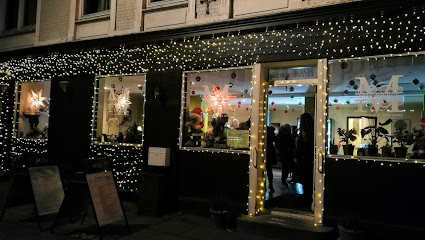
Falster Provsti
2.2 km
Explore the tranquil beauty and historical significance of Falster Provsti, a stunning church in Nykøbing Falster, Denmark.
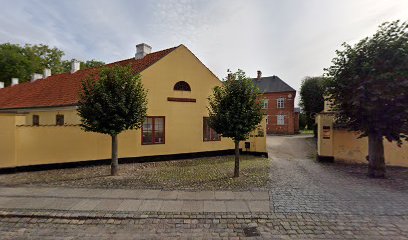
Hotel Falster
2.6 km
Experience Danish hospitality at Hotel Falster in Nykøbing Falster, offering comfortable accommodations, on-site dining, and easy access to local attractions and the South Sea Islands.
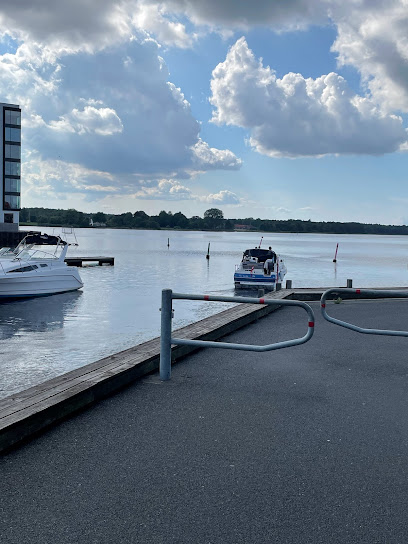
Diocese of Lolland–Falster
2.7 km
Experience the serene beauty and rich history of the Diocese of Lolland–Falster in Nykøbing Falster, a captivating church and cultural landmark.
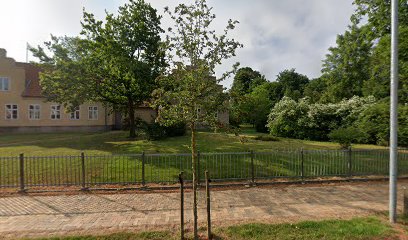
Fuglsang Herregaard - Hotel + Events + Conference
6.5 km
Experience Danish history and culture at Fuglsang Herregaard, a beautifully restored manor offering tranquil stays, gourmet dining, and access to art and nature in Lolland-Falster.
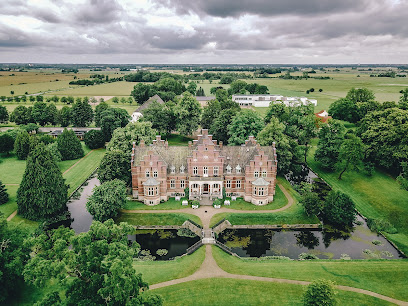
Bellinge House- Bed & Breakfast. Wellness.
10.4 km
Discover tranquility and wellness at Bellinge House, a charming bed & breakfast in Nykøbing Falster, Denmark, offering holistic treatments and serene accommodations.
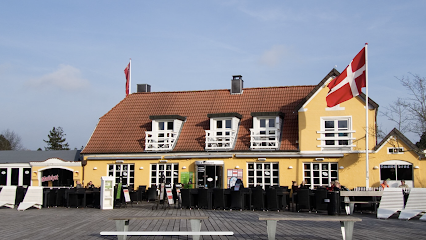
Café Delias
12.3 km
Experience authentic Italian cuisine in the heart of Marielyst at Café Delias, where traditional stone-oven pizzas and a vibrant atmosphere create a memorable dining experience.
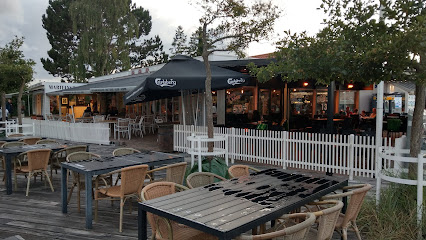
Larsens Plads
12.3 km
Experience the enchanting flavors of Væggerløse at Larsens Plads, where fresh ingredients meet breathtaking coastal views.
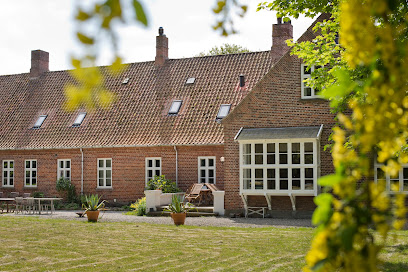
Holiday Lolland - Old farm
15.1 km
Experience the charm of rural Denmark at Holiday Lolland - Old Farm, a serene bed and breakfast near Nysted offering cozy accommodations, local cuisine, and a gateway to Lolland's beauty.
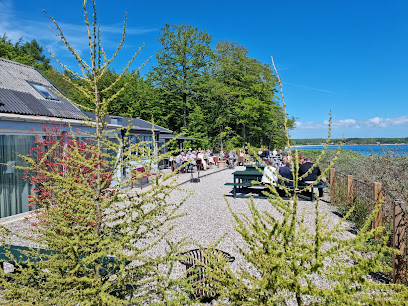
Pomle Nakke Traktørsted
18.8 km
Experience Danish coastal charm at Pomle Nakke Traktørsted, where stunning Baltic Sea views meet locally sourced cuisine for an unforgettable dining experience on Falster.
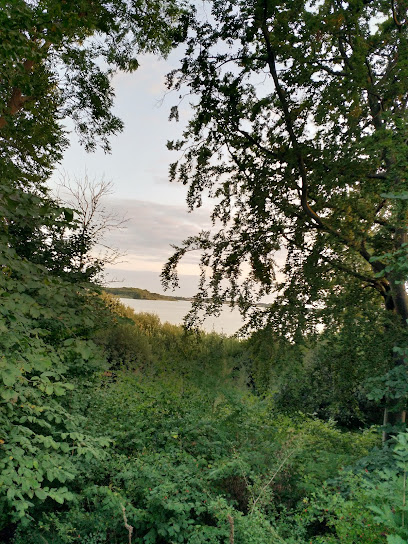
Relic of the Castle Revshale
19.7 km
Explore the ancient ruins of Castle Revshale on Borgø Island in Maribo, Denmark, and discover a captivating blend of medieval history and serene natural beauty within the Maribo Lakes Nature Park.
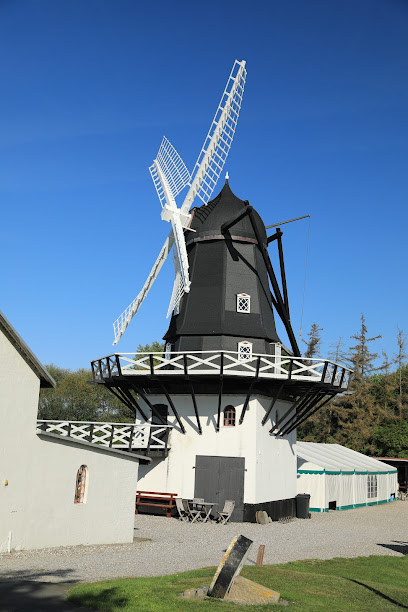
Gedesby Møllelaug
20.2 km
Discover the rich agricultural history of Denmark at Gedesby Møllelaug, a charming museum and historic windmill in Gedser.
Unmissable attractions to see

Nykøbing Castle
1.6 km
Bandholm Strand on Lolland’s north coast offers inviting sandy beaches, tranquil parkland, and a harbour steeped in Danish maritime history, perfect for relaxed coastal escapes.
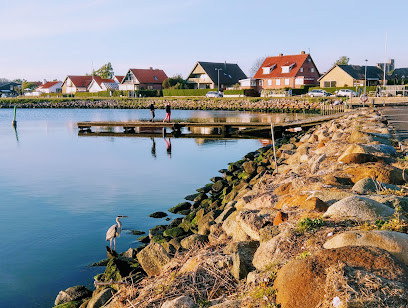
Fuglsang Musikforening
1.6 km
Intimate classical concerts in a modern hall beside historic Fuglsang Herregård, where carefully curated programs meet open landscapes on the Lolland–Falster coast.
Ejegod Windmill
1.7 km
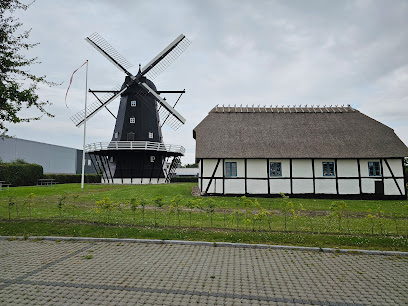
A beautifully preserved 1816 smock mill on a low hill in Nykøbing Falster, where sails, barn and miller’s house keep Denmark’s rural milling heritage alive.
Falsters Minder
1.8 km
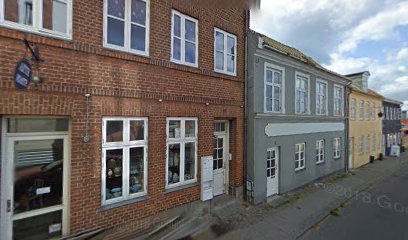
A creaking 17th‑century house where Falster’s local history, a nostalgic grocer’s shop and the fantastical Museum Obscurum blur the line between memory, myth and curiosity.
Museum Obscurum
1.8 km
A shadowy cabinet of curiosities in an old Falster townhouse, where Cornelius Rödder’s cryptozoological collection blurs the line between folklore, superstition and science.
Nykøbing F. Firemuseum
2.3 km
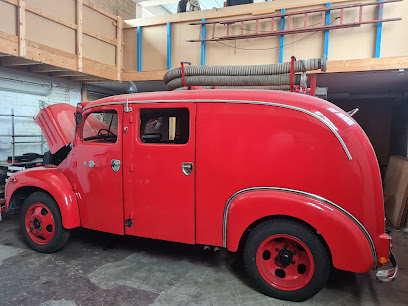
A compact former fire station packed with classic red engines, rescue gear and three quirky sister museums, offering a vivid glimpse of everyday history in Nykøbing Falster.
Lergravens Sailing and Fishing Club
3.2 km
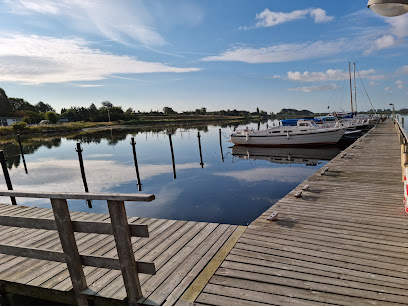
Small, authentic harbour on Guldborgsund where local sailing life, relaxed angling and easy access to Nykøbing Falster’s town centre meet in one quiet quay.
Guldborgsund Zoo & Botanisk Have
3.3 km
Formerly a compact zoo and botanical garden in Nykøbing Falster, Guldborgsund Zoo & Botanisk Have blended animals, greenery and play in one relaxed urban green pocket.
Falster City Camping
3.7 km
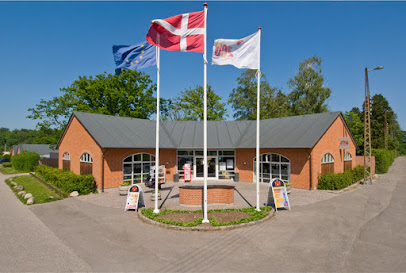
Leafy, old-school camping on the edge of Nykøbing Falster, with cabins, family facilities and easy access to town, coast, forest and nearby tropical water fun.

Loppeworld
4.0 km
Atmospheric Bronze Age barrow offering sweeping countryside views and a direct link to Denmark’s prehistoric past in the rural heart of Lolland-Falster.
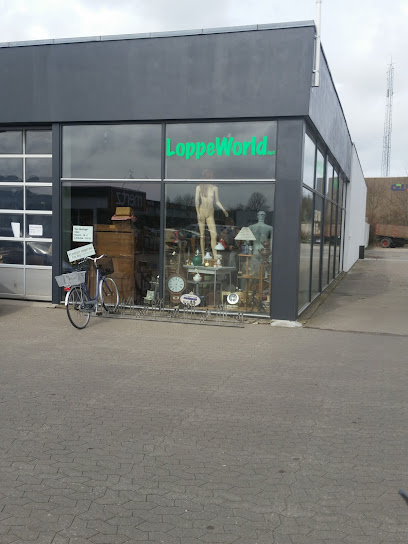
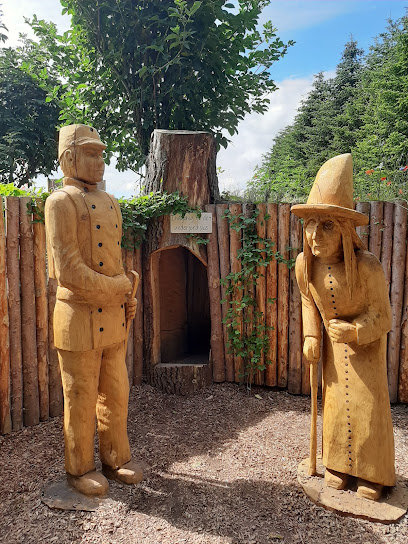
Labyrint Lolland-Falster
4.4 km
Navigate enchanting forest mazes and discover multiple pathways through Denmark's woodland countryside.
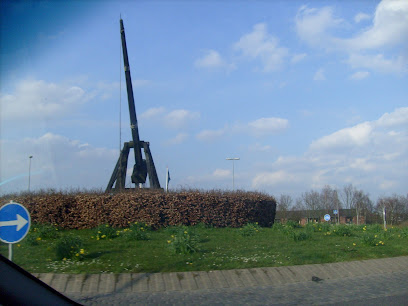
Trebuchet
4.5 km
Iconic red-brick lighthouse at Denmark’s southernmost tip, renowned for sweeping Baltic views, rich birdlife, and a unique natural and scientific heritage.
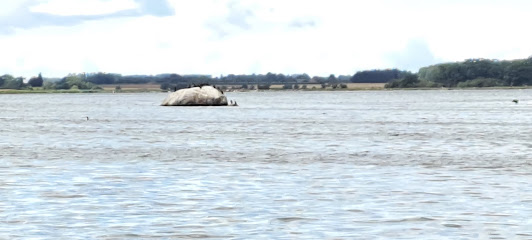
Hvide Mær
5.5 km
A pale glacial boulder in the shallow waters of Guldborgsund, Den Hvide Mær quietly links ice-age geology, seamark history and tranquil coastal scenery.
Zipline Systofte
5.8 km
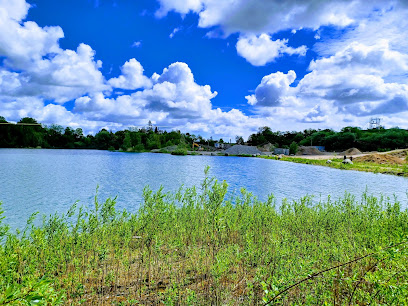
Seasonal lakeside adventure park near Nykøbing Falster with a 400 m twin zipline, floating aquapark and high-jump airbag for families and thrill-seekers.
Fuglsang Kunstmuseum
6.3 km
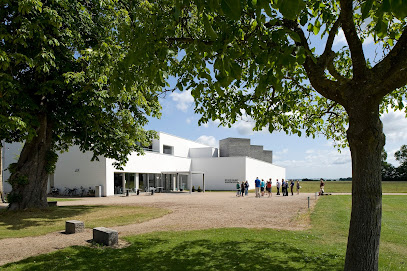
Contemporary art in a modernist setting where rural Danish landscape meets international artistic vision.
Essential places to dine

3kanten
1.4 km
Waterfront dining with modern European cuisine and sunset views over Guldborgsund.
Rosmarino
1.5 km
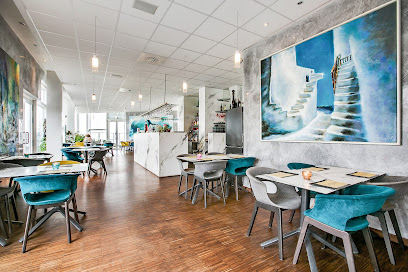
Waterfront Italian dining where Mediterranean tradition meets Nordic ingredients and Danish coastal charm.
Restaurant Gonzalez Feilberg MARE
1.6 km
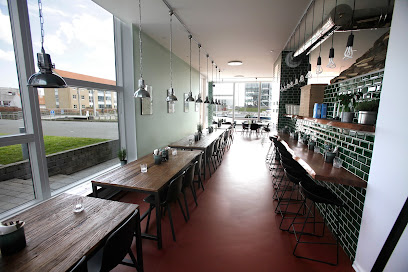
Contemporary Nordic seafood and an impressive wine bar meet marina views at this intimate, evening-only restaurant on Nykøbing Falster’s Slotsbryggen waterfront.
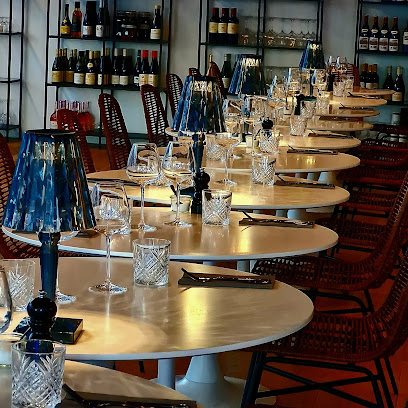
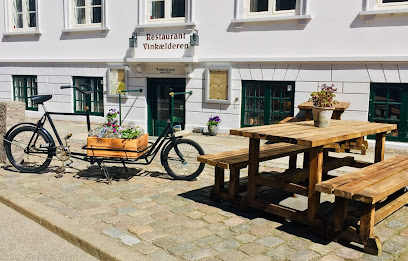
Restaurant Vinkælderen
1.8 km
Seasonal Danish-French fusion in an intimate wine cellar, temporarily closed but returning spring 2025.
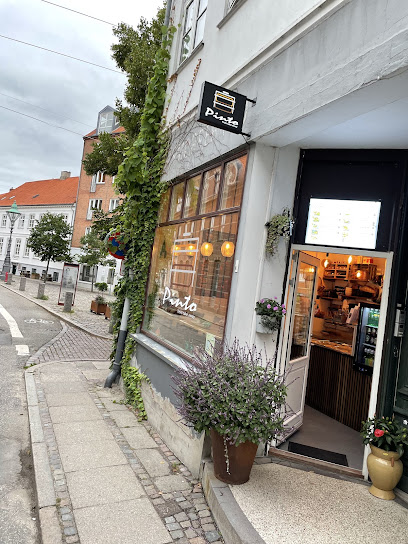
Pinto thai take away
1.8 km
Compact Thai kitchen in central Nykøbing Falster serving fragrant curries, noodles and stir-fries for easy, flavourful takeaway evenings.
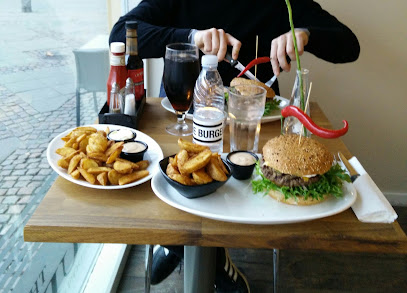
The Burger
1.8 km
Central Nykøbing Falster burger joint serving hefty grill‑seared stacks, wedges and sauces in a relaxed, family‑friendly setting with veggie and gluten‑free options.
Cafe Zelo
1.9 km
Laid-back café dining on Nykøbing Falster’s main square, serving generous brunches, burgers and salads with local ingredients, indoor cosiness and outdoor square-side seating.
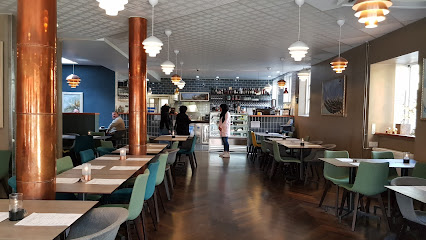
Dhaba Nykøbing
1.9 km
Colourful Indian street food, warm spices and shared plates bring a lively slice of modern India to the heart of Nykøbing Falster’s main square.
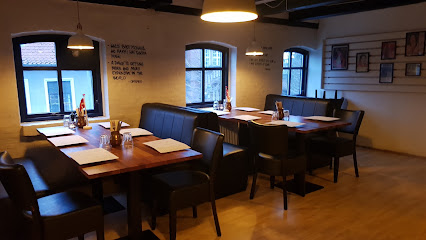
Ritz Cafe & Cocktail Bar
1.9 km
Nykøbing Falster's vibrant social hub serving Danish brasserie fare and craft cocktails on the main square.
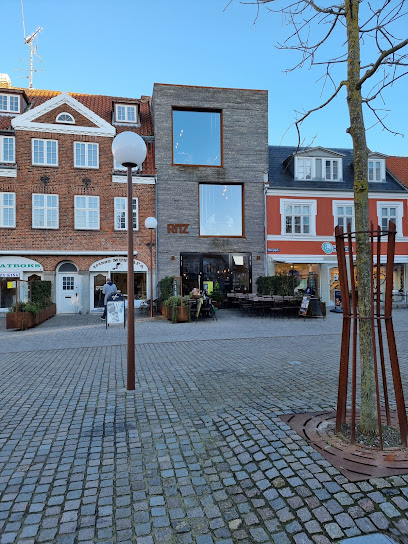
Konya Pizza & Cafe
2.0 km
Hearty pizzas and Turkish‑inspired grill plates in a laid‑back, central Nykøbing Falster café that doubles as both local hangout and reliable takeaway stop.
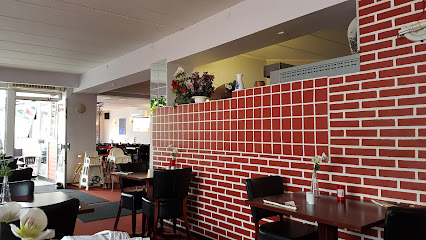
Hua Xin
2.2 km
Big-hearted Chinese buffet with sushi and Mongolian barbecue on Nykøbing Falster’s main street, ideal for relaxed group dinners, families and easygoing takeaway.
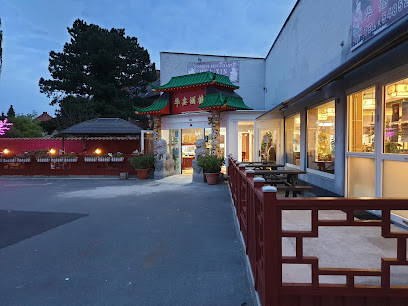
Duomo Ristorante
2.2 km
Lively Italian-inspired restaurant and pizzeria in central Nykøbing Falster, serving generous pizzas, pasta, burgers and grill dishes in an easygoing, family-friendly setting.
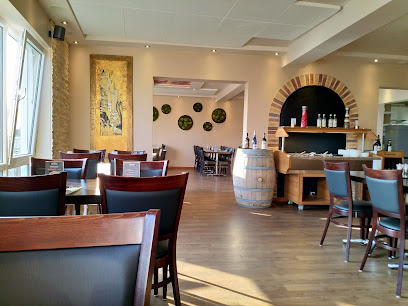
Restaurant Asia
2.2 km
Large, family-oriented Asian buffet in central Nykøbing Falster, serving sushi, wok and classic Chinese dishes with a playful dessert bar and casual atmosphere.
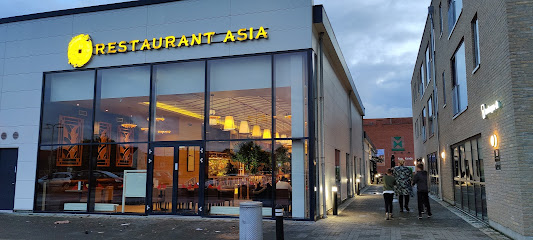
Panino
2.2 km
Authentic Italian pizzas and fresh-baked bread in a warm, welcoming Nykøbing Falster setting.
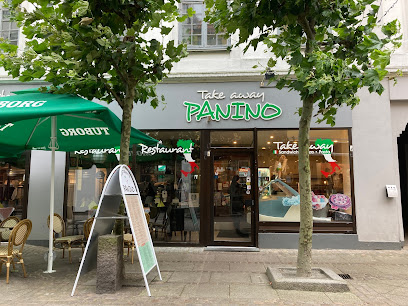
Brovejens Grill
2.4 km
Budget-friendly Danish grill serving hearty burgers, grilled chicken, and pizzas in central Nykøbing Falster.
Markets, malls and hidden boutiques

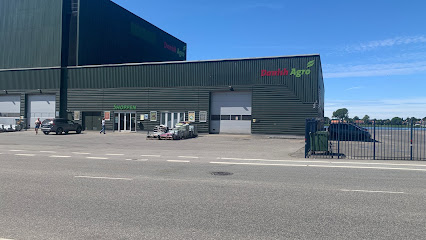
Danish Agro Shop - Nykøbing
1.7 km
A harborside country store where pet lovers, gardeners and smallholders stock up side by side, offering a grounded glimpse of everyday rural life in Nykøbing Falster.
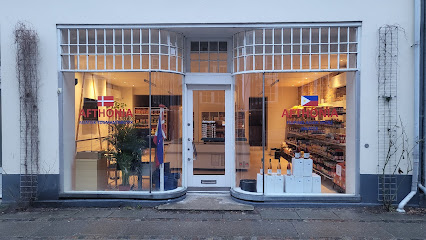
Afthonia Store
1.8 km
Compact Asian grocery on Nykøbing Falster’s Slotsgade, stocking noodles, rice, sauces, snacks and frozen specialties for curious home cooks and everyday shopping.
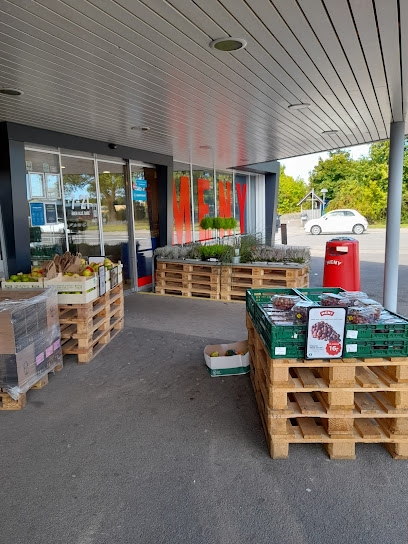
Meny
1.8 km
Full-service Danish supermarket in Nykøbing Falster with fresh produce, in-house butcher and deli, strong wine selection and long daily opening hours.
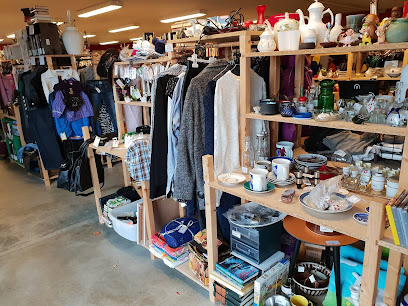
Kirppu Nykøbing Falster
1.9 km
Bright, weatherproof flea “supermarket” in Guldborgsundcentret, where ever-changing private stands turn everyday browsing into a relaxed hunt for vintage and second-hand treasures.
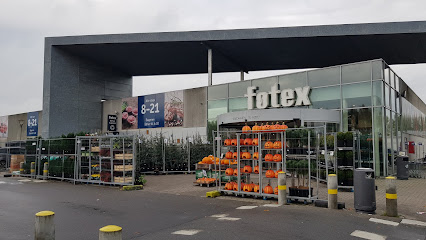
føtex
2.0 km
A busy hypermarket anchor in Guldborgsundcentret, blending fresh Danish groceries, everyday essentials and practical services in the heart of Nykøbing Falster.
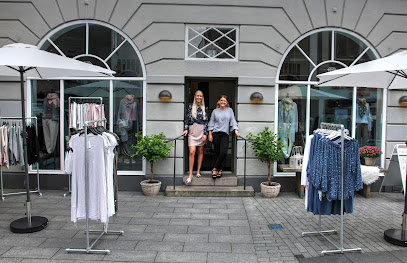
Blog and Shop
2.0 km
A cozy women’s fashion boutique on Østergågade in Nykøbing Falster, offering curated everyday style, warm atmosphere and down‑to‑earth Danish prices.
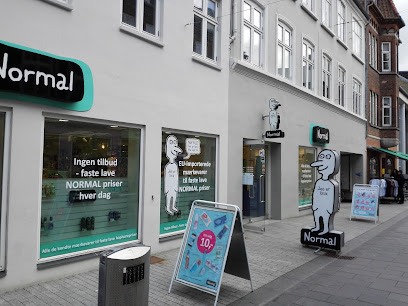
Normal
2.0 km
Compact, budget-friendly variety store on Nykøbing Falster’s main pedestrian street, ideal for everyday essentials, beauty bargains and spontaneous small finds.
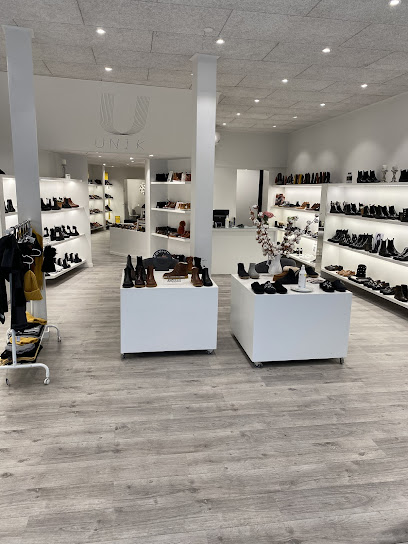
Unik
2.0 km
Curated footwear boutique in the heart of Nykøbing Falster's vibrant shopping district
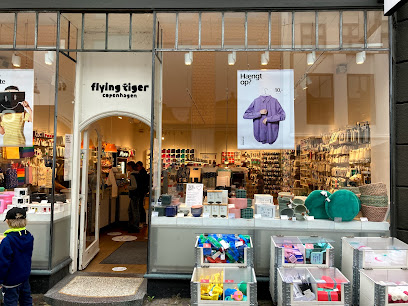
Flying Tiger Copenhagen
2.1 km
Colorful Scandinavian variety store in Nykøbing Falster’s main pedestrian street, filled with playful gifts, creative essentials and affordable everyday surprises.
Furnish
2.2 km
Spacious Scandinavian furniture and bed showroom in Nykøbing Falster, blending modern Danish design, styled room inspiration and relaxed, practical home shopping.
Kb-Smørrebrød
2.2 km
Authentic Danish smørrebrød crafted fresh daily in the heart of Nykøbing Falster's shopping district.
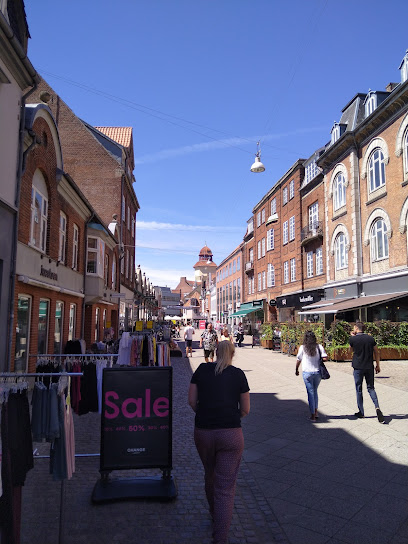
H&M
2.2 km
Central Nykøbing Falster fashion stop offering affordable clothing and accessories for all ages in a bright, modern high-street store on Jernbanegade.
MillaMe
2.3 km
Welcoming plus-size fashion boutique in central Nykøbing Falster, offering handpicked womenswear in extended sizes with personal, relaxed styling help.
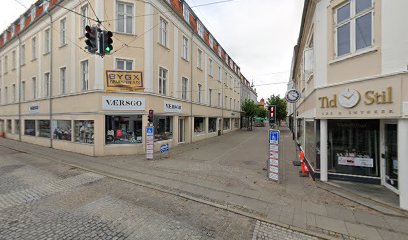
Kvickly Nykøbing F
2.4 km
Central Nykøbing Falster’s all-in-one Kvickly supermarket, bakery and home goods store, ideal for stocking up on Danish staples, snacks and practical everyday essentials.
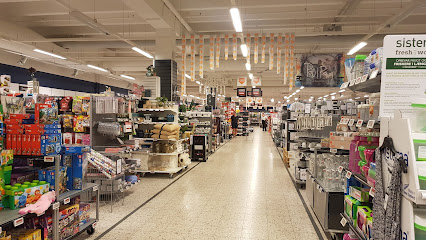
Butik Patina
2.5 km
Characterful antiques and vintage Scandinavian finds in a homely, timeworn setting on the quiet outskirts of Nykøbing Falster.
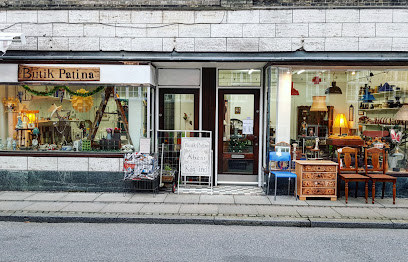
Essential bars & hidden hideouts

Vinoteque Marittima
1.4 km
Floating wine and coffee bar on Nykøbing Falster’s harbor, blending intimate maritime charm with carefully chosen drinks, small plates and sunset-ready deck seating.
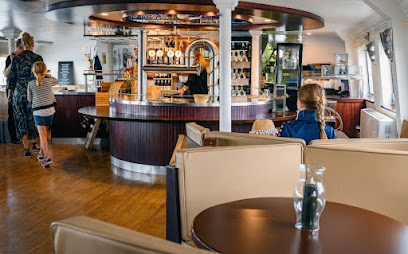
FUND BAR
1.6 km
Waterfront cocktails, Nordic design and a smoke-free, sociable atmosphere on Nykøbing Falster’s marina-facing Slotsbryggen promenade.
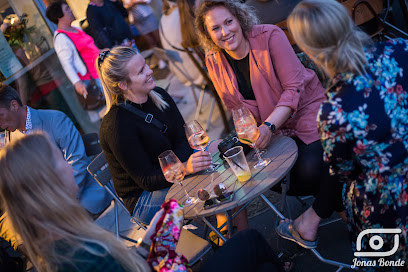
Cafe Nutiden V/ Brian Ipsen
1.6 km
A classic Danish bodega-style bar in central Nykøbing Falster, serving simple drinks and plenty of local atmosphere from midday through the late evening.
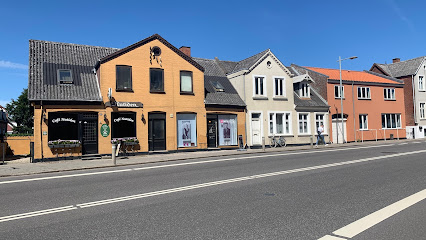
Slap A'
1.7 km
Unpretentious local bar in Nykøbing Falster with pool tables, inexpensive drinks and a relaxed neighborhood vibe from daytime quiet to late-night chatter.
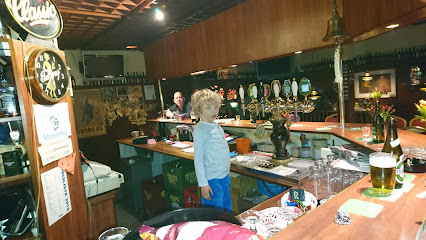
Fortuna
1.7 km
Cosy, no-frills Danish bodega in central Nykøbing Falster, where cold beer, warm conversation and unhurried evenings capture the spirit of local nightlife.
Cafe Slotsgården V/Brian Fog Ipsen
1.7 km
Experience Danish hospitality at Cafe Slotsgården, Nykøbing Falster's cozy beer hall with a rustic charm and diverse beer selection.
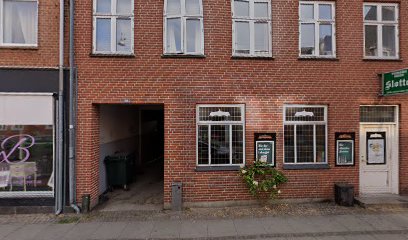
Slottet Værtshus
1.7 km
Unpretentious Danish bodega on Slotsgade where locals, regulars and curious visitors share cold beers, billiards games and late‑night jukebox tunes.
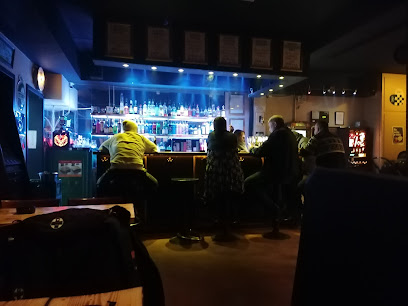
Kontoret V/sonja Madsen
1.9 km
Intimate wine bar in central Nykøbing Falster, blending cozy Danish hygge with relaxed drinks and conversation-friendly ambience on charming Langgade.
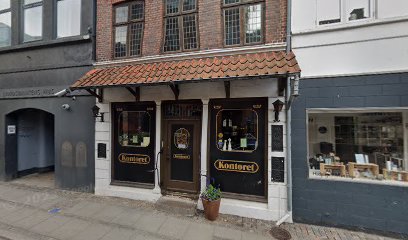
Marinestuen
2.0 km
Characterful sailor-style bar in central Nykøbing Falster, serving inexpensive drinks in a cozy, maritime setting filled with ships, memorabilia and local charm.
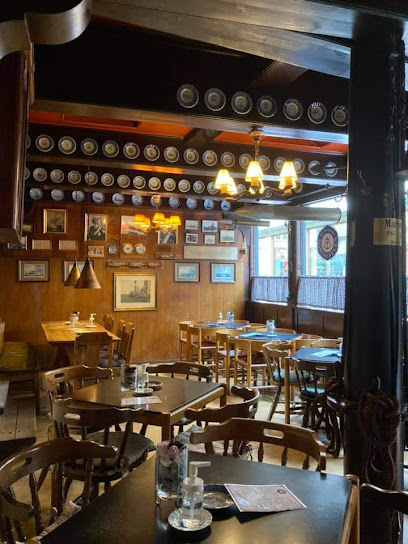
Billie Jean Bar
2.1 km
Authentic Danish smørrebrød and cocktails in the heart of Nykøbing Falster
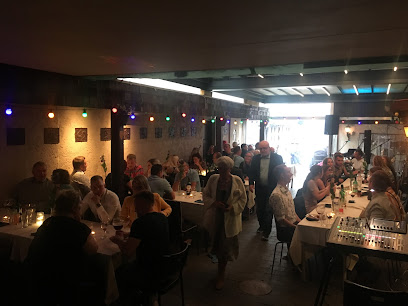
falster falster
2.1 km
Small, social neighborhood bar on Skolegade in Nykøbing Falster, serving cold beers and simple drinks in an unpretentious, intimate Danish pub atmosphere.
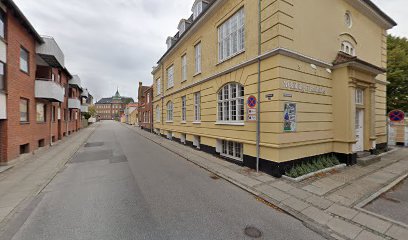
Den Sorte Engel
2.2 km
Moody brick walls, close-up live music and unpretentious Danish pub vibes make Den Sorte Engel the beating heart of Nykøbing Falster’s nightlife.
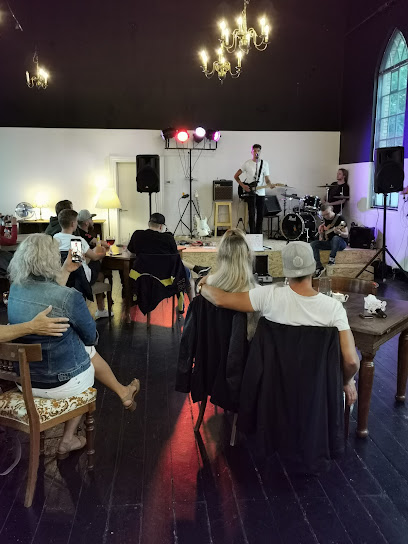
Jernbanecafeen Nykoebing Falster - Denmark
2.4 km
Unpretentious railway-side bar-café in Nykøbing Falster, where locals gather for relaxed evening drinks, conversations and classic, no-fuss Danish hospitality.
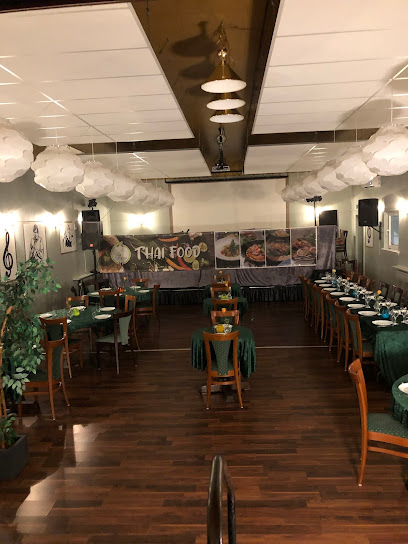
Riverside Jazz Club
2.5 km
Intimate riverside jazz nights in Nykøbing Falster, where volunteer spirit, close-up performances and a cosy bar atmosphere bring live Danish jazz to life.
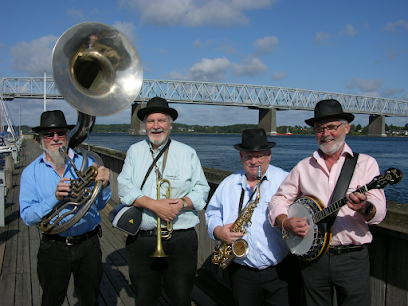
jazz på tværs
2.8 km
Volunteer‑run jazz room bringing serious live music to a small Danish town, with intimate concerts, close‑up sound and a focus on listening over nightlife.
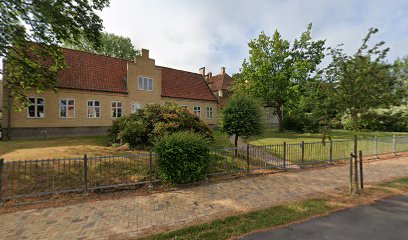
Nightclubs & after hour spots

Første sted
1.8 km
Compact, music-driven nightclub on central Slotsgade, offering an intimate, local slice of Nykøbing Falster’s late-night dancing and drinks scene.
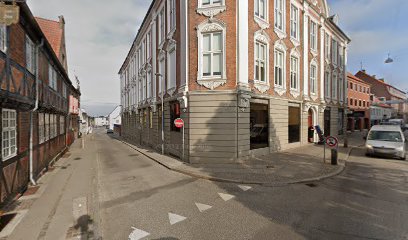
N.Y.K. Event
2.4 km
Compact late-night bar and nightclub in central Nykøbing Falster, mixing strong drinks, loud beats and a sociable dance floor that runs into the early morning.
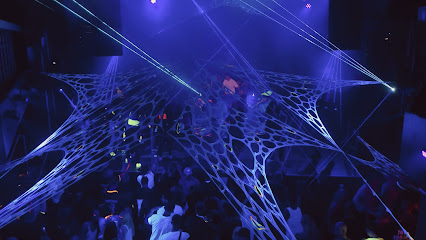
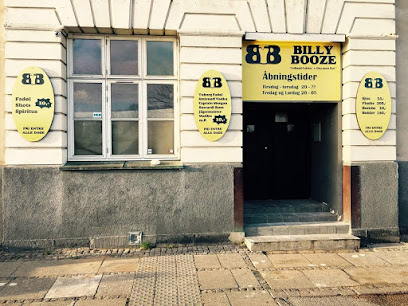
Billy Booze
2.5 km
Compact late-night disco in Nykøbing Falster with inexpensive drinks, loud hits and a casual dance floor vibe from Thursday to Saturday.
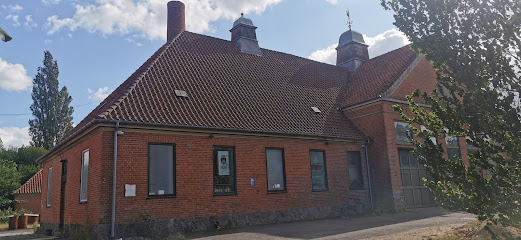
Loke MC - Helheim
13.8 km
Rural Danish biker clubhouse with Norse-mythology flair, offering intimate late-night gatherings, loud rock playlists and a no-frills bar far from mainstream nightlife.
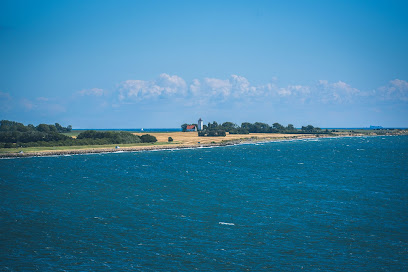
Gedser Lighthouse
24.8 km
Explore Denmark's southernmost lighthouse, offering panoramic Baltic Sea views and rich maritime history.
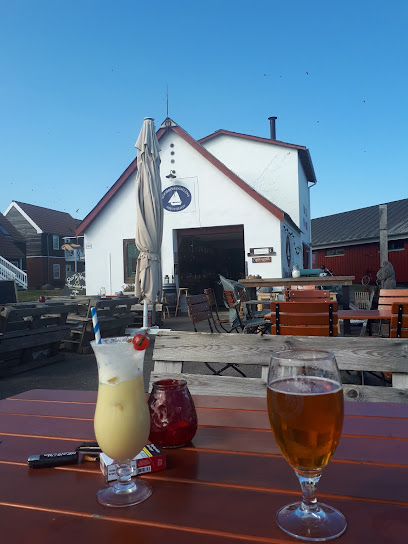
Pier To Heaven
44.6 km
Experience maritime charm and exquisite drinks at Pier To Heaven in Klintholm Havn.
CLUB ZANZI
46.0 km
High‑energy waterfront nightclub bringing big‑city beats, flashing lights and late‑night dancing to the heart of coastal Nakskov.
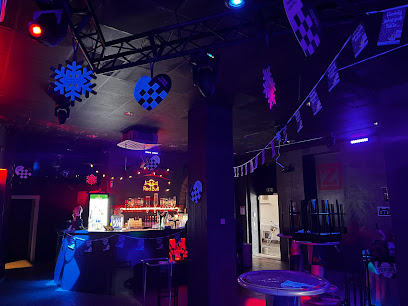
Step Inn I / S
50.9 km
Step Inn I / S is a centrally located Næstved bar offering a relaxed setting for drinks, socializing, and local nightlife with a distinctly Danish twist.
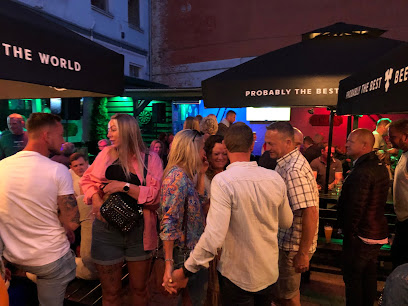
Bar z
50.9 km
Næstved's welcoming nightclub for Thursday-to-Saturday evening gatherings and social entertainment.
Crazy Daisy Næstved
50.9 km
High‑energy weekend nightclub in central Næstved, packing loud beats, flashing lights and a late‑night local crowd into a compact, classic Danish town‑club setting.
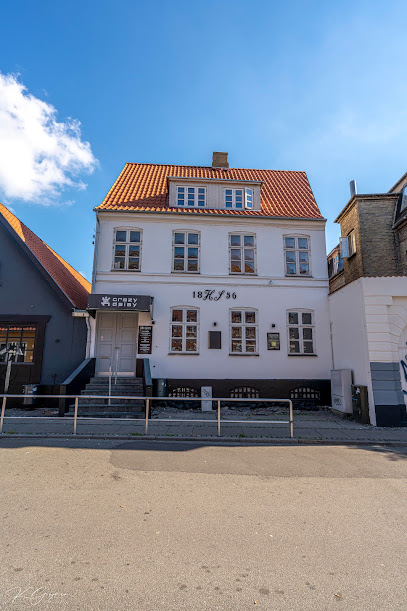
Avenue Næstved
50.9 km
Lively nightspot and flexible event hall in central Næstved, mixing dancefloor energy, festive dinners, stand-up comedy and themed parties under one roof.
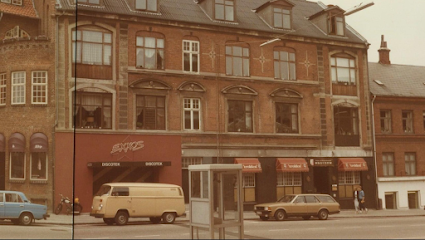
The Old Irish Pub
51.0 km
A vibrant Irish-themed pub in the heart of Næstved, offering live music, sports, draught beer, and a lively atmosphere for both locals and visitors.
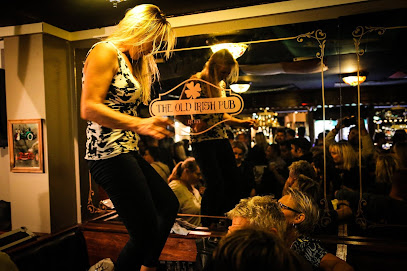
The Beach
51.0 km
The Beach is Næstved’s top karaoke bar, renowned for its vibrant ambiance, creative drinks, and a lineup of crowd-pleasing singalong nights in the city center.
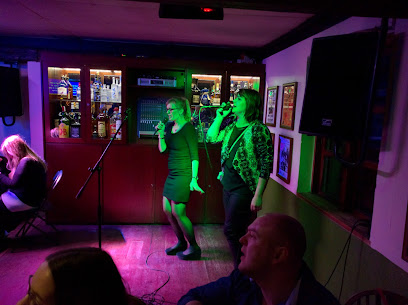
Sct. Jørgens Jazzklub
51.1 km
Experience live jazz in the heart of Næstved at Sct. Jørgens Jazzklub, where music and history harmonize.
Disco Da Capo
68.0 km
Discover the electrifying nightlife at Disco Da Capo in Rostock - a vibrant disco club with unforgettable music and lively atmosphere.
For the vibe & atmosphere seeker
- Adventurous
- Fun-filled
- Lively
- Unique
- Scenic
- Casual
For the design and aesthetic lover
- Vintage Styles
- Rustic Designs
- Bohemian Styles
For the architecture buff
- Historic
- Parks & Gardens
- Landmarks
- Heritage Neighborhoods
For the view chaser and sunset hunter
- Iconic Views
- Panoramas
- Sunset Spots
- Waterfront
For the social media creator & influencer
- Instagrammable
- Photo Spots
- Selfie Spots
- Reel-Friendly
- Architectural Shots
- Colorful Backdrops
For the eco-conscious traveler
- Low Impact
- Public-Transport Accessible
- Locally Managed
For the kind of experience you’re after
- Cultural Heritage
- Photowalk
- Adventure Photo Shoot
- Day Trip
- Roadtrip Stop
- Mindfulness
- Myth & Legends
For how adventurous you want the journey to be
- Easy Access
Location Audience
- Family Friendly
- Child Friendly
- Teen Friendly
- Senior Friendly
- Solo Friendly
- Couple Friendly
- Solo Female Friendly
- Vegetarian Friendly
- Vegan Friendly
- Business Friendly


