
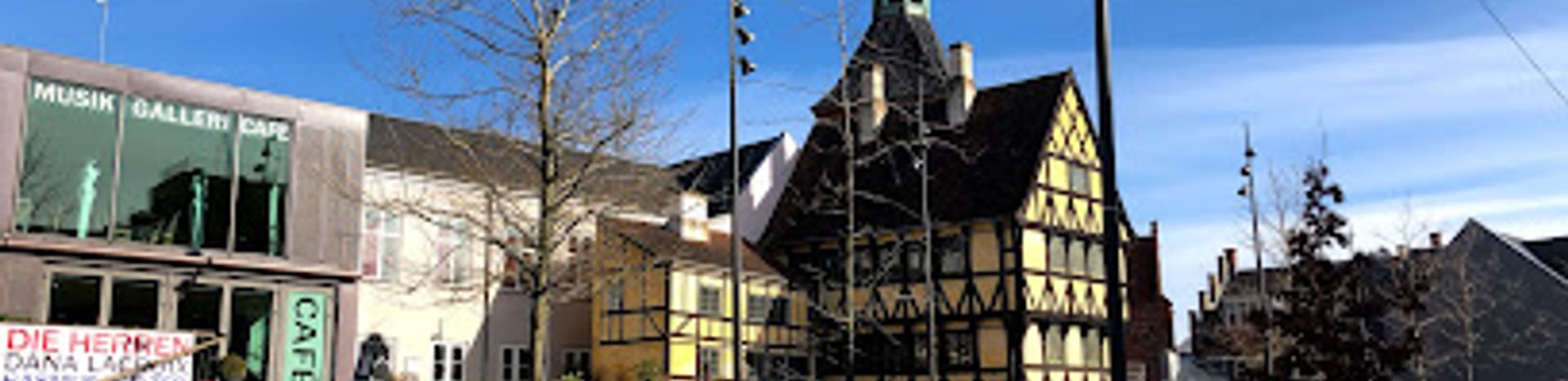
Anne Hvide's House
Svendborg's oldest house: a ochre-yellow Renaissance gem where nobility, hospitality, and history converge.
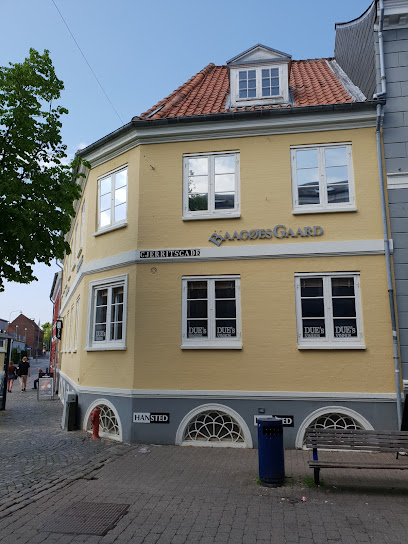
Anne Hvide's House is a striking ochre-yellow, half-timbered Renaissance building dating to 1560, making it the oldest private residence in Svendborg. Located on Fruestræde in the heart of the town center, this two-storey structure with its characteristically steep red-tiled roof served as a prestigious inn during the 19th century before being restored and converted into a museum. Today it stands as a tangible link to Svendborg's medieval past, showcasing the architectural heritage and social history of Denmark's Funen island.
A brief summary to Anne Hvide's House
- Fruestræde 3, Svendborg, 5700, DK
- +4531412335
- Duration: 0.25 to 1 hours
- Free
-
 Outdoor
- Mobile reception: 4 out of 5
Local tips
- Visit during summer months when exhibitions relating to Svendborg's history are presented. The house is best appreciated from the street due to limited interior access.
- Observe the building's characteristic lean and steep 60-degree roof pitch—architectural features that have allowed it to survive five centuries of Danish weather.
- Note the contrast between the restored ochre-yellow exterior and the black timber framing with patterned brickwork panels, which exemplifies Renaissance craftsmanship.
- Combine your visit with exploration of Svendborg's town center, where the house's location on Fruestræde places it within walking distance of other medieval and Renaissance-era buildings.

For the on-the-go comforts that matter to you
- Information Boards
- Seating Areas
Getting There
-
Walking from Svendborg Train Station
From Svendborg Station, walk south through the town center toward the harbour district. The journey takes approximately 8–12 minutes on foot. Follow the main pedestrian routes through the town center, which are well-marked and flat. Anne Hvide's House is located at Fruestræde 3, directly in the historic core. No parking required; the area is pedestrian-friendly with clear signage.
-
Bicycle from Svendborg Town Center
Svendborg is highly bicycle-friendly with dedicated cycle paths throughout the town. From most central locations, Anne Hvide's House on Fruestræde is within 2–5 minutes by bicycle. Bike rental is available at multiple locations in town, typically ranging from 60–120 DKK per day. Secure bike parking is available near the house.
-
Car with Parking
If driving, Svendborg town center has several paid parking areas within 100–300 metres of Fruestræde. Street parking and public car parks are available, with typical rates around 20–40 DKK per hour. The house itself is not accessible by car, but parking is straightforward in the surrounding area. Note that the town center is congested during peak hours (10:00–14:00 and 16:00–18:00).
-
Local Bus Services
Svendborg is served by regional bus routes connecting to other towns on Funen and beyond. The main bus station is a short walk from Anne Hvide's House. Journey times from nearby towns range from 20–60 minutes depending on origin. Bus fares vary; check local transport authority websites for current pricing. Buses run year-round with reduced frequency in winter months.
Anne Hvide's House location weather suitability
-
 Any Weather
Discover more about Anne Hvide's House
A Noble Foundation in Renaissance Stone and Timber
Anne Hvide's House emerged from the ambitions of a widow of noble descent who commissioned this elegant structure in 1560. Anne Hvide, the second-to-last member of the famous Hvide clan—a dynasty founded in the 11th century by Skjalm Hvide—built this residence during the height of the Renaissance period. Her husband, nobleman Jesper Friis, was a distinguished military figure who had successfully commanded artillery against the Lübeckers at Karnan near Helsingborg, though he died in 1558, before the house's completion. The building thus became a symbol of both Anne's independent status as a widow of means and her family's enduring prominence in Danish society.Architectural Mastery of the Renaissance Era
The house exemplifies Renaissance architectural principles with its carefully proportioned eight-bay, two-storey half-timbered design. Black-painted timber frames contrast dramatically with panels of patterned brickwork, creating a visual rhythm that draws the eye upward. The most distinctive feature is the steeply angled red-tiled roof, sloping at a dramatic 60-degree angle—a practical design that sheds water efficiently in Denmark's maritime climate. A shallow cellar provides additional storage space beneath the main floors. The carved wooden door, positioned at the top of four steps with ornate iron railings, opens onto Fruestræde and represents the craftsmanship typical of the period. In 1978, the exterior was restored to its original ochre-yellow colour, a warm hue that gives the building its distinctive bumblebee-like appearance and distinguishes it from the surrounding streetscape.From Private Manor to Public Inn
Following Anne Hvide's death in 1577, the house passed through the hands of several notable owners, including statesman Niels Krag of Egeskov around 1700 and Vice-admiral Hans Jacob Rostgaard, who died within its walls in 1756—the last nobleman to reside there. The property's trajectory changed significantly in 1809 when Nicolaj Børgesen acquired it. After his death in 1837, his widow Dorothea Svendsen transformed the residence into an inn, where she became renowned as a welcoming hostess and one of Svendborg's most celebrated figures. For three decades, the inn operated as a social hub, gaining a reputation for hospitality that extended well beyond its immediate neighbourhood. This period marked the house's transition from private aristocratic residence to public gathering place.Preservation and Museum Legacy
When Nicolaj Børgesen's son inherited the property and emigrated to America, he sold it to a local builder named Ludvigsen. The municipality acquired the building in 1900, initially using the attic as an archive and the first floor as the county library, with the mayor's office also occupying space within its walls. In 1912, Svendborg Amts Museum undertook comprehensive restoration work, and the building opened as Svenborg Museum in 1915, presenting exhibitions dedicated to the town's rich history. The museum operated there until 1974, when it relocated to larger premises. Today, Anne Hvide's House remains an integral part of Svendborg's cultural heritage, occasionally hosting summer exhibitions that illuminate the town's past and the lives of its most prominent residents.Significance Within Svendborg's Urban Fabric
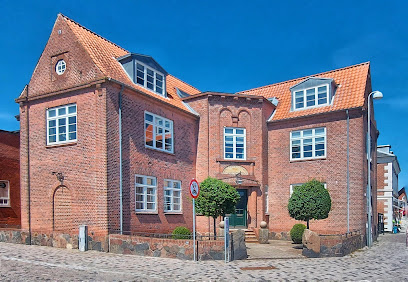
Standing as the oldest private building in Svendborg, Anne Hvide's House occupies a unique position in the town's identity. Its presence on Fruestræde anchors the city center with tangible evidence of five centuries of Danish history. The building's slight lean—a characteristic tilt that adds to its charm—speaks to the natural settling of timber-frame structures over centuries. Positioned in striking contrast to the modernist café that neighbours it, the house embodies the layering of historical periods that defines many European town centres. For visitors and residents alike, it serves as a physical reminder of the merchant families, nobility, and ordinary people whose lives unfolded within its walls.Iconic landmarks you can’t miss

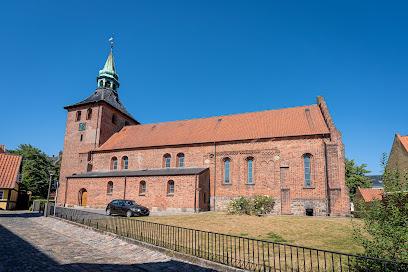
Saint Nicolai's Church
0.2 km
Svendborg’s oldest church and a quiet seafaring sanctuary, where red-brick medieval walls and a calm, whitewashed interior meet just off lively Gerritsgade.
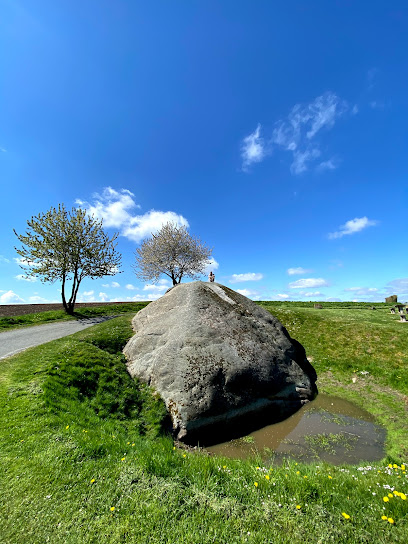
Damestenen
16.6 km
Denmark's colossal 1,200-tonne ice-age boulder, transported from Sweden 18,000 years ago.
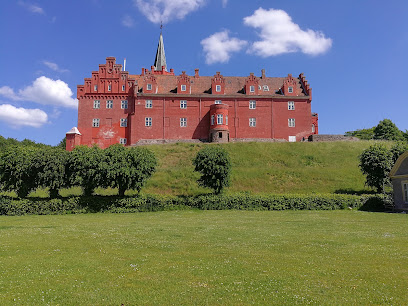
Tranekær Castle
17.0 km
A red-plastered island fortress turned noble family home, Tranekær Castle crowns a hat-shaped hill on Langeland, blending medieval power, romance and working estate life.
Ærø Turist & Erhverv
22.6 km
Explore the beautiful island of Ærø with expert insights and resources from Ærø Turist & Erhverv, your local tourist information center.
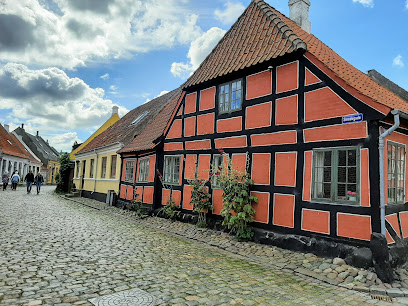
Ærøfærgerne
22.7 km
Experience the scenic ferry ride to Ærø Island via Ærøfærgerne, where Danish charm meets breathtaking coastal views.
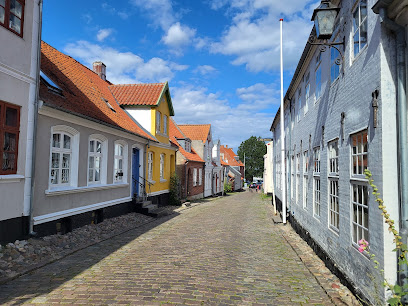
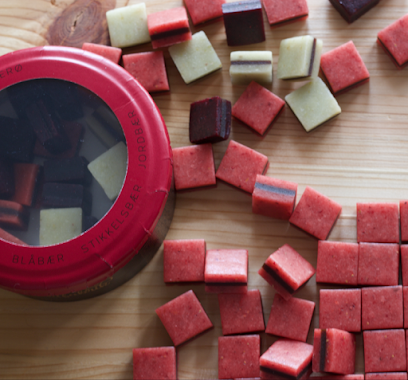
Hattesens Konfektfabrik Aps
22.7 km
Discover the sweet artistry of traditional Danish liquorice at Hattesens Konfektfabrik Aps in scenic Ærøskøbing.
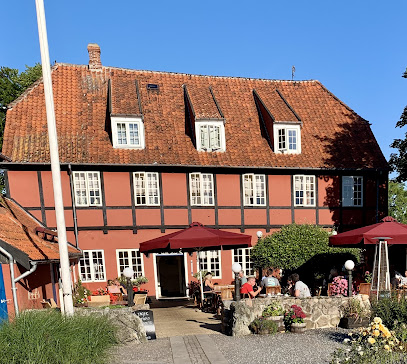
Hotel Ærøhus
22.9 km
Historic hotel in the heart of Ærøskøbing known for its authentic Danish charm, lush gardens, and local island cuisine—a perfect base for exploring Ærø.
På Torvet
22.9 km
Experience the unique charm of På Torvet in Ærøskøbing, where historic beauty meets modern comfort in the heart of Denmark.
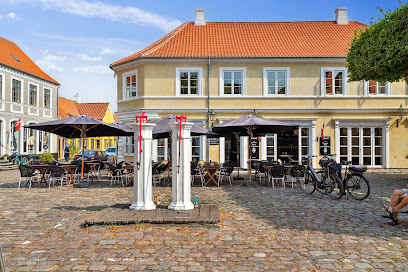
Danish Island Weddings
22.9 km
Experience the magic of weddings on the enchanting Danish island of Ærø, where love meets scenic beauty and unforgettable memories are made.
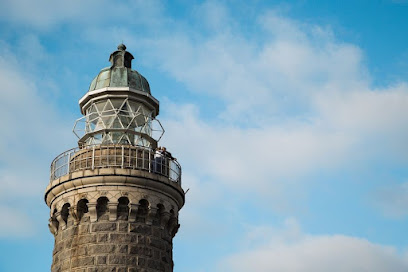
Andelen Guesthouse
23.0 km
Discover the charm of Ærøskøbing at Andelen Guesthouse, your cozy retreat in the heart of Denmark's picturesque island.
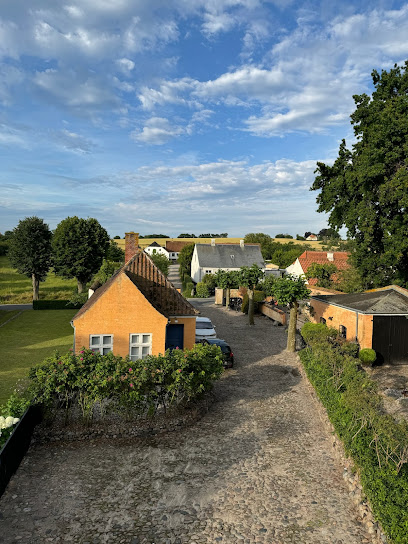
Monument for Danske Sømænd
23.3 km
A modest harbourfront memorial in Marstal that quietly honours generations of Danish sailors who left this island port and never returned from the sea.
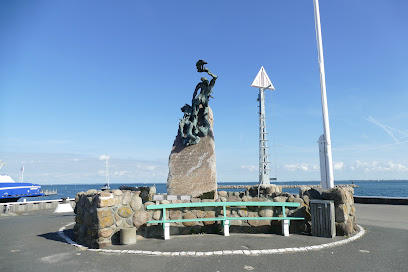
Langdyssen "Kong Humbles Grav"
25.6 km
A 55‑metre Stone Age long dolmen in the fields north of Humble, where legend, prehistoric engineering and soft Langeland landscapes meet in quiet simplicity.
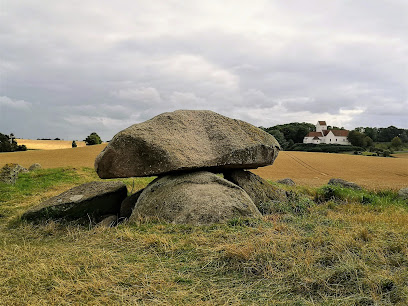
Ærø
26.5 km
Experience the serene charm of Ærø, Denmark's enchanting island, with its picturesque towns, rich maritime heritage, and stunning natural beauty, perfect for all travelers.
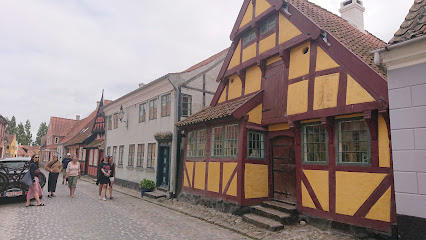
Befrielsessten i Sulkendrup
26.5 km
A solemn memorial to Denmark's 1945 liberation, nestled in a forested valley near historic Sulkendrup Mill.
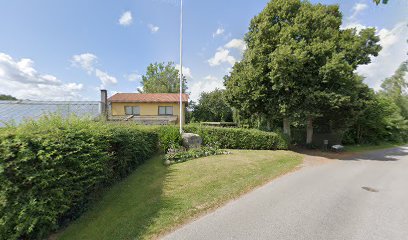
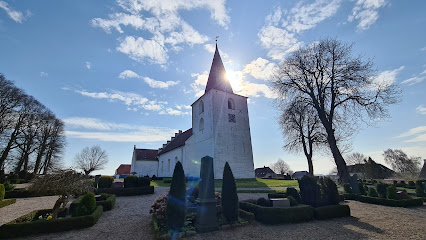
Rise Kirke
26.5 km
A quietly beautiful 12th‑century countryside church on Ærø, where whitewashed walls, historic graves and open fields tell the island’s rural and seafaring story.
Unmissable attractions to see

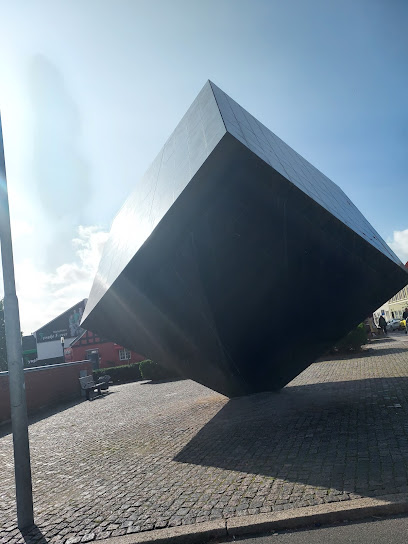
Cubo Nero
0.4 km
Historic glass factory turned museum celebrating two centuries of Scandinavian design mastery and innovation.
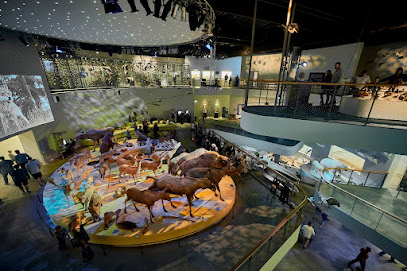
Naturama
0.4 km
Denmark's most immersive natural history museum, where dramatic design and living collections reveal nature's interconnected wonders.
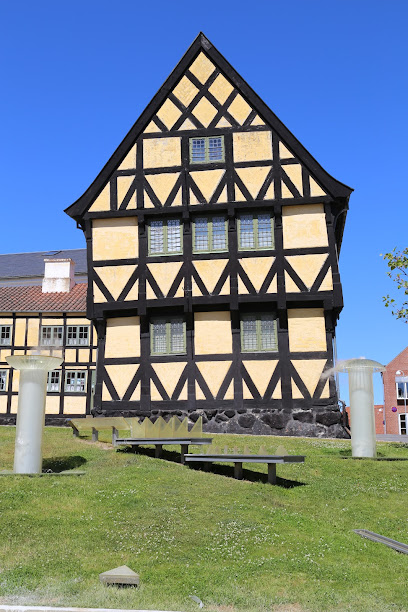
Danmarks Forsorgsmuseum
0.4 km
Step inside Northern Europe’s best‑preserved poorhouse in Svendborg and explore 100 years of Danish welfare history told through original rooms, objects and human destinies.
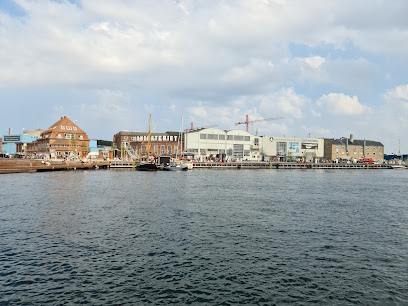
Danmarks Museum for Lystsejlads
0.5 km
Denmark’s dedicated yachting museum in Svendborg Harbour, showcasing 150 years of pleasure sailing through classic boats, living workshops and rich maritime stories.
Ørkild Slots Voldsted
1.2 km
One of Denmark’s largest medieval castle mounds, where grassy ramparts and deep ditches reveal the ghost of a lost fortress above the outskirts of Svendborg.
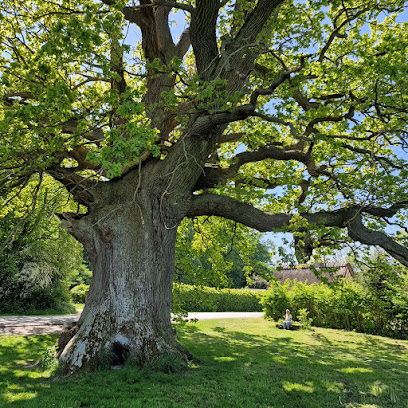
Ambrosius's Oak
5.1 km
A 400‑year‑old oak in Tåsinge’s Nørreskov forest, where poetry, castle history, and quiet woodland atmosphere meet beneath one vast crown.
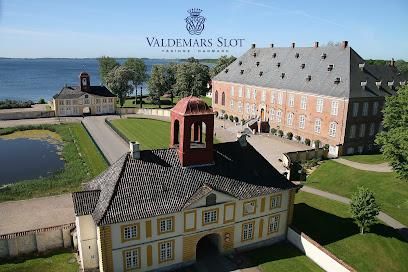
Valdemars Slot
5.1 km
Seaside baroque manor on Tåsinge where royal ambition, naval heroism and intimate family life meet amid gardens, shoreline paths and characterful historic interiors.
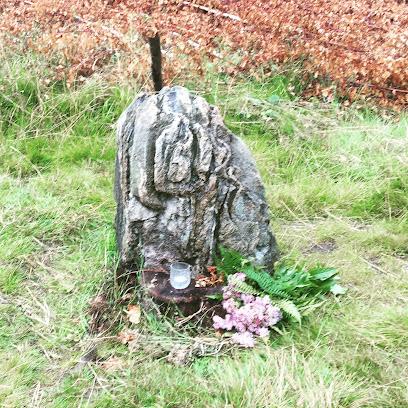
Elvira Madigan og Sixten Sparre
6.3 km
A modest forest memorial in Nørreskoven on Tåsinge, where a quiet clearing and simple stone mark the dramatic 1889 fate of Elvira Madigan and Sixten Sparre.
Beautiful Beach
6.6 km
Sheltered island sands, shallow waters and simple seaside fun on Thurø’s Smørmosen Beach, just off Svendborg in the heart of the South Funen Archipelago.
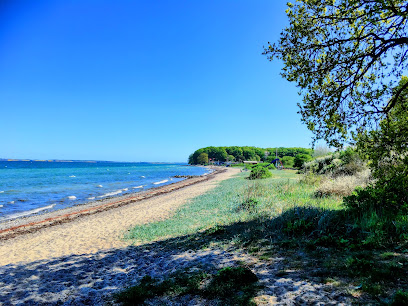
Tåsinge
7.1 km
Romantic South Funen island of skipper villages, castle landscapes, hilltop views and the enduring love story of Elvira Madigan and Sixten Sparre.
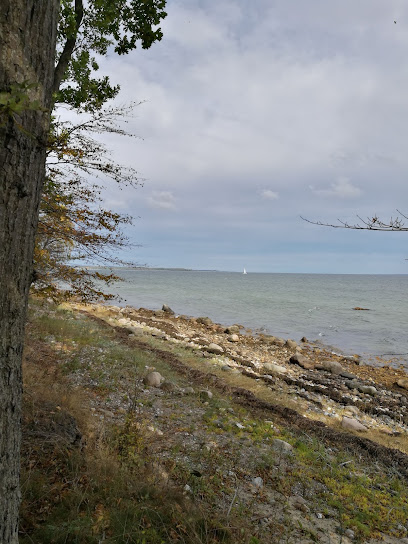
Vornæs havn
8.8 km
Small, scenic harbour on the Vornæs peninsula where woodland meets the South Funen coast, offering quiet moorings, coastal walks and peaceful fishing waters.
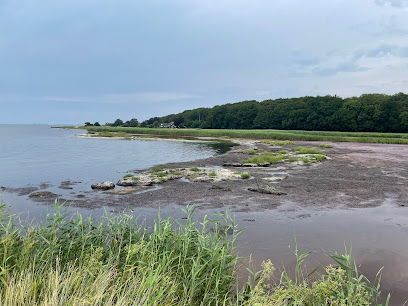
Gorilla Park Svendborg
9.2 km
High‑rope thrills in a South Funen beech forest, with eight treetop courses, long zip‑lines and a Big Swing blending outdoor adventure, views and shared laughs.
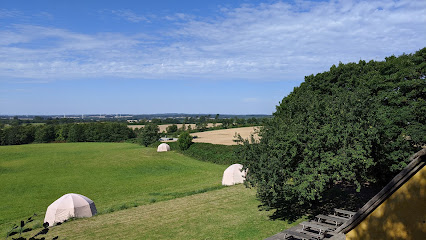
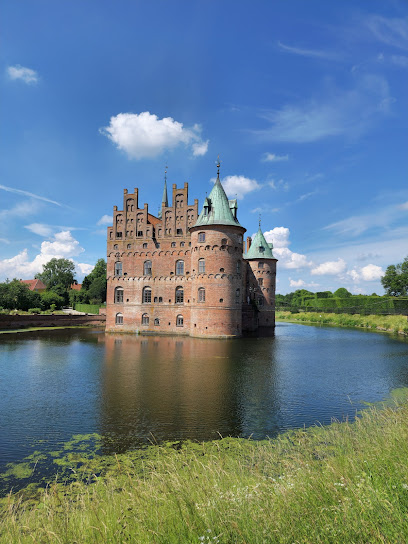
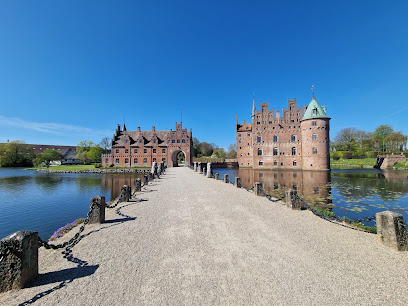
Egeskov Castle
14.9 km
A storybook Renaissance water castle on Funen, where historic halls, award‑winning gardens, playful museums and forest adventures create a full day in the Danish countryside.
Camping Outdoors Museum
15.2 km
A nostalgic journey through tents, caravans and holiday dreams, the Camping Outdoors Museum at Egeskov celebrates the simple freedom of life on the road.
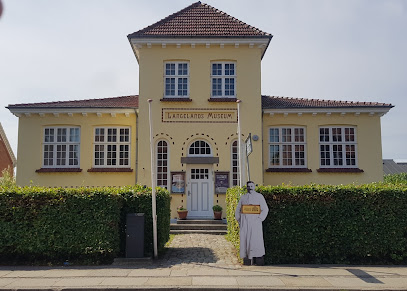
Langelands Museum
15.6 km
Compact island museum in Rudkøbing tracing Langeland’s story from Stone Age barrows to world wars, GDR plastics and everyday life on a Baltic outpost.
Essential places to dine

Kong Volmer Svendborg
0.1 km
Cosy Danish lunch spot on Svendborg’s Møllergade, serving classic smørrebrød, cold beer and aquavit in a narrow oak‑lined dining room with a sunny terrace.
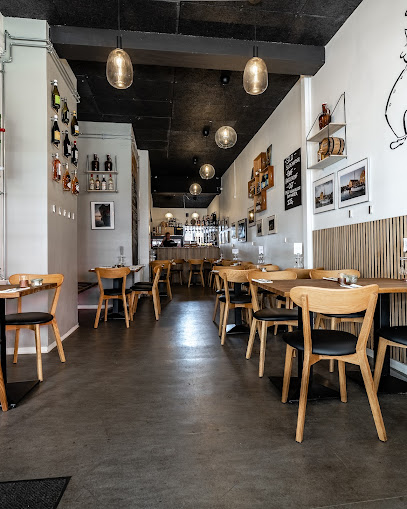
Restaurant Børsen
0.2 km
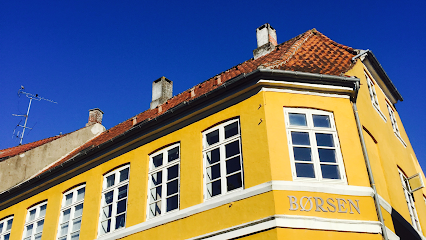
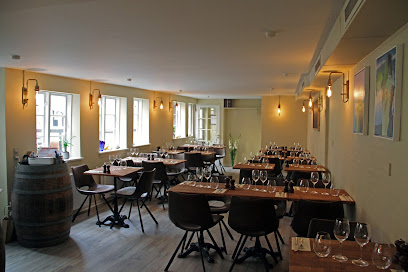
Central Svendborg gastropub blending Danish comfort cooking, specialty beers and a colourful terrace under floating umbrellas in a set of characterful vintage rooms.
Salig Simons Gaard
0.2 km
French-inspired bistro flair in a historic Svendborg courtyard, where candlelit beams, local Funen produce and relaxed service turn meals into lingering occasions.
Under Uret
0.2 km
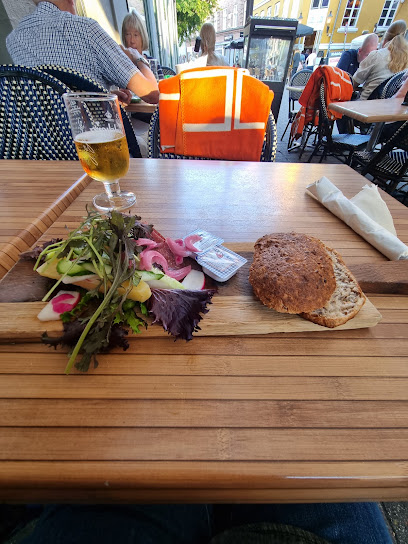
All-day café and brasserie under the clock on Svendborg’s main pedestrian street, serving cozy comfort food, quality coffee and relaxed drinks from morning to late night.
Pams African Restaurant
0.3 km
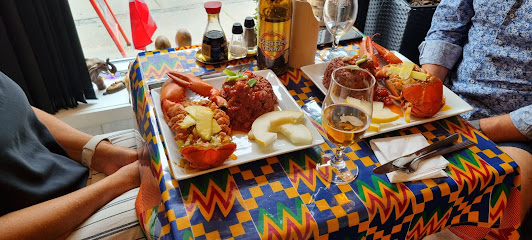
Ghanaian warmth, jollof rice and slow-cooked stews bring a slice of West Africa to the historic streets of Svendborg’s compact old town.
Thude's Restaurant & Vinbar
0.3 km
Intimate seafood-focused restaurant and wine bar in central Svendborg, pairing seasonal Danish cooking with thoughtful wines and a charming hidden garden terrace.
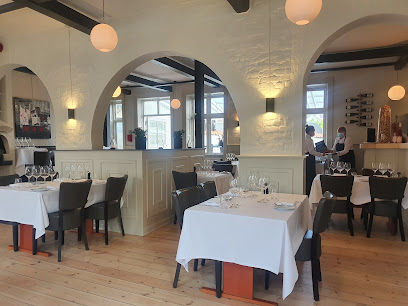
Jettes Diner
0.3 km
Cozy harbor-side diner in Svendborg serving generous burgers, changing daily specials and comforting Danish-style dishes in a relaxed, family-friendly setting.
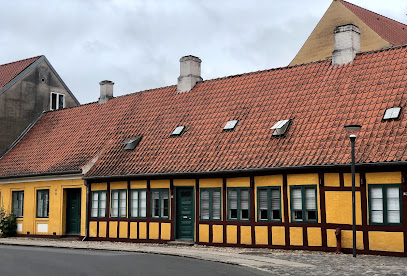
Restaurant Svendborgsund
0.4 km
Classic Danish cooking and hearty portions served right on Svendborg’s harborfront, with wide views across Svendborgsund and a relaxed, maritime atmosphere all day long.
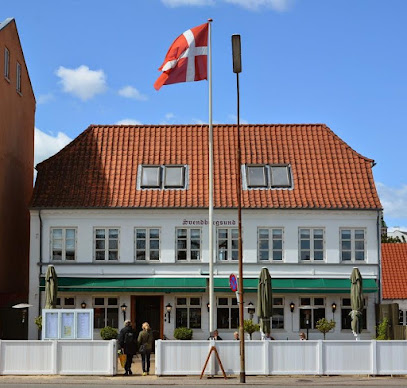
Restaurant Resumé
0.4 km
Gourmet cuisine rooted in South Funen, delivered at remarkable value in Svendborg's finest restaurant.
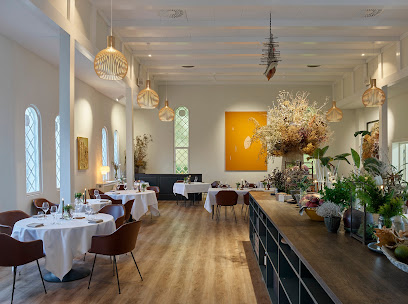
Restaurant Hotel Ærø i Svendborg
0.4 km
Historic harborfront restaurant serving traditional Danish cuisine in a colonial-styled setting steeped in maritime heritage.
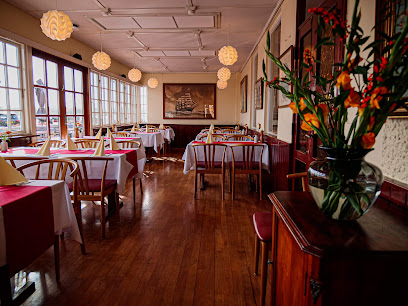
Frederiksøens Madbar
0.5 km
Casual harbourfront burger and seafood bar on Svendborg’s old shipyard island, pairing organic burgers and fried fish with laid-back maritime views.
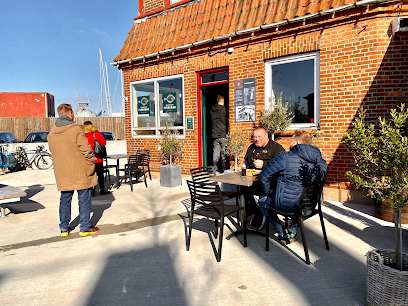
Christians madhus
1.1 km
Handcrafted sandwiches and daily hot meals with genuine Danish hospitality in central Svendborg.
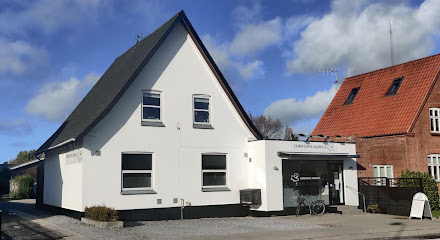
Restaurant Øret
1.6 km
Unpretentious Danish dining where fresh local ingredients and skilled kitchen craft create honest, memorable meals.
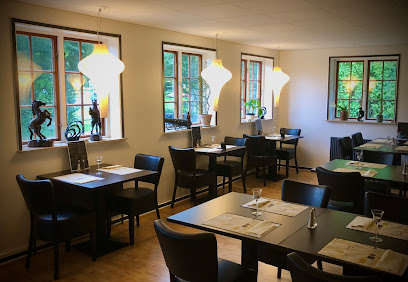
Restaurant
1.7 km
Waterfront hotel restaurant in Svendborg serving seasonal Danish cuisine with a strong seafood focus, framed by wide sea views and a spacious terrace by the beach.
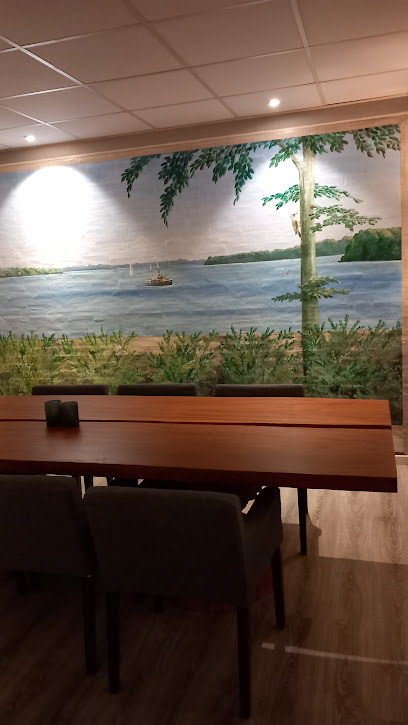
Stella Maris
2.7 km
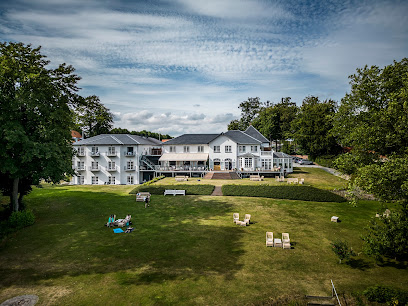
An intimate seaside boutique hotel on Svendborgsund, blending Nordic design, gourmet dining and tranquil garden-and-water views on the edge of South Funen.
Markets, malls and hidden boutiques

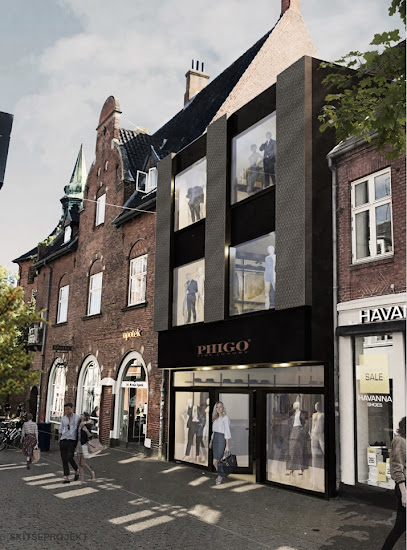
Phigo, Fine Luxury
0.1 km
A three-floor Scandinavian fashion house in central Svendborg, showcasing refined designer clothing, accessories and leather goods in an elegant, relaxed setting.
Kop & Kande
0.2 km
Warmth, comfort, and inspiration for your home in the heart of Svendborg
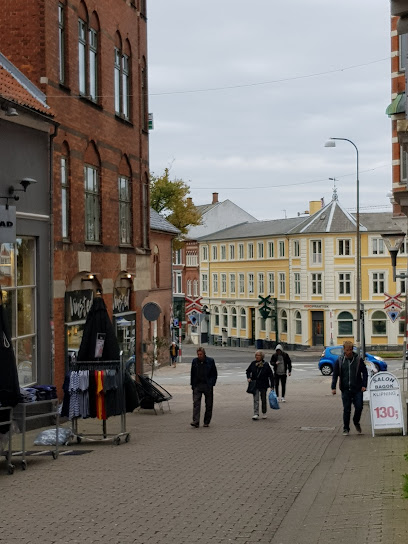
Flying Tiger Copenhagen
0.2 km
Colourful, low-cost Danish design and quirky gifts in the heart of Svendborg’s main shopping street, ideal for quick souvenirs, party supplies and everyday essentials.
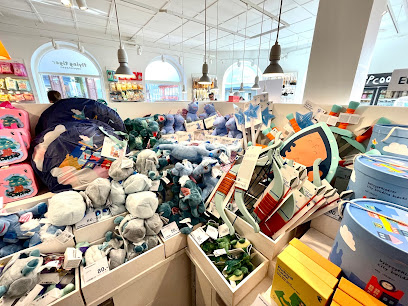
Thi Ti Ting
0.3 km
A cozy little gift shop on Korsgade in Svendborg’s old town, where playful Danish design and easygoing small-town charm meet on every shelf.
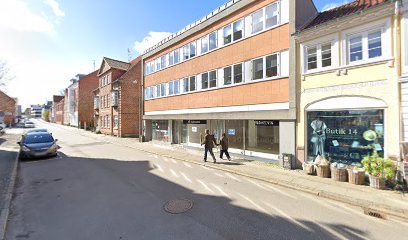
Shop Dot & Flower Corner Svendborg
0.3 km
Svendborg's premier florist and lifestyle boutique, where fresh blooms meet curated gifts and fine wines.
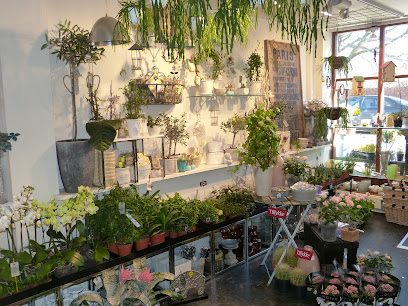
Storms Hjørne
3.8 km
A volunteer-run village gem where Danish tradition, local pride, and waterfront views converge.

Høkildegård
9.3 km
Family-run South Funen farm and country shop overlooking Syltemade Valley, where free-range animals, quality meat and gentle rural landscapes meet in one stop.
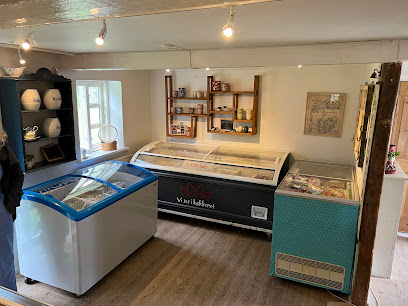
Dansk
15.2 km
A contemporary clothing boutique in Rudkøbing offering wearable Scandinavian style, seasonal collections and practical wardrobe updates in a relaxed, local setting.
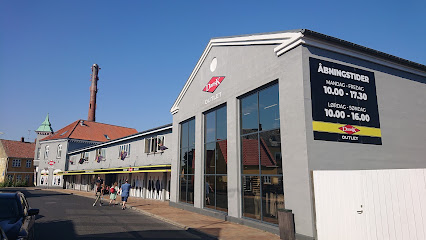
Kaj Hansen
15.2 km
Intimate goldsmith’s atelier and art-filled gallery in Rudkøbing, where handcrafted jewellery and local creativity capture the quiet spirit of Langeland.
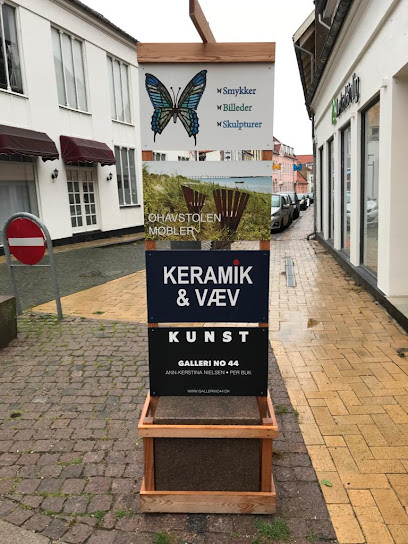
Shop Louise Mary
15.2 km
Charming gift shop on Rudkøbing's central square, offering curated Scandinavian home décor and souvenirs.
Skovhus Keramik
15.3 km
Handcrafted Nordic ceramics inspired by Langeland's natural beauty, created by artist Trine Steffensen.
Købmandsgården-Tingstedet- v/Torbjørn Brun Madsen
15.3 km
Characterful antique shop in an 18th‑century merchant’s house in central Rudkøbing, where Langeland’s history is stacked on shelves, tables and timeworn beams.
Butik Knag I/S
15.4 km
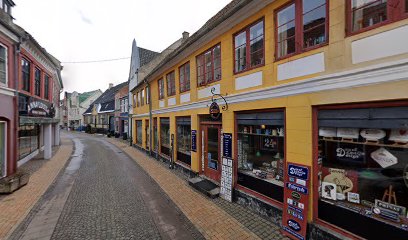
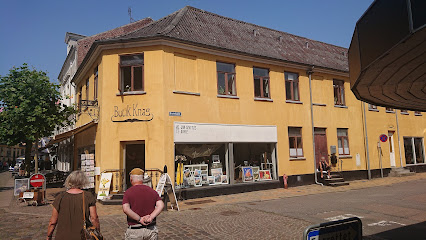
Cosy Rudkøbing specialty shop with liqueurs, gourmet treats and beautifully arranged gift baskets that add local flavour to your Langeland visit.
Imerco
15.4 km
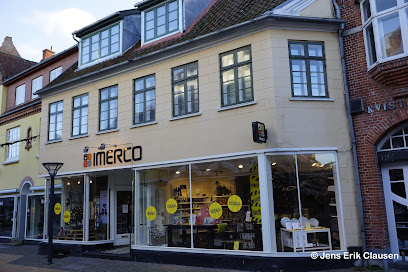
Compact Danish homeware store on Rudkøbing’s main street, blending everyday kitchen essentials, stylish tableware and gift ideas for locals and island visitors.
Books & Paper Rudkøbing
15.4 km
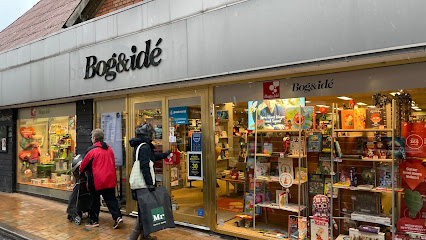
Cosy island bookshop on Rudkøbing’s main street, combining Danish literature, games and stationery with local-flavoured gifts and practical supplies for everyday life.
Essential bars & hidden hideouts

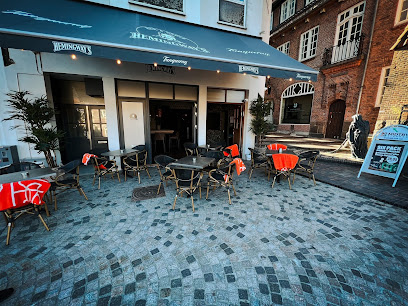
Hemingway's Svendborg
0.2 km
Late-night Nordic bar in historic Svendborg's medieval heart, open weekends until dawn.
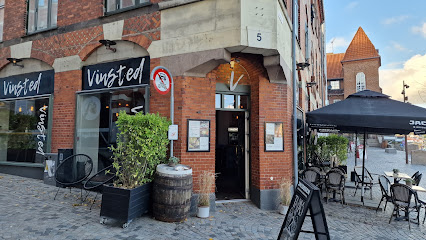
Vinsted
0.2 km
Intimate Svendborg wine bar with shelves of bottles, simple seasonal plates and a warm, candlelit atmosphere on historic Klosterplads.
Trier's Corner
0.2 km
Intimate non-smoking bar on Svendborg’s Klosterplads, serving specialty beers, wine, cocktails and coffee in a warm, Scandinavian-inspired atmosphere.
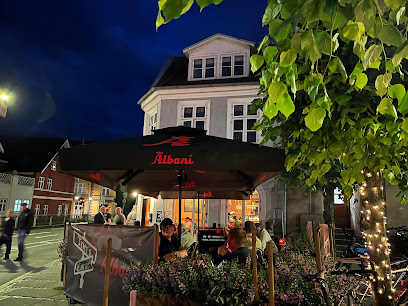
HANSTED
0.3 km
Cozy neighborhood bar and intimate live stage bringing late-night music, craft drinks, and local Svendborg atmosphere together on lively Vestergade.
Rasmus
0.3 km
Intimate live music, specialty beers and a relaxed, bohemian bar atmosphere in the heart of Svendborg’s old town.
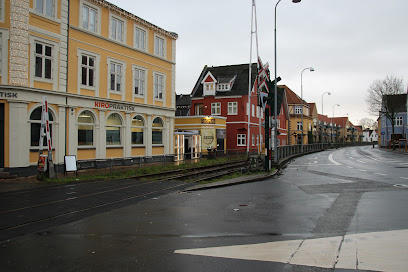
Den Høje Stue
0.3 km
Cosy, inexpensive neighbourhood bar in central Svendborg, blending daytime calm with intimate, pub-style evenings in a warm, unpretentious setting.
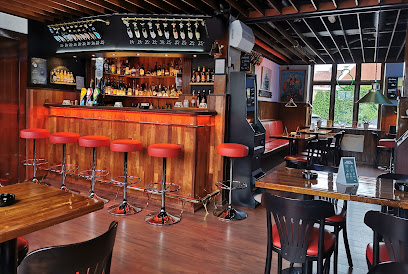
Kahytten Svendborg
0.3 km
Dimly lit, smoky and disarmingly honest, Kahytten is Svendborg’s cabin-like pub where cheap beers, local regulars and harbor-town character meet under one low ceiling.
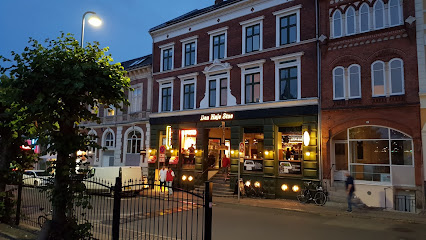
Loftet
0.3 km
Late-opening neighborhood bar in central Svendborg, blending pool, darts and affordable drinks with an easygoing, social atmosphere into the small hours.
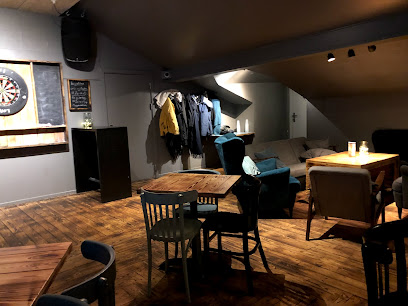
The Drunken Sailor
0.3 km
Cozy nautical pub in Svendborg’s harbor quarter, pouring affordable drinks, hearty Danish tartlets and a generous measure of maritime atmosphere late into the night.
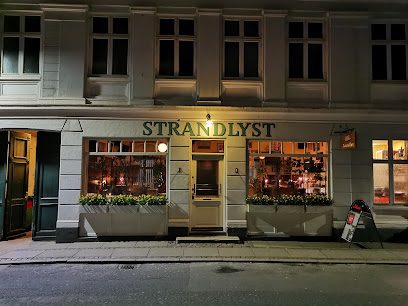
Strandlyst Svendborg ApS
0.4 km
Cozy, maritime-flavored bar in central Svendborg, known for its spirits, live music nights and intimate courtyard that comes alive on long summer evenings.
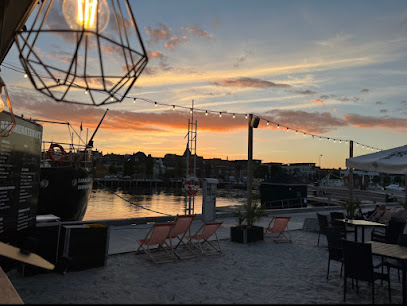
Strandbar
0.5 km
Harbourside beach bar on tiny Frederiksø, pouring sunset drinks, live music vibes and laid-back island atmosphere in the heart of Svendborg’s working waterfront.
Bogholderiet - Ølbar på Værftet
0.5 km
Industrial shipyard heritage meets one of Denmark’s biggest beer selections and organic burgers in a characterful harborfront bar on Frederiksø in Svendborg.
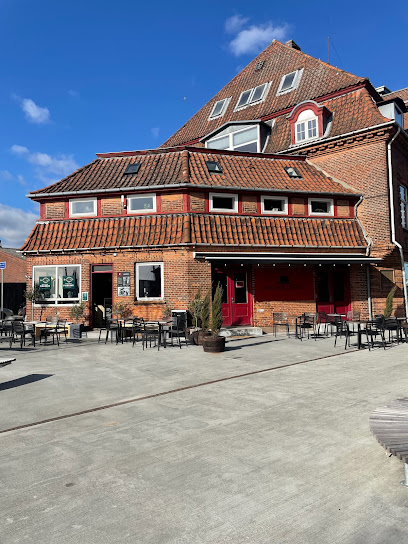
Spillestedet Kammerateriet
0.5 km
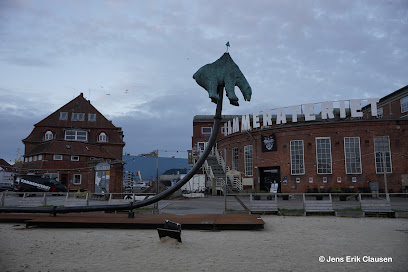
Creative cocktail bar and live venue in a converted harbor warehouse on Frederiksø, blending industrial charm, Nordic drinks and Svendborg’s waterfront nightlife.
Ørkild
0.7 km
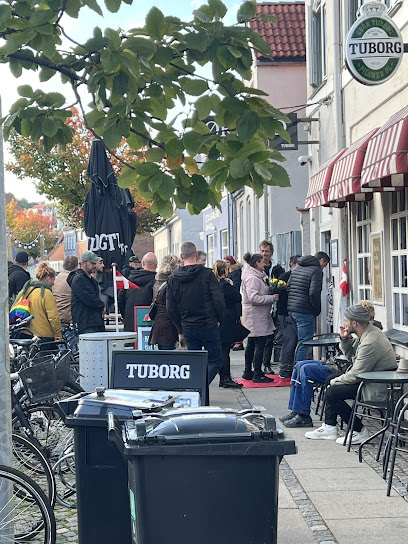
Authentic Danish beer hall where locals gather for genuine hospitality and convivial atmosphere.
Svendborgsund Bryghus - Svendborg
0.8 km
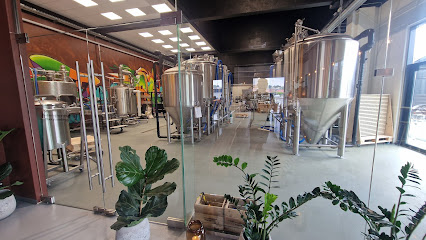
Family-run South Funen microbrewery in a compact Svendborg tasting room, serving small-batch beers and organic lemonades with a relaxed, local feel.
Nightclubs & after hour spots

Crazy Daisy Svendborg
0.3 km
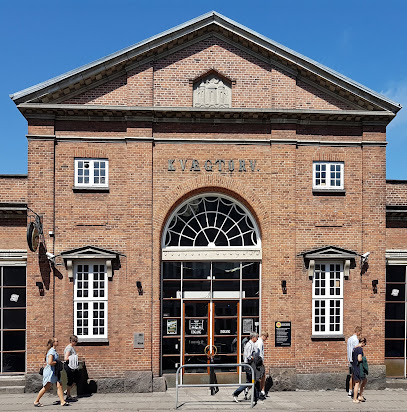
Compact, high-energy weekend nightclub in central Svendborg, serving mainstream beats, drinks and a sociable dance floor until the early hours.
Ommel
22.4 km
A small, sociable island nightspot near Marstal where locals and travelers share quiet drinks, simple music and the easygoing charm of Ærø after dark.
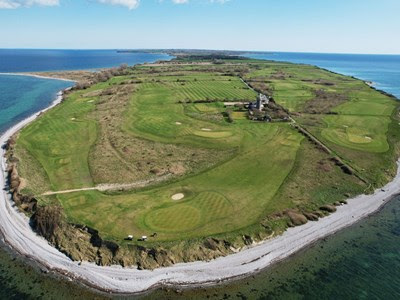
Ærø Golf Klub
27.6 km
Distinctive links course on Ærø’s northwest cape, blending historic lighthouse views, Nordic coastlines, and a classic Danish golfing challenge.
Muzirkus
29.3 km
Nyborg's independent music sanctuary where local bands rehearse, collaborate, and perform since 1974.
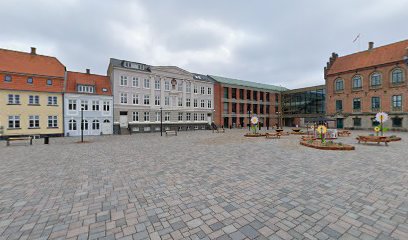
KJ's bodel
30.4 km
Laid‑back local nightspot on Nyborg’s main square, mixing simple drinks, sociable bar chatter and a compact dance floor in an unpretentious setting.
Dance Odense, Funen Square Dance Club
35.2 km
Community-driven square dancing in a cozy Odense neighborhood hall, where callers, patterns and shared rhythm turn an ordinary evening into a friendly social event.
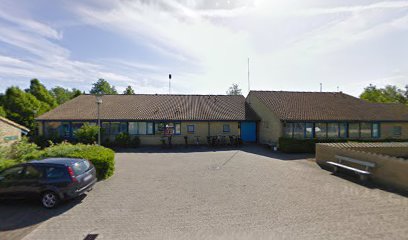
Carlsens Kvarter
39.3 km
Atmospheric pub in Odense C, offering unmatched hygge, an impressive selection of craft beers, and a welcoming local vibe in a characterful historic setting.
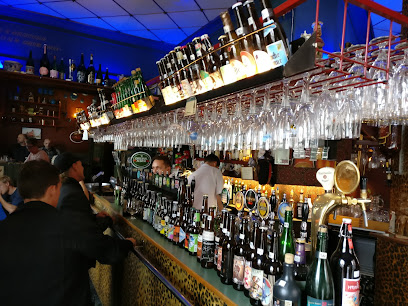
Den Brølende And
39.8 km
Experience the heart of Odense's nightlife at Den Brølende And, where music, dance, and camaraderie come alive.
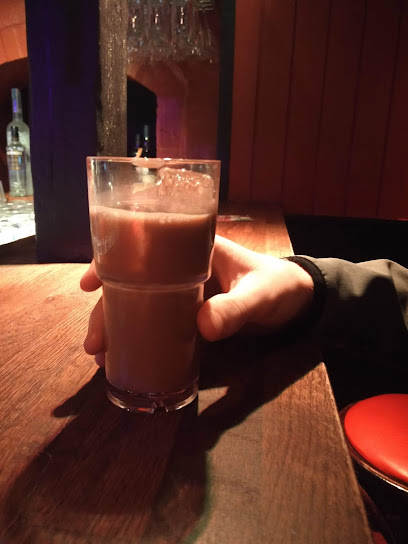
Heidi's Bier Bar Odense
39.9 km
Dance on tables, drink large beers, and celebrate Alpine-style year-round in Odense's most uninhibited nightclub.
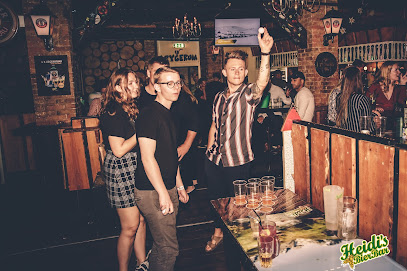
BUTCHERS Odense
39.9 km
High-energy nightclub on Odense’s Overgade, mixing pounding bass, lights and late-night drinks in a central old-town setting steps from major sights.
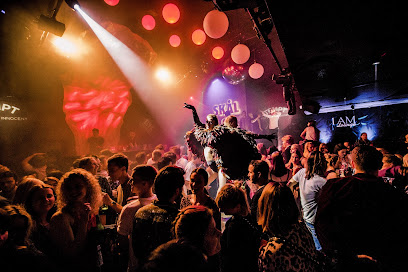
The Flower and the Bee
39.9 km
Odense's vibrant weekend dance bar where the city comes alive after dark.

Dansebar Odense
39.9 km
Lively central Odense nightclub with mainstream hits, colorful lights and a sociable dance floor vibe from late evening into the early hours.
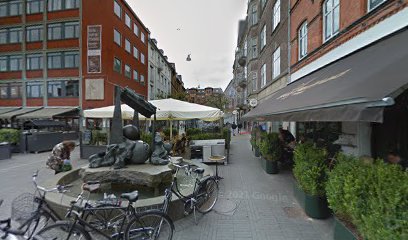
Boogie Dance Café
40.1 km
Odense's oldest disco where retro charm meets genuine community dancing.
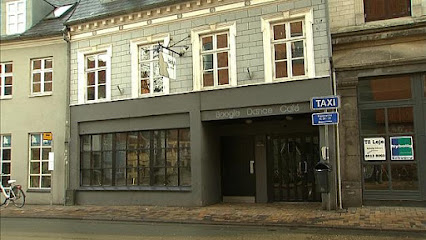
Grand Bar & Lounge
40.1 km
Experience timeless elegance and expertly crafted cocktails at Odense's Grand Bar & Lounge, nestled within the historic First Hotel Grand.
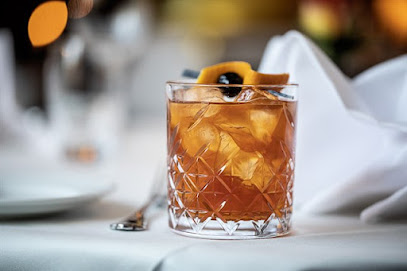
Sir Club
40.2 km
Sir Club in Odense blends classic Danish bar atmosphere, lively open mic nights, and friendly pool competitions, making it a top choice for sociable evenings downtown.
For the vibe & atmosphere seeker
- Historic
- Scenic
- Unique
- Cultural Heritage
For the design and aesthetic lover
- Retro Vibes
- Vintage Styles
- Rustic Designs
For the architecture buff
- Historic
- Landmarks
- Heritage Neighborhoods
For the view chaser and sunset hunter
- Iconic Views
- Architectural Shots
For the social media creator & influencer
- Instagrammable
- Photo Spots
- Architectural Shots
For the eco-conscious traveler
- Protected Area
- Locally Managed
For the kind of experience you’re after
- Cultural Heritage
- Myth & Legends
- Day Trip
For how adventurous you want the journey to be
- Easy Access
Location Audience
- Family Friendly
- Senior Friendly
- Solo Friendly
- Couple Friendly


