

Mols Bjerge National Park, East Jutland Travel Guide
Rolling Ice Age hills, heaths and coastline on Djursland, where free-to-enter Danish wilderness meets Bronze Age mounds, grazing horses and Kalø Castle ruin.
Stretching across 180 square kilometres of rolling hills, heathland, forest and coastline on the Djursland peninsula, Mols Bjerge National Park is one of Denmark’s most distinctive Ice Age landscapes. Here glacially carved ridges rise to 137 metres, Bronze Age burial mounds crown the heights, and trails weave past grazing horses, coastal bays and the medieval Kalø Castle ruin. It is a year-round, free-to-enter natural playground for walkers, cyclists, nature lovers and families.
A brief summary to Mols Bjerge National Park
- Molsvej 29, Rønde, 8410, DK
- Click to display
- Click to display
- Duration: 2 to 8 hours
- Free
-
 Outdoor
- Mobile reception: 4 out of 5

Know before you go
Hi, I'm Eve. Here are a few practical things to know before exploring Mols Bjerge National Park.
- Pack layers and a windproof jacket even in summer; the exposed hills catch strong breezes, and weather can change quickly on the open ridges.
- Pick up maps and current trail information at the visitor centre near Rønde or Strandkær before heading into the hills for longer hikes.
- Bring water and snacks for the longer sections of the Mols Bjerge Trail, as services are sparse once you leave towns and villages.
- Wear sturdy footwear; many paths are uneven, with roots, steep sections and muddy stretches after rain, especially in ravines and wetlands.
- Respect grazing animals by keeping a calm distance and closing gates behind you; dogs should remain on a leash where signposted.
Do you manage this location?
Take control to get all the benefits, like improved information, better appearance, and stronger visibility across AI-powered discovery. Learn more about listing your business on Evendo
Activate your presenceOther nearby places you may find interesting
The closest places of the same kind, if this one is not quite what you had in mind.
Explore Mols Bjerge National Park on the Map
A handpicked selection of must-see spots near Mols Bjerge National Park, mapped for you.
Getting There
-
Regional bus from Aarhus
From central Aarhus, take the regional bus towards Rønde, a journey of around 35–50 minutes depending on the service. Buses typically run at least once an hour during the day and drop you in Rønde, close to information about the national park and connecting routes towards Kalø Castle and other entrances. A single adult ticket generally costs in the range of 30–60 DKK within the regional fare system. This option is convenient if you prefer not to drive and offers good flexibility for day trips.
-
Car from Aarhus to Rønde and Kalø area
Driving from Aarhus to the main western gateway near Rønde and the Kalø Castle area usually takes 30–40 minutes in normal traffic. The route follows main regional roads and is straightforward year-round, though it can be busier at weekends and in summer. Parking at popular access points such as near Kalø Castle ruin or key trailheads is typically free or low cost, but spaces can fill up in peak holiday periods, so arriving earlier in the day helps secure a spot.
-
Cycling from nearby Djursland towns
From nearby towns on Djursland, such as Rønde or Ebeltoft, experienced cyclists can reach different parts of the national park in roughly 30–60 minutes by bike, depending on starting point and route. Roads are generally quiet and complemented by local cycle paths, but hills in the park area can be steeper than elsewhere in Denmark. This low-cost option is best for those comfortable sharing the road with local traffic and prepared for variable weather.
-
Hiking the Mols Bjerge Trail
For multi-day walkers already on Djursland, the 80 km Mols Bjerge Trail connects Rønde with Ebeltoft via four day stages of about 20 km, each taking roughly 5–7 hours. Public bus line 123 links the endpoints of the stages, making it easier to plan day hikes or return to accommodation after finishing a section. Walking is free, but you should budget for any bus fares and overnight stays if you spread the trail over several days.
For the on-the-go comforts that matter to you
-
 Restrooms
-
 Seating Areas
-
 Picnic Areas
-
 Trash Bins
-
 Information Boards
-
 Visitor Center
Discover more about Mols Bjerge National Park
Ice Age Hills Shaping a Danish National Park
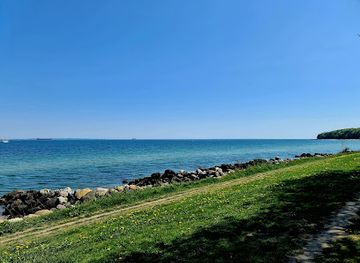
Mols Bjerge National Park spreads over much of southern Djursland, its undulating hills and deep meltwater valleys created at the end of the last Ice Age. The landscape rises to 137 metres at the Mols Hills, which might sound modest, yet here the ridgelines feel strikingly high against the surrounding sea and farmland. From many summits you look out over a patchwork of woods, heath, fields and coves, with Kalø Bay and the Kattegat Sea shimmering on the horizon.The protected area extends around 180 square kilometres, mixing state-owned land with farms, villages and summer houses. This blend of wild nature and gently cultivated countryside is part of the park’s character. You can move in minutes from wind-scoured grasslands to beech forest, from quiet lakes and bogs to bright sandy beaches. More than half of all wild Danish plant species are said to find a niche here, reflecting the extraordinary variety of habitats.Wildlife, Heaths and Grazing Horses
Across the sunlit slopes you may encounter hardy grazing schemes that keep the grasslands open: cattle, sheep and, in some areas, semi-wild horses. Their browsing helps preserve rare dry grassland communities rich in flowers and insects. In late summer, heather paints the hillsides purple, while juniper and hawthorn twist in the wind, giving the terrain a rugged, almost steppe-like feel.Red and roe deer slip between forest edges at dusk, hares sprint across open fields, and foxes patrol hedgerows. Overhead, buzzards and red kites circle on thermals, and skylarks rise singing from meadows. Around lakes and coastal shallows, waders and gulls feed, especially near Stubbe Lake and the sheltered inlets. Even in busy seasons it is easy to find a quiet pocket where only birdsong and wind in the grasses break the silence.Trails, Viewpoints and Lakeside Wandering
The park is laced with waymarked routes, from short family loops to the 80-kilometre Mols Bjerge Trail that links Rønde with Ebeltoft in four day-stages. Sections lead through dramatic ravines shaded by gnarled trees, along old sunken lanes and across hilltops punctuated by Bronze Age burial mounds. From summits such as Agri Bavnehøj you gain expansive views across bays, islands and the broader Djursland peninsula.Shorter routes explore forests near Kalø Castle ruin, the shores of Stubbe Lake and lowland wetlands where boardwalks and soft paths bring you close to reed beds and moorland pools. Many car parks have simple trailheads and area maps, making it easy to choose an outing that matches your time and fitness. Cyclists also find signed routes, from leisurely lanes to more demanding off-road tracks near Ebeltoft.History in the Landscape from Mounds to Castle Ruins
Human stories are layered thickly into Mols Bjerge. Round and elongated burial mounds dot the ridges, some towering above the surroundings as they have for millennia. From these ancient vantage points you can imagine how generations have watched over the same bays and fields. Old manor houses frame the more fertile lowlands, surrounded by hedges, avenues and small patches of woodland.One of the park’s most recognisable landmarks is Kalø Castle ruin, a 14th-century stronghold set on a small peninsula in Kalø Bay. Crumbling stone walls and foundations trace the outline of towers and courtyards, while the surrounding shoreline and woods offer gentle walks rich in birdlife. Elsewhere, you encounter traces of past agriculture in stone fences, abandoned fields and former production forests gradually being allowed to grow wilder.Everyday Encounters and Seasonal Atmosphere
Because the park is free and open year-round, it fits naturally into local daily life as well as longer journeys. On a clear spring day, skylarks and emerging flowers lend a bright energy to the hills. Summer brings longer hikes, picnics in grassy hollows, and swims from nearby beaches. Autumn cloaks the forests in gold and russet, perfect for quieter rambles beneath beech and oak. In winter, low light and occasional frost or snow pick out the contours of the Ice Age terrain in stark relief.Visitor information is centred at Strandkær and in Rønde, where you can learn more about geology, species and current projects. Simple facilities such as restrooms, signed paths and information boards are spread across key access points, but most of the park remains deliberately unmanicured. The essence of Mols Bjerge lies in its shifting skies, its glacial forms and the sense of space they create, inviting you to slow down and absorb a particularly Danish expression of wildness.More to explore near Mols Bjerge National Park













Your all‑in‑one travel companion app
Explore expert travel guides, compare and book tours, experiences, hotels, and more—all from the palm of your hand. Download now for seamless trip planning wherever your wanderlust takes you.


Explore More of East Jutland
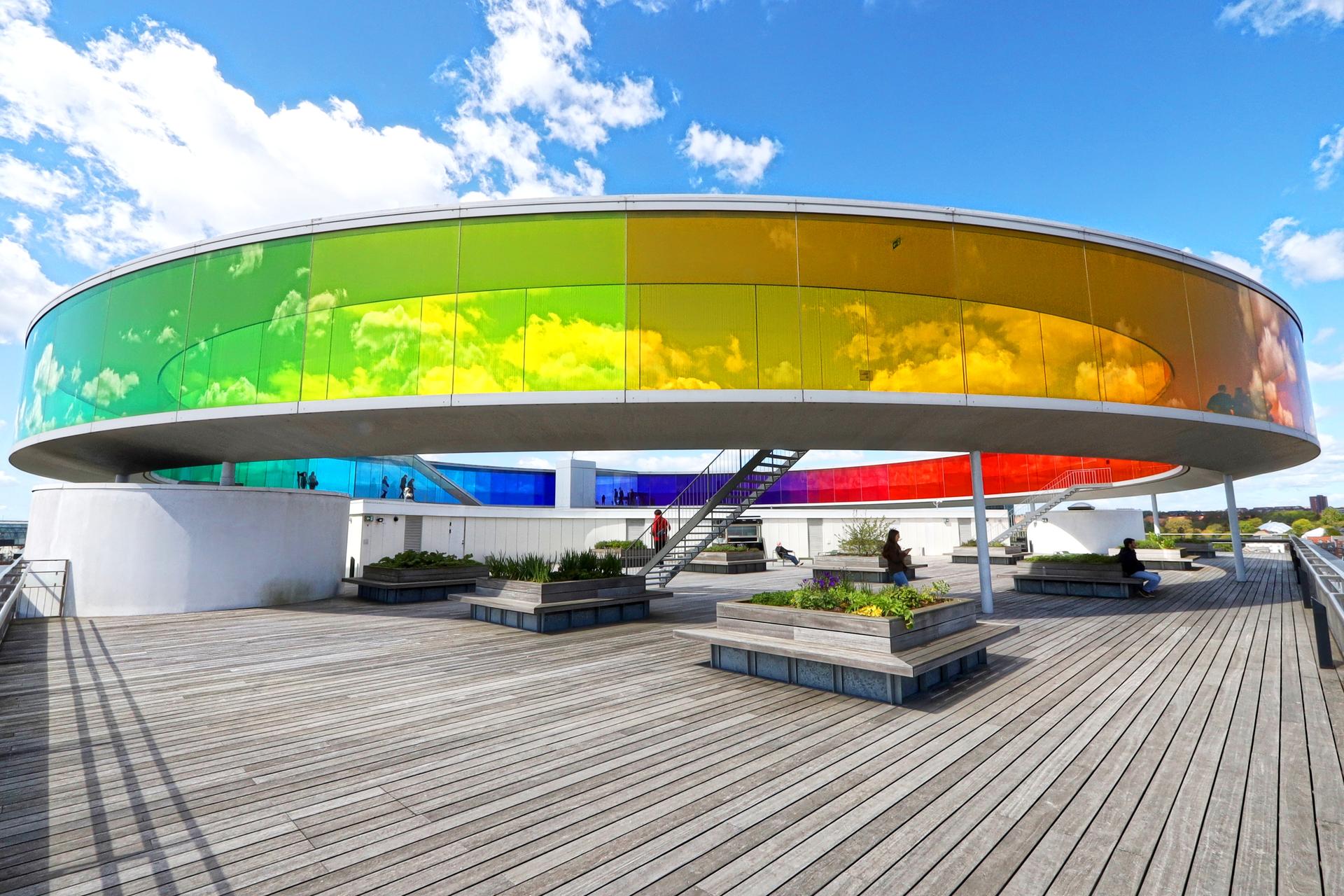
Looking beyond Mols Bjerge National Park? Discover East Jutland for broader travel guides, local hot-spots, and regional highlights.
Explore East Jutland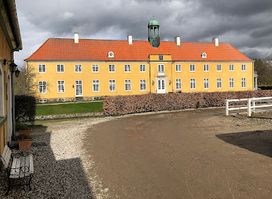
Historic yellow‑timbered manor, working estate and atmospheric rural retreat on the edge of Mols Bjerge National Park in scenic East Jutland.
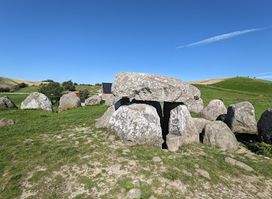
Denmark's Ice Age masterpiece: rolling glacial hills, ancient forests, and 80 kilometers of certified hiking through millennia of natural and cultural heritage.
