Ålvand Klithede Fugletårn Travel Guide
Free Guide: A simple wooden bird tower above windswept dune heathland near Thisted, offering wide horizons, shifting light and quietly rewarding birdwatching in Thy.


A brief summary of Ålvand Klithede Fugletårn
A simple wooden bird tower above windswept dune heathland near Thisted, offering wide horizons, shifting light and quietly rewarding birdwatching in Thy.
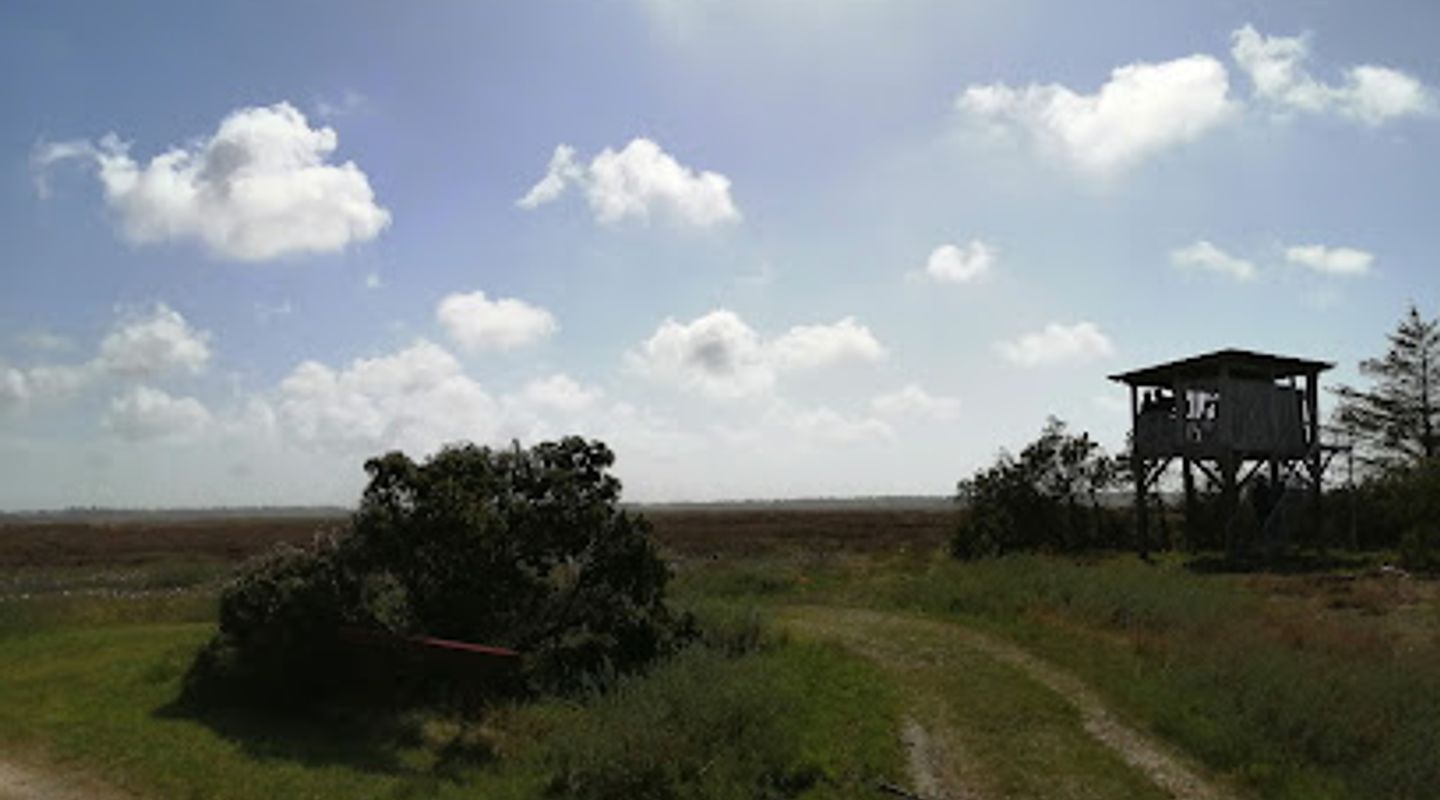
Rising above the windswept coastal heath near Thisted, Ålvand Klithede Fugletårn is a modest wooden birdwatching tower set in a quiet mosaic of dunes, scrub and wetlands. From the top platform you look out over open heathland and low, sandy ridges where migratory and coastal birds feed and rest. It is an uncommercial, back-to-nature stop in Thy country: no crowds, no facilities beyond a simple structure and the sounds of wind, wings and distant waves.
- Address
- 7700 Thisted
Getting there
Car from Thisted
Bicycle from Thisted
Public transport plus walking
Discover more about Ålvand Klithede Fugletårn
Heathland lookout over Thy’s wild edge
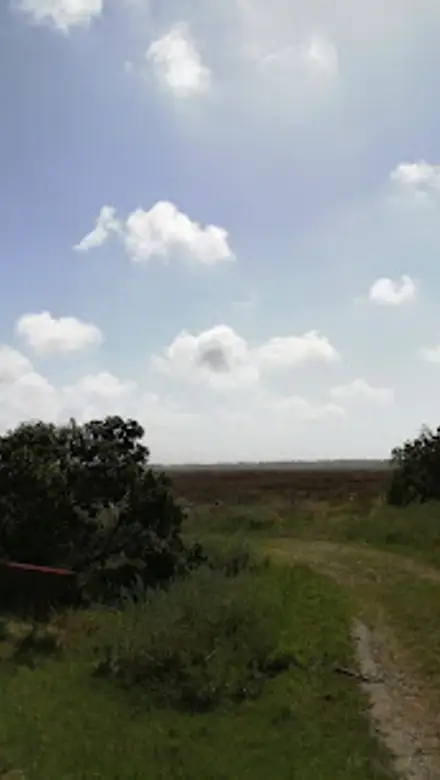
Ålvand Klithede Fugletårn stands in the rolling dune and heath landscape just west of Thisted, on the North Jutlandic Island’s wind-battered coast. The name “klithede” refers to the sandy ridges and heather-clad heath that define this stretch of Denmark, a transitional zone between farmland and the open North Sea shore. The tower itself is a simple, functional wooden structure, but the real attraction is the elevated view it offers across this quietly dramatic scenery.From the platform you see low dunes stitched with marram grass, pockets of wet hollows and scattered shrubs where birds find shelter. On clearer days the horizon is a broad, horizontal line, with clouds racing inland and light constantly shifting across the heath. It is a landscape shaped by wind and salt rather than people, and the tower gives you a rare sense of overview in a region that often feels flat when you are at ground level.
Birdlife along the migration highway
The tower is positioned to overlook a mix of open ground and wetter areas, making it a useful vantage point during spring and autumn migrations. Waders, ducks and geese can be seen moving between feeding and resting spots, while smaller passerines flit along the scrubby edges of the heath. Birds of prey patrol overhead, using the updrafts that form over the dunes and ridges.Season by season, the birdlife changes. In cooler months you may scan for hardy coastal species riding out the North Sea winds, while in summer skylarks add their spiralling song to the soundscape above the heath. The tower’s simple railings and open-sided design make it easy to set up binoculars or a spotting scope, and the relatively low human presence means the surrounding area often feels calm enough for shy species to appear at the edges of your view.
A quiet corner of Thy’s coastal nature
Although modest in scale, Ålvand Klithede forms part of the wider band of protected and semi-natural landscapes that stretch through Thy, including heath, plantations and coastal wetlands. The area’s sandy soils and exposure to wind once made traditional agriculture difficult, preserving a more open, rough-edged character than in much of inland Jutland. Today, that same ruggedness is what makes the spot appealing to walkers, nature lovers and birdwatchers seeking space and silence.Underfoot, the ground can be a mix of sandy tracks and occasionally soft, damp patches where water collects. Heather, grasses and low shrubs dominate, with colours shifting from fresh greens in spring to russet and muted tones as autumn advances. In strong winds you may feel almost alone with the elements, the tower acting as a small human perch in an otherwise expansive, low-lying landscape.
Practical aspects: simplicity and self-reliance
Facilities at Ålvand Klithede Fugletårn are minimal. You should expect an unfussy wooden tower, basic access paths and nature that is largely left to its own devices. There are no permanent services such as cafés or visitor centres directly at the structure, and shelter is limited to what you bring with you. This simplicity is part of the experience: a brief step away from busy town life into a place where the main sounds are wind in the grass and bird calls across the heath.Because the site is open to the weather, clothing and preparation matter. Wind can be brisk even on bright days, and the exposed platform will feel cooler than at ground level. After rain, paths may be muddy and less comfortable for standard city footwear. Many visitors pair a stop at the tower with wider exploration of Thy’s coastal landscapes, using the viewpoint as one of several nature-focused pauses in a day outdoors.
Atmosphere of solitude near Thisted
Despite lying within the municipality of Thisted, the immediate surroundings of Ålvand Klithede feel pleasantly distant from urban noise. You are close enough that a visit can fit into a half-day outing from town, yet far enough that the eye is dominated by heath and sky rather than buildings. The mood is unhurried and contemplative, particularly in the early morning or late afternoon when light angles low across the dunes.For many, the tower’s appeal lies less in ticking off rare species and more in the combination of modest elevation, wide horizons and an almost meditative quiet. It is the sort of place where you linger a little longer than planned, watching clouds form over the North Sea or following a single bird’s path across the heath, before heading back towards the comforts of town with a faint tang of salt and heather still in your senses.
Evendo Review Centre
 Google
Guest reviews
Best time to go
Quietest: Jan, Feb & Dec · before 6am or from 8pm
Busy times are Evendo estimates for a typical year, to help you plan. Actual crowds vary with events, school holidays and the weather.
Explore Ålvand Klithede Fugletårn on the map
A handpicked selection of must-see spots near Ålvand Klithede Fugletårn, mapped for you.
Get your free copy of our complete guide to Ålvand Klithede Fugletårn, delivered straight to you.
Everything on this page, from opening hours and how to get there to Eve’s tips and the best time to go, in one PDF you can read offline, print or share.
Already have an account? Sign in
Your Ålvand Klithede Fugletårn guide is ready.
We'll send it to · Not you? Sign out

Getting your guide ready…
We are putting together a fresh copy of the Ålvand Klithede Fugletårn guide. This can take up to a minute.
This can take a few moments. If your browser asks, choose Allow so the download can start. You'll find the guide in your Downloads folder.
Nothing happened? Download it again
Sorry, the guide is taking longer than usual. Please try again in a minute, or get it by email instead.
Other nearby places you may find interesting
The closest places of the same kind, if this one is not quite what you had in mind.
-
Cold Hawaii beachview A windswept North Sea vantage point over Denmark’s legendary Cold Hawaii surf coast, where dunes, waves and Thy National Park meet in a distinctly Nordic beachscape.
-
Nordsø Akvariet A compact North Sea aquarium in coastal Vorupør, bringing local fish, fishing culture and family-friendly marine experiences together just behind the dunes.
-
Vorupør Museum Step inside an authentic coastal boatyard where cutters were built for the North Sea, and discover how craftsmanship, fishing and family life shaped Vorupør.
-
Nationalpark Thy, visitor centre Stenbjerg Landingsplads Atmospheric fishermen’s cottages, a compact park visitor centre and a wild North Sea beach combine at Stenbjerg Landingsplads, a characterful gateway to Nationalpark Thy.
-
Havbad A sheltered North Sea sea-bath on Thisted’s wild west coast, blending safe swimming, sandy dunes and working-fishing-village charm in compact form.
Swipe for more places
More to explore near Ålvand Klithede Fugletårn
-
 Best experiences near Ålvand Klithede Fugletårn
-
 Best hotels near Ålvand Klithede Fugletårn
-
 Best landmarks near Ålvand Klithede Fugletårn
-
 Best attractions near Ålvand Klithede Fugletårn
-
 Best shops near Ålvand Klithede Fugletårn
-
 Best restaurants near Ålvand Klithede Fugletårn
-
 Best bars near Ålvand Klithede Fugletårn







Do you manage this location?
Take control to get all the benefits, like improved information, better appearance, and stronger visibility across AI-powered discovery.
Explore more

Explore more of Thy National Park
Discover Thy National Park, Denmark's first national park, a coastal wilderness offering diverse landscapes, rich wildlife, and countless outdoor activities for nature lovers.
Explore Thy National Park
Explore more of Denmark
Discover Denmark: A perfect blend of history, modern design, and the cozy concept of hygge. Explore vibrant cities, serene landscapes, and world-class cuisine.
Explore Denmark