

Cold Hawaii beachview Travel Guide
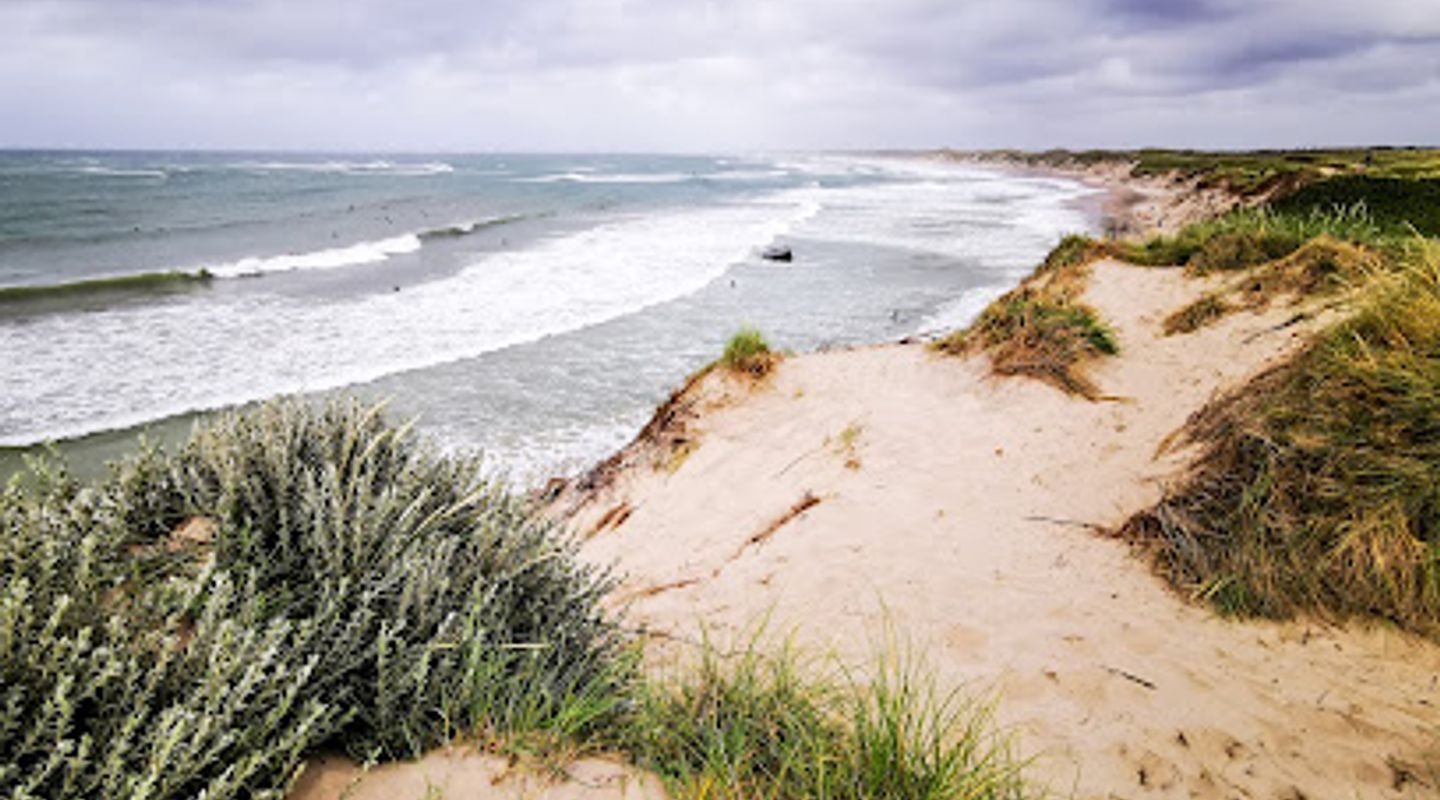
Free Guide: A windswept North Sea vantage point over Denmark’s legendary Cold Hawaii surf coast, where dunes, waves and Thy National Park meet in a distinctly Nordic beachscape.


A brief summary of Cold Hawaii beachview
A windswept North Sea vantage point over Denmark’s legendary Cold Hawaii surf coast, where dunes, waves and Thy National Park meet in a distinctly Nordic beachscape.
Perched just behind the dunes in the Thy region of North Jutland, Cold Hawaii Beachview looks across one of Europe’s most distinctive surf coastlines. Here the North Sea rolls in over reefs and sandbars, drawing surfers, windsurfers and kitesurfers to Klitmøller’s famed “Cold Hawaii” stretch. From this vantage, you see waves, dunes and big skies rather than a built-up resort, with Thy National Park’s wild landscapes spreading inland and a relaxed, outdoorsy surf-town atmosphere all around.
On-site amenities
 Restrooms
 Seating areas
 Trash bins
 Information boards
- Address
- Hawblink 3, 7700 Thisted
Getting there
Car from Thisted town
Regional bus within Thy
Bicycle through Thy countryside
Discover more about Cold Hawaii beachview
North Sea waves and a front-row panorama
Cold Hawaii Beachview sits above the shoreline near Klitmøller, overlooking the surf zones that have made this part of Thy famous among cold‑water wave chasers. From here, the horizon is a broad sweep of North Sea, broken only by whitecaps, distant windfarms and the silhouettes of surfers waiting for the next set. The light can change quickly, from steel-grey mornings to golden evenings when the sun drops low over the water and the whole seascape glows.The beach below is typical of Denmark’s west coast: wide, sandy and backed by low dunes tufted with marram grass. On windier days you will hear the dull roar of the shorebreak and feel salty spray carried far inland. Calmer spells reveal the subtle patterns of swell wrapping around reefs and sandbars, a clue to why this coastline grew into a northern European surf hotspot.
From fishing village to surf stronghold
Klitmøller began life as a small fishing community, using the relative shelter of this bay to land boats in heavy seas. As boardsports spread across Europe, visiting windsurfers and surfers recognised that the same underwater reefs and angles that helped the fishermen also created consistent, powerful waves. The nickname “Cold Hawaii” was born, comparing the quality of the surf to far warmer and more famous shores.Today the area is known as a cluster of more than two dozen named surf spots running along the coast of Thy. Beachview looks towards some of the most accessible breaks, where beginners take lessons on gentler sand-bottom sections while advanced riders test themselves on punchier reef peaks. The old fishing heritage is still visible in boat winches and traditional buildings, giving the coastline a distinctive mix of maritime and surf culture.
Life between dunes, sea and national park
One of the defining features of Cold Hawaii Beachview is its setting at the edge of Thy National Park. Inland from the shoreline, the landscape shifts quickly to heath, forest and dune plantations, threaded with walking and cycling trails. Standing here, you are just as close to birdlife, deer and windswept moorland as you are to foam and boards.The air often carries a mix of pine from nearby plantations and briny seaweed from the intertidal zone. On clear days you can trace the smooth curve of the coast north and south, picking out headlands that hide other surf breaks. Changeable North Sea weather is part of the character: dramatic cloud layers, fast‑moving showers and shafts of sunlight that spotlight parts of the beach while others sit in shadow.
Watching the rhythm of surf culture
From this viewpoint you can quietly observe the daily rhythm of Cold Hawaii. Early in the day, lone longboarders and dedicated dawn patrollers paddle out while the town is still waking. As the light strengthens, surf schools gather near the waterline, bright wetsuits and soft‑top boards clustered at the edge of the waves. On windy afternoons, sails and kites add colour to the white‑tipped sea, while beach walkers follow the firm sand close to the water.Even if you never step on a board, there is plenty to take in: the choreography of surfers sharing peaks, the way experienced locals read the shifting sandbars, and the patient pauses between sets. In winter, sessions are shorter but more intense, with thicker neoprene, hoods and gloves hinting at how cold the water can be when North Sea storms deliver some of the best swells.
Sunsets, seasons and sensory details
Cold Hawaii Beachview changes character through the year. Long summer evenings can stretch late, with pastel skies, mild air and surfers visible far out until almost nightfall. Autumn brings more powerful swells and impressive sea states, with roaring wind and dramatic cloudscapes. In calmer winter high-pressure periods, the air turns crystal clear and the low sun paints the dunes in rich amber tones.Where you stand, you may notice fine sand underfoot, the rasp of dry marram in the breeze and the constant low-frequency rumble of distant surf. Gulls wheel overhead, sometimes joined by migrating seabirds following the coastline. As daylight fades, house lights and the glow from surf lodges and cafes behind the dunes appear, but the sound of the ocean remains the dominant backdrop.
Experiencing Cold Hawaii at your own pace
This is a place that welcomes both active and contemplative visits. Some travellers plan their days around forecast charts, timing sessions for the right wind direction and swell period. Others simply bring a thermos, find a sheltered hollow in the dunes and watch the ever-shifting sea. Photographers are drawn by minimal horizons, textured water and big skies, especially around sunrise and sunset.The beach and surroundings invite slow exploration on foot, pausing often to look back at the waves from new angles. With the national park so close, it is easy to combine time on the coast with short walks into heath and forest. Whether you stay for an hour or an entire day, the impression that lingers is the constant dialogue between North Sea weather, rugged landscape and the human urge to ride waves, even when the water is anything but tropical.
Evendo Review Centre
 Google
Guest reviews
Best time to go
Quietest: Jan, Feb & Dec · before 7am or from 11pm
Busy times are Evendo estimates for a typical year, to help you plan. Actual crowds vary with events, school holidays and the weather.
Explore Cold Hawaii beachview on the map
A handpicked selection of must-see spots near Cold Hawaii beachview, mapped for you.
Get your free copy of our complete guide to Cold Hawaii beachview, delivered straight to you.
Everything on this page, from opening hours and how to get there to Eve’s tips and the best time to go, in one PDF you can read offline, print or share.
Already have an account? Sign in
Your Cold Hawaii beachview guide is ready.
We'll send it to · Not you? Sign out

Getting your guide ready…
We are putting together a fresh copy of the Cold Hawaii beachview guide. This can take up to a minute.
This can take a few moments. If your browser asks, choose Allow so the download can start. You'll find the guide in your Downloads folder.
Nothing happened? Download it again
Sorry, the guide is taking longer than usual. Please try again in a minute, or get it by email instead.
Other nearby places you may find interesting
The closest places of the same kind, if this one is not quite what you had in mind.
-
-
-
-
-


Swipe for more places
More to explore near Cold Hawaii beachview

 Best experiences near Cold Hawaii beachview
 Best hotels near Cold Hawaii beachview
 Best landmarks near Cold Hawaii beachview
 Best attractions near Cold Hawaii beachview
 Best shops near Cold Hawaii beachview
 Best restaurants near Cold Hawaii beachview
 Best bars near Cold Hawaii beachview
Do you manage this location?
Take control to get all the benefits, like improved information, better appearance, and stronger visibility across AI-powered discovery.
Explore more

Explore more of Thy National Park
Discover Thy National Park, Denmark's first national park, a coastal wilderness offering diverse landscapes, rich wildlife, and countless outdoor activities for nature lovers.
Explore Thy National Park
Explore more of Denmark
Discover Denmark: A perfect blend of history, modern design, and the cozy concept of hygge. Explore vibrant cities, serene landscapes, and world-class cuisine.
Explore Denmark
