

Hampstead Beach Travel Guide - Free Web & App
Your ultimate guide to Hampstead Beach. Discover top landmarks, proposed trips, and local tips. Free on the web or via the Evendo companion app.


Hampstead Beach in Dominica pairs dark volcanic sand, Atlantic views and a quiet rural setting near Marigot, ideal for a peaceful coastal escape.
A Quiet Atlantic Coast
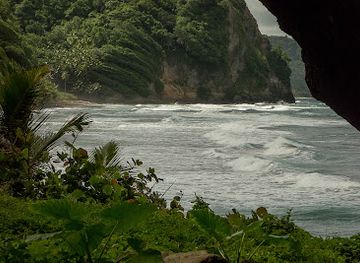
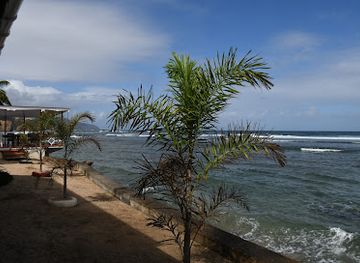
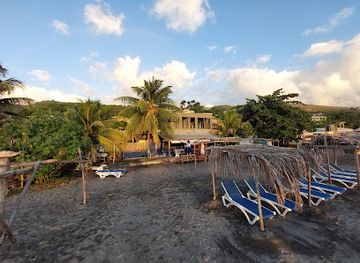
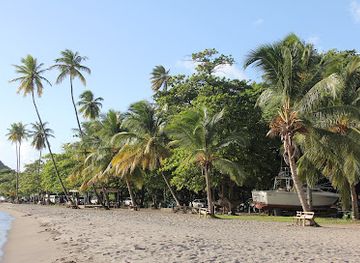
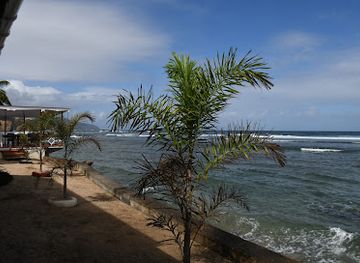
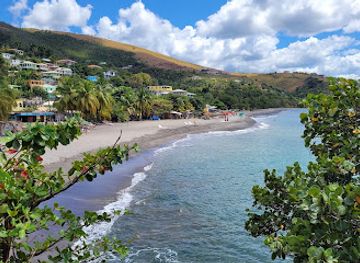
Hampstead Beach lies on Dominica’s less-developed north-eastern coastline, where dark volcanic sand meets the open Atlantic. It is associated with the rural Hampstead area and is reached through a landscape of palms, woodland and small agricultural holdings rather than a built-up resort strip. The beach’s appeal comes from its sense of space and relative quiet, with the island’s steep interior visible beyond the coastal plain and the sound of the surf carrying across the shore.Read more about Hampstead Beach
Landscape and Local Character
Exploring the Area
When is the best time to visit Hampstead Beach?
Best: January–March · 30°C| Month | High (°C) | Rainfall (mm) |
|---|---|---|
| January (best) | 30 | 150 |
| February (best) | 30 | 150 |
| March (best) | 30 | 150 |
| April | 30 | 150 |
| May | 31 | 150 |
| June | 31 | 150 |
| July | 31 | 150 |
| August | 31 | 150 |
| September | 31 | 150 |
| October | 32 | 150 |
| November | 32 | 150 |
| December | 32 | 150 |
Getting to and around Hampstead Beach
How to get there
Transportation
Best attractions in Hampstead Beach
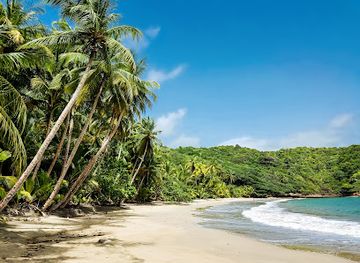
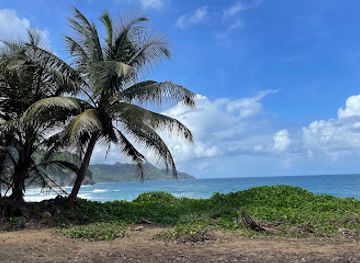
Hampstead Beach is the principal attraction in this small coastal destination, offering dark volcanic sand, open Atlantic horizons and a quiet setting framed by tropical vegetation. Its rural surroundings are as important as the shoreline itself: roads pass through cultivated land and scattered communities before reaching a coast that feels markedly less developed than Dominica’s main urban centres. The beach can be included in a north-eastern itinerary based around Marigot or Calibishie, with the wider region providing access to forested valleys, rivers and other coastal viewpoints. Visitors interested in Dominica’s landscapes may also use the journey to understand the contrast between the exposed Atlantic shore and the island’s wetter, mountainous interior. There are no grounds for expecting a large visitor complex, museum or concentration of commercial attractions directly at Hampstead, so the experience is centred on scenery, a short coastal walk and observation of the surrounding environment rather than a programme of formal activities.
-
Grill
Batibou Beach
Discover the pristine beauty of Batibou Beach in Dominica, a hidden paradise perfect for relaxation and adventure amid stunning natural landscapes.
-
Archipelago
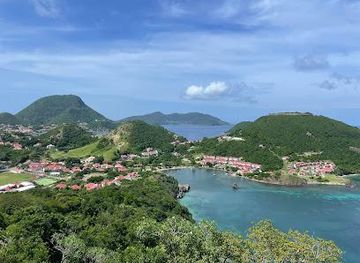
Îles des Saintes
Explore the breathtaking Îles des Saintes in Guadeloupe, where vibrant culture meets stunning natural beauty in a perfect tropical getaway.
-
Beach
Boute Sabe Beach
Discover tranquility at Boute Sabe Beach, a serene escape with golden sands and crystal-clear waters in the heart of the Caribbean.
Best landmarks in Hampstead Beach
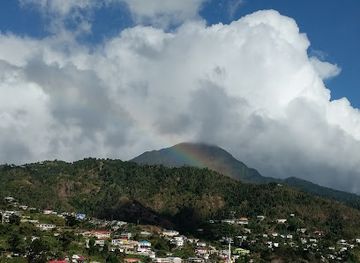
The defining landmark of Hampstead is its dark Atlantic shoreline, where volcanic island geology meets a coast exposed to ocean swell and weather. The beach’s visual identity is strengthened by the surrounding palms, woodland and cultivated rural landscape, while the steep interior of Dominica forms a contrasting backdrop beyond the coastal plain. Hampstead’s association with the historic estate landscape adds a human dimension, even though the area is not presented as a formal architectural monument. The nearby coastal communities of Marigot and Calibishie provide the clearest reference points for understanding the region, while Dominica’s wider volcanic mountains and forested valleys explain the marked transition between shore and interior. These features are best appreciated as parts of a continuous natural and working landscape rather than as a collection of constructed landmarks.
-
Botanical garden
Dominica Botanical Gardens
Discover Dominica's natural beauty at the Botanical Gardens in Roseau, a historic sanctuary with diverse flora, cultural landmarks, and tranquil escapes.
-
Tourist attraction
Emerald Pool
Discover Dominica's Emerald Pool: A lush rainforest oasis with a mesmerizing waterfall and emerald-green swimming hole. A Caribbean gem!
-
Tourist attraction
Trafalgar Falls
Experience the majestic twin waterfalls of Dominica, surrounded by lush rainforest and geothermal hot springs.
-
Tourist attraction
Titou Gorge
Swim through a volcanic gorge to a hidden waterfall in Dominica's Morne Trois Pitons National Park. A Pirates of the Caribbean filming location!

Explore Hampstead Beach on the map
Plan your trip on one map. See where the top attractions, landmarks, restaurants and hotels are, and book hotels and experiences in a few clicks.
Best hotels in Hampstead Beach
Best restaurants in Hampstead Beach
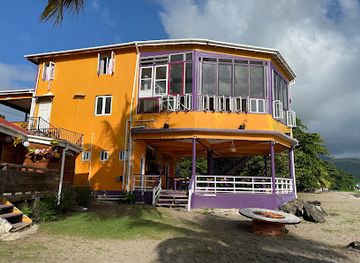
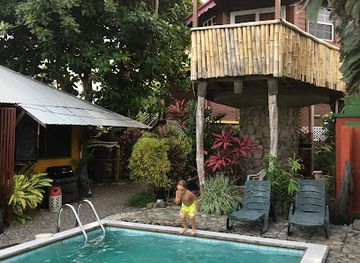
Dining options are concentrated in nearby communities rather than on Hampstead Beach itself. Marigot and Calibishie provide the most practical choice of small restaurants, cafés, rum shops and locally run food outlets, while accommodation providers may offer meals by arrangement. Dominican cooking commonly draws on provisions such as plantain, root vegetables, rice, stewed meats, fresh fruit and seafood, with Caribbean seasoning and home-style preparation varying from one kitchen to another. Fish and other coastal ingredients may appear in local meals, although availability depends on catch, weather and the individual establishment. Visitors travelling to the beach should carry water and any food required for the outing instead of relying on a shore-side café or vendor. Buying provisions in a larger settlement also supports a more self-sufficient visit to this lightly developed part of the coast.
-
Restaurant
Purple Turtle Beach Club
Discover relaxation and vibrant entertainment at Purple Turtle Beach Club in Portsmouth – your ultimate Caribbean escape!
-
Restaurant
PoZ' Restaurant & Bar Calibishie
Experience the flavors of Dominica at PoZ' Restaurant & Bar in Calibishie—where local ingredients meet culinary creativity in a stunning setting.
-
Restaurant
Coral Reef Bar & Restaurant
Experience authentic Caribbean cuisine at Coral Reef Bar & Restaurant in Calibishie with stunning ocean views and vibrant atmosphere.
-
Restaurant
InDee's Beach Bar and Restaurant
Experience authentic Caribbean cuisine with stunning ocean views at InDee's Beach Bar and Restaurant on Mero Beach.
Best bars in Hampstead Beach
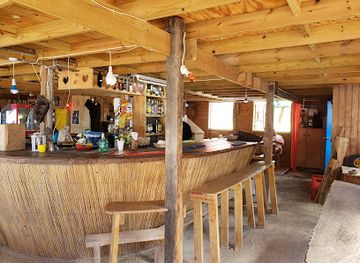
Hampstead Beach has no established nightlife district and should be approached as a quiet rural shoreline rather than an evening entertainment centre. After dark, options are more likely to be found in village bars, rum shops, small restaurants or accommodation venues in Marigot and Calibishie, where the atmosphere is generally local and informal rather than club-oriented. Opening patterns and entertainment can vary, so visitors should check locally instead of expecting scheduled performances or late-night venues. The beach itself is not a suitable substitute for organised evening entertainment: limited lighting, changing coastal conditions and its relatively quiet setting make daytime visits more appropriate. Evening social life in the surrounding communities is best experienced respectfully, with consideration for residents and nearby households.
-
Restaurant
Keepin'It Real
Discover the vibrant Keepin'It Real at Toucari Beach, where delicious food, refreshing drinks, and thrilling water sports create unforgettable moments.
-
Restaurant
Purple Turtle Beach Club
Experience the culinary delights and stunning views at Purple Turtle Beach Club in Portsmouth, Dominica, where every meal is a tropical escape.
-
Restaurant
Coral Reef Bar & Restaurant
Discover the flavors of the Caribbean at Coral Reef Bar & Restaurant in Calibishie, where fresh seafood and stunning views await.
-
Restaurant
Hi Rise Beach Bar
Discover the lively Hi Rise Beach Bar in Roseau, where Caribbean flavors meet stunning bay views for an unforgettable dining experience.
Best nightclubs in Hampstead Beach
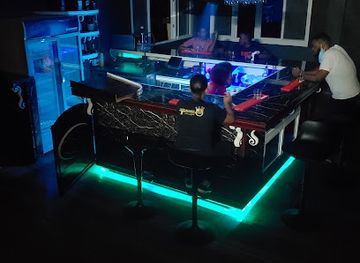
Hampstead Beach has no established nightlife district and should be approached as a quiet rural shoreline rather than an evening entertainment centre. After dark, options are more likely to be found in village bars, rum shops, small restaurants or accommodation venues in Marigot and Calibishie, where the atmosphere is generally local and informal rather than club-oriented. Opening patterns and entertainment can vary, so visitors should check locally instead of expecting scheduled performances or late-night venues. The beach itself is not a suitable substitute for organised evening entertainment: limited lighting, changing coastal conditions and its relatively quiet setting make daytime visits more appropriate. Evening social life in the surrounding communities is best experienced respectfully, with consideration for residents and nearby households.
-
Dance club
NSE Night Club
Experience the electrifying nightlife at NSE Night Club in Anse De Mai, where music, dance, and vibrant atmosphere come together for unforgettable evenings.
-
Night club
Club Access Bar & Grill
Discover the nightlife of San Sauveur at Club Access Bar & Grill, where Caribbean vibes meet culinary delights in a lively atmosphere.
-
Bar
The Velvet Lounge, Café-Bar
Experience the vibrant atmosphere of The Velvet Lounge in Roseau—where every sip tells a story and every moment is unforgettable.
-
 Night club
Impact Night Club
Discover the electrifying nightlife at Impact Night Club in Woodford Hill, where unforgettable dance experiences await.

Best shops in Hampstead Beach
Shopping at Hampstead Beach is very limited, with no substantial retail centre or dedicated craft market on the shore. Visitors should obtain food, drinks, cash and other essentials in Marigot, Calibishie or another larger settlement before travelling to the coast. Small village shops and local food outlets may provide everyday supplies, while larger communities offer a better chance of finding locally grown produce and Dominican-made goods. Across the island, appropriate souvenirs can include food products, artwork, woven items and crafts made by local producers, but availability varies and should not be assumed at a particular shop. Purchasing directly from genuine small businesses, rather than removing shells, stones or plants from the beach, is the more responsible way to take home a reminder of the region.
-
Tourist attraction
Dominica Botanical Gardens
Explore the lush landscapes and vibrant flora of Dominica Botanical Gardens, a tranquil oasis in the heart of Roseau.
-
Hotel
InterContinental Dominica Cabrits Resort & Spa, an IHG Hotel
Discover the epitome of luxury and adventure at InterContinental Dominica Cabrits Resort & Spa, your gateway to paradise in the Caribbean.
-
Tourist attraction
Mero beach
Discover Mero Beach, a breathtaking destination in Dominica, perfect for relaxation, snorkeling, and enjoying the Caribbean sun.
-
Resort hotel
Jungle Bay Dominica
Unwind in luxury at Jungle Bay Dominica, an eco-friendly resort offering wellness, adventure, and breathtaking natural beauty.
Get your free copy of our complete guide to Hampstead Beach, delivered straight to you.
Everything on this page, from attractions and restaurants to essentials and local phrases, in one PDF you can read offline, print or share.
Already have an account? Sign in
Your Hampstead Beach guide is ready.
We'll send it to · Not you? Sign out

Getting your guide ready…
We are putting together a fresh copy of the Hampstead Beach guide. This can take up to a minute.
This can take a few moments. If your browser asks, choose Allow so the download can start. You'll find the guide in your Downloads folder.
Nothing happened? Download it again
Sorry, the guide is taking longer than usual. Please try again in a minute, or get it by email instead.
Hampstead Beach essentials
Currency and Payment
Safety
Emergency Situations
Do's and Don'ts
Local Tips
From Eve
Local phrases worth knowing
You don't need to get them perfect. A few words go a long way, and locals appreciate the effort.
Basics
| English | Local | Say it |
|---|---|---|
| Hello | Bonjou | [Bon-joo] |
| Goodbye | Orevwa | [O-rev-wa] |
| Yes | Wi | [Wee] |
| No | Non | [Non] |
| Please/You're welcome | Tanpri | [Tahn-pree] |
| Thank you | Mèsi | [Meh-see] |
| Excuse me/Sorry | Eskize mwen | [Es-kee-zay mwen] |
| How are you? | Kouman ou ye? | [Koo-man ooh yay] |
| Fine. And you? | Byen. E ou? | [Bee-yen. Ay ooh] |
| Do you speak English? | Èske ou pale angle? | [Es-kuh ooh pah-lay ahn-glay] |
| I don't understand | Mwen pa konprann | [Mwen pah kohn-prahn] |
Eating & Drinking
| English | Local | Say it |
|---|---|---|
| I'd like to see the menu, please | Mwen ta renmen wè meni an, tanpri | [Mwen tah ren-men weh meh-nee ahn, tahn-pree] |
| I don't eat meat | Mwen pa manje vyann | [Mwen pah mahn-jay vee-ahn] |
| Cheers! | Santé! | [San-tay] |
| I would like to pay, please | Mwen ta renmen peye, tanpri | [Mwen tah ren-men pay-yay, tahn-pree] |
Emergencies
| English | Local | Say it |
|---|---|---|
| Help! | Ed! | [Ehd] |
| Go away! | Ale ale! | [Ah-lay ah-lay] |
| Call the Police! | Rele lapolis! | [Ray-lay lah-poh-leece] |
| Call a doctor! | Rele yon doktè! | [Ray-lay yohn dohk-tay] |
| I'm lost | Mwen pedi | [Mwen pay-dee] |
| I'm ill | Mwen malad | [Mwen mah-lahd] |
Shopping
| English | Local | Say it |
|---|---|---|
| I'd like to buy... | Mwen ta renmen achte... | [Mwen tah ren-men ahsh-tay] |
| I'm just looking | Mwen jis gade | [Mwen zjee gah-day] |
| How much is it? | Konbyen sa koute? | [Kohn-byen sah koo-tay] |
| That's too expensive | Sa twò chè | [Sah twah chay] |
| Can you lower the price? | Ou kapab ba pri anba? | [Ooh kah-pah bah pree ahn-bah] |
Time & Numbers
| English | Local | Say it |
|---|---|---|
| What time is it? | Kilè li ye? | [Kee-lay lee yay] |
| It's one o'clock | Li senk | [Lee sank] |
| Half past (10) | Demi (10) | [Day-mee (dees)] |
| Morning | Maten | [Mah-ten] |
| Afternoon | Apremidi | [Ah-pray-mee-dee] |
| Evening | Aswè | [Ah-sway] |
| Yesterday | Yè | [Yay] |
| Today | Jodi a | [Zho-dee ah] |
| Tomorrow | Demen | [Day-may] |
| 1 | Yon | [Yohn] |
| 2 | De | [Day] |
| 3 | Twal | [Twa] |
| 4 | Kat | [Kaht] |
| 5 | Senk | [Sank] |
| 6 | Sis | [Sees] |
| 7 | Sèt | [Set] |
| 8 | Wit | [Weet] |
| 9 | Nèf | [Nef] |
| 10 | Dis | [Dees] |
Transport & Directions
| English | Local | Say it |
|---|---|---|
| Where's a/the...? | Ki kote...? | [Key koh-tay] |
| What's the address? | Kisa adrès la? | [Kee-sah ah-dress lah] |
| Can you show me (on the map)? | Ou kapab montre mwen (sou kat)? | [Ooh kah-pah mohn-tray mwen (soo kaht)] |
| When's the next (bus)? | Ki lè prochen (bis la)? | [Key lay proh-shen (bees lah)] |
| A ticket (to ....) | Yon tikè (pou ....) | [Yohn tee-kay (poo)] |
History of Hampstead Beach
Volcanic Origins and Coastal Change
Hampstead Beach forms part of Dominica’s volcanic island landscape. The dark shore reflects the character of beaches created where volcanic material has been weathered and carried towards the coast, while the island’s rugged relief rises inland from the narrow coastal zone. Geological processes continue to influence drainage, shoreline shape and the movement of sand and stone. These natural conditions help explain why Dominica’s beaches vary considerably from one bay to the next and why some Atlantic shores are more exposed than the sheltered western coast.
Kalinago Homeland
Before European colonisation, Dominica was inhabited by Indigenous peoples, including the Kalinago, whose history remains central to the island’s identity. The north and east of Dominica formed part of a wider network of coastal and inland places connected by movement, fishing, cultivation and knowledge of the forest. Hampstead Beach should therefore be understood within a landscape that was used long before modern roads or tourism. The Kalinago Territory lies elsewhere along Dominica’s eastern coast, but its cultural presence provides important context for the island’s continuing relationship with the Atlantic shore.
Plantation Landscapes and Rural Settlement
During the colonial era, Dominica’s coastal lowlands and valleys were reshaped by plantation agriculture and later by smaller farms and rural settlements. Hampstead’s name is associated with the historic estate landscape, while the surrounding north-eastern coast developed through a mixture of agriculture, household cultivation and maritime connections rather than dense urbanisation. Forest, gardens, estate remnants and coastal paths reflect successive layers of land use. Much of the area’s present character comes from this combination of working countryside and vegetation reclaiming or surrounding older agricultural spaces.
Modern Access and Conservation
Hampstead Beach has remained a low-key coastal place rather than becoming a large resort. Modern visitors reach the area through Dominica’s road network and use it as part of wider journeys across the north-east, often combining the coast with villages, rivers and forest attractions. The limited development places greater importance on responsible access: coastal vegetation, clean water, wildlife and agricultural land are valuable parts of the setting. Dominica’s broader conservation culture, including the protection of extensive forests and marine environments, provides the modern context for visiting such lightly developed shores.
Hampstead Beach in Photos
Browse through our photo collection highlighting the charm and character of the destination.
Cities in Hampstead Beach
The towns and cities of Hampstead Beach, and the easiest places to base yourself.
-
-
-

-

-


Swipe for more cities
Neighbouring destination travel guides
The closest destinations to Hampstead Beach, if you have time for more than one.
-

-

-

-

-


Swipe for more destinations
Explore more

Explore more of Saint Andrew
Explore Saint Andrew, Dominica, for Atlantic beaches, rainforest trails, volcanic rivers, rural villages and easy access through Douglas-Charles Airport.
Explore Saint Andrew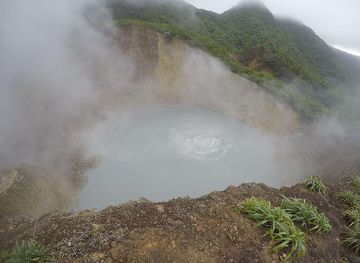
Explore more of Dominica
Discover Dominica: The Caribbean's Nature Island, where lush rainforests, volcanic landscapes, and vibrant culture await eco-tourists and adventure seekers.
Explore Dominica