

Emerald Pool Travel Guide - Free Web & App
Your ultimate guide to Emerald Pool. Discover top landmarks, proposed trips, and local tips. Free on the web or via the Evendo companion app.


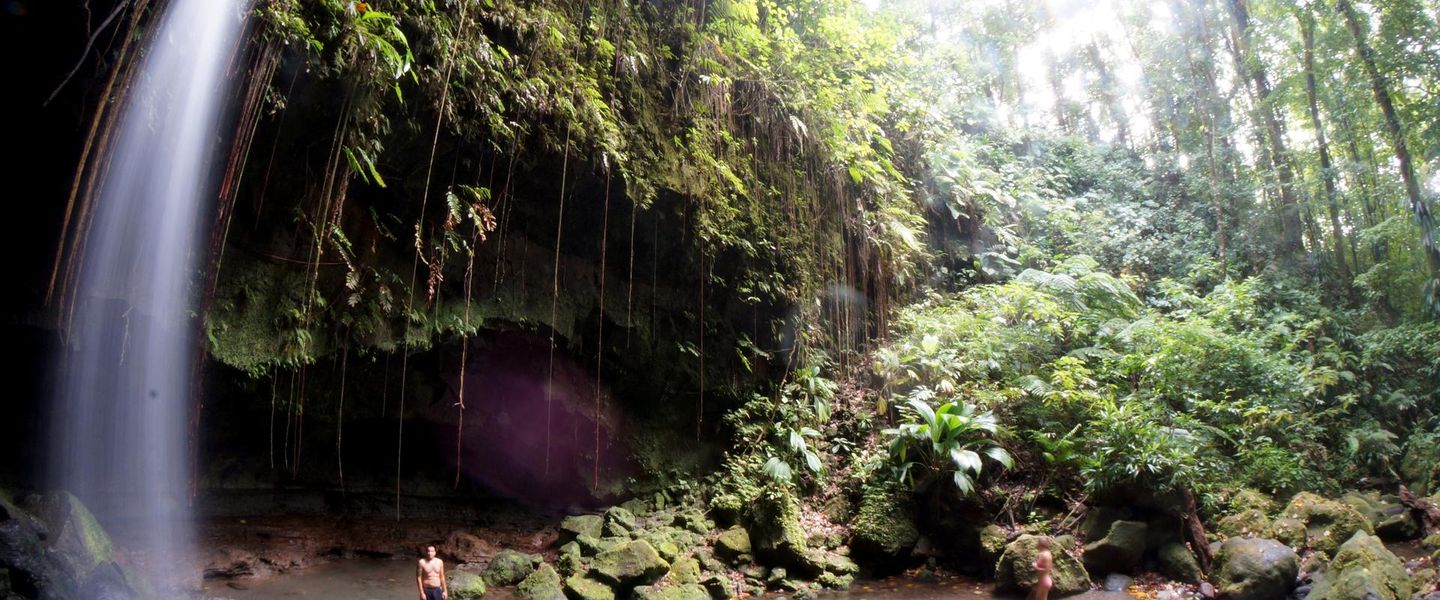


Discover the tranquility of Emerald Pool in Dominica, a serene oasis set in the heart of Morne Trois Pitons National Park.
Read more about Emerald Pool
When is the best time to visit Emerald Pool?
Best: May–July · 28°C| Month | High (°C) | Rainfall (mm) |
|---|---|---|
| January | 28 | 150 |
| February | 27 | 130 |
| March | 27 | 110 |
| April | 27 | 100 |
| May (best) | 28 | 90 |
| June (best) | 28 | 80 |
| July (best) | 28 | 80 |
| August | 28 | 90 |
| September | 28 | 100 |
| October | 28 | 110 |
| November | 28 | 130 |
| December | 28 | 150 |
Getting to and around Emerald Pool
How to get there
Transportation
Best landmarks in Emerald Pool
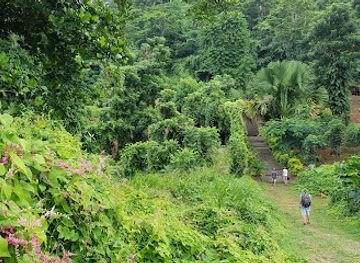
Emerald Pool in Dominica offers visitors a breathtaking experience with its stunning natural beauty, lush greenery, and crystal-clear waters. The main attraction, the Emerald Pool waterfall, cascades down into a serene pool surrounded by tropical rainforest, creating a picture-perfect oasis for swimming and relaxation. Visitors can also explore the nearby hiking trails that lead to panoramic viewpoints and hidden waterfalls, providing a unique opportunity to immerse oneself in the untouched beauty of nature.
-
Botanical garden
Dominica Botanical Gardens
Discover a verdant paradise in the heart of Roseau, where lush landscapes, rare flora, and iconic landmarks like the 'crushed bus' await at the historic Dominica Botanical Gardens.
-
Tourist attraction
Trafalgar Falls
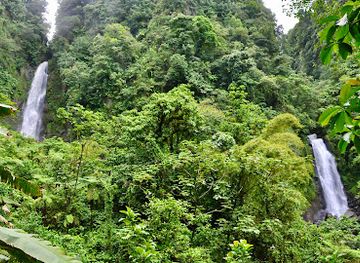
Experience the majestic twin waterfalls of Trafalgar Falls, Dominica, surrounded by lush rainforest and natural hot springs.
-
Tourist attraction
Titou Gorge
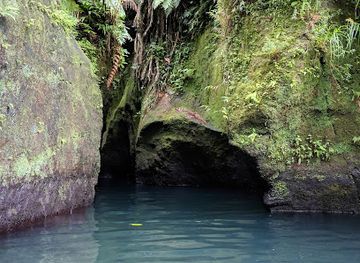
Swim through a volcanic canyon to a hidden waterfall in Dominica's stunning Titou Gorge, a Caribbean gem within a UNESCO World Heritage Site.
-
Tourist attraction
Mero beach
Discover Dominica's Mero Beach: a unique black sand paradise where volcanic beauty meets Caribbean charm. Relax, explore, and immerse yourself!
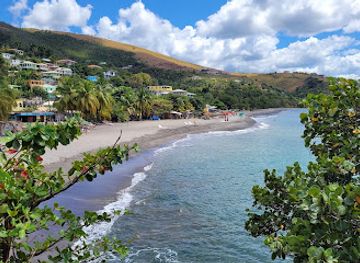
Explore Emerald Pool on the map
Plan your trip on one map. See where the top attractions, landmarks, restaurants and hotels are, and book hotels and experiences in a few clicks.
Best hotels in Emerald Pool
Best restaurants in Emerald Pool
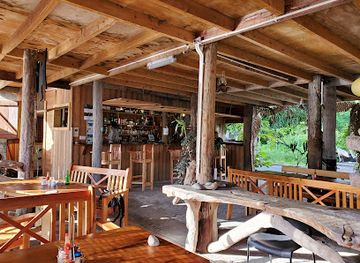
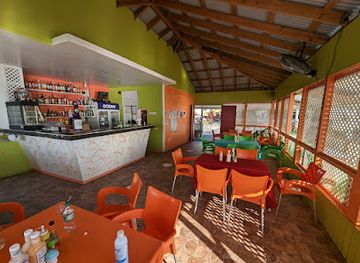
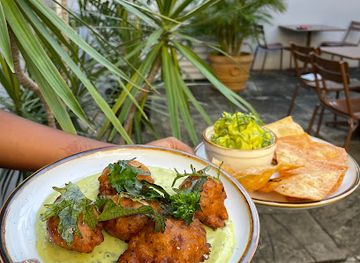
The dining scene at Emerald Pool offers a unique blend of Caribbean flavors and international cuisine, with a focus on fresh, locally sourced ingredients. Visitors can enjoy a variety of dining options, from casual beachfront cafes serving up freshly caught seafood to upscale restaurants offering gourmet dishes with a tropical twist. Whether you're looking for a quick bite after a swim in the crystal-clear waters or a romantic dinner under the stars, Emerald Pool has something to satisfy every palate.
-
Restaurant
Keepin'It Real
Experience authentic Caribbean flavors and thrilling water sports at Keepin'It Real on Toucari Beach.
-
Restaurant
Purple Turtle Beach Club
Experience authentic Caribbean cuisine at Purple Turtle Beach Club in Portsmouth, where vibrant flavors meet stunning lagoon views.
-
Seafood
Chez Wen Cuisine
Experience exquisite seafood dining at Chez Wen Cuisine in Scott's Head, Dominica, where every dish tells a story of local flavors.
-
Restaurant
Lacou Melrose House
Discover authentic Caribbean cuisine at Lacou Melrose House in Roseau - where every dish tells a story.
Best bars in Emerald Pool
Experience the vibrant nightlife scene of Emerald Pool, where visitors can enjoy a mix of local bars and clubs offering live music, delicious cocktails, and a lively atmosphere. Dance the night away under the stars, mingle with friendly locals, and immerse yourself in the unique culture of this enchanting destination.
-
Bar
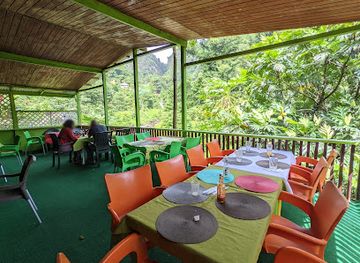
River Rock Cafe and Bar
Experience the vibrant atmosphere and local flavors at River Rock Cafe and Bar in Trafalgar, your perfect retreat for relaxation and enjoyment.
-
Bar
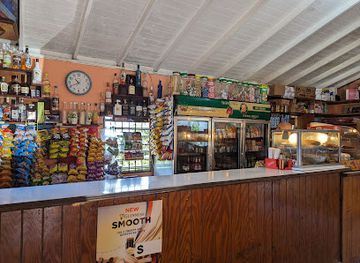
Shyan's Shop and Bar
Experience the vibrant flavors and relaxed vibes at Shyan's Shop and Bar in Pont Cassé, your gateway to Caribbean culinary delights.
-
 Bar
BarShorties Bar
Discover the lively ambiance of Shorties Bar in Cochrane, where great drinks and friendly vibes create unforgettable nights out.
-
Restaurant
Patrick's Restaurant and Bar
Discover the vibrant flavors of Caribbean cuisine at Patrick's Restaurant and Bar in Grand Fond, where every dish is a taste of local tradition.

Best nightclubs in Emerald Pool
Experience the vibrant nightlife scene of Emerald Pool, where visitors can enjoy a mix of local bars and clubs offering live music, delicious cocktails, and a lively atmosphere. Dance the night away under the stars, mingle with friendly locals, and immerse yourself in the unique culture of this enchanting destination.
-
Tourist attraction
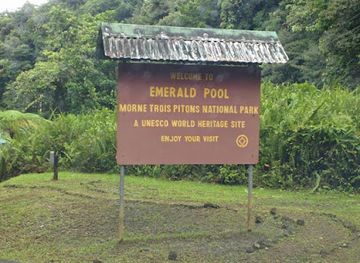
Emerald Pool
Immerse yourself in the breathtaking beauty of Emerald Pool, a must-visit natural attraction in Dominica, where lush rainforests meet tranquil waters.
-
Bar
Hi Rise Beach Bar
Discover the vibrant atmosphere of Hi Rise Beach Bar in Roseau, where Caribbean flavors meet stunning bay views for an unforgettable experience.
-
Cafe
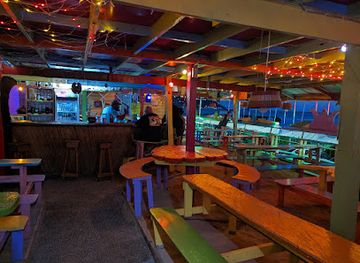
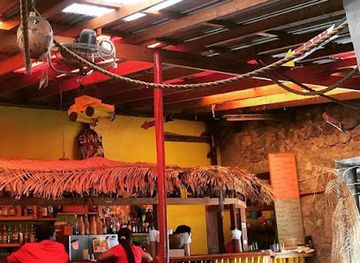
Ruins Rock Café
Discover the vibrant atmosphere of Ruins Rock Café, where delicious food meets lively nightlife in the heart of Roseau, Dominica.
-
Movie theater
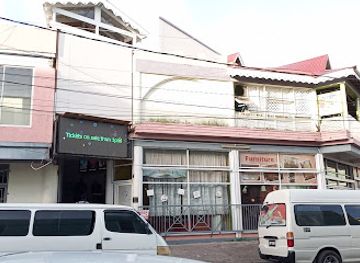
Emerald Movies Inc
Experience the magic of cinema at Emerald Movies Inc in Roseau, Dominica, where comfort meets entertainment for an unforgettable movie night.
Best shops in Emerald Pool
The shopping scene at Emerald Pool offers a unique blend of local crafts, souvenirs, and artisanal products that reflect the rich cultural heritage of Dominica. Visitors can browse through quaint shops and stalls selling handmade jewelry, traditional artwork, and organic skincare products sourced from the island's natural resources. Whether you're looking for a one-of-a-kind keepsake or a thoughtful gift for a loved one, the shopping experience at Emerald Pool is sure to delight and immerse you in the vibrant local culture.
-
Tourist attraction
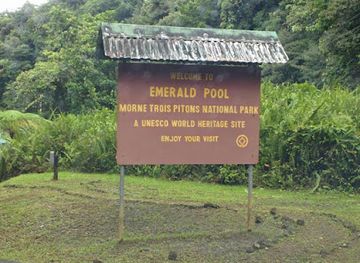
Emerald Pool
Experience serenity and natural beauty at Dominica's Emerald Pool, a must-visit destination for nature lovers and adventure seekers.
-
Grocery store
Farmacy
Discover the essence of Dominican cuisine at Farmacy, your go-to grocery store in Pont Cassé for fresh local produce and unique artisanal products.
-
Grocery store
Un!k Shopping Mart
Un!k Shopping Mart in St. Joseph offers a unique shopping experience with local produce and artisanal goods, perfect for every traveler.
-
Store
Ma Cuffy's Shop
Explore Ma Cuffy's Shop by the Mahuat River for local crafts, delicious treats, and a taste of authentic Dominican culture.
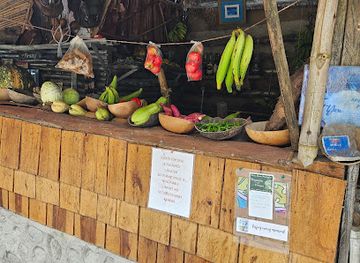
Get your free copy of our complete guide to Emerald Pool, delivered straight to you.
Everything on this page, from attractions and restaurants to essentials and local phrases, in one PDF you can read offline, print or share.
Already have an account? Sign in
Your Emerald Pool guide is ready.
We'll send it to · Not you? Sign out

Getting your guide ready…
We are putting together a fresh copy of the Emerald Pool guide. This can take up to a minute.
This can take a few moments. If your browser asks, choose Allow so the download can start. You'll find the guide in your Downloads folder.
Nothing happened? Download it again
Sorry, the guide is taking longer than usual. Please try again in a minute, or get it by email instead.
Emerald Pool essentials
Currency and Payment
Safety
Emergency Situations
Do's and Don'ts
Local Tips
From Eve
Local phrases worth knowing
You don't need to get them perfect. A few words go a long way, and locals appreciate the effort.
Basics
| English | Local | Say it |
|---|---|---|
| Hello | Bonjou | [bon-jou] |
| Goodbye | Orevwa | [o-rev-wa] |
| Yes | Wi | [wee] |
| No | Non | [non] |
| Please/You're welcome | Tanpri | [tan-pree] |
| Thank you | Mèsi | [meh-see] |
| Excuse me/Sorry | Eskize mwen | [es-kee-zeh mwen] |
| How are you? | Kijan ou ye? | [kee-zhan oo yeh] |
| Fine. And you? | Byen. E ou? | [byen. eh oo] |
| Do you speak English? | Eske ou pale angle? | [es-keh oo pal an-glay] |
| I don't understand | Mwen pa konprann | [mwen pa kon-pran] |
Eating & Drinking
| English | Local | Say it |
|---|---|---|
| I'd like to see the menu, please | Mwen ta renmen wè meni a, tanpri | [mwen ta ren-men weh me-nee ah, tan-pree] |
| I don't eat meat | Mwen pa manje vyann | [mwen pa manj vyan] |
| Cheers! | Santé! | [san-tay] |
| I would like to pay, please | Mwen ta renmen peye, tanpri | [mwen ta ren-men peh-yeh, tan-pree] |
Emergencies
| English | Local | Say it |
|---|---|---|
| Help! | Ed! / Asistans! | [ed! / ah-sis-tans!] |
| Go away! | Alé! | [ah-leh] |
| Call the Police! | Rele Polis! | [reh-leh po-lees] |
| Call a doctor! | Rele yon doktè! | [reh-leh yon dok-teh] |
| I'm lost | Mwen pedi | [mwen peh-dee] |
| I'm ill | Mwen malad | [mwen ma-lad] |
Shopping
| English | Local | Say it |
|---|---|---|
| I'd like to buy... | Mwen ta renmen achte... | [mwen ta ren-men ashteh] |
| I'm just looking | Mwen jis gade | [mwen zhees gah-deh] |
| How much is it? | Konbyen sa ye? | [kon-byen sa yeh] |
| That's too expensive | Sa twò chè | [sa twa sheh] |
| Can you lower the price? | Ou ka ba pri a? | [oo ka bah pree ah] |
Time & Numbers
| English | Local | Say it |
|---|---|---|
| What time is it? | Ki lè li ye? | [kee leh lee yeh] |
| It's one o'clock | Li senkè | [lee sen-kay] |
| Half past (10) | Demi zè (disè) | [deh-mee zeh (dee-seh)] |
| Morning | Maten | [mah-ten] |
| Afternoon | Apremidi | [ap-reh-mee-dee] |
| Evening | Swa | [swah] |
| Yesterday | Yè | [yeh] |
| Today | Jodi a | [zho-dee ah] |
| Tomorrow | Demen | [deh-men] |
| 1 | En | [en] |
| 2 | Dwe | [dweh] |
| 3 | Twaz | [twaz] |
| 4 | Kat | [kaht] |
| 5 | Senk | [sank] |
| 6 | Sis | [sees] |
| 7 | Sèt | [set] |
| 8 | Uit | [weet] |
| 9 | Nèf | [nef] |
| 10 | Dis | [dee] |
Transport & Directions
| English | Local | Say it |
|---|---|---|
| Where's a/the...? | Kote... ye? | [ko-teh... yeh] |
| What's the address? | Ki adwès la ye? | [kee ad-wes lah yeh] |
| Can you show me (on the map)? | Ou ka montre mwen (sou kat la)? | [oo ka mohn-tray mwen (soo kaht lah)] |
| When's the next (bus)? | Ki lè pwochen (bis la) ye? | [kee leh pwosh-en (bees lah) yeh] |
| A ticket (to ....) | Yon tikè (pou ....) | [yon ti-keh (poo ....)] |
History of Emerald Pool
Ancient Kalinago Presence
The Kalinago people, the indigenous inhabitants of Dominica, have a long-standing connection with the island's natural features, including the Emerald Pool. They considered the pool and its surrounding rainforest as sacred, incorporating the location into their spiritual and cultural practices. The Kalinago utilized the fresh waters of the pool for various purposes, including rituals and daily life.
Colonial Era and Exploration
During the colonial period, European explorers and settlers first documented the Emerald Pool in their journals. The British and French, who contested control over Dominica, often marveled at the natural beauty of the island. Explorers in the 18th century began mapping the area, noting the pool as a significant landmark within the lush Morne Trois Pitons National Park.
Morne Trois Pitons National Park Establishment
In 1975, the Government of Dominica established the Morne Trois Pitons National Park, which encompasses the Emerald Pool. The park was created to protect and preserve the island's unique natural resources, including its volcanic landscapes, rainforests, and waterfalls. The Emerald Pool quickly became one of the park's most popular attractions due to its accessibility and enchanting beauty.
UNESCO World Heritage Site Designation
In 1997, Morne Trois Pitons National Park was designated a UNESCO World Heritage Site, recognizing its outstanding universal value. This designation highlighted the importance of preserving the park's pristine environment, including the Emerald Pool. The UNESCO status brought international attention and increased efforts to conserve the park's diverse ecosystems.
Cultural Significance and Tourism
Emerald Pool has become a symbol of Dominica's natural beauty and cultural heritage. It is a popular destination for both locals and tourists, often featured in travel literature and media. The pool is regularly visited not only for its scenic charm but also for its cultural significance, as it continues to be a place where people connect with nature and the island's history.
Emerald Pool in Photos
Browse through our photo collection highlighting the charm and character of the destination.
Cities in Emerald Pool
The towns and cities of Emerald Pool, and the easiest places to base yourself.
-
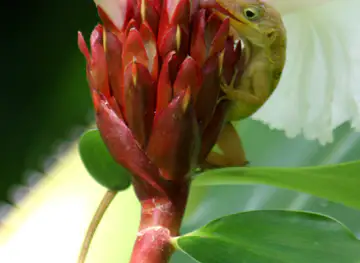 Roseau
Discover Roseau, Dominica: A captivating blend of history, culture, and natural beauty, offering a unique Caribbean experience with lush landscapes and vibrant local life.
Roseau
Discover Roseau, Dominica: A captivating blend of history, culture, and natural beauty, offering a unique Caribbean experience with lush landscapes and vibrant local life.
-
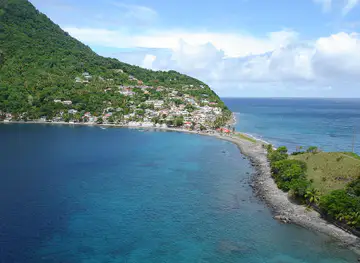 Soufrière
Discover Soufrière, Dominica: A tranquil fishing village with hot springs, marine reserves, and a rich cultural heritage. Perfect for nature lovers and adventure seekers.
Soufrière
Discover Soufrière, Dominica: A tranquil fishing village with hot springs, marine reserves, and a rich cultural heritage. Perfect for nature lovers and adventure seekers.
-
 Castle Bruce
Discover Castle Bruce in Dominica: A serene village offering pristine beaches, lush rainforests, and a rich cultural heritage. Perfect for nature lovers and adventure seekers.
Castle Bruce
Discover Castle Bruce in Dominica: A serene village offering pristine beaches, lush rainforests, and a rich cultural heritage. Perfect for nature lovers and adventure seekers.
-
 Mahaut
Discover Mahaut, a tranquil village in Dominica boasting lush landscapes, pristine beaches, vibrant coral reefs, and a rich cultural scene. Perfect for relaxation and adventure.
Mahaut
Discover Mahaut, a tranquil village in Dominica boasting lush landscapes, pristine beaches, vibrant coral reefs, and a rich cultural scene. Perfect for relaxation and adventure.
-
 La Plaine
Discover La Plaine, Dominica's hidden gem, where lush landscapes, stunning waterfalls, and vibrant culture create the perfect escape for nature lovers and adventure seekers.
La Plaine
Discover La Plaine, Dominica's hidden gem, where lush landscapes, stunning waterfalls, and vibrant culture create the perfect escape for nature lovers and adventure seekers.
Swipe for more cities
Neighbouring destination travel guides
The closest destinations to Emerald Pool, if you have time for more than one.
-
 Middleham Falls
Discover Middleham Falls: Dominica's Hidden Waterfall Oasis in the Heart of Morne Trois Pitons National Park.
Middleham Falls
Discover Middleham Falls: Dominica's Hidden Waterfall Oasis in the Heart of Morne Trois Pitons National Park.
-
 Freshwater Lake
Experience the tranquility and natural beauty of Freshwater Lake in Dominica, a serene escape nestled in lush forests and surrounded by mystic mists.
Freshwater Lake
Experience the tranquility and natural beauty of Freshwater Lake in Dominica, a serene escape nestled in lush forests and surrounded by mystic mists.
-
 Castle Bruce Beach
Discover the tranquil beauty of Castle Bruce Beach in Dominica, where golden sands meet clear blue waters and lush green hills create a tropical paradise.
Castle Bruce Beach
Discover the tranquil beauty of Castle Bruce Beach in Dominica, where golden sands meet clear blue waters and lush green hills create a tropical paradise.
-
 Morne Trois Pitons National Park
Explore Morne Trois Pitons National Park, Dominica's UNESCO World Heritage Site, teeming with rainforests, volcanic wonders, and breathtaking waterfalls.
Morne Trois Pitons National Park
Explore Morne Trois Pitons National Park, Dominica's UNESCO World Heritage Site, teeming with rainforests, volcanic wonders, and breathtaking waterfalls.
-
 Trafalgar Falls
Discover the awe-inspiring Trafalgar Falls in Dominica, where twin cascades, lush rainforest, and natural hot springs create an unforgettable nature experience.
Trafalgar Falls
Discover the awe-inspiring Trafalgar Falls in Dominica, where twin cascades, lush rainforest, and natural hot springs create an unforgettable nature experience.
Swipe for more destinations
Explore more

Explore more of Saint David
Discover Saint David in Dominica: A haven for nature lovers and adventure seekers with its lush rainforests, stunning coastal views, and rich cultural heritage.
Explore Saint David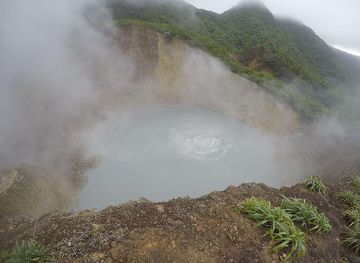
Explore more of Dominica
Discover Dominica: The Caribbean's Nature Island, where lush rainforests, volcanic landscapes, and vibrant culture await eco-tourists and adventure seekers.
Explore Dominica