

Free Saint Luke Travel Guide & Mobile App
Explore Saint Luke with free travel guides. Discover regional history, expert tips, proposed trips, and audio guides on web or mobile app.


Explore Saint Luke in Dominica for coastal village life, volcanic seascapes, marine excursions and easy access to the island’s south-west.
Read more about Saint Luke
When is the best time to visit Saint Luke?
Best: January–March · 29–30°C| Month | High (°C) | Rainfall (mm) |
|---|---|---|
| January (best) | 29 | 75 |
| February (best) | 29 | 70 |
| March (best) | 30 | 65 |
| April | 30 | 70 |
| May | 31 | 75 |
| June | 31 | 80 |
| July | 32 | 85 |
| August | 32 | 90 |
| September | 31 | 85 |
| October | 31 | 80 |
| November | 30 | 75 |
| December | 30 | 80 |
Getting to and around Saint Luke
How to get there
Transportation
Top city travel guides in Saint Luke
The cities of Saint Luke, and the easiest places to base yourself.

Swipe for more cities
Destinations in Saint Luke
Resorts, valleys and scenic spots worth a trip of their own.
-
-


Swipe for more destinations
Best attractions in Saint Luke
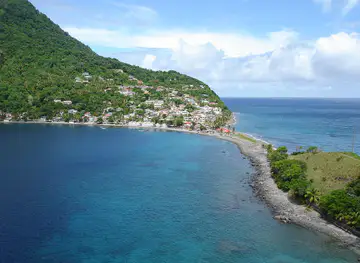
Saint Luke’s attractions centre on coastal character and access to the marine landscapes of south-western Dominica rather than on a large concentration of formal museums or monumental buildings. Pointe Michel offers a direct encounter with a working seaside community, where visitors can observe fishing activity, local churches, roadside commerce and views across the Caribbean. The shoreline is suited to photography and coastal exploration, although conditions are variable and not every section is appropriate for swimming. Marine excursions departing from or arranged through the south-west can reveal volcanic underwater formations, reefs and warm-water vents, with exact sites often lying in the neighbouring Soufriere and Scotts Head area of Saint Mark Parish. The parish is also a useful stop for visitors travelling between Roseau and Dominica’s southern coast, where rainforest-covered slopes rise sharply inland. Walks should be planned with local advice because roads can be narrow and paths may become slippery after rain. Rather than offering a conventional resort portfolio, Saint Luke provides a small-scale combination of village life, sea views, fishing heritage and convenient access to some of the island’s best-known southern marine experiences.
-
Beach
Champagne Beach
Experience the enchanting beauty of Champagne Beach in Pointe Michel, Dominica, where golden sands meet sparkling waters and vibrant marine life.
-
 Catholic church
St. Luke Catholic Church
Discover the serenity and cultural heritage at St. Luke Catholic Church in Pointe Michel, a perfect blend of faith and community spirit.
-
Tourist attraction
Point Michael Sand Pit
Experience the serenity of Point Michael Sand Pit, a tranquil escape in Pointe Michel, Dominica, perfect for nature lovers and photography enthusiasts.
Best landmarks in Saint Luke
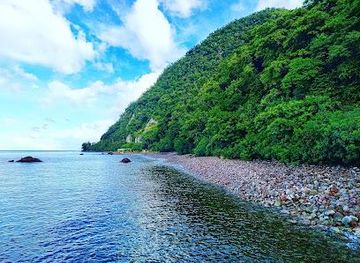
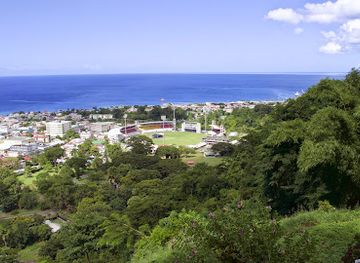
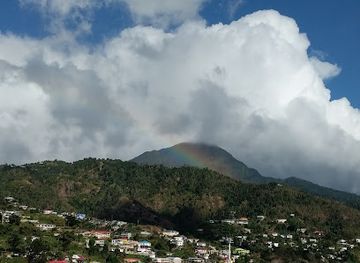
Pointe Michel itself is Saint Luke’s principal human landmark: a compact coastal settlement whose houses, churches, fishing activity and road-facing businesses express the parish’s long connection with the sea. Its shoreline, looking across the Caribbean towards the southern volcanic coast, provides the most immediate geographical reference point. The parish does not contain a large castle, cathedral or fortified colonial complex, and its significance lies more in living community landscapes than in monumental architecture. Just beyond the parish, the volcanic marine scenery associated with Soufriere and Scotts Head is an important south-western reference, but those settlements belong to neighbouring Saint Mark Parish and should be identified correctly. Inland views from the coastal road show how quickly Dominica’s steep, green terrain rises from the sea, while the contrast between residential Pointe Michel and the open Caribbean gives the area its strongest visual identity. Visitors interested in historic religious buildings, civic architecture and larger collections will find more formal landmarks in nearby Roseau, outside Saint Luke.
-
Botanical garden
Dominica Botanical Gardens
Discover Dominica's natural beauty at the Botanical Gardens in Roseau, a historic green space with diverse flora and cultural significance.
-
Tourist attraction
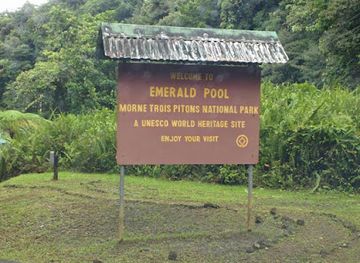
Emerald Pool
Discover Dominica's iconic Emerald Pool: a tranquil rainforest oasis with a stunning waterfall and emerald-green waters. A must-see natural wonder!
-
Tourist attraction
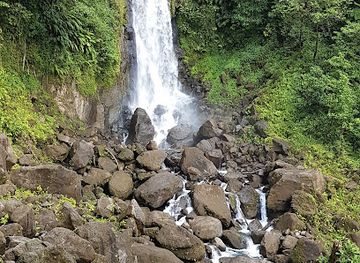
Trafalgar Falls
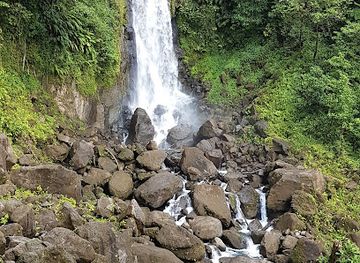
Experience the majestic twin waterfalls of Trafalgar Falls, Dominica, surrounded by lush rainforest and therapeutic hot springs.
-
Tourist attraction
Titou Gorge
Swim through a volcanic gorge to a hidden waterfall in Dominica's stunning Morne Trois Pitons National Park. A Pirates of the Caribbean filming location.

Explore Saint Luke on the map
Plan your trip on one map. See where the top cities, national parks and sights are, and book hotels and experiences in a few clicks.
Best hotels in Saint Luke
Best restaurants in Saint Luke
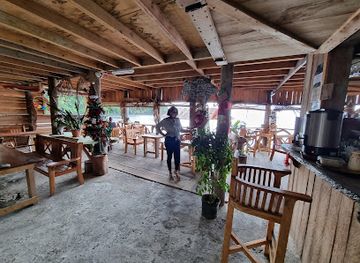
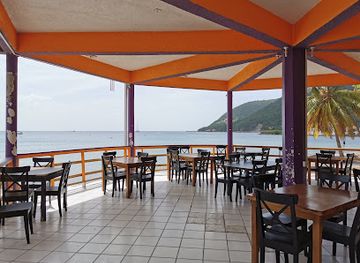
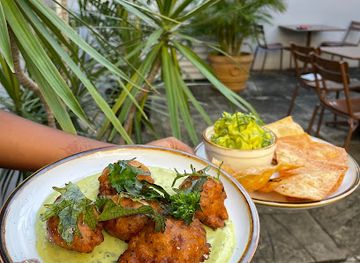
Dining in Saint Luke is generally informal and local in character, with the strongest associations being fresh fish, chicken, rice, plantain, breadfruit, dasheen and other provisions used throughout Dominica. Small eateries and takeaway counters may offer Creole-influenced meals, while visitors can also find simple snacks and drinks through village businesses; opening times may be limited outside busy periods. Pointe Michel’s coastal setting makes seafood a natural choice, but availability depends on the day’s catch and weather. For a wider choice of restaurants, cafés, bars and international dining, Roseau is close by but outside the parish. Food traditions reflect Dominica’s wider history of African, European, Caribbean and Indigenous influences rather than a cuisine exclusive to Saint Luke. Visitors should ask about ingredients when unfamiliar with local dishes, particularly where pepper sauces, seafood or provisions are involved, and should carry cash for smaller food sellers. Markets and larger shops in Roseau are useful for buying fruit, drinks and supplies for a self-catering stay.
-
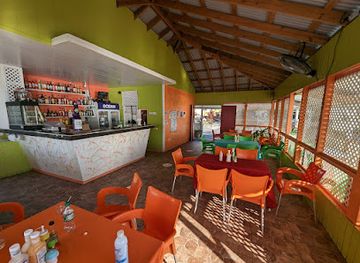
Restaurant
Keepin'It Real
Discover Caribbean cuisine at Keepin'It Real - where delicious food meets stunning beach views in Toucari.
-
Restaurant
Purple Turtle Beach Club
Experience culinary delights at Purple Turtle Beach Club in Portsmouth – where exquisite flavors meet breathtaking ocean views.
-
Restaurant
Lacou Melrose House
Discover exquisite flavors at Lacou Melrose House – Roseau's premier destination for local cuisine infused with international flair.
-
Seafood
Chez Wen Cuisine
Experience authentic Caribbean seafood at Chez Wen Cuisine in Scott's Head, Dominica – where fresh flavors meet stunning coastal views.
Best bars in Saint Luke
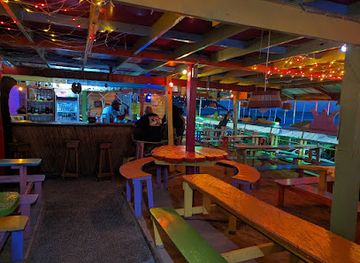
Evening life in Saint Luke is modest and community-oriented, focusing on local rum shops, small bars, informal gatherings and occasional social events rather than a concentrated nightclub district. Pointe Michel can be quiet after dark, so visitors seeking more choice usually travel north to Roseau, outside the parish, where bars, restaurants, live music and cultural venues provide a broader evening programme. In the village, it is courteous to keep noise at a reasonable level and to arrange a safe return journey before drinking. Dominica’s nightlife is often shaped by weekend activity, seasonal celebrations and individual venue schedules, which can change, so current local information is more reliable than assuming a fixed entertainment calendar. Evening walks on poorly lit coastal roads are not advisable; use a trusted taxi or arranged transport when returning from Roseau or a late dinner.
-
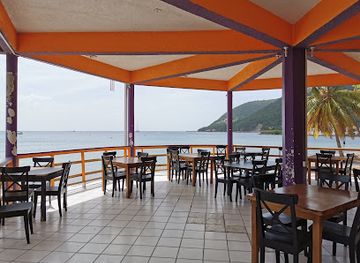
Restaurant
Purple Turtle Beach Club
Discover the vibrant culinary scene at Purple Turtle Beach Club, where every meal is a celebration of flavors and stunning ocean views.
-
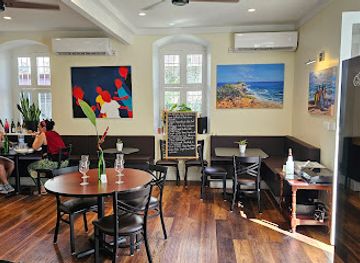
Restaurant
Lacou Melrose House
Discover the vibrant flavors of Dominica at Lacou Melrose House, a culinary haven in Roseau offering an unforgettable dining experience.
-
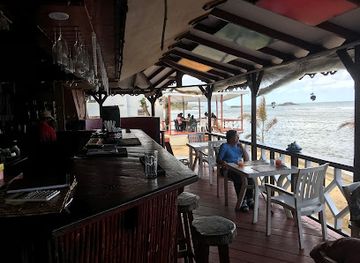
Restaurant
Coral Reef Bar & Restaurant
Experience the flavors of the Caribbean at Coral Reef Bar & Restaurant in Calibishie, where stunning views meet local culinary delights.
-
Restaurant
Escape Bar & Grill
Discover the vibrant flavors of the Caribbean at Escape Bar & Grill, where local cuisine meets international flair in the heart of Roseau.

Best nightclubs in Saint Luke
Evening life in Saint Luke is modest and community-oriented, focusing on local rum shops, small bars, informal gatherings and occasional social events rather than a concentrated nightclub district. Pointe Michel can be quiet after dark, so visitors seeking more choice usually travel north to Roseau, outside the parish, where bars, restaurants, live music and cultural venues provide a broader evening programme. In the village, it is courteous to keep noise at a reasonable level and to arrange a safe return journey before drinking. Dominica’s nightlife is often shaped by weekend activity, seasonal celebrations and individual venue schedules, which can change, so current local information is more reliable than assuming a fixed entertainment calendar. Evening walks on poorly lit coastal roads are not advisable; use a trusted taxi or arranged transport when returning from Roseau or a late dinner.
-
Tourist attraction
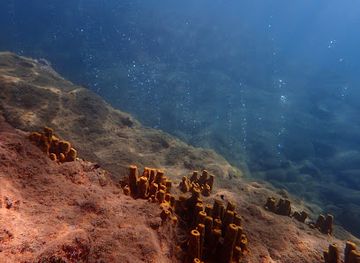
Champagne Reef, Dominica
Explore the mesmerizing underwater world of Champagne Reef in Dominica, where warm, bubbly waters meet vibrant marine life for an unforgettable snorkeling adventure.
-
Restaurant
Hi Rise Beach Bar
Experience the vibrant atmosphere and stunning views at Hi Rise Beach Bar, a premier dining and relaxation spot in Roseau, Dominica.
-
Bar
Donny's Watersports Snorkel and Dive Center
Explore vibrant marine life and enjoy thrilling water sports at Donny's Watersports Snorkel and Dive Center on Champagne Beach.
-
Bar
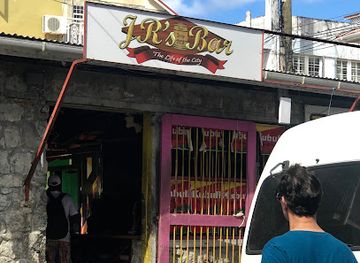
JRs Bar
Experience the vibrant nightlife of Roseau at JRs Bar, where local culture meets lively entertainment and delicious Caribbean drinks.
Best shops in Saint Luke
Shopping in Saint Luke is small-scale and practical, centred on village shops, provisions, drinks and everyday goods rather than dedicated retail streets. Pointe Michel is useful for experiencing ordinary local commerce and for buying simple snacks, but visitors seeking a larger selection should shop in Roseau, immediately north and outside the parish. Dominica’s more distinctive purchases include locally grown spices, cocoa, coffee, rum, preserves, fruit products, woven items, carvings and other crafts, with availability varying by shop and season. Farmers’ produce and prepared foods can be found through markets and independent sellers across the wider Roseau area. Ask about the origin and materials of crafts, and pack food products according to airline and border regulations. Bargaining is not a universal expectation in ordinary shops; polite enquiries about price and provenance are more appropriate than assuming every item is negotiable.
-
Tourist attraction
Emerald Pool
Explore the enchanting Emerald Pool, a serene natural wonder in Dominica, perfect for relaxation, adventure, and breathtaking photography.
-
Tourist attraction
Trafalgar Falls
Experience the breathtaking beauty of Trafalgar Falls, Dominica's iconic twin waterfalls surrounded by lush rainforest and vibrant wildlife.
-
Hotel
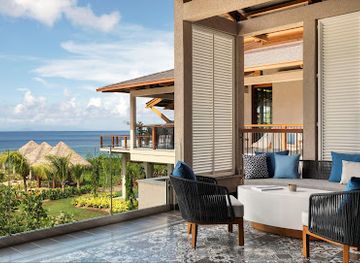
InterContinental Dominica Cabrits Resort & Spa, an IHG Hotel
Discover the perfect blend of luxury and adventure at the InterContinental Dominica Cabrits Resort & Spa, nestled in the heart of nature.
-
Resort hotel
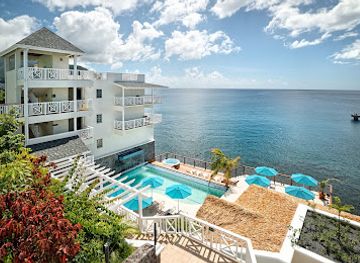
Fort Young Hotel and Dive Resort
Discover the captivating beauty and rich history of Fort Young Hotel and Dive Resort, your gateway to the wonders of Dominica.
Get your free copy of our complete guide to Saint Luke, delivered straight to you.
Everything on this page, from attractions and restaurants to essentials and local phrases, in one PDF you can read offline, print or share.
Already have an account? Sign in
Your Saint Luke guide is ready.
We'll send it to · Not you? Sign out

Getting your guide ready…
We are putting together a fresh copy of the Saint Luke guide. This can take up to a minute.
This can take a few moments. If your browser asks, choose Allow so the download can start. You'll find the guide in your Downloads folder.
Nothing happened? Download it again
Sorry, the guide is taking longer than usual. Please try again in a minute, or get it by email instead.
Saint Luke essentials
Currency and Payment
Safety
Emergency Situations
Do's and Don'ts
Local Tips
From Eve
Local phrases worth knowing
You don't need to get them perfect. A few words go a long way, and locals appreciate the effort.
Basics
| English | Local | Say it |
|---|---|---|
| Hello | Salut | [sah-loo] |
| Goodbye | Orevwa | [oh-reh-vwah] |
| Yes | Wi | [wee] |
| No | Non | [non] |
| Please/You're welcome | Souple | [soo-pleh] |
| Thank you | Mesi | [meh-see] |
| Excuse me/Sorry | Eskize mwen | [es-kee-zeh mwen] |
| How are you? | Kijan ou ye? | [kee-zhan oo yeh] |
| Fine. And you? | Byen. E ou? | [byen. eh oo?] |
| Do you speak English? | Es ou pale anglè? | [es oo pah-leh ahn-gleh?] |
| I don't understand | Mwen pa konprann | [mwen pah kon-prahn] |
Eating & Drinking
| English | Local | Say it |
|---|---|---|
| I'd like to see the menu, please | Mwen ta renmen wè meni an, souple | [mwen tah ren-men weh meh-nee ahn, soo-pleh] |
| I don't eat meat | Mwen pa manje vyann | [mwen pah man-zheh vyahn] |
| Cheers! | Santé! | [sahn-teh] |
| I would like to pay, please | Mwen ta renmen peye, souple | [mwen tah ren-men peh-yeh, soo-pleh] |
Emergencies
| English | Local | Say it |
|---|---|---|
| Help! | Ed! | [ed] |
| Go away! | Ale ale! | [ah-leh ah-leh] |
| Call the Police! | Rele polis la! | [reh-leh poh-lees lah] |
| Call a doctor! | Rele yon doktè! | [reh-leh yohn dok-teh] |
| I'm lost | Mwen pèdi | [mwen pehr-dee] |
| I'm ill | Mwen malad | [mwen mah-lahd] |
Shopping
| English | Local | Say it |
|---|---|---|
| I'd like to buy... | Mwen ta renmen achte... | [mwen tah ren-men ah-shtay...] |
| I'm just looking | Mwen jis ap gade | [mwen jees ahp gah-deh] |
| How much is it? | Konbyen sa koute? | [kohn-byen sah koo-teh?] |
| That's too expensive | Sa twò chè | [sah troh sheh] |
| Can you lower the price? | Es ou ka bese pri a? | [es oo kah beh-seh pree ah?] |
Time & Numbers
| English | Local | Say it |
|---|---|---|
| What time is it? | Ki lè li ye? | [kee leh lee yeh?] |
| It's one o'clock | Li se yon èdtan | [lee seh yohn ed-tahn] |
| Half past (10) | Mwatye pase (10) | [mwa-tyeh pah-seh (10)] |
| Morning | Morning | [mor-ning] |
| Afternoon | Apre midi | [ah-preh mee-dee] |
| Evening | Swa | [swah] |
| Yesterday | Yè | [yeh] |
| Today | Jodi a | [zho-dee ah] |
| Tomorrow | Demain | [deh-mehn] |
| 1 | 1 | [1] |
| 2 | 2 | [2] |
| 3 | 3 | [3] |
| 4 | 4 | [4] |
| 5 | 5 | [5] |
| 6 | 6 | [6] |
| 7 | 7 | [7] |
| 8 | 8 | [8] |
| 9 | 9 | [9] |
| 10 | 10 | [10] |
Transport & Directions
| English | Local | Say it |
|---|---|---|
| Where's a/the...? | Kote a/yonn...? | [koh-teh ah/yohn...?] |
| What's the address? | Ki adrès la? | [kee ah-dreh lah?] |
| Can you show me (on the map)? | Es ou ka montre mwen (sou kat la)? | [es oo kah mohn-treh mwen (soo kaht lah)?] |
| When's the next (bus)? | Kilè pwochen (bis la)? | [kee-leh proh-shen (bees lah)?] |
| A ticket (to ....) | Yon tikè (pou....) | [yohn tee-keh (poo....)] |
History of Saint Luke
Kalinago Heritage and Early Settlement
Dominica was inhabited by Indigenous peoples long before European colonisation, including Kalinago communities whose knowledge of the island’s forests, rivers and coast remains an important part of Dominican heritage. The south-west coast provided access to marine resources and sheltered settlement areas, although surviving evidence is often less conspicuous than the island’s later colonial buildings. Visitors should understand Saint Luke within this wider Indigenous history rather than viewing its coastal villages solely through the lens of European settlement.
French and British Colonial Rivalry
During the seventeenth and eighteenth centuries, France and Britain contested Dominica because of its position in the Lesser Antilles and the value of Caribbean trade. French influence remained especially visible in place names, Catholic traditions and elements of local Creole culture, while Britain eventually established lasting colonial control. Saint Luke’s coastal communities developed within this shifting plantation and maritime economy, although the parish’s steep terrain limited the scale of plantation agriculture compared with flatter parts of the island.
Plantations, Catholic Communities and Village Life
Colonial Dominica’s economy relied on plantation agriculture, forestry and coastal trade, supported by the labour and resilience of enslaved Africans and their descendants. After emancipation, small farming, fishing and village networks became increasingly important to communities across the south-west. In Saint Luke, the settlement around Pointe Michel reflects this longer transition from colonial production towards a locally rooted coastal society shaped by Catholic institutions, family landholding and the practical use of the sea.
Emancipation and the Development of Pointe Michel
Emancipation in the British Caribbean transformed social and economic relationships during the nineteenth century, though former plantation workers faced continuing inequality and restricted access to land and resources. Coastal communities such as Pointe Michel developed through a combination of fishing, cultivation, craft, domestic work and small commerce. The parish’s contemporary character, including its close-knit residential form and enduring maritime connections, is linked to these post-emancipation patterns rather than to the grand plantation landscapes found elsewhere in the region.
Roads, Fisheries and Modern Connectivity
Dominica’s modern coastal road network gradually connected south-western villages more closely with Roseau and other parts of the island. This improved access to schools, markets, public services and employment, while fishing continued to provide both food and income. Saint Luke’s proximity to the capital means that many residents participate in national economic life while retaining a clearly local village identity. The parish’s history is therefore one of integration into Dominica’s wider infrastructure without losing its coastal character.
Independence and Contemporary Dominica
Dominica became independent from Britain on 3 November 1978, and Saint Luke has since formed part of the sovereign Commonwealth of Dominica. National development has brought stronger links between coastal communities, Roseau and the tourism economy, including marine excursions in the south-west. Hurricanes and tropical storms have repeatedly tested homes, roads, utilities and livelihoods across the island, reinforcing the importance of resilient construction, community support and careful environmental management.
Hurricane Maria and Recovery
Hurricane Maria struck Dominica in September 2017 as a powerful Category 5 storm, causing extensive damage throughout the country. Saint Luke, like other coastal and urbanising parishes, experienced disruption to communications, utilities, buildings and transport. Recovery highlighted the importance of local networks as well as national reconstruction programmes, and it continues to influence how visitors encounter Dominica’s infrastructure. The event also forms part of the modern history of the island’s efforts to strengthen climate resilience.
Saint Luke in Photos
Browse through our photo collection highlighting the charm and character of the destination.
Neighbouring regions of Saint Luke
The closest regions to Saint Luke, if you have time for more than one.
-

-

-

-

-


Swipe for more regions
Explore more
Explore more of Dominica
Discover Dominica: The Caribbean's Nature Island, where lush rainforests, volcanic landscapes, and vibrant culture await eco-tourists and adventure seekers.
Explore Dominica