

Free Saint Patrick Travel Guide & Mobile App
Explore Saint Patrick with free travel guides. Discover regional history, expert tips, proposed trips, and audio guides on web or mobile app.


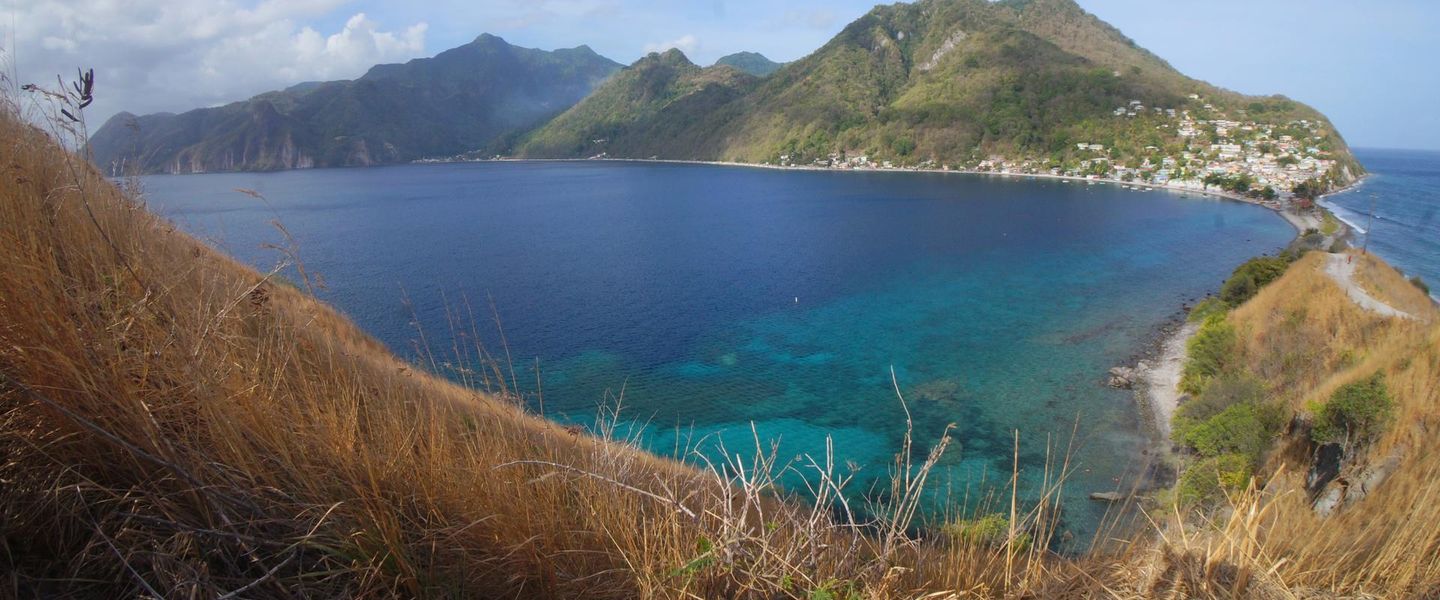


Explore Saint Patrick in Dominica for rainforest waterfalls, Atlantic villages, Creole culture, mountain roads and locally guided outdoor adventures.
Read more about Saint Patrick
When is the best time to visit Saint Patrick?
Best: February–April · 28–29°C| Month | High (°C) | Rainfall (mm) |
|---|---|---|
| January | 29 | 120 |
| February (best) | 28 | 110 |
| March (best) | 29 | 100 |
| April (best) | 29 | 110 |
| May | 30 | 140 |
| June | 30 | 170 |
| July | 30 | 190 |
| August | 31 | 200 |
| September | 30 | 180 |
| October | 30 | 140 |
| November | 29 | 130 |
| December | 29 | 120 |
Getting to and around Saint Patrick
How to get there
Transportation
Top city travel guides in Saint Patrick
The cities of Saint Patrick, and the easiest places to base yourself.
-
-


Swipe for more cities
Destinations in Saint Patrick
Resorts, valleys and scenic spots worth a trip of their own.
-

-

-

-

-
-


Swipe for more destinations
Best attractions in Saint Patrick
Saint Patrick’s attractions are primarily natural and community-based rather than built around large commercial sites. The Sari Sari Falls trail near La Plaine is the parish’s best-known rainforest outing, leading through wet forest and river terrain to a high cascade; conditions can be demanding, so local guidance is sensible. The interior around La Plaine, Delices and neighbouring villages offers additional walks, agricultural scenery and access to Dominica’s humid eastern landscape. Grand Bay, or Berekua, is an important place to encounter local music, food, churches and community traditions, while the Atlantic coast provides changing views rather than a continuous resort strip. Visitors can combine short village walks with longer guided hikes, birdwatching, river exploration and photography, but should not expect every trail to have signs, facilities or mobile coverage. The parish is also useful for seeing how farms, homes and roads occupy narrow valleys and steep slopes. Its appeal lies in the relationship between rainforest, rivers and inhabited settlements, with much of the experience unfolding outdoors or through locally arranged activities.
-
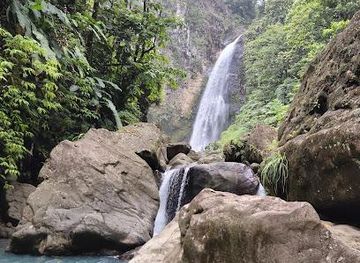
Waterfall
Victoria Falls, Dominica
Experience the breathtaking beauty of Victoria Falls, Dominica, a must-see natural wonder surrounded by lush rainforest and vibrant scenery.
-
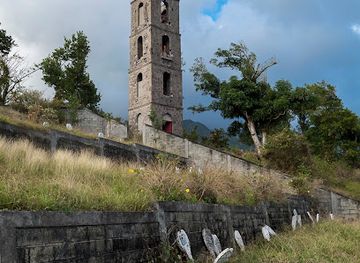
Catholic church
Saint Patrick Roman Catholic Church
Explore the rich spiritual heritage of Berekua at Saint Patrick Roman Catholic Church, a stunning architectural gem and community hub.
-
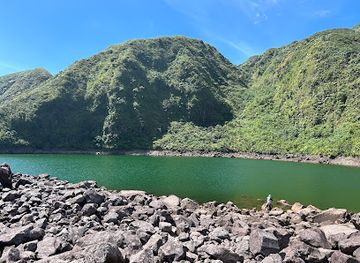
Tourist attraction
Boeri Lake
Experience the breathtaking beauty and tranquility of Boeri Lake, a hidden gem in Dominica's lush rainforest, perfect for nature lovers and adventurers.
-
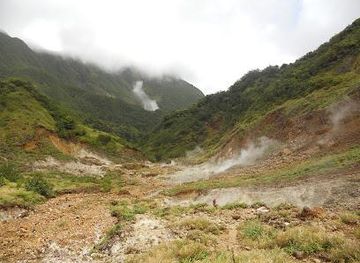
Ravine
Valley of Desolation
Explore the Valley of Desolation in Dominica, a stunning ravine with geothermal wonders, lush landscapes, and breathtaking views that showcase nature's beauty.
Best landmarks in Saint Patrick
The broad bay and townscape of Grand Bay are among Saint Patrick’s most recognisable human landmarks, representing the parish’s largest community and its long connection with coastal settlement, fishing and local commerce. In everyday use, the name Berekua is equally important, reflecting the town’s living cultural identity. The parish’s Catholic churches and village churches provide visible markers of settlement history, although their importance is primarily local and their opening arrangements vary. Inland, Sari Sari Falls is a natural landmark rather than a formal monument: its river gorge, forest canopy and powerful cascade express the steep volcanic geography that defines southeastern Dominica. The winding roads above La Plaine, Delices and the smaller communities also reveal how homes and farms occupy narrow valleys between rainforest-covered slopes. Along the Atlantic edge, exposed headlands, river mouths and changing coastal views are more significant than engineered promenades or resort architecture. Together these landmarks present Saint Patrick as a parish shaped by water, elevation, community settlement and the continuing presence of rainforest.
-
Botanical garden
Dominica Botanical Gardens
Discover a tranquil oasis in Roseau's heart: Explore exotic flora, iconic landmarks, and Dominica's natural beauty at the historic Botanical Gardens.
-
Tourist attraction
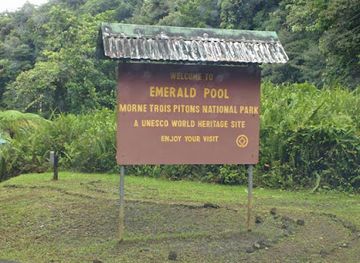
Emerald Pool
Discover Dominica's iconic Emerald Pool: a stunning waterfall and emerald-green pool nestled in the heart of a lush rainforest paradise.
-
Tourist attraction
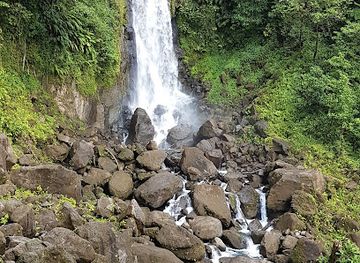
Trafalgar Falls
Experience the majestic Trafalgar Falls in Dominica's Morne Trois Pitons National Park, featuring twin waterfalls, lush rainforest, and natural hot springs.
-
Tourist attraction
Titou Gorge
Swim through a volcanic gorge to a hidden waterfall in Dominica's Morne Trois Pitons National Park, a Caribbean gem.

Explore Saint Patrick on the map
Plan your trip on one map. See where the top cities, national parks and sights are, and book hotels and experiences in a few clicks.
Best hotels in Saint Patrick
Best restaurants in Saint Patrick
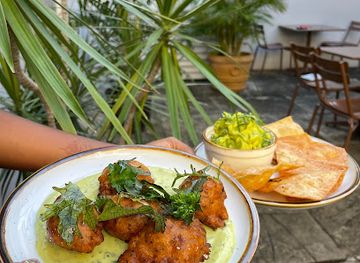
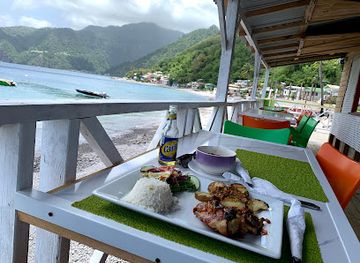
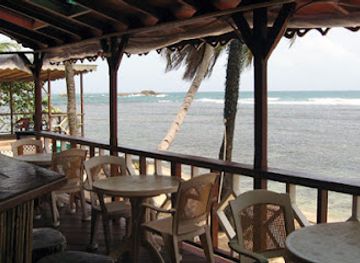
Dining in Saint Patrick is centred on home-style Dominican cooking, small cookshops, village eateries, rum shops and accommodation providers rather than a concentrated restaurant district. Menus commonly draw on provisions such as plantain, breadfruit, dasheen, cassava and sweet potato, accompanied by rice, vegetables, chicken, fish or salted cod. Fresh fish may be available in coastal communities, while locally grown fruit and seasonal produce appear in markets and roadside stalls. Grand Bay and La Plaine offer the widest choice of informal food, although hours and menus can be variable. Ask locally about daily specials rather than expecting a fixed menu, and carry cash for smaller establishments. Traditional drinks and locally made rum may be encountered, but visitors can also find fresh juices and non-alcoholic options. The parish’s food culture is best understood through simple, generously seasoned meals connected to farming, fishing and family kitchens, with contemporary dining generally found through guesthouses or small independently run operations.
-
Restaurant
Purple Turtle Beach Club
Discover culinary delights at Purple Turtle Beach Club in Portsmouth – where vibrant flavors meet stunning beachfront views.
-
Restaurant
Lacou Melrose House
Discover authentic Caribbean cuisine at Lacou Melrose House in Roseau - a culinary gem offering delightful flavors and warm hospitality.
-
Seafood
Chez Wen Cuisine
Experience authentic Caribbean seafood dishes at Chez Wen Cuisine in Scott's Head - where freshness meets flavor amidst stunning ocean views.
-
Restaurant
Coral Reef Bar & Restaurant
Discover authentic Caribbean flavors at Coral Reef Bar & Restaurant in Calibishie – where every meal is accompanied by stunning sea views.

Best bars in Saint Patrick
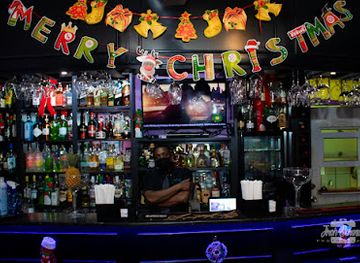
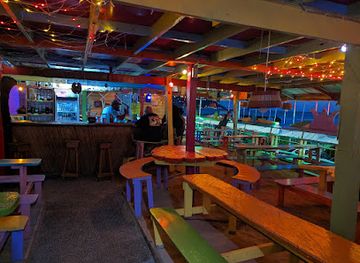
Saint Patrick does not have a major nightclub circuit; evening life is more closely associated with village rum shops, bars, small restaurants, church and community events, and occasional music gatherings. Grand Bay is the parish’s principal centre for social activity, while La Plaine and other villages have smaller places where residents meet after work or at weekends. Music may include Dominican styles such as bouyon and traditional forms, particularly around organised celebrations, but events and opening arrangements change. Some guesthouses can arrange an evening meal or advise on local entertainment, which is more reliable than searching for a formal nightlife district. Visitors should keep noise down near residential areas and avoid assuming that every bar serves food or accepts cards. For a wider choice of late-night venues, Roseau and the west coast are outside Saint Patrick and require a substantial return journey.
-
Restaurant
Escape Bar & Grill
Experience the vibrant flavors of Dominica at Escape Bar & Grill, where local cuisine meets a relaxed atmosphere in the heart of Roseau.
-
Bar
Hi Rise Beach Bar
Discover the ultimate Caribbean escape at Hi Rise Beach Bar, where breathtaking views and delicious cuisine meet island vibes.
-
Bar
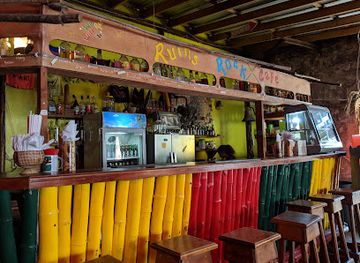
Ruins Rock Café
Experience the vibrant flavors of the Caribbean at Ruins Rock Café, Roseau's premier bar and café for local delights and refreshing drinks.
-
Bar
The Realm
Experience the ultimate blend of dining and entertainment at The Realm in Roseau, where Caribbean flavors meet themed decor for an unforgettable night out.
Best nightclubs in Saint Patrick
Saint Patrick does not have a major nightclub circuit; evening life is more closely associated with village rum shops, bars, small restaurants, church and community events, and occasional music gatherings. Grand Bay is the parish’s principal centre for social activity, while La Plaine and other villages have smaller places where residents meet after work or at weekends. Music may include Dominican styles such as bouyon and traditional forms, particularly around organised celebrations, but events and opening arrangements change. Some guesthouses can arrange an evening meal or advise on local entertainment, which is more reliable than searching for a formal nightlife district. Visitors should keep noise down near residential areas and avoid assuming that every bar serves food or accepts cards. For a wider choice of late-night venues, Roseau and the west coast are outside Saint Patrick and require a substantial return journey.
-
Bar
Hi Rise Beach Bar
Discover the vibrant ambiance and delightful flavors of Hi Rise Beach Bar on Roseau's Bayfront, the perfect spot for relaxation and enjoyment.
-
Bar
De After 4 Lounge
Experience the vibrant ambiance and unique local flavors at De After 4 Lounge, a must-visit bar in Roseau, Dominica.
-
Dance club
NSE Night Club
Discover the electrifying nightlife at NSE Night Club in Anse De Mai, where great music, vibrant atmosphere, and delicious drinks await.
-
Bar
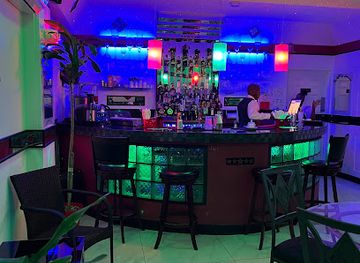
The Velvet Lounge, Café-Bar
Experience the vibrant atmosphere of The Velvet Lounge, a premier café-bar in Roseau, offering exquisite drinks and a cozy ambiance for all.
Best shops in Saint Patrick
Shopping in Saint Patrick is local and practical, with small groceries, village shops, roadside produce sellers and modest market activity rather than large retail centres. Grand Bay and La Plaine provide the broadest choice for everyday supplies, snacks and locally prepared food, while smaller communities may have only a few outlets and limited opening hours. Visitors can look for seasonal fruit, root vegetables, cocoa products, spices, preserves and locally made drinks, although availability depends on harvests and individual producers. Handicrafts may be found through community contacts or accommodation providers rather than in a dedicated shopping quarter. Cash is useful for small purchases, and bargaining is not a general expectation in ordinary shops. Regional souvenirs can include Dominican food products, small craft items and locally produced rum, subject to customs and airline rules. For a wider selection of galleries, branded goods and formal markets, Roseau is outside the parish; Saint Patrick’s shopping appeal lies instead in meeting local sellers and buying products connected with farming and village life.
-
Tourist attraction
Mero beach
Experience the tranquil allure of Mero Beach, a Caribbean paradise of golden sands, crystal waters, and vibrant local culture.
-
Resort hotel
Ti Kwen Glo Cho
Experience ultimate relaxation and wellness at Ti Kwen Glo Cho, a luxurious resort hotel and massage spa nestled in the heart of Dominica's breathtaking landscapes.
-
Cultural center
Kalinago Barana Aute
Discover the authentic Kalinago culture at Kalinago Barana Aute, a cultural center showcasing traditional crafts, dance, and cuisine in Bataka, Dominica.
-
Tour agency
Extreme Dominica - Canyon Experience
Discover the adventure of canyoning in Dominica's stunning landscapes with Extreme Dominica – your gateway to adrenaline-filled outdoor experiences.
Get your free copy of our complete guide to Saint Patrick, delivered straight to you.
Everything on this page, from attractions and restaurants to essentials and local phrases, in one PDF you can read offline, print or share.
Already have an account? Sign in
Your Saint Patrick guide is ready.
We'll send it to · Not you? Sign out

Getting your guide ready…
We are putting together a fresh copy of the Saint Patrick guide. This can take up to a minute.
This can take a few moments. If your browser asks, choose Allow so the download can start. You'll find the guide in your Downloads folder.
Nothing happened? Download it again
Sorry, the guide is taking longer than usual. Please try again in a minute, or get it by email instead.
Saint Patrick essentials
Currency and Payment
Safety
Emergency Situations
Do's and Don'ts
Local Tips
From Eve
Local phrases worth knowing
You don't need to get them perfect. A few words go a long way, and locals appreciate the effort.
Basics
| English | Local | Say it |
|---|---|---|
| Hello | Hello | [Heh-loh] |
| Goodbye | Goodbye | [Good-bye] |
| Yes | Yes | [Yes] |
| No | No | [No] |
| Please/You're welcome | Please/You’re welcome | [Pleez/Yur wel-kum] |
| Thank you | Thank you | [Thank you] |
| Excuse me/Sorry | Excuse me/Sorry | [Ex-kyoos mee/Saw-ree] |
| How are you? | How are you? | [How ar yoo?] |
| Fine. And you? | Fine. And you? | [Fine. And yoo?] |
| Do you speak English? | Do you speak English? | [Do yoo speak English?] |
| I don't understand | I don't understand | [I dont un-der-stand] |
Eating & Drinking
| English | Local | Say it |
|---|---|---|
| I'd like to see the menu, please | I'd like to see the menu, please | [I'd lik to see the men-yoo, pleez] |
| I don't eat meat | I don't eat meat | [I dont eet meet] |
| Cheers! | Cheers! | [Cheerz] |
| I would like to pay, please | I would like to pay, please | [I wud lik to pay, pleez] |
Emergencies
| English | Local | Say it |
|---|---|---|
| Help! | Help! | [Help!] |
| Go away! | Go away! | [Go uh-way!] |
| Call the Police! | Call the Police! | [Call the Po-lees!] |
| Call a doctor! | Call a doctor! | [Call a dok-tor!] |
| I'm lost | I'm lost | [I'm lost] |
| I'm ill | I'm ill | [I'm il] |
Shopping
| English | Local | Say it |
|---|---|---|
| I'd like to buy... | I'd like to buy... | [I'd lik to buy...] |
| I'm just looking | I'm just looking | [I'm just luk-ing] |
| How much is it? | How much is it? | [How much iz it?] |
| That's too expensive | That's too expensive | [That's too expen-siv] |
| Can you lower the price? | Can you lower the price? | [Can yoo loh-er the prys?] |
Time & Numbers
| English | Local | Say it |
|---|---|---|
| What time is it? | What time is it? | [What tym iz it?] |
| It's one o'clock | It's one o'clock | [It's wun o'clock] |
| Half past (10) | Half past (10) | [Half past (ten)] |
| Morning | Morning | [Mor-ning] |
| Afternoon | Afternoon | [Af-ter-noon] |
| Evening | Evening | [Eve-ning] |
| Yesterday | Yesterday | [Yes-ter-day] |
| Today | Today | [To-day] |
| Tomorrow | Tomorrow | [To-mor-row] |
| 1 | 1 | [One] |
| 2 | 2 | [Two] |
| 3 | 3 | [Three] |
| 4 | 4 | [Four] |
| 5 | 5 | [Five] |
| 6 | 6 | [Six] |
| 7 | 7 | [Seven] |
| 8 | 8 | [Eight] |
| 9 | 9 | [Nine] |
| 10 | 10 | [Ten] |
Transport & Directions
| English | Local | Say it |
|---|---|---|
| Where's a/the...? | Where's a/the...? | [Where's a/the...?] |
| What's the address? | What's the address? | [What's the ad-dress?] |
| Can you show me (on the map)? | Can you show me (on the map)? | [Can yoo sho mee (on the map)?] |
| When's the next (bus)? | When's the next (bus)? | [When's the next (bus)?] |
| A ticket (to ....) | A ticket (to ....) | [A tik-et (to ....)] |
History of Saint Patrick
Kalinago Presence and Early Settlement
Before European colonisation, Dominica was inhabited by Indigenous peoples, including the Kalinago, whose knowledge of forests, rivers and coastal waters shaped life across the island. The southeastern districts that now form Saint Patrick were difficult to penetrate from the sea because of their rugged interior, and settlement remained closely tied to valleys, shorelines and cultivable clearings. Place names and surviving traditions across Dominica reflect this deeper Indigenous history, even though much of the written record was produced later by European authorities.
French Plantation Expansion
French settlers established agricultural footholds in Dominica during the eighteenth century, developing plantations that relied on enslaved African labour. The warmer, wetter southeast supported crops such as coffee, cocoa and sugar on a smaller and more dispersed scale than some plantation zones elsewhere in the Caribbean. Grand Bay and neighbouring valleys became part of a colonial economy linked to coastal shipping, estate production and the movement of people and goods along difficult roads and tracks.
British Rule and the End of Slavery
Dominica passed to Britain during the eighteenth-century imperial struggles between Britain and France, and the island remained under British rule thereafter, apart from brief earlier changes of control. Saint Patrick’s communities were affected by plantation administration, colonial taxation and the gradual growth of free Black settlements. Emancipation in the British Caribbean took effect in the 1830s, transforming labour relations while leaving land inequality and economic dependence in place. The parish’s later smallholder farming communities developed within this post-emancipation landscape.
Village Agriculture and Rural Community Life
During the nineteenth and twentieth centuries, Saint Patrick remained predominantly rural. Small farmers cultivated bananas, citrus, root crops, cocoa and other produce on steep land, while fishing and informal coastal trade supplemented household incomes. Roads and public services gradually connected Grand Bay, La Plaine and inland villages more closely with the rest of Dominica, but the terrain continued to limit large-scale development. Churches, schools, village councils and extended community networks became important institutions in parish life.
Grand Bay and the Black Power Movement
Grand Bay was a significant centre of political mobilisation during Dominica’s Black Power movement in the 1970s. Young activists challenged colonial legacies, social inequality and established political authority, linking local concerns to wider Caribbean debates about self-determination and racial justice. The movement formed part of the turbulent political period that preceded Dominica’s independence in 1978. Its legacy remains important to the parish’s public identity and to the island’s modern political history.
Independence and the Modern Parish
Dominica became independent from Britain in 1978, and Saint Patrick continued to develop within a national economy based on agriculture, public services, remittances and tourism. The parish has retained a strong village character while roads, telecommunications and small-scale visitor enterprises have improved access to its forests and waterfalls. Modern Saint Patrick is therefore neither an untouched wilderness nor a resort district: it is a lived-in rural region where environmental tourism exists alongside farming, local commerce and community events.
Hurricane Maria and Community Recovery
Hurricane Maria struck Dominica in September 2017, causing severe damage to homes, agriculture, roads, electricity and communications across the island, including Saint Patrick. The storm disrupted the parish’s farming economy and access to remote communities, while forests and river systems also suffered major impacts. Recovery has been gradual and has reinforced the importance of resilient infrastructure, local networks and disaster preparedness. Visitors may still encounter altered landscapes, repaired roads and changing trail conditions that reflect this recent history.
Saint Patrick in Photos
Browse through our photo collection highlighting the charm and character of the destination.
Neighbouring regions of Saint Patrick
The closest regions to Saint Patrick, if you have time for more than one.
-

-

-

-

-


Swipe for more regions
Explore more
Explore more of Dominica
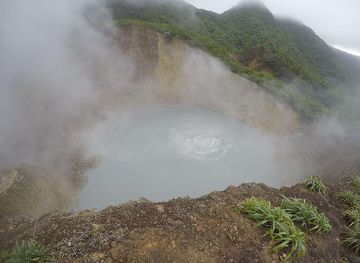
Discover Dominica: The Caribbean's Nature Island, where lush rainforests, volcanic landscapes, and vibrant culture await eco-tourists and adventure seekers.
Explore Dominica