

Punta Cana Village (Punta Cana) Travel Guide - Free
Explore Punta Cana Village in Punta Cana with Evendo's free guide. Find the best shops, historic streets, restaurants, and gems on web or mobile.


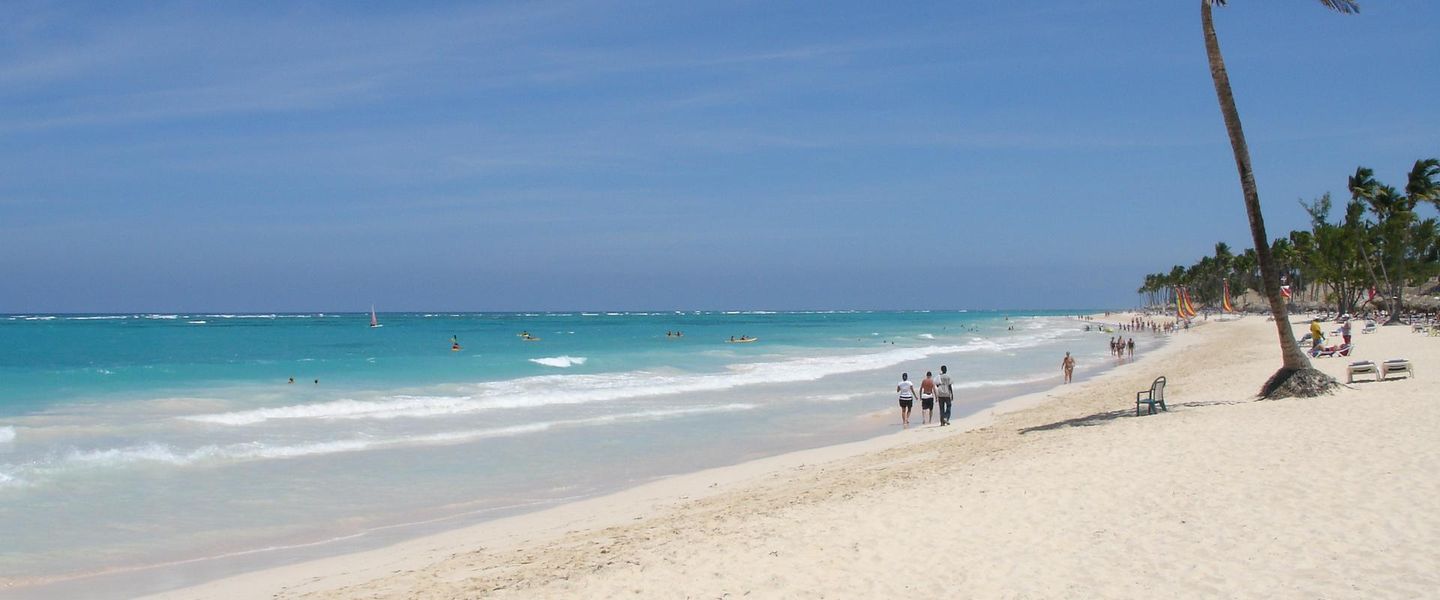


Punta Cana Village, Dominican Republic, pairs airport convenience with local dining, shopping, galleries and easy access to Caribbean beaches and resort life.
A Planned Arrival Point
Punta Cana Village is a modern residential and commercial district beside Punta Cana International Airport, at the eastern edge of the Dominican Republic. Rather than a historic Caribbean town, it is a carefully developed gateway to the wider Punta Cana destination, with landscaped streets, low-rise buildings, offices, restaurants, shops and private residential communities. Its location makes it especially practical for visitors arriving by air, collecting a hire car or staying close to the airport before travelling onwards to the coast.Read more about Punta Cana Village
Everyday Life Beyond the Resorts
Access to the Wider Punta Cana Landscape
Best landmarks in Punta Cana Village
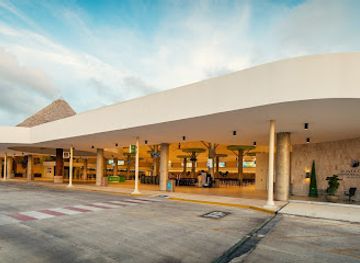
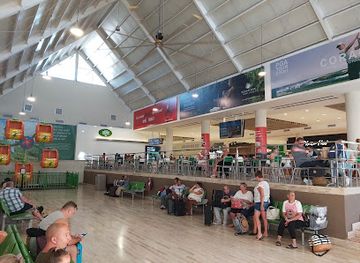
Punta Cana Village has few historic monuments, but several contemporary structures and planned spaces express its role in the region. Punta Cana International Airport is the most consequential landmark, standing directly beside the district and functioning as the principal gateway for the eastern Dominican tourism economy. Its open-air architectural language, palm-lined setting and steady international traffic distinguish it from a conventional urban terminal. Within the village, Galerías Puntacana is an important social landmark: its commercial courtyards and landscaped surroundings represent the area's shift from isolated resort development towards a mixed-use community. The wider Puntacana development contains notable ecological, religious and sporting sites, but these are nearby rather than automatically part of Punta Cana Village. The village's most characteristic landmark is therefore its overall planned landscape of low-rise buildings, managed greenery, service roads and residential communities supporting the airport and resort coast.
-
Shopping mall
PUNTACANA Village
Experience the lively spirit of PUNTACANA Village, where shopping, dining, and local culture come together in vibrant harmony.
1 min walk · 0.1 km from neighbourhood centre
-
Brewery
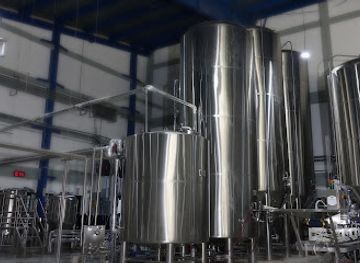
Cervecería Punta Cana
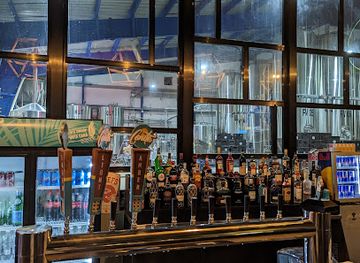
Experience the vibrant atmosphere and unique flavors of locally crafted beers at Cervecería Punta Cana, the ultimate brewery destination in the heart of the Dominican Republic.
2 min walk · 0.2 km from neighbourhood centre
-
Transportation service
JVL TOUR PUNTA CANA
Explore Punta Cana with ease through JVL Tour's reliable transportation services, ensuring a seamless travel experience in the Dominican Republic.
1 min walk · 0.1 km from neighbourhood centre
-
Real estate agency
Punta Cana Village
Explore Punta Cana Village: A vibrant community blending modern amenities with Caribbean charm, perfect for tourists and locals alike.
1 min walk · 0.1 km from neighbourhood centre


Explore Punta Cana Village on the map
A handpicked selection of must-see spots in Punta Cana Village, mapped for you.
Best hotels in Punta Cana Village
Best restaurants in Punta Cana Village
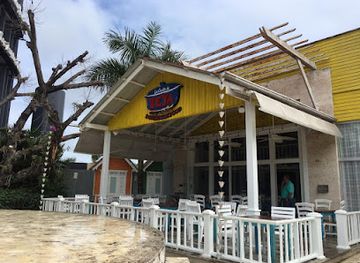
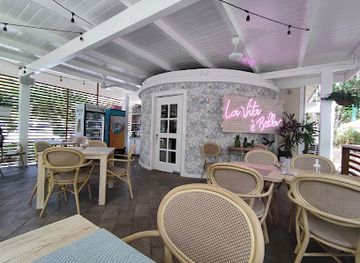
Dining in Punta Cana Village is oriented towards residents, airport travellers, professionals and visitors staying outside the major beachfront resorts. Galerías Puntacana and surrounding commercial areas offer a selection of cafés, casual restaurants and international menus, with Dominican cooking appearing alongside familiar Caribbean, Latin American and global styles. Breakfast, coffee and relaxed lunches are particularly practical between flights or during a stay away from the coast, while evening restaurants provide a more settled alternative to resort dining rooms. The area's food culture reflects Punta Cana's international workforce and visitor base rather than a single strongly defined tradition, although local dishes and ingredients can be found on Dominican menus. Expect a polished, contemporary setting rather than a street-food quarter or historic market district; for a broader choice of traditional eateries and informal food, visitors may need to travel towards other settled areas beyond the village.
-
Fast Food
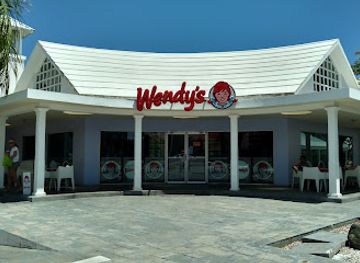
Wendy's
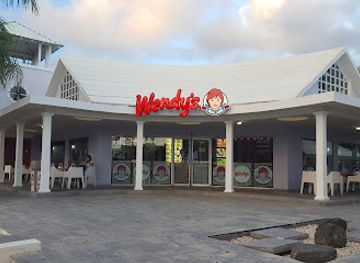
Discover fast food bliss at Wendy's in Punta Cana Village – where American flavors meet Caribbean vibes.
1 min walk · 0.1 km from neighbourhood centre
-
Restaurant
La Casita de Yeya
Savor authentic Dominican cuisine at La Casita de Yeya - a must-visit culinary destination in Punta Cana.
1 min walk · 0.1 km from neighbourhood centre
-
Restaurant
Vale Valentina
Discover the flavors of Punta Cana at Vale Valentina - a culinary haven blending local cuisine with international flair.
1 min walk · 0.1 km from neighbourhood centre
-
Italian
Mamma Luisa
Savor authentic Italian flavors at Mamma Luisa in Punta Cana - where every dish tells a story.
2 min walk · 0.1 km from neighbourhood centre
Best bars in Punta Cana Village
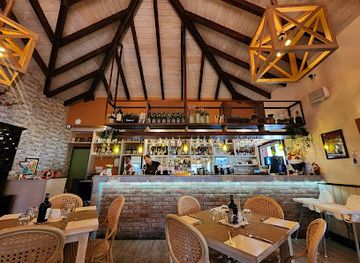
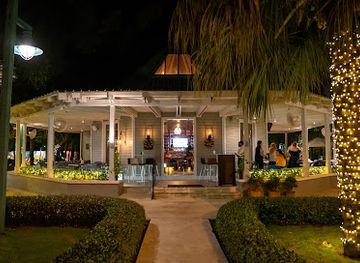
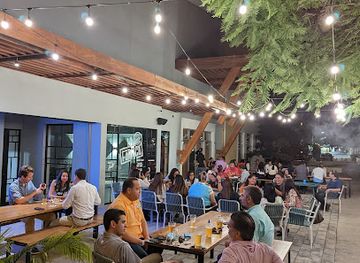
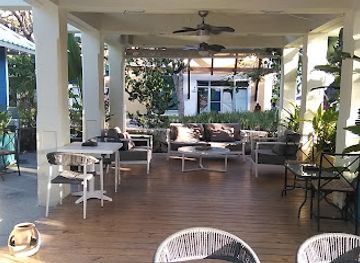
Punta Cana Village is comparatively quiet after dark, with evening life focused on restaurant terraces, hotel bars and informal gatherings rather than a concentrated strip of nightclubs. Commercial areas around Galerías Puntacana can provide a sociable setting for drinks, but the neighbourhood's planned residential character means that nightlife is generally more restrained than in the larger resort and entertainment zones elsewhere in Punta Cana. Visitors looking for dancing, beach clubs, live DJs or late-night venues normally travel by taxi or organised transfer to destinations beyond the village, particularly around the resort coast and Bávaro area. That separation is useful for travellers who prefer a calmer base near the airport, but it also means that returning late requires advance transport planning. Keep noise low around homes and remember that a restaurant serving cocktails is not necessarily a late-night bar.
-
Bar
La Cava Kitchen and Bar
Discover La Cava Kitchen and Bar in Punta Cana for a unique dining experience blending fusion cuisine and a vibrant bar atmosphere.
1 min walk · 0.1 km from neighbourhood centre
-
Brewery
Cervecería Punta Cana
Experience the vibrant atmosphere and local brews of Cervecería Punta Cana, a must-visit brewery and pub in the heart of the Dominican Republic.
2 min walk · 0.2 km from neighbourhood centre
-
Cocktail bar
Ritual
Discover the vibrant cocktail culture at Ritual in Punta Cana, where expert mixology meets a lively atmosphere and delicious tapas.
2 min walk · 0.2 km from neighbourhood centre
-
Bar
Canitas Brewery
Discover a vibrant spot in Punta Cana where local craft beer meets a lively atmosphere at Canitas Brewery.
2 min walk · 0.2 km from neighbourhood centre
Best nightclubs in Punta Cana Village
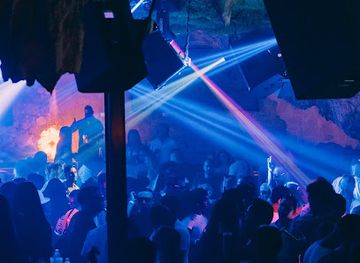
Punta Cana Village is comparatively quiet after dark, with evening life focused on restaurant terraces, hotel bars and informal gatherings rather than a concentrated strip of nightclubs. Commercial areas around Galerías Puntacana can provide a sociable setting for drinks, but the neighbourhood's planned residential character means that nightlife is generally more restrained than in the larger resort and entertainment zones elsewhere in Punta Cana. Visitors looking for dancing, beach clubs, live DJs or late-night venues normally travel by taxi or organised transfer to destinations beyond the village, particularly around the resort coast and Bávaro area. That separation is useful for travellers who prefer a calmer base near the airport, but it also means that returning late requires advance transport planning. Keep noise low around homes and remember that a restaurant serving cocktails is not necessarily a late-night bar.
-
Lounge
VIP Lounge Club Terminal A
Discover tranquility at VIP Lounge Club Terminal A, the ideal retreat for travelers in Punta Cana's busy airport.
10 min walk · 0.8 km from neighbourhood centre
-
 Night club
Breakpoint
Dive into the electrifying nightlife at Breakpoint in Punta Cana, where vibrant music and unforgettable experiences await every night.
2 min walk · 0.2 km from neighbourhood centre
-
Night club
Verano Desert
Discover the vibrant nightlife at Verano Desert Night Club in Punta Cana, where electrifying music and exceptional cocktails create an unforgettable experience.
2 min walk · 0.2 km from neighbourhood centre
-
Lounge
bianca
Discover the vibrant nightlife at Bianca, a chic lounge in Punta Cana offering exquisite cocktails and a lively atmosphere for an unforgettable evening.
2 min walk · 0.2 km from neighbourhood centre
Best shops in Punta Cana Village
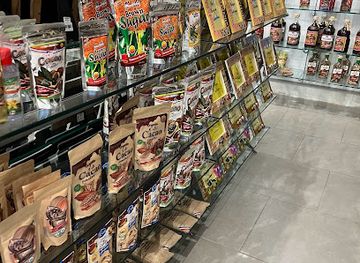
Shopping in Punta Cana Village is concentrated in modern commercial centres rather than traditional market streets. Galerías Puntacana provides a convenient setting for boutiques, galleries, food outlets and everyday services, with merchandise aimed at both residents and visitors. Nearby retail areas add practical shopping, personal services and resort-oriented goods, while larger branded choices may be available at BlueMall Punta Cana, whose exact access and district designation should be checked locally because it sits within the broader Punta Cana development rather than an old town centre. The retail character is polished and international, with Dominican art, crafts and design appearing alongside clothing, beauty, food and travel essentials. This is not the place to seek a historic produce market or a dense network of independent shopfronts; its appeal lies in air-conditioned convenience, contemporary presentation and the chance to combine errands with a meal before or after a flight.
-
Shopping mall
PUNTACANA Village
Explore the vibrant PUNTACANA Village, where shopping meets culture in the heart of paradise, offering unique boutiques and delightful eateries.
1 min walk · 0.1 km from neighbourhood centre
-
Gift shop
Happy Birthday & Gifts
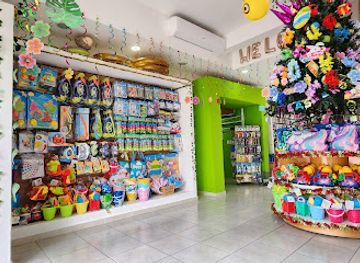
Discover unique gifts and memorable keepsakes at Happy Birthday & Gifts in Punta Cana, a charming shop for all your celebratory needs.
1 min walk · 0.1 km from neighbourhood centre
-
Clothing store
Santa Paloma - Punta Cana
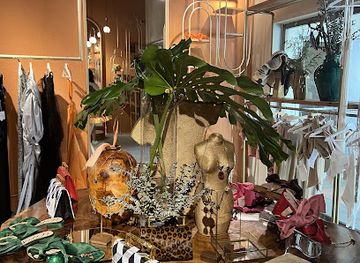
Explore Santa Paloma in Punta Cana for a unique shopping experience filled with stylish clothing and vibrant local culture, perfect for every fashion enthusiast.
1 min walk · 0.1 km from neighbourhood centre
-
Gift shop
ISLA souvenirs et artesania
Explore authentic Dominican crafts and unique souvenirs at ISLA Souvenirs et Artesania in Punta Cana, a treasure trove of local artistry.
17 min walk · 1.3 km from neighbourhood centre
Punta Cana Village essentials
Getting There
Getting Around
Safety
Emergency Situations
Do's and Don'ts
Local Tips

From Eve
Local phrases worth knowing
You don't need to get them perfect. A few words go a long way, and locals appreciate the effort.
Basics
| English | Local | Say it |
|---|---|---|
| Hello | Hola | [oh-lah] |
| Goodbye | Adiós | [ah-dee-ohs] |
| Yes | Sí | [see] |
| No | No | [no] |
| Please/You're welcome | Por favor/De nada | [por fah-vor/deh nah-dah] |
| Thank you | Gracias | [grah-see-ahs] |
| Excuse me/Sorry | Perdón/Lo siento | [pehr-dohn/loh see-ehn-toh] |
| How are you? | ¿Cómo estás? | [koh-moh ehs-tahs] |
| Fine. And you? | Bien. ¿Y tú? | [bee-ehn. ee too] |
| Do you speak English? | ¿Hablas inglés? | [ah-blahs een-glays] |
| I don't understand | No entiendo | [noh ehn-tyehn-doh] |
Eating & Drinking
| English | Local | Say it |
|---|---|---|
| I'd like to see the menu, please | Me gustaría ver el menú, por favor | [meh goos-tah-ree-ah behr ehl meh-noo, por fah-vor] |
| I don't eat meat | No como carne | [noh koh-moh kahr-neh] |
| Cheers! | Salud! | [sah-lood] |
| I would like to pay, please | Me gustaría pagar, por favor | [meh goos-tah-ree-ah pah-gahr, por fah-vor] |
Emergencies
| English | Local | Say it |
|---|---|---|
| Help! | ¡Ayuda! | [ah-yoo-dah] |
| Go away! | ¡Vete! | [veh-teh] |
| Call the Police! | ¡Llame a la policía! | [yah-meh ah lah po-lee-see-ah] |
| Call a doctor! | ¡Llame a un médico! | [yah-meh ah oon meh-dee-koh] |
| I'm lost | Estoy perdido/a | [ehs-toy pehr-dee-doh/dah] |
| I'm ill | Estoy enfermo/a | [ehs-toy ehn-fehr-moh/dah] |
Shopping
| English | Local | Say it |
|---|---|---|
| I'd like to buy... | Me gustaría comprar... | [meh goos-tah-ree-ah kohm-prahr] |
| I'm just looking | Solo estoy mirando | [soh-loh ehs-toy mee-rahn-doh] |
| How much is it? | ¿Cuánto cuesta? | [kwan-toh kwehs-tah] |
| That's too expensive | Eso es demasiado caro | [eh-soh ehs deh-mah-see-ah-doh kah-roh] |
| Can you lower the price? | ¿Puede bajar el precio? | [pweh-deh bah-har ehl pree-syoh] |
Time & Numbers
| English | Local | Say it |
|---|---|---|
| What time is it? | ¿Qué hora es? | [keh oh-rah ehs] |
| It's one o'clock | Es la una | [ehs lah oo-nah] |
| Half past (10) | Las diez y media | [lahs d'yehs ee meh-dee-ah] |
| Morning | Mañana | [mah-nyah-nah] |
| Afternoon | Tarde | [tahr-deh] |
| Evening | Noche | [noh-cheh] |
| Yesterday | Ayer | [ah-yehr] |
| Today | Hoy | [oy] |
| Tomorrow | Mañana | [mah-nyah-nah] |
| 1 | Uno | [oo-noh] |
| 2 | Dos | [dohs] |
| 3 | Tres | [trehs] |
| 4 | Cuatro | [kwah-troh] |
| 5 | Cinco | [seen-koh] |
| 6 | Seis | [says] |
| 7 | Siete | [syeh-teh] |
| 8 | Ocho | [oh-choh] |
| 9 | Nueve | [nweh-veh] |
| 10 | Diez | [dyehs] |
Transport & Directions
| English | Local | Say it |
|---|---|---|
| Where's a/the...? | ¿Dónde está...? | [dohn-deh ehs-tah] |
| What's the address? | ¿Cuál es la dirección? | [kwal ehs lah dee-rehk-syon] |
| Can you show me (on the map)? | ¿Puedes mostrarme (en el mapa)? | [pweh-dehs mohs-trar-meh (ehn ehl mah-pah)] |
| When's the next (bus)? | ¿Cuándo es el próximo (autobús)? | [kwan-doh ehs ehl proh-ksee-moh (ow-toh-boos)] |
| A ticket (to ....) | Un boleto (a ....) | [oon boh-leh-toh (ah)] |
History of Punta Cana Village
From Coastal Estate to Tourism Project
The area now associated with Punta Cana Village formed part of the largely undeveloped eastern Dominican landscape before the creation of the Punta Cana tourism project. The modern district's story is closely linked to the development work led by Grupo Puntacana, whose founders began transforming the remote coast in the late twentieth century. Roads, utilities, housing and commercial facilities were established to support a destination that initially had little conventional urban infrastructure. Punta Cana Village emerged as one of the inland service and residential areas connected to that broader development rather than as an old settlement with a separate colonial history.
The Airport Changes the Region
Punta Cana International Airport opened in 1984, providing the decisive transport link for the growing resort coast. Its location immediately beside the village helped shape the neighbourhood's practical identity: homes, offices, retail premises and visitor services developed around a major international gateway. The airport also altered the wider eastern region by making direct overseas tourism possible on a far larger scale than road and sea connections could support. Punta Cana Village became part of the infrastructure behind that expansion, accommodating residents, workers and businesses connected with tourism, aviation and property development.
Planned Community and Commercial Growth
As Punta Cana became one of the Caribbean's best-known resort destinations, the village developed into a planned mixed-use district rather than a conventional market town. Residential communities were joined by restaurants, professional services, galleries and shopping centres, creating a more self-contained daily environment for the expanding population and visitor economy. The growth reflects a wider shift from isolated resort compounds towards a network of managed communities and commercial nodes. Its present character is therefore relatively recent, shaped by private development, international investment, airport traffic and the continuing expansion of tourism across the eastern Dominican Republic.
Punta Cana Village in Photos
Browse through our photo collection highlighting the charm and character of the destination.
Neighbourhoods near Punta Cana Village
The closest neighbourhoods to Punta Cana Village, if you have time for more than one stop.
-
-


Swipe for more neighbourhoods
Explore more

Explore more of Punta Cana
Punta Cana combines white-sand beaches, Caribbean waters, nature reserves, golf, Dominican culture and memorable island experiences on the eastern coast.
Explore Punta Cana