

Free Ponce Travel Guide & Mobile App
Plan your Ponce trip with Evendo. Get free guides to top attractions, restaurants, hotels, and bars. Web access or download the mobile app.


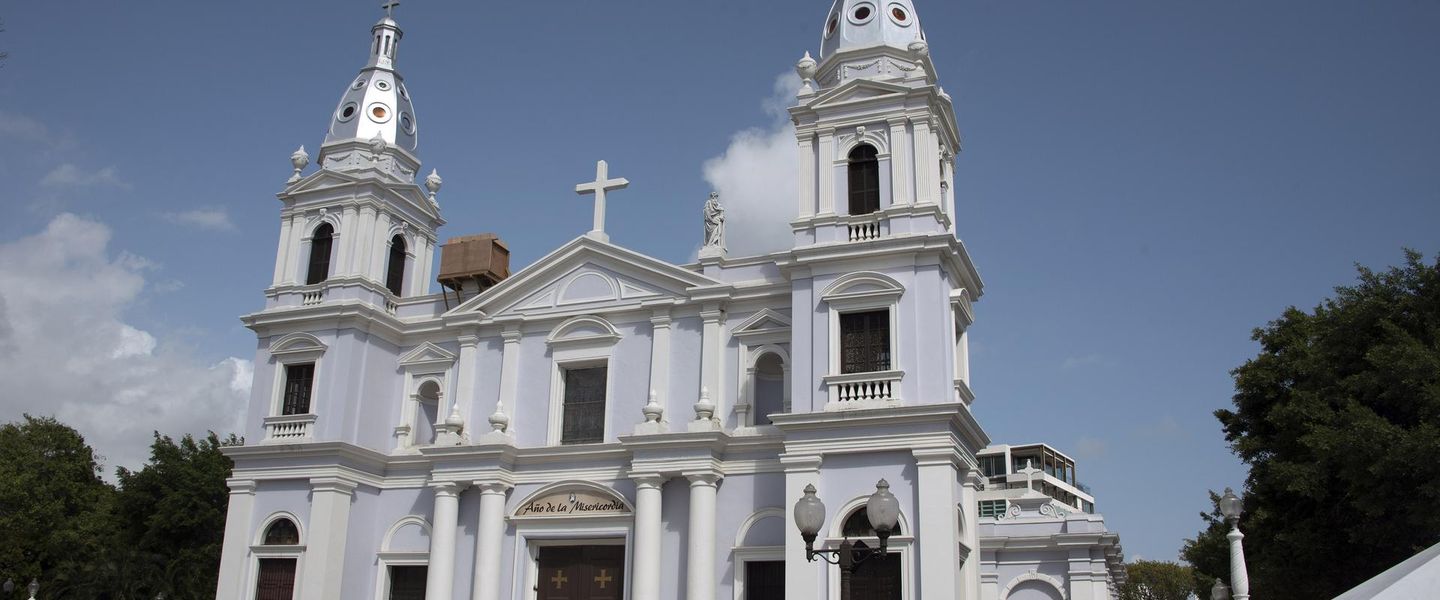


Ponce, Puerto Rico, pairs Spanish colonial architecture, Caribbean art, historic plazas, local cuisine and southern-coast adventures in a richly layered city.
A City Shaped by the Southern Coast
Ponce stands on Puerto Rico’s Caribbean coast, between the dry southern plain and the forested slopes of the Cordillera Central. Known as La Perla del Sur, or the Pearl of the South, it has a distinctive identity shaped by sugar, commerce, Afro-Caribbean culture and an unusually rich collection of late nineteenth- and early twentieth-century buildings. The city centre gathers around Plaza Las Delicias, where the red-and-black Parque de Bombas, once a fire station and now one of Ponce’s most recognisable symbols, faces the Catedral Nuestra Señora de Guadalupe.Read more about Ponce
Architecture, Art and Civic Life
From Indigenous Sites to Coastal Landscapes
When is the best time to visit Ponce?
Best: January–March · 29°C| Month | High (°C) | Rainfall (mm) |
|---|---|---|
| January (best) | 29 | 45 |
| February (best) | 29 | 40 |
| March (best) | 29 | 42 |
| April | 30 | 51 |
| May | 31 | 81 |
| June | 32 | 116 |
| July | 32 | 102 |
| August | 32 | 106 |
| September | 32 | 95 |
| October | 31 | 102 |
| November | 30 | 103 |
| December | 29 | 76 |
Getting to and around Ponce
How to get there
Transportation
Best attractions in Ponce
Ponce’s sightseeing begins around Plaza Las Delicias, where the distinctive Parque de Bombas stands opposite the Catedral Nuestra Señora de Guadalupe and leads into a compact historic district of museums and civic buildings. The Museo de la Historia de Ponce traces the city’s social and commercial development, while the Museo de Arte de Ponce presents a broad collection in a purpose-built gallery beyond the centre. On a hill above town, Castillo Serrallés combines views with an interpretation of the sugar and rum fortunes that shaped the region. The Tibes Indigenous Ceremonial Center offers a deeper archaeological perspective, with plazas and ball courts linked to communities that lived in southern Puerto Rico before Spanish colonisation. For a change of scenery, La Guancha provides a seafront setting with food kiosks and harbour views, while Hacienda Buena Vista and the botanical gardens introduce the agricultural and natural landscapes surrounding the city.
-
Museum
Parque de Bombas
Explore the rich history of firefighting at Parque de Bombas, an iconic museum in Ponce, Puerto Rico, showcasing vibrant culture and heritage.
14 min walk · 1.1 km from city centre
-
Tourist attraction
La Guancha
Discover the lively La Guancha in Ponce, Puerto Rico - a perfect blend of scenic beauty, local cuisine, and family-friendly fun along the Caribbean coast.
15 min drive · 5.1 km from city centre
-
Tourist attraction
Museo Castillo Serrallés
Explore the enchanting Museo Castillo Serrallés, a historical museum in Ponce showcasing Puerto Rico's rich culture and sugar cane heritage.
13 min walk · 1.1 km from city centre
-
Tourist attraction
Museo Castillo Serrallés
Explore the rich history of Puerto Rico at Museo Castillo Serrallés, where the legacy of the Serrallés family comes to life through captivating exhibits and stunning architecture.
13 min walk · 1.1 km from city centre


Best landmarks in Ponce
Ponce’s landmarks are concentrated in and around its historic civic core. Parque de Bombas, painted in the city’s red and black colours, began as a nineteenth-century fire station and has become an emblem of Ponce’s public history. Across Plaza Las Delicias, the Catedral Nuestra Señora de Guadalupe anchors the city’s religious and civic landscape, while Teatro La Perla reflects the cultural confidence of the prosperous nineteenth-century town. Casa Armstrong-Poventud and other ornate residences show how merchants and professionals adapted European architectural ideas to Caribbean conditions. On the hillside, Castillo Serrallés represents the wealth generated by sugar and related industries rather than a medieval castle tradition. The Museo de la Masacre commemorates the 1937 Ponce Massacre, giving the city’s architecture a political and memorial dimension. Together these buildings express commerce, faith, performance, domestic life and contested history.
-
Tourist attraction
La Guancha
Explore La Guancha in Ponce, Puerto Rico – a vibrant coastal promenade with stunning views, delicious local cuisine, and lively entertainment.
15 min drive · 5.1 km from city centre
-
Museum
Museo Castillo Serrallés
Explore the exquisite Museo Castillo Serrallés, a cultural gem in Ponce, Puerto Rico, showcasing the history of rum and the Serrallés family's legacy.
13 min walk · 1.1 km from city centre
-
Art museum
Museo de Arte de Ponce
Explore the magnificent Museo de Arte de Ponce, where European and Puerto Rican art converge in a stunning architectural setting.
13 min walk · 1.0 km from city centre
-
Tourist attraction
Letras de Ponce
Discover the vibrant cultural landmark of Letras de Ponce, where art, history, and community come together in a colorful celebration of Puerto Rican heritage.
18 min drive · 5.9 km from city centre


Explore Ponce on the map
Plan your Ponce trip on one map. See where the top attractions, landmarks, restaurants, bars and hotels are, find what's near where you're staying, and book hotels and experiences in a few clicks.
Best hotels in Ponce
Best restaurants in Ponce
Ponce’s food culture reflects Puerto Rico’s Spanish, African and Taíno inheritances, as well as the agricultural life of the southern plain and nearby mountains. Menus commonly feature mofongo, arroz con gandules, pastelón, alcapurrias, bacalaitos and roast pork, with plantain, cassava and root vegetables providing much of the culinary foundation. Downtown restaurants and cafés around the historic centre offer traditional Puerto Rican cooking alongside newer interpretations, while kiosks and casual eateries provide fried snacks, sandwiches and seafood. La Guancha is associated with informal waterfront eating, particularly when its promenade is active, and rural establishments outside the centre may focus on hearty creole dishes and local produce. Puerto Rican coffee from the uplands, rum-based drinks and sweets made with coconut or fruit add further regional character without separating the city’s cuisine from the wider island tradition.
-
American
Hard Rock Cafe Ponce
Discover the ultimate dining experience at Hard Rock Cafe Ponce with delicious American cuisine and captivating rock memorabilia.
8 min drive · 2.6 km from city centre
-
Steak
LongHorn Steakhouse
Experience exceptional steaks and American cuisine at LongHorn Steakhouse in Ponce - where every bite is a celebration of flavor.
7 min drive · 2.2 km from city centre
-
Pizza
Campioni Pizza Birra & Tapas
Experience the vibrant flavors of Puerto Rico at Campioni Pizza Birra & Tapas – where artisanal pizza meets local craft beer.
17 min walk · 1.4 km from city centre
-
Italian
Romano's Macaroni Grill
Savor authentic Italian flavors at Romano's Macaroni Grill in Ponce - a culinary haven for tourists seeking delightful dining experiences.
8 min drive · 2.6 km from city centre


Best bars in Ponce
Ponce’s evening life is more social and cultural than club-centred, with activity concentrated around the historic centre, Plaza Las Delicias and nearby streets where cafés, casual bars and restaurants stay lively after sunset. The city’s musical identity is closely connected with salsa, plena and other Afro-Caribbean traditions, and live performances or cultural events may bring music into public spaces and local venues. La Guancha offers a waterfront setting for drinks, informal gatherings and occasional entertainment, although its atmosphere and operating pattern can change. Theatres and seasonal festivals add alternatives to bar-hopping, while the historic buildings provide a more relaxed backdrop than the larger nightlife districts of San Juan. Visitors should confirm current programmes locally and use taxis or arranged transport if returning late from dispersed venues.
-
Sports bar
La Barrita Sport Bar
Join the excitement at La Barrita Sport Bar in Ponce, where sports, great food, and lively atmosphere come together for an unforgettable experience.
7 min drive · 2.3 km from city centre
-
Pub
Birriola
Discover the vibrant nightlife at Birriola, a must-visit pub in Ponce, Puerto Rico, where local culture meets delicious drinks in a welcoming atmosphere.
9 min drive · 3.0 km from city centre
-
Pub
Hollywood Café
Experience the vibrant nightlife of Ponce at Hollywood Café, where delicious drinks and a welcoming atmosphere await every visitor.
15 min drive · 5.2 km from city centre
-
Tapas Bar
Asturias Lounge Bar
Discover the vibrant tapas and nightlife at Asturias Lounge Bar in Ponce, Puerto Rico - where culinary tradition meets modern flair.
11 min walk · 0.9 km from city centre


Best nightclubs in Ponce
Ponce’s evening life is more social and cultural than club-centred, with activity concentrated around the historic centre, Plaza Las Delicias and nearby streets where cafés, casual bars and restaurants stay lively after sunset. The city’s musical identity is closely connected with salsa, plena and other Afro-Caribbean traditions, and live performances or cultural events may bring music into public spaces and local venues. La Guancha offers a waterfront setting for drinks, informal gatherings and occasional entertainment, although its atmosphere and operating pattern can change. Theatres and seasonal festivals add alternatives to bar-hopping, while the historic buildings provide a more relaxed backdrop than the larger nightlife districts of San Juan. Visitors should confirm current programmes locally and use taxis or arranged transport if returning late from dispersed venues.
-
Tapas Bar
Asturias Lounge Bar
Discover the lively Asturias Lounge Bar in Ponce, where exquisite tapas meet a vibrant nightlife experience perfect for all travelers.
11 min walk · 0.9 km from city centre
-
Bar
El Mangoito
Discover the vibrant nightlife at El Mangoito in Ponce, where refreshing drinks and lively atmosphere await every visitor.
6 min drive · 2.1 km from city centre
-
Bar
Candy Bar Exotic Drinks
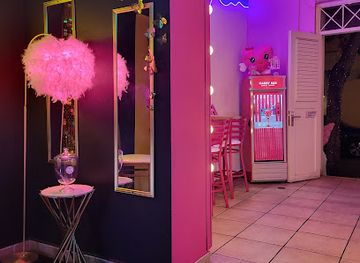
Experience the vibrant nightlife of Ponce at Candy Bar Exotic Drinks, where creative cocktails and a lively atmosphere await every visitor.
16 min walk · 1.3 km from city centre
-
Dance club
Mirrors Night Club
Dive into the vibrant nightlife of Ponce at Mirrors Night Club, the ultimate destination for dance, music, and inclusive fun.
12 min walk · 0.9 km from city centre


Best shops in Ponce
Shopping in Ponce is centred less on a single luxury district than on the historic centre, local businesses, markets and contemporary retail areas around the wider city. Streets near Plaza Las Delicias offer cafés, galleries, gift shops and independent retailers where visitors may find Puerto Rican art, prints, jewellery, religious objects and locally themed souvenirs. Handcrafted goods can include woodwork, ceramics, textiles and traditional decorative pieces, though selection varies from shop to shop. Food products such as Puerto Rican coffee, sweets, spices, sauces and rum make practical gifts, provided travellers check import rules for their onward journey. La Guancha and other waterfront or festival settings may host informal stalls and artisan vendors, while shopping centres provide familiar national and international brands. Bargaining is not generally expected in established shops, but prices at temporary stalls should be clarified before purchase.
-
Shopping mall
Plaza del Caribe
Explore Plaza del Caribe, Ponce's premier shopping destination with over 200 stores, dining options, and vibrant cultural events.
7 min drive · 2.3 km from city centre
-
Department store
Macy's
Discover fashion, beauty, and home essentials at Macy's in Ponce, a shopping destination blending style and local culture.
7 min drive · 2.5 km from city centre
-
Shopping mall
Centro Del Sur Mall
Explore the vibrant shopping experience at Centro Del Sur Mall in Ponce, Puerto Rico, featuring diverse stores and delightful dining options.
7 min drive · 2.3 km from city centre
-
Shopping mall
Ponce Mall
Explore the vibrant Ponce Mall in Puerto Rico, a shopping haven featuring diverse stores, delicious dining, and a lively atmosphere for all travelers.
5 min drive · 1.5 km from city centre


Get your free copy of our complete guide to Ponce, delivered straight to you.
Everything on this page, from attractions and restaurants to essentials and local phrases, in one PDF you can read offline, print or share.
Already have an account? Sign in
Your Ponce guide is ready.
We'll send it to · Not you? Sign out

Getting your guide ready…
We are putting together a fresh copy of the Ponce guide. This can take up to a minute.
This can take a few moments. If your browser asks, choose Allow so the download can start. You'll find the guide in your Downloads folder.
Nothing happened? Download it again
Sorry, the guide is taking longer than usual. Please try again in a minute, or get it by email instead.
Ponce essentials
Currency and Payment
Safety
Emergency Situations
Do's and Don'ts
Local Tips
From Eve
Local phrases worth knowing
You don't need to get them perfect. A few words go a long way, and locals appreciate the effort.
Basics
| English | Local | Say it |
|---|---|---|
| Hello | Hola | [oh-lah] |
| Goodbye | Adiós | [ah-dee-ohs] |
| Yes | Sí | [see] |
| No | No | [noh] |
| Please/You're welcome | Por favor/De nada | [pohr fah-bohr/deh nah-dah] |
| Thank you | Gracias | [grah-see-ahs] |
| Excuse me/Sorry | Perdón/Lo siento | [pehr-dohn/loh see-ehn-toh] |
| How are you? | ¿Cómo estás? | [koh-moh ehs-tahs] |
| Fine. And you? | Bien. ¿Y tú? | [byehn. ee too] |
| Do you speak English? | ¿Hablas inglés? | [ah-blahs een-glehs] |
| I don't understand | No entiendo | [noh ehn-tee-ehn-doh] |
Eating & Drinking
| English | Local | Say it |
|---|---|---|
| I'd like to see the menu, please | Quisiera ver el menú, por favor | [kee-see-eh-rah behr ehl meh-noo, pohr fah-bohr] |
| I don't eat meat | No como carne | [noh koh-moh kahr-neh] |
| Cheers! | ¡Salud! | [sah-loohd] |
| I would like to pay, please | Me gustaría pagar, por favor | [meh goos-tah-ree-ah pah-gahr, pohr fah-bohr] |
Emergencies
| English | Local | Say it |
|---|---|---|
| Help! | ¡Ayuda! | [ah-yoo-dah] |
| Go away! | ¡Vete! | [veh-teh] |
| Call the Police! | ¡Llama a la Policía! | [yah-mah ah lah poh-lee-see-ah] |
| Call a doctor! | ¡Llama a un médico! | [yah-mah ah oon meh-dee-koh] |
| I'm lost | Estoy perdido | [ehs-toy pehr-dee-doh] |
| I'm ill | Estoy enfermo | [ehs-toy ehn-fehr-moh] |
Shopping
| English | Local | Say it |
|---|---|---|
| I'd like to buy... | Quisiera comprar... | [kee-see-eh-rah kohm-prahr] |
| I'm just looking | Sólo estoy mirando | [soh-loh ehs-toy mee-rahn-doh] |
| How much is it? | ¿Cuánto cuesta? | [kwan-toh kwehs-tah] |
| That's too expensive | Eso es demasiado caro | [eh-soh ehs deh-mah-see-ah-doh kah-roh] |
| Can you lower the price? | ¿Puedes bajar el precio? | [pweh-dehs bah-hahr ehl pree-syoh] |
Time & Numbers
| English | Local | Say it |
|---|---|---|
| What time is it? | ¿Qué hora es? | [keh oh-rah ehs] |
| It's one o'clock | Es la una en punto | [ehs lah oo-nah ehn poon-toh] |
| Half past (10) | Son las diez y media | [sohn lahs dyehs ee meh-dee-ah] |
| Morning | Mañana | [mah-nyah-nah] |
| Afternoon | Tarde | [tahr-deh] |
| Evening | Noche | [noh-cheh] |
| Yesterday | Ayer | [ah-yehr] |
| Today | Hoy | [oy] |
| Tomorrow | Mañana | [mah-nyah-nah] |
| 1 | Uno | [oo-noh] |
| 2 | Dos | [dohs] |
| 3 | Tres | [trehs] |
| 4 | Cuatro | [kwa-troh] |
| 5 | Cinco | [seen-koh] |
| 6 | Seis | [says] |
| 7 | Siete | [syeh-teh] |
| 8 | Ocho | [oh-choh] |
| 9 | Nueve | [nweh-veh] |
| 10 | Diez | [dyehs] |
Transport & Directions
| English | Local | Say it |
|---|---|---|
| Where's a/the...? | ¿Dónde está...? | [dohn-deh ehs-tah] |
| What's the address? | ¿Cuál es la dirección? | [kwal ehs lah dee-rehk-syohn] |
| Can you show me (on the map)? | ¿Puedes mostrarme (en el mapa)? | [pweh-dehs mohs-trahr-meh (ehn ehl mah-pah)] |
| When's the next (bus)? | ¿Cuándo es el próximo (autobús)? | [kwan-doh ehs ehl proh-ksee-moh (ow-toh-boos)] |
| A ticket (to ....) | Un boleto (para ....) | [oon boh-leh-toh (pah-rah)] |
History of Ponce
Indigenous Communities at Tibes
The Ponce area preserves evidence of Indigenous settlement long before Spanish colonisation. The Tibes Indigenous Ceremonial Center, north of the modern urban area, contains plazas, ball courts and burial evidence associated with communities that lived in southern Puerto Rico over many centuries. Archaeologists have identified both earlier Archaic-period activity and later societies commonly connected with Taíno culture, although Indigenous history in the Caribbean was more diverse than a single cultural label suggests. Tibes demonstrates that the southern coast was a settled cultural landscape rather than an empty space awaiting colonial development. Its ceremonial architecture and artefacts provide an essential counterpoint to Ponce’s better-known Spanish colonial and sugar-era heritage.
Spanish Settlement and Ponce’s Foundation
Spanish settlement developed gradually in the southern region during the colonial period, with agriculture, livestock and coastal trade shaping the area around the modern city. Ponce is traditionally associated with Juan Ponce de León y Loayza, a descendant of the Spanish conquistador, and the settlement was formally founded in 1692. Its name reflects that lineage, although the town’s growth resulted from the work of many settlers, workers and enslaved Africans. The southern plain’s position beside the Caribbean encouraged links with ports and neighbouring islands, while the mountains supplied water, timber and agricultural land. Ponce’s later identity emerged from this combination of inland production and maritime commerce.
Sugar, Coffee and Commercial Growth
During the eighteenth and nineteenth centuries, Ponce expanded as sugar production grew on the southern coastal plain and coffee cultivation developed in the nearby uplands. Plantations, mills, merchants and shipping networks brought wealth to local elites and connected the city to Caribbean and European markets. That prosperity was built on the labour of enslaved Africans and their descendants, whose cultural influence remains central to Puerto Rican life. Ponce also became an important centre for liberal and autonomist political activity, printing and commerce. The city’s elegant houses, civic buildings and theatres reflect this period of expansion, while estates such as Hacienda Buena Vista reveal the agricultural systems and social hierarchy that supported the regional economy.
A Distinctive Nineteenth-Century City
Ponce’s urban character took shape through civic investment and rebuilding during the nineteenth century. Fires and hurricanes repeatedly damaged wooden structures, encouraging the use of masonry and more durable construction in the central districts. The city’s buildings combine Caribbean adaptations with Spanish, neoclassical and other period influences, producing the streetscape now associated with Ponce’s historic centre. Teatro La Perla, Plaza Las Delicias and the cathedral formed part of a growing civic landscape, while merchants and professionals established residences close to commercial streets. Ponce was granted city status in 1877, confirming its importance as one of Puerto Rico’s principal southern centres before the political transformation that followed the Spanish-American War.
American Rule and the Sugar Economy
The Spanish-American War brought a change of sovereignty in 1898, when Puerto Rico passed from Spanish to United States administration. Ponce and the southern region entered a new political and economic framework in which large-scale sugar production became increasingly important, alongside established local commerce and agriculture. American investment and changing trade arrangements altered landholding, industry and the city’s relationship with San Juan. Modern roads, public institutions and new commercial practices gradually supplemented the older colonial urban structure. Ponce remained a centre of regional identity and political debate, with its distinctive architecture and cultural institutions expressing both Puerto Rican traditions and the changing realities of the twentieth century.
Memory, Resilience and Cultural Identity
Ponce’s modern history includes moments of political conflict, natural disaster and civic renewal. On 21 March 1937, a peaceful nationalist demonstration ended in violence when police opened fire; the event is remembered as the Ponce Massacre and remains an important subject in Puerto Rico’s political history. Earthquakes, hurricanes and economic changes have also affected the city and its historic fabric, prompting continuing efforts to preserve buildings, museums and public spaces. The result is a city where heritage is not confined to monuments: it survives in music, festivals, family traditions, Afro-Puerto Rican cultural expression and the continuing importance of the historic centre to Ponce’s public identity.
Ponce in Photos
Browse through our photo collection highlighting the charm and character of the destination.
Cities near Ponce
The closest cities to Ponce, if you have time for more than one stop.
-

-

-

-

-


Swipe for more cities
Explore more

Explore more of Puerto Rico
Discover Puerto Rico, where vibrant culture, stunning beaches, and rich history create an unforgettable Caribbean experience. Perfect for adventurers and relaxation seekers alike.
Explore Puerto Rico