

Free Arecibo Travel Guide & Mobile App
Plan your Arecibo trip with Evendo. Get free guides to top attractions, restaurants, hotels, and bars. Web access or download the mobile app.


Arecibo, Puerto Rico, pairs Atlantic beaches, Taíno heritage, historic streets and dramatic karst landscapes with science, food and coastal adventures.
Atlantic City with a Deep Past
Arecibo stretches along Puerto Rico’s north coast, where the broad Atlantic meets a landscape shaped by rivers, limestone and tropical vegetation. The city’s historic centre retains an unhurried character, with the Catedral de San Felipe Apóstol, traditional streets and civic buildings reflecting centuries of Spanish colonial and Puerto Rican life. Arecibo’s story reaches further back through the Indigenous Taíno heritage associated with the region and the indigenous name that eventually became the city’s own.Read more about Arecibo
Karst Landscapes and Coastal Light
Science, Memory and Everyday Arecibo
When is the best time to visit Arecibo?
Best: January–March · 27–28°C| Month | High (°C) | Rainfall (mm) |
|---|---|---|
| January (best) | 27 | 80 |
| February (best) | 27 | 70 |
| March (best) | 28 | 80 |
| April | 28 | 90 |
| May | 28 | 100 |
| June | 29 | 100 |
| July | 29 | 90 |
| August | 29 | 90 |
| September | 29 | 100 |
| October | 28 | 110 |
| November | 28 | 100 |
| December | 28 | 90 |
Getting to and around Arecibo
How to get there
Transportation
Best attractions in Arecibo
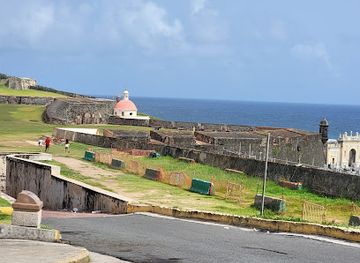
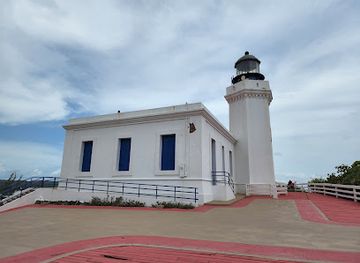
Arecibo’s attractions range from the historic centre to a coast shaped by cliffs, reefs and Atlantic surf. The Catedral de San Felipe Apóstol anchors the central plaza, where traditional urban streets and civic buildings offer a quieter introduction to the city’s past. At the shoreline, the Arecibo Lighthouse and Historical Park combines maritime interpretation with elevated views over the sea, while nearby coastal areas reveal the force of the northern ocean. Inland, Cambalache State Forest introduces visitors to the limestone plain’s vegetation and wildlife, and the municipality’s wider karst landscape contains caves, sinkholes and dramatic rock formations best explored with appropriate guidance. The former Arecibo Observatory remains culturally significant, but its radio telescope collapsed in 2020 and the facility should not be treated as an operating sightseeing attraction. River scenery, local plazas and community life complete a varied picture of a city that rewards slower exploration.
-
Tunnel
Túnel de Guajataca
Discover the Túnel de Guajataca, a historic landmark in Isabela, Puerto Rico, offering breathtaking views and rich cultural heritage.
46 min drive · 26 km from city centre
-
Tourist attraction
Reserva Natural Cueva del Indio
Explore Cueva del Indio in Arecibo, Puerto Rico - a stunning natural reserve filled with history, breathtaking views, and unique geological wonders.
25 min drive · 8.2 km from city centre
-
Public beach
La Poza del Obispo
Discover the serene beauty of La Poza del Obispo in Arecibo, a must-visit public beach offering stunning views and a tranquil escape into nature.
7 min drive · 2.3 km from city centre
-
Tourist attraction
Cueva Ventana
Discover Cueva Ventana, a stunning limestone cave in Arecibo, Puerto Rico, offering breathtaking views and a rich ecosystem for nature lovers and adventurers.
31 min drive · 11 km from city centre


Best landmarks in Arecibo
The Catedral de San Felipe Apóstol is Arecibo’s principal historic religious landmark, facing the central plaza and expressing the importance of the parish in the city’s civic life. Its presence helps define the older urban core, alongside traditional streets and surviving public and commercial buildings. By the coast, the Arecibo Lighthouse and Historical Park occupies the site of the nineteenth-century lighthouse known as the Faro de Arecibo, a marker of the municipality’s maritime position and a visual reference above the shoreline. The Río Grande de Arecibo is a geographical landmark as well as a historic source of settlement and commerce, linking the town with the interior. The former Arecibo Observatory is an important scientific landmark in Puerto Rican memory, though its celebrated telescope collapsed in 2020 and the site’s access and future use should not be assumed.
-
Tourist attraction
Reserva Natural Cueva del Indio
Explore the breathtaking landscapes and rich history of Reserva Natural Cueva del Indio, a natural park paradise in Arecibo, Puerto Rico.
25 min drive · 8.2 km from city centre
-
Tourist attraction
Cueva Ventana
Explore Cueva Ventana, Puerto Rico's stunning cave with breathtaking views and rich biodiversity, perfect for adventure seekers and nature lovers.
31 min drive · 11 km from city centre
-
Public beach
La Poza del Obispo
Experience the breathtaking beauty of La Poza del Obispo, a stunning public beach in Arecibo, Puerto Rico, perfect for relaxation and adventure.
7 min drive · 2.3 km from city centre
-
Park
Arecibo Lighthouse and Historical Park
Discover the Arecibo Lighthouse and Historical Park, where history meets breathtaking coastal views and lush landscapes in Puerto Rico.
6 min drive · 2.1 km from city centre


Explore Arecibo on the map
Plan your Arecibo trip on one map. See where the top attractions, landmarks, restaurants, bars and hotels are, find what's near where you're staying, and book hotels and experiences in a few clicks.
Best hotels in Arecibo
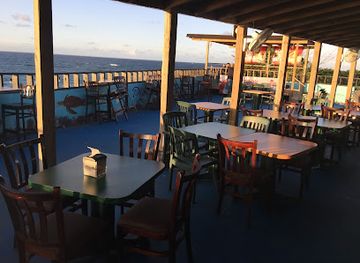
Best restaurants in Arecibo
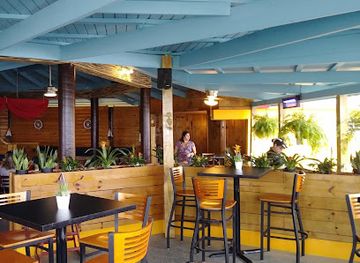
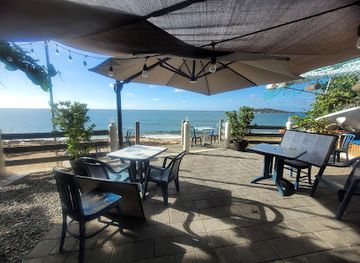
Arecibo’s food culture reflects the northern coast and Puerto Rico’s wider Creole culinary tradition, combining Indigenous, African and Spanish influences with ingredients from land and sea. Menus commonly draw on rice and beans, plantains, pork, chicken, root vegetables and fresh or locally sourced seafood, while fritters and other casual snacks suit a stop between coastal excursions. Small family-run eateries, bakeries, roadside food stands and restaurants around the urban centre provide a more representative dining experience than a narrowly defined restaurant quarter. Traditional dishes such as mofongo, arroz con gandules, pasteles and alcapurrias appear within the broader Puerto Rican repertoire, with preparation varying from kitchen to kitchen. Coffee, sweets and chilled fruit drinks add everyday character, while the coast and rural roads offer settings for informal meals. Dining hours and payment options can vary, particularly outside the central area.
-
Restaurant
Islote Beach Restaurant
Experience authentic Puerto Rican cuisine at Islote Beach Restaurant with breathtaking ocean views and fresh seafood delights.
6 min drive · 1.8 km from city centre
-
Seafood
Salitre Mesón Costero
Experience the best seafood dining in Arecibo at Salitre Mesón Costero, where gourmet flavors meet stunning coastal views.
12 min drive · 4.1 km from city centre
-
Restaurant
Playa Brava Arecibo
Experience authentic Puerto Rican cuisine at Playa Brava Arecibo with stunning ocean views and fresh seafood delights.
32 min drive · 12 km from city centre
-
Barbecue
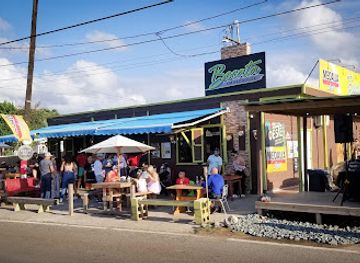
Bocata Smokehouse & Restaurant
Experience authentic Puerto Rican barbecue at Bocata Smokehouse & Restaurant in Arecibo - where smoky flavors meet vibrant dining.
19 min drive · 6.3 km from city centre
Best bars in Arecibo
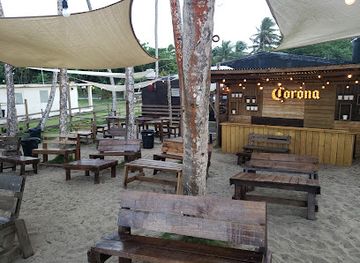
Arecibo’s evening scene is modest and local rather than concentrated around large clubs. After sunset, activity is found mainly in bars, casual restaurants and neighbourhood establishments around the town centre, where conversation, music and televised sport are often more important than elaborate nightlife programming. Puerto Rican musical traditions, including salsa, merengue, reggaetón and bachata, may shape the atmosphere, while particular events and performances vary by season and venue. The central plaza and nearby streets can feel more social during festivals, religious celebrations and community gatherings, but quieter evenings are typical outside special occasions. Visitors should expect distances between venues and arrange a safe way back if staying outside the centre. Coastal areas are better suited to an early evening view than spontaneous late-night wandering, especially where roads are poorly lit or surf conditions are unsettled.
-
Grill
El Clandestino
Discover El Clandestino, an inviting grill bar in Islote offering mouthwatering dishes and a vibrant atmosphere for an unforgettable dining experience.
34 min drive · 14 km from city centre
-
Grill
First Stop Grill and More
Discover the vibrant flavors of Puerto Rico at First Stop Grill and More in Arecibo, a must-visit spot for grilled delights and local culture.
12 min walk · 1.0 km from city centre
-
Sports bar
Willie's Sport Bar
Discover the vibrant atmosphere of Willie's Sport Bar in Arecibo, where local flavors and live sports create an unforgettable experience.
18 min walk · 1.4 km from city centre
-
Grill
Ozean Food & Bar
Savor the flavors of Puerto Rico at Ozean Food & Bar, where great food meets a vibrant atmosphere in Arecibo.
30 min drive · 10 km from city centre



Best nightclubs in Arecibo
Arecibo’s evening scene is modest and local rather than concentrated around large clubs. After sunset, activity is found mainly in bars, casual restaurants and neighbourhood establishments around the town centre, where conversation, music and televised sport are often more important than elaborate nightlife programming. Puerto Rican musical traditions, including salsa, merengue, reggaetón and bachata, may shape the atmosphere, while particular events and performances vary by season and venue. The central plaza and nearby streets can feel more social during festivals, religious celebrations and community gatherings, but quieter evenings are typical outside special occasions. Visitors should expect distances between venues and arrange a safe way back if staying outside the centre. Coastal areas are better suited to an early evening view than spontaneous late-night wandering, especially where roads are poorly lit or surf conditions are unsettled.
-
Sports bar
Willie's Sport Bar
Willie's Sport Bar in Arecibo: Your ultimate destination for sports, good food, and lively entertainment.
18 min walk · 1.4 km from city centre
-
Cigar shop
612 Cigar Lounge
Discover the elegance of 612 Cigar Lounge in Arecibo - a perfect blend of premium cigars and expertly crafted cocktails in a luxurious setting.
16 min walk · 1.3 km from city centre
-
Grill
Lakantina Salsa House & Pikadera
Lakatina Salsa House & Pikadera: A vibrant grill experience with authentic Puerto Rican cuisine and lively salsa dancing in Arecibo.
1 min walk · 0.1 km from city centre
-
Bar
PARTIME SEA SIDE SPORT BAR
Experience the lively ambiance and stunning ocean views at Partime Sea Side Sport Bar, a top destination for relaxation and sports in Arecibo.
9 min drive · 3.0 km from city centre




Best shops in Arecibo
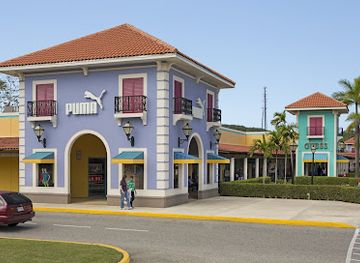
Shopping in Arecibo is centred on practical local commerce, supermarkets, small businesses and the traditional streets around the urban centre rather than a single major visitor market. Visitors may find Puerto Rican food products, sweets, coffee, rum, crafts and souvenirs through independent retailers, specialist shops and seasonal community events, with availability varying between businesses. The city’s shopping character is closely connected to everyday life: bakeries, panaderías, pharmacies and small food outlets are as representative of Arecibo as souvenir displays. For distinctive purchases, look for locally made items and regional products rather than generic imported merchandise, and ask about provenance when buying craftwork. Larger retail areas and shopping centres serve residents, but the historic centre offers more atmosphere and a stronger connection with Arecibo’s civic and commercial heritage.
-
Outlet mall
Puerto Rico Premium Outlets
Discover unbeatable deals and a tropical shopping experience at Puerto Rico Premium Outlets, where style meets savings in a beautiful outdoor setting.
39 min drive · 19 km from city centre
-
Shopping mall
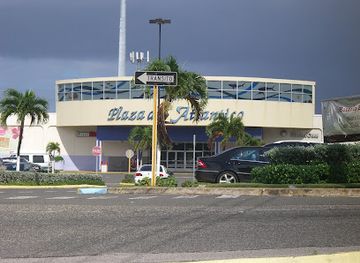
Plaza del Atlántico
Discover the vibrant Plaza del Atlántico, Arecibo's ultimate shopping and entertainment destination, offering unique finds and delightful dining experiences.
13 min drive · 4.4 km from city centre
-
Shopping mall
Arecibo Plaza Shopping Center
Discover Arecibo Plaza Shopping Center, a vibrant mall offering diverse shops, local products, and delicious dining in the heart of Puerto Rico.
9 min walk · 0.7 km from city centre
-
Donuts
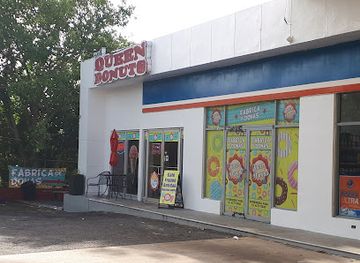
Fábrica de Donas/Queen Donuts
Discover the delightful flavors at Fábrica de Donas/Queen Donuts in Arecibo, where every bite is a taste of happiness.
23 min drive · 7.8 km from city centre

Get your free copy of our complete guide to Arecibo, delivered straight to you.
Everything on this page, from attractions and restaurants to essentials and local phrases, in one PDF you can read offline, print or share.
Already have an account? Sign in
Your Arecibo guide is ready.
We'll send it to · Not you? Sign out

Getting your guide ready…
We are putting together a fresh copy of the Arecibo guide. This can take up to a minute.
This can take a few moments. If your browser asks, choose Allow so the download can start. You'll find the guide in your Downloads folder.
Nothing happened? Download it again
Sorry, the guide is taking longer than usual. Please try again in a minute, or get it by email instead.
Arecibo essentials
Currency and Payment
Safety
Emergency Situations
Do's and Don'ts
Local Tips
From Eve
Local phrases worth knowing
You don't need to get them perfect. A few words go a long way, and locals appreciate the effort.
Basics
| English | Local | Say it |
|---|---|---|
| Hello | Hola | [oh-lah] |
| Goodbye | Adiós | [ah-dee-ohs] |
| Yes | Sí | [see] |
| No | No | [noh] |
| Please/You're welcome | Por favor/De nada | [pohr fah-bor/deh nah-dah] |
| Thank you | Gracias | [grah-see-ahs] |
| Excuse me/Sorry | Disculpe/Perdón | [dees-kool-peh/pehr-dohn] |
| How are you? | ¿Cómo estás? | [koh-moh ehs-tahs] |
| Fine. And you? | Bien. ¿Y tú? | [byen. ee too] |
| Do you speak English? | ¿Hablas inglés? | [ah-blahs een-glehs] |
| I don't understand | No entiendo | [noh ehn-tee-ehn-doh] |
Eating & Drinking
| English | Local | Say it |
|---|---|---|
| I'd like to see the menu, please | Me gustaría ver el menú, por favor | [meh goos-tah-ree-ah behr ehl meh-noo, pohr fah-bor] |
| I don't eat meat | No como carne | [noh koh-moh kahr-neh] |
| Cheers! | ¡Salud! | [sah-lood] |
| I would like to pay, please | Me gustaría pagar, por favor | [meh goos-tah-ree-ah pah-gahr, pohr fah-bor] |
Emergencies
| English | Local | Say it |
|---|---|---|
| Help! | ¡Ayuda! | [ah-yoo-dah] |
| Go away! | ¡Vete! | [veh-teh] |
| Call the Police! | ¡Llama a la Policía! | [yah-mah ah lah poh-lee-see-ah] |
| Call a doctor! | ¡Llama a un doctor! | [yah-mah ah oon dohk-tohr] |
| I'm lost | Estoy perdido | [ehs-toy pehr-dee-doh] |
| I'm ill | Estoy enfermo | [ehs-toy ehn-fehr-moh] |
Shopping
| English | Local | Say it |
|---|---|---|
| I'd like to buy... | Me gustaría comprar... | [meh goos-tah-ree-ah kohm-prahr] |
| I'm just looking | Solo estoy mirando | [soh-loh ehs-toy mee-rahn-doh] |
| How much is it? | ¿Cuánto cuesta? | [kwan-toh kwehs-tah] |
| That's too expensive | Eso es muy caro | [eh-soh ehs mwee kah-roh] |
| Can you lower the price? | ¿Puedes bajar el precio? | [pweh-dehs bah-hahr ehl pree-syoh] |
Time & Numbers
| English | Local | Say it |
|---|---|---|
| What time is it? | ¿Qué hora es? | [keh oh-rah ehs] |
| It's one o'clock | Es la una en punto | [ehs lah oo-nah ehn poon-toh] |
| Half past (10) | Media hora (10) | [meh-dee-ah oh-rah (diez)] |
| Morning | Mañana | [mah-nyah-nah] |
| Afternoon | Tarde | [tahr-deh] |
| Evening | Noche | [noh-cheh] |
| Yesterday | Ayer | [ah-yehr] |
| Today | Hoy | [oy] |
| Tomorrow | Mañana | [mah-nyah-nah] |
| 1 | Uno | [oo-noh] |
| 2 | Dos | [dohs] |
| 3 | Tres | [trehs] |
| 4 | Cuatro | [kwah-troh] |
| 5 | Cinco | [seen-koh] |
| 6 | Seis | [sehs] |
| 7 | Siete | [syeh-teh] |
| 8 | Ocho | [oh-choh] |
| 9 | Nueve | [nweh-veh] |
| 10 | Diez | [dyehs] |
Transport & Directions
| English | Local | Say it |
|---|---|---|
| Where's a/the...? | ¿Dónde está...? | [dohn-deh ehs-tah] |
| What's the address? | ¿Cuál es la dirección? | [kwal ehs lah dee-rehk-syohn] |
| Can you show me (on the map)? | ¿Puedes mostrarme (en el mapa)? | [pweh-dehs mohs-trar-meh (ehn ehl mah-pah)] |
| When's the next (bus)? | ¿Cuándo es el próximo (autobús)? | [kwan-doh ehs ehl prohk-see-moh (ow-toh-boos)] |
| A ticket (to ....) | Un ticket (para ....) | [oon tee-keh (pah-rah)] |
History of Arecibo
Taíno Roots and the Arecibo Name
Before Spanish colonisation, northern Puerto Rico was inhabited by Taíno communities whose settlements, agriculture and river-based way of life shaped the region long before the modern city emerged. The name Arecibo is generally linked to the Taíno cacique Arasibo, although colonial records and later interpretations vary in their details. Indigenous influence survives in Puerto Rico’s place names, foodways and archaeological record, even as disease, forced labour and colonial disruption transformed Taíno society during the sixteenth century. The broad river valley and fertile coastal plain later attracted Spanish settlement, helping establish the geographical basis for the town’s development.
Spanish Settlement and San Felipe
Spanish settlement at Arecibo developed during the early seventeenth century, and the town was formally founded in 1616 under the name San Felipe del Arecibo. Its position beside the Río Grande de Arecibo and the northern coast made it useful for agriculture, livestock raising and coastal trade, although the settlement remained vulnerable to hurricanes and attacks affecting Caribbean communities. Arecibo’s early urban form grew around religious and civic institutions, with the church serving as an important social centre. The town’s river, surrounding plain and access to the sea continued to determine its economy and connections with other parts of Puerto Rico.
Agriculture, Trade and Municipal Growth
During the eighteenth and nineteenth centuries, Arecibo expanded as Puerto Rico’s agricultural economy became increasingly tied to overseas markets. Sugar, coffee, tobacco and livestock contributed to local prosperity at different times, while the port and river supported the movement of people and goods. The town gained municipal importance as roads and administrative institutions developed, and the buildings of the historic centre took on the characteristic forms of Spanish Caribbean civic and religious architecture. Economic growth was uneven, however, and depended on plantation labour, slavery and later forms of contracted work. These changes left a lasting imprint on the city’s social structure and built environment.
Emancipation and Puerto Rican Society
The abolition of slavery in Puerto Rico in 1873 altered labour relations and social life in Arecibo, even though economic inequality persisted. The late nineteenth century also brought political debate, commercial change and stronger links with other towns through improving transport. Religious buildings, municipal facilities and merchant homes helped define the urban centre, while rural communities remained closely connected to cultivation and livestock. Arecibo participated in the wider development of Puerto Rican cultural identity, shaped by African, European and Indigenous legacies. The city’s public life continued to revolve around its parish, markets, civic institutions and relationship with the coast.
Twentieth-Century Modernisation
The twentieth century brought roads, expanded public services and new industrial and commercial activity, gradually changing Arecibo from an agricultural town into a more diverse regional centre. Migration to other parts of Puerto Rico and to the United States affected families and neighbourhoods, while modern construction appeared beside older colonial-era buildings. The municipality’s natural environment also gained new scientific importance with the development of the Arecibo Observatory, whose radio telescope became one of the world’s best-known astronomical facilities after opening in 1963. Science, education and tourism added new dimensions to Arecibo’s public identity.
Disaster, Recovery and a Changing Identity
Arecibo has repeatedly faced the pressures of Caribbean hurricanes, earthquakes and economic change. Hurricane Maria in 2017 damaged infrastructure across Puerto Rico, while the collapse of the Arecibo Observatory telescope in December 2020 ended a landmark chapter in the history of radio astronomy. The loss was both scientific and emotional, since the facility had become closely associated with the municipality and appeared in international media and popular culture. Arecibo’s present identity therefore rests on more than the observatory: its historic centre, coastal heritage, karst landscapes, forests and community institutions continue to shape the city’s future.
Arecibo in Photos
Browse through our photo collection highlighting the charm and character of the destination.
Cities near Arecibo
The closest cities to Arecibo, if you have time for more than one stop.
-

-

-

-

-


Swipe for more cities
Explore more

Explore more of Puerto Rico
Discover Puerto Rico, where vibrant culture, stunning beaches, and rich history create an unforgettable Caribbean experience. Perfect for adventurers and relaxation seekers alike.
Explore Puerto Rico